Supergirl’s Messy 65-Year Comic History Is Exactly What James Gunn Needs For His New DCU Business

Supergirl’s Messy 65-Year Comic History Is Exactly What James Gunn Needs For His New DCU

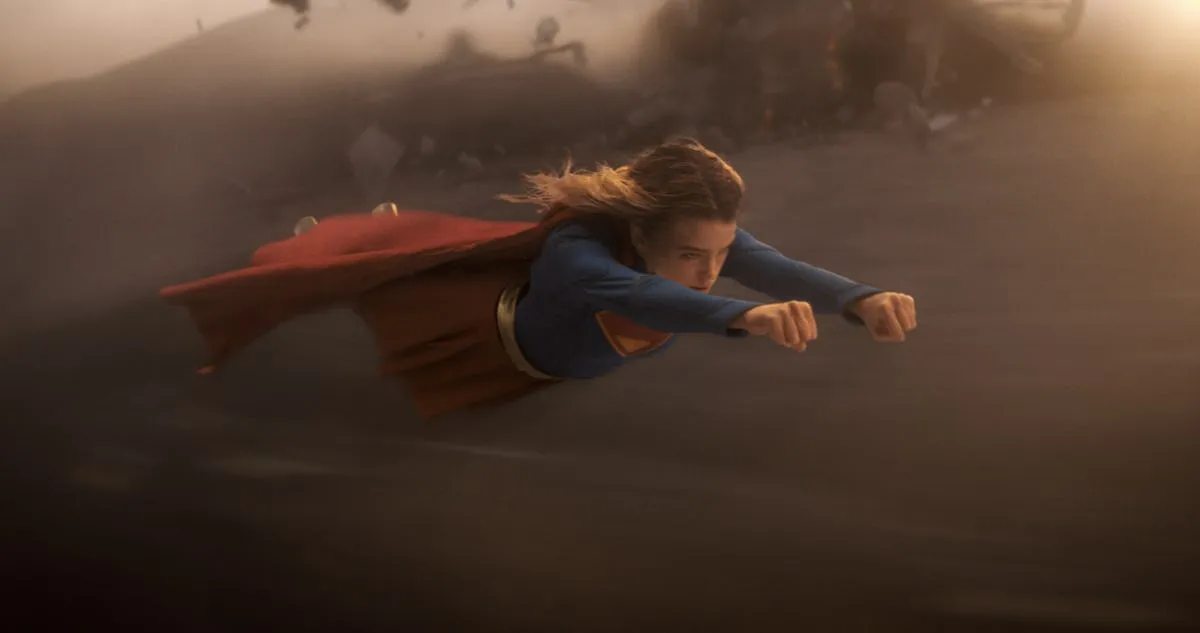
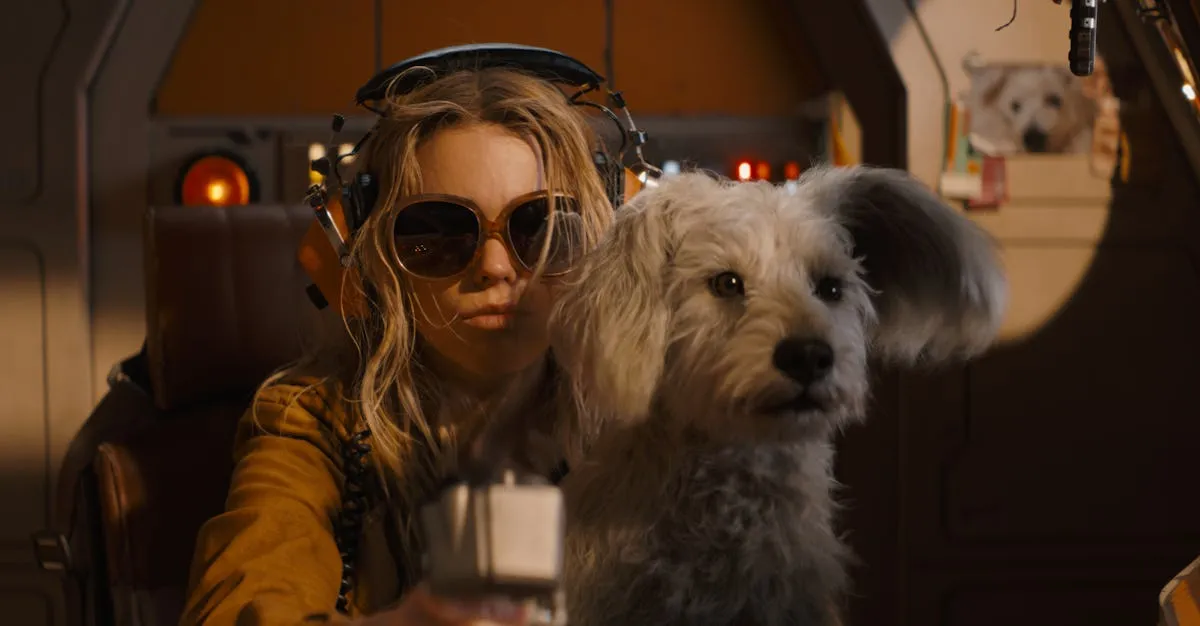
(SeaPRwire) - By: Silas Sterling James Gunn’s new Supergirl film is billed as a fresh start for the DCU. Most casual fans have no clue how many different versions of the character exist. DC has been retconning and rebooting Supergirl since her 1959 debut. Warner Bros.’ marketing ignores this messy history to sell opening weekend tickets. I chatted with three long-time comic readers at a local fan meet last month. None of them could name more than two canonical Supergirls off the top of their head. That gap between what marketing tells you and what actually exists in canon is nothing new for DC. Pre-Crisis Kara Zor-El is the oldest and most famous version of Supergirl. She debuted in 1959’s Action Comics #252, written by Otto Binder and drawn by Al Plastino. She was not technically the first character to hold the Supergirl name. That distinction goes to a one-off magic creation by Jimmy Olsen from the Golden Age. Kara’s home of Argo City survived Krypton’s initial destruction. A meteor storm destroyed Argo years later, so Kara was sent to Earth. She arrived after her cousin Kal-El had already become Superman. She lived at Midvale Orphanage under the secret identity Linda Lee for years. Kal-El made her hide her powers until she could control them fully. She was eventually adopted by the Danvers, and debuted publicly in 1962’s Action Comics #285. She built a steady fanbase over the next 23 years, earning two solo comics. Her story ended in the 1985 event Crisis on Infinite Earths. DC decided to erase the multiverse to fix decades of canon inconsistencies. Kara died saving her Superman, and her entire existence was wiped from the new timeline. The Earth-Two version of Kara Zor-L survived the event, and rebranded as Power Girl. Power Girl was given a fake Atlantean origin that fans rejected outright. The 2005 Infinite Crisis event restored her original backstory as a refugee of dead Earth-Two. Most casual fans only know her for her provocative costume. She is actually a mature, experienced hero that stands apart from other teen Supergirls. Gunn’s upcoming Supergirl film draws from the Woman of Tomorrow arc, which centers the original Kara Zor-El. Gunn’s DCU has already played fast and loose with multiverse lore. Marketing never mentions that any number of existing Supergirl variants could pop up in future projects. DC has used Supergirl’s multiple identities as a creative safety net for decades. Every time they need to shake up Superman’s world, they pull a new Supergirl variant from the archives. This lets them expand the universe without building an entirely new character from scratch. It also lets DC republish old story arcs to new fans hungry for more context after the film. DC owns every version of Supergirl, and gets to rewrite canon whenever it fits their business plan. Fandom can argue for decades about which version is the “real” one. Fans never get any say in which variant gets the big budget film treatment. The messy history of Supergirl is intentional. It keeps fans digging through DC’s back catalog, spending more money on old content. DC doesn’t clean up canon for the fans. They leave it messy to keep the IP profitable forever. Author bio: Silas Sterling, veteran open-source developer and culture writer covering comic IP strategy for independent outlets.
More
The Nostalgia Trap is Real, But X-Men ’97 Just Broke It Business

The Nostalgia Trap is Real, But X-Men ’97 Just Broke It

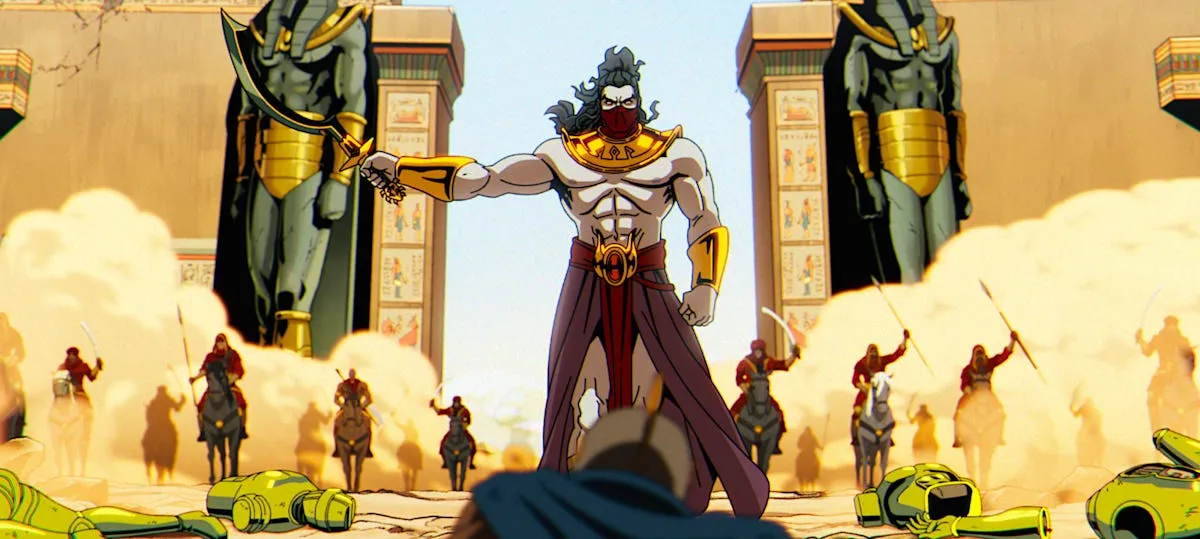
(SeaPRwire) - By: Oliver Hawthorne The current media landscape is suffering from a severe innovation drought. Major studios have become risk-averse conglomerates. They prioritize safe, recognizable intellectual property above all else. Writers cannot get projects greenlit without attaching them to bygone brands. This creates a glut of sequels and spinoffs. The market is saturated with derivative content. This reality is demoralizing for the engaged fanbase. We are trapped in a cycle of repetitive consumption. However, a distinct anomaly has emerged to challenge this status quo. *X-Men '97* refuses to play by the cynical rules of the modern industry. It started as a delayed follow-up to a 90s cartoon. It cribbed from a kitschy animation style. Yet, it wasted no time establishing its own identity. The show brings a specific, chaotic fun back to the franchise. It delivers character-driven angst and soapy melodrama. These elements have eluded the mutant team for decades. The series proves that nostalgia does not require creative bankruptcy. It uses the past as a launchpad, not a prison. This creates a fascinating tension in the market. The industry relies on recycling old assets. But this show demonstrates that old assets can still generate new alpha. It defies the new normal of diminishing returns. Season 2 premieres on Disney+ on July 1. It continues immediately from a high-stakes cliffhanger. The narrative architecture is ambitious. A time-travel twist fractures the team's timeline. The X-Men are scattered across three distinct eras. These include Ancient Egypt circa 3000 B.C. and the 1990s. The timeline also stretches to the year 3690 A.D. The villain Apocalypse serves as the cohesive anchor. He unifies the disjointed storylines. The four episodes provided to critics balance episodic adventure with serialization. In the 37th Century, the team faces the height of Apocalypse’s reign. Cyclops and Jean Grey reunite with their son, Nathan. He was infected by a tech virus in Season 1. Now a troubled teen, he is destined to become Cable. This plotline carries major "Terminator" vibes. It explores the moral dilemma of parenting a messiah. Scott and Jean must decide if they should guide his destiny. Meanwhile, Magneto and Professor X are stranded in the ancient past. They encounter En Sabah Nur as a former slave. He is an outcast, not yet a megalomaniac. Magneto seeks to tame this adversary. He hopes to make amends with Xavier. The present timeline follows Cable, Jubilee, and new X-Factions. The pacing is breakneck. The series speedruns through complex comic arcs. It leaves little room for breathing. Former showrunner Beau DeMayo exited after Season 1. He retains a producer credit. The show remains intelligible despite this production turbulence. This success highlights a critical inefficiency in the current content market. Disney+ has inadvertently validated a superior production model. The animation division is outperforming the live-action sector in narrative ROI. *X-Men '97* captures the emotional core of the IP. Live-action adaptations often struggle to match this density. The show operates under significant constraints. The breakneck pacing suggests a production crunch. It feels like a race against time. Yet, this pressure forces a density of plot that modern blockbusters lack. The commercial loop here is instructive. The show uses nostalgia to lower customer acquisition costs. It uses quality to maximize lifetime value. The retention rates for this series likely exceed bloated theatrical releases. The industry end-game involves a strategic reallocation of capital. Studios will pivot resources to prestige animation. It offers a higher hit rate than expensive live-action experiments. The Beau DeMayo situation reveals a friction point. Corporate structures often clash with creative vision. Yet, the product survived the turnover. This resilience is a bullish signal for the asset. The ultimate deduction is clear. The future of superhero storytelling is animated. It allows for a fidelity to the source that cameras cannot capture. Author bio: Oliver Hawthorne, a Principal Correspondent permanently stationed at an international technology review
More
Amazon Is About to Ruin James Bond by Treating It Like Software Business

Amazon Is About to Ruin James Bond by Treating It Like Software

(SeaPRwire) - By: Lucas Caldwell Amazon owns 007 now. The tech giant is itching to meddle. They see a massive, dormant asset sitting on their balance sheet. They want to squeeze it for every penny. They instinctively think bigger is always better. They are already planning a cinematic universe. They want to build endless lore around the character. This is a strategic trap. The franchise is already dangerously bloated. It does not need an expansion pack. It needs a hard reset. Silicon Valley is obsessed with scale. But Bond is not a software platform. You cannot iterate him into oblivion without breaking the core logic. The algorithm for success is actually quite simple. History proves this point clearly. *Moonraker* launched in 1979. It was the eleventh film in the series. It famously sent Bond to space. The movie made money at the box office. However, critics absolutely hated it. It was too campy. It was too ridiculous. It dragged the franchise into a cultural abyss. The producers faced a massive crisis. They had to bring the character back to Earth. They needed an immediate pivot. This is the classic franchise midlife crisis. Properties lose their way when they chase spectacle. They forget the core loop that made them famous. They try to fix what isn't broken. *For Your Eyes Only* hit theaters forty-five years ago. It stripped the fat away. Roger Moore was fifty-four years old. He looked every bit his age on screen. The stakes were surprisingly low. A stolen device threatened UK submarines. The villain was a Greek smuggler. He was not a mastermind. He was just a crook. Melina Havelock was out for revenge. The film delivered ski chases. It delivered car chases. The gadgets were toned down. It was pure formula. It was competent. It was unremarkable. It was exactly what the doctor ordered. It proved that reliability beats novelty every time. The recent Daniel Craig era was exhausting. It was overstuffed with plot points. It prioritized dense lore over actual action. We got endless flashbacks. We got confusing retcons. We got forced connected universes. This is "maximalism" in action. Tech companies usually thrive on this model. They want user retention. They want sticky content. They want a narrative API that keeps users subscribed. But viewers are actually burnt out. They do not want homework. They do not need a wiki to watch a movie. They want a release. The Craig run was exhilarating but it was too much. Amazon must resist the urge to expand. They have the data. They see the engagement metrics clearly. But they misread the room entirely. They think complexity adds value. They will pitch unnecessary origin stories. They will build spinoffs. This is the wrong play. The formula is the feature. Fast cars. Exotic locales. A clear mission. Give Bond a PPK. Then let him get to work. Do not overengineer the stack. Keep it simple. The audience does not need a universe. They just need a movie. Amazon’s only path to success is ignoring the urge to save the world and focusing on saving just a piece of it. Author bio: Lucas Caldwell, a tech opinion leader with millions of followers on X/Twitter known for his sharp critiques of Silicon Valley strategy.
More
The Last Analog Glitch: Why Jackass Beats AI at Being Human Business

The Last Analog Glitch: Why Jackass Beats AI at Being Human

(SeaPRwire) - By: Lucas Caldwell We are drowning in sanitized content. Algorithms dictate every interaction. Safety rails govern our digital existence. Then there is Jackass. It is a chaotic variable. It refuses optimization. It is the ultimate unpatchable exploit in the operating system of polite society. This final film is not just a retirement. It is a system crash. It reminds us that the human body is hardware that fails spectacularly. That failure is the feature, not the bug. We need this crash. We need the blue screen of death to feel alive again. "Jackass: Best and Last" marks the end of a 26-year run. It is a hybrid retrospective. It features new footage alongside archival clips. One lost segment finds Johnny Knoxville as "P.J." in 1998. He tests a Kevlar vest reinforced with nudie mags. It is a game of Russian roulette. The footage was too raw for MTV. It is now finally seeing light. The runtime is 92 minutes. It includes a riff on Jamiroquai’s "Virtual Insanity." That video came out in 1996. It was the same year Knoxville met Jeff Tremaine. They plotted a phenomenon. It is a victory lap. The film introduces a robot named Larry. Larry gives Steve-O a colonoscopy. It looks like automation. It is not. Larry is remotely controlled. The stunts involve human puppeteering. Dave England, Wee Man, and Danger Ehren are marionetted. They are pelted with pineapples. Knoxville links arms to Poopies via electrodes. They move in mirrored unison. The result is painful shaving accidents. The cast is aging. They are broken. They are too old for a full feature. They take a final bow from a safe distance. It is a genuine adieu. The inclusion of Larry is a brilliant feint. In an era of generative AI, we fear the machine taking over. Jackass subverts this. The robot is a puppet. The pain is real. The agency remains strictly human. It highlights a crucial distinction. Automation removes risk. Jackass embraces it. The "algorithm" here is just a guy with a remote control causing chaos. It proves that true disruption requires skin in the game. You cannot simulate a colonoscopy from a robot. You cannot simulate the flinch. The latency of pain is zero. The franchise has its blind spots. The humor skews white and male. Newer diverse cast members are sidelined. Jasper Dolphin and Dark Shark are barely seen. Rachel Wolfson is an onlooker. Yet the core mechanic remains vital. It is a rejection of digital invulnerability. Superheroes are immortal. These men are fallible. They bleed. They vomit. This physical vulnerability is a scarce resource. In a simulated world, the wet, messy biological reality is the premium asset class. We crave the glitch. The future of entertainment belongs to those who can bleed, because the algorithms never will. Author bio: Lucas Caldwell, a tech opinion leader with millions of followers on X/Twitter.
More
This 10-Year-Old Sci-Fi Episode Broke Every Time Travel Rule We Took For Granted Business

This 10-Year-Old Sci-Fi Episode Broke Every Time Travel Rule We Took For Granted

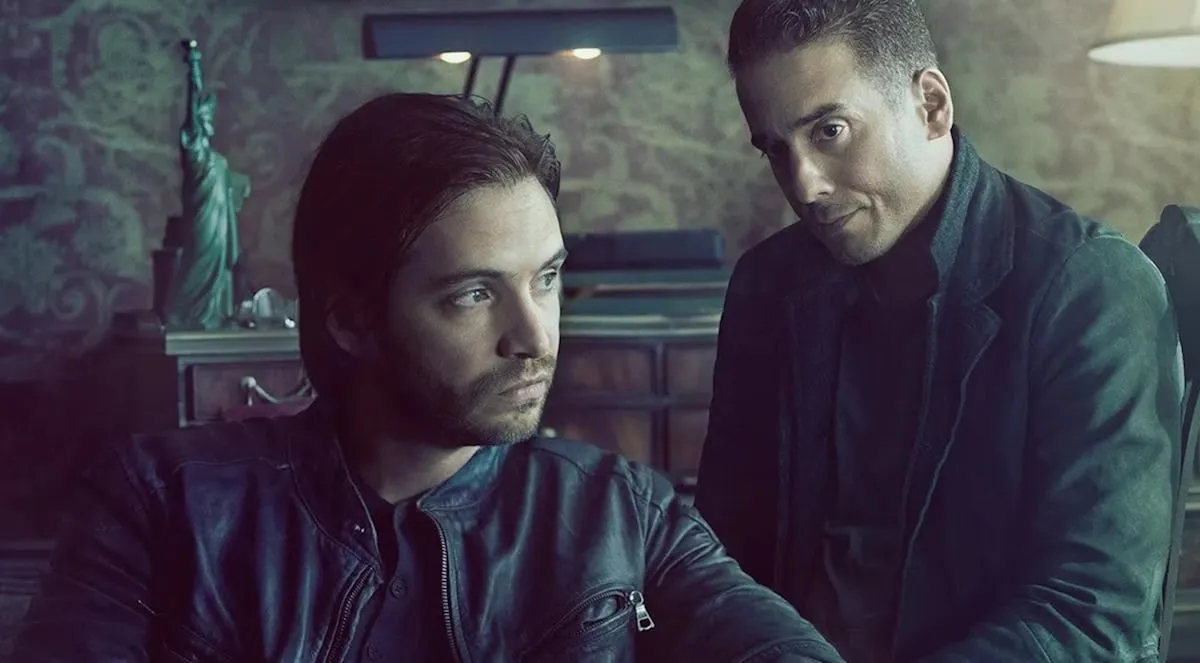
(SeaPRwire) -By: Silas Sterling Most time travel sci-fi falls into one of two lazy buckets these days. You either get a fully fixed predestination loop, or a free-for-all mutable timeline. There’s rarely any middle ground, and studios act like fans can’t handle anything more complex. I rewatched 12 Monkeys’ 2016 “Fatherland” episode at a local sci-fi watch party last week. Half the room was seeing it for the first time, and every single person gasped twice in the final 10 minutes. Ben Mark Holzberg/Syfy The episode first aired the week of June 20, 2016, as part of 12 Monkeys’ second season. The core plot splits Team Splinter over two competing missions. Cole and Dr. Jones want to travel to 1957 to stop a paradox causing future temporal storms. Cassie and Ramse insist they go to 1961 to hunt Nazi war criminal Dr. Kirschner, who redacted CIA files link to the Witness and the time-traveling city Titan. They trick Cole into jumping to 1961, and the mission quickly unravels. Cassie and Ramse track Kirschner to Berlin, where he’s being hunted by Mossad agents. They manage to interrogate him, and the first twist drops. The redacted files they used to justify the mission only exist because they said the words “Witness” and “Titan” during that exact interrogation. They created their own clue, and wasted everyone’s time chasing a loop. Most lesser sci-fi shows would roll credits right there, on that classic 1995 film-style closed loop punchline. Brothers at odds: Cole and Ramse in 1961 in 12 Monkeys Season 2. | SYFY This episode doesn’t stop there. Seconds after Cole calls the team out for chasing their own tail, Cassie spots a familiar pendant around Kirschner’s neck. It’s the secret symbol of the Army of the 12 Monkeys, the group they’ve been hunting for the entire season. They were right to come to 1961, just for entirely the wrong reason. The show pulls off the rare trick of delivering a perfect predestination paradox and a linear, plot-driving twist at the same time. It upends every assumption the viewer has about cause and effect, no cheap cop-outs involved. I dug through 2016 fan forums and Reddit threads after the watch party to refresh my memory. The episode sparked weeks of fierce debate, split between fans calling it a plot hole and hailing it as a genre masterpiece. Syfy barely marketed the episode ahead of time, and it never got the same standalone acclaim as Season 2’s “Lullaby” episode. It built its cult following entirely through word of mouth, as fans passed the twist along to each other. The side beat of Gale sacrificing himself to get the team across the Berlin Wall, only to reappear later in the series, kept fans guessing for months. Gale (Jay Karnes) becomes one of the most interesting 12 Monkeys allies in Season 2. | Steve Wilkie/Syfy Modern streaming sci-fi plays it far too safe for my taste. Studios force showrunners to stick to predictable, trope-heavy plots that won’t confuse casual viewers. They treat core genre fans like afterthoughts, prioritizing algorithm-friendly mass appeal over creative risk. A weird, ambitious twist like the one in “Fatherland” would never make it past a modern streaming executive’s notes. If you haven’t seen it, 12 Monkeys streams in full on Prime Video. It’s still worth your time, 10 years later. Author bio: Silas Sterling, veteran kernel contributor and editor-in-chief of an open-source security digest, with a lifelong obsession with hard sci-fi worldbuilding.
More
Supergirl’s Ending: Trauma, Vengeance, and the Dawn of a New Super-Team Business

Supergirl’s Ending: Trauma, Vengeance, and the Dawn of a New Super-Team

(SeaPRwire) - By: Oliver Hawthorne "Supergirl" isn't merely a tale of intergalactic adventure; it's a profound exploration of trauma, redemption, and the weight of legacy. The film kicks off with a harrowing sequence: Krypto, Kara Zor-El’s beloved dog, is poisoned, setting in motion a galaxy-spanning odyssey. Kara and young Ruthye chase space pirates, stumbling upon an interplanetary human trafficking ring. This unexpected detour forces Kara to confront not just the threat of losing her pet but also the corrosive nature of vengeance. When Ruthye readies to avenge her family by killing Krem, Kara’s past—her own trauma from witnessing Krypton’s destruction—compels her to intervene. She pleads with Ruthye, recognizing that vengeance won’t heal pain. This pivotal moment shifts the narrative, showcasing Kara’s growth from a brooding survivor to someone willing to embrace her role as a protector. The ending diverges from Tom King’s comic “Supergirl: Woman of Tomorrow.” In the source material, Kara imprisons Krem in the Phantom Zone centuries later. Here, director Craig Gillespie and writer Ana Nogueira pivot to highlight Kara’s immediate trauma-driven choice. This alteration deepens her character arc, emphasizing her struggle with the weight of her past. And yes, Krypto survives—another thread tying up the emotional stakes. But the film’s impact extends beyond Krypto’s survival. It grapples with a major Superman canon shift: the revelation that Jor-El sent Kal-El to Earth not to be a beacon but a conqueror. Kara’s upbringing by Zor-El and Alura, who instilled values of protecting the weak, contrasts sharply with Superman’s path. This sets the stage for their eventual team-up in “Man of Tomorrow,” where Kara finally embraces her role as a true “Super.” As the film concludes, Kara returns to Earth, ready to join forces with Superman. A lingering question remains: does Kara know about Superman’s parents’ message? Milly Alcock, who plays Kara, hints she’s focused on her newfound purpose, not the details of Superman’s origin. The journey of "Supergirl" isn’t just about saving a dog or stopping a villain; it’s about a character shedding her trauma and stepping into her destiny. The upcoming “Man of Tomorrow” will likely explore the full extent of their combined power, but for now, Kara’s arc is firmly rooted in her choice to protect the weak, a stark contrast to the conqueror path hinted at for Superman. Author bio: Oliver Hawthorne, a Principal Correspondent permanently stationed at an international technology review, with a focus on dissecting cinematic narratives and their impact on superhero genre evolution.
More
Absolute Batman Animated Series: Why Ditching Bruce Wayne’s Fortune Is DC’s Biggest Superhero Gamble Yet Business

Absolute Batman Animated Series: Why Ditching Bruce Wayne’s Fortune Is DC’s Biggest Superhero Gamble Yet

(SeaPRwire) -By: Christian Pierce The superhero adaptation space has grown stale. Studios cling to familiar beats for Batman stories. Now DC is launching an animated series for Absolute Batman. This take throws out every core Bruce Wayne trope. It’s a direct challenge to the industry’s safe IP playbook. Fans and investors ask: will audiences accept a Batman without his fortune? DC Comics Let’s lay out the hard, verified details first. The multiverse concept rose to mainstream prominence in the 1970s and 1980s. One-off alternate stories like Marvel’s What If? or DC’s Elseworlds imprint were popular twists. Marvel’s 2000 Ultimate Spider-Man proved a continuous alternate universe could match mainline comic success. Twenty-six years later, DC launched the Absolute Universe in 2024. It was crafted by Darkseid as a reality opposed to superheroes. Initial titles focused on Batman, Wonder Woman, and Superman. Scott Snyder and Nick Dragotta’s Absolute Batman run earned massive critical praise. The series was announced at this year’s Annecy International Film Festival, per Deadline reporting. DC Studios and Warner Bros. Animation are producing the show. Snyder will serve as executive producer and showrunner. Dragotta will co-produce. WB Animation has a track record of hits like Batman: The Animated Series and Creature Commandos. Despite the redesign’s initial controversy, Absolute Batman has been a monumental success for DC Comics. | DC Comics The reimagined Bruce Wayne is a blue-collar civil engineer. His father died in a zoo mass shooting, not a classic mugging. His mother Martha is alive, working as a social worker and confidant to Mayor James Gordon. Most of his rogues gallery are childhood friends. The only exception is the Joker, a billionaire criminal with demonic alternate forms. After over 85 years of varying interpretations, Absolute Batman’s Joker has already become one of the most terrifying. | DC Comics This isn’t just a creative gamble. It’s a calculated play to expand DC’s franchise portfolio without diluting its main universe. The Absolute comic line already earned a dedicated fan base. Bringing the original creators on board avoids the usual creative missteps that plague comic adaptations. If the series catches on with viewers, DC can greenlight more Absolute Universe titles for other heroes. This creates a new, self-contained revenue stream for merchandise, streaming, and future content. It also pulls in casual viewers who might have tired of the same Batman origin stories. The end goal is to build a sustainable alternate franchise that competes with Marvel’s 2000 Ultimate Universe playbook. Author bio: Christian Pierce, a chief financial columnist and markets commentator covering global entertainment and media IP strategy.
More
Invincible Season 5’s 2027 Release Window Isn’t Just Fan News — It’s Prime Video’s Superhero Strategy Unmasked Business

Invincible Season 5’s 2027 Release Window Isn’t Just Fan News — It’s Prime Video’s Superhero Strategy Unmasked

(SeaPRwire) -By: Oliver Hawthorne Prime Video’s live-action superhero slate has hit a wall. I heard that straight from a streaming strategy peer last week. We were at a small industry dinner in downtown San Francisco. He rattled off three scrapped live-action comic book projects. All came from competing platforms, all cut in the last six months. Audience fatigue is no longer a niche critical take. It’s a line item on every streamer’s quarterly risk report. So when Invincible HQ dropped its Season 5 update last week, it didn’t just read like fan news. It read like a proof of concept for a quiet bet Prime Video has been making for two years. Animated superhero content can fill the gap live-action can’t. Consistent release cadence is the moat most streamers haven’t even tried to build. Most animated shows face 18-month to three-year gaps between seasons. Fans drift away. Subscribers cancel when there’s no new content to hook them. Prime Video seems to have cracked that code with Invincible. The update didn’t just confirm a new season. It laid out a multi-year roadmap that changes the streaming superhero game. Let’s ground this in hard, verified details, no fan theory fluff. Invincible got its Season 5 renewal back in 2025, a full year before Season 4 even premiered. Production for the new season is still underway, but voice acting is already complete, per official updates from Invincible HQ. That puts the next chapter on track for a 2027 release. There’s no official release date set just yet. The official line is it “should be sometime in 2027.” If all goes to plan, the new season will premiere in late winter or early spring. The pattern holds with recent releases. Season 3 hit Prime Video in February 2025. Season 4 premiered in March 2026. Season 5 will most likely fall somewhere around those months. Prime Video Season 4 wrapped with a relatively low-key but psychologically harrowing finale. The long ordeal between the Coalition of Planets and the Viltrum Empire ended in a kind of victory for the Coalition. Grand Regent Thragg, voiced by Lee Pace, ultimately got the last laugh over hero Mark Grayson, played by Steven Yeun. What’s left of Viltrum’s warrior race is now hiding out and repopulating on Earth. Only Mark is privy to that horrible truth. The finale ended on the kind of cliffhanger that twists in the gut. Fans are understandably anxious to get to the next chapter. Thragg lost the battle for Viltrum, but conquered Earth all the same. | Prime Video Season 5 will pick up shortly after Thragg’s ultimatum to Mark. The truce is built on mutually assured destruction. The Viltrumite leader requested a ceasefire between his forces and Mark’s. Mark succeeded in destroying the planet Viltrum. Thragg asked for asylum for the Viltrum survivors in exchange. Fewer than a dozen full-blooded Viltrumites are left after the blistering space battle. They’re still capable of annihilating humanity. If Mark doesn’t let them live on Earth in peace, they won’t hesitate to do to his planet what he and Omni-Man did to Viltrum. It’s an impossible choice. Mark is the sole protector of Earth right now. Omni-Man and his other allies are currently off-planet. Accepting Thragg’s terms was the least-bad option. Season 5 will likely follow Mark’s efforts to covertly deal with the new Viltrumite threat. It will also include a few of the customary one-off adventures. Allen the Alien, voiced by Seth Rogen, uncovered a deadly virus that only targets Viltrumite DNA. That plot thread could pit old allies against one another. The returning cast remains mostly unchanged. There weren’t many major casualties in the last season. Steven Yeun is back as Mark Grayson/Invincible. J.K. Simmons returns as Nolan Grayson/Omni-Man. Sandra Oh reprises her role as Debbie Grayson. Christian Convery is back as Oliver Grayson/Kid Omni-Man. Gillian Jacobs returns as Atom Eve. Walton Goggins is back as Cecil Steadman. Seth Rogen reprises his role as Allen the Alien. Zachary Quinto returns as Robot. Ross Marquand is back as Rex Conners. Grey DeLisle returns as Monster Girl. Clancy Brown is back as Damien Darkblood. Matthew Rhys, star of Widow Bay, had a brief cameo as Dinosaurus in Season 4. He’ll be back in a larger capacity in Season 5. The new season also welcomes another alum from The Boys, Jack Quaid. He joins Invincible as Gravitator, a tech whiz who uses his engineering skills to become the ultimate petty thief. The show’s future stretches well beyond Season 5. Invincible got renewed for a sixth season in June 2026. It should ideally premiere sometime in 2028. Series creator Robert Kirkman says the show has found its stride. It can maintain a year-by-year release. “We’ve hit our window and we’re gonna keep hitting the window,” Kirkman said after Season 4’s premiere. “You should be able to watch the show... every year is the ideal.” Invincible streams exclusively on Prime Video. This annual release cadence isn’t a happy accident. It’s a deliberate play for long-term subscriber retention. It solves a huge problem that has plagued adult animated content for decades. Most animated superhero shows have gaps of 18 months to three years between seasons. Fans lose momentum. They move on to other content. Subscribers cancel their plans when there’s no new must-watch material. Prime Video has fixed that with Invincible’s streamlined production pipeline. The cast additions tell another key part of the strategy. Jack Quaid is a core star of The Boys, Prime Video’s biggest live-action superhero hit. Bringing him into Invincible’s universe creates natural cross-viewing incentives. Fans of The Boys will tune in to hear Quaid’s new role. Invincible fans may go back to explore The Boys’ catalog. It’s a low-cost, high-impact cross-pollination play that ties two of Prime Video’s biggest IPs together. Animated content also carries a fraction of the cost of live-action superhero production. There are no expensive location shoots. No stunt teams working 12-hour days. No costly reshoots to work around actor scheduling conflicts. Voice acting can be done remotely, with performers recording from anywhere in the world. That’s why the team can lock in annual releases without blowing their production budget. It’s a far more predictable cost structure than live-action. Invincible also fills a specific niche Prime Video’s live-action slate can’t fully cover. It’s grittier, more character-driven, and targeted squarely at adult animation fans. Many of those fans have grown tired of formulaic PG-13 superhero fare. That audience is underserved across most major streaming platforms right now. Most streamers are still chasing family-friendly superhero IP to hit broad audience targets. Prime Video is carving out a dedicated corner for adult superhero animation. The end game here isn’t just more seasons of Invincible. It’s a full animated superhero universe built on a reliable production pipeline. If Invincible keeps hitting its annual release window, it will become the anchor for a slate of animated spin-offs. Prime Video can test new characters and storylines in animated form first. If they land with audiences, they can graduate to live-action projects. That de-risks every new superhero project they greenlight down the line. Competing streamers are still scrambling to fix their live-action superhero slates. They’re pouring more money into bigger stars and bigger special effects. They’re missing the bigger picture. The next wave of superhero content won’t be live-action blockbusters. It will be consistent, well-written animated series that build loyal, year-round subscriber bases. Prime Video’s competitors need to start building their own animated content pipelines now, or they’ll cede the adult superhero market entirely. Author bio: Oliver Hawthorne, principal correspondent at a leading international tech review, covers streaming strategy and digital content economics.
More
Robert Eggers Is Not Making a Werewolf Movie. He’s Making a Trauma Documentary in Middle English. Business

Robert Eggers Is Not Making a Werewolf Movie. He’s Making a Trauma Documentary in Middle English.

(SeaPRwire) - By: Oliver Hawthorne The press release calls it the "most anticipated horror movie of the year." That is a safe headline. The real story is that Robert Eggers, fresh off the sensory black hole of *Nosferatu*, is doubling down on a specific kind of historical cruelty. He is not just crafting jump scares. He is constructing a period-accurate interrogation of why medieval peasants needed to believe in monsters. Let me be blunt. The modern horror industry is a recycling plant. You get ghosts in hallways, slashers in masks, and demonic possession reboots. What Eggers does is different. He weaponizes philology. He makes you sit through dialogue crafted in Middle English. He makes you uncomfortable not because something is stabbing you, but because the characters feel too real in their suffering. The facts from the release: Aaron Taylor-Johnson plays a nameless farmer who is cursed with lycanthropy. Only a dog gets a name. The farmer is trying to find salvation through love. The script borrows from actual werewolf trials in continental Europe, specifically the case of Peter Stumpp, a 17th-century German farmer who confessed under torture to being a werewolf. This is the meat of the analysis. Eggers is openly stating that the werewolf lore originated from actual human behavior so horrific that communities could only rationalize it as supernatural. He said: "These people can’t be human. They must be inhuman." The historical kernel is not about fur and fangs. It is about how a village processes serial murder and cannibalism. The monster is the product of collective psychological failure. The release confirms that *Werwulf* includes actual supernatural elements. There will be real werewolves. This is the commercial compromise Eggers makes. He cannot simply make a documentary about trauma and torture. He needs a genre vehicle to deliver the thesis. The thesis is that the werewolf trials were essentially trials of trauma victims. The men confessed under duress because the alternative explanation—that they were just horrifyingly human—was too much to bear. Eggers explicitly compared this to witch trials. Both are systems of rationalization. When a society lacks the vocabulary for psychopathy or severe childhood trauma, it invents a moral cosmology. You are not a damaged man. You are a werewolf. The film will likely show the transformation not as a cool CGI moment, but as a manifestation of internal damage. The physical change mirrors the psychological fracture. The question the industry should be asking is not whether the movie will be scary. It will. The question is whether the audience will accept the slow burn. Eggers is trading in paranoia and uncomfortable vibes. The gore will be secondary to the atmosphere of accusation. The movie is set in the 13th century, a time when the community creed dictated survival. A cursed man is a threat to the harvest, to the livestock, to the children. Aaron Taylor-Johnson’s character is haunted and in great pain. That is the key. The curse is not the special effect. The curse is the reason for the exclusion. The movie is about a man trying to find salvation through love while the rest of the village likely tries to burn him. The release mentions the real-life Peter Stumpp, who murdered over a dozen victims. The historical record is grim. Here is the industry truth. Eggers is carving out a niche that no other major studio director occupies. He is the historian of the supernatural. He polices historical accuracy on set. For *The Witch*, he used actual period-accurate folk magic spells. For *The Lighthouse*, he researched 19th-century lighthouse keeper psychosis. For *Werwulf*, he is going back to the birth of the werewolf panic in continental Europe. The final product will premiere on Christmas Day. That is a bold slot, typically reserved for family blockbusters. Focus Features is betting that the horror audience is tired of cheap scares and ready for a lecture on medieval European criminal psychology dressed as a monster movie. I am betting they are right. The market is saturated with easy content. The deep, uncomfortable stuff always wins. *Werwulf* is not about the wolf. It is about the man who was already broken before the transformation started. The supernatural event is simply the final act in a tragedy of isolation and trauma. Author bio: Oliver Hawthorne, a Principal Correspondent permanently stationed at an international technology review, covering the intersection of culture, media, and market disruption.
More
The Physical Media Comeback: Why Studios Are Finally Playing Catch-Up Business

The Physical Media Comeback: Why Studios Are Finally Playing Catch-Up

(SeaPRwire) - By: Robert Kensington The horror genre’s most talked-about film of the decade waited four years for a physical release. That delay isn’t an oversight—it’s a symptom. While boutique labels like Criterion and Vinegar Syndrome thrive, major studios treat physical media as a afterthought until collector demand forces their hand. Barbarian’s 2022 box office success and Amy Madigan’s Oscar win for Cregger’s follow-up Weapons (already on Blu-ray) should’ve fast-tracked its release. Instead, 20th Century Studios and New Regency waited until French 4K rumors sparked panic. The message is clear: studios prioritize streaming rights over tangible assets until the niche market proves too lucrative to ignore. The press release touts "Terror comes home" with a SteelBook featuring Creepy Duck’s ’70s-style art. But the subtext screams desperation. A French 4K announcement preceded the U.S. release, suggesting regional market testing. The August 11 date aligns with Q3 inventory cycles, not fan anticipation. Studios are reverse-engineering physical releases from collector buzz, not proactively nurturing the format. The SteelBook’s "stunning packaging" is a low-cost way to monetize a film that’s already been streamed millions of times. This isn’t a love letter to physical media—it’s a profit calculation. Compare this to boutique labels’ strategy. Vinegar Syndrome releases films within months of theatrical runs, treating physical media as a primary revenue stream. Their customers aren’t passive viewers; they’re archivists who value ownership. Major studios, meanwhile, treat physical releases as a tax on existing fans. Barbarian’s four-year delay mirrors the industry’s broader pattern: wait until streaming fatigue peaks, then extract premium pricing from collectors. The film’s wild twists and disturbing imagery are secondary to the business model. Physical media is a cash cow for studios, not a cultural artifact. The endgame? Studios will continue this stopgap approach until physical media’s niche shrinks further. By then, they’ll claim the format died from neglect, not corporate indifference. Collectors should expect more delayed releases, premium pricing, and hollow SteelBook gimmicks. The real horror isn’t in Barbarian’s plot—it’s in the industry’s treatment of physical media as a disposable afterthought. Author bio: Robert Kensington, an overseas entrepreneurial veteran with decades of experience in real-economy industrial investment and expansion.
More
Joker’s Anime Debut Isn’t A Creative Flex—It’s WBD’s Last Play To Fix Its Broken DC Machine Business

Joker’s Anime Debut Isn’t A Creative Flex—It’s WBD’s Last Play To Fix Its Broken DC Machine

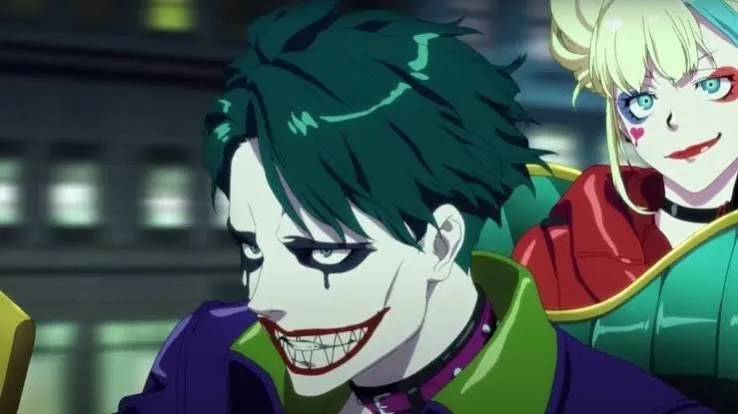
(SeaPRwire) -By: Christian Pierce Superhero screen content has hit a brutal saturation wall. Audiences are fatigued by formulaic tentpole releases. They bounce between gritty reboots, satirical takedowns, and multiverse cameo dumps. Few titles cut through enough to drive sustained streaming sign-ups. Warner Bros. Discovery’s DC division has felt this squeeze harder than most. It has cycled through film slates, executive teams, and continuity resets for years. It has chased every tonal shift to win back fragmented viewer attention. Its recent wins have come from narrow, unexpected bets, not broad hero-led blockbusters. The latest slate announcement came at the 2026 Annecy International Animation Film Festival. Warner Bros. unveiled a full roster of upcoming DC Universe animated series. The lineup includes a high-profile adaptation of the hit comic *Absolute Batman*. It also includes a lighthearted, kid-focused series centered on Krypto the Superdog. The clear standout title is *Joker: Laugh Riot*. It is the first anime series ever released under the official DC Studios label. Joker: Laugh Riot will be the first anime series released under the DC Studios label. | DC Studios It is produced in partnership with Sola Entertainment. First-look art for the series was shared alongside the announcement, tagged for HBO Max. HBO Max Its premise follows the Joker as he launches an investigation into Batman’s murder. His violent, unhinged quest edges him closer to vigilante action than traditional villainy. The story forces him to confront a core truth: he has no identity separate from Batman. Joker is not a new presence in anime-style productions. He appeared in 2018’s *Batman Ninja* and its 2024 sequel *Batman Ninja vs. Yakuza League*. Joker has previously appeared in anime works like Batman Ninja. | Warner Bros. He held a featured role in 2024’s *Suicide Squad Isekai* anime series. None of those earlier projects fell under the official DC Universe continuity banner. None centered Joker as the sole lead character. Recent cross-IP anime experiments have already proven the format’s commercial viability. *Star Wars: Visions* used anime shorts to reimagine that franchise’s antiheroes for global audiences. *The Lord of the Rings: The War of the Rohirrim* anime feature showed established mythic characters translate well. WBD already scored a measurable win with its recent *Rick and Morty* anime adaptation. It also earned critical and viewership success with *The Penguin*, a series focused on a classic Batman villain’s humanity. No release date has been set for *Joker: Laugh Riot* as of the announcement. This project is not a random, out-of-left-field creative swing. It stitches together every proven winning thread WBD has tested in the last three years. It leans into anime’s massive global reach, especially with younger audiences. Those younger viewers have largely abandoned traditional live-action superhero fare. They make up the core subscriber base WBD needs to retain to hit long-term streaming targets. It centers a villain audiences already find more compelling than most of DC’s current hero roster. It uses a tight, high-concept hook that avoids tired origin story bloat. That same bloat sank multiple big-budget DC live-action releases in recent years. It skips the need to set up interconnected future films or spin-offs in its first season. It can stand alone as a self-contained story, which lowers viewer entry barriers. Tying the project to the official DC Studios banner raises the stakes considerably. A high-profile flop would shut down anime as a viable DC content pipeline for years. A breakout hit would open the door to a full parallel slate of anime DC titles. Those titles would cost a fraction of live-action production budgets. The format allows for more creative flexibility than big-budget live-action. It can lean into the Joker’s over-the-top violence and surreal tone. It avoids the costly practical effects and rating battles that come with theatrical releases. They would also come with built-in cross-cultural fandom appeal across key Asian and Western markets. The company does not need this series to break theatrical box office records. It only needs it to drive enough streaming sign-ups and fandom chatter to justify scaling the model. WBD is not testing anime for art’s sake. It is building a low-cost, high-margin content pipeline. The goal is to prop up its struggling streaming business before superhero fatigue kills its biggest IP entirely. Author bio: Christian Pierce, chief financial columnist covering media and entertainment markets, with 15 years tracking streaming content ROI and IP monetization strategies.
More
50 Years Later, The Omen’s Most Enduring Legacy Isn’t Its Horror—It’s How We Still Fear 666 Business

50 Years Later, The Omen’s Most Enduring Legacy Isn’t Its Horror—It’s How We Still Fear 666

(SeaPRwire) -By: Silas Sterling Sunset Boulevard/Corbis Historical/Getty Images I’ve spent decades tracking how open-source code protocols spread through niche communities to become global standards. The Omen’s 50th anniversary hits different because it’s a perfect parallel. Most people dismiss it as a cheesy 70s horror flick, but its cultural footprint is bigger than any of the more lauded exorcism films that followed. You don’t have to have seen the movie to know 666 is the number of the beast. That’s not a coincidence. The core of The Omen isn’t jump scares or cheap thrills. It’s a story about bodily autonomy, straight out of the same thread that started with Rosemary’s Baby in 1968. Robert Thorn, a wealthy U.S. ambassador to the U.K., swaps his dead newborn for another baby born the same day. He does this without telling his wife Katherine. He lets her raise Damien with the help of Billie Whitelaw’s sinister housekeeper Mrs. Baylock, without ever letting her in on the secret. Katherine spends the entire film gaslit, told she’s overreacting about her own child. That’s the film’s sharpest core, even if most viewers fixate on creepy kid tropes. Gregory Peck and Lee Remick deliver grounded, mature performances. They don’t ham it up for cheap scares. Director Richard Donner builds slow, creeping dread for most of the runtime. It’s a psychological thriller first, not a gore fest. That changes when the on-screen death scenes kick in. The iconic decapitation by rogue window glass shocked 1976 audiences. Now, the fake mannequin head dipped in blood looks so obviously staged it pulls you right out of the tension. LMPC/LMPC/Getty Images Here’s the part no one talks about: its unmatched cultural reach. Screenwriter David Seltzer took 666 from the Book of Revelation and turned it into a household term. Damien has a visible 666 birthmark, a detail that anchors the film’s central villainy. Even people who grew up during zombie apocalypse media booms know exactly what that number means. Streaming platforms have picked up on this 50th anniversary hype. The Omen is available for digital rental on iTunes, YouTube, Amazon Prime, and all major digital platforms now. Studios are cashing in on that built-in cultural familiarity. Most people don’t even engage with the film itself. They just absorb the signifier. That’s exactly how open-source standards spread. A small group adopts a protocol, then it snowballs until everyone uses it without ever reading the original documentation. For The Omen, that protocol is 666 as a stand-in for pure evil. It’s not a flattering legacy, but it’s a lasting one that outlasts the film’s dated special effects. Author bio: Silas Sterling, a veteran kernel contributor and editor-in-chief of an independent open-source security digest.
More
The Avatar Paradox: Why Netflix’s Season 2 Betrayed the Source Material’s Soul Business

The Avatar Paradox: Why Netflix’s Season 2 Betrayed the Source Material’s Soul

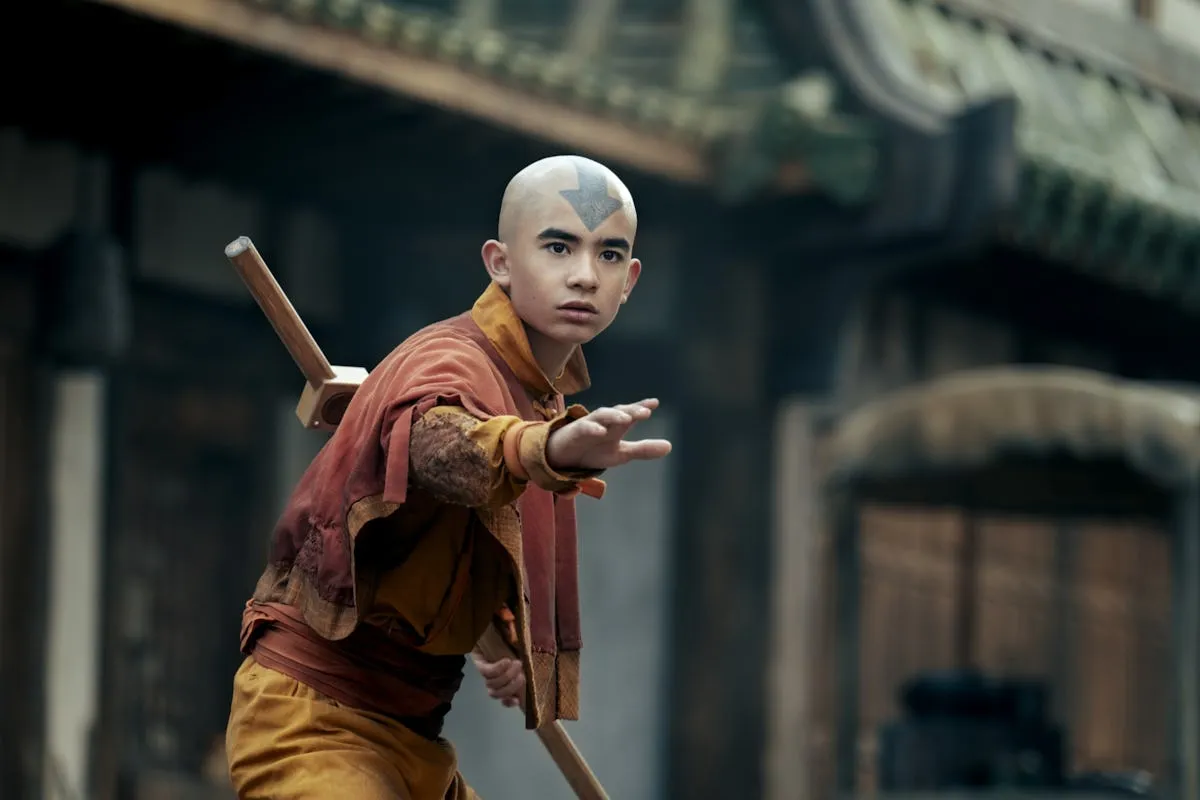
(SeaPRwire) - By: Oliver Hawthorne Netflix’s *Avatar: The Last Airbender* Season 2 arrives with the weight of expectation crushing its spine. The first season survived because it cleared a remarkably low bar. It proved a live-action adaptation could exist without repeating the catastrophic errors of M. Night Shyamalan’s 2010 film. Cultural accuracy and source fidelity painted over minor flaws. Fans were lenient. They wanted respect. That goodwill evaporates quickly here. Albert Kim departed. Jabbar Raisani and Christine Boylan took the helm. Their vision differs sharply from the original blueprint. Book Two of the cartoon was its peak. It defined Aang’s psychological architecture. The show ignores this lesson. It treats the narrative as malleable clay rather than structural steel. The result is a disjointed mess that confuses tone and pacing. The timeline jumps forward. Aang grows taller. The actor Gordon Cormier undergoes a natural growth spurt. This physical change injects genuine teenage angst into the character. It works surprisingly well. Yet, the script fails to match this maturity. The dialogue remains clunky. The emotional beats feel forced. We watch Cormier struggle to rise above poor writing. He finds the core of Aang’s anxiety. He does not always succeed. Toph Beifong, played by Miyako, is the sole bright spot. She anchors the ensemble. Her chemistry with Cormier is electric. She suffers least from the need for novelty. Chin Han delivers a strong performance as Long Feng. Elizabeth Yu brings nuance to Azula. Dallas Liu shines as Zuko. Paul Sun-Hyung Lee remains excellent as Iroh. The acting talent is undeniable. The direction lacks focus. The show scrambles plot points from Book Three into Book Two. Katara becomes the Painted Lady. Events from Serpent’s Pass are repurposed. These were not random changes. They were dominoes in a character arc. Removing them breaks the causal chain. The story feels overwrought. It lacks the organic progression of the original. We lose the subtle buildup to the final confrontation with Ozai. Ba Sing Se arrives as a bloated centerpiece. A city-wide conspiracy tests the Gaang. The narrative buckles under its own weight. Season Two tries to be three things at once. It wants to be faithful. It wants to be radical. It wants to be meme-friendly. It succeeds at none. The antagonists remain the best feature. But even they are defanged by excessive nuance. The Fire Nation’s royal family gains sympathetic backstory. This dilutes their threat level. Azula’s psychological power plays are hinted at but never fully explored. The season screeches to a halt whenever it pauses for character development. The propulsion is gone. We are left with excess baggage. This is not just a bad season. It is a fundamental misunderstanding of adaptation. Faithfulness does not mean copying frames. It means preserving spirit. The original series understood this. Netflix’s version chases "Peak TV" facsimiles. It replaces load-bearing emotional elements with spectacle. The result is hollow. The supply chain of storytelling has broken. We have the actors. We have the budget. We have the IP. What we lack is a coherent creative vision. The new showrunners want to make it their own. They failed to understand why the original worked. Without that foundation, the structure collapses. Oliver Hawthorne, a Principal Correspondent permanently stationed at an international technology review, specializes in media industry analysis and streaming platform strategy.
More
Why ‘Fear Her’ Is the Most Misunderstood Artifact of the Doctor Who Reboot Business

Why ‘Fear Her’ Is the Most Misunderstood Artifact of the Doctor Who Reboot

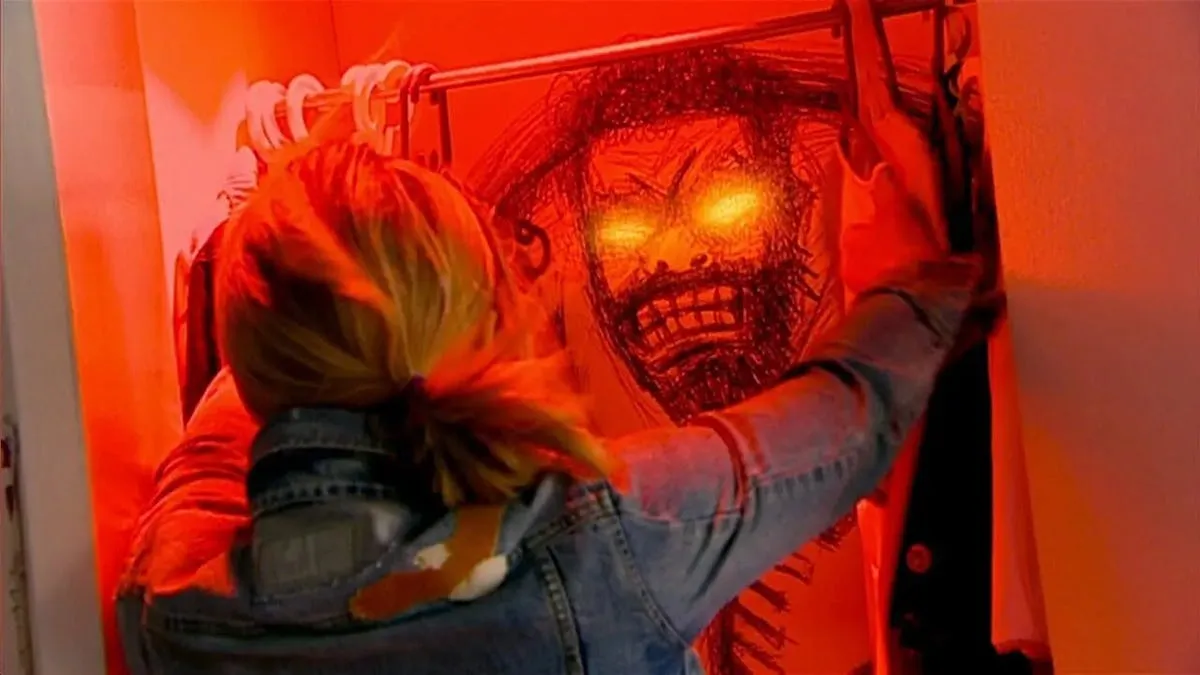
(SeaPRwire) - By: Silas SterlingThe fandom loves to sharpen its knives on "Fear Her." For two decades, this 2006 episode has served as the designated punching bag for the NuWho era. It is frequently dismissed as a cheap, saccharine, and creatively bankrupt bottle episode. Yet, this collective disdain feels less like a genuine critique and more like a reflexive reaction to a show that dared to be small. We often mistake budget-conscious storytelling for a lack of ambition. In reality, the episode is a fascinating, if flawed, time capsule of a production finding its footing.When the series returned in 2005, the shift in production value was jarring. We traded Welsh quarries and tinfoil props for CGI spectacle. However, the reality of television production remained unchanged. Budgets are finite. Schedules are brutal. Shows like "Midnight" or "Vincent and the Doctor" managed to turn these constraints into legendary status by leaning into minimalism. "Fear Her" attempted a similar path but hit a wall of audience expectation. It arrived when viewers were still intoxicated by the high-octane, world-ending stakes of the early reboot.The plot is straightforward. Set in 2012, the story follows the Doctor and Rose Tyler as they investigate missing children near a council estate. They encounter Chloe Webber, a girl who traps people in drawings. The threat is an Isolus, an alien entity feeding on emotion. The climax relies on a "love saves the day" resolution, involving Rose and Chloe’s mother singing to restore order. It is a classic "Doctor-light" structure. It prioritizes character intimacy over the grand, sweeping alien invasions that defined the show’s broader identity.The episode’s reputation suffered largely due to its clumsy integration of the London Olympics. Chloe drawing the stadium crowd—rendering it empty—felt like a desperate attempt to anchor the show in a real-world event. It was a heavy-handed narrative choice. The moralizing about child abuse, while well-intentioned, lacked the nuance required for such a sensitive subject. These elements combined to create a "greatest hits" collection of the show’s worst habits. It was a victim of bad timing, arriving when the audience demanded spectacle rather than quiet, domestic horror.Comparing "Fear Her" to Season 6’s "Night Terrors" reveals the inconsistency of our collective memory. Both episodes share a similar DNA: a child in distress, a supernatural threat, and a resolution rooted in emotional connection. Yet, "Night Terrors" escaped the same level of vitriol. This suggests that the problem with "Fear Her" was never the simplicity of its story. It was the execution of its tropes. We were not ready for the show to be a PSA, and we certainly were not ready for it to be this visibly cheap.Ultimately, the episode remains a polarizing relic. Writer Matthew Graham famously suggested that if adults disliked it, the episode simply wasn't for them. That is a convenient defense, but it misses the point. The episode is dying by a thousand cuts, yet it is not the disaster the fandom claims. It is a reminder that even the most beloved franchises have awkward growing pains. We should stop treating it as a stain on the legacy and start viewing it as a necessary, if clumsy, experiment in scale.Author bio: Silas Sterling, a veteran kernel contributor and editor-in-chief of an open-source security digest, specializes in deconstructing complex technical systems and analyzing the cultural impact of digital media architectures.
More
The Sandbox Trap: Why ‘Sea of Thieves’ Is Hollywood’s Most Dangerous Gamble Yet Business

The Sandbox Trap: Why ‘Sea of Thieves’ Is Hollywood’s Most Dangerous Gamble Yet

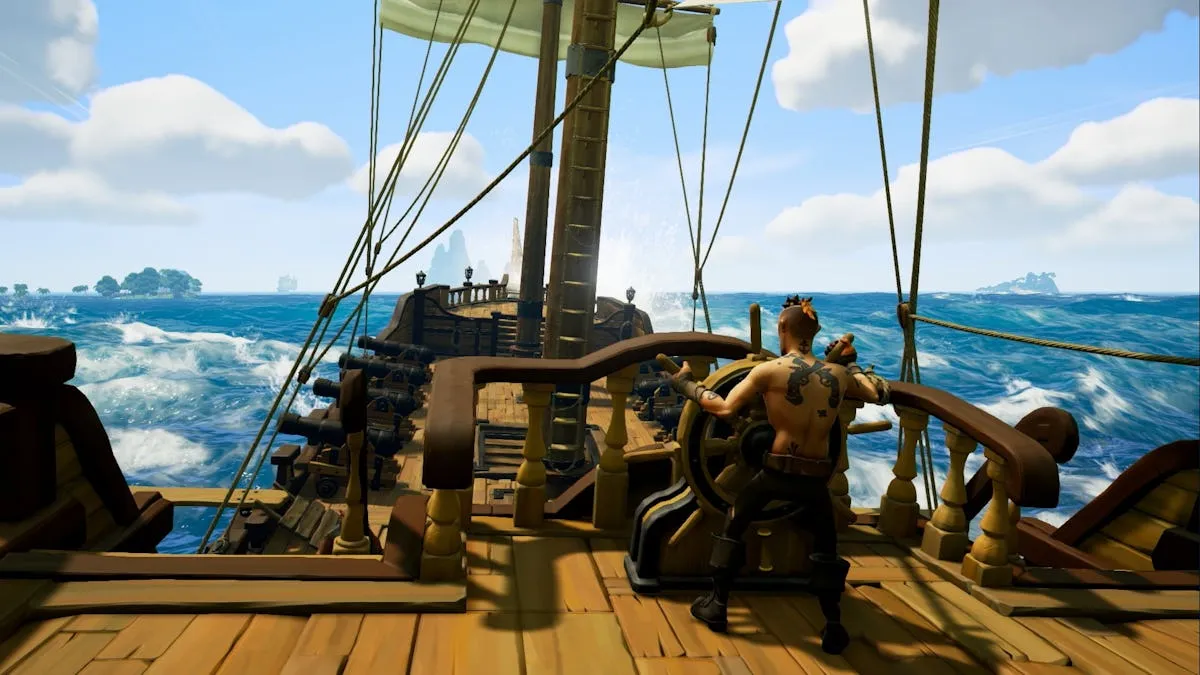
(SeaPRwire) - By: Oliver Hawthorne The pirate genre is dead. It died quietly in the shadows of the Caribbean franchise's final act. We haven't seen a major, original pirate film in nearly a decade. Disney is circling, likely to revive their own IP. But Microsoft is choosing a different path. They are betting on *Sea of Thieves*. This isn't just another video game adaptation. It is a direct challenge to the narrative structure of modern cinema. Destin Daniel Cretton is producing. He is known for human stories. *Shang-Chi* worked because it had heart. *Spider-Man* needs that same touch. But *Sea of Thieves* has no heart. It has a lobby. It has a shared world. It has no protagonist. Matt Booty, Xbox’s CCO, admitted this openly. He said the game isn't about characters. It is about cooperation. That is the core contradiction. How do you film a game where the player *is* the character? The industry is watching closely. *A Minecraft Movie* proved that sandbox games can work. But Minecraft is simple. It is building blocks. *Sea of Thieves* is complex. It is social dynamics. It is betrayal. It is alliance. The film needs a hook. The game provides none. It provides freedom. Freedom is hard to sell in a two-hour runtime. Audiences want a hero. They want a villain. They don't want to watch four random players decide whether to sink each other’s ships. This is a massive risk. Microsoft is pushing hard. They want more Xbox properties on screen. They need wins. They need box office gold. But they are ignoring the fundamental flaw. The game is a social simulator. The movie is a narrative device. These two things do not mix easily. The challenge is not visual. It is structural. Can you build a plot around chaos? Can you script spontaneity? The answer will define the next decade of game adaptations. If Cretton fails, the trend dies. If he succeeds, every sandbox game becomes a priority. The stakes are higher than just one movie. They are about the soul of interactive entertainment translating to passive viewing. We are waiting to see if the pirates can sail without a captain. Author bio: Oliver Hawthorne, a Principal Correspondent permanently stationed at an international technology review.
More
Genndy Tartakovsky’s 18-Year Conan Obsession: Why This Reboot Will Fix Every Past Animated Misstep Business

Genndy Tartakovsky’s 18-Year Conan Obsession: Why This Reboot Will Fix Every Past Animated Misstep

(SeaPRwire) -By: Lucas Caldwell Genndy Tartakovsky’s long-gestating Conan the Barbarian reboot isn’t just another streaming cash grab. This is a passion project 18 years in the making, from the animator who turned Samurai Jack into a masterclass in visual storytelling and Primal into a visceral, dialogue-free epic. Unlike past animated Conan iterations, this won’t be watered down for Saturday morning audiences. It’s a chance to finally align the character with his dark, pulpy 1934 roots. Genndy Tartakovsky is finally getting to make a Conan the Barbarian animated series. | Emma McIntyre/Getty Images Entertainment/Getty Images Tartakovsky announced the series at the 2026 Annecy International Animation Film Festival via pre-taped message. He first pitched the idea back in 2008, but it took nearly two decades to find a home. Prime Video is the lucky streamer to greenlight it, though the project has only just entered development. Fans shouldn’t hold their breath for a quick release—Tartakovsky takes his time to craft every frame. Conan the Barbarian was brought to life first in live-action films starring Arnold Schwarzenegger in 1982 and 1984. | Sunset Boulevard/Corbis Historical/Getty Images Conan is no stranger to animation. From 1992 to 1993, Conan the Adventurer ran 65 episodes, followed by 13 episodes of Conan and the Young Warriors in 1994. Both were by-the-book Saturday morning cartoons, leaning into the campy, kid-friendly vibe of He-Man. The new series will be a stark departure. Its logline follows Conan defying gods and death to save pirate queen Bêlit, a tale of love and vengeance echoing Orpheus and Eurydice. Adult animation is one of streaming’s fastest-growing niches, and Prime Video needs exclusive hits to compete. Tartakovsky’s track record speaks for itself—Primal earned critical acclaim and a dedicated fanbase for its mature, serialized storytelling. His style, with its bold visuals and minimal dialogue, is perfect for Conan’s brutal, mythic world. This reboot isn’t just about reviving a hero; it’s about Prime staking a claim in the adult animation space. The shift from kid-focused to mature animated fantasy reflects a broader industry trend. Viewers crave serialized, character-driven stories that don’t talk down to them. Tartakovsky’s work has always pushed boundaries, blending action with emotional depth. By returning Conan to his Weird Tales origins, he’s tapping into a nostalgia for unfiltered pulp fantasy that modern audiences are hungry for. This could set a new standard for adapting classic characters. Prime Video’s bet on Tartakovsky’s Conan will redefine fantasy animation for adults and set a new bar for adapting classic pulp heroes. Author bio: Lucas Caldwell is a tech opinion leader with millions of X followers, focusing on animation, streaming, and pop culture tech trends.
More
“Batman: Caped Crusader Season 2 – A Dark Return to the Joker’s Legacy” Business

“Batman: Caped Crusader Season 2 – A Dark Return to the Joker’s Legacy”

(SeaPRwire) - By: Lucas Caldwell, a tech opinion leader with millions of followers on X/Twitter The Dark Knight's live - action presence has been in a lull for four years. The Batman and Robin movie for James Gunn’s DCU is stalled, and we must wait another year for Robert Pattinson in The Batman Part II. Amid this drought, Prime Video's Batman: Caped Crusader emerged in 2024. This series, crafted with Bruce Timm, reimagined Gotham in a fresh yet retro way. It used noir - inspired tropes, much like Spider - Noir did for Spider - Man. From new takes on characters like Two - Face and Harley Quinn to its hard - boiled structure, it became a stopgap for Batman fans. As the wait for the next film continues, Caped Crusader's upcoming season takes on a greater responsibility. Season 2 brings Batman back to his dark roots. Gotham City police face civil unrest, and Batman has to deal with new villains. The Riddler and Poison Ivy will keep him busy, but the real highlight is the return of the Joker. The series is drawing from Batman #1, where the Joker first appeared in 1940. The Joker used a toxin that made victims laugh until they died. It's been a long time since a Batman story adapted this on screen, with Tim Burton’s 1989 Batman being a notable example. First - look images of Caped Crusader's new season teased the “Joker Toxin,” and now it's clear Batman will face the Joker. In the broader Batman media landscape, this return to the classic Joker - Batman confrontation is significant. It can attract both long - time fans who remember the original comics and new viewers intrigued by the noir style. Prime Video has a chance to set a new standard for animated Batman stories. If done well, Caped Crusader Season 2 could become a benchmark for future Batman projects. It might influence how other media adapt the Joker - Batman dynamic. The success of Caped Crusader Season 2 could redefine the animated Batman narrative. Author bio: Lucas Caldwell, a tech opinion leader with a large following on X/Twitter, known for insightful media and tech analysis.
More
Waititi Teased His Werewolf Sequel For 12 Years. Fans Wrote It Off—Now It’s His Most Valuable IP Business

Waititi Teased His Werewolf Sequel For 12 Years. Fans Wrote It Off—Now It’s His Most Valuable IP

(SeaPRwire) -By: Lucas Caldwell If you’ve spent any time in genre film circles the last decade, you know the bit. Taika Waititi and Jemaine Clement would show up to a press junket. Someone would ask about the werewolf-focused What We Do in the Shadows sequel. They’d grin, make a vague joke about it being in the works. Then they’d move on to plug whatever big franchise project they were there to sell. The cycle repeated for so long it became a running meme among fans. Most fans stopped holding their breath for the film years ago. The original What We Do in the Shadows hit festivals 12 years back. Before that, Waititi was best known for Flight of the Conchords and indie rom-com Eagle vs Shark. It was a micro-budget, mostly improvised mockumentary. It centered a crew of bickering, out-of-touch Kiwi vampires. Waititi and Clement co-wrote, co-directed, and starred in the feature. It turned the pair from niche comedy favorites into A-list Hollywood talent. The property spawned two successful TV spinoffs. One was the cop-focused Wellington Paranormal. The other was the long-running American sitcom adaptation for FX. Madman Entertainment Clement first teased the werewolf spinoff back in 2015. It was initially titled What We Do in the Moonlight. It was later renamed We’re Wolves. The film would follow Rhys Darby’s Anton and his laid-back werewolf pack. Waititi joked to IndieWire in 2019 that the project was a running bit. He compared it to a dad promising over and over he’d make it home for Christmas. Fans wrote it off as Waititi’s stuck development slate piled up. Most assumed it would join the list of abandoned cult sequel teases. That slate included an Akira reboot, a Star Wars film, and a biopic of Michael Jackson’s chimp Bubbles. The pack of werewolves — not swearwolves — led by Anton. | Madman Entertainment The update that writing has finally started broke at Annecy. Clement was there promoting his new animated feature Kiri and Lou Go Raaa! He told Collider the pair only work on the script when their schedules line up. No studio fast track is attached to the project right now. This is a far cry from how most legacy IP gets pulled off the shelf today. Streaming platforms have burned through catalog IP at a record clip the last five years. Most studios rush half-baked sequels into production to juice streaming subscriber numbers. These projects rarely resonate with long-time fans of the original work. They don’t wait for creators to carve out time between other gigs. Taika Waititi and Jemaine Clement are finally revisiting one of their most beloved projects. | Kane Skennar/Unison/Defender/FunnyOrDie/New Zealand Film Commission/Kobal/Shutterstock The original Shadows film took six full years to make. It was built on loose improvisation, inside jokes, and zero studio notes. That unpolished, genuine tone is what built the franchise’s loyal fan base in the first place. The two TV spinoffs worked because they held onto that shaggy, low-stakes energy. Waititi’s recent blockbuster outings drew mixed fan reactions. Many criticized them for leaning too hard on studio-mandated, watered-down humor. Most big-budget franchise projects lose that spark the second a marketing team gets involved. Fans have waited 12 years for this follow-up. They don’t care about a rushed release date or a nine-figure marketing budget. They just want to see the same core group make dumb werewolf jokes with their friends. When We’re Wolves finally hits screens, it will outearn every big-budget Waititi franchise project of the last decade. Author bio: Lucas Caldwell, a tech and pop culture opinion leader with millions of X/Twitter followers, covering streaming media economics and digital fan culture.
More
The Supergirl Refactor: Why Warner Bros. Can’t Patch the Legacy Code Business

The Supergirl Refactor: Why Warner Bros. Can’t Patch the Legacy Code

(SeaPRwire) - By: Silas Sterling Warner Bros. is attempting a major refactor on a legacy codebase that dates back to 1959. The marketing department is pushing a "refreshing" tag. They want us to believe this build is a radical departure from the Superman repository. The hype machine highlights Milly Alcock’s punk-rock attitude. It frames the film as a gritty space western. But underneath the alt-rock soundtrack lies a familiar dependency issue. The studio is trying to patch old binaries with a new UI. They claim this Supergirl instance finally forks away from the cousin process. Yet, the execution feels like middleware bloat. The narrative suggests a riot grrrl revolution. The underlying architecture is still stuck in a monolithic loop. We have seen this compile before. The release candidate is set for June 26. The studio hopes this will stabilize the DC cinematic universe. But the logs show warnings. The build relies heavily on Ana Nogueira’s script. It pulls specific commits from Tom King’s 2021 arc, “Woman of Tomorrow.” This source code is robust. It reimagines the character as a *True Grit* mentor module. The plot follows a standard revenge algorithm. Ruthye inputs a request to kill Krem. Kara initially returns a null value, refusing the call. The trigger event is crude but effective for state change. Krem shoots the dog. He steals the spaceship. This forces the integration of the two threads. Alcock’s performance compiles without error. She brings the necessary aggression to the stack. She contrasts well against Corenswet’s Boy Scout subroutine. The logic holds up on paper. The variable definitions for Kara—selfish, angry, rude—are clearly initialized. David Krumholtz plays Zor-El, a reliable supporting library. The father sends her to Earth to join the main cluster. However, the runtime suffers from feature creep and memory leaks. The backstory of Argo City is the kernel of the drama. Kara watched her city die slowly from radiation poisoning. She arrived on Earth as a stranger to the user base. This trauma should drive the system resources. Instead, the film uses cheap shortcuts. It relies on the dog’s peril to simulate emotional depth. It uses a heavy-handed human trafficking plot. These are inefficient patches. They try to signal complexity without allocating the necessary memory. The narrative flow is competent. It clicks like a machine-cut puzzle. But it lacks the organic chaos of the original open-source comics. The "Woman of Tomorrow" arc offered high-resolution textures. The film downscales them to 720p. The soundtrack hammers the alt-rock distinction too hard. It overdrives the audio driver with Blondie tracks. The rendering engine is where the build fails catastrophically. The comic art by Bilquis Evely was otherworldly. It had a fantastical sheen that defined the IP. Director Craig Gillespie chose a deprecated path. He opted for gritty, beige industrial cyberpunk. It mimics *Mad Max: Fury Road* with poor texture mapping. The result is a generic hodgepodge of sci-fi assets. It looks like a default Unreal Engine demo. Even Jason Momoa’s Lobo cannot save the visual fidelity. The aesthetic choice degrades the user experience. It feels like a downgrade from the source material. The "cosmic otherworldliness" is commented out. We are left with a beige interface that fails to load the wonder module. The visual direction ignores the comic's high-contrast palette. It defaults to a safe, industrial gray scale. Gillespie has a reputation for handling flawed women in his dev environment. His work on *I, Tonya* proved he can debug complex characters. But his grasp of Kara is merely root-level access. He runs the commands without understanding the underlying kernel. The film is functional. It does not crash. But for a hero historically underserved by the main branch, functional is a critical bug. We needed a complete system overhaul. We got a stable patch that barely clears the bar. The user base deserves more than a maintenance update. Author bio: Silas Sterling, a veteran kernel contributor and editor-in-chief of an open-source security digest.
More
Why Every Star Trek Captain Pike Ends Up Voicing Batman (Hollywood’s Secret Casting Hack Exposed) Business

Why Every Star Trek Captain Pike Ends Up Voicing Batman (Hollywood’s Secret Casting Hack Exposed)

(SeaPRwire) -By: Lucas Caldwell The news hit my X feed this morning—Anson Mount, our beloved Captain Pike from Star Trek: Strange New Worlds, is voicing Batman again. But here’s the twist: he’s not the first Pike to don the cowl. Bruce Greenwood, the Kelvin Timeline’s Pike, did it too. This isn’t a coincidence; it’s a pattern Hollywood’s been hiding in plain sight. Fans love cross-franchise Easter eggs, but this goes deeper—studios are using proven archetypes to minimize risk and maximize audience connection. Paramount+ Mount’s new role is in the upcoming R-rated animated Knightfall films, set for late 2026. He previously voiced Batman in 2021’s Injustice. His Pike is a leader who carries the weight of impossible choices, a trait that bleeds into his Dark Knight. Strange New Worlds Season 4 drops July 23 on Paramount+, so fans get double Mount this year—Pike on Trek and Batman in Knightfall. It’s a smart play for both franchises to leverage his existing fan base. Bruce Greenwood played Pike in the 2009 Star Trek reboot. A year later, he voiced Batman in Under the Red Hood. He didn’t stop there—Gotham by Gaslight (2018), Death in the Family (2020), and Young Justice (2010-2019) all featured his Batman. His Pike was calm but haunted, exactly the energy Batman needs. The overlap in their character arcs is too obvious to ignore; both are men burdened by duty and loss. Star Trek and Batman stars Bruce Greenwood and Peter Weller in 2016. | Jason Kempin/Getty Images Entertainment/Getty Images Studios love this trick. They pick actors whose previous roles have already established a certain vibe. Mount and Greenwood both embody the “tragic leader” archetype—men who shoulder heavy responsibilities alone. Casting them as Batman cuts down on character development time; audiences already buy them as the brooding hero. It’s a cost-effective way to build trust without reinventing the wheel. Think about it: Pike’s loneliness mirrors Batman’s isolation. Pike handing over the Enterprise to Kirk is like Batman passing the cowl to Dick Grayson or Jean-Paul Valley. These actors don’t just play roles—they bring a pre-built emotional core that resonates with fans. It’s a low-risk, high-reward move for studios looking to keep audiences engaged across multiple franchises. Next time you see a familiar face in a new franchise, check their past roles—chances are, they’re playing the same archetype in a different universe. Author bio: Lucas Caldwell, tech opinion leader with millions of followers on X, covers pop culture and media tech trends.
More