(SeaPRwire) –
By: Silas Sterling
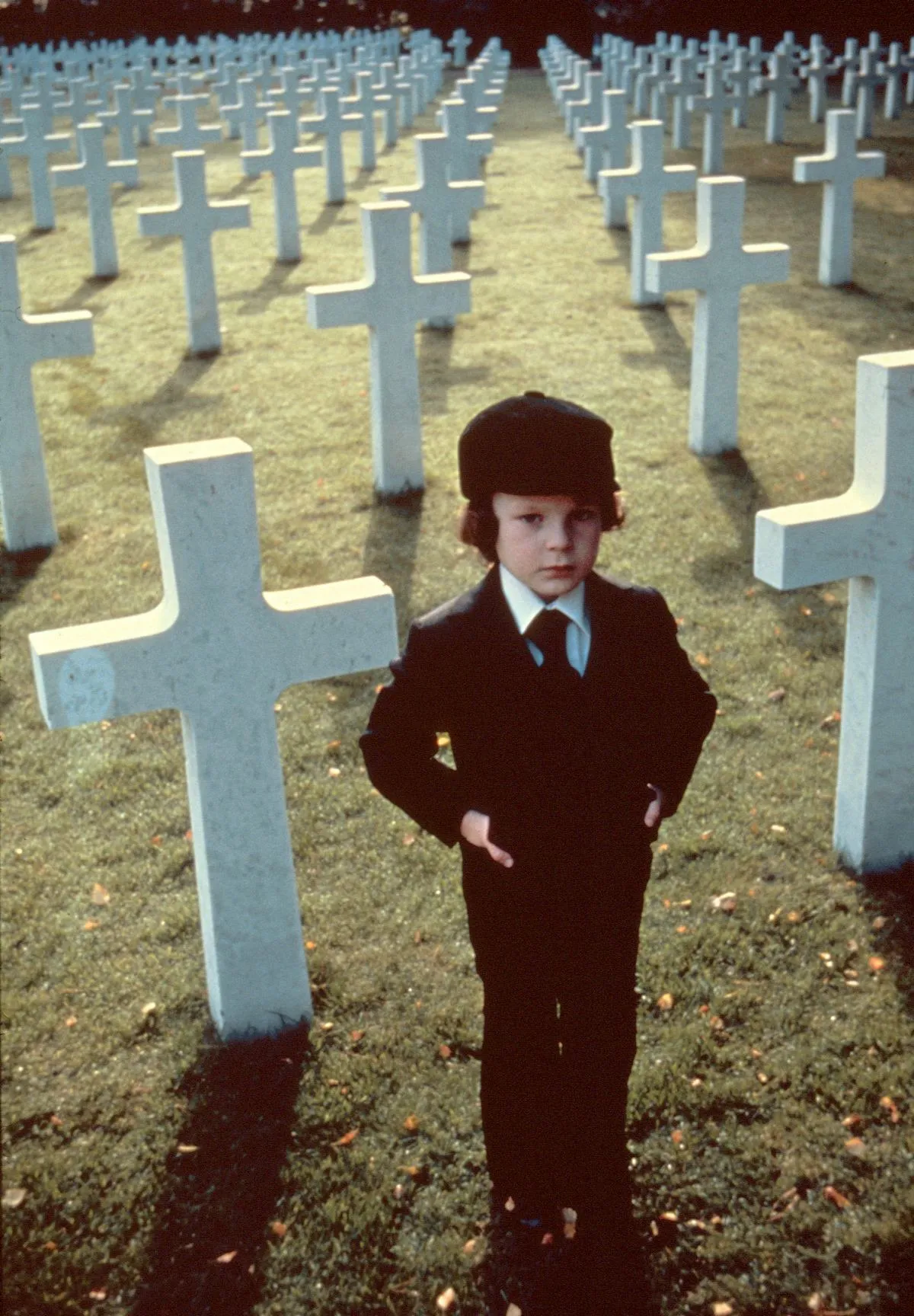
I’ve spent decades tracking how open-source code protocols spread through niche communities to become global standards. The Omen’s 50th anniversary hits different because it’s a perfect parallel. Most people dismiss it as a cheesy 70s horror flick, but its cultural footprint is bigger than any of the more lauded exorcism films that followed. You don’t have to have seen the movie to know 666 is the number of the beast. That’s not a coincidence.
The core of The Omen isn’t jump scares or cheap thrills. It’s a story about bodily autonomy, straight out of the same thread that started with Rosemary’s Baby in 1968. Robert Thorn, a wealthy U.S. ambassador to the U.K., swaps his dead newborn for another baby born the same day. He does this without telling his wife Katherine. He lets her raise Damien with the help of Billie Whitelaw’s sinister housekeeper Mrs. Baylock, without ever letting her in on the secret. Katherine spends the entire film gaslit, told she’s overreacting about her own child. That’s the film’s sharpest core, even if most viewers fixate on creepy kid tropes.
Gregory Peck and Lee Remick deliver grounded, mature performances. They don’t ham it up for cheap scares. Director Richard Donner builds slow, creeping dread for most of the runtime. It’s a psychological thriller first, not a gore fest. That changes when the on-screen death scenes kick in. The iconic decapitation by rogue window glass shocked 1976 audiences. Now, the fake mannequin head dipped in blood looks so obviously staged it pulls you right out of the tension.

Here’s the part no one talks about: its unmatched cultural reach. Screenwriter David Seltzer took 666 from the Book of Revelation and turned it into a household term. Damien has a visible 666 birthmark, a detail that anchors the film’s central villainy. Even people who grew up during zombie apocalypse media booms know exactly what that number means. Streaming platforms have picked up on this 50th anniversary hype. The Omen is available for digital rental on iTunes, YouTube, Amazon Prime, and all major digital platforms now. Studios are cashing in on that built-in cultural familiarity.
Most people don’t even engage with the film itself. They just absorb the signifier. That’s exactly how open-source standards spread. A small group adopts a protocol, then it snowballs until everyone uses it without ever reading the original documentation. For The Omen, that protocol is 666 as a stand-in for pure evil. It’s not a flattering legacy, but it’s a lasting one that outlasts the film’s dated special effects.
Author bio: Silas Sterling, a veteran kernel contributor and editor-in-chief of an independent open-source security digest.