
(SeaPRwire) – By: Maxwell Vance
Allocating $27 million to a first-time director is not a calculated risk. It is textbook negligence. Dino De Laurentiis treated the film set like a personal slush fund. He bet the house on Stephen King. King had zero operational experience. He was a writer, not a commander. The decision-making process was fundamentally flawed. It relied on brand popularity rather than technical skill. Today, a studio would laugh a TikTok star out of the room for this demand. In 1986, De Laurentiis said yes. The oversight was nonexistent. King was doing cocaine and drinking heavily. He was on his tenth beer by 8:30 a.m. The project lacked a steady hand at the wheel. This is a massive key person risk. The language barrier between the American and Italian crews created operational friction. The workflow broke down immediately. De Laurentiis wanted fast, cheap, and non-union labor. King wanted an AC/DC soundtrack and Bruce Springsteen. The incentives were misaligned. This is a classic case of founder syndrome destroying a venture before launch. The board failed to act. The shareholders suffered.
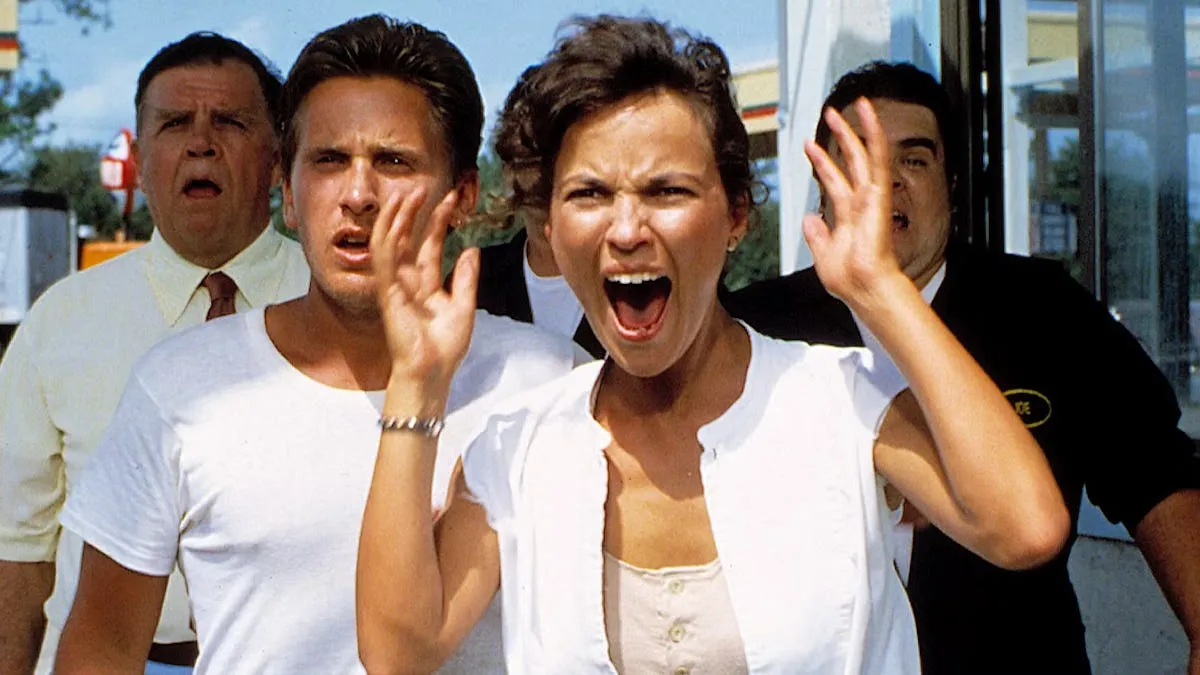
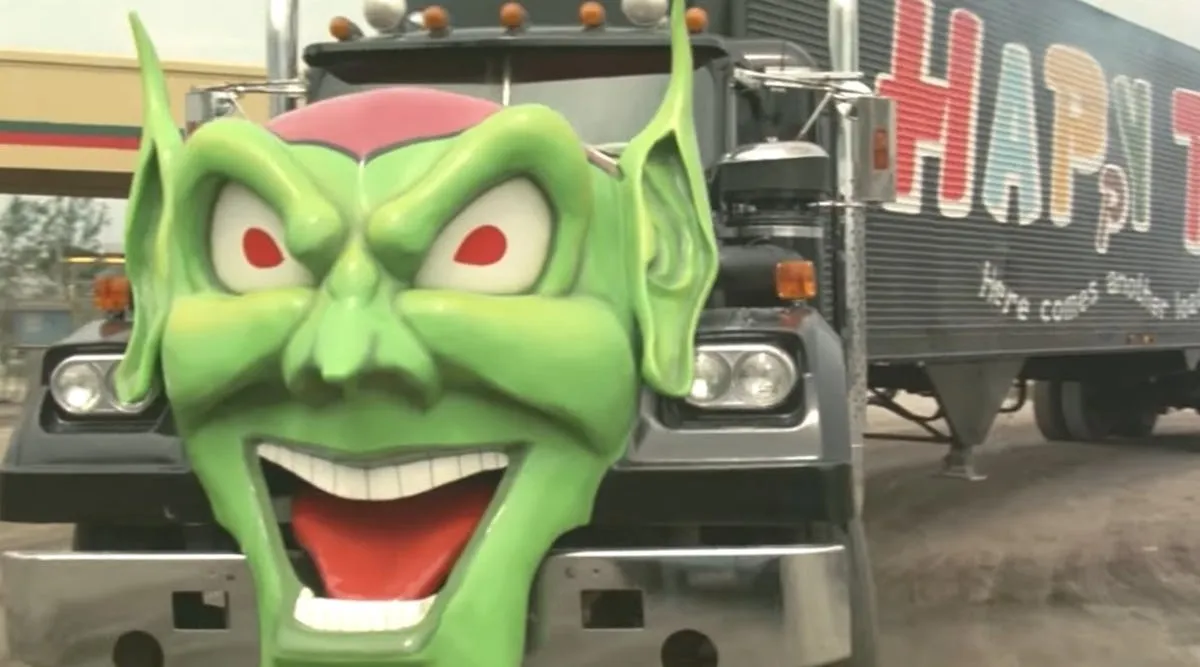
The marketing promised a masterpiece. The campaign attacked Stanley Kubrick. It claimed King would finally deliver a faithful adaptation. The deliverable was a disaster. The product was incoherent. The narrative relied on vending machines killing little league coaches. That is not a scalable plot. The production value was low. The “Green Goblin” truck was a poor substitute for a real antagonist. The casting was a compromise. King wanted Bruce Springsteen. De Laurentiis refused. He hired Emilio Estevez. The budget was wasted on licensing fees instead of script doctors. The set was dangerous. Cinematographer Armando Nannuzzi lost an eye in a lawnmower stunt. That is a massive liability. The balance sheet could not sustain these hits. The film barely functions as horror. It is just people trapped at a truck stop. The user experience was poor. The audience rejected the premise. Yeardley Smith was the only asset with future value. She became Lisa Simpson. The rest is write-offs.
The financials tell the rest. The asset depreciated instantly. De Laurentiis Entertainment Group folded a few years later. The capital was trapped in evil construction equipment. There was no salvage value. The 1997 remake, *Trucks*, also failed to generate yield. Stephen King survived the crash. He published *It* shortly after. His family intervened. He got sober. He distanced himself from the project. The film now sits on Plex. It is a distressed asset with zero liquidity. The premise of homicidal machines is weak. It cannot support a franchise. The ROI is non-existent. The only value left is as a case study in failure. The market has corrected itself. No one is giving Sarah J. Maas $27 million to direct today. The lesson is expensive but clear.
Stop hiring celebrities for operational roles. You need experts. You need governance. Do not let the auteur myth blind you to the red flags. Hire a professional director next time.
Author bio: Maxwell Vance, a hedge fund manager specializing in distressed asset acquisition and proxy fights.