(SeaPRwire) – By: Lucas Caldwell
Na Hong-jin’s *Hope* isn’t a film. It’s a controlled demolition of the international audience’s palate for Korean cinema. The global market now expects a certain polish, a specific emotional calculus from Korean genre films. *Hope* spits on that expectation. It’s a raw, unapologetic throwback to a time before Bong Joon-ho’s Oscar. It weaponizes its own unlikable characters and tonal chaos not as failures, but as its core thesis. This is a director actively dismantling the export-friendly product he’s expected to deliver. The brilliance is in the betrayal. The film’s “unpolished vibe” and “tonal hodgepodge” aren’t accidental. They are a statement of artistic sovereignty. It dares you to be bored, to be annoyed, to question its choices. In an era of algorithmically pleasing content, that’s a radical act. This isn’t a movie trying to win you over. It’s a movie testing your commitment to its vision.
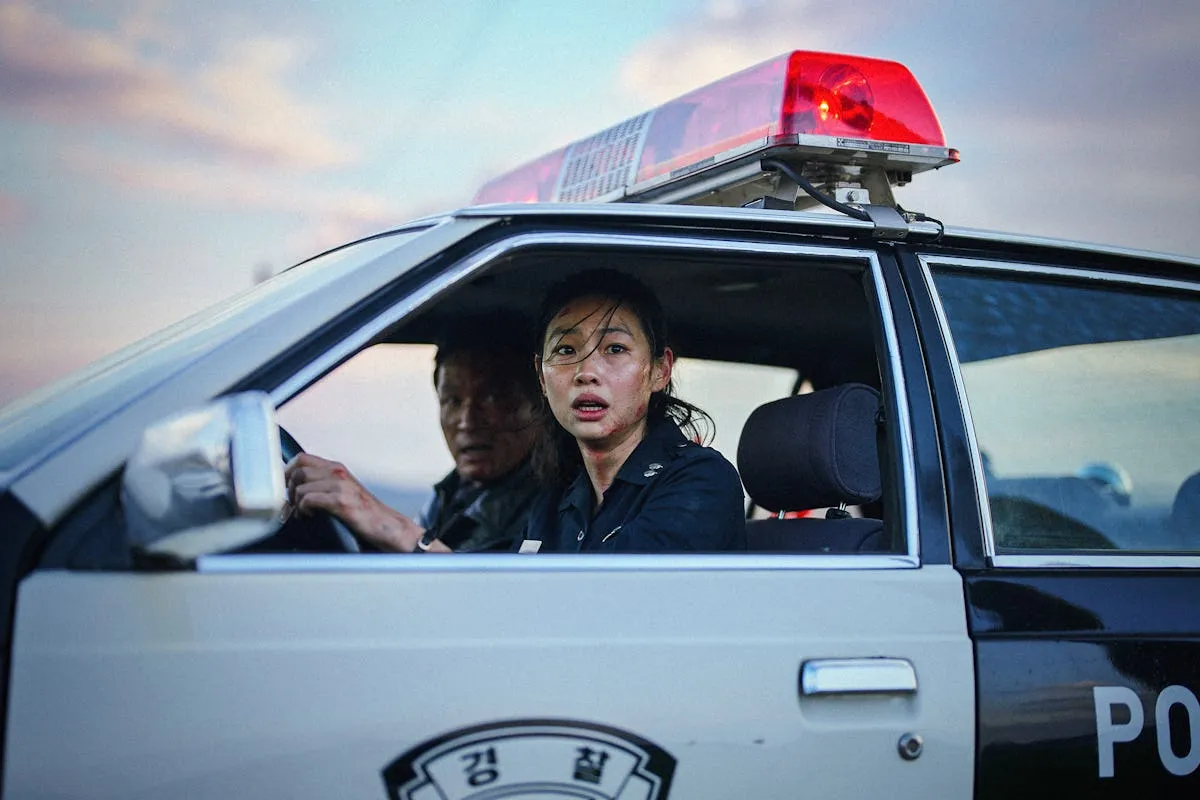
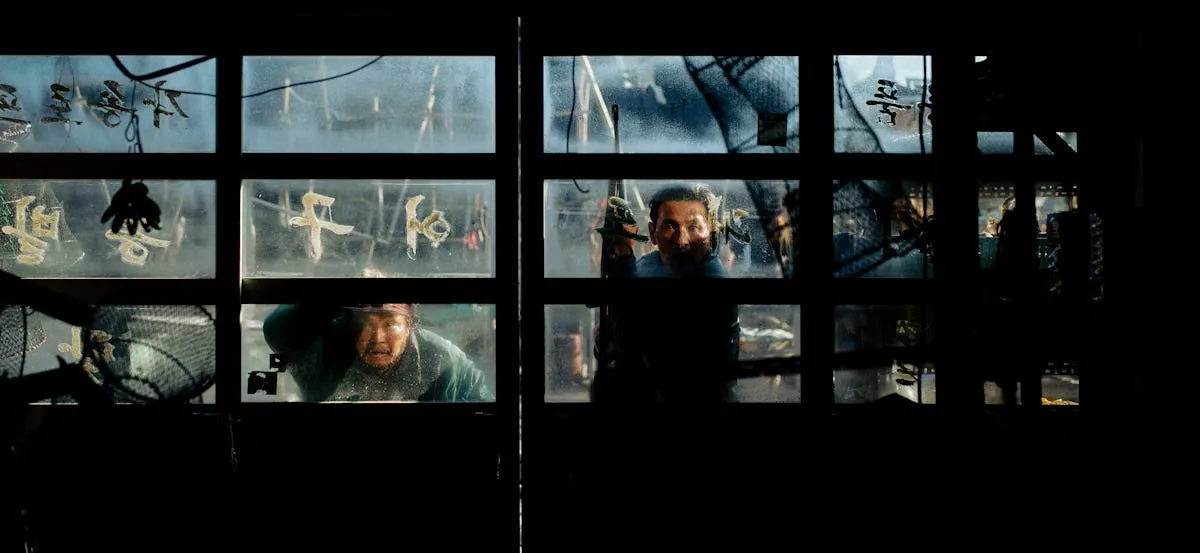
The official facts are stark. The film is a sci-fi thriller about an alien invasion in a rural South Korean village near the DMZ. It premiered at Cannes in May 2024. It had its North American premiere at the New York Asian Film Festival on July 20, 2024. It releases in U.S. theaters on September 9, 2024. The director is Na Hong-jin. The cinematographer is Hong Kyung-pyo. The cast includes Hwang Jung-min as the blowhard police chief Bum-seok, Zo In-sung as his hunter cousin Sung-ki, and Hoyeon from *Squid Game* as rookie deputy Sung-ae. The plot begins with a mauled bull, leads to a tiger theory, and escalates into full-scale monster carnage. The film is described as a cross between *Tremors* and *Jaws*, amplified with “K-horror” intensity. The action features “breathless oners” and “extra bloody” gore. The protagonist Bum-seok is “wildly unlikable.” The film’s structure becomes “erratic” after Hoyeon’s character enters, incorporating flashbacks and “weirder avenues.”
The industry subtext is where the real story lies. The film’s setting is not incidental. A village “bordering a forest near the DMZ” populated by the elderly and paranoid hunters is a pressure cooker of Korean-specific anxieties. The “trigger-happy ways” of the characters have a “sociopolitical reason.” Na is explicitly rejecting the American-centric alien invasion template. First contact here is with “the worst possible humans, only this time they’re not Americans.” This reframes the entire genre through a lens of localized trauma and historical tension. The film’s “B-movie charm” and “gonzo entertainment value” are a deliberate aesthetic choice, a rejection of the high-gloss, VFX-heavy spectacle that defines Hollywood’s version of this story. It’s a statement about resourcefulness, both narrative and budgetary. The film’s “endurance test” quality is a direct challenge to passive consumption.
The second half of the facts reveals the strategic pivot. The film risks becoming a “tiresome exercise in dudes shouting.” This is the breaking point. Then Hoyeon’s Sung-ae “literally crashes in with the full strength of the police department’s armory.” Her entrance is a “jolt of electricity.” This is the film acknowledging its own grating energy and forcibly changing the channel. It’s a meta-commentary on needing a different kind of protagonist to unlock the next narrative phase. The “first encounter with the monster” happens here, not earlier. This delayed gratification is anti-formulaic. The introduction of “more grubby characters” for “strange color and charm” deepens the world instead of narrowing the focus. Sung-ki’s gang zeroing in on the “alien plot” takes the film into “even weirder avenues,” embracing full narrative risk.
The macro game theory is about cultural capital versus commercial appeal. *Hope* premiered at Cannes, securing high-art credibility. It then plays NYAFF, targeting the core Asian cinema fanbase. Its September U.S. theatrical release by NEON is a bold gamble. NEON is betting that the film’s “deranged reputation” and critical acclaim will translate into niche box office success, much like their handling of *Parasite* (though this is a far more abrasive product). The film serves as a canary in the coal mine for the global appetite for “unfiltered” Korean cinema. Its performance will signal to other auteurs how much idiosyncrasy the international market will tolerate post-*Parasite*. It’s a test of whether festival prestige can inoculate a film against commercial expectations of palatability.
The ultimate commercial loop is one of curated cult status over mass-market dominance. *Hope* will not be a billion-won grosser. Its financial endgame is securing Na Hong-jin ultimate creative freedom. By delivering a film that is “brilliant in parts, and baffling in others,” he reinforces his position as an uncompromising auteur, not a studio hand. This enhances his value for streaming platforms seeking prestige content and for producers wanting award-attention projects. The film’s very “unwieldy” nature becomes its brand. It’s a loss leader for artistic credibility. The industry deduction is clear: in a homogenizing global market, extreme differentiation becomes a viable, if risky, business model. *Hope*’s success will be measured less in tickets and more in the conversations it starts and the doors it keeps open for similarly defiant visions.
The theatrical window is a formality; the real release is the discourse it triggers among critics and cinephiles arguing over its intentional flaws.
Author bio: Lucas Caldwell, a tech opinion leader with millions of followers on X/Twitter, known for dissecting the cultural algorithms behind media and technology convergence.