(SeaPRwire) – By: Jeremy Vance
The rise of niche bathroom accessories signals a shift in private-label dominance in this market. Amazon listings like ceramic flamingo bolt covers or Madoalker shelves show aggressive shelf-space usage by unbranded manufacturers. These products bypass traditional retail gatekeepers, flooding the market with visual fixes that mimic high-end design. Consumers are no longer seeking known home decor brands for their renovation needs. They are prioritizing functional whimsy delivered via recommendation algorithms on major e-commerce platforms. This crowding effect pushes legacy brands to compete on price rather than heritage. The bathroom has become a lab for rapid product iteration loops, where trend velocity beats material durability. Retail platforms curate a landscape where visual appeal drives purchase conversion rates over longevity.
Supply chain efficiencies enable the proliferation of low-cost items like the COSY HOMEER bath rug or Laatse peel-and-stick wallpaper. Contract manufacturers in high-volume production zones can replicate designer aesthetics for a fraction of the cost. The GE Jewel night-light and ADD.HERES window film exemplify mass-produced components that rely on standardized electronics and static-cling materials. Logistics networks optimized for small-parcel delivery allow these vendors to maintain thin margins while ensuring nationwide availability. The cost of goods sold remains negligible compared to the perceived value offered to the consumer. This structure supports a business model where volume compensates for lower unit economics, sustaining profitability through sheer transaction frequency. Manufacturers prioritize speed over artisanal quality in this race to the bottom.
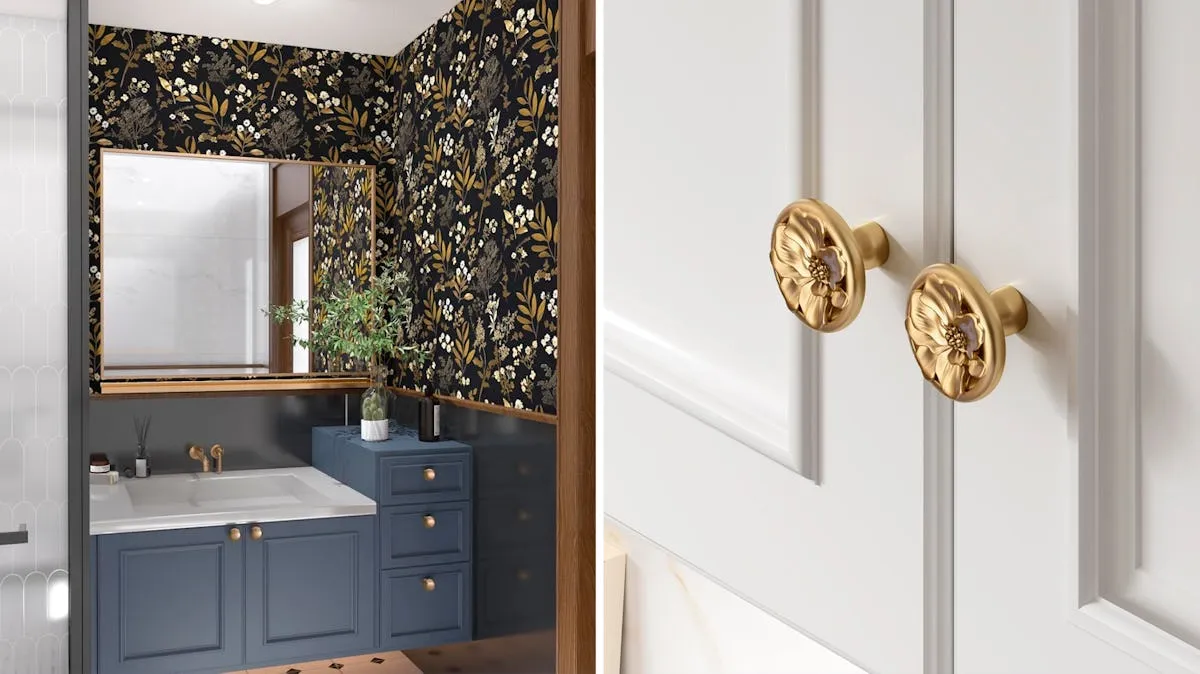
Contract manufacturer switching costs are minimal here, letting vendors pivot designs. The SPACEKEEPER rolling cart and Conworld toilet paper holder utilize generic molds that can be replicated across multiple factories without retooling expenses. Rergy floral cabinet knobs and Veken shower caddies follow this modular design adaptation. Suppliers can adjust finishes to match trending hardware colors without altering structures. This flex reduces inventory risk and speeds time-to-market for seasonal decor updates. Reliance on a fluid vendor network prioritizes speed and trend alignment over proprietary investments. Adaptability ensures that the low-cost market remains saturated with new items. This model allows for rapid testing of consumer preferences with minimal capital risk involved.
Shrinkflation dynamics manifest via value perception engineering. The Eormoe diatomite stone faucet mat and Morris switch plate cover sell on the promise of luxury without price tags. Consumers accept thinner materials or less durable finishes if the aesthetic payoff meets social media goals. Pushback metrics remain low as the cost is low, reducing buyer’s remorse. The transaction risk remains minimal for items like the StorageWorks linen basket, sparking impulsive purchasing behavior. This lever drives engagement rates over traditional home products. Vendors use this acceptance to maintain prices supporting aggressive marketing costs avoiding budget-conscious groups. Marketing narratives focus on visual transformation rather than product lifespan or material quality assurance.
Consumer pushback rates spike rapidly when functionality fails to hit visual promise. Rugs shedding or peeling film show margin compression in them. But the volume of positive reviews keeps the sense of quality in the market. Needs a group of users tolerating defects for significant savings. Dynamics create a tiered field where looks are shared while feel is compromised. Brands watch as share erodes to agile cheap rivals. Consumer view on value is shifting from durability toward instant looks and affordability. The distinction between genuine luxury and manufactured appearance continues to blur for the average shopper.
The sector faces imminent brand equity collapse as algorithmic curation prioritizes transient trends over lasting quality, forcing a reckoning where the democratization of aesthetic luxury ultimately devalues the very home environments it claims to enhance without providing the structural integrity required for genuine long-term satisfaction, thereby inviting a consumer backlash that will expose the fragility of a market built on visual deception rather than substantive utility, signaling the end of the current cheap-trick economic cycle.
Author bio: Jeremy Vance, a global fast-moving consumer goods supply chain auditor and industry analyst.