JCB partners with Nexi to simplify public transport in Campania JCN Newswire

JCB partners with Nexi to simplify public transport in Campania

TOKYO, Sept 3, 2026 - (JCN Newswire via SeaPRwire.com) - JCB, together with Nexi, the European PayTech leader, announces a strategic partnership to enable JCB Card acceptance across public transport in the Campania region of southern Italy, including Naples. The partnership is delivered through the Unico Campania consortium, which manages integrated ticketing for multiple public transport operators in the region.Millions of tourists, including more than 181 million JCB Cardmembers primarily from Asia, will be able to use the Tap & Go service, allowing them to access public transport and purchase tickets simply by tapping their contactless payment card or smartphone at enabled gates and ticket validators. The service will be available across a wide range of metro lines, funiculars and buses across the region.In addition, JCB Cards will be accepted throughout Unico Campania’s entire ecosystem, including physical ticket offices (info points).For passengers, the service delivers several key benefits, including: no need to purchase tickets in advance, greater convenience and enhanced security, automatic best fare calculation based on journeys taken within 24 hours, and smoother access to public transport.The agreement between JCB and Nexi represents a significant step forward in the digitalisation of urban mobility in the Campania region, highlighting how digital payments are a key enabler in the transformation of public services for citizens.“The new service launched in the Campania region together with JCB demonstrates our ability to bring the best payment solutions to local communities across Italy, leveraging both our technology and our strong partnerships with global players,” said Filippo Maria Signoretti, Merchant Solutions Director Italy at Nexi. “The agreement also allows us to support the digitalisation of services for citizens, with mobility representing a key element in this transformation.”Hiroyuki Katano, Executive Vice President, JCB International Co., Ltd., said, “We are pleased to partner with Nexi and Unico Campania to expand JCB acceptance across public transport in the Campania region in southern Italy, including Naples and surrounding areas such as Pompeii. This will make it easier for JCB Cardmembers, particularly from Asia, to access transport services seamlessly using contactless payments, without the need to purchase tickets in advance. By enabling simple and familiar payment experiences, we aim to enhance convenience for travellers while helping local operators capture growing international demand.”In May 2024, JCB and Nexi introduced this payment model for the first time in Europe within public transport in Rome, marking a significant milestone in the innovation of urban mobility services.The service will be progressively made available across several lines and services of the Unico Campania Consortium. The updated list of enabled services is available on the official Unico Campania website.About NexiNexi is the European PayTech, operating in high-growth, attractive European markets and in technologically advanced countries. Listed on Euronext Milan, Nexi has the scale, geographical reach, and capabilities to drive the evolution of digital payments across Europe. Thanks to its portfolio of innovative products, e-commerce expertise, and industry-specific solutions, Nexi is able to provide flexible support for the digital economy and the entire global payments ecosystem through a wide range of channels and payment methods. Nexi’s technology platform and best-in-class professional expertise enable the company to operate effectively across three market segments: Merchant Solutions, Issuing Solutions, and Digital Banking Solutions. Nexi continuously invests in technology and innovation, focusing on two core principles: meeting customer needs together with its partner banks, and creating new business opportunities for them. Nexi is committed to supporting people and businesses of all sizes by transforming the way people pay and businesses accept payments, offering customers the most innovative and reliable solutions to help them better serve their customers and grow. This is how Nexi promotes progress for the benefit of everyone—by simplifying payments and enabling people and businesses to build closer relationships and grow together. www.nexi.it About JCBJCB is a major global payments brand and a leading credit card issuer and acquirer in Japan. JCB launched its card business in Japan in 1961 and began expanding worldwide in 1981. Its acceptance network includes about 72 million merchants around the world. JCB Cards are now issued mainly in Asian countries and territories, with more than 181 million cardmembers. As part of its international growth strategy, JCB has formed alliances with hundreds of leading banks and financial institutions globally to increase its merchant coverage and cardmember base. As a comprehensive payment solution provider, JCB commits to providing responsive and high-quality services and products to all customers worldwide. For more information, please visit: www.global.jcb/en/Nexi - External Communication & Media RelationsDaniele de Sanctisdaniele.desanctis@nexigroup.comMobile: +39 346/015.1000Matteo Abbondanzamatteo.abbondanza@nexigroup.comMobile: +39.348/406.8858Danja Giacomindanja.giacomin@nexigroup.comMobile: +39.334/2256777JCB - Media ContactsJCB International (Europe) Ltd.Diana Lee: dlee@jcbeurope.euJCB (Head Office in Japan)Anna Takeda: jcb-pr@info.jcb.co.jp Copyright 2026 JCN Newswire via SeaPRwire.com. All rights reserved. www.jcnnewswire.com
More
TANAKA Memorial Foundation to Offer Precious Metals Research Grants of Up to 10 Million Yen (from a Grant Pool of 20 Million Yen) – Applications for Research Projects Open on September 1

TOKYO, Sept 1, 2026 - (JCN Newswire via SeaPRwire.com) - TANAKA Memorial Foundation (Representative Director: Hideya Okamoto) has announced that it will invite research proposals for its FY2026 Precious Metals Research Grants from September 1 to November 30, 2026. This grant program aims to contribute to the development of science and industry by promoting innovative research, technological development, and product development related to precious metals. The grants are open to individuals affiliated with educational institutions and public research institutes in Japan.This year marks the 28th edition of the research grant program. With the aspiration of “Forging a Better Tomorrow with ‘Hirameki’ and ‘Kirameki’,” the Foundation looks forward to receiving research proposals that combine researchers’ creativity with the potential of precious metals and contribute to creating a better future.This year, a total of 20 million yen will be available across five award categories. The Umekichi Tanaka Award offers the highest grant amount of 10 million yen, alongside the Ichiro Tanaka Award, the Junichiro Tanaka Award, the HIRAMEKI Award, and the KIRAMEKI Award.The major awards are named after individuals whose achievements helped shape TANAKA’s growth, including advances in the industrial use of precious metals, international collaboration, and the expansion of its business fields. The Junichiro Tanaka Award, newly established this year, is an enhanced version of the former Innovative Precious Metals Award and is intended to further encourage research and development that opens up new potential for precious metals.Origins of the Names of the Major AwardsUmekichi Tanaka AwardCompany founder Umekichi Tanaka established Tanaka Shoten in 1885, laying the foundations of TANAKA. While expanding the refining of foreign gold coins and bullion trading, the company also established advanced technologies such as the recovery of platinum from used incandescent bulbs and the processing of fine platinum wire. Tanaka Shoten pioneered the development of industrial applications for precious metals, helping to establish the foundations of precious metals technology for industrial use in Japan and supporting the growth of the country’s manufacturing industry.Ichiro Tanaka AwardTanaka Shoten’s second president, Ichiro Tanaka, played a leading role in the growth of the company’s industrial precious metals business. The company established a stable procurement system for key metals such as platinum and palladium, thereby strengthening the supply base for the chemical industry, telecommunications, and laboratory equipment fields. Through the supply of materials that support technical innovation, the company made significant contributions to the development of Japan’s manufacturing industry, science, and technology.Junichiro Tanaka Award The company’s third president, Junichiro Tanaka, opened new possibilities for the industrial use of precious metals alongside the development of the electronics, telecommunications, and semiconductor industries. The company promoted the research, development, and commercialization of contact materials for electronic components, semiconductor-related materials, precious metal catalysts, and other products, expanding Japanese-developed precious metals technology to the global market. It played a leading role in driving the evolution of cutting-edge technologies and the formation of industrial infrastructure on a global scale.Overview of the 2026 Precious Metals Research GrantsTheme- New research and development that uses precious metals or can be applied to precious metals and contributes to creating a sustainable future.Grant Amounts (Maximum amounts from a grant pool of 20 million yen)- Umekichi Tanaka Award10,000,000 yen- Ichiro Tanaka Award3,000,000 yen- Junichiro Tanaka Award1,000,000 yen- HIRAMEKI Award500,000 yen- KIRAMEKI Award500,000 yen* The grant amount is treated as a donation for academic research.* There may be no recipient for one or more of the awards.Eligible Candidates- Individuals affiliated with educational institutions in Japan (universities, graduate schools, or colleges of technology), national or public research institutions, or equivalent institutions are eligible to apply.* As long as the applicant is affiliated with a research institution in Japan, the base of activity can be in Japan or overseas.* The KIRAMEKI Award is open to researchers aged 37 or younger as of April 1, 2026.Application Period- 9:00 am, September 1, 2026 (Tue) – 5:00 pm, November 30, 2026 (Mon)Application Method- Complete the application form available on the TANAKA Memorial Foundation website (https://tanaka-foundation.or.jp) and upload relevant papers and supplementary materials concerning the proposed research.Announcement- Results will be announced on the TANAKA Memorial Foundation website around the end of March 2027.* Award recipients will be contacted directly.ConditionsEligible research and development themes must use precious metals or be applicable to precious metals, contribute to creating a sustainable future, and fall under at least one of the following categories:- New technology related to precious metals (new materials, processing methods, process development, etc.)- Research that brings about breakthroughs in product development (new functions, process development, computational science, etc.)- Research and development of new products using precious metals* Precious metals refer to the following eight elements: platinum, gold, silver, palladium, rhodium, iridium, ruthenium, and osmium.* If the research or development is being conducted jointly with other material manufacturers, or if such joint development is planned, please indicate this in the application.* Products that have already been commercialized or put to practical use, or for which commercialization or practical application is planned, are not eligible.Inquiries Concerning the Research Grant ProgramPrecious Metals Research Grants OfficeGlobal Marketing / R&D Supervisory Department, TANAKA PRECIOUS METAL TECHNOLOGIES Co., Ltd.2-6-6 Nihonbashi Kayabacho, Chuo-ku, Tokyo 103-0025E-mail: joseikin@ml.tanaka.co.jpTANAKA Memorial Foundation website: https://tanaka-foundation.or.jpTANAKA Memorial FoundationOrganization Name: TANAKA Memorial FoundationAddress: 2-6-6 Nihonbashi Kayabacho, Chuo-ku, TokyoRepresentative: Hideya OkamotoIncorporated: 2015Purpose of Business: To provide grants for research related to precious metals to contribute to the development and cultivation of new fields for precious metals, and to the development of science, technology, and the social economy.Areas of Business: Provision of grants for scientific and technological research related to precious metals. Recognition of outstanding research related to precious metals and the holding of seminars and other events.Press InquiriesTANAKA PRECIOUS METAL GROUP Co., Ltd.https://tanaka-preciousmetals.com/en/inquiries-for-media/Press Release: http://www.acnnewswire.com/docs/files/20260901_EN.pdf Copyright 2026 JCN Newswire via SeaPRwire.com. All rights reserved. www.jcnnewswire.com
More

Nissan and Honda Conclude Joint Development Agreement to Standardize ECUs and Software for Next-Generation SDVs JCN Newswire

Nissan and Honda Conclude Joint Development Agreement to Standardize ECUs and Software for Next-Generation SDVs

TOKYO, Aug 31, 2026 - (JCN Newswire via SeaPRwire.com) - Nissan Motor Co., Ltd. and Honda Motor Co., Ltd. have entered into a joint development agreement to standardize multiple electronic control units (ECUs)* that form the core of next-generation software-defined vehicles (SDVs), along with the in-vehicle operating system and key parts of the middleware, and vehicle control software that run on these ECUs.The E/E architecture incorporating the jointly developed ECUs and software is planned for application in both companies' next-generation SDVs from fiscal year 2029 onward.As part of their strategic partnership, Nissan and Honda continue to explore opportunities for collaboration across a range of areas to accelerate progress toward carbon neutrality and help realize a future with zero traffic fatalities involving their vehicles. In particular, the software domain centered on SDVs, which is key to vehicle intelligence and electrification, has been identified as an important area of collaboration, given the rapid pace of technological innovation and the need to strengthen competitiveness through improved R&D speed and investment efficiency.Recognizing the need to strengthen competitiveness through faster development cycles and more efficient investment, the two companies have conducted extensive studies on potential collaboration in the software domain. As a result of these discussions, Nissan and Honda have agreed to jointly develop and standardize the core ECUs and software that underpin next-generation SDVs.Under the agreement, the companies will work together to establish common specifications for multiple core ECUs within the E/E architecture of next-generation SDVs, as well the in-vehicle operating system and key parts of the middleware, and vehicle control software.By standardizing these foundational technologies, Nissan and Honda aim to leverage their combined engineering expertise and development resources to improve efficiency, accelerate innovation, and enhance competitiveness through reduced development costs and greater economies of scale.Going forward, Nissan and Honda will continue to build on their respective strengths, explore opportunities to create new value, and deepen collaboration to bring tangible benefits to customers and society.* High-performance main ECUs (High Performance Computers) that use SoCs, and zone ECUs that oversee each area of the vehicle. Copyright 2026 JCN Newswire via SeaPRwire.com. All rights reserved. www.jcnnewswire.com
More

Mitsubishi Research Institute and Hitachi Partner to Launch Advanced Power Trading Service for Extra-High-Voltage Grid-Scale-Battery Operators JCN Newswire

Mitsubishi Research Institute and Hitachi Partner to Launch Advanced Power Trading Service for Extra-High-Voltage Grid-Scale-Battery Operators

TOKYO, August 27, 2026 - (JCN Newswire via SeaPRwire.com) - Mitsubishi Research Institute, Inc. (TSE:3636, “MRI”) and Hitachi, Ltd. (TSE:6501, "Hitachi") signed a Memorandum of Understanding (MoU) on 25 August to build a cooperative framework for delivering advanced power-trading support services tailored to grid-scale battery operators in the extra-high voltage segment, including new market entrants. By integrating MRI’s distributed-energy-resource operation-support service, MERSOL (MRI Energy Resource Solution), with Hitachi’s Power Trading System, currently under development, the companies will establish a framework to offer a combined solution: Power Trading Service (the Service)*1.By linking MERSOL's bid-planning optimization with Power Trading System's market-trading support, the Service will provide integrated, seamless support from automated bid planning to actual market transactions. This integration makes it easier for operators to bring sophisticated trading operations—historically outsourced to aggregators*2—in-house. This will enable operators to streamline operations, capture more revenue, and easily expand across multiple battery-storage sites. Through the Service, MRI and Hitachi will help grid-scale battery businesses improve their profitability and scalability.*1 Scheduled for launch in fiscal year 2027*2 Aggregators: Businesses that bundle and centrally control multiple distributed-energy resources to provide services such as power adjustment and market trading on behalf of operatorsBackgroundWhile renewable energy sees accelerated expansion across Japan to achieve the country’s goal of carbon neutrality by 2050, managing the balance of supply and demand to cope with fluctuations in power generation remains a major challenge. In this context, grid-scale batteries—which charge during periods of surplus power and discharge during shortages—are a vital resource for further integration of renewable energy.For grid-scale battery businesses, securing profitability relies heavily on strategic trading across multiple markets and products, such as the Japan Electric Power Exchange (JEPX)*3 and the Electric Power Reserve Exchange (EPRX)*4. Conducting these operations in-house demands highly specialized expertise, from forecasting future market prices and bid planning that maximizes revenue, to submitting plans in strict compliance with the Electricity Business Act and market regulations. While many operators—especially new entrants—currently outsource these tasks to aggregators, there is a growing demand to bring trading operations in-house to accumulate operational expertise internally, reduce outsourcing costs, and accelerate decision-making.Against this background, MRI has leveraged its long-standing expertise in power-market analysis and policy design to develop and run the MERSOL service, which uses proprietary algorithms to generate optimal operation plans for batteries. Meanwhile, Hitachi—led by its Strategic SIB Business Unit, which drives new growth businesses—is developing Power Trading System*5. Built on Hitachi's extensive IT and OT (operational technology) expertise in the power sector, Power Trading System is designed to make complex trading workflows more efficient and advanced, ranging from market trading based on bidding plans to the submission of grid-utilization plans to the Organization for Cross-regional Coordination of Transmission Operators, JAPAN (OCCTO)*6.*3 JEPX: The sole market for wholesale electricity trading in Japan*4 EPRX: A market where general electricity transmission and distribution utilities procure the balancing capacity (power) required to maintain the balance between electricity supply and demand*5 Power Trading System features a flexible architecture that allows integration with external planning-optimization services, enabling customized service connectivity tailored to individual customer needs.*6 OCCTO: A government-authorized organization that promotes and oversees the nationwide coordination of electricity supply and demand, as well as the wide-area operation of transmission and distribution gridsCollaboration Details and Value PropositionThrough this collaboration, MRI and Hitachi will link MERSOL and Power Trading System to build a seamless mechanism that efficiently executes the entire trading workflow—from bid planning to market trading and on-site control commands. Specifically, MERSOL will generate bidding plans based on market-price forecasts, including the supply-and-demand adjustment market. Utilizing these plans, Power Trading System will facilitate market bidding and automate the generation and submission of required plans to OCCTO based on contract*7 results, thereby streamlining operators' workflows.By delivering these services as an integrated solution, the partnership will bring operators value in two primary ways:1. Enhanced ProfitabilityThe Service helps operators secure stable returns and expand revenue opportunities by executing power trading based on highly accurate market-price forecasts and optimized bidding plans. By streamlining workflows through system automation, it also smooths the transition for operators looking to manage trading internally. This shift reduces outsourcing fees, enables companies to accumulate valuable operational expertise, and accelerates internal decision-making to capitalize on market opportunities immediately. Ultimately, this drives advancements in operations and greater overall competitiveness.2. Scaling Business OperationsA standardized system architecture makes it simple to scale operations across multiple projects without building a custom setup from scratch for each battery-storage site. Operators new to grid-scale battery business can particularly benefit from the automation and optimization of planning activities and day-to-day operations, even putting in-house trading into reach. The service makes it possible for small teams to manage operations across multiple battery storage sites, eliminates reliance on specific individuals, and ensures that knowledge is standardized rather than siloed. As a result, operators can maintain stable, seamless operations even when establishing new battery storage sites, contributing to flexible and sustainable business growth.*7 Contract: The successful completion of a transaction when a buyer and seller agree on a priceFuture OutlookStarting in fiscal year 2027, MRI and Hitachi will establish a framework to offer the Service. Additionally, both companies will set up a collaborative framework to mutually propose and deliver their respective systems (MERSOL and Power Trading System) as standalone solutions. Through this collaboration, both partners aim to support the adoption and growth of the grid-scale battery business, contributing to realizing a sustainable, carbon-neutral society.MRI plans to continue to update MERSOL in step with electricity-market fluctuations and regulatory changes, helping battery businesses improve profitability and long-term predictability.Hitachi aims to expand its IT and OT integration expertise cultivated in the battery sector to seamlessly connect electricity markets with various consumers, including data centers, ultimately building the energy infrastructure that will underpin next-generation green transformation (GX).About MERSOL (Japanese only)https://mersol.mri.co.jp/About Hitachi's Green Transformation Initiatives (Japanese only)https://www.hitachi.co.jp/products/it/gx_business/?nr=260827About Mitsubishi Research Institute, Inc.Mitsubishi Research Institute, Inc. is one of Japan’s foremost think tanks. For over 50 years, it has provided the public and private sectors with research and consulting services in fields spanning energy, the environment, healthcare, human resources, and digital transformation. This is accompanied by policy recommendations and the real-world application of solutions. Mitsubishi Research Institute will continue to envision the future, resolve societal issues, and lead change to build a sustainable and prosperous world. For more information, please visit: www.mri.co.jp/en/About Hitachi, Ltd.Through its Social Innovation Business (SIB) that brings together IT, OT (Operational Technology), and products, Hitachi aims to be a global leader in continuously transforming social infrastructure through digital, contributing to a harmonized society where the environment, wellbeing, and economic growth are in balance. Hitachi operates worldwide across four sectors—Digital Systems & Services, Energy, Mobility, and Connective Industries—as well as a Strategic SIB Business Unit focused on new growth areas. With Lumada at its core, Hitachi creates value by combining data, technology and domain knowledge to solve customer and social challenges. Revenues for FY2025 (ended March 31, 2026) totaled 10,586.7 billion yen, with 606 consolidated subsidiaries and approximately 290,000 employees worldwide. Visit us at www.hitachi.com.About LumadaMitsubishi Research Institute, Inc.General contact:Akihiko SugitaniNew-Business Development Center,Energy and Sustainability UnitMitsubishi Research Institute, Inc.Email: mersol-contact@mri.co.jpHitachi, Ltd.General contact:Nomura, AndoInfrastructure Control Systems Division,Digital Services Business UnitHitachi, Ltd.Contact form: https://www8.hitachi.co.jp/inquiry/control/jp/main/form.jsp?UM_QNo=1 Copyright 2026 JCN Newswire via SeaPRwire.com. All rights reserved. www.jcnnewswire.com
More
Newly Developed “Two-Motor Hybrid Drive Module” Adopted for STELLANTIS New “Jeep Cherokee” JCN Newswire

Newly Developed “Two-Motor Hybrid Drive Module” Adopted for STELLANTIS New “Jeep Cherokee”

KARIYA, JAPAN, August 27, 2026 - (JCN Newswire via SeaPRwire.com) - BluE Nexus Corporation (Headquarter: Anjo City, Aichi Prefecture; President: Hidetoshi Uchiyama; hereinafter “BluE”), AISIN Corporation (Headquarter: Kariya City, Aichi Prefecture; President: Moritaka Yoshida; hereinafter “AISIN”), and DENSO Corporation (Headquarter: Kariya City, Aichi Prefecture; President: Shinnosuke Hayashi; hereinafter “DENSO”) have jointly developed a new “Two-Motor Hybrid Drive Module”. This product has been installed in the STELLANTIS New “Jeep Cherokee”.The newly adopted Two Motor Hybrid Drive Module features a high-efficient, high-torque transaxle and optimizes the control of both the motor and the boost converter, which increases the voltage. This contributes to the exceptional off-road capability and outstanding fuel efficiency that the Jeep brand is known for.Furthermore, with the transaxle and motors manufactured by AISIN North Carolina Corporation and the inverter produced by DENSO Manufacturing Tennessee, Inc., this product also supports the expansion of hybrid electric vehicles (HEVs) in the North American market.Looking ahead, BluE, AISIN, and DENSO will continue to leverage their respective strengths and expertise to deliver high value technologies and products. Through the broader adoption of BluE Nexus products across electric vehicles, BluE will contribute to the realization of a carbon neutral society. Copyright 2026 JCN Newswire via SeaPRwire.com. All rights reserved. www.jcnnewswire.com
More

MHIET Establishes Hydrogen Co-Firing Specifications for the KU Series Gas Engine for Power Generation JCN Newswire

MHIET Establishes Hydrogen Co-Firing Specifications for the KU Series Gas Engine for Power Generation

TOKYO, August 27, 2026 - (JCN Newswire via SeaPRwire.com) - Mitsubishi Heavy Industries Engine & Turbocharger, Ltd. (MHIET), a part of Mitsubishi Heavy Industries (MHI) Group, has established a hydrogen co-firing specifications for its KU Series gas engines (output 3.65-5.75 MW), used in cogeneration systems across a wide range of industries, and has begun proposal activities.MHIET previously confirmed stable combustion at rated output with a hydrogen co-firing of up to 50% by volume (50 vol%) using a single-cylinder test engine for a 5.75MW gas engine for power generation.(1) Actual operations, however, require stable combustion across a wide load range. In addition, abnormal combustion such as knocking and pre‑ignition(2), which are challenges in hydrogen-fueled engines, must be suppressed across the entire power range. To address these concerns, MHIET has used CFD (computational fluid dynamics) analysis and combustion reaction models to elucidate the mechanism behind these problems. Based on these findings, MHIET developed technologies to suppress abnormal combustion across the entire operating load range and established specifications for hydrogen co-firing operation. Furthermore, assuming use in a cogeneration system, the specifications are developed to support hydrogen co-firing for the whole system, including the engine and the integrated control system.Features of the KU Series Gas Engine for power generation with hydrogen co-firing capability1. Flexible operation according to hydrogen fuel availabilityChanging the operating mode allows the operator to switch from natural gas-fired operation to any desired hydrogen co-firing ratio, even while the equipment is in operation. This enables flexible operation tailored to customers' hydrogen availability.2. Supports the gradual expansion of hydrogen useDesign changes from the current natural gas-only specifications have been minimized, ensuring performance equivalent to existing natural gas-only operation. New installations can initially be configured for natural gas-fired operation while maintaining equivalent performance and later converted to hydrogen co-firing through addition of the required equipment. This allows MHIET to respond flexibly to customers' installation plans according to the state of hydrogen infrastructure, while also contributing to the reduction of CO2 emissions.3. Hydrogen co-firing specifications enhances the value of existing engines and contribute to their continued effective useKU Series gas engines can also be retrofitted for hydrogen co-firing with minimal modifications to the existing engine, eliminating the need for complete engine replacement. This allows customers currently using KU Series gas engines on natural gas to enhance the value and achieve continued utilization through hydrogen co-firing. The KU Diesel Engine (KU30A) can also be converted to hydrogen co-firing via gas engine conversion, contributing to the effective utilization of existing diesel equipment.Contribution of gas engines to a low-carbon or decarbonized society and MHIET's initiativesGas engines, which offer high power generation efficiency and excellent load-following capability, are widely used as on-site power generation equipment in institutions and factories, and for district heat supply. In recent years, they have also been used to support grid stability and power wheeling service. With electricity demand increasing globally, the need for gas engines is rising. At the same time, by supporting hydrogen co-firing, hydrogen-only firing, and utilization of e-methane (synthetic methane), gas engine power generation systems help the realization of a low-carbon or decarbonized society.MHIET previously released a hydrogen co-firing specification for the natural gas-fired GS6R2 engine with power output of 450 kW.(3) In addition to the newly established hydrogen co-firing specifications for the KU Series gas engine, MHIET will further expand the range of hydrogen capable models in its gas engine lineup, contributing to enhanced value in distributed power generation systems.(1) For details on the confirmation of stable combustion at 50 vol% hydrogen, see the following press release. https://www.mhi.com/news/23110101.html (2) Knocking and pre‑ignition are types of abnormal combustion. Knocking is when ignition occurs too early or the compression ratio is too high, causing the unburned mixture (a blend of fuel gas and air that has not yet ignited inside the combustion chamber) to be compressed after the start of normal combustion, causing ignition to start before the flames reach, and causing a sudden rise in the pressure inside the combustion chamber. Preignition is when the combustion of the fuel-air mixture begins naturally prior to ordinary ignition, causing a rapid rise in pressure inside the combustion chamber. Frequent occurrence of either issue can cause damage to internal engine components.(3) For details on the launch of the 450kW gas cogeneration system capable of hydrogen co-firing, see the following press release. https://www.mhi.com/news/25070402.htmlReference Material* Contribution of MHIET's KU Series Gas Engine for power generationTechnical Review Vol. 62 No. 2 (2025)"CO2 Reduction and Hydrogen Utilization Technology for Power Generation Gas Engine KU30GSI"https://www.mhi.com/technology/review/abstract-62-2-100About MHI GroupMitsubishi Heavy Industries (MHI) Group is one of the world’s leading industrial groups, spanning energy, smart infrastructure, industrial machinery, aerospace and defense. MHI Group combines cutting-edge technology with deep experience to deliver innovative, integrated solutions that help to realize a carbon neutral world, improve the quality of life and ensure a safer world. For more information, please visit www.mhi.com or follow our insights and stories on spectra.mhi.com. Copyright 2026 JCN Newswire via SeaPRwire.com. All rights reserved. www.jcnnewswire.com
More

New Model Added to Compact CO2 Capture System “CO2MPACT(TM) Full-Module” JCN Newswire

New Model Added to Compact CO2 Capture System “CO2MPACT(TM) Full-Module”

TOKYO, August 27, 2026 - (JCN Newswire via SeaPRwire.com) - Mitsubishi Heavy Industries, Ltd. (MHI) is adding a new model to its compact CO2 capture system CO2MPACT™ series. The new additions to the lineup are larger than earlier models, while still following CO2MPACT™ Full-Module's mass-produced full-module concept based on the standard design.While earlier CO2MPACT™ Full-Module models were capable of capturing up to 70,000 tons of CO2 per year, the new model offers a capture capacity of up to 450,000 tons per year. MHI plans to expand its product lineup to address diverse customer requirements. The scaled-up systems likewise follow the standard design concept employed for CO2MPACT™ Full-Module while being designed to handle a wide range of flue gas sources (CO2 concentrations), allow project conditions to be defined in advance such as construction period, cost, and equipment layout. Additionally, since the module ratio has been increased to over 90%, the efficiency of on-site work has been improved and the workload has been reduced, which traditionally accounts for a significant portion of plant construction. As a result, the new model can shorten delivery times by approximately six to twelve months compared with conventional construction methods. The module enables delivery with a trailer on public roads and by train. This will make it possible to meet a broader range of customer needs than ever before.MHI Group will exhibit at CCUS EXPO, a large-scale carbon dioxide capture, utilization, and storage (CCUS) exhibition to be held from Wednesday, September 9 to Friday, September 11 at Makuhari Messe, Chiba. The Company will introduce the concept of the new CO2MPACT™ lineup and the Company's track record in CO2 capture technology. On Thursday, September 10, Tatsuto Nagayasu, Head of CCUS, Plants & Infrastructure Systems will give a keynote speech on "Establishment of CCUS Value Chain by Mitsubishi Heavy Industries."MHI Group will continue to pursue business opportunities in areas where it can help address societal challenges, including ensuring safety and security and supporting a stable energy supply, while responding to changes in the external environment. Carbon neutrality initiatives are increasingly transitioning toward pragmatic approaches that reflect concerns over energy security and the need to maintain industrial competitiveness. The establishment of a CCUS value chain that connects diverse CO2 emission sources with storage and utilization is one of key solutions for realizing a carbon-neutral society. Going forward, MHI Group will continue to proactively promote its CCUS business utilizing its proprietary CO2 capture technologies, contribute as a solutions provider to reducing greenhouse gas emissions on a global scale, and develop further solutions that contribute to environmental protection.Exhibition details:The 26th SMART ENERGY WEEK [Autumn] 2026 CCUS EXPO—Carbon Capture, Utilization, and Storage ExpoPeriod: 10:00am - 5:00pm Wednesday, September 9 - Friday, September 11, 2026MHI Booth: Makuhari Messe, Hall 7, E23-60Advance visitor registrationhttps://www.wsew.jp/hub/en-gb/about/ccus.htmlMHI's keynote speech:Date/time: 10:30 - 11:30am Thursday, September 10, 2026Title: Establishment of CCUS Value Chain by Mitsubishi Heavy IndustriesSpeaker: Tatsuto Nagayasu, Principal of Mitsubishi Heavy Industries, Ltd. and Head of CCUS in Plants & Infrastructure SystemsRegister to Attendhttps://biz.q-pass.jp/f/13277/sewaki2026_seminar/seminar_registerAbout MHI Group's CO2 capture technologiesMHI Group has been developing carbon capture technologies in collaboration with the Kansai Electric Power Co., Inc. since 1990. As of August 2026, the Company has delivered 18 plants adopting these processes, with two more under construction. The Company's proprietary Advanced KM CDR Process™ offers superior regeneration efficiency and lower deterioration, providing excellent energy saving performance and reducing operation costs.For further information on MHI Group's CO2 capture plants: https://www.mhi.com/products/engineering/co2plants.htmlAbout MHI GroupMitsubishi Heavy Industries (MHI) Group is one of the world’s leading industrial groups, spanning energy, smart infrastructure, industrial machinery, aerospace and defense. MHI Group combines cutting-edge technology with deep experience to deliver innovative, integrated solutions that help to realize a carbon neutral world, improve the quality of life and ensure a safer world. For more information, please visit www.mhi.com or follow our insights and stories on spectra.mhi.com. Copyright 2026 JCN Newswire via SeaPRwire.com. All rights reserved. www.jcnnewswire.com
More

LEQEMBI IQLIK(R) (lecanemab-irmb) Autoinjector for Initiation of Therapy Now Available in the U.S. for Early Alzheimer’s Disease JCN Newswire

LEQEMBI IQLIK(R) (lecanemab-irmb) Autoinjector for Initiation of Therapy Now Available in the U.S. for Early Alzheimer’s Disease

TOKYO and CAMBRIDGE, Mass., August 27, 2026 - (JCN Newswire via SeaPRwire.com) - Eisai Co., Ltd. and Biogen Inc. (Nasdaq: BIIB, announced today that once weekly lecanemab-irmb subcutaneous injection (brand name: LEQEMBI IQLIK®)is now available in the U.S. for initiation therapy for early Alzheimer’s disease (AD) in adults with mild cognitive impairment (MCI) or mild dementia due to AD, collectively referred to as early AD.LEQEMBI IQLIK is administered via an autoinjector, introducing a convenient alternative to intravenous (IV) dosing from the start of treatment. For initiation, the approved regimen is 500 mg given once weekly as two consecutive 250 mg injections, each delivered in approximately 15 seconds. LEQEMBI IQLIK may also be used for maintenance dosing at 360 mg once weekly after 18 months of IV or subcutaneous (SC) treatment. Throughout the entire treatment course – from initiation through maintenance – patients may receive LEQEMBI either as IV infusion or as SC injection with LEQEMBI IQLIK. Patients may also switch from IV to SC administration, or vice versa, providing greater convenience and flexibility in LEQEMBI administration.Expanding Treatment Convenience and Flexibility Across the Alzheimer’s Disease Care PathwayThe availability of LEQEMBI IQLIK for both initiation and maintenance therapy in the U.S. enhances treatment convenience and flexibility, offering early AD patients and their care partners more control in managing their care while lowering barriers to initiating and continuing treatment with LEQEMBI. LEQEMBI IQLIK may reduce the time spent receiving anti-amyloid therapy via IV infusions. In addition, at-home administration allows patients and their care partners to continue treatment without the burden of clinic visits, making it easier to go out and travel. LEQEMBI IQLIK also has the potential to reduce healthcare resources associated with IV dosing, suchas infusion preparation and nurse monitoring. These features may help streamline the overall AD treatment pathway. For ARIA monitoring, as with IV administration, brain magnetic resonance imaging (MRI) is performed prior to initiating treatment and at specified time points after treatment initiation.Support Resources for LEQEMBI IQLIKEisai and Biogen will provide a range of resources to help patients, care partners, healthcare providers, health systems and pharmacies successfully implement and use LEQEMBI IQLIK.Patient SupportResources include an Instructions for Use (IFU) video and IQLIK Welcome Kit. The IQLIK Welcome Kit provides a What to Expect Treatment Tracker, an injection reminder magnet, and a Demo Kit to help patients and care partners understand what to expect, prepare for at-home injections, and administer injections safely at home. The LEQEMBI Companion® app will also be available. It brings the information patients and care partners need into one experience, including education about the injection process and tools for tracking each dose.Through the LEQEMBI Specialty Pharmacy Network, patients may receive support with prescription fulfillment, insurance coverage navigation, onboarding, delivery coordination, device-use education, and – if they choose to participate – treatment reminders and educational support during the first six months of therapy. Patients using other eligible specialty pharmacies may have access to similar support, which may vary by pharmacy.Healthcare Provider Resources Electronic Health Record (EHR) support materials and a step-by-step Getting Started Guide will help providers navigate the process from prescription submission through therapy initiation. Financial AssistanceTo further support access to LEQEMBI for certain patients who need help paying for their medicines, Eisai’s Patient Assistance Program (PAP) will provide LEQEMBI and LEQEMBI IQLIK at no cost, for eligible uninsured patients, who meet financial need and other program criteria. *The LEQEMBI Companion app was developed to deliver behavior-driven digital support for patients andcare partners along their treatment journey, in partnership with Medisafe Ltd., a behavioral patient engagement engine built for complex and specialty therapies. Patients can visit LEQEMBI.com/CompanionAppSignUp to get started.Eisai serves as the lead for lecanemab’s development and regulatory submissions globally with Eisai and Biogen co-commercializing and co-promoting the product and Eisai having final decision-making authority.INDICATIONLEQEMBI® is indicated for the treatment of Alzheimer’s disease (AD). Treatment with LEQEMBI should be initiated in patients with mild cognitive impairment (MCI) or mild dementia stage of disease, the population in which treatment was initiated in clinical trials. For more information: https://www.eisai.com/news/enews202647pdf.pdf Copyright 2026 JCN Newswire via SeaPRwire.com. All rights reserved. www.jcnnewswire.com
More

Sharp Launches A Second Poketomo Conversational AI Character JCN Newswire

Sharp Launches A Second Poketomo Conversational AI Character

TAIWAN, August 27, 2026 - (JCN Newswire via SeaPRwire.com) - Sharp will launch the second Poketomo conversational AI character in December 2026, with plans to roll it out in Taiwan as well.Poketomo is a conversational AI character designed to stay by your side, respond to your feelings, and serve as a companion for everyday conversation. Since the launch of the first Poketomo character, with its innocent personality last December, it has continued to build dialogues with users through both the robot and a dedicated smartphone app.The second character was inspired by the manga currently being featured on the official X account (@mia_to_nanami). The character is self-assured, a little gruff and not always straightforward but truly caring toward its users. Though somewhat awkward, it stays close to its hard-working users with sincere, unpretentious words. By spending more time together, the bond grows closer, and the character begins to reveal unexpected sides of itself.Living with two Poketomo characters also opens up new ways to enjoy Poketomo. When the two are near each other (*1) they may start chatting freely with one another. Their conversations begin unexpectedly, bringing gentle, heartwarming moments to everyday life.In addition, the range of original accessories designed to enhance the Poketomo experience will be expanded. New items will include clothing and hats for Poketomo, as well as pouches that allow users to take their companion along on outings (*2). A Poketomo Ambassador Program will also be launched. New merchandise and other initiatives will be developed by incorporating feedback and ideas from users.The second Poketomo character will be unveiled in advance at the Sharp booth during Tokyo Toy Show 2026, which will be held at Tokyo Big Sight in Koto-ku, Tokyo, from Thursday, August 27 to Sunday, August 30, 2026.Main Features1. The second character: A self-assured, little gruff and not always straightforward, but truly caring toward its users2. Enjoy spontaneous conversations between Poketomo characters3. Expanded lineup of Original Poketomo accessories, including clothing, hats, and pouches for outingsThe second Poketomo characterExample of different conversation styles (When users say, "You're cute!")Smartphone App: Screen image (in Japanese)Scene from the Poketomo Manga (in Japanese)Poketomo logo, POKETOMO and Poketomo are registered trademarks or trademarks of SHARP Corporation.Information on this product is also available on the following website:https://poketomo.com (in Japanese)About SharpFor more than 110 years, Sharp Corporation has been developing pioneering, world‑first and industry-first products and technologies primarily in electronics. Based on its business creed "Sincerity and Creativity" the company has established its corporate slogan "In step with your future." and aims to create New Cultures through innovative products and services in every aspect of how people live and work.For more information, please visit: https://global.sharp/ Copyright 2026 JCN Newswire via SeaPRwire.com. All rights reserved. www.jcnnewswire.com
More

NEC Orchestrating Future Fund Invests in U.S.-based Dexmate, Provider of Humanoid Robot “VEGA” and Physical AI Platform JCN Newswire

NEC Orchestrating Future Fund Invests in U.S.-based Dexmate, Provider of Humanoid Robot “VEGA” and Physical AI Platform

TOKYO, Japan, August 27, 2026 — NEC Corporation’s (NEC; TSE: 6701) ecosystem-based corporate venture capital (CVC) fund, NEC Orchestrating Future Fund (NOFF) (*1), has invested in Dexmate, Inc. (Dexmate), a U.S. startup providing the AI-controlled humanoid robot "VEGA" and a Physical AI development platform.In recent years, advances in generative AI have raised expectations not only for the enhancement of operations and services in the digital realm, but also for "Physical AI," AI capable of safely interacting with people and environments in the real world. However, in the development and operation of robots, one of the most representative application areas of Physical AI, a wide range of elements are required, including sensors, control systems, training data, simulation environments, and on-site tuning, which together create significant hurdles to adoption.Dexmate was founded in 2024 by researchers in the field of AI robotics. The company offers an integrated solution combining its AI-controlled humanoid robot "VEGA" with a Physical AI development platform that enables anyone to easily develop, configure, and operate AI-powered robots. This integrated approach is expected to dramatically streamline the entire process, from purpose-specific robot development to on-site deployment, thereby accelerating the practical implementation of Physical AI.By combining Dexmate's cutting-edge technology with NEC's long-cultivated advanced technologies and broad industry expertise, the two companies will explore collaboration opportunities aimed at the real-world implementation of Physical AI across a wide range of fields.Comments from both companies are as follows:Dexmate Co-Founder & CEO Tao ChenWe are honored to welcome the investment from the NEC Orchestrating Future Fund and deeply appreciate their confidence in our Physical AI technology. Dexmate's humanoid robot "VEGA" and integrated Physical AI development platform fundamentally lower the barriers to robot development and deployment by enabling anyone to easily design, configure, and operate AI-powered robots in real-world environments. Through this strategic partnership with NEC and their global expertise, we look forward to deploying our technology at scale and jointly accelerating the real-world implementation of Physical AI across a wide range of industries.NEC Corporate SVP Shigeki WadaNEC has long been engaged in the research, development, and real-world implementation of AI technologies. Through dialogue with Dexmate, we aim to explore new possibilities for value creation in the Physical AI domain and, together with our partners, contribute to solving the challenges faced by customers and society.Under the message "The future is ours to shape," NEC drives open innovation in new business development through diverse co-creation with startups and partner companies (*2). By combining cutting-edge technologies with cross-sector collaboration, we continue to generate new social value and shape the future.(*1) The ecosystem-based corporate venture capital (CVC) fund is participated in by multiple investors who share the vision of NEC’s future society concept "NEC 2030VISION."https://www.nec.com/en/global/innovation/noff/(*2) NEC Open Innovationhttps://www.nec.com/en/global/innovation/About NECThe NEC Group leverages technology to create social value and promote a more sustainable world where everyone has the chance to reach their full potential. NEC Corporation was established in 1899. Today, the NEC Group’s approximately 110,000 employees utilize world-leading AI, security, and communications technologies to solve the most pressing needs of customers and society.For more information, please visit https://www.nec.com, and follow us on LinkedIn and YouTube. Copyright 2026 JCN Newswire via SeaPRwire.com. All rights reserved. www.jcnnewswire.com
More
DENSO Launches Battery Passport Service Supporting Compliance with the European Battery Regulation JCN Newswire

DENSO Launches Battery Passport Service Supporting Compliance with the European Battery Regulation

KARIYA, JAPAN, August 27, 2026 - (JCN Newswire via SeaPRwire.com) - DENSO CORPORATION today launches DENSO Digital Product Passport Solution for Battery (the "Service"), a battery passport service that supports automakers, battery manufacturers and other businesses in complying with the European Battery Regulation while enhancing battery traceability.The transition toward a circular economy, in which resources are continuously reused to improve sustainability, has gained increasing importance in recent years. In Europe, initiatives are underway to introduce Digital Product Passports (DPPs)*1, which digitally manage and provide traceability information about products, enhancing how companies and organizations find new ways to repurpose them. As one use case of DPPs, the battery passport is scheduled to become mandatory from February 2027 under the European Battery Regulation*2 for electric vehicle batteries, light means of transport (LMT) batteries, industrial batteries, and other battery products.To support these efforts and address the regulatory developments, DENSO has launched its battery passport service. Based on the data model developed by the Battery Pass-Ready consortium*3 in Europe, the Service generates battery passports for individual battery products. By utilizing the Service, businesses can efficiently collect battery-related information from their enterprise systems and suppliers, while end users can easily access battery information by scanning QR codes attached to products.The Service also includes access control functionality that enables information visibility to be managed according to the type of user, such as consumers and economic operators*4. This allows organizations to achieve both regulatory compliance and secure data management while respecting data sovereignty principles. In addition, the Service leverages DENSO's expertise in blockchain technologies, which the company has been researching and developing since 2017. By managing records in a chained structure, any modification to a record would result in inconsistencies with related records, creating a mechanism that is theoretically resistant to tampering. This helps ensure the reliability of data required for battery passports.Looking ahead, DENSO plans to expand the Service beyond the battery passport to support other DPPs required under the Ecodesign for Sustainable Products Regulation (ESPR)*5. The Service adopts a multi-connectable architecture that can interface with multiple data platforms, enabling future expansion to a wider range of product categories beyond batteries.DENSO will continue to support regulatory compliance not only in Europe but also across global markets. By helping customers, including automakers, create value through resource circulation, DENSO aims to contribute to the realization of a more sustainable society.For more information about the Service, please visit the product webpage below:https://www.denso.com/global/en/products/sp/dpp/ Service Interface ImageDENSO also shares various initiatives related to battery passports through the news articles listed below. Please refer to them for additional information. https://www.denso.com/global/en/news/newsroom/2025/20250324-g01/https://www.denso.com/global/en/news/newsroom/2026/20260629-g01/https://www.denso.com/global/en/news/newsroom/2026/20260807-g01/*1 Digital Product Passport (DPP): A collective term for digital records that contain a wide range of information throughout a product’s lifecycle, including the manufacturer, materials used, recyclability, and disassembly methods, in order to ensure product traceability and demonstrate sustainability-related information.*2 European Battery Regulation: A regulation that entered into force in the European Union in August 2023 to promote the production and use of sustainable battery products.*3 Battery Pass-Ready consortium: An international consortium established to support compliance with the battery passport requirements of the European Battery Regulation, which will take effect in February 2027, by promoting the development of a testing environment where companies can verify in advance the conformity of their passport data and systems.*4 Economic Operators: Businesses responsible for the manufacture, import, export, sale, or other battery-related activities under the European Battery Regulation.*5 Ecodesign for Sustainable Products Regulation (ESPR): A comprehensive European framework that establishes environmental performance requirements for nearly all products placed on the EU market. The regulation covers areas such as durability, recyclability, reparability, energy efficiency, and the implementation of Digital Product Passports (DPPs). It entered into force in July 2024. Copyright 2026 JCN Newswire via SeaPRwire.com. All rights reserved. www.jcnnewswire.com
More

MHI Thermal Systems Launches TEU Series of New Electric-Driven Transport Refrigeration Units in Europe JCN Newswire

MHI Thermal Systems Launches TEU Series of New Electric-Driven Transport Refrigeration Units in Europe

TOKYO, August 27, 2026 - (JCN Newswire via SeaPRwire.com) - Mitsubishi Heavy Industries Thermal Systems, Ltd. (MHI Thermal Systems), a part of Mitsubishi Heavy Industries (MHI) Group, has started sales in Europe of the TEU series, a new lineup for the Preciso brand of all-electric-driven transport refrigeration units. Sales will be handled by Mitsubishi Heavy Industries Thermal Transport Europe GmbH (MTTE), MHI's European sales arm based in Osnabruck, Germany.Europe is pursuing measures for decarbonization and air quality improvement, especially in urban areas, accelerating the shift to intra-city logistics using vehicles with lower environmental impact. The freight transportation sector in particular is making full-fledged efforts to introduce electric vehicles in many countries and cities across the region, and further adoption is expected going forward. With such rapidly advancing electrification, TRU for the European market, in addition to high environmental performance, need to be adaptable to varied mounting constraints to flexibly accommodate the various battery installations in electric vehicles. Further, achieving both transport quality and operational efficiency through high energy-saving performance that considers overall vehicle efficiency, and compatibility with multiple temperature ranges, has become a key requirement.To meet these needs, MHI Thermal Systems has adopted a modular structure for the TEU series, a first for its product lines, achieving both compactness and weight reduction. By separating the main components of the refrigeration unit—the condenser, evaporator and compressor—into the smallest possible compact modules, the unit can be easily installed in many types of electric vehicles with wide and varied fitting constraints, without interfering with the configuration.In addition, compared to the TU series of conventional sub-engine trailer units, which use a dedicated genset for the refrigeration unit separate from the vehicle's engine, the main unit size of the TEU series has been reduced by around 30% by volume, with a 40% smaller required opening width and area, and a 55% reduction in weight. The compact and lightweight modular structure of the TRU also contributes to extending the range of electric vehicles with lightweight, high-capacity batteries.Despite its compact size, the TEU series has high refrigeration capacity suitable for large trucks, made possible by using an "economizer cycle," a configuration in which a portion of the refrigerant is branched, used to cool the main refrigerant flow, and then injected into the intermediate stage of the compressor during the compression process, thereby enhancing refrigeration capacity. The TEU series also supports a wide range of power supply types, including electric vehicle batteries, vehicle‑mounted generator, and dedicated TRU batteries, making it suitable for a wide range of vehicles.The TEU1400MA is a multi-evaporator system that enables simultaneous transport of cargo at different temperature ranges in a single vehicle. Installation of four types of evaporators of different sizes in partitioned compartments in the cargo compartment allows for simultaneous regulation of multiple temperature zones, supporting flexible operations for carriers.Going forward, MHI Thermal Systems will continue to promote CO2 reduction through advancement in electric systems using inverter technology that enhances energy savings and temperature control, as well as improving operational efficiency with multi-evaporator systems. By addressing the challenges facing the logistics industry, such as working style reforms, improved transport efficiency, and environmental compliance, MHI Thermal Systems will contribute to the realization of safe and secure transport.About MHI GroupMitsubishi Heavy Industries (MHI) Group is one of the world’s leading industrial groups, spanning energy, smart infrastructure, industrial machinery, aerospace and defense. MHI Group combines cutting-edge technology with deep experience to deliver innovative, integrated solutions that help to realize a carbon neutral world, improve the quality of life and ensure a safer world. For more information, please visit www.mhi.com or follow our insights and stories on spectra.mhi.com. Copyright 2026 JCN Newswire via SeaPRwire.com. All rights reserved. www.jcnnewswire.com
More

TANAKA Participates in Girls Meet STEM, Hosting Shonan Plant Tour for Female Junior High and high school Students JCN Newswire

TANAKA Participates in Girls Meet STEM, Hosting Shonan Plant Tour for Female Junior High and high school Students

TOKYO, Aug 27, 2026 - (JCN Newswire via SeaPRwire.com) - TANAKA PRECIOUS METAL GROUP Co., Ltd. (Head Office: Chuo-ku, Tokyo; Group CEO: Koichiro Tanaka) is participating in Girls Meet STEM, a tour-based experiential program in the science, technology, engineering, and mathematics (STEM) fields for female junior high and high school students, organized by the Yamada Shintaro D&I Foundation in collaboration with technical colleges, universities, companies, and research institutions. Under the theme “Gold Is More Than Bars and Jewelry! Discover Gold in Everyday Life and Explore Careers in Gold and STEM”, TANAKA held a plant tour at its Shonan Plant on August 6, 2026.Learning about precious metal analysisRoundtable discussion with female employees from STEM backgroundsTANAKA joined the Girls Meet STEM program with the aim of contributing to the creation of a society in which the younger generation can consider their future paths and careers while broadening their horizons, free from stereotypes regardless of gender or traditional distinctions between the humanities and STEM fields. As part of efforts to support the active participation of diverse talent in the STEM fields, this tour included opportunities to interact with female employees working at TANAKA and a tour of the plant. Twenty participants (11 junior high school students and 9 high school students), selected by lottery from among the applicants, took part in the tour. Following a company presentation, participants toured the Shonan Plant, where they observed the process of recycling precious metals from scraps containing precious metals, as well as the analysis of precious metal grades, deepening their understanding of TANAKA’s businesses, including precious metal recycling and its manufacturing operations. Furthermore, through a hands-on experience with gold bullion, they were able to experience precious metals in a more tangible way. The tour was followed by a roundtable discussion with female employees from STEM backgrounds, during which they shared what had inspired them to pursue STEM, the roles they currently hold, and what they found rewarding about their work. Participants asked questions regarding further education and future careers, and the dialogue with employees gave them the opportunity to visualize what it is like to work in the STEM fields in more concrete terms.After the tour, participants shared their thoughts, making comments like, “I’m currently thinking of going into the humanities, but I’ve realized that a career in STEM could be enjoyable too,” and “I want to take an interest in all sorts of things and try my hand at various challenges without categorizing my pursuits in terms of ‘humanities’ and ‘sciences’.”The diversity, equity, and inclusion (DE&I) lead at TANAKA expressed their commitment to continuing such initiatives in the future: “I would be delighted if this event helped participants feel more connected to the STEM fields and manufacturing, serving as a catalyst for them to reflect on their own career paths and future potential. I also believe that the roundtable discussion provided an opportunity for our female employees to reflect on their own future career paths. We intend to continue offering such opportunities on an ongoing basis.”TANAKA will continue communicating the vital role precious metals play in supporting society, as well as their potential, and remain committed to creating opportunities for the younger generation who will shape the future to deepen their understanding of the STEM fields and broaden their own horizons.Event dayExperiencing the weight of goldGroup photo of all participantsEvent OverviewEvent Name: Girls Meet STEM Shonan Plant Tour“Gold Is More Than Bars and Jewelry! Discover Gold in Everyday Life and Explore Careers in Gold and STEM”Date and Time: August 6, 2026, 1:30 to 4:30 p.m.Venue: Shonan Plant, TANAKA PRECIOUS METAL TECHNOLOGIES Co., Ltd.Eligibility: Students from the first year of junior high school to the third year of high school who are registered as or identify as femaleNo. of Participants: 20 (11 junior high school students and 9 high school students)Program:Opening / company introductionShonan Plant tour・Tour of the process of recycling precious metals from scraps containing such metals・Hands-on experience with bullion・Tour of the department that analyzes precious metal gradesRoundtable discussion with female employeesYamada Shintaro D&I FoundationThe Yamada Shintaro D&I Foundation is a public interest foundation established in July 2021 by Shintaro Yamada, CEO of Mercari, Inc., with the aim of creating a society in which everyone can realize their potential through the promotion of diversity and inclusion (D&I). In particular, it focuses on the gender gap in STEM and runs initiatives to support female junior high and high school students in their pursuit of further education and career paths in the STEM fields.Official website: https://shinfdn.org/en/about Girls Meet STEMGirls Meet STEM is a tour-based experiential program in the STEM fields for female junior high and high school students, which the Yamada Shintaro D&I Foundation runs in collaboration with technical colleges, universities, companies, and research institutions. Participants visit the campuses and laboratories of technical colleges and universities, as well as corporate offices, to gain firsthand experience of real-world STEM environments. In addition, through interactions with female undergraduate and postgraduate students, as well as women in the workplace, the participants are able to expand their options for further education and careers.Official website: https://gms.shinfdn.org/ Company InformationAbout TANAKASince its foundation in 1885, TANAKA has built a portfolio of products to support a diversified range of business uses focused on precious metals. TANAKA is a leader in Japan regarding the volume of precious metals it handles. Over many years, TANAKA has manufactured and sold precious metal products for industry and provided precious metals in such forms as jewelry and assets. As precious metals specialists, all Group companies in Japan and worldwide collaborate on manufacturing, sales, and technology development to offer a full range of products and services. With 5,778 employees, the group’s consolidated net sales for the fiscal year ended December 2025 were 1,097,813 million yen.TANAKA PRECIOUS METAL GROUP Co., Ltd.TANAKA Corporate Websitehttps://www.tanaka.co.jp/english/Press inquiriesTANAKA PRECIOUS METAL GROUP Co., Ltd.https://www.tanaka.co.jp/support/req/other_contact_e/index.htmlPress Release: https://www.acnnewswire.com/docs/files/20260827_EN.pdf Copyright 2026 JCN Newswire via SeaPRwire.com. All rights reserved. www.jcnnewswire.com
More
GA-ASI and Fujitsu sign MOU for the maintenance and operation of unmanned aircraft systems in Japan JCN Newswire

GA-ASI and Fujitsu sign MOU for the maintenance and operation of unmanned aircraft systems in Japan

San Diego, USA and Kawasaki, Japan, August 27, 2026 - (JCN Newswire via SeaPRwire.com) - General Atomics Aeronautical Systems, Inc.(GA-ASI) [1] and Fujitsu Limited (Fujitsu) [2] today announced that they have signed a Memorandum of Understanding (MOU) regarding the establishment of maintenance and operational support capabilities for Unmanned Aircraft Systems (UAS) in Japan as well as their commitment to future technical collaboration.Under the MOU, the companies will begin examining the establishment of a framework under which Fujitsu would provide domestic maintenance and operational support for the MQ-9B, an unmanned aircraft developed and manufactured by GA-ASI for intelligence, surveillance and reconnaissance (ISR) missions. The scope of the discussions includes avionics [3] maintenance, parts management, maintenance training, and maintenance support services within Japan. The companies will also explore future technical collaboration in areas related to mission systems [4], systems integration, and other technologies.Both companies aim to establish a sustainable and secure operational foundation for UAS in Japan. To this end, they will conduct phased evaluations of technologies and business opportunities related to design, manufacturing, and testing capabilities, contributing to Japan's security requirements. In addition to establishing operational support capabilities, the companies will explore future opportunities related to mission systems and systems integration.As security environments around the world continue to grow increasingly complex, Japan faces the challenge of strengthening its wide-area and persistent intelligence-gathering and surveillance capabilities across its vast Exclusive Economic Zone (EEZ). To strengthen maritime surveillance and support security objectives while improving operational efficiency and reducing manpower requirements, Japan's Ministry of Defense has announced plan [5] to procure 23 units of MQ-9B aircraft for the Japan Maritime Self-Defense Force (JMSDF), with its deployment scheduled to begin in fiscal year 2027.The MQ-9B is capable of remaining airborne for more than 24 hours through satellite-based remote operation and can provide real-time, wide-area situational awareness day and night using advanced sensor systems. Stable operation of the MQ-9B in Japan requires the establishment of domestic maintenance and operational support capabilities to address challenges such as prolonged parts procurement lead times and the recruitment and training of personnel with specialized maintenance expertise.GA-ASI has extensive experience, technologies, and proven capabilities in UAS design and manufacturing as well as in the operation of complete UAS mission solutions, including sensors and ground control stations.For more than 10 years, Fujitsu has accumulated experience and expertise in the maintenance and operational support for maritime patrol aircraft [6] operated by the JMSDF.Building on these strengths, both companies aim to realize sustainable and reliable MQ-9B maintenance and operations in Japan.Based on this MOU, both companies will advance discussions regarding collaboration to establish maintenance and operational support capabilities. Looking ahead, they will explore technical collaboration and commercialization opportunities in areas including avionics maintenance, field support, maintenance, workforce education and training, parts management, and supply chain capabilities. In addition, they will further support Japan’s security objectives by examining opportunities to enhance UAS operations through integration with related systems and other advanced operational support capabilities.Kenichiro Miyazaki, Head of National Security Business Unit for Fujitsu Limited, comments:We are delighted to have signed this MOU with GA-ASI to explore collaboration opportunities related to the MQ-9B. Leveraging the technological capabilities Fujitsu has cultivated in the defense sector, as well as our extensive experience in maintenance and operational support, we will contribute to strengthening a sustainable maintenance framework for the MQ-9B in Japan.This MOU marks the first step toward advancing the collaboration between our companies. Looking ahead, we will explore opportunities not only in maintenance and operational support, but also in further technical collaboration, contributing to a stronger security foundation and a stable defense operation in Japan.Zachary Stang, Regional Vice President – Indo Pacific for General Atomics Global, comments:This agreement is an important and substantial step in our efforts to provide optimal support to our Japanese customers. We are excited to leverage Fujitsu’s proven excellence and expertise in maintenance and operational support as we expand the utility of our unmanned aircraft systems in Japan.[1] General Atomics Aeronautical Systems, Inc. (GA-ASI):Head Office: Poway, California, USACEO: Linden Blue[2] Fujitsu Limited (Fujitsu):Head Office: Kawasaki, JapanRepresentative Director and CEO: Takahito Tokita[3] avionics:The electronic systems installed on aircraft and spacecraft, including communications, navigation, radar, flight control, and other mission-critical systems.[4] mission systems:A system that enables an aircraft or defense platform to execute specific operational missions.[5] Ministry of Defense Announcement:See the Ministry of Defense reference document[6] Maritime Patrol Aircraft:Aircraft used for maritime surveillance, intelligence gathering, anti-submarine warfare, and related missions.About GA-ASIGeneral Atomics Aeronautical Systems, Inc., is the world’s foremost builder of Unmanned Aircraft Systems (UAS). Logging more than 9 million flight hours, the Predator® line of UAS has flown for over 30 years and includes MQ-9A Reaper®, MQ-1C Gray Eagle®, MQ-20 Avenger®, and MQ-9B SkyGuardian®/SeaGuardian®. The company is dedicated to providing long-endurance, multi-mission solutions that deliver persistent situational awareness and rapid strike. For more information, visit www.ga-asi.comAbout FujitsuFujitsu’s purpose is to make the world more sustainable by building trust in society through innovation. As the digital transformation partner of choice for customers around the globe, our 100,000 employees work to resolve some of the greatest challenges facing humanity. Our range of services and solutions draw on five key technologies: AI, Computing, Networks, Data & Security, and Converging Technologies, which we bring together to deliver sustainability transformation. Fujitsu Limited (TSE:6702) reported consolidated revenues of 3.5 trillion yen (US$23 billion) for the fiscal year ended March 31, 2026 and remains the top digital services company in Japan by market share. Find out more: global.fujitsuPress ContactsGA-ASIEmail:ASI-MediaRelations@ga-asi.comFujitsu LimitedPublic, Investor and Analyst Relations DivisionInquiries Copyright 2026 JCN Newswire via SeaPRwire.com. All rights reserved. www.jcnnewswire.com
More

Fujitsu establishes cyber defense lifecycle strategy for AI era JCN Newswire

Fujitsu establishes cyber defense lifecycle strategy for AI era

KAWASAKI, Japan, August 26, 2026 - (JCN Newswire via SeaPRwire.com) - Fujitsu Limited today announced the establishment of a cybersecurity strategy to continuously evolve corporate cyber defense capabilities in response to the advancement of generative AI and the increasing complexity of enterprise systems. This strategy implements cybersecurity not merely as an operational measure after IT system construction, but as a cyber defense lifecycle that encompasses strategic planning, design and development, implementation, operation, evaluation, and improvement.Under this strategy, Fujitsu has defined a Cyber Defense Operations Model, which systematizes the approach to building, operating, and improving overall corporate cyber defense capabilities, and a Fujitsu Cyber Defense Framework, which serves as its practical implementation. Furthermore, Fujitsu will establish the Cyber Nerve System, a mechanism that detects cyber threats and risks from data generated through the Fujitsu Cyber Defense Framework and visualizes observation and analysis results. The system helps guide individual cyber defense activities and promotes autonomous execution cycles within operational teams. Fujitsu will also establish a virtual organization called the Cyber Security Nerve Center (“Nerve Center”), which serves as the core of its cybersecurity strategy. Based on objective assessments and evidence generated by the Cyber Nerve System, the Nerve Center supports executive decision-making through reporting and recommendations to management. In addition to consolidating knowledge gained through Fujitsu's Customer Zero initiatives and customer engagements, it drives cybersecurity strategy across organizational functions while incorporating market, threat, and technology trends.Specifically, Fujitsu will evaluate and integrate advanced technologies from Fujitsu Research, Uvance Wayfinders, service development divisions, and external partners. Where necessary, new products and functions will be developed and their effectiveness verified in Fujitsu's own environment. These will then be deployed to customers as advanced defense functions, including consulting, vulnerability assessment utilizing high-performance AI, AI Threat Hunting (1), and AI Red Team Operations (2).Fujitsu will consistently support customers throughout their cyber defense journey, from strategic planning and design/development phases to operation and continuous improvement, by clarifying the gap between the constantly updated overall picture of cyber defense and the customer's current situation. Furthermore, knowledge gained through customer engagements will be fed back to the Nerve Center and reflected in the Cyber Nerve System, services, and software, thereby contributing to the continuous improvement of enterprise cyber defense capabilities and cyber resilience in the AI era.BackgroundWith the rapid evolution of AI technologies in recent years, cyberattacks are becoming increasingly sophisticated and automated. Attackers are leveraging generative AI to perform activities such as vulnerability exploration, attack path analysis, attack code generation, and post-compromise lateral movement within internal systems, in a significantly shorter time and with higher precision than before.Meanwhile, corporate IT environments are rapidly becoming more complex due to the use of cloud services, data collaboration with external parties, and connections with systems forming their supply chains. The scope of defense that companies must manage extends beyond their own systems and networks to include group companies, partners, and subcontractors across the entire supply chain. Under these circumstances, it is becoming increasingly difficult to continuously maintain and improve overall corporate cyber defense capabilities with established security operations predicated on preventing intrusions or detecting and responding after an intrusion.Companies must rethink cyber defense as a critical management priority and strengthen their capabilities to minimize impact and maintain business continuity based on the assumption that cyberattacks will occur rather than seeking to prevent them entirely.Features1. Four sub-models defining enterprise cyber defense in the AI eraThe Fujitsu Cyber Defense Operations Model systematically organizes defense targets, defense philosophy, defense responsibilities, and defense levels through the following four sub-models, clarifying priorities for countermeasures and necessary investments, thereby supporting the continuous improvement of corporate defense capabilities and cyber resilience.The Fujitsu Cyber Defense Domain Model defines the assets that should be protected by the enterprise, viewing them based on their operational roles rather than device types, and encompassing the entire enterprise's defense scope, including IT domains and physical domains such as surveillance cameras and medical equipment.The Fujitsu Cyber Defense Philosophy Model defines the fundamental defense philosophy, incorporating the concept of "deceleration defense." This approach aims not solely to prevent attacks, but to delay attacker actions, creating a time advantage for defenders to observe attacker behavior and implement additional countermeasures.The Fujitsu Cyber Defense Relationship Model defines cyber defense based on relationships surrounding the enterprise, designing defense responsibilities and protection scopes according to relationships with group companies and partner companies, aiming to enhance the cyber resilience of the entire supply chain.The Fujitsu Cyber Defense Proximity Model defines defense levels by organizing the activities required according to the distance from an attacker's objective, helping enterprises determine target defense levels and priorities for security investments.2. Building, operating, and improving enterprise defense with the Fujitsu Cyber Defense FrameworkTo implement the Fujitsu Cyber Defense Operations Model, Fujitsu has defined the Fujitsu Cyber Defense Framework, a practical framework for continuously enhancing effectiveness through building, operating, and continuously improving cyber defense. This enables enterprises to practice cyber defense as a lifecycle that includes strategic planning, design and development, operation, and improvement, rather than just as an operational measure after IT system construction. Furthermore, Fujitsu aims to provide advanced capabilities such as vulnerability assessment utilizing high-performance AI and contributions to Project YATA-Shield (3).Additionally, Fujitsu will build the Cyber Nerve System to detect cyber threats and risks from data generated through execution of the framework and to visualize observation and analysis results. By providing a shared view of the cyber defense environment, the system helps guide individual cyber defense activities and promotes autonomous execution cycles within operational teams.3. The Nerve Center as the core of Fujitsu's cybersecurity strategyThe Nerve Center is a virtual organization of approximately 100 members responsible for defining the strategy and policies of the Cyber Nerve System. Based on objective assessments and evidence generated by the Cyber Nerve System, the Nerve Center supports executive decision-making through reporting and recommendations regarding system shutdowns, cyber defense priorities, and investment policies.By bringing together Fujitsu's knowledge and technologies, it will drive cybersecurity strategy, technology adoption, and service development across organizational functions. Furthermore, while considering market environments and threat trends, it will incorporate new technologies from Fujitsu Research, Uvance Wayfinders, service development divisions, middleware development divisions, delivery divisions, as well as startups and external partners, and reflect them in Fujitsu's own cyber defense strategy.By combining practical knowledge gained through Fujitsu's Customer Zero initiatives with feedback from customer environments and reflecting them in the Cyber Nerve System and customer-facing services, Fujitsu aims to continuously evolve enterprise cyber defense capabilities.Based on this practical knowledge, Fujitsu will promote the commercialization of advanced cyber defense capabilities such as AI Threat Hunting and AI Red Team Operations as services.4. Developing highly specialized human resources to support next-generation cyber defenseFujitsu will promote the development of cybersecurity human resources through its Security Meister program. By continuously incorporating practical knowledge accumulated at the Nerve Center, the latest threat analysis results, and insights gained from actual defense activities into educational programs, Fujitsu will foster specialized professionals such as internal white hat hackers and Security Architects, thereby strengthening the human resource foundation for advanced cyber defense.Future PlansFujitsu will continue to promote its corporate cybersecurity strategy for the AI era, with the Nerve Center as its core organization. Under this strategy, Fujitsu will contribute to enhancing customer cyber resilience by progressively offering consulting services leveraging practical knowledge, system construction and operation services, and AI-powered defense services.Furthermore, Fujitsu will expand services and solutions such as advanced monitoring and automated response, and implementation support for customer environments using AI agents. It will also evolve into a next-generation cyber defense platform supporting enterprises and entire supply chains through integration with Fujitsu technologies, including the large language model Takane.(1) AI Threat Hunting:A method that utilizes AI to analyze large volumes of logs and threat information, actively searching for threats and attack indicators that are difficult to detect through traditional monitoring.(2) AI Red Team Operations:A method that utilizes AI to simulate actual attacks and evaluate security weaknesses in systems, organizations, and operational processes.(3) Project YATA-Shield:A national AI cybersecurity initiative announced by the Japanese government in May 2026. The initiative promotes the proactive use of AI for cyber defense to help protect national security and critical infrastructure against increasingly sophisticated, large-scale cyberattacks driven by advanced AI.About FujitsuFujitsu’s purpose is to make the world more sustainable by building trust in society through innovation. As the digital transformation partner of choice for customers around the globe, our 100,000 employees work to resolve some of the greatest challenges facing humanity. Our range of services and solutions draw on five key technologies: AI, Computing, Networks, Data & Security, and Converging Technologies, which we bring together to deliver sustainability transformation. Fujitsu Limited (TSE:6702) reported consolidated revenues of 3.5 trillion yen (US$23 billion) for the fiscal year ended March 31, 2026 and remains the top digital services company in Japan by market share. Find out more: global.fujitsuPress ContactsFujitsu LimitedPublic, Investor and Analyst Relations DivisionInquiries Copyright 2026 JCN Newswire via SeaPRwire.com. All rights reserved. www.jcnnewswire.com
More

Fujitsu, Tokyu Construction, and Kitano Construction launch field trial for AI that supports construction process management and risk reduction JCN Newswire

Fujitsu, Tokyu Construction, and Kitano Construction launch field trial for AI that supports construction process management and risk reduction

TOKYO, Aug 25, 2026 - (JCN Newswire via SeaPRwire.com) - Fujitsu Limited (Fujitsu), Tokyu Construction Co., Ltd. (Tokyu Construction), and Kitano Construction Corp. (Kitano Construction) will conduct a field trial of an AI solution that supports construction process and risk management at Fujitsu Technology Park (FTP) from August 3 to December 25, 2026.At construction sites within FTP, numerous partner companies, equipment, and materials are involved, while processes such as scheduling, material procurement, applications, inspections, and approvals have complex interdependencies. By analyzing construction schedules, daily reports, procedures, inspection records, and other data, the AI aims to identify potential omissions and risks related to upcoming construction processes, material and personnel arrangements, and required confirmations one to two months in advance.Through the field trial, the three companies aim to reduce risks such as construction delays and omissions in procurement and applications, while addressing challenges including labor shortages and reliance on experienced site managers. The initiative is also expected to improve productivity and facilitate the transfer of expertise at increasingly complex construction sites.BackgroundThe construction industry faces challenges including labor shortages, an aging workforce, and reliance on skilled workers. Construction sites require limited personnel to manage a wide range of tasks, including process management, material procurement, approvals, and inspections.Omissions in planning and procurement can lead to project delays, rework, and safety risks. With growing demands for work-style reform and productivity improvements, there is also a need to create systems that enable younger personnel to perform high-quality site operations by systematically leveraging the knowledge of experienced site supervisors.Against this backdrop, expectations are increasing for initiatives that combine advanced site operations with AI- and data-driven knowledge transfer.Overview of the Field Trial1. OverviewAs part of the FTP Redevelopment Project [1], Fujitsu will verify the effectiveness of its AI for construction process management support with Tokyu Construction and Kitano Construction, targeting different construction works being carried out concurrently by the two companies.The field trial will evaluate:The accuracy of detecting planning omissions and potential delay risksThe usefulness of the information provided by the AIThe effectiveness of supporting site managers and reducing their workloadThe AI's ability to adapt to different data formats and operational processes, including drawings, schedules, and daily work reports used by different construction companies2. PeriodAugust 3, 2026 to December 25, 20263. LocationFujitsu Technology Park4. About the AI for construction process management supportThe AI for construction process management support comprehensively analyzes data accumulated in shared site files, such as drawings, construction schedules, and daily work reports, together with site data related to procedures, approvals, inspections, and safety instructions. Based on applicable laws, ordinances, regulations, and other requirements established by government agencies and municipalities, the AI supports the identification of potential omissions in required applications, material procurement, heavy equipment arrangements, inspections, and coordination with subcontractors. It also presents potential risks that could lead to construction delays, together with the supporting rationale. In addition, the AI supports prompt decision-making by site managers by analyzing discrepancies between construction schedules and daily reports and identifying potential impediments.5. Roles of Each CompanyFujitsu: Planning and development of the AI for construction process management support, analysis of site data, and verification of the AI.Tokyu Construction and Kitano Construction: Provision of site expertise and verification data, and evaluation and feedback from the perspective of construction operations.Future PlansThrough the field trial, Fujitsu, Tokyu Construction, and Kitano Construction will enhance the effectiveness of the AI based on identified issues and requirements.The companies aim to reduce project delays and rework, prevent omissions in applications, approvals, inspections, and material procurement, alleviate the burden of site operations, support young site supervisors, and reduce reliance on skilled workers.Fujitsu plans to further advance verification by utilizing its AI platform Fujitsu Kozuchi and quantum-inspired technology Digital Annealer. Going forward, Fujitsu will promote practical implementation, including integration with photo data, point cloud data, construction drawings, BIM data [2], and internal knowledge held by construction companies.Fujitsu aims to contribute to improved productivity, address labor shortages, and facilitate the transfer of expertise from skilled workers across the construction industry.Tokyu Construction and Kitano Construction will continue to actively promote the use of digital technologies, including AI, to achieve higher productivity at construction sites while enabling more flexible and efficient ways of working.(1) FTP Redevelopment ProjectThe FTP Redevelopment Project is an initiative promoted by Fujitsu in collaboration with Kawasaki City from 2025 to 2035. Based on the concept of "Open Innovation & Technology Park," the project aims to promote demonstrations of advanced technologies and regional co-creation.(2) BIM (Building Information Modeling) dataDigital data that adds material information, specifications, quantities, and information related to construction and maintenance management to a 3D building model.About FujitsuFujitsu’s purpose is to make the world more sustainable by building trust in society through innovation. As the digital transformation partner of choice for customers around the globe, its 100,000 employees work to resolve some of the greatest challenges facing humanity. Fujitsu's range of services and solutions draw on five key technologies: AI, Computing, Networks, Data & Security, and Converging Technologies, which it brings together to deliver sustainability transformation.Fujitsu Limited (TSE:6702) reported consolidated revenues of 3.5 trillion yen (US$23 billion) for the fiscal year ended March 31, 2026, and remains the top digital services company in Japan by market share.Find out more: FujitsuAbout Tokyu ConstructionFounded in 1959, Tokyu Construction is a member of the Tokyu Group, which operates a wide range of businesses serving everyday needs. The company is committed to providing residents with comfortable living environments that offer peace of mind.Find out more: Tokyu ConstructionAbout Kitano ConstructionKitano Construction Corp. is a general construction company founded in 1946 in Nagano, Japan. Specializing in building construction and civil engineering, the company undertakes projects across a wide range of sectors, including public facilities, hotels, commercial properties, residential developments, and infrastructure.Kitano Construction is committed to delivering high-quality construction while advancing digital transformation (DX) and sustainability initiatives that contribute to society.Find out more: Kitano Construction Copyright 2026 JCN Newswire via SeaPRwire.com. All rights reserved. www.jcnnewswire.com
More
ITU-T Standardizes Framework of Low-Latency and Energy-Efficient Networks to Support the AI Era JCN Newswire

ITU-T Standardizes Framework of Low-Latency and Energy-Efficient Networks to Support the AI Era

TOKYO, August 21, 2026 - (JCN Newswire via SeaPRwire.com) - KDDI Corporation, NTT, Inc., 1Finity Inc., a Fujitsu company and leading provider of global network solutions, NEC Corporation, Rakuten Mobile, Inc., Oki Electric Industry Co., Ltd., and Sumitomo Electric Industries, Ltd. today announced that the framework of low-latency and energy-efficient networks to support the AI era has been approved as an international standard by the International Telecommunication Union Telecommunication Standardization Sector (ITU-T) on August 13, 2026 [1].This framework will contribute to the realization of All-Photonics Network (APN), a strategic field under the "Strategy for Realizing Next-Generation Information and Communication Infrastructure to Support AI Society - Beyond 5G Promotion Strategy 2.0 -" promoted by Japan’s Ministry of Internal Affairs and Communications.APN is expected to be deployed globally as a foundational network technology for next-generation services, including physical AI, because it enables high-capacity, low-latency, and energy-efficient communications and supports real-time processing of data obtained from sensors and robots in remote locations.Toward this goal, the IOWN Global Forum, an organization dedicated to driving the widespread adoption of APN-based next-generation communication infrastructure, is developing common technical documents on APN architecture and functional requirements. In parallel, research and development on photonic network federation technology, which enables stable interconnection among APNs operated by different providers [2], is also underway to develop interconnection methods and evaluate them using actual equipment. However, achieving global-scale interoperability and adoption, including among operators, countries or regions outside these initiatives, requires establishing a common framework based on broad international consensus.To address this challenge, Japanese telecommunications operators and equipment manufacturers have collaborated to lead the development of this framework. Now standardized as Recommendation ITU-T Y.3335, the framework defines the network configurations and technical requirements for establishing low-latency, energy-efficient communication paths across different operators [3]. It systematically organizes the accumulated knowledge of APNs and research outcomes on photonic network federation technology in a manner independent of any specific organization or implementation method. The approval from ITU-T provides a common framework for APN to be shared globally, making it easier to build APN services spanning multiple operators and enabling the use of high-speed, energy-efficient communication services even across geographically distributed sites.The seven companies will continue to promote standardization activities in Japan and overseas by leveraging network technologies and standardization expertise cultivated in Japan. Within ITU-T, they are also contributing to the development of a Recommendation on functional architecture for low-latency and energy-efficient networks, targeted for October 2028, and will continue contributing to the global adoption of APN to support the AI era.[1] KDDI Corporation, NTT, Inc., 1Finity Inc., NEC Corporation, and Rakuten Mobile, Inc. conducted this work as part of the commissioned research "Research and Development of All-Photonics Network Common Infrastructure Technology" (JPJ012368C09001) under the "Innovative ICT Fund Projects for Beyond 5G/6G" by National Institute of Information and Communications Technology (NICT), Japan.[2] News release dated October 25, 2024Joint proposal by NTT, KDDI, Fujitsu, NEC, and Rakuten Mobile adopted as Japan's Ministry of Internal Affairs and Communications/NICT's "Innovative ICT Fund Projects for Beyond 5G/6G" for social implementation and overseas expansion oriented strategic program (common infrastructure technology establishment)[3] https://www.itu.int/rec/T-REC-Y.3335/enAbout NECThe NEC Group leverages technology to create social value and promote a more sustainable world where everyone has the chance to reach their full potential. NEC Corporation was established in 1899. Today, the NEC Group’s approximately 110,000 employees utilize world-leading AI, security, and communications technologies to solve the most pressing needs of customers and society. For more information, please visit https://www.nec.com, and follow us on LinkedIn and YouTube. Copyright 2026 JCN Newswire via SeaPRwire.com. All rights reserved. www.jcnnewswire.com
More

Mitsubishi Motors Launches the Outlander PHEV in the Philippines JCN Newswire

Mitsubishi Motors Launches the Outlander PHEV in the Philippines

TOKYO, August 21, 2026 - (JCN Newswire via SeaPRwire.com) - Mitsubishi Motors Corporation (hereafter, Mitsubishi Motors) announced that Mitsubishi Motors Philippines Corporation (MMPC), its subsidiary in the Philippines, began sales of the Outlander Plug-in Hybrid Electric Vehicle crossover SUV (Outlander PHEV) in the Philippine market. The launch marks the first introduction of the current-generation Outlander PHEV in the ASEAN region.The Outlander PHEV is Mitsubishi Motors' flagship model, bringing together the company's advanced electrification and all-wheel control technologies. Based on the concept of "EV for everyday driving, hybrid for longer journeys," the model is an electrified SUV that delivers the powerful, smooth and quiet driving performance unique to electrified vehicles, along with safe and reliable driving across a wide range of weather and road conditions.Since its launch in 2013 as the world's first SUV-type PHEV, the Outlander PHEV has been sold in more than 60 countries worldwide and has earned high acclaim in Japan, North America, Europe and Australia. The model has achieved No. 1 sales in the PHEV category in Canada for three consecutive years from 2023 to 2025, while leading PHEV sales in Japan in fiscal 2024 and fiscal 2025*, reflecting its strong customer support in markets around the world.The Philippines is one of Mitsubishi Motors' key markets, where the SUV segment has continued to grow in recent years alongside increasing customer interest in vehicles with strong environmental performance and advanced technologies. With the introduction of the Outlander PHEV, Mitsubishi Motors aims to expand customer choice as it further strengthens its product lineup in the Philippine market.Mitsubishi Motors will continue to deliver new value to customers through compelling models built on its electrification and all-wheel control technologies, while contributing to the advancement of sustainable mobility.Fiscal 2024 is from April 2024 to March 2025. Fiscal 2025 is from April 2025 to March 2026. Copyright 2026 JCN Newswire via SeaPRwire.com. All rights reserved. www.jcnnewswire.com
More
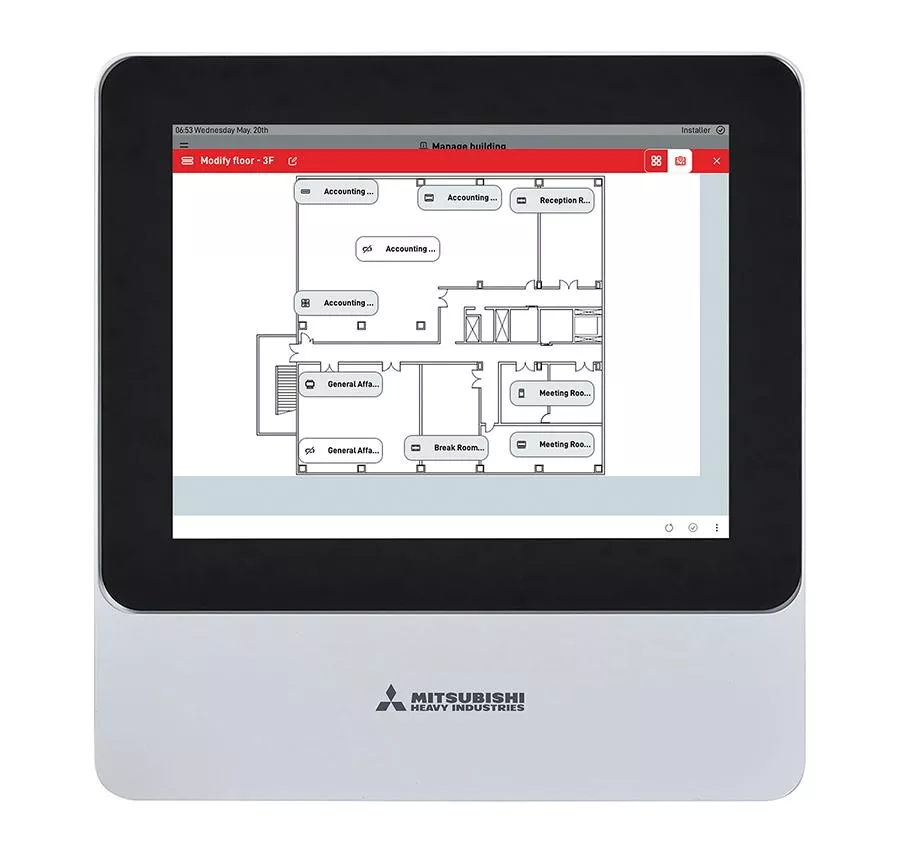
Hitachi High-Tech supports the optimization of coating processes for cathode active materials used in all-solid-state batteries with HMAX Industry utilizing physical AI JCN Newswire

Hitachi High-Tech supports the optimization of coating processes for cathode active materials used in all-solid-state batteries with HMAX Industry utilizing physical AI

TOKYO, August 21, 2026 - (JCN Newswire via SeaPRwire.com) - Hitachi High-Tech Corporation ("Hitachi High-Tech") has completed a demonstration ("the Demonstration") to investigate optimal coating conditions for the surfaces of cathode active materials*1-a process in the manufacturing of all-solid-state batteries, aiming to prevent output degradation and battery deterioration-with Powrex Corporation ("Powrex"). Hitachi High-Tech and Powrex will accelerate collaborative efforts toward its commercialization.Coating is an important factor that directly affects the performance of all-solid-state batteries, and is an advanced technology that requires specialized knowledge and experience. The Demonstration, which leveraged Powrex's technical capabilities in coating, its domain knowledge, and its extensive equipment operation data and Hitachi High-Tech's physical AI that combines analytical technology with AI and informatics technologies*2, validated an efficient approach to identifying optimal coating conditions.We will build a system that enables efficient and data-driven process development that previously relied on the accumulated highly specialized knowledge and vast experience of engineers to repeatedly conduct experiments and prototyping. By offering this as part of HMAX Industry lineup, we aim to contribute to the development of all-solid-state batteries with Lab to Fab*3, to shortening the time required for beginning mass production, and to the stable supply of high-quality all-solid-state batteries.*1 Cathode active materials: Materials that take in electrons during a battery reaction. Metal oxides containing lithium ions are primarily used.*2 Developed and provided in collaboration with Hitachi, Ltd.*3 Lab to Fab: A business model that provides integrated support from R&D to mass production, creating value such as reducing time from development to market launch (Time to Market).Background and ChallengesSecondary batteries*4 used in PCs, smartphones, and EVs (electric vehicles) are widely used as one of the sources of energy that contribute to the realization of a sustainable society. In recent years, instead of lithium-ion batteries, all-solid-state batteries - which use safer, non-combustible solid electrolyte materials-have been attracting attention. In addition to having improved safety, all-solid-state batteries are expected to offer improved energy density and a longer service life thanks to their higher voltages and ability to be used with metal lithium anodes. As a result, we can expect them to deliver many benefits- including increased EV ranges; fewer recharge cycles; smaller, lighter battery packs; and more—and contribute to a decarbonized society.On the other hand, one of the challenges in the adoption of all-solid-state batteries is developing a manufacturing process that can prevent reactions that would lead to a battery output degradation and battery deterioration. Secondary batteries consist of electrodes (positive and negative) and electrolytes, with the ions contained within the electrode's active material generating energy by traveling through the electrolytes. Of these, all-solid-state batteries are attracting attention due to their use of electrolytes that have high ion conductivity and are non-combustible solids, enabling them to be safer and have better battery performance. However, within the course of the all-solid-state battery’s repeated discharge and charge cycles, a resistive element forms at the interface between the cathode's active material and the solid electrolyte, causing energy output degradation. To address this, a method has been strongly adopted whereby the cathode's active material is coated with a lithium-conductive oxide film to prevent the formation of this resistive element. Designing an optimal coating process that achieves uniformity, coverage, and film thickness control for particulate cathode active materials required multiple factors to be considered, such as material composition, compatibility with solid electrolytes, and equipment conditions. As such, investigating these conditions and scaling up required a significant amount of time and workload. In addition, highly specialized knowledge and skills in coating and batteries were required, and in many cases relied on the experience and knowledge of expert workers. This presented a challenge due to the limited number of researchers capable of designing high-quality coating processes.*4 Secondary batteries: Examples of these include lithium-ion batteries and lead-acid batteries, which contribute to reducing resource consumption and waste as they are rechargeable and can be used repeatedly. In addition, all-solid-state batteries and sodium-ion batteries are expected to be adopted and more widely used as next-generation batteries.OverviewPowrex is a manufacturer providing equipment and process solutions centered around powder processing technology*5 to a wide range of fields such as pharmaceuticals, food, chemicals, and battery materials. Its strengths lie in its equipment technology and process design capabilities in powder processes such as mixing, granulation, and coating. In addition to having coating technology for a wide variety of highly complex particle shapes, the company has a proven track record of leveraging its long-standing technological capabilities and knowledge cultivated over many years to create high-quality coating processes based on optimal conditions tailored to particle size distribution and material properties. Hitachi High-Tech provides analytical instruments and electron microscopes to a wide range of fields, including materials, biology, biotechnology, and pharmaceuticals, supporting the analysis and evaluation of various materials and products. In the batteries field, Hitachi High-Tech has also supported the battery material development and mass production investigations with our analytical and analysis technology by providing X-ray fluorescence analyzers (XRF) and scanning electron microscopes (SEM). With One Hitachi, we are also contributing to promoting DX for our manufacturing customers, from R&D to mass production, through the use of Physical AI that combines PROACCELA*6—a digital solution that leverage the Hitachi Group's AI and informatics technologies—and measurement data.*5 Powder processing technology: Technology for processing raw materials into powder and granules.*6 About PROACCELABoth companies are merging the cumulative technological capabilities, expertise, and knowledge they have cultivated over the years with digital technology to streamline these investigations into the optimal processes for achieving high-quality coatings, particularly with regard to configuring and evaluating coating conditions on cathode active material surfaces, for which past investigations would have had to go through repeated trial and error while relying on highly specialized knowledge and experience.Specific demonstration details(1) Developing a quantitative method for physical properties evaluations for cathode active material coatingsMeasuring the coatings of cathode active materials is incredibly difficult as it requires complicated pre-treatment and the use of equipment that demands a high level of specialized knowledge, hence why there was a need to develop a simpler measurement method. In the demonstration, we used Hitachi High-Tech's XRF and SEM, which require no complicated pre-treatment and are easy to operate, to analyze samples with fluidized bed*7 coatings under various manufacturing conditions in Powrex. This enabled us to streamline the evaluation process, and by shortening evaluation time and reducing measurement result variability, we also developed a method for quantitatively evaluating coating conditions such as coating thickness, coating uniformity, and interfacial characteristics. In addition, we were also able to clarify the causal relationships between processing conditions, material properties, and battery performance based on the data obtained.*7 Fluidized bed: A layer of mixed solids and gas whereby the inflow of air from below the powders and particles ("particulate") has caused this particulate to become suspended and mixed with the air. This results in a state in which the particulate and air flow together like boiling water.(2) Optimizing coating conditions through the utilization of process informaticsWe integrated operational data obtained from Powrex's coating equipment, past coating performance data, and evaluation results from the method developed in (1) into a single data table, and then applied Hitachi High-Tech's PROACCELA process informatics (PI)*8 technology. In the past, engineers would have had to go through trial and error while relying on their highly specialized knowledge and experience for investigations. This time, using PROACCELA yielded optimal solutions for high-quality, highly reproducible coating conditions.As a result of the Demonstration, we were able to determine the optimal coating conditions and confirm that this method would reduce development time and the time required for beginning mass production for particle coating, which is highly technically challenging.*8 Process Informatics: A technology that integrates and analyzes data on conditions and measurements from manufacturing and experimental processes, and uses data‑driven approaches to predict performance and identify optimal manufacturing process conditions.Future OutlookBased on the results of the demonstration, Hitachi High-Tech and Powrex will work toward commercializing an optimal coating process proposal, as part of HMAX Industry lineup, in anticipation of the full-scale emergence of the all-solid-state battery market which is expected to emerge around 2030. In addition, for battery materials, we will expand the scope of this application to various coatings and types of materials. Going forward, we will explore expanding into a wide range of fields, including not only the battery industry, but also fields such as high-performance materials, pharmaceutical products, and chemicals.Hitachi High-Tech belongs to the Industrial Solutions Business Unit in Hitachi's Connected Industries (CI) sector, and is focusing on HMAX Industry, a next-generation solutions group that combines domain knowledge and advanced AI with data from a rich installed base of products (digitalized assets). Hitachi High-Tech aims to become a leading company in physical AI, and through its core focus of providing industrial solutions centered on these technologies, aims to maximize lifetime value for its customers and transform industries globally to achieve a prosperous society.About Hitachi High-TechHitachi High-Tech provides cutting-edge technologies, products and services to society and customers with its corporate vision of "Changing the World and Future with the Power of Knowledge" to contribute to a sustainable global environment, healthy, safe and secure lives, and the sustained development of science and industry. We manufacture and sell clinical analyzers, biotechnology products and radiation therapy systems in the healthcare field, semiconductor manufacturing and inspection equipment in the semiconductor field, as well as analytical systems and electron microscopes used in environmental fields and materials research. We are also engaged in a wide range of business areas globally, providing high added-value solutions in battery, communication infrastructure, railway inspection, digital and other industrial and social infrastructure fields. We provide solutions through a deeper understanding of the issues facing society and our customers to contribute to realizing a sustainable society. The company's consolidated revenues for FY2025 were approx. JPY 821.7 billion. For further information, visit https://www.hitachi-hightech.com/global/en/Business ContactBeam Technology & Analytical Systems Business Div.,Core Technology & Solutions Business Group,Hitachi High-Tech Corporation Copyright 2026 JCN Newswire via SeaPRwire.com. All rights reserved. www.jcnnewswire.com
More

Honda Wins Red Dot Awards for EV Outlier Concept and Brand Film for Honda Electric Motorcycle Business in Red Dot Design Award 2026 JCN Newswire

Honda Wins Red Dot Awards for EV Outlier Concept and Brand Film for Honda Electric Motorcycle Business in Red Dot Design Award 2026

TOKYO, Japan, August 21, 2026 - (JCN Newswire via SeaPRwire.com) - Honda today announced that the EV Outlier Concept was named a Red Dot winner in the Design Concept category of the Red Dot Design Award 2026*, and the brand film for Honda electric motorcycle business, titled “What Is a Motorcycle? / Electric Motorcycles,” was named a Red Dot winner in the Brand & Communication Design category. EV Outlier ConceptThe EV Outlier Concept is a concept model that proposes a new vision for motorcycles beyond 2030, rather than just an extension of existing motorcycles. Honda presented the world premiere of the EV Outlier Concept at the Japan Mobility Show 2025 in October 2025, and the model was well received by visitors.Taking advantage of the high degree of freedom of the layout unique to electric motorcycles, the EV Outlier Concept features in-wheel motors on both the front and rear wheels, achieving dynamic and low-proportion styling. Key design featuresBased on the common design theme for Honda electric motorcycles — Precision of Intrinsic Design — the EV Outlier Concept was designed as a model that is “unconstrained by boundaries.”Taking advantage of the high degree of freedom of the layout enabled by electrification, the riding position has been lowered to the extreme, realizing an exhilarating field of view and an unparalleled sense of acceleration, while creating proportions that further emphasize the rider's low seating position. In addition, smooth surfaces and a smoke-clear body, which highlight the mechanical expression of the model, evoke the image of gliding effortlessly through the air.Brand Film: “What Is a Motorcycle? / Electric Motorcycles”Honda has defined its brand promise for the electric motorcycle business as “Expected life. Unexpected discoveries.” This means Honda electric motorcycle business will work with people to co-create a world full of comfort and excitement, where people can live their lives as they expect, while also enjoying unexpected discoveries — which is a value proposition Honda has set to create electric motorcycles unique only to Honda. The brand film depicts how, based on this brand promise, Honda will explore the potential of 1) unique value only electric mobility products can create, and 2) the future mobility society (ecosystem) where people and electric motorcycles coexist in harmony in society, as well as how people will enjoy the new lifestyles and experiences that lie ahead. Honda electric motorcycle business brand film: What Is a Motorcycle? / Electric MotorcyclesComments by Toshinobu Minami, Managing Director, Chief Operating Officer,Design Center, Honda R&D Co., Ltd.“The Red Dot Design Award is one of the most prestigious awards in the world, and it is a great honor for us that our EV Outlier Concept received the Red Dot award in the Design Concept category, and the brand film, “ What Is a Motorcycle? / Electric Motorcycles,” was named a Red Dot winner in the Brand & Communication Design category. We believe these awards recognize our initiative to anticipate the needs of the future and give shape to new value ahead of the times. Honda will continue to create new values that surprise and inspire people and provide the joy of expanding their life’s potential.”Honda Design award history:https://global.honda/jp/design/work/#award (Japanese)https://global.honda/en/design/work/#award (English)* The Red Dot Award was founded in 1955 and has become one of the most respected design awards worldwide. The award is administered by Design Zentrum Nordrhein Westfalen in Essen, Germany. Copyright 2026 JCN Newswire via SeaPRwire.com. All rights reserved. www.jcnnewswire.com
More