(SeaPRwire) – By: Lucas Caldwell
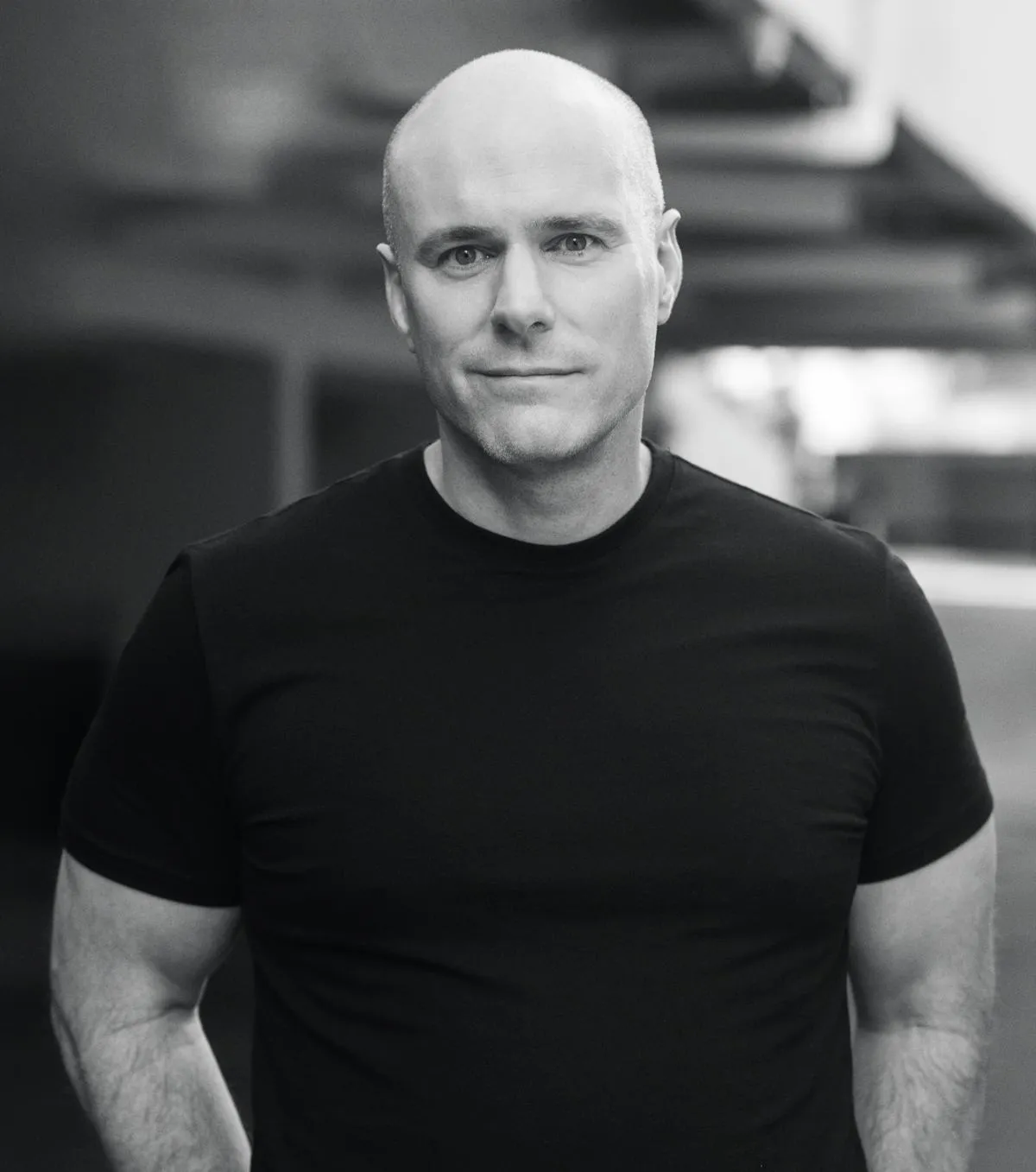
Tom King walks a strange path through modern entertainment. He interned at Marvel and Vertigo back in the nineties. Then he pivoted hard into counterterrorism for the CIA. That work happened right in the shadow of nine eleven. He returned to comics a decade later without slowing down. Now he shapes Batman and Wonder Woman narratives. Fans see him as a legend in the room. He still feels starstruck meeting actors like Kyle Chandler. This duality defines his current position in Hollywood. He bridges the gap between spooks and superheroes. King uses that perspective to rebuild broken franchises.
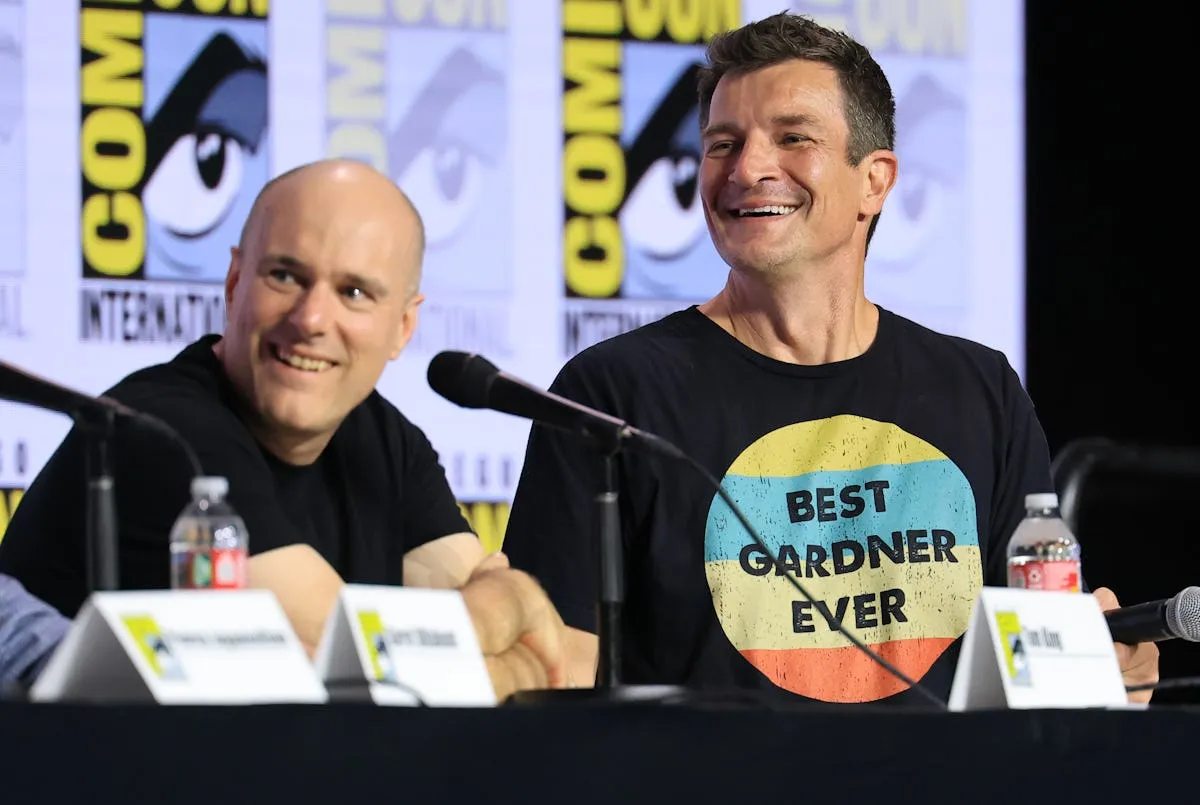
The production setup for Lanterns defies standard Hollywood hierarchy. King collaborated directly with Damon Lindelof and Chris Mundy. Lindelof wrote Watchmen while Mundy created Ozark. They threw out King’s initial story concepts immediately. The group rebuilt the narrative from scratch organically. They valued input from assistants equal to showrunners. The motto stated anyone could raise a hand with an idea. This flattened structure surprised the traditional studio system. King describes the trio as alpha dogs in a joking sense. They built a show through listening to personal experiences. Vanessa Baden Kelly crafted the script from those experiences. She deserves the credit for making it sing. The collaboration model challenges top-down development cycles.
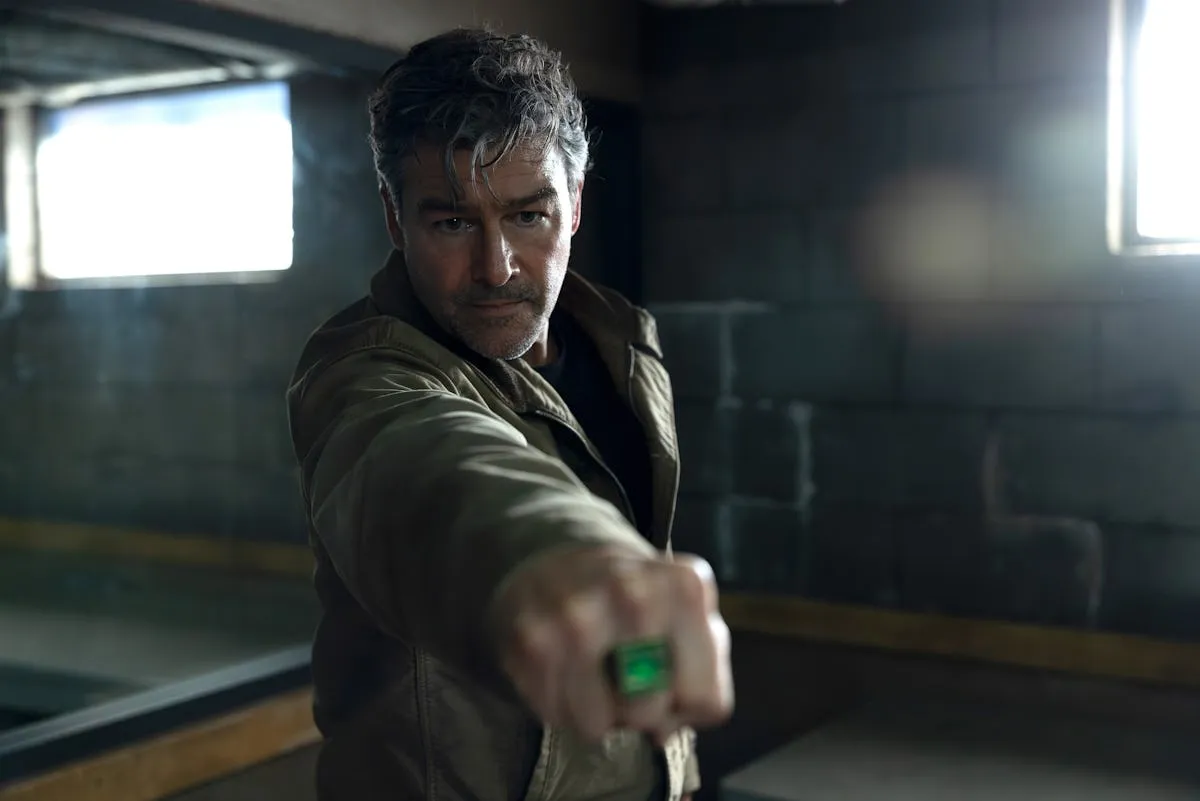
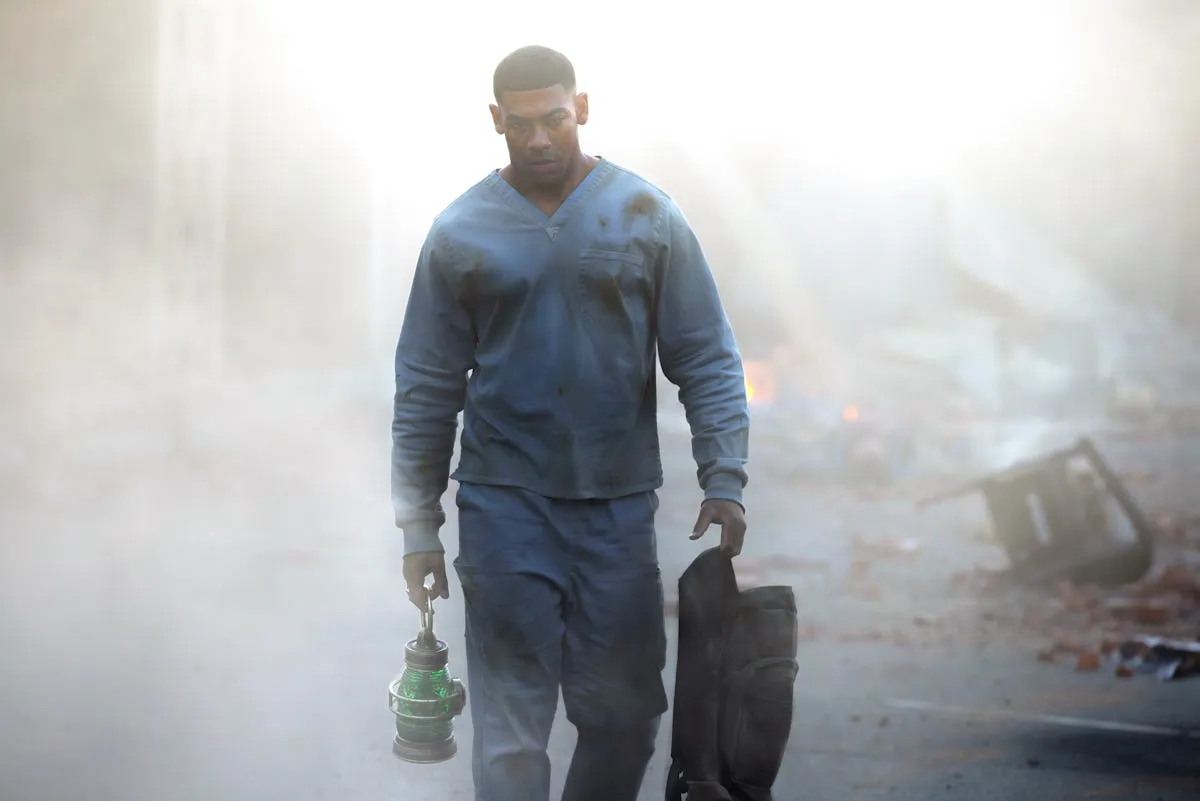
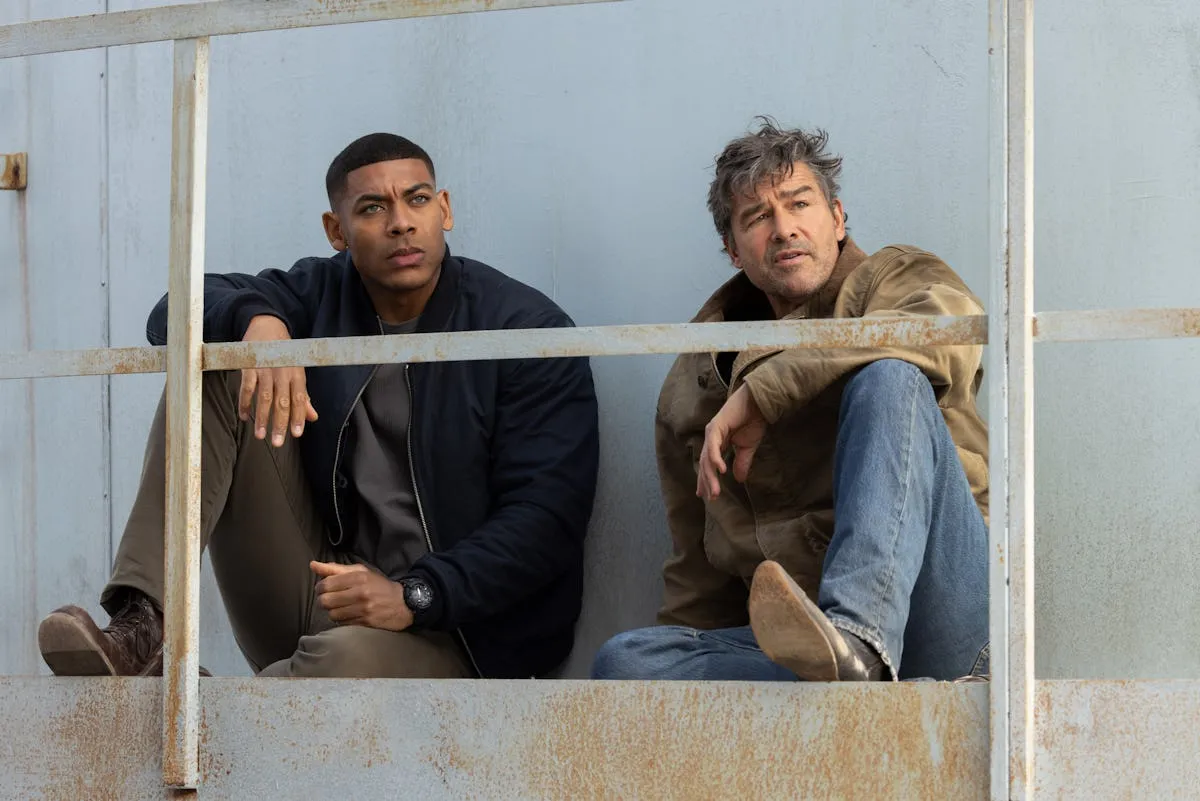
Casting choices anchor the show in generational conflict. Kyle Chandler plays Hal Jordan as an older mentor. He invokes the Paul Newman style from Gil Kane. That design dates back to the nineteen sixties. Aaron Pierre steps in as John Stewart instead. Neal Adams and Dwayne McDuffie shaped that specific character history. They wanted a rebel outsider who changed the game. The show asks why Guy Gardner holds the ring. That mystery drives the connection to the Superman film. It explains how two other Lanterns exist in lore. King focused on Hal training John as a successor. They represent different eras of masculinity and heroism. The transition of power becomes the central theme.
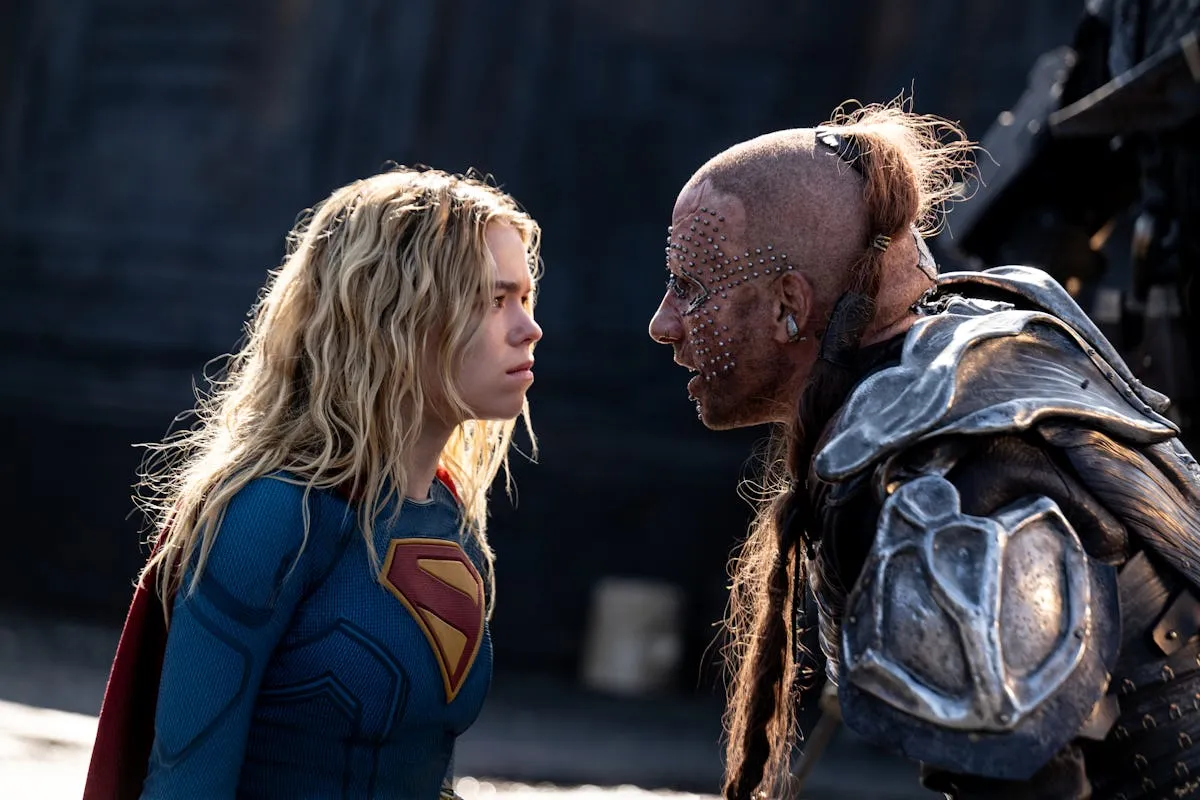
James Gunn and Peter Safran oversee this new DC Universe. They need stories that feel distinct from previous iterations. King’s work on Supergirl inspired the recent Craig Gillespie film. That adaptation hit theaters earlier this summer with critical success. Now Lanterns pushes the brand into streaming territory. The project aims to elevate comic creators as artists. King notes the passion of fans is unequaled anywhere. He admits receiving death threats during controversial runs. That backlash came with working directly for the brand. He views fan anger as a sign of investment. This audience energy fuels the entire commercial loop. Studios chase that engagement metric relentlessly.
The business model relies on legacy IP revitalization. Hollywood constantly mines old comics for fresh content. King’s team treats John Stewart as something better than Hal. Aaron Pierre brings layers to that specific challenge. They subvert the theme of legacy through this casting. The zeitgeist focuses on passing stages from generation to generation. Mentors must decide when to let go of control. King sees this conflict as rarely shown in superhero contexts. The writers’ room operated without ego barriers during development. Assistants contributed ideas alongside the primary creators. This openness might define the future of studio development. It reduces the risk of stale storytelling voices.
King moves forward from comics toward broader Hollywood dominance while treating the fan gauntlet as a career accelerator because the medium gets respect it never had before so Lanterns serves as the start of his new frontier where the strategy prioritizes emotional truth over spectacle which could reshape how studios greenlight projects since they need creators who understand the source material deeply and King bridges the gap between corporate mandates and artist integrity because rigid hierarchies often kill creative potential before production starts and openness yields better results for legacy IPs.
Author bio: Lucas Caldwell is a tech opinion leader with millions of followers on X/Twitter. He analyzes digital media shifts and platform strategy for global audiences. His insights track how legacy IP adapts to modern streaming architectures and creator economy dynamics.