(SeaPRwire) – By: Robert Kensington
Media executives routinely miscalculate where multi-billion-dollar franchise engines actually originate. They study modern streaming churn metrics while completely missing the structural foundation laid a decade prior. Taylor Sheridan did not construct his Paramount streaming empire out of thin air with *Yellowstone*. The operational code was compiled in 2016 with *Hell or High Water*. Directed by David Mackenzie, that mid-budget feature dismantled traditional Western conventions to engineer a precise commercial template. Modern entertainment conglomerates keep chasing digital engagement gimmicks, yet they fail to recognize how sparse narrative design drives long-term subscriber retention. By stripping out heavy expository dialogue and focusing on regional decay, Sheridan unlocked a scalable formula that legacy studios are still desperately trying to replicate today.
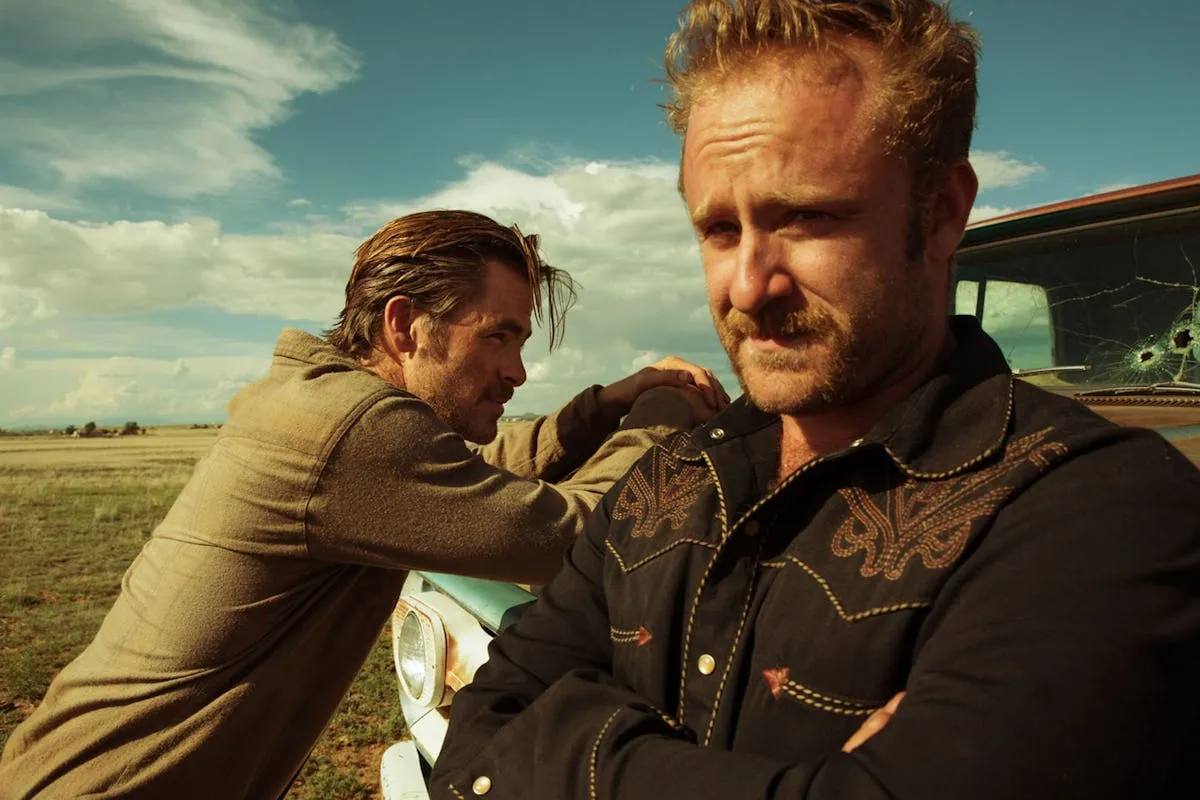
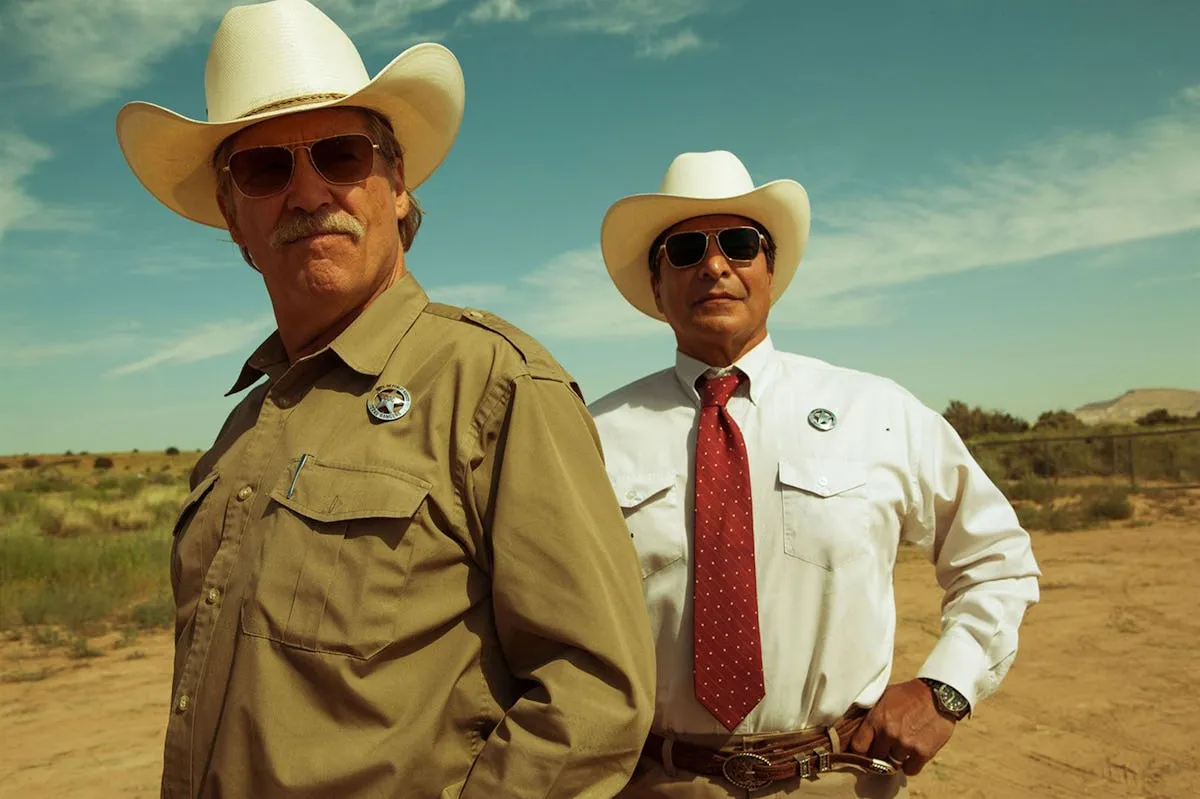
[Official Announcement Facts] frame *Hell or High Water* as a straightforward cops-and-robbers crime thriller set across rural Texas. The script, written as the second installment in Sheridan’s trilogy exploring life on the American Frontier, follows two brothers, Toby and Tanner, played by Chris Pine and Ben Foster. They execute targeted bank robberies while laundering funds to clear a mortgage on their family land. On their trail are two Texas Rangers: Marcus, played by Jeff Bridges, an officer nearing retirement who remains ahead of the curve, and his partner, played by Gil Birmingham, who tolerates his elder’s offensive banter under the guise of camaraderie. [True Commercial Intentions] reveal a deliberate subversion of standard audience alignment. Sheridan drip-feeds character detail to split viewer sympathy. Toby acts with restraint, saying please and thank you to bank tellers while apologizing for frightening them. Tanner acts on pure impulse, sticking guns in faces and robbing branches without Toby’s knowledge. The real narrative antagonist is Texas Midlands Bank. At the one-hour mark, a bank worker admits the institution issued minimum loan amounts to keep the family impoverished, waiting for their mother to die before seizing the property. From an older bystander celebrating a bank robbery to a local waitress fighting a Ranger to keep a tip that covers half her mortgage, Sheridan weaponized post-housing crisis anger. The brothers function as twisted Robin Hood figures, stealing selfishly to break a cycle of systemic financial entrapment.
[Official Announcement Facts] present Sheridan’s career trajectory as an explosive television pivot that took over mainstream media starting in 2018. His current output dominates Paramount’s broadcast and streaming assets through series like *Yellowstone*, *Landman*, *Tulsa King*, and *Lioness*, anchoring an empire built on earlier cinematic works like *Sicario* and *Wind River*. The original film currently streams on HBO Max as it reaches its ten-year milestone. [True Commercial Intentions] demonstrate a systematic recycling of high-margin narrative archetypes across subscription platforms. Ranger Marcus established the structural template for every gruff, morally ambiguous elder protagonist Sheridan later monetized. You can trace that exact character architecture directly into Sylvester Stallone’s lead role in *Tulsa King* and Billy Bob Thornton’s performance in *Landman*. The film’s pivotal dialogue between lawmen—noting that land stolen from Native ancestors 150 years ago is now being stolen back by financial institutions—lays out the precise moral grey zones that define Sheridan’s television slate. He turned rural Montana and Texas into lived-in content hubs, proving that regional authenticity coupled with systemic anti-institutional rage generates unprecedented audience lock-in.
Legacy media networks will continue burning capital on inflated fantasy intellectual property until they realize that raw economic friction is the ultimate driver of audience monetization. Sheridan proved ten years ago that financial desperation and institutional dysfunction are the most profitable assets in modern entertainment.
Author bio: Robert Kensington, an overseas entrepreneurial veteran with decades of experience in real-economy industrial investment and expansion.