(SeaPRwire) – By: Logan Pierce
Forget the eight sequels. Forget the 2022 reboot that rewrote the canon. Saber Interactive is walking into a graveyard of bad decisions and betting the farm on three things: Clive Barker’s original novel, the first two films, and the stubborn conviction that horror fans are tired of pretending otherwise.
Hellraiser has not aged gracefully. The original 1987 film remains a landmark of body horror and sensual dread, a film that understood that pain and pleasure are two sides of the same iron hook. Then came the sequels. They multiplied. They cheapened. They turned the Cenobites into generic dungeon monsters and stripped the franchise of its philosophical spine. The 2022 reboot tried to be faithful and ended up feeling like a cosplay exercise, all aesthetic and no theology.
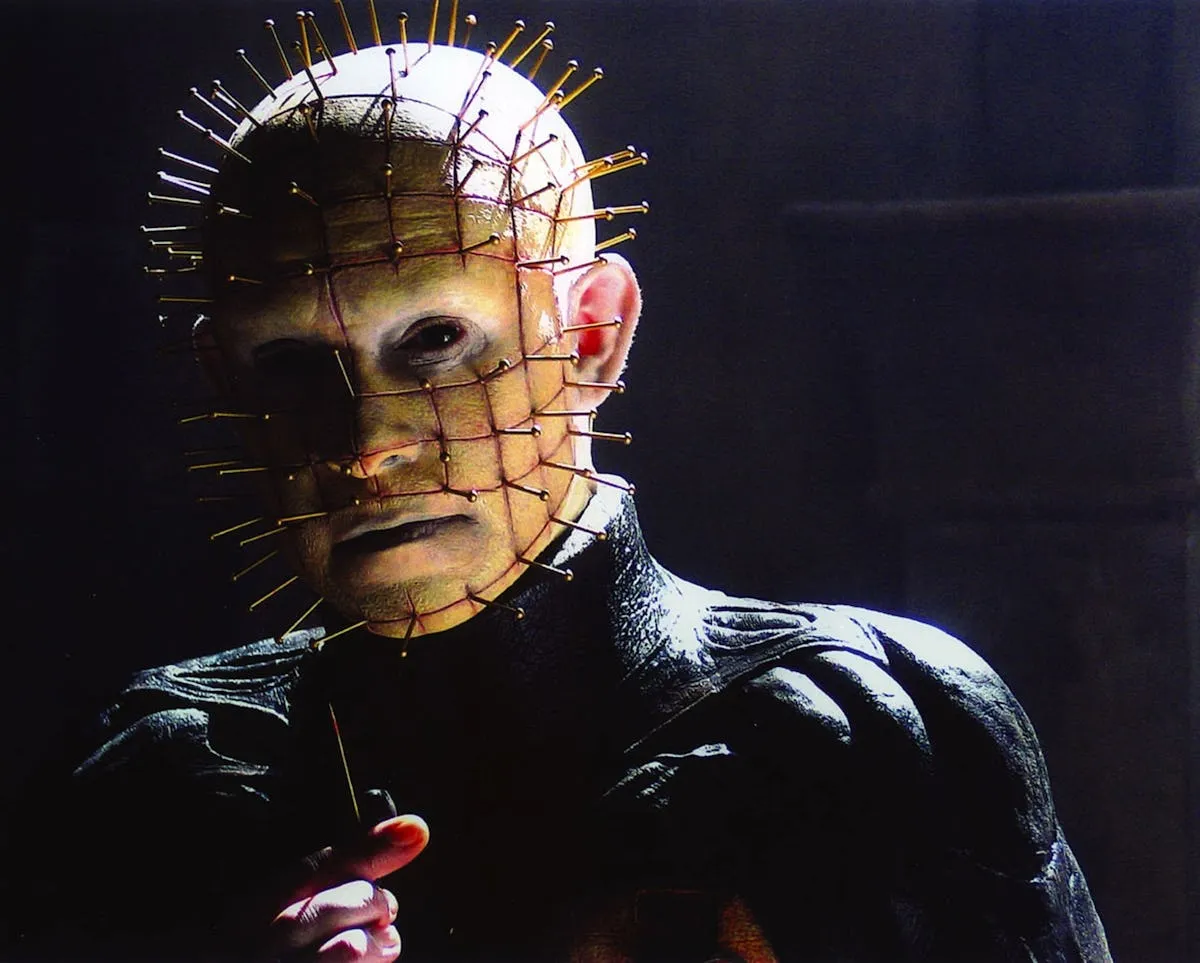
Now comes Hellraiser: Revival, and Saber has drawn a line in the sand. The game takes place twenty years after the original film, placing it roughly in 2007. It ignores the canon of everything that followed Hellbound: Hellraiser 2. Clive Barker himself is on staff as a story consultant. Doug Bradley returns as Pinhead. The Genesis Configuration replaces the Lament Configuration as the central artifact. Aidan Lynch, a biker gang member, and his girlfriend Sunny stumble into another descent into Cenobite territory when a violent encounter with the puzzle box tears Sunny’s soul away. Aidan fights back using infernal powers drawn from the box itself, crawling through legions of twisted souls and a cult obsessed with becoming Cenobites.
Saber’s approach is notable because the company has a track record of mid-budget horror titles. They are not a AAA pedigree. But mid-budget horror games have a specific advantage here, one that Resident Evil 7 proved twenty years too late for this franchise. You do not need photorealistic carnage to make something feel grotesque. You need atmosphere. You need a director who understands that the Cenobites are not monsters, they are priests of an alien sensory religion, and that misunderstanding is what killed every Hellraiser project after the first film.
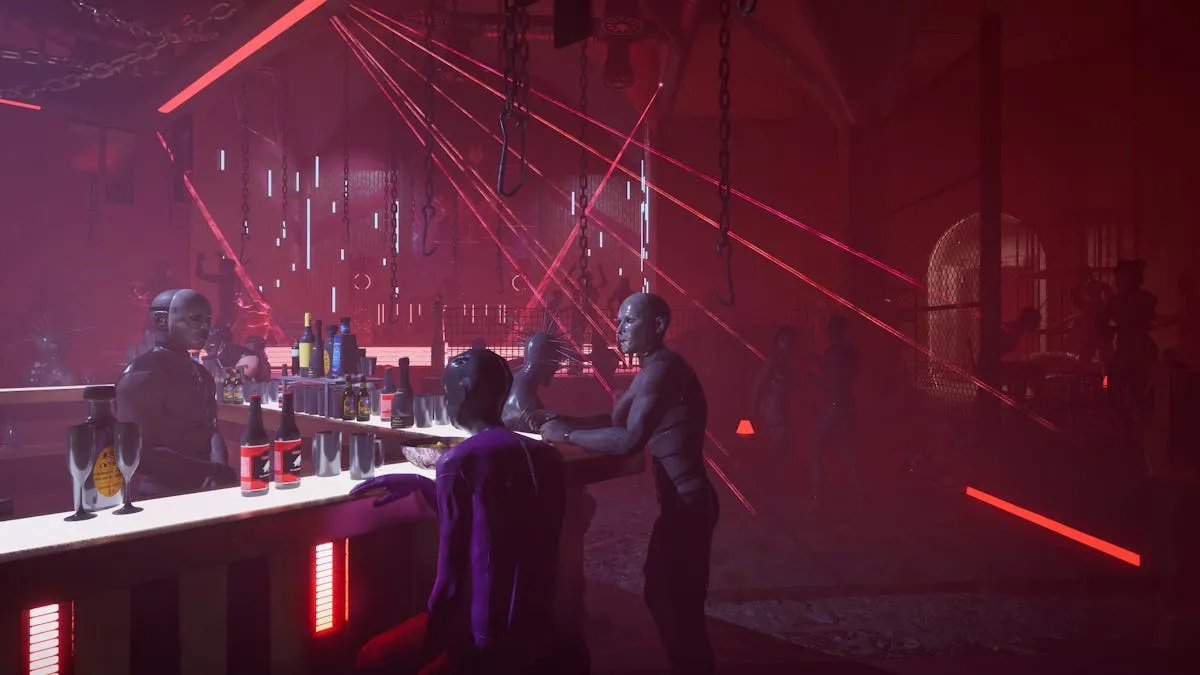
The mechanics visible in the fourteen-minute IGN showcase lean survival horror, not asymmetric multiplayer. That is a deliberate choice. The horror genre has been saturated with Dead by Daylight clones for a decade, and players are exhausted by three killers and four survivors looping through the same haunted corridors. Hellraiser: Revival promises single-player tension, stealth, combat, and exploration. The boss fight with Bruno, the surprisingly limber skinless gentleman, suggests Saber understands that visceral set pieces matter as much as lore accuracy.
The industry context here is quietly significant. Horror gaming has become a low-risk, high-reward category for publishers willing to accept modest budgets and dedicated audiences. The 2020s have proven that franchise horror IPs can survive on atmosphere and authenticity alone, without blockbuster marketing machines behind them. Hellraiser: Revival is a calculated bet that the audience for this IP is larger than the film sequels ever acknowledged, and that gamers will reward a developer that actually reads the source material instead of mining it for cheap scares.
Hellraiser: Revival releases October 8, 2026. Whether it redeems a fractured thirty-eight-year legacy or joins the long list of IP cash grabs remains to be seen. The bet is real. The timeline is specific. The source material is intact. What happens after October will tell us whether Saber Interactive understands something the other seven Hellraiser games never did.
Author bio: Logan Pierce is an independent business researcher and corporate governance writer on Medium, focusing on media IP strategy, entertainment licensing, and the economics of franchise longevity.