






(SeaPRwire) – By: Oliver Hawthorne
Star Trek is running out of stars.
The franchise has spent decades relying on the gravitational pull of established icons. Kirk. Picard. Sisko. These names carry weight. They sell tickets. They drive subscriptions. But the cultural landscape has shifted. The old guard is aging. The new generation demands different narratives. CBS Studios knows this. Their answer is not to reboot the classics again. It is to move into the digital-native space of webcomics. This is a strategic pivot. It is also a risky one.
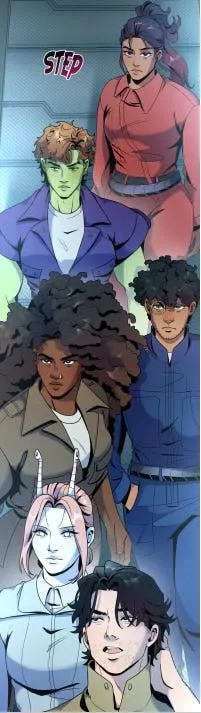
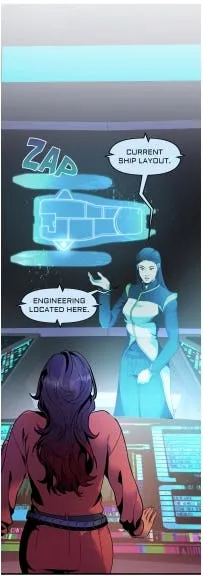
The latest move is *Recollection*. It launches on WEBTOON on July 26. It features a brand-new cast. There are no Klingon warlords here. No Enterprise bridge crews. Just six strangers with amnesia on a starship. The premise is simple. A young woman named Early wakes up with no memory. She finds five others in the same state. They have a mysterious holopilot named Jaid. They must solve the mystery of their pasts. It sounds generic. It sounds like a B-movie script. But the context matters more than the plot.
Let’s look at the official release facts versus what is actually happening.
Officially, this is an expansion of the Star Trek universe. Sam Maggs, the writer, calls it a “dream come true.” She cites her love for *Voyager* and its “rag-tag crew lost in space” trope. She mentions her previous work on *Waypoint* comics. She frames this as a full-circle moment for a lifelong fan. The marketing emphasizes the creative freedom of original characters. It highlights the diverse species involved. Remembrance is likely Aenar. Tank is almost certainly Orion. Diz is a Trill. Jaid is a hologram. These details appeal to hardcore fans. They signal canon compliance. They promise depth.
The industry subtext is far less sentimental. This is about audience acquisition. WEBTOON is a mobile-first platform. It thrives on vertical scrolling and bite-sized consumption. Star Trek needs to capture attention spans that do not wait for 45-minute episodes. The shift from Deep Space Nine in *Stargazers* to a starship in *Recollection* is deliberate. It moves the IP closer to traditional space opera tropes while stripping away the complex political baggage of the TNG era. It is a simplification strategy. It lowers the barrier to entry. You do not need to know Federation politics to understand memory loss. You just need to care about the characters.
This is not just a comic. It is a data collection tool.
WEBTOON provides granular user engagement metrics. How long does a reader spend on a panel? Where do they drop off? Which character resonates most? This data is gold for content strategists. It tells them exactly which emotional hooks work for the modern demographic. If *Recollection* performs well, CBS can replicate the formula. They can test other genres. Mystery. Romance. Thriller. All within the Star Trek umbrella. Without the production costs of live-action television.
The commercial loop is clear. Low-cost digital content builds brand affinity. High-affinity users convert to streaming subscribers. Streaming subscribers buy merchandise. Merchandise funds the next project. It is a self-sustaining ecosystem of intellectual property exploitation. The “holopilot” Jaid is a meta-commentary on this process. A digital entity guiding humans through their own forgotten history. Much like algorithms guide users through their content feeds.
The ultimate end-game is not storytelling. It is platform dominance.
Star Trek has always been about the future. But this future is being written in code. The characters are new. The setting is familiar. The medium is disruptive. This is how the franchise survives the next decade. Not by chasing nostalgia. But by adapting to the way people actually consume stories today. On phones. In snippets. With immediate gratification.
If *Recollection* fails, it will be a minor blip. A failed experiment in a vast portfolio. If it succeeds, it will set the template for all legacy media franchises. The age of the slow-burn epic is over. The age of the agile, data-driven narrative has begun. Star Trek is not just exploring new worlds. It is exploring new business models. And that is far more terrifying.
Author bio: Oliver Hawthorne, a Principal Correspondent permanently stationed at an international technology review, specializing in media convergence and digital platform economics.