
(SeaPRwire) – By: Oliver Hawthorne
The current media landscape is suffering from a severe innovation drought. Major studios have become risk-averse conglomerates. They prioritize safe, recognizable intellectual property above all else. Writers cannot get projects greenlit without attaching them to bygone brands. This creates a glut of sequels and spinoffs. The market is saturated with derivative content. This reality is demoralizing for the engaged fanbase. We are trapped in a cycle of repetitive consumption. However, a distinct anomaly has emerged to challenge this status quo. *X-Men ’97* refuses to play by the cynical rules of the modern industry. It started as a delayed follow-up to a 90s cartoon. It cribbed from a kitschy animation style. Yet, it wasted no time establishing its own identity. The show brings a specific, chaotic fun back to the franchise. It delivers character-driven angst and soapy melodrama. These elements have eluded the mutant team for decades. The series proves that nostalgia does not require creative bankruptcy. It uses the past as a launchpad, not a prison. This creates a fascinating tension in the market. The industry relies on recycling old assets. But this show demonstrates that old assets can still generate new alpha. It defies the new normal of diminishing returns.
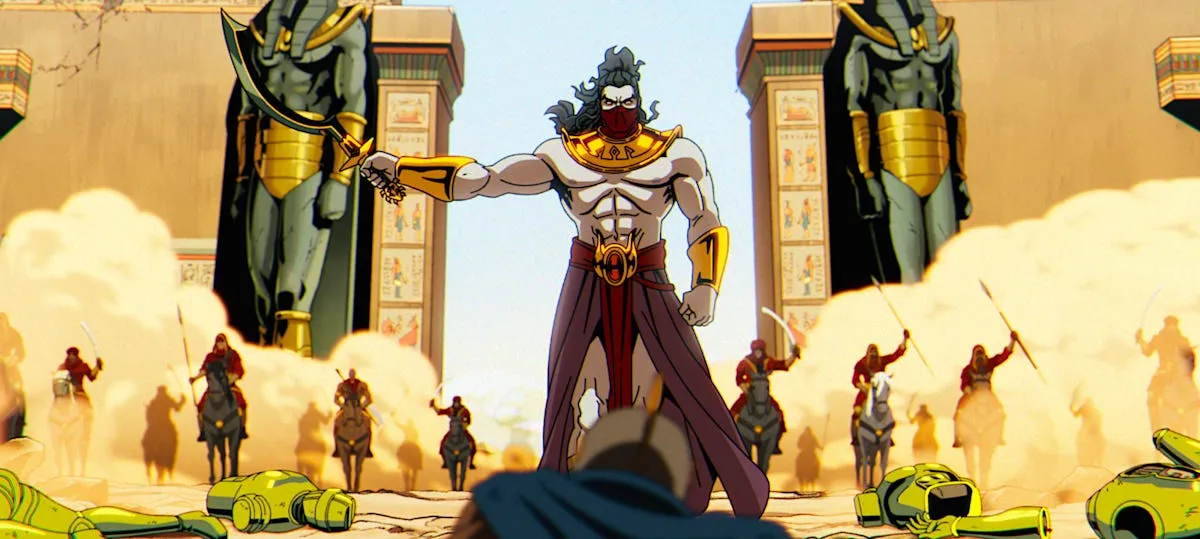
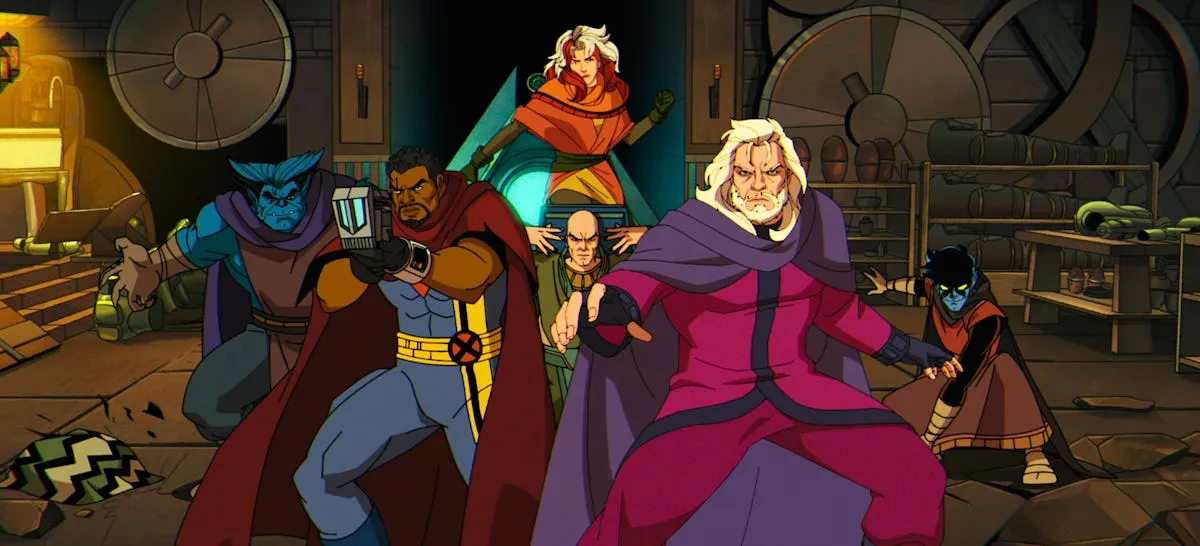
Season 2 premieres on Disney+ on July 1. It continues immediately from a high-stakes cliffhanger. The narrative architecture is ambitious. A time-travel twist fractures the team’s timeline. The X-Men are scattered across three distinct eras. These include Ancient Egypt circa 3000 B.C. and the 1990s. The timeline also stretches to the year 3690 A.D. The villain Apocalypse serves as the cohesive anchor. He unifies the disjointed storylines. The four episodes provided to critics balance episodic adventure with serialization. In the 37th Century, the team faces the height of Apocalypse’s reign. Cyclops and Jean Grey reunite with their son, Nathan. He was infected by a tech virus in Season 1. Now a troubled teen, he is destined to become Cable. This plotline carries major “Terminator” vibes. It explores the moral dilemma of parenting a messiah. Scott and Jean must decide if they should guide his destiny. Meanwhile, Magneto and Professor X are stranded in the ancient past. They encounter En Sabah Nur as a former slave. He is an outcast, not yet a megalomaniac. Magneto seeks to tame this adversary. He hopes to make amends with Xavier. The present timeline follows Cable, Jubilee, and new X-Factions. The pacing is breakneck. The series speedruns through complex comic arcs. It leaves little room for breathing. Former showrunner Beau DeMayo exited after Season 1. He retains a producer credit. The show remains intelligible despite this production turbulence.
This success highlights a critical inefficiency in the current content market. Disney+ has inadvertently validated a superior production model. The animation division is outperforming the live-action sector in narrative ROI. *X-Men ’97* captures the emotional core of the IP. Live-action adaptations often struggle to match this density. The show operates under significant constraints. The breakneck pacing suggests a production crunch. It feels like a race against time. Yet, this pressure forces a density of plot that modern blockbusters lack. The commercial loop here is instructive. The show uses nostalgia to lower customer acquisition costs. It uses quality to maximize lifetime value. The retention rates for this series likely exceed bloated theatrical releases. The industry end-game involves a strategic reallocation of capital. Studios will pivot resources to prestige animation. It offers a higher hit rate than expensive live-action experiments. The Beau DeMayo situation reveals a friction point. Corporate structures often clash with creative vision. Yet, the product survived the turnover. This resilience is a bullish signal for the asset. The ultimate deduction is clear. The future of superhero storytelling is animated. It allows for a fidelity to the source that cameras cannot capture.
Author bio: Oliver Hawthorne, a Principal Correspondent permanently stationed at an international technology review