
(SeaPRwire) – By: Oliver Hawthorne
The press release calls it the “most anticipated horror movie of the year.” That is a safe headline. The real story is that Robert Eggers, fresh off the sensory black hole of *Nosferatu*, is doubling down on a specific kind of historical cruelty. He is not just crafting jump scares. He is constructing a period-accurate interrogation of why medieval peasants needed to believe in monsters.
Let me be blunt. The modern horror industry is a recycling plant. You get ghosts in hallways, slashers in masks, and demonic possession reboots. What Eggers does is different. He weaponizes philology. He makes you sit through dialogue crafted in Middle English. He makes you uncomfortable not because something is stabbing you, but because the characters feel too real in their suffering.
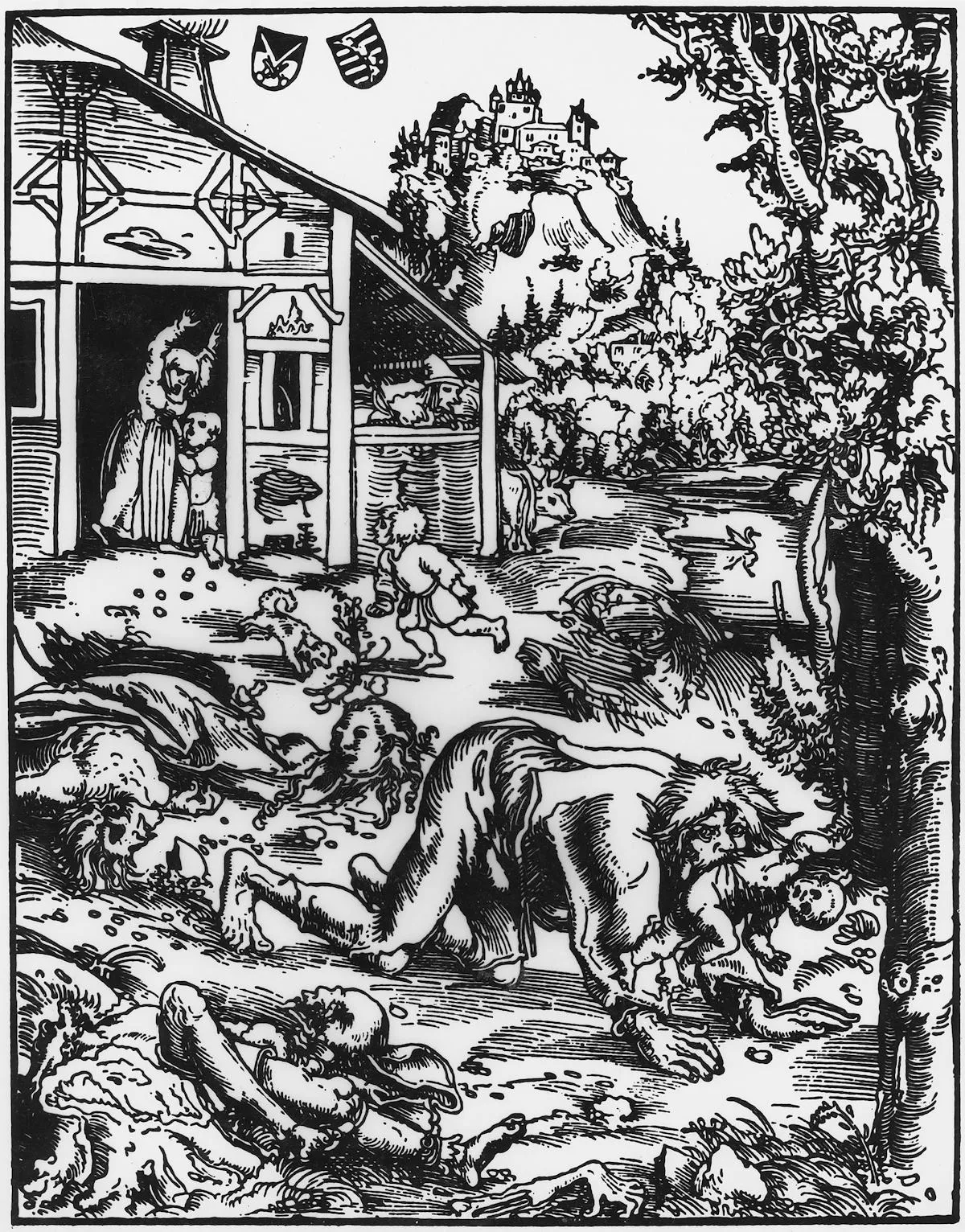
The facts from the release: Aaron Taylor-Johnson plays a nameless farmer who is cursed with lycanthropy. Only a dog gets a name. The farmer is trying to find salvation through love. The script borrows from actual werewolf trials in continental Europe, specifically the case of Peter Stumpp, a 17th-century German farmer who confessed under torture to being a werewolf.
This is the meat of the analysis. Eggers is openly stating that the werewolf lore originated from actual human behavior so horrific that communities could only rationalize it as supernatural. He said: “These people can’t be human. They must be inhuman.” The historical kernel is not about fur and fangs. It is about how a village processes serial murder and cannibalism. The monster is the product of collective psychological failure.
The release confirms that *Werwulf* includes actual supernatural elements. There will be real werewolves. This is the commercial compromise Eggers makes. He cannot simply make a documentary about trauma and torture. He needs a genre vehicle to deliver the thesis. The thesis is that the werewolf trials were essentially trials of trauma victims. The men confessed under duress because the alternative explanation—that they were just horrifyingly human—was too much to bear.
Eggers explicitly compared this to witch trials. Both are systems of rationalization. When a society lacks the vocabulary for psychopathy or severe childhood trauma, it invents a moral cosmology. You are not a damaged man. You are a werewolf. The film will likely show the transformation not as a cool CGI moment, but as a manifestation of internal damage. The physical change mirrors the psychological fracture.
The question the industry should be asking is not whether the movie will be scary. It will. The question is whether the audience will accept the slow burn. Eggers is trading in paranoia and uncomfortable vibes. The gore will be secondary to the atmosphere of accusation. The movie is set in the 13th century, a time when the community creed dictated survival. A cursed man is a threat to the harvest, to the livestock, to the children.
Aaron Taylor-Johnson’s character is haunted and in great pain. That is the key. The curse is not the special effect. The curse is the reason for the exclusion. The movie is about a man trying to find salvation through love while the rest of the village likely tries to burn him. The release mentions the real-life Peter Stumpp, who murdered over a dozen victims. The historical record is grim.
Here is the industry truth. Eggers is carving out a niche that no other major studio director occupies. He is the historian of the supernatural. He polices historical accuracy on set. For *The Witch*, he used actual period-accurate folk magic spells. For *The Lighthouse*, he researched 19th-century lighthouse keeper psychosis. For *Werwulf*, he is going back to the birth of the werewolf panic in continental Europe.
The final product will premiere on Christmas Day. That is a bold slot, typically reserved for family blockbusters. Focus Features is betting that the horror audience is tired of cheap scares and ready for a lecture on medieval European criminal psychology dressed as a monster movie. I am betting they are right. The market is saturated with easy content. The deep, uncomfortable stuff always wins.
*Werwulf* is not about the wolf. It is about the man who was already broken before the transformation started. The supernatural event is simply the final act in a tragedy of isolation and trauma.
Author bio: Oliver Hawthorne, a Principal Correspondent permanently stationed at an international technology review, covering the intersection of culture, media, and market disruption.