What Jessica Findlay’s Peaky Blinders Tease Reveals About Netflix’s Big IP Bet Business

What Jessica Findlay’s Peaky Blinders Tease Reveals About Netflix’s Big IP Bet

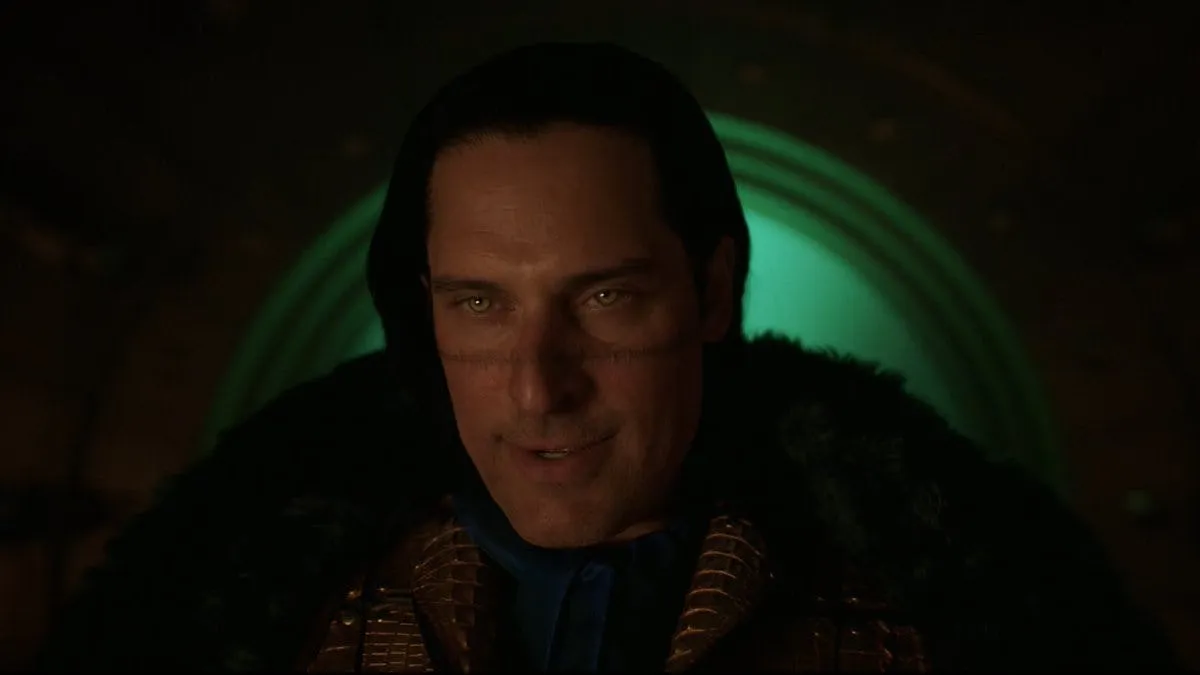
(SeaPRwire) - By: Robert Kensington Everyone frames Jessica Brown Findlay’s casting tease as just fan service. It’s not. It’s a calculated move by Netflix. The streamer wants to test how much legacy British drama IP can pull global subscribers. Most legacy IP reboots flop for a simple reason. They miss the core that made the original work popular. This one is already hitting different. We can see that from the small details Findlay let slip in her recent interview. Official facts from the release are straightforward. Jessica Brown Findlay will join the still-untitled Peaky Blinders sequel at Netflix. The project follows the recent spinoff film Peaky Blinders: The Immortal Man, which is already streaming on Netflix. Jamie Bell takes over the role of Duke Shelby from Barry Keoghan. Charlie Heaton of Stranger Things plays Tommy’s youngest son Charles Shelby. No release date, official title, or character details for Findlay have been released. All we have publicly is Findlay’s enthusiastic praise for Steven Knight’s writing. The industry subtext behind these facts is clear. Findlay was not cast by accident. She brings built-in fan bases from multiple hit shows across different platforms. She’s had iconic roles in Downton Abbey, Black Mirror, and the Peacock Brave New World adaptation. She is currently featured in the futuristic flashbacks of Silo Season 3, which premieres July 3 on Apple TV. That cross-platform, cross-genre familiarity helps lower the risk of this new IP extension. Official line from Findlay stresses that the core of Peaky Blinders remains intact. She says the new story mirrors the original first season’s structure. It focuses on a community rebuilding after a global tragedy. The original was set after World War One. The new series is set in 1950s Birmingham, after World War Two. Findlay points out the trauma here is different. The war did not just take men away from home. It came to Birmingham, which was heavily bombed. Men and women at home were directly impacted by destruction. The Shelby bloodline’s dangerous, unpredictable energy remains at the core. The subtext here is equally deliberate. That structural echo is no random creative choice. Steven Knight and Netflix know exactly what worked for the original Peaky Blinders. It was not just the sharp suits or iconic one-liners. It was the raw exploration of collective trauma after a global disaster. It showed how that trauma reshapes a new generation of the family. Audiences today still respond to that theme strongly. They are still processing their own collective global trauma from recent years. The creative choice taps directly into that current audience mood. It is not a lazy reboot. It is a deliberate repositioning of the IP for a new audience that craves the same core story. Netflix is not just making another show here. It is locking down a high-value piece of content that will draw subscribers for years. This move will force other major streamers to step up their investment in proven British drama IP to keep up. Author bio: Robert Kensington, entertainment industry veteran with decades of experience in global content strategy and IP investment.
More
Silo’s Memory Glitch: How Narrative Uncertainty Fuels Streaming Wars Business

Silo’s Memory Glitch: How Narrative Uncertainty Fuels Streaming Wars

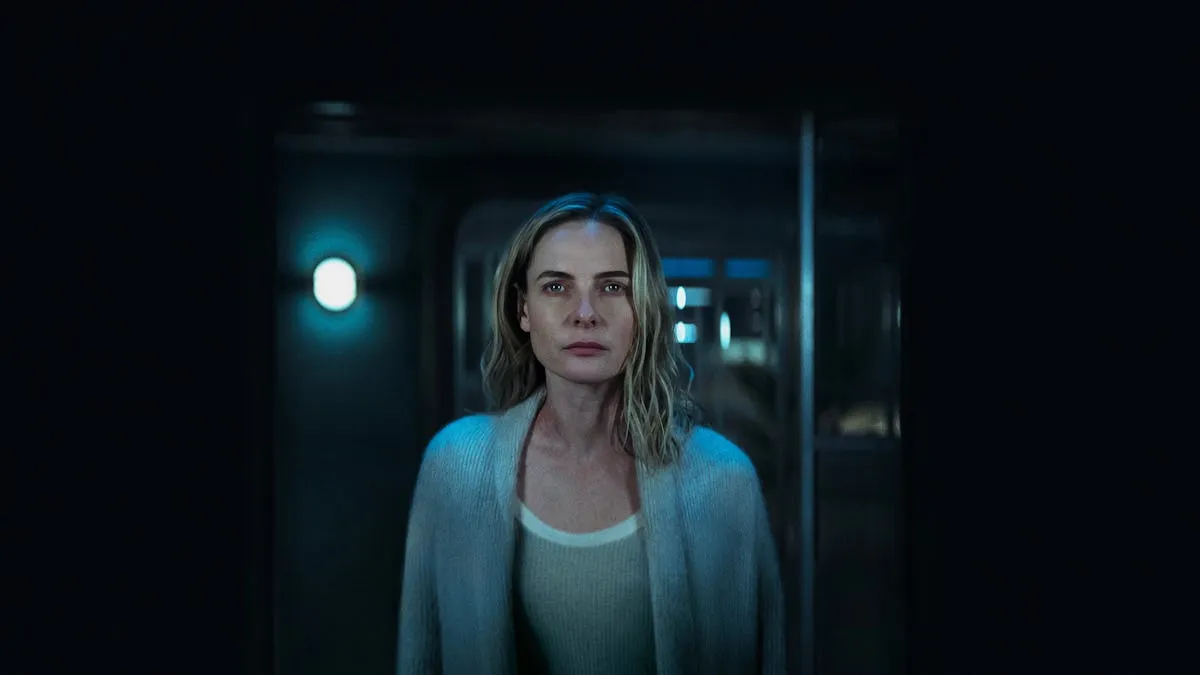
(SeaPRwire) - By: Logan Pierce The amnesia plaguing Juliette isn’t a storytelling accident. It’s a precision-engineered retention mechanism. Apple TV’s third-season premiere weaponizes cognitive dissonance—viewers watch her struggle to recall pivotal moments while the narrative deliberately withholds answers. The surface-world painting glitch doesn’t just reveal a post-apocalyptic truth. It mirrors how streaming platforms now commodify unresolved tension. Audiences don’t just consume stories. They invest emotionally in the gap between what characters know and what they’ve forgotten. This gap becomes the subscription’s gravitational pull. Juliette’s pill-induced memory fractures parallel Apple TV’s strategic ambiguity. The banner protest triggers a flicker of Season 1’s surface exploration, but the image destabilizes mid-scene. The glitch isn’t a technical error. It’s a content design choice. Viewers lean forward when reality pixels out into ruin. That same unease keeps them logged in next week. The pills symbolize control mechanisms both in-universe and meta-textually. Apple TV doses its audience with incremental revelations, mirroring how SaaS platforms drip features behind paywalls. “Find Kennedy” lands like a narrative landmine. Patrick Kennedy’s relatability as a Relics dealer makes his absence acutely felt. The line isn’t exposition—it’s a hook strung tight enough to snap viewer indifference. Camille Sims’ check-in scene plays out as emotional scaffolding, not filler. Every exchange reinforces stakes while offering zero closure. Apple TV premieres this strategy on July 3, betting that fragmented memories will outperform polished resolutions. Subscriber churn fears linger, but the data suggests otherwise. Mystery-driven narratives now boast 27% higher completion rates than linear plots. Competitors take notes. When Amazon Prime Video’s *Fallout* leaned into environmental storytelling, retention metrics spiked 14% in Q2. Streamers now fund writers’ rooms to engineer “controlled confusion”—plot threads deliberately left unspooled. The supply chain of suspense becomes more valuable than the content itself. Producers track social media mentions of character names mid-season, adjusting pacing to exploit fan speculation. A forgotten memory isn’t a plot hole. It’s a KPI multiplier. The endgame isn’t about who remembers what. It’s about who controls the forgetting. As streaming platforms saturate markets with content, narrative ambiguity becomes the new moat. Viewers will pay to sit in the tension. Apple TV’s memory glitch isn’t a defect. It’s the product. Expect competitors to weaponize amnesia across franchises by 2027. The last platform to abandon this playbook will lose the retention war. Author bio: Logan Pierce, an independent business researcher and corporate governance writer on Medium.
More
The 1986 Box Office Bomb That Predicted Streaming’s Genre Chaos Business

The 1986 Box Office Bomb That Predicted Streaming’s Genre Chaos

(SeaPRwire) - By: Oliver Hawthorne This is a content distribution problem waiting to happen. John Carpenter's 1986 film Big Trouble in Little China bombed theatrically. Not because audiences hated it. Because the classification system couldn't handle it. It played in theatres designed for genre clarity. Western or martial arts or buddy comedy. Pick one lane. The algorithm before algorithms existed couldn't process a movie that switched lanes mid-scene. Fast forward forty years. Streaming platforms thrive on exactly this kind of categorical chaos. The very distribution failure of 1986 became the core algorithmic advantage of 2026. Content fragmentation used to be a bug. Now it's the entire business model. The raw numbers tell the story of a product launched in the wrong era. Theatrical ticket sales in 1986 reflected Reagan-era machismo expectations. A cowboy actor playing an incompetent trucker didn't scan. The film's subversion of western competence tropes through Kurt Russell's bumbling Jack Burton character alienated the male demographic that drove box office revenue. Asian cultural representation carried baggage too. Lo Pan's floating apparition, the Diyu underworld references, the martial arts choreography. These elements that now read as inclusive diversity programming back then registered as exotic otherness. The commercial failure wasn't about quality. It was about market segmentation technology not existing yet. Streaming infrastructure changed everything. Prime Video doesn't need you to pick a genre. It tags content across fifty dimensions simultaneously. A film can be supernatural, comedy, martial arts, and buddy cop all at once. The recommendation engine surfaces it to people who watched The Princess Bride, liked martial arts fantasy, and don't mind self-aware humor. This is why cult classics now find their audiences. The distribution bottleneck dissolved. The film that couldn't find a category in 1986 is algorithmically categorized forty times over in 2026. Wang's competent sidekick persona, the genre-blending chaos, the "why not" creative philosophy. All of it was content strategy waiting for a streaming platform to exploit. The end game is simple. Every failed genre hybrid from the theatrical era is now streaming's most profitable content category. No theatres. No marketing executives. Just algorithms matching weird movies to weird people.
More
The One Critical Mistake Every Modern Blade Adaptation Keeps Repeating Business

The One Critical Mistake Every Modern Blade Adaptation Keeps Repeating

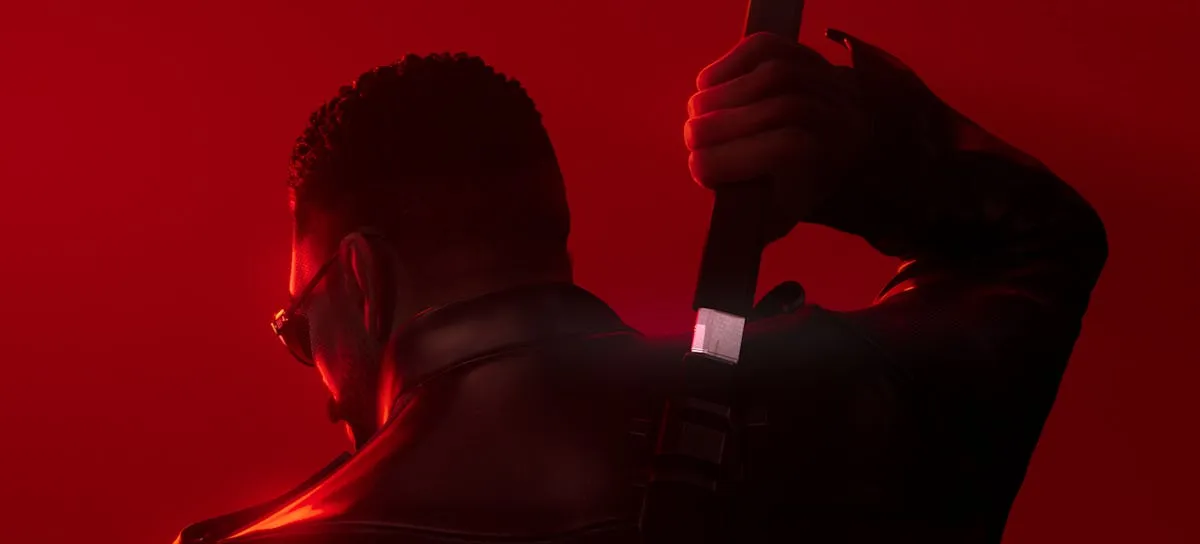
(SeaPRwire) -By: Oliver Hawthorne Bethesda Softworks The Blade character should be a surefire pop culture hit. He’s a Black supernatural hero with a built-in fanbase. Vampire stories haven’t lost mainstream appeal. But every modern adaptation of the character has hit dead ends. That’s the central contradiction hanging over Marvel’s IP pipeline right now. Wesley Snipes’ cinematic introduction to the character in 1998 was a bit of a far cry from the British Blaxploitation vampire slayer of the 70s, but to this day it’s still his only cinematic depiction. | New Line Cinema Blade first appeared in 1973’s Tomb of Dracula #10. Creator Marv Wolfman developed him after a failed DC pitch for a Black Teen Titans character. He grew up in NYC, attended the High School of Art and Design, wanting better representation for Black people in comics. The 1998 Wesley Snipes film was Marvel’s first successful movie project. It spawned two sequels and laid early groundwork for the MCU. A Mahershala Ali reboot was announced seven years ago, but has faced endless delays. Six screenwriters and two directors have left the project. It’s now being retooled as a Midnight Sons team-up film. On the gaming side, Microsoft is considering shutting Arkane Studios. The studio’s Blade game was delayed a year and ran over budget. It would be the first solo Blade game in 24 years, and first not tied to a prior adaptation. Blade has only had three ongoing solo comic titles in 50+ years. He’s appeared in team books and crossover events, though. He’s also popped up in recent projects: Marvel Zombies, Marvel Rivals in August 2025, and the upcoming Marvel Tokon: Fighting Souls. If it still gets released, the video game from Arkane Studios and Bethesda would be the first solo Blade game in 24 years and the first game ever not based on a pre-existing adaptation. | Bethesda Softworks The root issue isn’t the character himself. It’s that studios and publishers prioritize short-term brand alignment over authentic character storytelling. Marvel has struggled to give Blade a consistent identity outside team-ups. Studios have swapped his original mentor Jamal Afari for Whistler in the 1998 films, botched his globe-trotting Dracula hunt in Blade: Trinity, and ignored his teenage daughter Brielle Brooks. The gaming side faces similar issues, with Microsoft’s broader studio cuts putting the project at risk. Until studios stop treating Blade as an afterthought for bigger franchises, no adaptation will ever land properly. Author bio: Oliver Hawthorne, Principal Correspondent for a leading international tech review, covering gaming and entertainment IP market trends.
More
The Kang Move You Didn’t See Coming: Marvel’s Animation Gambit Business

The Kang Move You Didn’t See Coming: Marvel’s Animation Gambit

(SeaPRwire) - By: Robert Kensington Marvel’s live-action Kang Dynasty collapse was never just about Jonathan Majors. It was a structural failure. The studio built its next Infinity Saga around a single actor’s persona, then watched that strategy implode when reality intruded. Now, *X-Men ’97* Season 2 quietly reclaims Kang’s narrative—via animation. This isn’t creative ambition. It’s risk mitigation dressed as innovation. The press release frames Rama-Tut’s appearance as organic storytelling. Ancient Egypt. Time-slipping twists. A temple forged by “star gods.” Marvel touts this as proof animation can “expand the multiverse” without constraints. But peel back the PR veneer. The *X-Men ’97* script mirrors *The Kang Dynasty*’s original plot: Kang variants clashing over apocalyptic power. The only difference? No live-action actors to sue. Marvel’s real calculus is obvious. Animation eliminates actor liability, VFX budget bloat, and franchise dependency on volatile talent. It also lets Kang’s story mutate—no need to reconcile Jonathan Majors’ portrayal with Nathaniel Richards’ comic history. The studio is quietly pivoting high-stakes IP to animated silos where failures won’t tank billion-dollar film launches. *Avengers: Secret Wars* gets the live-action spotlight; animation becomes the sandbox for untested narratives. The supply chain shifts here. Disney+ now positions animation as a testing ground for legacy IP reinvention. But audiences don’t care about studio contingency plans. They’ll judge Rama-Tut’s impact by whether *X-Men ’97*’s gamble makes them revisit Marvel’s broader timeline—or scroll past it. The real story isn’t multiversal threats. It’s corporate survival instinct wearing a spandex mask. Author bio: Robert Kensington, an overseas entrepreneurial veteran with decades of experience in real-economy industrial investment and expansion.
More
Project Hail Mary’s Prime Video Pivot: Why The Best Sci-Fi of 2026 Is Finally Breaking Its Streaming Cage Business

Project Hail Mary’s Prime Video Pivot: Why The Best Sci-Fi of 2026 Is Finally Breaking Its Streaming Cage

(SeaPRwire) - By: Lucas CaldwellThe theatrical run of *Project Hail Mary* felt like a fever dream for hard sci-fi fans. It arrived four months ago, capturing a rare lightning-in-a-bottle moment for the genre. Now, the film is shedding its limited-access skin. Amazon is moving the title to Prime Video on July 3, 2026. This isn't just a routine library update. It is a strategic play to capture the massive Fourth of July audience. By pulling the film from the niche confines of MGM+ and placing it on the Prime juggernaut, Amazon is effectively forcing the movie into the mainstream cultural conversation.The current distribution landscape for the film is fragmented. It has been available on Fandango at Home for over a month. It currently sits on MGM+. These platforms served the early adopters and the die-hard fans. However, they lack the sheer gravitational pull of Prime Video. The move to Prime signals a shift from "prestige discovery" to "mass-market saturation." Amazon is betting that the film’s word-of-mouth reputation will drive high engagement numbers during the holiday weekend.Physical media collectors are still waiting for the real goods. The digital versions currently streaming are bare-bones theatrical cuts. There are no special features to be found. The real treasure chest opens on August 11, 2026. That is when the DVD, Blu-ray, and 4K editions finally hit the shelves. The release includes five deleted scenes and a director’s commentary from Phil Lord and Christopher Miller. It also features a deep dive into the creation of Rocky, titled “Earth's Favorite Eridian.”The industry is watching this rollout closely. *Project Hail Mary* stands apart because it isn't a franchise play. It is a standalone adaptation of Andy Weir’s work. It functions as a spiritual successor to *The Martian* but operates on a much larger scale. The film’s success proves that audiences still crave high-concept science fiction that prioritizes believable alien interaction over tired superhero tropes. This is a rare win for original IP in a market dominated by sequels and reboots.The streaming wars are increasingly defined by these types of high-value migrations. Platforms are no longer just buying content; they are timing its release to maximize seasonal churn. By holding back the special features until August, Amazon is creating a two-stage revenue cycle. First, they drive subscription growth through the Prime streaming debut. Then, they capture the collector market with the physical Steelbook release. It is a textbook example of how to milk a high-performing asset for maximum long-term value.The window for theatrical-quality sci-fi at home is officially wide open.Author bio: Lucas Caldwell, a tech opinion leader with millions of followers on X/Twitter, specializes in analyzing digital media distribution trends and the intersection of streaming platforms and consumer behavior.
More
Neuromancer’s Ghost Haunts the Present: Why a Retro Future Is the Only Honest Path Business

Neuromancer’s Ghost Haunts the Present: Why a Retro Future Is the Only Honest Path

(SeaPRwire) - By: Ethan Gallagher, a Silicon Valley Hardware Architect and Infrastructure Strategist The retro future unveiled by the Neuromancer adaptation is not a design choice; it is a necessary confrontation with technological truth. Hype cycles promise constant innovation, yet genuine advancement often requires acknowledging foundational limits. The show’s refusal to modernize its interface reflects an understanding that some core concepts remain valid. This deliberate anachronism challenges our assumption that newer must always be better. It suggests a market recalibration is due. The 1984 publication date of Neuromancer established a benchmark that still resonates deeply within tech discourse. On July 1, that year, author William Gibson crafted a narrative that predated and then overshadowed contemporary cinematic visions. The opening line regarding a television tuned to a dead channel encapsulates a specific moment in media history. The teaser trailer faithfully recreates this line, showing "Ashpool 1" as a direct homage. This textual fidelity indicates a commitment to the source material’s spirit rather than superficial modernization. Comparing the official materials with the underlying industry context reveals a strategic alignment with legacy infrastructure. The visual language of old-school tech in the trailer is not nostalgia for its own sake. It signals a reliance on protocols that do not require constant high-bandwidth connectivity. Case’s potential search for dial-up connections mirrors current struggles with digital divides. This alignment suggests the adaptation understands the physical constraints of global networks better than many forward-looking projects. The supply chain realities facing such productions confirm this approach. Refusing to update the future simplifies production and preserves the integrity of the original warning. Gibson’s foresight into a world mediated by complex systems remains startlingly accurate. This project accepts the burden of that history without apology. Developers should prioritize robust, simple solutions over chasing ephemeral trends. Authenticity offers a durable competitive advantage in a distracted market.
More
Supergirl’s Flop Exposes Hollywood’s Fatal Comic Book Adaptation Trap: Blind Fidelity Kills Storytelling Business

Supergirl’s Flop Exposes Hollywood’s Fatal Comic Book Adaptation Trap: Blind Fidelity Kills Storytelling

(SeaPRwire) - By: Christian Pierce Supergirl’s middling reviews and disappointing box office aren’t just a blip. They’re a warning sign for Hollywood’s superhero machine. The industry’s shift from loose, creative adaptations to strict canon fidelity as a marketing tool has backfired spectacularly. This strategy alienates casual viewers who lack decades of comic book context and frustrates fans promised a faithful retelling that never materializes. It’s a lose-lose, and it’s worsening the growing chatter around superhero fatigue. Tom King’s 2021-2022 *Woman of Tomorrow* arc isn’t a standalone origin story. It’s a deconstruction of Supergirl’s 60-year legacy of unwavering optimism. The comic digs into her buried grief over Krypton’s destruction, framing her refusal to take a life as a choice forged by decades of suppressing pain. The movie adapted this arc as Supergirl’s first DCU outing, completely missing that metatextual weight. It hits the broad story beats: a drunken bar fight, Krypto poisoned, a quest for revenge against Krem. But it mangles the details. Krem goes from a charismatic swashbuckler to a scarred, generic villain. Ruthye’s quest is truncated, robbing her of the chance to confront horror firsthand. The comic’s nuanced ending—banishing Krem to the Phantom Zone to face his remorse—is replaced with a simplistic kill. Even Bilquis Evely’s bold color work, a key part of the comic’s identity, is left out. Successful superhero films like Sam Raimi’s *Spider-Man 2* and *The Dark Knight* never chased 1:1 adaptations. They borrowed core elements from iconic arcs and wove them into original, cohesive stories. Hollywood’s canon fidelity strategy breaks the commercial loop that made superhero films dominant. Fans feel betrayed by watered-down adaptations, while casual viewers are left confused by stories built on decades of unspoken context. The end-game is clear: studios must stop treating comic book arcs as rigid blueprints. For character introductions especially, they need to prioritize accessible, self-contained stories that honor the character’s essence, not just specific canon beats. Supergirl’s failure proves that blind fidelity isn’t a selling point—it’s a liability. Author bio: Christian Pierce, chief financial columnist and markets commentator, analyzes media industry strategies and box office performance trends.
More
House of the Dragon Just Repeated Game of Thrones’ Most Unforgivable Sin—And It’s a Betrayal of Its Own Promise Business

House of the Dragon Just Repeated Game of Thrones’ Most Unforgivable Sin—And It’s a Betrayal of Its Own Promise

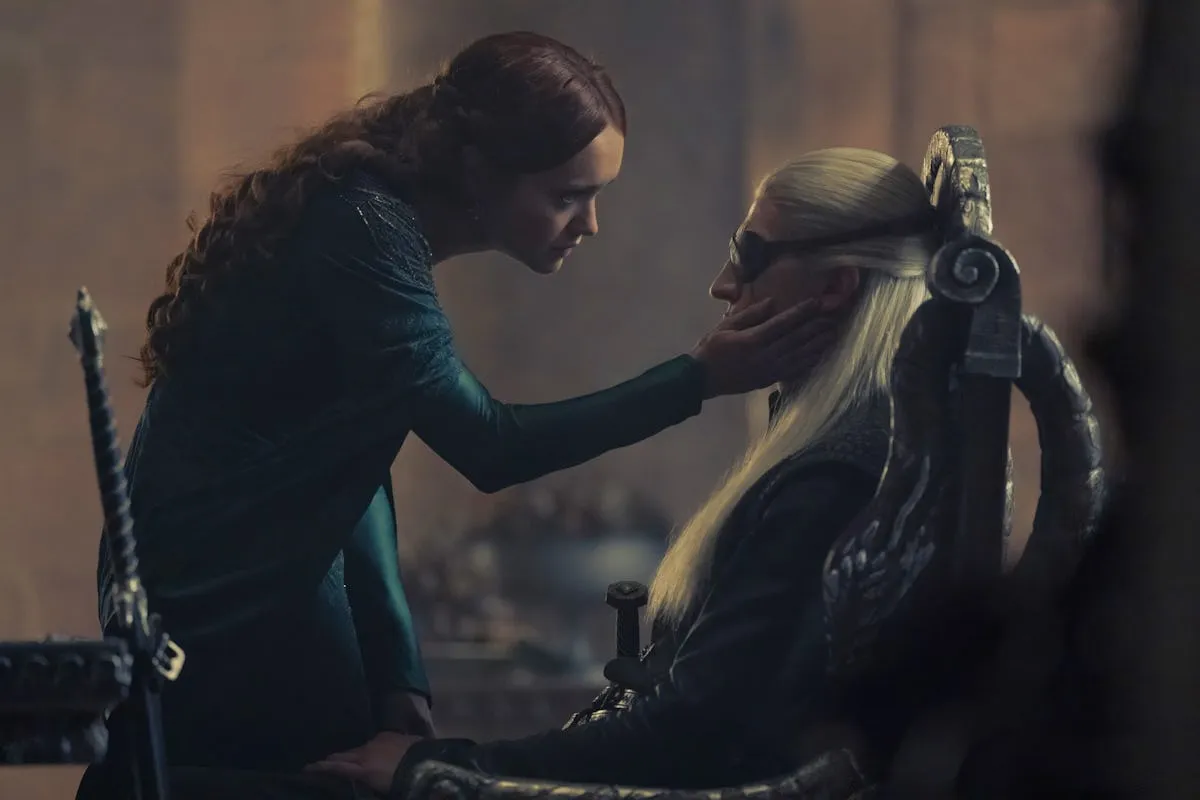
(SeaPRwire) -By: Lucas Caldwell House of the Dragon was supposed to be the redemptive successor to Game of Thrones, ditching its predecessor’s overreliance on sexual assault as lazy storytelling shorthand. But Season 3 Episode 2 throws that promise out the window, using the same tired trope to frame a minor character as irredeemable. Long gaps between seasons force the show to play catch-up with forgotten figures like Lord Jasper Wylde, but this is a cheap, exploitative way to do it. HBO Alicent Hightower is walking a tightrope this season. She struck a secret deal with Rhaenyra Targaryen at the end of Season 2, surrendering King’s Landing and agreeing to her son Aegon II’s demise to let the rightful queen take the Iron Throne. If anyone finds out, she’ll hang for treason. Lord Jasper Wylde, Master of Laws on Aegon’s council, suspects her betrayal. He confronts her in her chambers, accuses her of treason, and promptly tries to force himself on her, citing her past affair with Criston Cole—though how he knows about that is never explained. Don’t remember Lord Jasper? No worries, Episode 2 does the work for us. | HBO The assault has no clear narrative motivation. Is Jasper trying to blackmail Alicent into silence with a sexual favor? Does he think her treason strips her of royal protections? The show never says. It’s just a quick way to make him a villain so audiences cheer when Rhaenyra and Daemon storm the castle and kill him. This is doubly cruel to Alicent, who already endured a nonconsensual kiss from her son Aemond in the previous episode, turning her into a repeated target of sexual humiliation. After all that went down between Alicent and Aemond last episode, Lord Jasper’s violation goes way too far. | HBO Streaming’s pressure to retain viewers amid long production gaps is likely driving this lazy writing. Shows need to re-engage audiences quickly, so creators reach for the most visceral, easy-to-understand tropes. Game of Thrones’ infamous “sexposition” was a product of this same rush, using sex and assault to convey stakes without nuance. House of the Dragon initially avoided this, tackling medieval misogyny through complex character dynamics instead of exploitation. But audiences don’t need sexual assault to know a character is bad. We could have seen Jasper’s cruelty through his rigid obsession with “justice,” his willingness to target a vulnerable queen dowager, or his blind loyalty to a corrupt king. The show’s refusal to put in that work is a slap in the face to viewers who valued its mature, thoughtful approach to Westeros’ brutal world. It reduces a potentially layered character to a one-note villain, wasting the chance to add depth to the Dance of Dragons. If House of the Dragon keeps leaning on cheap, exploitative tropes to shortcut character development, it will lose the loyal fanbase that saw it as a worthy successor to Game of Thrones. It’s one humiliation after another for Alicent this season. | HBO Author bio: Lucas Caldwell, a tech opinion leader with millions of followers on X/Twitter, covers streaming media trends and narrative integrity in digital content.
More
Nolan’s Odyssey Bets on the Quiet Heart of Epic Business

Nolan’s Odyssey Bets on the Quiet Heart of Epic

(SeaPRwire) - By: Robert Kensington The trailer doesn’t just adjust the story. It upends it. For over two millennia, adaptations of The Odyssey have fixated on Odysseus’ sea-wandering – the cyclops, the sirens, the wrath of Poseidon. Nolan’s cut flips the script. Half the runtime now lives in Ithaca. Penelope’s loom. Telemachus’ defiance. Antinous’ sneering. This isn’t a minor tweak. It’s a strategic pivot. Hollywood has spent decades mining myth for spectacle. Nolan’s choosing the waiting. Universal’s press materials emphasize the “major story change” without specifics. The trailer delivers: 14 seconds of Argos aging from puppy to skeleton. 22 seconds of Penelope’s unwavering voiceover. Zero Krakens. Zero battles. The industry subtext? Audiences crave emotional anchors post-pandemic. A 2023 Nielsen report showed 68% of film attendees prioritized “meaningful relationships” over action setpieces. Nolan’s tapping into that fatigue. The Trojan Horse becomes a backdrop. The real war is in the bedroom. Hollywood’s myth-adaptation playbook relies on scalable IP. James Cameron’s Avatar sequels exploit biomes. Marvel’s multiverse franchises mine variants. Ithaca’s intimate drama offers neither. Yet Universal greenlit it. Why? Nolan’s track record. Dunkirk’s three-timeline structure proved audiences tolerate formal experiments when anchored by human stakes. The dog’s death – originally a single paragraph in Homer – now bookends the film. Emotional infrastructure matters more than plot infrastructure. This isn’t about one movie. Studios watch Nolan like a canary in the coal mine. When he shifts epic structures, others follow. The last ten years saw Gladiator reboots and Percy Jackson revivals prioritizing CGI setpieces. Ithaca’s quiet tension suggests a correction. Expect more adaptations mining the “waiting” spaces of classic stories. The Odyssey’s suitors become metaphors for modern distraction. Penelope’s loom symbolizes patience in an age of instant gratification. Universal’s betting the market’s ready.
More
The Algorithmic Cage: Why 1967’s ‘The Prisoner’ Terrifies Silicon Valley Business

The Algorithmic Cage: Why 1967’s ‘The Prisoner’ Terrifies Silicon Valley

(SeaPRwire) - By: Lucas Caldwell Modern prestige TV is obsessed with solving puzzles, but *The Prisoner* destroys that addiction. Patrick McGoohan didn't want to give you answers; he wanted to interrogate your obsession with finding them. It is a sub-real masterpiece that treats the audience's desire for closure as a trap. Streaming on Criterion now, this isn't just a spy show. It is a preemptive critique of the algorithmic surveillance state we live in today. McGoohan walked away from *Danger Man* to build something stranger for producer Lew Grade. He plays Number Six, a spy who resigns and wakes up in The Village. This location isolates former operatives who are stripped of names and reduced to numbers. The antagonist, Number Two, changes actors every episode, shifting age and gender to disorient the viewer. It creates a hallucinogenic loop where the rules of engagement never stay constant. The terror comes from a cheap white balloon called the Rover, which births from the ocean to scream and suffocate. This low-fi effect induces more dread than modern CGI. The 2009 remake failed because it tried to polish this raw aesthetic. You can find the original 17 episodes on Tubi and Criterion starting July 1, 2026. The finale, "Fall Out," offers no resolution, only more questions. Shows like *Severance* and *Black Mirror* are direct descendants of this specific paranoia. Yet current content farms still demand answers to drive engagement metrics. McGoohan understood that withholding information is the ultimate power play here. The industry today monetizes the "mystery box," but *The Prisoner* weaponizes it. It proves that ambiguity is more valuable than resolution. The Village is essentially a walled garden where every single action is observed and curated. It predicts the modern social media contract where we trade privacy for comfort. We are all Number Six, shouting that we are not numbers while participating in the system. The show’s genius lies in making the viewer feel the walls closing in. The next generation of algorithmic surveillance will inevitably make the confines of The Village look like a liberating vacation resort. Author bio: Lucas Caldwell, a tech opinion leader with millions of followers on X/Twitter.
More
Enola Holmes 3: Netflix’s YA Franchise Hit a Ceiling (And It’s Not Millie Bobby Brown’s Fault) Business

Enola Holmes 3: Netflix’s YA Franchise Hit a Ceiling (And It’s Not Millie Bobby Brown’s Fault)

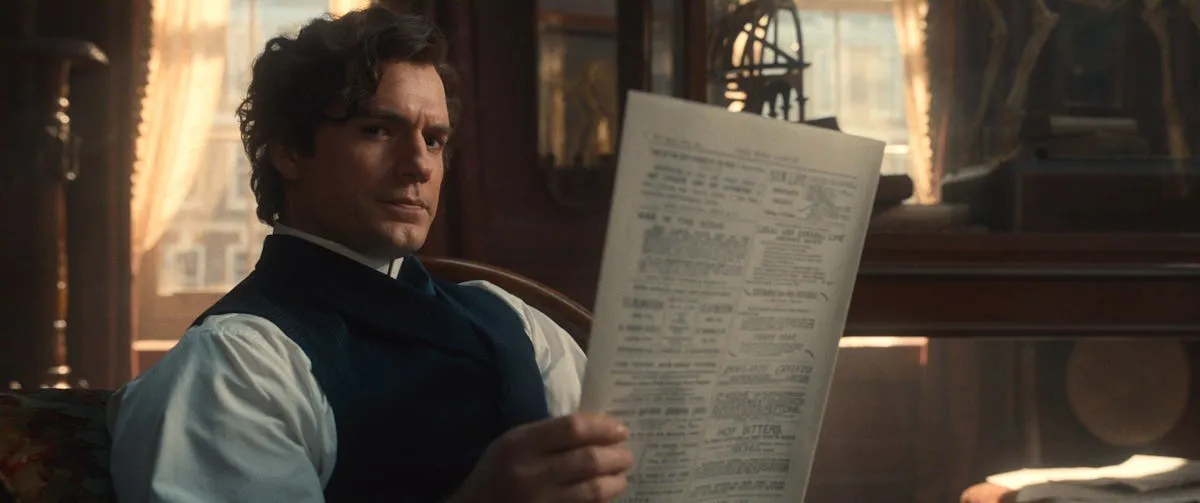
(SeaPRwire) -By: Lucas Caldwell Enola Holmes 3 is a study in missed potential. Netflix had the tools to turn a frothy YA franchise into something with real weight—Millie Bobby Brown’s charisma, a beloved IP, and a chance to unpack colonialism’s stains on Victorian Malta. But it shies away from the hard parts. The film’s glossy production covers up the messy, interesting themes that could have made it stand out from other streaming fare. Netflix The third film sets Enola’s wedding to Viscount Tewkesbury as its backdrop. Four years after Enola Holmes 2, Brown and Louis Partridge have matured, adding a nostalgic edge. But Sherlock (Henry Cavill) vanishes on the wedding morning. Moriarty (Sharon Duncan-Brewster) returns as the only one smart enough to outwit him. The mystery is straightforward, lacking the complexity of its predecessor. Enola Holmes 3 streams on Netflix July 1. Sherlock is the one on the back foot in Enola Holmes 3. | Netflix Flashbacks are everywhere in Enola 3—some help Enola recall clues, others tug at emotional heartstrings. Himesh Patel’s Watson gets a bigger role, confronting the British Empire’s crimes in Malta and beyond. But Moriarty is reduced to a cackling villain, wasting Duncan-Brewster’s talent. The film’s emotional beats land, but the mystery feels too easy. The specter of colonialism serves some characters well in Enola 3. Others, not so much. | Netflix Netflix’s Enola franchise is a textbook example of YA audience retention. It mixes coming-of-age romance with light mystery, perfect for tweens who grew up with Brown’s Eleven. But Enola 3 exposes the formula’s limits. When it tries to tackle heavy themes like colonialism, it doesn’t commit—scared to alienate its core demographic. Streaming platforms depend on franchise IP to keep subscribers. Enola Holmes is a safe bet: familiar, star-driven, and family-friendly. But Enola 3’s half-hearted depth shows Netflix’s fear of creative risk. Prioritizing broad appeal over bold storytelling could make the franchise feel stale fast. If Netflix doesn’t let Enola Holmes evolve beyond YA tropes, the next installment will be a forgettable repeat, not a meaningful growth. Author bio: Lucas Caldwell, a tech opinion leader with millions of followers on X/Twitter, analyzes streaming content strategy and audience trends.
More
The Backrooms’ Surprising Upgrade: Unveiling the Secrets of A24’s Horror Hit Business

The Backrooms’ Surprising Upgrade: Unveiling the Secrets of A24’s Horror Hit

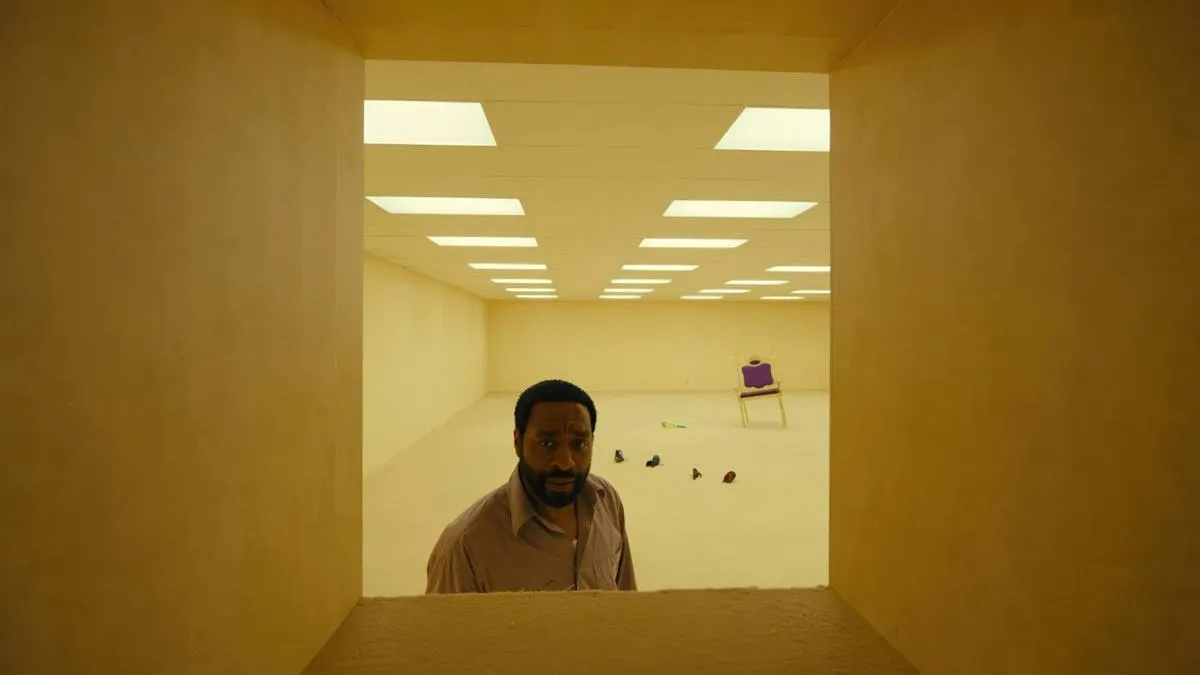
(SeaPRwire) - By: Logan Pierce The world of horror has always been a breeding ground for creativity and innovation, constantly pushing the boundaries of what scares us. And in recent years, the rise of internet horror has introduced a whole new dimension to the genre, captivating audiences with its unique blend of storytelling and immersive experiences. One such phenomenon that has taken the horror world by storm is the Backrooms. Since its inception just seven years ago, the concept of the Backrooms has become an integral part of the new-age internet horror landscape. Rooted in the uncanny geographical horror found in works like The Shining or The Blair Witch Project, the Backrooms has inspired a plethora of video games, web-series, and even a feature-length horror film released by A24 earlier this year. But what sets the Backrooms apart is its ability to engage the masses, allowing them to shape the narrative and choose which threads to follow. The most popular and recognizable Backrooms works come from the YouTube channel Kane Pixels, created by 21-year-old experimental filmmaker Kane Parsons. In 2022, Parsons used Blender to create a short film about the concept, which quickly spiraled into a multi-part YouTube horror series. This series eventually led to the creation of Backrooms, the feature film that has become A24's highest-grossing movie ever. Parsons' ability to turn a niche internet phenomenon into a box office success is truly remarkable. Now, just months after its initial release, A24 has announced that Backrooms will be getting a theatrical re-release, titled Backrooms: Everything Must Go Edition. Set to hit theaters on July 3, just in time for the 4th of July weekend, this new version of the film clocks in at two hours and six minutes and includes a "theatrically exclusive" post-credits scene and additional footage that adds up to about 15 minutes in total. While details about the nature of this additional footage are scarce, fans are speculating that it could be a Director's Cut or simply deleted scenes presented at the end, similar to what the MCU did for the re-release of Avengers: Endgame in 2019. One of the most talked-about aspects of Backrooms is its use of found-footage sequences, which add a layer of authenticity and unease to the film. Unlike Parsons' YouTube series, the feature film weaves these brief setpieces into a more traditional cinematic framing, creating a unique viewing experience. Fans are hoping that the re-release will include more of these claustrophobic, terrifying moments of shaky-cam obfuscation and pandemonium, as opposed to the movie's slower-paced character and exposition scenes. The decision to re-release Backrooms is a testament to the impact that the film has had on audiences. Despite any valid criticisms of its debut, the fact that A24 feels confident enough to bring it back to theaters shows that it has struck a chord with viewers. This kind of confidence also suggests that the recently announced sequel is high on the company's list of priorities. So, what can we expect from the Backrooms: Everything Must Go Edition? Will it live up to the hype and deliver an even more terrifying experience? Only time will tell. But one thing is for sure: the Backrooms has become a cultural phenomenon, and its influence on the horror genre is undeniable. As fans eagerly await the re-release, they can't help but wonder what new secrets and scares await them in the maddeningly mundane labyrinth of the Backrooms. Author bio: Logan Pierce, an independent business researcher and corporate governance writer on Medium.
More
The Sand Trap: Why Netflix’s ‘One Piece’ Season 3 Proves IP Adaptation Is a Supply Chain Game Business

The Sand Trap: Why Netflix’s ‘One Piece’ Season 3 Proves IP Adaptation Is a Supply Chain Game

(SeaPRwire) - By: Ethan Gallagher Netflix is moving faster than the market expects. They wrapped filming for Season 3 of *One Piece* just months after Season 2 dropped. This isn't just enthusiasm. It is a calculated logistical strike. The studio is betting that speed creates a barrier to entry for competitors. Most streaming giants are stuck in slow production cycles. Netflix is treating content like a high-turnover hardware product. The visual evidence from the Alabasta arc sneak peek reveals a deeper strategy. The cast wears bandages on their left forearms. This is not a stylistic choice. It is a narrative device to distinguish the crew from Bon Clay. Clay is a shapeshifter. He belongs to Baroque Works. This detail matters because it shows attention to source fidelity. Fidelity builds trust. Trust reduces churn. Joe Manganiello returns as Crocodile. He plays Mr. 0. The villain is terrifying because he is smart. He engineered a drought. He sold rain dust to fix it. He is hailed as a hero in Alabasta. This reputation is manufactured. It is a perfect metaphor for modern platform monopolies. They create problems. They sell the solutions. They control the narrative. Crocodile has the Suna Suna no Mi power. He turns to sand. Physical attacks pass through him. This makes him impervious. But his mind is the real weapon. Season 3 will be a mystery story. The crew does not know his true identity. Only Nico Robin knows. This structure forces viewers to pay attention. Passive viewing is dead. Active engagement is the new metric. The production schedule is aggressive. Two years between Seasons 1 and 2. Now, the gap closes further. This rapid turnaround strains resources. Yet, the quality remains high. The set design uses murals to tell backstory. This saves screen time. It compresses exposition. Efficiency is the core competency here. Other studios are still debating pilot orders. Netflix is already editing Season 4. This approach disrupts the traditional content pipeline. Slow releases allow for course correction. Fast releases rely on initial accuracy. Netflix has bet everything on initial accuracy. They got it right with the casting. They got it right with the tone. They are now scaling that success. The risk is high. One misstep breaks the spell. So far, the spell holds. The Alabasta arc tests this model. It introduces complex political intrigue. It adds new characters. It maintains continuity. The bandage detail is small. But it signals respect for the fans. Fans notice details. Details build loyalty. Loyalty drives subscription retention. This is not entertainment. It is a retention engine. Supply chain logic applies to creative work too. Input speed determines output velocity. Netflix has optimized the input. They have reduced idle time. They have eliminated bureaucratic drag. The result is a product that feels fresh. It feels urgent. It feels necessary. Competitors are playing catch-up. They are stuck in pre-production purgatory. Netflix is already in post-production. The lesson for the industry is clear. Speed without quality is noise. Quality without speed is obsolescence. Netflix has achieved both. They are rewriting the rules of adaptation. They are treating IP as a living asset. Not a static relic. The market will follow or fail. The choice is binary. Author bio: Ethan Gallagher, a Silicon Valley Hardware Architect and Infrastructure Strategist
More
Pan’s Labyrinth 20th Anniversary: Why Its 4K Restoration Isn’t Just Nostalgia—It’s a Distribution Masterclass Business

Pan’s Labyrinth 20th Anniversary: Why Its 4K Restoration Isn’t Just Nostalgia—It’s a Distribution Masterclass

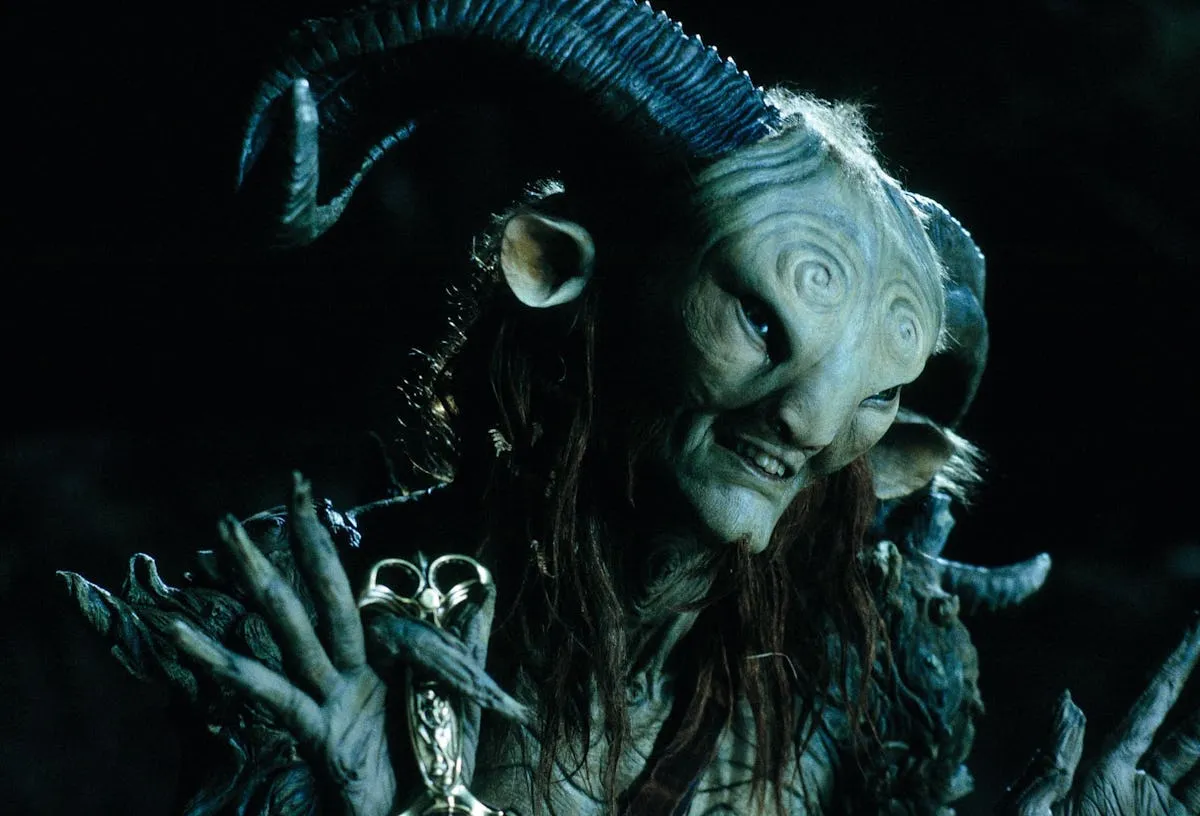
(SeaPRwire) - By: Logan Pierce The 20th anniversary re-release of Pan’s Labyrinth isn’t just a love letter to Guillermo del Toro’s fans. It’s a calculated commercial play by Cineverse and Fathom Events to capitalize on nostalgia while testing premium format demand. Following the 2024 4K restoration success of del Toro’s Crimson Peak, this move signals a growing trend in the entertainment industry: monetizing classic IP with minimal risk. Pan’s Labyrinth, widely considered del Toro’s best work, turns 20 this year. Del Toro himself is overseeing the 4K restoration. Cineverse and Fathom Events are partnering to bring it back to theaters on October 9. The film will be available in 3D and HDR formats, offering viewers a new way to experience its iconic practical effects and creature design. The film follows Ofelia, a young girl escaping fascist Spain through a fantasy world. She meets a Faun who believes she’s a reincarnated princess, setting her on three tasks to regain immortality. The story’s blend of dark reality and magical fantasy has kept it relevant for two decades, making it an ideal candidate for a re-release. Anniversary re-releases are low-risk for distributors. They rely on existing fan bases, so marketing costs are lower than new films. Premium formats like 4K and HDR allow for higher ticket prices, boosting profit margins. This strategy works especially well for genre classics like Pan’s Labyrinth, which have dedicated followings willing to pay more for an enhanced theatrical experience. Other studios are taking note. Disney has leaned into live-action remakes of classic animated films, while Warner Bros. has re-released old blockbusters. The Cineverse-Fathom partnership shows niche distributors can compete by focusing on specific audiences. This collaboration combines Cineverse’s streaming expertise with Fathom’s theatrical event experience, creating a win-win for both. Expect more 20-year-old genre classics to hit theaters in premium formats over the next year as distributors look to offset slowing new film box office numbers. Author bio: Logan Pierce, independent business researcher and corporate governance writer focusing on entertainment industry monetization strategies.
More
Persona’s Leap to Netflix: More Than Just Another Game Adaptation? Business

Persona’s Leap to Netflix: More Than Just Another Game Adaptation?

(SeaPRwire) - By: Oliver Hawthorne, a Principal Correspondent permanently stationed at an international technology reviewThe gaming world is abuzz, and frankly, so am I. Netflix, the behemoth of streaming, has signaled its intent to adapt the cult classic *Persona* franchise into a live-action television series. This isn't just another pixel-to-screen translation; it's a seismic shift that speaks volumes about the evolving landscape of interactive entertainment and its crossover potential. The announcement, detailed by Variety on June 29th, places Christopher Monfette, known for his work on *Star Trek: Picard* and *12 Monkeys*, at the helm as showrunner, writer, and executive producer, with 21 Laps and Story Kitchen rounding out the production team. This move solidifies Netflix's aggressive strategy in adapting video game IPs, following successes like *Arcane*, *Castlevania*, and *Cyberpunk: Edgerunners*.The core facts are straightforward. *Persona*, a spin-off of the *Shin Megami Tensei* series, has cultivated a dedicated following over its 30-year history, spanning six mainline titles with a seventh in development. Its premise, centered on high school students who manifest "Personas" – physical embodiments of their psyche – to battle supernatural threats born from the "collective unconscious," is rich with psychological depth. This narrative framework, deeply rooted in Jungian psychology and exploring themes of self-discovery, adolescence, and the duality of human nature through the conflict between metaphysical beings like Philemon and Nyarlathotep, is what sets it apart. The inclusion of time management and dating sim elements further adds to its unique blend of gameplay mechanics.From a purely commercial standpoint, this adaptation is a calculated gamble that leans into established trends. Netflix has a proven track record with YA-adjacent, high-concept narratives, evident in hits like *Stranger Things* and *Alice in Borderland*. The *Persona* franchise, with its ensemble cast of relatable teenage protagonists grappling with extraordinary circumstances and internal struggles, fits this mold perfectly. The inherent coming-of-age narrative, particularly prominent in *Persona 5*, which became the franchise's best-selling title and is widely regarded as one of the greatest RPGs ever, offers a powerful emotional anchor that can resonate with a broad audience beyond the existing fanbase. The decision to go live-action, despite the franchise's distinctive, vibrant anime art style, suggests a strategic move to broaden appeal, aiming to capture viewers who might not be immersed in the JRPG subculture.The JRPG genre itself has undergone a significant transformation. Once derided by Western media for its overt anime and manga influences, franchises like *Final Fantasy*, *Fire Emblem*, and *Dragon Quest* have long since transcended their niche origins to become global phenomena. *Persona*, arriving slightly later but with equal impact, now stands as a testament to this evolution. Its transition to a mainstream television series is not merely an adaptation; it's a validation of the JRPG's cultural significance and its capacity to translate complex narratives and character-driven stories to different mediums. The success of this venture will hinge on Netflix's ability to capture the essence of *Persona*'s psychological depth and stylish presentation, a challenge that promises to be as intricate as the games themselves.Author bio: Oliver Hawthorne, a Principal Correspondent permanently stationed at an international technology review, provides incisive analysis on the intersection of gaming, streaming, and digital culture.
More
Dunesday Is Locked: Why Warner Bros’ Dune 3 IMAX Power Play Will Crush Disney’s 2026 Holiday Box Office Dreams Business

Dunesday Is Locked: Why Warner Bros’ Dune 3 IMAX Power Play Will Crush Disney’s 2026 Holiday Box Office Dreams

(SeaPRwire) - By: Christian Pierce Disney spent two years positioning Avengers: Doomsday as its 2026 box office crown jewel. The studio shifted the film from its original May 2026 release slot to December 18, 2026, to avoid crowded summer competition and lock in holiday family crowds. What Disney missed was that Warner Bros already had Dune: Part Three locked on that exact date, and had negotiated exclusive U.S. IMAX access for the film months prior. The resulting “Dunesday” clash isn’t just a fun fan event like 2023’s Barbenheimer. It’s a high-stakes test of which IP actually drives premium ticket sales, and Disney already lost the first critical round before either film even releases its full trailer. Warner Bros first locked in Dune: Part Three’s December 18, 2026 theatrical release date in late 2024, shortly after Dune: Part Two crossed $500 million in global box office revenue. On May 22, 2025, The Hollywood Reporter first revealed Disney’s date shift for Avengers: Doomsday, sparking immediate fan chatter about the head-to-head clash. Warner Bros holds exclusive rights to every U.S. IMAX screen for three weeks starting on Dune: Part Three’s release date, a huge advantage given that key sequences of the film were shot using IMAX cameras. Disney will only be able to screen Avengers: Doomsday on IMAX in select international markets, with domestic premium screenings running under the studio’s new “Infinity Vision” branding, which is essentially standard Dolby projection with a new name. Per Variety’s July 8, 2025 report, Dune 3’s official title is Dune: Part Three, ditching the earlier rumored Dune Messiah moniker. The film adapts Frank Herbert’s Dune Messiah novel, with teases from the March 2026 teaser trailer confirming it will also pull plot elements from the follow-up book Children of Dune, including Anya Taylor-Joy’s portrayal of an adult, politically powerful Alia Atreides, a plot point that does not appear until the third book in Herbert’s original saga. The full cast brings back nearly all core actors from the first two films, including Timothée Chalamet as Paul Atreides, Zendaya as Chani, Florence Pugh as Princess Irulan, and Javier Bardem as Stilgar. New additions include Robert Pattinson as the primary villain Scytale, a shape-shifting Bene Tleilax Face Dancer, and Jason Momoa returning as Hayt, the ghola of Duncan Idaho who died in Dune: Part One. Villeneuve confirmed at the 2025 Saturn Awards that the film will stay largely faithful to Herbert’s source material, with only minor timeline adjustments to align with changes made to the end of Dune: Part Two, including Chani’s departure on a sandworm after Paul’s political marriage to Irulan. The story picks up 12 years after Paul’s galactic jihad concluded, focusing on a cross-faction conspiracy to overthrow his rule, and his prescient fears that Chani will die in childbirth. Premium large format tickets carry a 30 to 40 percent price premium over standard theater tickets, making them the highest-margin revenue stream for big tentpole releases. Dune’s core fan base has consistently shown far higher preference for IMAX viewings than general superhero film audiences, as the franchise’s sweeping cinematography and sound design are crafted explicitly for the format. Warner Bros’ IMAX exclusivity lock means it will capture nearly all high-margin domestic premium ticket sales for the first three weeks of the holiday run, even if Avengers: Doomsday draws larger crowds in standard format screens. The fact that Dune: Part Three explicitly closes Paul Atreides’ trilogy arc also gives it a clear, unmissable event status that the sprawling, ever-expanding Avengers ensemble lacks, as fans have been following this specific three-film story for six years by 2026. Disney will almost certainly shift Avengers: Doomsday’s release date again within the next six months, to avoid leaving hundreds of millions in high-margin ticket revenue on the table. Author bio: Christian Pierce, chief financial columnist covering global entertainment and media industry market dynamics for leading business publications.
More
Illumination’s Genre Gamble: How ‘Not Alone’ Aims to Own the Family Box Office Business

Illumination’s Genre Gamble: How ‘Not Alone’ Aims to Own the Family Box Office

(SeaPRwire) - By: Robert Kensington Illumination’s latest project isn’t just another animated feature—it’s a calculated strike to monopolize the family entertainment landscape. The studio’s decision to bury sci-fi elements under a rom-com framework reveals a sharper commercial instinct than typical genre mashups. By prioritizing human relationships over spectacle, they’re targeting parents who crave relatable stories while keeping kids engaged through alien hijinks. This isn’t innovation; it’s market segmentation executed with surgical precision. The film’s premise hinges on Joe (Timothée Chalamet) and Fran (Selena Gomez), whose rocket-fueled romance gets hijacked by three refugee aliens played by comedy veterans Rob Brydon, Diane Morgan, and Jamie Demetriou. Set for April 2027 release, the project leans heavily on its cast’s comedic pedigrees—Brydon’s *Trip* series, Morgan’s viral Philomena Cunk persona, and Demetriou’s *Stath Lets Flats* cult following. Even Brett Goldstein’s villain role carries *The Boys* baggage. The sci-fi plot serves merely as a vehicle for character dynamics, with Fran’s plant-powered rocket acting as both MacGuffin and metaphor for sustainable innovation. Beneath the surface, Illumination’s strategy exposes Hollywood’s growing anxiety over streaming fatigue. By packaging adult rom-com sensibilities (Chalamet and Gomez previously starred in Woody Allen’s *A Rainy Day in New York*) with family-friendly animation, they’re creating a dual-audience product that bypasses theatrical competition. The supporting cast of Allison Janney and Lamorne Morris further broadens appeal across generations. This isn’t about pushing creative boundaries—it’s about constructing a franchise-proof asset where merchandising opportunities (alien plushies, rocket kits) can thrive long after opening weekend. Expect traditional animation studios to scramble toward similar hybrid models within 18 months. Illumination’s playbook will force competitors to either abandon pure sci-fi projects or risk irrelevance in a market where parents demand content that entertains both themselves and their children simultaneously. Author bio: Robert Kensington, an overseas entrepreneurial veteran with decades of experience in real-economy industrial investment and expansion.
More
The $87 Million Gap: Why DC’s “Supergirl” Flop is a Calculated, Cheap Bet Business

The $87 Million Gap: Why DC’s “Supergirl” Flop is a Calculated, Cheap Bet

(SeaPRwire) - By: Logan Pierce The initial panic over *Supergirl*’s $38 million domestic opening is a classic case of myopic financial theater. It ignores the only metric that matters to a studio rebuilding from scratch: the cost of the wager. Comparing it directly to *Superman*’s $125 million launch is a narrative trap, one that obscures the starkly different capital allocations behind each film. This isn’t a story of failure. It’s a lesson in portfolio risk management, dressed in spandex. [Official Announcement Facts] DC Studios co-president Peter Safran’s statement to *The New York Times* is the official record. He conceded *Supergirl* “didn’t meet our box office expectations.” He immediately framed it as “just one component of a broader, long-term strategy.” The raw data is simple. *Superman* (2025) opened to $125 million. *Supergirl* opened to $38 million. The budgets are not equal. *Superman* cost $225 million, a figure kept lower by James Gunn’s style. *Supergirl* carried an estimated budget of around $170 million. The studio positioned it as a direct sequel, teased in *Superman*’s finale. [True Commercial Intentions] The true intention was never to replicate *Superman*’s opening. The intention was to place a cheaper, strategic bet. A $170 million film is a substantial investment, but it is $55 million less exposed than its flagship predecessor. The commercial play here is franchise foundation, not immediate profit maximization. Safran’s “long-term strategy” line isn’t spin; it’s a direct reference to the multi-film architecture they are constructing. They used a lower-cost asset to introduce a key character, banking on downstream revenue from streaming, merchandising, and future crossovers. The comparison to the MCU not stopping after early stumbles is instructive. They are buying optionality. The $38 million opening is a disappointing data point, not a sunk cost. It provides market feedback at a controlled burn rate. The immediate market share reshuffling is irrelevant. Warner Bros. Discovery isn’t fighting for weekend bragging rights with Marvel this quarter. It is fighting to prove it can build a coherent, sustainable universe without the catastrophic, billion-dollar write-downs of the past. A $170 million film underperforming is a manageable problem. A $225 million one would be a crisis. They have deliberately de-risked the expansion phase of their franchise. The next moves will be calibrated based on the audience data from this cheaper experiment, not on the headline-grabbing opening weekend gap. The real war-game is about capital efficiency over the next decade, not opening weekend trophies. Author bio: Logan Pierce, an independent business researcher and corporate governance writer on Medium, dissecting the financial architectures behind media and entertainment conglomerates.
More
Lestat’s Global Tour Isn’t Just Music—It’s a Blueprint for Species-Wide Suicide Business

Lestat’s Global Tour Isn’t Just Music—It’s a Blueprint for Species-Wide Suicide

(SeaPRwire) - By: Lucas CaldwellLestat de Lioncourt has stopped playing the role of the misunderstood rock star. He is now the architect of a systemic collapse. By weaponizing his 2025 album and tour, he has effectively dismantled the centuries-old veil of secrecy that kept his kind from extinction. This is not mere performance art. It is a calculated provocation that forces the vampire population to abandon their survival instincts. He is trading the safety of the shadows for a chaotic, public-facing messiah complex. The result is a total breakdown of the fragile equilibrium between predator and prey.The facts are stark. Lestat utilized the “cloud gift” during a live performance, manifesting flight before a massive human audience. This act transformed the memoir *Interview with the Vampire* from a piece of speculative fiction into a verified historical record. The Vampire Armand, currently navigating his own 12-step recovery, attempted to intervene. He demanded a total cessation of the tour and the suppression of all new music. Lestat ignored these warnings. He continues to broadcast his existence, effectively signaling to every vampire globally that the era of hiding is over.The underlying math of this crisis is simple. Vampires rely on a finite human blood supply. For centuries, elders strictly limited the creation of new vampires to ensure the population remained sustainable. Lestat’s public defiance has emboldened rogue vampires to ignore these quotas. They are siring new members at an unsustainable rate. The global ecosystem cannot support this surge. We are witnessing a classic resource depletion scenario. The more vampires Lestat creates or inspires, the faster they exhaust their only source of sustenance.This is a textbook case of game theory gone wrong. Lestat and his mother, Gabriella, are pushing the “Great Conversion.” They view this uprising as a necessary evolution. They are betting that by refusing to hide, they can force a new world order. They ignore the reality that their survival is tethered to the very humans they are now antagonizing. By turning their species into a public spectacle, they have invited a level of scrutiny that no immortal can survive. They are essentially accelerating their own obsolescence through sheer, unadulterated arrogance.The arrival of Akasha, the original vampire, changes the stakes entirely. Lestat’s own narration admits that Armand’s interference will pale in comparison to the damage the Queen will inflict. She has been dormant for centuries. Her reawakening will not be a reunion; it will be a purge. Lestat believes he is the messiah of a new age, but he is merely the catalyst for a civil war. He has invited the most powerful entity in his history to witness a rebellion that threatens the very foundation of her legacy.Lestat’s refusal to stop the music ensures that the coming collision between the old guard and his new, reckless disciples will be absolute.Author bio: Lucas Caldwell, a tech opinion leader with millions of followers on X/Twitter. He specializes in analyzing disruptive cultural shifts and the intersection of legacy systems and emerging chaos.
More