
(SeaPRwire) – By: Christian Pierce
Hollywood has a problem with sincerity. It over-engineers emotion until the machinery is visible, stripping away the human residue that makes a story stick. *Whalefall* sidesteps this trap. It is not polished. It is goopy, tense, and relentlessly uncomfortable. It leverages the primal fear of entrapment to force a raw confrontation with grief. The film does not ask you to admire its craft. It asks you to endure its logic. This is the defining shift in current genre cinema. The audience is starving for honest suffering, not simulated awe. The market is correcting itself, favoring narrative honesty over visual spectacle.
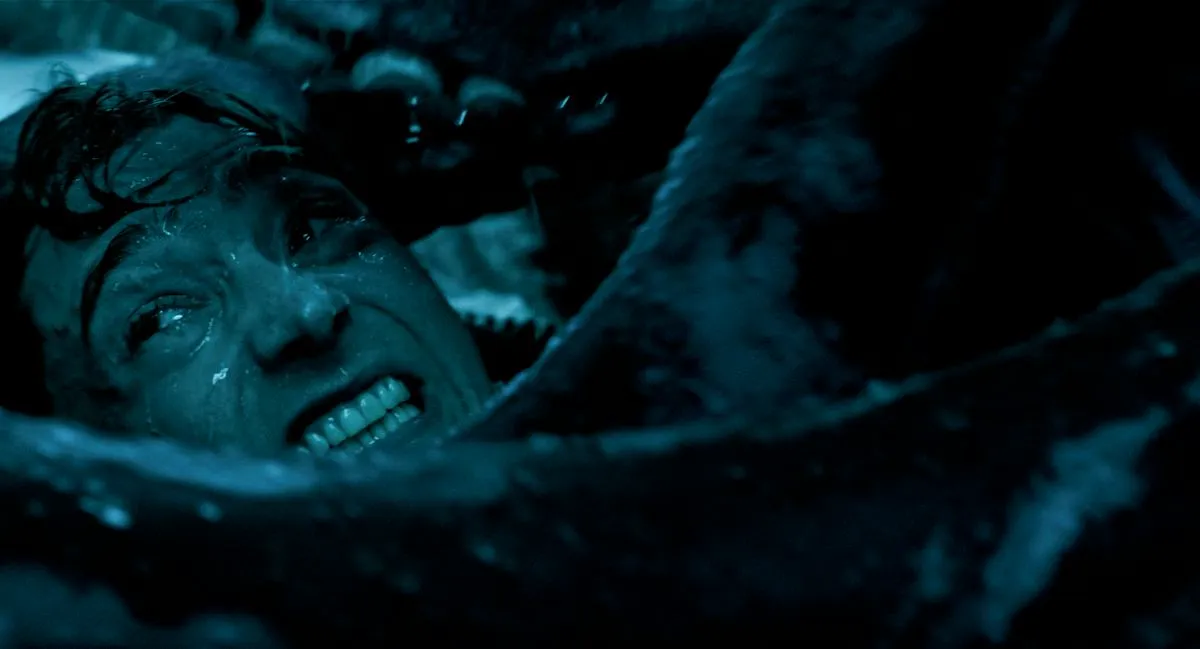
The film operates on a strict set of constraints derived from Daniel Krauss’s 2023 novel. Austin Abrams plays Jay Gardiner, a scuba diver trapped in a sperm whale. The physical environment is hostile. Oxygen runs out in under an hour. The squid attacks. The acid burns. The clock is literal. Meanwhile, the emotional timeline is retrospective. Flashbacks reveal Jay’s fraught relationship with his father, Mitt Gardiner, played by Josh Brolin. Mitt died by suicide a year prior. His body is missing. The narrative intercuts the visceral horror of the belly with the quiet, awkward grief of a son who never said goodbye. The script by Krauss binds these two timelines tightly. The danger is external, but the tension is internal. The film runs for about 106 minutes. It is unapologetically long for its premise. It forces the viewer to sit with the discomfort. There is no relief. Only progression.
The commercial implication is clear. The B-movie archetype is becoming the primary vehicle for adult emotional engagement. Studios are abandoning the blockbuster emotional formula. They are betting on specific, niche performances to carry the entire narrative weight. Abrams’ work here is pivotal. He anchors the film. His ability to blend hammy B-movie energy with genuine, grounded empathy is the key to its success. This model suggests that the next wave of profitable genre films will not be the most expensive. They will be the most emotionally specific. The cost of production is lower. The return on investment depends on word-of-mouth resonance. Audiences are sharing the pain, not just the plot. The industry is pivoting toward intimacy as a competitive advantage. The end-game is a market saturated with small-scale, high-impact narratives that bypass traditional marketing hurdles. They survive on authentic connection.
Author bio: Christian Pierce, a chief financial columnist and markets commentator who analyzes the intersection of creative output and commercial viability in the entertainment sector.