
(SeaPRwire) – By: Christian Pierce
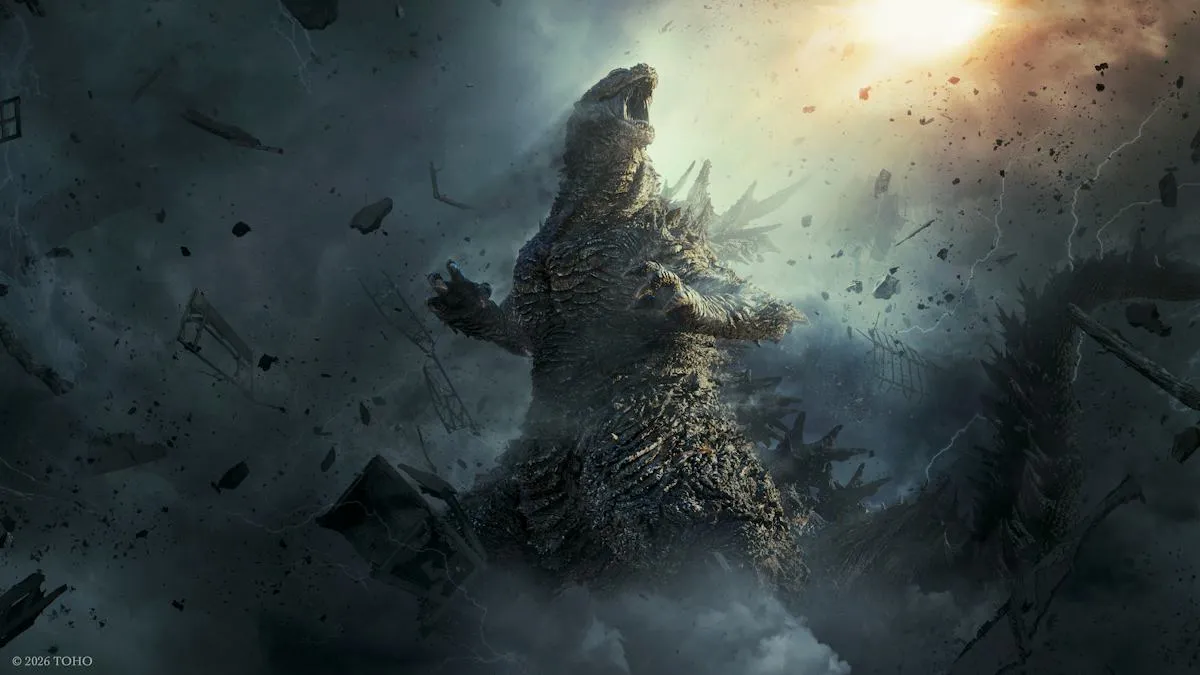
An R-rated Godzilla. That is the headline that has the trade blinking. Most analysts assumed the sequel to the Oscar-winning *Godzilla Minus One* would chase the PG-13 sweet spot. It is the safe lane. It is where mass family audiences live. But producer Kazuaki Kishida has flipped the script. The film lands in IMAX on November 3rd and wide release on November 6th. It carries the most restrictive US rating in the franchise’s history. This is not a marketing misstep. It is a calculated industrial decision. It reflects a shift in how global IP is consumed. The studio prioritized thematic integrity over ticket volume. The result is a movie that refuses to dilute its core message. It is a bold move in a crowded Q4 calendar.
The official facts are clear. The R rating stems from two specific sources. First, the kaiju battles feature realistic gore. The sci-fi regenerative abilities make the monster destruction visceral. Second, and more importantly, the human drama is intense. There is a hospital scene filled with survivors of a Godzilla attack. It is a direct homage to the original 1954 Ishiro Honda film. The 1954 original was heavily censored when exported to America. Nuclear references were stripped out. Kishida wanted to avoid that historical erasure. He wanted the film to be uniform across regions. No US version. No Japanese version. One global cut. The team knew the US MPAA would flag the content early. They accepted the R rating before the official classification came through.
Here is the industry subtext. Toho is betting that the cultural weight of the film outweighs the economic drag of the R rating. R-rated movies traditionally underperform at the box office compared to PG-13 entries. The data is consistent. Families stay home. Theaters limit showtimes. Kishida and director Takashi Yamazaki accepted a lower ceiling. They prioritized the visual expression. They refused to edit the film for a PG-13 rating. It is a philosophical stance disguised as a commercial choice. In Japan, the film is rated G. That is the lowest possible rating for all audiences. The contrast is stark. The US market is the only barrier. The studio is testing if US audiences will pay premium prices for unedited, nuclear-themed kaiju cinema. It is a test of audience maturity. It is a test of brand loyalty.
The end-game is simple. If *Godzilla Minus Zero* holds its numbers despite the R rating, it resets the commercial expectations for global franchise films. It proves that thematic integrity can drive revenue. It challenges the PG-13 monopoly in the blockbuster space. The success of *The Odyssey* suggests the tide is turning. Audiences are hungry for adult stories. They do not want sanitized versions of Japanese media. They want the original experience. Toho is not just releasing a monster movie. It is releasing a statement. The industry will watch the opening weekend closely. The margins will matter. The word-of-mouth will matter. If the critics praise the boldness, the rating becomes a badge. It becomes a selling point. The commercial loop closes on prestige, not just volume. This move signals a permanent shift in global IP strategy.
Author bio: Christian Pierce, a chief financial columnist and markets commentator specializing in the economic dynamics of major entertainment franchises and global box office trends.