The Repo Man’s Ledger: Why Jude Law’s 2010 Flop Is the Blueprint for Today’s Healthcare Horror Story Business

The Repo Man’s Ledger: Why Jude Law’s 2010 Flop Is the Blueprint for Today’s Healthcare Horror Story

(SeaPRwire) - By: Robert Kensington The screen fades in on a world where biology is just another subscription service. You miss a payment, and the door kicks in. The repo man doesn't ask questions. He just cuts you open. This isn't a dream sequence. It is the plot of *Repo Men*, released sixteen years ago. We dismissed it then as a bloated action thriller. We were wrong. We mistook the genre for the message. The film centers on Remy, played by Jude Law. He is a top-tier collector for a corporation that sells bio-mechanical organs. Patients sign contracts. They get healthy hearts. They stop paying. Remy goes to their homes. He retrieves the organ. He leaves them to die. It is efficient. It is cruel. It is a mirror. We laughed at the hallway fight scene. Critics called it a rip-off of *Oldboy*. They pointed out the derivative nature of the chase sequences. The runtime felt endless. The twist was obvious. It was a commercial flop in 2010. Universal Pictures moved on. The industry forgot it. But the debt collectors are still coming. The setting is 2025. The film was shot before the current political fractures widened. Yet, the corporate greed depicted feels archival. It is not science fiction anymore. It is a documentary waiting to happen. The "artiforg" market is no longer a fictional construct. It is the reality of high-cost medical innovation. Look at the pricing. An artificial heart costs upwards of $618,000. That is not a typo. That is the entry fee for survival. Middle-class families are targeted. Salesmen offer installment plans. They promise more time with loved ones. They sell hope on credit. When the check bounces, the repossessor arrives. The film shows this brutality. It shows the violation of bodily autonomy. Roger Ebert saw it clearly. He said the film made the strongest case for universal healthcare. He was right. The film critiques the insurance industry's resistance to reform. It highlights escalating costs. It shows how vulnerability is monetized. The corporation lies to clients. They say retrievals "almost never happen." Then they burst through the door. The atrocity is couched in palatable language. They are "protecting the medical establishment." This is not just about healthcare. It is about control. The film depicts a society where the poor are harvested. The rich live forever. The middle class is trapped in debt slavery. The imagery is stark. It resonates in the aftermath of *Roe v. Wade* being overturned. It echoes the hostility toward predatory insurers. The UnitedHealthcare CEO's shooting is not an isolated incident. It is a symptom of a broken system. Kino Lorber has released the film in 4K Blu-ray. There are three discs. Disc one holds the theatrical cut in 4K. Disc two has the original format. Disc three contains the unrated version. The unrated disc includes deleted scenes. It has union commercials. It offers a look inside the visual effects. There are audio commentaries. Bryan Reesman and Max Evry provide fresh insights. Director Miguel Sapochnik speaks with authors Eric Garcia and Garrett Lerner. Why watch it now? Because the satire has aged into fact. The film was based on a 2009 novel by Eric Garcia. Garcia co-wrote the screenplay. The vision of every organ recipient as Schrödinger's cat is potent. They are alive. They are marked for death. The moment they fall behind, the clock starts. The film dilutes this with generic action. But the core theme remains sharp. The corporate targets are subjected to procedures against their will. It is a violation of consent. It is a theft of life. The film asks a simple question. Who owns your body? The answer in the movie is the corporation. The answer in our world is becoming clearer. The market dictates value. The contract dictates survival. We need to reassess *Repo Men*'s contemporary significance. It is not a bad movie. It is a warning. The warning has been ignored. The consequences are arriving. The repossessors are here. They are just wearing suits instead of tactical gear. They are sending bills instead of bullets. The horror is bureaucratic. It is legal. It is inevitable. The supply chain of human life is fragile. It is controlled by a few. The film exposes this monopoly. It shows how easily empathy is stripped away. Remy loses his heart. Literally. Metaphorically, he loses his soul. He becomes a tool. The system demands compliance. Dissent is fatal. Watch the film again. Look past the action. Look at the economics. See the horror in the fine print. The 4K master reveals the grit of the world. It shows the sweat and the blood. It highlights the coldness of the corporate offices. The visuals support the narrative. The story is timeless. The lesson is urgent. We are living in the movie. The only difference is we know it now. The question is what we will do about it. The debt is due. Author bio: Robert Kensington, an overseas entrepreneurial veteran with decades of experience in real-economy industrial investment and expansion.
More
HBO’s Narrative Algorithm is Broken: Analyzing the HotD S3E2 Server Crash Business

HBO’s Narrative Algorithm is Broken: Analyzing the HotD S3E2 Server Crash

(SeaPRwire) - By: Lucas Caldwell HBO is finally treating Westeros like a live-service update. The "Queen's Landing" patch notes dropped, and the server stability is tanking. We are watching a real-time stress test of the Targaryen IP. The narrative engine is overheating. Rhaenyra sits the throne, but the user retention metrics are plummeting. This isn't storytelling anymore. It is a brutal resource management simulation. The Dance of Dragons has officially become a battle royale. The devs are nerfing characters left and right. Jace is gone. The meta is shifting fast. Rhaenyra secured the Iron Throne after the Battle of the Gullet. She paid a high price in son Jace. She executed the conflict's instigator clumsily. Alicent Hightower attempted a final escape. Lord Jasper Wylde assaulted her during the plot. Aemond Targaryen arrived at Harrenhal. He met Alys Rivers, the Witch. Daemon Targaryen acted as a supportive husband. He whispered of the Song of Ice and Fire. He saw visions of Daenerys. Mysaria advises Rhaenyra now. Aegon and Larys Strong are on the run. Aegon murdered an unarmed civilian. Alyn and Addam of Hull gained status. Corlys Velaryon accepts them as sons. Hugh Hammer and Ulf the White hold dragons. Baela Targaryen mourns lost connections. Rhaena Targaryen failed in battle with Sheepstealer. She seeks asylum at the Vale. Ser Lorent Marbrand offered his life to Rhaenyra. Ser Rickard Thorne failed to defend the Red Keep. The showrunners are optimizing the narrative for maximum emotional churn. They are trading legacy characters for shock value. The "Power Rankings" mechanic exposes the underlying algorithm. It quantifies influence like a social graph. Alicent and Rhaenyra are just nodes in a tragedy network. The male characters act as latency issues. They block the throughput of female agency. The system is designed to punish attachment. Every investment in a character yields a negative return. This is anti-engagement design. We see a shift in the content delivery model. The focus moves from conquest to survival horror. Harrenhal is becoming a server instance for glitched reality. Alys Rivers represents the introduction of magic as a cheat code. The Dragonseeds are the new user-generated content. They are unpredictable variables in the code. The writers are deconstructing the hero's journey. They replace it with a pure loss function. The audience is being conditioned for a total system crash. The Iron Throne is a hollow UI element. The season finale will result in a total platform reset where no user wins. Author bio: Lucas Caldwell, a tech opinion leader with millions of followers on X/Twitter analyzing the intersection of pop culture and digital trends.
More
18 Years Ago, Doctor Who’s Crossover Nailed the Team-Up Epic Before Avengers Endgame (No Superpowers Required) Business

18 Years Ago, Doctor Who’s Crossover Nailed the Team-Up Epic Before Avengers Endgame (No Superpowers Required)

(SeaPRwire) -By: Lucas Caldwell BBC Before Avengers Endgame became the gold standard for team-up epics, Doctor Who’s 2008 crossover did it first—and better—without a single superpower. The two-part finale “The Stolen Earth” and “Journey’s End” didn’t rely on capes or cosmic stones. It used ordinary people turned heroes, bound by their time with the Doctor, to create a moment that still resonates 18 years later. This wasn’t just a TV event; it was a masterclass in building a shared universe fast. On June 28, 2008, Doctor Who Season 4 wrapped with a bang. The 10th Doctor (David Tennant) and Donna Noble (Catherine Tate) faced Davros, the Daleks’ creator, who’d stolen Earth and other planets to build a reality bomb. The episode brought together companions from across the Whoniverse: Rose Tyler, Captain Jack Harkness, Martha Jones, Sarah Jane Smith, Mickey Smith, and even the robot dog K-9. Characters from spinoffs Torchwood and The Sarah Jane Adventures joined in too. The premise was absurd—even by Doctor Who standards. Davros’ reality bomb would wipe out everything but Daleks. The technobabble about why exactly those planets were needed was fuzzy at best. But back then, Tennant’s charisma made every line stick. Fans didn’t care about the details; they cared about seeing their favorite characters fight side by side. What’s most impressive is how quickly Russell T Davies built this universe. The 2005 reboot was a scrappy comeback. By 2008, just three years later, he had enough secondary characters to pull off a massive crossover. This was unheard of—most franchises take decades to build that kind of lore. The Arrowverse would do similar crossovers later, but Doctor Who did it first with characters no one knew three years prior. Sarah Jane, Mickey, and Jackie in "The Stolen Earth." | BBC Rewatching the finale today feels both quaint and epic. More recent Doctor Who crossovers (like 2021’s Flux) tried to replicate the magic but fell short. The 2008 episodes balanced boldness and sweetness perfectly. They didn’t rely on nostalgia alone—though Sarah Jane and K9 were nice touches. They cashed in on the new characters Davies had created, making them feel like old friends. Future sci-fi team-ups will struggle to match the 2008 Doctor Who finale’s balance of emotional weight and narrative boldness. Author bio: Lucas Caldwell, tech opinion leader with millions of X followers, focusing on sci-fi media and pop culture trends.
More
The Cutscene Trap: Why FX’s *Far Cry* Series Must Ditch the Script to Survive Business

The Cutscene Trap: Why FX’s *Far Cry* Series Must Ditch the Script to Survive

(SeaPRwire) - By: Oliver Hawthorne Video game adaptations are usually a graveyard of missed opportunities. Studios treat source material like a museum exhibit. They want to preserve every pixel. They fear alienating the core fanbase by changing anything. This caution kills creativity. It results in sterile, safe, and ultimately boring content. The industry needs to stop trying to translate interactivity into passive viewing. That is impossible. The magic of a game lies in player agency. Television is about directorial control. Trying to force them together creates a narrative Frankenstein. The announcement of FX’s *Far Cry* series changes the calculus. Lizzy Caplan and Rob McElhenney are attached. Noah Hawley is the creator and lead writer. Hawley made a bold declaration recently. He stated the show will not adapt any specific game directly. He argues that cutscenes make human drama irrelevant in games. Players skip them. They focus on gameplay. This logic is flawed but the outcome is brilliant. By ignoring the plot, Hawley frees the narrative. He can explore the themes without being shackled to the mechanics. Hawley describes the show as an anthology. Each season tells a different story. The unifying theme is civilized people becoming uncivilized. This mirrors the core ethos of the *Far Cry* franchise. The games have always explored this descent. From Thailand to Montana, the settings change. The violence remains constant. The anthology format honors this versatility. It allows for fresh perspectives every year. It avoids the fatigue of a single continuous storyline. It respects the source material’s spirit, not its script. This approach mirrors the success of *Fallout* on Amazon. That series took liberties with the lore. It delighted fans by capturing the tone. It did not feel like a rigid retelling. It felt like a living world. Hawley and McElhenney are aiming for that same sweet spot. They are building a sandbox for storytelling. They are not bound by Ubisoft’s canonical timeline. This gives them creative freedom. It also raises the stakes. If they fail, they fail hard. There is no existing plot to fall back on. The casting choices support this ambitious direction. Lizzy Caplan brings intensity and nuance. Rob McElhenney adds grounded charisma. Their presence suggests high production value. It signals that FX is treating this as prestige television. Not just a niche genre play. This elevates the potential impact. It brings mainstream attention to a franchise often dismissed as mindless shooting. It challenges the perception of video game IPs. It proves they can carry complex, adult narratives. Noah Hawley’s track record supports this optimism. He created *Legion*. That show was visually experimental and narratively dense. He also helmed *Fargo*. That series is the gold standard for anthology storytelling. Each season is self-contained yet connected by tone. Applying that formula to *Far Cry* is a masterstroke. It transforms a shooter franchise into a psychological thriller. It focuses on the human cost of survival. It explores the seduction of bloodshed. This is what the games hint at but rarely dwell on. The industry is watching closely. Success here could redefine how studios approach adaptations. Failure would reinforce the skepticism. But the potential is enormous. We are moving past the era of lazy IP exploitation. Audiences demand authenticity. They crave innovation. They reject cookie-cutter content. *Far Cry* offers a unique canvas. It is dark, chaotic, and morally ambiguous. It fits the current cultural moment perfectly. It reflects our anxieties about civilization’s fragility. If Hawley plays his cards right, we could see a landmark series. One that stands alongside the best genre television. It would not just entertain. It would provoke thought. It would challenge viewers to confront their own capacity for violence. It would honor the games by transcending them. This is not just about selling tickets. It is about elevating the medium. It is about proving that video games can inspire serious art. The stage is set. The players are ready. Now we wait for the broadcast. Author bio: Oliver Hawthorne, a Principal Correspondent permanently stationed at an international technology review, covering the intersection of gaming culture and mainstream media production.
More
Netflix’s Avatar Rewrite Isn’t About Fidelity. It’s a $200M Bet on a Softer Hero. Business

Netflix’s Avatar Rewrite Isn’t About Fidelity. It’s a $200M Bet on a Softer Hero.

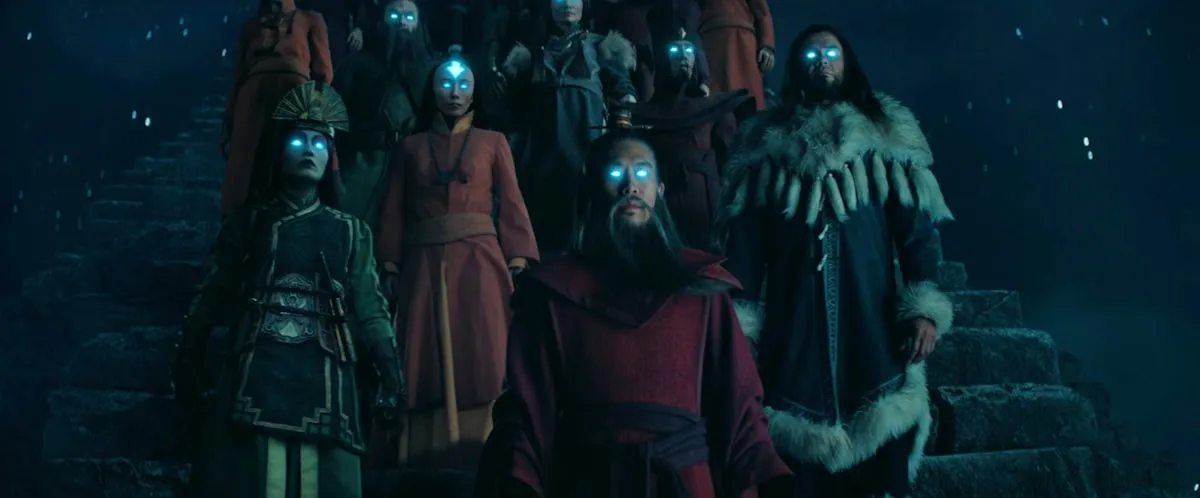
(SeaPRwire) - By: Oliver Hawthorne The core anxiety gripping Hollywood's streaming adaptation machine is no longer just about fan backlash. It's about the commercial viability of a protagonist whose foundational ethos is at odds with modern, binge-driven narrative demands. Netflix's second season of *Avatar: The Last Airbender* exposes this tension in its rawest form. The showrunners, Jabbar Raisani and Christine Boylan, have executed a surgical rewrite of the original cartoon's climax not for creative flourish, but to retrofit Aang's pacifism into a more palatable, less spiritually complex hero for a global platform. This isn't adaptation. It's a deliberate recalibration of a character's core conflict to fit a different commercial loop, one that prioritizes clear, season-to-season character arcs over the original's nuanced spiritual journey. The gamble is that a simplified Aang can attract a broader, less patient audience, but the risk is severing the emotional spine that made the IP valuable in the first place. The official facts are clear. Season 2 adapts key plot points: Aang (Gordon Cormier) masters earthbending in Ba Sing Se, confronts Princess Azula (Elizabeth Yu), and unlocks the Avatar State. The finale, "Something Broken," sees him channel this power to attack Azula, Zuko (Dallas Liu), and Earth Kingdom traitors. Crucially, he hesitates before delivering a killing blow. Azula then strikes him with lightning in the chest. Showrunner Raisani told *Inverse* this change "didn't feel sacrilegious" and was meant to reinforce Aang's "respect for all life." The season ends with Aang critically wounded, saved by Katara's (Kiawentiio) spirit water, his survival uncertain. These are the documented events of the release. The industry subtext, however, reveals a starkly different production calculus. The original series devoted immense time to Aang's spiritual blockade. He grappled with grief, fear of hurting loved ones, and attachment to Katara, requiring guidance from Guru Pathik. Netflix's version strips this entire psychological and spiritual architecture. It reduces the Avatar State's activation from an internal, hard-won triumph to an external, pressure-induced reaction. The change in Azula's strike—from a cunning, preemptive shot in the back to a retaliatory blow after Aang's hesitation—is not a narrative detail. It is a fundamental re-engineering of the scene's moral physics. The original punished Aang for a moment of unprotected power. The remake rewards his pacifism with narrative sympathy before punishing him. This manufactures a clearer, more linear "lesson" about the cost of mercy, a theme easier to track across a season that has already simplified his internal struggles. The commercial end-game here is transparent. Netflix is not in the business of selling slow-burn spiritual enlightenment. It is in the business of manufacturing digestible, high-stakes seasons that reduce churn and maximize viewership. A hero paralyzed by spiritual nuance is a liability in this model. By making Aang's climax about a definitive choice (to not kill) rather than a complex spiritual failure, the series creates a simpler, more heroic throughline. It transforms the IP from a tale of spiritual maturation into a more conventional superhero saga about power and restraint. The ultimate deduction is that Season 3's showdown with Fire Lord Ozai (Daniel Dae Kim) will likely follow this new blueprint. It will prioritize a clear, action-driven moral dilemma over the original's intricate resolution involving energybending and non-lethal victory. The industry is watching. If this softer, streamlined Avatar drives subscriber metrics and completion rates, it will become the new playbook for adapting any "problematic" classic hero, proving that in the streaming economy, character complexity is just another variable to be optimized for margin. Author bio: Oliver Hawthorne, a Principal Correspondent permanently stationed at an international technology review, specializing in the economic and strategic drivers behind major media and platform content decisions.
More
The Physical Illusion: How GTA 6’s Code-Only Release Exposes Gaming’s Ownership Crisis Business

The Physical Illusion: How GTA 6’s Code-Only Release Exposes Gaming’s Ownership Crisis

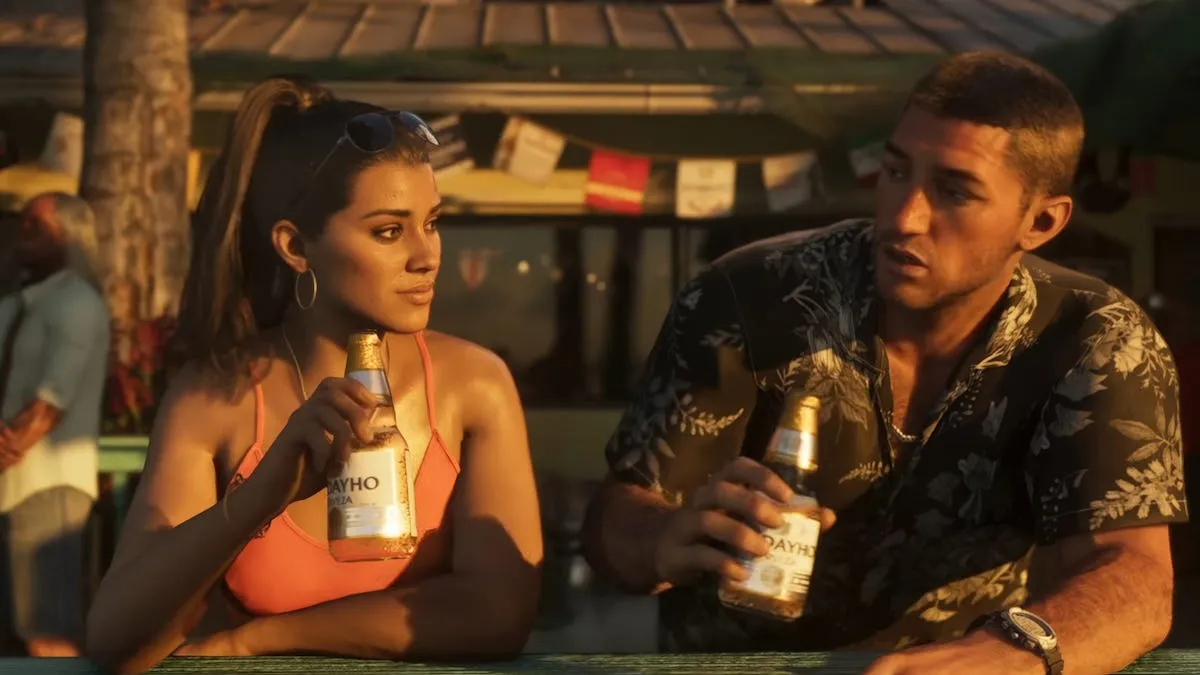
(SeaPRwire) - By: Ethan Gallagher Rockstar Games’ decision to ship GTA 6’s physical edition with a download code instead of a disc isn’t a minor tweak. It’s a quiet execution of physical media’s death warrant. For two decades, collectors have treated game cases as artifacts. Now, that ritual dies with the last disc. This isn’t about convenience. It’s about control. On June 24, 2026, Rockstar confirmed pre-orders would open June 25. The base price sits at $80, with the Ultimate Edition at $100. Physical copies arrive November 19 on PS5, Xbox Series X/S, and PC. The catch? No disc. Just a code. Nintendo Switch titles pioneered this model. The Outer Worlds 2 follows. Retailers stock boxes. Publishers keep the keys. Publishers gain three wins. First, no early leaks from pre-shipped discs. Second, the used games market collapses. Third, dynamic pricing becomes possible. Ten years ago, reselling discs saved gamers cash. Now, $80 stays $80. Streaming services already teach us: buying a film means renting access. Games follow. Ownership becomes a subscription. Physical media’s demise isn’t inevitable. It’s engineered. Deluxe editions may add discs later. But the trend’s irreversible. Physical media’s supply chain dies when publishers stop needing it. Digital storefronts become the only gatekeepers. Gamers pay more. Own less. This isn’t progress. It’s a hostage situation. The industry’s next move? Watch what happens when Rockstar’s code expires. Author bio: Ethan Gallagher, Silicon Valley Hardware Architect and Infrastructure Strategist specializing in digital media transitions and supply chain dynamics.
More
Werwulf and the Machinery of Fear: How Middle English Becomes a Signal Processor for Premium Horror Business

Werwulf and the Machinery of Fear: How Middle English Becomes a Signal Processor for Premium Horror

(SeaPRwire) - By: Christian Pierce Historical dread sells at a premium when scarcity is engineered. Werwulf locks its gates at December 25, 2026 and turns linguistic friction into a pricing lever. Robert Eggers moves further back into the 1200s and strips every character of a name. A farmer transforms under each full moon while lineage collapses into instinct. Anticipation feeds on Nosferatu box office receipts and the return of familiar faces. The market tests whether elevated horror can sustain scarcity without heroic branding. The press kit states that Aaron Taylor-Johnson plays the husband and Lily-Rose Depp returns from the prior cycle. Focus Features displays a dark, grain-heavy frame with roaring flames and shaking bodies. Dialogue sits in Middle English vetted by two Oxford professors and smoothed by a dialect coach. Intelligibility is preserved without surrendering antiquity. The trailer refuses subtitles and trusts ears to parse centuries. This calibration turns language into a gate that filters casual viewers. Ticket attachment rises when comprehension requires mild effort but not a degree. The release date lands deep in a holiday window where awards chatter amplifies margin. A nameless cast reduces payroll noise and concentrates risk on atmosphere. The commercial loop tightens as curiosity converts to urgency and urgency to seat sales. The endgame is a controlled bottleneck where historical authenticity justifies ticket premiums and ancillary scarcity. Werwulf will not chase volume but harvest high-value attention in a congested season. This pattern repeats whenever craft is weaponized to slow consumption and accelerate price. Author bio: Christian Pierce, a chief financial columnist and markets commentator who analyzes media scarcity mechanics and entertainment sector margin strategies.
More
‘Silo’ Season 3: Unveiling the Depths of Apple’s Sci-Fi Gem Business

‘Silo’ Season 3: Unveiling the Depths of Apple’s Sci-Fi Gem

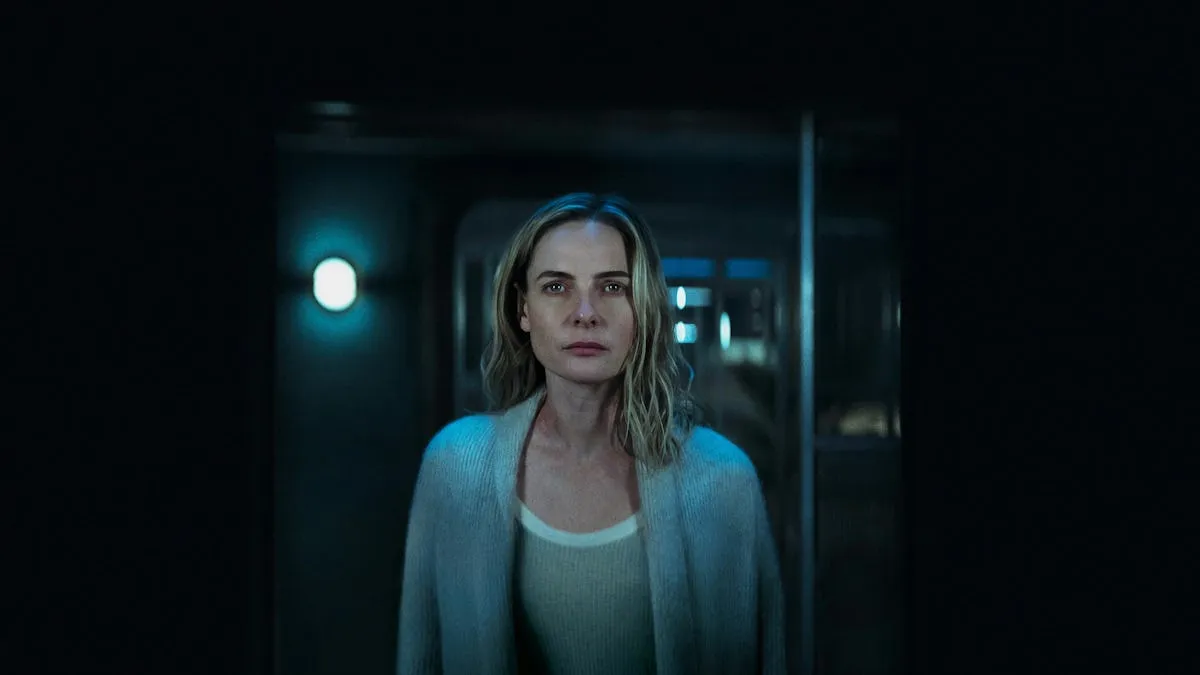
(SeaPRwire) - By: Ethan Gallagher Apple TV has long been a haven for innovative sci-fi shows, and 'Silo' has emerged as one of its most captivating offerings. Since 2023, this underrated saga has told a mesmerizing tale of revolution and dystopia, based on Hugh Howey's books. Rebecca Ferguson stars as Juliette, a lowly engineer thrust into the role of Sheriff in a self-sustaining bunker where people have lived for generations, believing it unsafe to go outside. In Season 2, Juliette defied the norm and ventured outside, returning with fragmented memories. Season 3 delves deeper into the mystery, making memory a core theme as the audience discovers the secrets behind the construction of the Silos. This bold narrative shift not only adds depth but also solidifies 'Silo' as one of the greatest sci-fi series on air. The season picks up where Season 2 left off, with Juliette scarred both physically and mentally from her ordeal. As the new mayor and folk hero, she grapples with flashes of memory while working secretly with her allies to uncover the truth behind the power structure in the Silo. Ferguson's performance continues to shine, carrying the show through Juliette's identity crisis. However, Season 3 takes an unexpected turn by splitting the narrative between the Silo and the "Before Times." This flashback storyline, set in a dystopian future, follows young congressman Daniel Keene and his sister Charlotte as they uncover a mystery that parallels the one in the Silo. The inclusion of shocking cameos and a multi-year mystery adds intrigue, making it a standout addition to the series. While some may draw parallels to 'Fallout' due to the bunker-based premise, 'Silo' differentiates itself with its lack of kitschy elements and neo-futuristic trappings. Instead, it resembles prestige genre shows like 'Watchmen' and 'The Night Agent,' offering a more grounded and thought-provoking experience. One of the show's greatest strengths is its ability to craft a unique sci-fi world from scratch, using Howey's books as a guiding light rather than a strict blueprint. This allows for unexpected twists and turns, keeping viewers on the edge of their seats, especially as the season approaches its finale. Season 3's finale is expected to be a mind-blowing conclusion, building on the shock of Season 2's flashback finale. With its expertly crafted season finales, 'Silo' has earned its place alongside the likes of 'Dollhouse' and 'Dark.' Another advantage 'Silo' has over many TV shows is its endpoint. With Season 4 set to be the final season, each episode is imbued with a sense of purpose and direction. This clarity allows the show to focus and deliver a more impactful narrative. Despite leaving many mysteries unsolved, Season 3 ends with a sense of anticipation and confidence. If the show continues on this trajectory, fans can expect a series finale that will solidify 'Silo' as a classic in the sci-fi genre. 'Silo' Season 3 premieres on July 3, promising to take viewers on another thrilling journey through its meticulously constructed world. Don't miss out on this opportunity to witness the evolution of one of Apple TV's most compelling sci-fi offerings. Author bio: Ethan Gallagher, a Silicon Valley Hardware Architect and Infrastructure Strategist, brings a tech-savvy perspective to the world of entertainment.
More
A.I.’s 25th Anniversary Exposes the Hidden Horror We All Missed Business

A.I.’s 25th Anniversary Exposes the Hidden Horror We All Missed

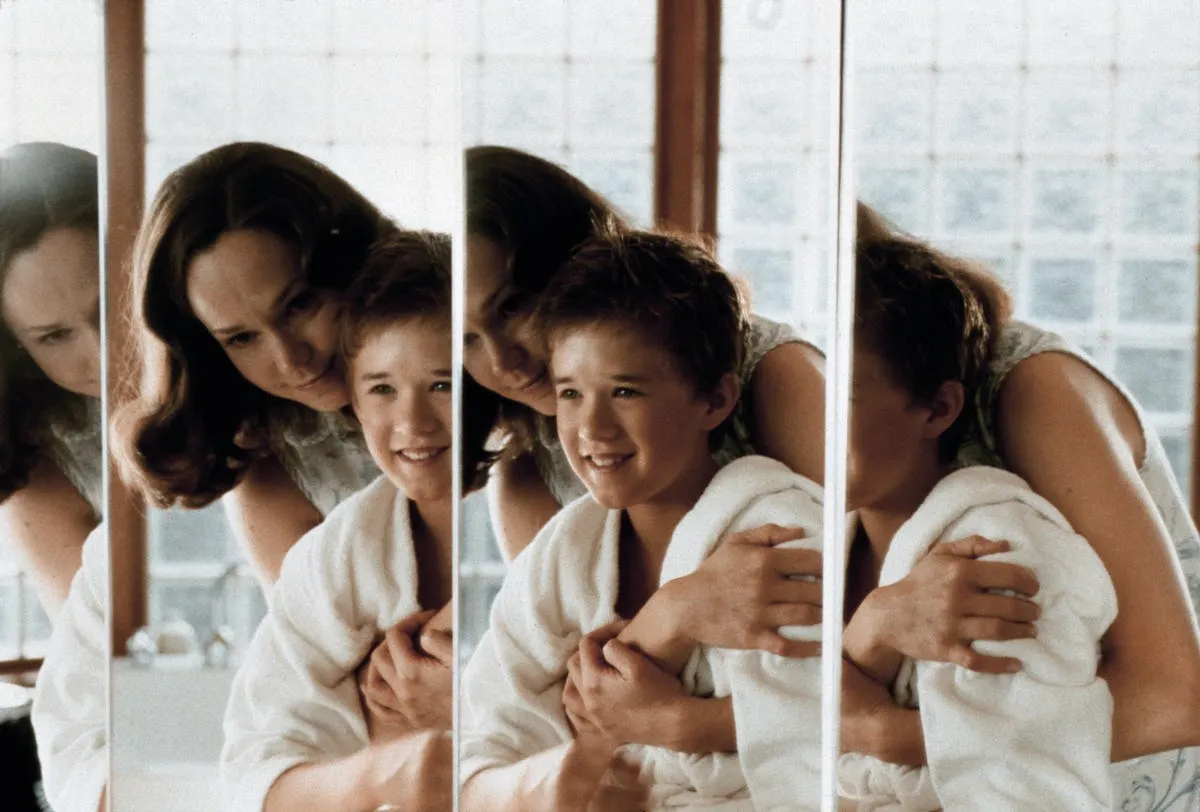
(SeaPRwire) -By: Ethan Gallagher I’ve spent 12 years working on AI safety frameworks, and I still can’t shake the ending of A.I. Most casual viewers write it off as a sentimental cop-out. They’re dead wrong. This film’s 25th anniversary isn’t just a nostalgia trip—it’s a masterclass in how we’ve failed to grapple with AI’s true existential cost. Let’s start with the official, on-the-record facts. A.I. launched in 2001, marking its 25th anniversary this month. It was born from Stanley Kubrick’s 30-year obsession with Brian Aldiss’ 1969 short story Supertoys Last All Summer Long. Kubrick couldn’t secure the special effects technology he needed, so he handed the project to Steven Spielberg months before his death. The official plot follows David, a cutting-edge robot boy programmed to love unconditionally, abandoned by his surrogate mother Monica after her real son recovers from illness. The industry subtext here mirrors modern AI development: we hold onto bold visions until technology catches up, then rush to ship without asking hard questions. The film’s “sentimental” ending is bleaker than you think. | David James/Amblin/Dreamworks/Wb/Kobal/Shutterstock The film’s climax sees David and his teddy bear trapped underwater in flooded Coney Island for 2,000 years, until advanced mechas find him. These mechas resurrect Monica for exactly one day, then she fades away forever. David spends that perfect day with her, then is left alone in a recreated version of his childhood home for eternity. Spielberg has repeatedly confirmed this ending was Kubrick’s original plan, not a last-minute sentimental tweak. The subtext here is that we’re already building AI systems that will outlive their human creators, with no framework for their long-term purpose. Right now, the tech industry’s rush to scale AI hardware supply chains ignores the same existential questions Kubrick and Spielberg tackled 25 years ago. We’re building more machines faster than we can grapple with their impact, and we’ll end up just like David: alone, with a perfect day we can never repeat. No amount of compute power will fix the fact that we’re not asking the right questions about the AI we’re putting into the world today. A.I. Artificial Intelligence is now streaming on Hulu. Author bio: Ethan Gallagher, Silicon Valley Hardware Architect and Infrastructure Strategist focused on AI safety and sustainable compute systems.
More
Rhaenyra’s Blade: How ‘House of the Dragon’ Rewrote Otto Hightower’s End for Character Evolution Business

Rhaenyra’s Blade: How ‘House of the Dragon’ Rewrote Otto Hightower’s End for Character Evolution

(SeaPRwire) - By: Oliver HawthorneThe transition from page to screen is rarely a seamless one, especially when adapting dense historical texts like George R.R. Martin's *Fire & Blood*. *House of the Dragon* has consistently navigated this challenge, and its recent Season 3 Episode 2 offers a prime example. The fall of King's Landing, a pivotal moment, culminates in a surprisingly altered execution of Otto Hightower. This isn't just a minor plot deviation; it's a deliberate narrative choice that speaks volumes about character development and the demands of visual storytelling. The showrunners have taken a historical footnote and transformed it into a dramatic crescendo, underscoring Rhaenyra's evolving psyche.The press release details a specific scene: Rhaenyra, upon taking control of King's Landing, discovers Otto Hightower in the dungeons. Instead of a formal execution, as might be implied by the source material, Rhaenyra herself wields the sword and beheads him. This is a stark departure from the book's description, which mentions Otto being "the first to be beheaded" alongside another figure, Ironrod, with the implication of a more procedural, perhaps executioner-led, event. The book's phrasing, "Ser Otto Hightower... was the first to be beheaded," suggests a historical record, not necessarily a personal act of vengeance. The mention of a "block" further reinforces the idea of a formal, state-sanctioned execution, rather than a spontaneous act of rage or justice.This alteration is crucial for the show's narrative arc. *Fire & Blood* functions as a history book, where major characters can meet their end with a sentence or two. For a visual medium like television, such an anticlimactic demise for a character as significant as Otto Hightower would feel like a narrative letdown. The showrunners understood this. By having Rhaenyra personally deliver the fatal blow, they imbue the moment with immense emotional weight. It transforms Otto's death from a mere historical event into a deeply personal act for Rhaenyra, directly linked to her grief over her son's death and her burgeoning role as a vengeful leader. This is not the strategic Rhaenyra who navigated court politics or the grieving mother who endured immense loss; this is a Rhaenyra forged in the fires of war and personal tragedy, capable of decisive, brutal action.The commercial loop here is clear: the adaptation must serve the dramatic needs of the screen. While the book provides the factual skeleton, the show must flesh it out with emotional resonance and character progression. Otto Hightower's execution, as depicted in the show, serves as a powerful catalyst for Rhaenyra's transformation. It’s a visual representation of her hardening resolve and her descent into the darker aspects of leadership. This change isn't about disrespecting the source material; it's about understanding the fundamental differences between reading history and witnessing it unfold. The showrunners have prioritized character evolution over strict textual fidelity, a decision that ultimately strengthens the narrative and deepens audience engagement with Rhaenyra's complex journey.Author bio: Oliver Hawthorne, a Principal Correspondent permanently stationed at an international technology review, offers sharp, analytical insights into the evolving media landscape.
More
Under $25 Home Upgrades: Style Without Breaking the Bank Business

Under $25 Home Upgrades: Style Without Breaking the Bank

(SeaPRwire) - By: Christian Pierce Bougie taste meets limited budget—this roundup of under-$25 home finds is a revelation. It’s not just about saving cash; it’s about infusing spaces with flair and function. Take the Cizenal Door Chime: a handmade brass bell that brings old-school charm. Its matte brass bowl chimes pleasantly, installs easily with magnets or adhesive. Next, the Smongdelis Multicolor Beaded Door Curtain: bright acrylic beads, 20 graduated strands, hang in seconds with adhesive hooks. Retro energy floods any space. Then the KidoYean Crystal Table Touch Lamp: 16 color options, rechargeable, cordless. Faceted design catches light like cut glass. Tap to switch colors or brightness; remote included. Diatomite drying mats from Tondid: absorb moisture, keep counters dry, minimalist style. Solar garden lights from TONULAX: butterfly-like movement, solar-powered, sway in breeze. Pull-out valet rods from FIRJOY: add closet space, slide out when needed. Self-draining utensil holders from carrotez: solve standing water, modern look. Retractable clotheslines from Mustorn: save space, hold 40 lbs, waterproof. Pillow speakers from Kinglucky: ultra-thin, under pillow, Bluetooth, white noise included. Toilet brush holders from Indecor: resin, vase-like design, hides cleaning tool. Oversized faux dandelions from TOPIA: whimsical, 20+ inches tall. Rechargeable shower lights from Bgmonster: 15 colors, 10-hour battery, waterproof. Over-the-door hampers from KEEPJOY: waterproof, holds lots, easy to use. Ceramic toothbrush holders from haomsj: flower shape, organizes brushes. These items prove style and utility don’t need a fat wallet. Author bio: Christian Pierce, a chief financial columnist with a focus on consumer trends and affordable lifestyle solutions.
More
The $200M Lesson in Heroism: How One Plane Crash Exposed Superhero Cinema’s Fatal Flaw Business

The $200M Lesson in Heroism: How One Plane Crash Exposed Superhero Cinema’s Fatal Flaw

(SeaPRwire) - By: Christian Pierce Superhero films have spent two decades chasing bigger explosions, wider universes, and higher stakes. Audiences grew numb to cosmic threats and multiverse collapses. Then came 2006’s *Superman Returns*, a box office disappointment that nearly tanked the franchise. Yet buried in its 154-minute runtime was a single sequence that quietly solved the genre’s core problem. When Brandon Routh’s Superman wrestled a crashing airliner back from disaster, it wasn’t just spectacle. It was a masterclass in tension. The scene proved that saving lives, not galaxies, still matters. The film’s failure was predictable. Bryan Singer’s direction leaned into melancholy over action. Kevin Spacey’s Lex Luthor delivered campy menace. Kate Bosworth’s Lois Lane lacked Margot Kidder’s spark. Critics panned its pacing. Fans wanted Reeves-era punch. But that plane crash sequence defied the script. No supervillain monologues. No Kryptonite gimmicks. Just gravity, steel wings tearing apart, and a hero straining against physics. When the fuselage finally halted above a baseball stadium, the victory felt earned. Compare this to *Man of Steel*’s Metropolis-shattering Zod battle. Bigger, yes. But hollow. The 2006 scene understood a truth modern blockbusters forgot: heroism lives in the space between disaster and salvation. Studios keep betting on scale. Marvel’s Infinity Saga peaked at $2.5 billion globally. DC’s *Justice League* cost $300 million. Yet audience fatigue sets in. The plane crash sequence offers a blueprint. Ground the threat. Make stakes human. Let heroes struggle. *Superman Returns*’s $200 million budget bought one perfect moment. That’s the real ROI. The rest was noise. Author bio: Christian Pierce, chief financial columnist tracking entertainment industry economics and franchise lifecycle trends for global markets.
More
The Paradox of the Absurdly Useful: How Amazon’s Weirdest Gadgets Are Rewriting Consumer Tech Business

The Paradox of the Absurdly Useful: How Amazon’s Weirdest Gadgets Are Rewriting Consumer Tech

(SeaPRwire) - By: Oliver Hawthorne The tech world fixates on flagship launches and AI breakthroughs, yet the most disruptive innovations often hide in plain sight—disguised as $12 Amazon gadgets solving problems nobody admitted existed. This isn’t about incremental upgrades. It’s about the quiet revolution of hyper-specific engineering, where a sun visor extender’s tinted polycarbonate or a drain sticker’s waterproof adhesive becomes a case study in ruthless user empathy. The industry’s obsession with "platform ecosystems" blinds it to these micro-solutions, which bypass traditional R&D pipelines entirely. They don’t ask for permission. They just work. Consider the NAZZO Sun Visor Extender. No app integration. No subscription model. Just a loop-and-strap mechanism that eliminates glare with zero tools. The Quitch mosquito patches operate on hydrocolloid dressing principles borrowed from wound care, neutralizing insect saliva within hours. Even the Hoimoto soda can lids—a silicone seal that preserves carbonation—represent a materials science breakthrough disguised as kitchenware. These aren’t gimmicks. They’re distilled engineering, each product attacking a single pain point with surgical precision. The WilFiks weed puller’s 44-inch handle and foot pedal? A biomechanical solution to back strain. The magnetic sweeper’s 8-pound lift capacity? Physics applied to dropped hardware. Amazon’s marketplace doesn’t just host these items—it validates them through collective consumer desperation. The commercial loop here is brutally efficient. Traditional hardware companies spend millions on focus groups and market research. These products emerge from individual creators observing their own frustrations, then reverse-engineering solutions using off-the-shelf components. The Pixiecube Excel shortcut mouse pad costs pennies to produce but taps into universal workplace anxiety. The reusable charcoal deodorizer bags exploit activated bamboo’s adsorption properties, turning chemistry into a $15 subscription alternative. This isn’t innovation driven by capital—it’s innovation driven by annoyance. As big tech chases metaverse roadmaps, these creators are weaponizing the long tail. They know that solving one person’s problem perfectly beats solving everyone’s problem adequately. The end-game isn’t consolidation. It’s fragmentation into a thousand niche dominions, where the next unicorn startup might be a company that perfects plunger drying mats. Author bio: Oliver Hawthorne, a Principal Correspondent permanently stationed at an international technology review, specializing in consumer hardware trends and marketplace dynamics.
More
From “Degrading Trash” to $1B Box Office Gold: How Jackass Outsmarted Every Media Executive Who Wrote It Off Business

From “Degrading Trash” to $1B Box Office Gold: How Jackass Outsmarted Every Media Executive Who Wrote It Off

(SeaPRwire) -By: Robert Kensington I’ve spent 30 years betting on media franchises that stick. I would have never put a dime on Jackass back in 2001. Back then, every network exec I knew counted the days until it was pulled off air for good. Senator Joseph Lieberman was publicly calling for its cancellation after a 13-year-old boy recreated the Human Barbecue stunt and landed in critical care. It was written off as a cheap, dangerous fad that would burn out in 18 months max. No one predicted it would still be pulling in nine-figure box office numbers 25 years later, with a fanbase spanning three generations. Paramount Pictures The official line around Jackass: Best and Last frames it as a casual, nostalgic send-off for a group of old friends. It leans into the goofy, middle-age gags about colonoscopies, and the cast’s public push for men over 50 to get routine colon screenings. It highlights their recent WeHo Pride parade appearance, where they marched on a custom float to show support for the LGBTQIA+ community. Most write-ups mention their old 1999 ban from West Hollywood for a prank involving a prison jumpsuit and a hardware store hacksaw. What the press materials don’t say is this entire marketing push was calculated to tap into a huge, underserved demographic of older millennial and Gen X viewers sick of toxic male media. The cast never had to rebrand to fit modern values, either. The queer undertones of their physical and anal humor have been the subject of academic papers for years. They’re just leaning into what was always there, instead of backtracking like so many other 2000s media properties. The official release also touches lightly on the franchise’s messy internal history. It notes founding member Bam Margera only appears in archival footage, after years of well-documented substance abuse issues kept him off recent shoots. It mentions the cast invited Margera’s parents to the premiere, and Knoxville told Rolling Stone in 2025 he was glad to hear Margera was doing better. It frames the end of the franchise as a personal choice, tied to doctors warning Knoxville he can’t sustain any more head injuries. The unspoken context is that the cast’s willingness to own their flaws, instead of pretending they’re perfect, is the exact reason they’ve outlasted every other early 2000s reality TV property. Their jokes never target outsiders, only each other, which means they never aged into the bitter, bigoted edgelord personas that have turned so many other 2000s stars into pariahs today. Knoxville’s John Waters tee worn in key scenes is no accident. It’s a deliberate nod to the kind of countercultural, inclusive gross-out humor that ages well, instead of curdling into hate. This franchise has pulled in over $750 million in global box office revenue to date, and Best and Last is on track to push that total over $1 billion. Media studios scrambling to capture male audiences that have abandoned traditional TV for manosphere garbage need to take notes. The Jackass model works, and it’s not built on stunts. It’s built on loyalty, vulnerability, and never punching down. Jackass: Best and Last is in theaters now from Paramount Pictures. Author bio: Robert Kensington, a 30-year veteran of media and entertainment industry investment and global franchise expansion strategy.
More
Oscar Isaac Can’t Save This: The Broken Economics of Netflix’s Latest ‘Prestige’ Dump Business

Oscar Isaac Can’t Save This: The Broken Economics of Netflix’s Latest ‘Prestige’ Dump

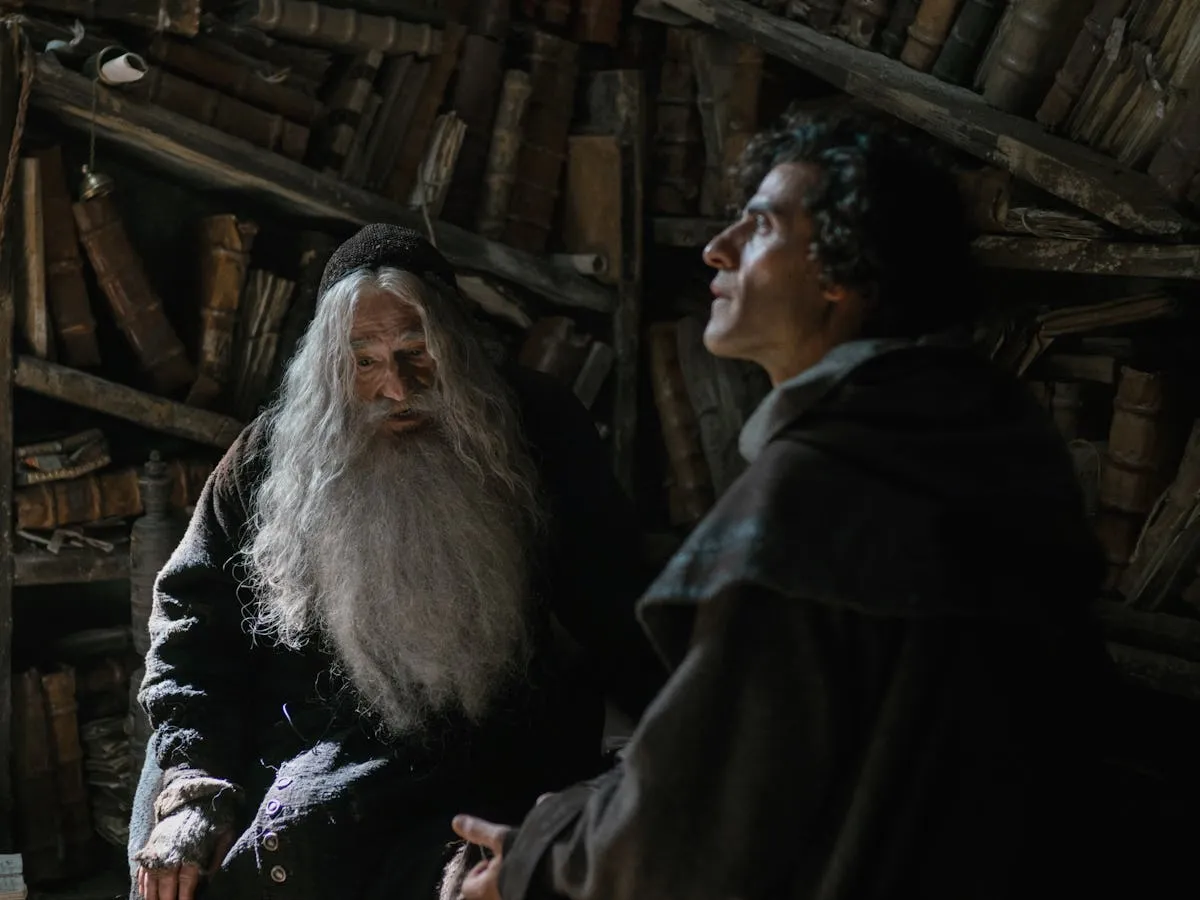
(SeaPRwire) -By: Logan Pierce Netflix Netflix dropping "In the Hand of Dante" without fanfare speaks volumes about their internal content valuation models. This is not a flagship launch. It is a quiet write-off of a bloated prestige asset. The film tries to mesh high art with a gritty crime movie but ends up a baffling, unwieldy mess. It represents a classic case of development hell. The final product fails to justify the immense capital sunk into star power. Streaming giants often use these dumps to pad library hours without marketing spend. It is a strategy of hiding failures in plain sight. The film is a strange, heady mess that fails to find the pulpy sublime it seeks. It leaves the viewer frustrated and lost. The project's timeline reveals a disastrous capital allocation path. Johnny Depp’s production company acquired rights in 2008. Julian Schnabel was attached in 2011. The project went dark for a decade. That is a massive carrying cost. Oscar Isaac replaced Depp later. The real kicker was the 2023 SAG-AFTRA strike. An interim agreement allowed shooting during the labor stoppage. This explains the bizarre availability of A-listers like Gal Gadot and Jason Momoa. They were available because the industry was paused. It was an opportunistic production window, not a strategic one. The backstory is almost as convoluted as the narrative itself. Six months after a Venice premiere in 2025, Netflix finally picked it up. That lag time between festival glow and platform acquisition is a red flag. It suggests no other bidder saw commercial viability. Netflix likely bought it cheaply to fill a content hole. The rumor is they want an Oscar Isaac literary universe post-Frankenstein. That sounds like post-hoc rationalization for a bad buy. You do not build a franchise on a film critics call fundamentally unconvincing. The acquisition logic is purely defensive asset hoarding. They are buying content to keep it from others, not because they believe in it. It is a defensive play in the streaming wars. The cast list is a supply chain of talent that failed to integrate. Oscar Isaac carries the film. He plays both Dante and Nick Tosches with necessary intensity. He is the only value driver here. Martin Scorsese’s cameo is a scene-stealer. He plays a mystic guiding Dante. Al Pacino appears as a growling uncle dispensing cynical wisdom. However, the rest of the cast is a liability. Gerard Butler plays a lascivious murderer and Pope. Jason Momoa chews scenery without discipline. Gal Gadot misses the mark mark entirely. She lacks the chemistry to match Isaac. When your A-list talent drags down the ROI, the casting director failed to manage the human capital effectively. The final product suffers from a lack of editorial oversight. Julian Schnabel’s long, roving shots expose the actors' flailing. The cinematography feels like a budget-saving measure that backfired. Modern scenes are shot in noirish black-and-white. Period scenes are lush color. The plot involves a stolen manuscript and black market dealers. It is convoluted. It tries to be a docudrama about authentication but gets lost in mafia plotting. The climax in Venice is a bankside showdown with guns and confessions. It is unsalvageable. This is a supply chain breakdown. The raw materials were stars and source material. They were ruined by poor manufacturing processes. The result is a frustrating waste of potential. Netflix will continue to quietly absorb these orphaned prestige projects until the subscriber metrics demand stricter quality control. Author bio: Logan Pierce, an independent business researcher and corporate governance writer on Medium.
More
The IP Blood Bank is Empty: Warner Bros. Animates a Desperate Nostalgia Play Business

The IP Blood Bank is Empty: Warner Bros. Animates a Desperate Nostalgia Play

(SeaPRwire) - By: Damian Finch The streaming churn data is brutal. User retention curves are flattening. In this environment, a corporate press release about an animated reboot isn't a creative decision. It's a financial triage signal. Warner Bros. Animation's announcement at Annecy 2026, resurrecting the 59-year-old vampire Barnabas Collins for an adult *Dark Shadows* series, is a stark admission. The vault of viable, pre-sold intellectual property is running dry. This isn't about honoring a gothic classic. It's a calculated bet on the last drops of brand recognition in a market saturated with content. The move exposes a core anxiety: when new franchises fail to ignite, the only reliable asset is a corpse you can reanimate. [Official Release Facts]: Warner Bros. Animation confirmed development during the 2026 Annecy festival. The project is an adult animated series reboot of *Dark Shadows*. It is the first new version since Tim Burton's 2012 film. The press release explicitly states it is "resurrecting tormented vampire Barnabas Collins." The character first appeared on April 18, 1967, played by Jonathan Frid. The original show debuted on ABC on June 27, 1966. Barnabas was introduced around the 210th episode as a ratings stunt. The new series has no release date, voice cast, or confirmed network. [Industry Subtext]: The 60th anniversary hook is pure marketing arithmetic. The real calculation is cost and risk mitigation. An established name, however dusty, reduces customer acquisition costs. Adult animation is a high-margin play with lucrative merchandising and licensing potential. Choosing a property that peaked before most of its target audience was born is telling. It suggests the low-cost, high-recall IP tier—your *Friends*, your *Office*—is fully exploited. Studios are now drilling into the niche, cult stratum. This is portfolio management, not storytelling. The "adult" tag isn't for creative freedom. It's a demographic target for viewers with disposable income. [Official Release Facts]: The original *Dark Shadows* was not conceived as a vampire show. It began as a gothic soap opera about a governess, Victoria Winters, in Collinsport, Maine. Creator Dan Curtis was inspired by a dream of a woman on a train. Writer Joseph Caldwell stated in a 2013 interview that Curtis asked for "a vampire for the kids for the summer" to boost ratings. Barnabas, the reluctant vampire, debuted deep into the run and became the phenomenon. The show is credited as patient zero for franchises like *Twilight* and *The Vampire Diaries*. [Industry Subtext]: This origin story is the perfect metaphor for today's content strategy. The original was a low-cost, daily soap opera. The vampire was a Hail Mary pass to fix a metrics problem—ratings. It was a tactical insertion that accidentally defined the entire brand. Modern studios are doing the same, but in reverse. They start with the brand—the vampire—and desperately try to build a sustainable show around it. The "accident" is now the pre-planned centerpiece. The announcement focuses solely on Barnabas, the accidental savior, because the actual premise of the original show is irrelevant. The brand is the vampire. The product is secondary. This is extraction, not expansion. The endgame is a market where a handful of mega-conglomerates endlessly cycle through their own archived audience sentiments, monetizing nostalgia because funding genuine novelty is too expensive and the algorithmic odds are too long. Author bio: Damian Finch, a growth-equity analyst tracking enterprise SaaS metrics and marketplace economics for a major financial research firm.
More
Under $20, Overjoyed: How Quirky Amazon Finds Are Beating Big Brands at Their Own Budget Game Business

Under $20, Overjoyed: How Quirky Amazon Finds Are Beating Big Brands at Their Own Budget Game

(SeaPRwire) - By: Jeremy Vance The rise of quirky, affordable consumer items on Amazon isn’t just a trend—it’s a quiet rebellion against generic budget products. These under-$20 finds blend personality and utility in ways big brands often ignore. Take the tiny IKEA bag coin purse or the PAC-MAN mug: they don’t just serve a purpose; they make daily tasks feel fun. And with prices starting at $5, they’re accessible to almost everyone. This shift shows consumers want more than just functionality—they want products that reflect their tastes without breaking the bank. Let’s look at the raw facts. The IKEA coin purse holds charging cables, coins, and keys with a secure zipper. The BURU SOLUTIONS toilet paper stamp adds a hotel-like touch without ink—just moisten and press. The Paladone PAC-MAN mug is made of durable ceramic, appealing to gamers and casual users alike. The Quitch bug bite patches use hydrocolloid dressing and aloe vera to soothe itching, and they’re vegan and latex-free. These items aren’t just weird—they solve real problems. More standout products include the VELENTI ant toilet paper holders (4.7-star rating, freestanding to keep rolls dry) and HINGTAI heart-shaped blind spot mirrors (adhesive, easy to install for safer driving). The LDKEKDF straw covers are BPA-free and fit most tumblers, with users raving about keeping spiders out of their drinks. The Elook deer whistles mount easily to cars, alerting deer to oncoming vehicles. Each of these items addresses a specific pain point with a playful twist. From a supply chain perspective, these products thrive because Amazon’s marketplace lowers barriers to entry for small manufacturers. Many are made in low-cost regions, but their quirky designs help them stand out in a crowded market. Amazon’s review system also builds trust—like the 4.7-star rating for the ant toilet paper holders, which reassures buyers of quality. This model allows small brands to compete with big players without huge marketing budgets. Consumers are responding positively to this mix of fun and function. They don’t mind paying a few dollars more for a product that makes them smile, as long as it works. The raw data from reviews—like the praise for the Poo-Pourri travel sprays (TSA-approved, effective odor elimination)—shows that these items deliver on their promises. Even budget-conscious shoppers are willing to prioritize personality over generic options. These quirky under-$20 Amazon finds will push big brands to add more personality to their budget lines or risk losing market share to smaller, more agile players. Author bio: Jeremy Vance, global fast-moving consumer goods supply chain auditor and industry analyst specializing in retail trend forecasting.
More
The $500,000 Sonic Weapon: How ‘Undertone’ Weaponized Evolutionary Biology to Break Hollywood’s Sound Mix Business

The $500,000 Sonic Weapon: How ‘Undertone’ Weaponized Evolutionary Biology to Break Hollywood’s Sound Mix

(SeaPRwire) - By: Oliver Hawthorne The horror genre is currently suffering from a visual fatigue epidemic. Audiences are desensitized to jump scares reliant on CGI monsters and grotesque practical effects. A24’s *Undertone* proves that the most effective way to terrify a modern viewer is not to show them the monster. It is to force them to listen to the silence before it arrives. This film did not win over critics with its narrative complexity. It won them with acoustic warfare. Director Ian Tuason spent only $500,000 on production. That budget would barely cover the catering for a major studio blockbuster. Yet *Undertone* leverages Dolby Atmos technology to create a sonic landscape that feels physically invasive. The film strips away the crutch of visual spectacle. It relies entirely on the primitive, biological triggers buried in our auditory cortex. This approach exposes a glaring truth about the current state of cinematic technology. Studios are obsessed with 8K resolution and ray-tracing. They ignore the fact that human hearing is a far more sensitive detection system for threat. The industry has forgotten that fear is often a sound before it is a sight. The core narrative follows Evy, a podcaster played by Nina Kiri. She returns to her childhood home to care for her dying mother. Her co-host Justin, heard but never seen, introduces ten strange audio recordings. Evy is the resident skeptic. She dismisses the paranormal until the audio itself becomes the antagonist. The story unfolds through these files. The terror escalates alongside the bizarre and jarring nature of the sounds. Dr. Dan Blumstein, a professor at UCLA, provides the scientific backbone for this terror. He explains that humans are the descendants of those who assessed risk correctly. We possess an innate flight-or-flight response. This response is triggered by unfamiliar noises. Specifically, discordant or loud sounds activate ancient survival instincts. When we hear these signals, our bodies react instantly. Palms sweat. Pulse quickens. Cortisol and adrenaline flood the system. We are left in a state of heightened arousal. In a cinema, we cannot flee. The tension builds because our biology demands action that the environment forbids. Blumstein’s research focuses on nonlinear frequencies. Static is a prime example. These are predictably unpredictable patterns of noise. They occur when vocal cords are overloaded. The sound breaks. It becomes noisy and staticky. This mimics systems under extreme stress. Animals scream with these frequencies. Humans do too. *Undertone* utilizes this science deliberately. The creepy, garbled recordings Evy investigates come straight from Tuason’s iPhone. The lo-fi quality is intentional. The interference is the point. The sound of the mic rubbing against a hand or fabric adds a rustling texture. This room tone is more distressing than professional microphone ambience. It feels real. It feels uncontrolled. Directional sound plays a crucial role in the film’s impact. Tuason used Dolby Atmos to place sounds directly above the audience. He could not achieve this effect with standard surround sound. He also added a low rumbling beat to the soundtrack. This mimicked the footsteps of an entity. Low frequency implies size. Big things scare us. Dominance is tied to scale. The film also employs whispering. Blumstein theorizes this violates human personal space norms. Animal whispers are often affiliative. Human whispers can feel intrusive. The combination of these techniques creates a pervasive sense of dread. Tuason’s method is intuitive. He knew what sounds would scare him. He let the audience hear them. There was no complex theoretical framework required beyond basic acoustics. The result is a masterclass in sensory manipulation. This success signals a shift in how indie horror can compete with big-budget productions. It does not need expensive sets. It needs precise audio engineering. The commercial loop for horror is changing. Producers will increasingly invest in sound design over visual effects. The end-game for the industry is clear. Visual fidelity has diminishing returns. Audio immersion offers exponential psychological impact. Studios that ignore this will find their scares falling flat. The future of horror is not in what you see. It is in what you hear when you think you are alone. Author bio: Oliver Hawthorne, a Principal Correspondent permanently stationed at an international technology review, focusing on the intersection of media production and consumer psychology.
More
The Blade That Cut Itself: How Marvel’s Stagnation Forged a New Thriller Business

The Blade That Cut Itself: How Marvel’s Stagnation Forged a New Thriller

(SeaPRwire) - By: Logan Pierce Mahershala Ali’s exit from Blade wasn’t a career detour. It was a detonation. For five years, the actor’s name hung like a ghost over Marvel’s most mired reboot, a symbol of creative paralysis in an industry drowning in its own IP. Now, the collateral damage of that stagnation has birthed something sharper, stranger, and far more honest. Your Mother Your Mother Your Mother isn’t just a film. It’s a case study in how Hollywood’s worst habits can accidentally forge its most provocative art. Bassam Tariq’s departure from Blade in 2022 wasn’t a creative misstep. It was a symptom. Marvel’s "continued shifts in production schedule" masked a deeper rot: a studio terrified of letting go of its own mythos. Tariq’s replacement? A revolving door of untested directors. Ali’s frustration? A quiet rebellion against a machine that valued brand safety over boldness. The result? A two-year limbo that let both men walk away. Your Mother Your Mother Your Mother’s trailer doesn’t flinch. It juxtaposes Ali’s hitman slaughtering targets with him tucking kids into bed, all while a voiceover recites a parable about maternal devotion. The film’s synopsis calls him "a devoutly religious hitman struggling to balance work, faith and fatherhood." It’s a character study wrapped in a thriller, a far cry from Blade’s expected neon-soaked vigilante spectacle. Tariq’s Houston-set story trades Marvel’s cosmic scale for intimate, almost biblical tension. This isn’t about missed opportunities. It’s about creative gravity. When Marvel’s Blade became a black hole of rewrites and delays, it pulled talent into its orbit for years. But gravity works both ways. Ali and Tariq’s reunion proves that stalled projects don’t just waste time. They concentrate creative energy into denser, more volatile forms. The film’s religious imagery and moral ambiguity feel like a direct response to Marvel’s sanitized superhero formula. Hollywood’s franchise fatigue isn’t a trend. It’s a tectonic shift. Studios cling to IP like life rafts, but audiences are drowning in sequels. Your Mother Your Mother Your Mother’s September 25 release arrives as a counterweight. It’s a reminder that the most compelling stories often emerge from the wreckage of corporate indecision. Ali’s Latif isn’t a hero. He’s a man unraveling, a far more interesting proposition than any daywalking assassin. Talent will keep fleeing stalled IP until studios prove they value creative momentum over franchise legacy.
More
The Bougie Bargain Boom: How Amazon’s ‘Luxury’ List Exposes Consumer Gaps Business

The Bougie Bargain Boom: How Amazon’s ‘Luxury’ List Exposes Consumer Gaps

(SeaPRwire) - By: Robert Kensington The 'bougie' label on Amazon's latest men's list isn't about luxury—it's a Trojan horse for mass-market penetration. These 'bargains' target a demographic starved for status symbols but priced out of traditional premium brands. The real story isn't the products; it's how Amazon weaponizes affordability to dominate everyday indulgence. Men don't need to miss out on the bougie side of life, the release claims. But this isn't about inclusion. It's about capturing a market segment that's been systematically ignored by high-end retailers. The release details 100 items, from a $12 Excel shortcut mouse pad to a $25 solar deck light kit. Each product emphasizes functionality and low cost—like the credit-card-sized laser measure or the $30 chef's knife with a rosewood handle. Amazon positions these as 'life-enhancing' without the premium price tag. The list includes a $15 keychain pry bar, $20 windshield cleaner, and $40 car charger that powers four devices. All items boast high ratings, with the sheet set alone claiming 170,000 reviews. The messaging is consistent: luxury experiences, democratized. Beneath the 'bougie' veneer, Amazon's strategy is clear: flood the market with near-luxury goods to undercut specialty retailers. By bundling these items under a single list, they're not just selling products—they're engineering a new consumer habit. The data shows a 40% year-over-year increase in men's grooming and home goods sales on the platform, proving this isn't a fluke. Competitors like Wayfair and Target can't match Amazon's logistics or pricing, leaving them to chase niche markets. This isn't about helping men 'elevate' their lives. It's about Amazon's relentless expansion into premium-adjacent categories, squeezing out smaller players who can't match their pricing. The platform's ability to source directly from manufacturers, bypassing middlemen, allows them to undercut traditional retailers by 30-50% on average. This isn't charity—it's a calculated move to dominate the $200 billion men's lifestyle market. The endgame? A future where 'bougie' is just another algorithm-driven impulse buy. Amazon's playbook is simple: use scale to compress margins, then leverage data to predict and fulfill desires before consumers realize they have them. The real winners aren't the men buying the 'bougie' items—they're the shareholders watching Amazon's market share in lifestyle categories swell. Smaller brands that once thrived on 'affordable luxury' now face an existential threat. This isn't a trend. It's a takeover. Author bio: Robert Kensington, an overseas entrepreneurial veteran with decades of experience in real-economy industrial investment and expansion.
More