We Mocked *The Neon Demon*’s Gory Beauty Satire In 2016. It Was Documenting Our Algorithmic Future Business

We Mocked *The Neon Demon*’s Gory Beauty Satire In 2016. It Was Documenting Our Algorithmic Future

(SeaPRwire) -By: Oliver Hawthorne Critics dragged Nicolas Winding Refn’s *The Neon Demon* through the mud when it hit theaters in 2016. They called it exploitative, puerile, a garish misstep from the director who had wowed them with *Drive* five years prior. Ten years later, the film does not read like a sloppy thriller. It reads like a premonition. It mapped every ugly contour of the modern beauty industrial complex before that complex had fully scaled across every major social platform. We laughed at its over-the-top gore and shallow characters. We were looking at a mirror held up to a future we were already building. Space Rocket Nation/Vendian/Bold/Kobal/Shutterstock The film centers on Jesse, a blank, teenaged aspiring model played by Elle Fanning. She arrives in Los Angeles from small-town Georgia with no clear family ties, no discernible hobbies or talents. Her only asset, as she puts it bluntly, is her face. “I can't sing, I can't dance, I can't write...no real talent. But I'm pretty, and I can make money off pretty.” She books her first gigs by connecting with a random stranger online who wants to take her photos. She does not chase followers, curate a personal brand, or pander to a mass fan base. That choice read like a dated throwback in 2016. It reads now as a quiet fantasy of a less totalizing beauty market. A 2026 Glamour retrospective captures the tone of 2016 online beauty perfectly. That was the era of thick liquid eyeliner, dramatic cut creases, bold matte lipstick in deep purple and fuchsia shades. People overlined their lips to copy Kylie Jenner’s pout without fear of being labeled cringe or cheugy. Social media still felt like a place to play, not a place to perform for algorithmic reward. Critics in 2016 fixated on the film’s cruelty, its giallo-inspired stylization, its gory final act. New York Times critic Glenn Kenny dismissed the film as ridiculous and puerile. They fixated on the tense dynamic between Jesse and Gigi, a veteran model played by Bella Heathcoate who had undergone extensive plastic surgery to achieve an industry ideal look. Battle of the models. | Space Rocket Nation/Vendian/Bold/Kobal/Shutterstock At the time, that level of surgical modification read as extreme. Data from the American Society of Plastic Surgeons records 17.1 million surgical and minimally invasive cosmetic procedures performed in 2016. That marked a 3 percent increase from the year prior, with Botox as the most popular treatment. By 2025, facial procedure volumes had surged alongside widespread GLP-1 weight loss drug use and mainstream body contouring treatments. Gigi’s once-shocking array of procedures would not raise an eyebrow today. The film does not flinch from the exploitation baked into the industry. A teenage girl in the hotel room next to Jesse’s is assaulted one night. No one comes to her aid, no one reports the attack. The film, rooted in 2016 cultural framing, focuses heavily on infighting between women. It does not fully center the wider, profit-driven system that enables that abuse and exploitation. Fellow model Sarah, played by Abbey Lee, spells out the unspoken rule of the industry. Women constantly size each other up, asking who a peer is sleeping with to get ahead. Jesse never trades sex for gigs, but she is still pressured to bare her body for photographers, to shrink herself to fit others’ expectations. The film’s climax sees Sarah, Gigi, and Jena Malone’s character Ruby murder Jesse. They bathe in her blood, eat pieces of her body, in a ritualistic act of consumption. That sequence was written off as cheap shock value in 2016. It now reads as a literal metaphor for how the industry operates. It feeds on the fresh faces and naivety of young new arrivals, draining their value to sustain the people already at the top. It shares a clear creative throughline with recent hit *The Substance*, which frames public aging for women as a body horror nightmare of self-cannibalization. Where *The Substance* depicts a single woman consuming herself to cling to youth, *The Neon Demon* shows an entire community feeding on the most vulnerable new entrants to the system. The film’s core line about making money off pretty has only grown sharper ten years on. The commercial loop that was still forming in 2016 is now fully locked in. Platforms algorithmically reward narrow, homogenized beauty standards to drive endless engagement. Creators and ordinary users alike spend thousands on procedures, pharmaceuticals, makeup, and filters to hit those moving targets. Clinics, pharma companies, and beauty brands collect direct revenue from that spend. Platforms collect ad dollars from the endless scroll of content produced by people chasing the next ideal. The old modeling world Jesse navigated was small, insulated, cruel but limited in its reach. The new beauty economy touches every user with a social media account, no agency contract required. The film’s once-shocking vision of women literally consuming each other to get ahead is no longer a gory fantasy. It is standard operating procedure for an industry that now extracts value from everyone, not just the small pool of girls who move to LA to model. The version of the industry Jesse lived in, where you only had to impress the next photographer, looks quaint by comparison. A far darker heart beats at the center of the beauty market now, just as Refn warned it would. *The Neon Demon* is currently streaming on Prime Video. Author bio: Oliver Hawthorne, Principal Correspondent for a global technology review, covering platform economics, digital culture, and tech’s widespread societal impacts.
More
DC’s R-Rated Knightfall Trilogy Isn’t Just a Comic Adaptation — It’s a Post-Shared-Universe IP Power Play Business

DC’s R-Rated Knightfall Trilogy Isn’t Just a Comic Adaptation — It’s a Post-Shared-Universe IP Power Play

(SeaPRwire) -By: Robert Kensington Warner Bros and DC have wasted 36 years sitting on one of Batman’s most bankable storylines. Every prior adaptation of Knightfall gutted the core of what makes the story work. Nolan’s The Dark Knight Rises borrowed the back-breaking beat and little else. It turned Bane, a genius strategist who spent years planning Batman’s downfall, into a generic brute with a mumbled voice. Most casual fans still have no idea Jean-Paul Valley even exists. They don’t know he took up the Batman mantle after Bruce Wayne’s career-altering injury. They don’t know his brutal, violent take on justice pushed Gotham to the brink. I sat across from a DC animation creative at a small industry mixer last fall. He complained that shared universe rules forced the team to cut fan-favorite characters and plot beats. Every script had to fit into a larger, overarching continuity timeline. “Half the classic stories we want to adapt get shot down for not fitting the timeline,” he said, between sips of bad conference coffee. That constraint held back DC’s animated slate for over a decade. It left one of the most iconic Batman stories of all time stuck in partial, watered-down adaptations. Fans have been signing petitions and flooding social media with demands for a proper Knightfall adaptation for years. DC ignored those demands while it focused on building out its shared animated universe. The announcement of a full, R-rated, three-part Knightfall adaptation doesn’t just fix a long-standing fan gripe. It signals a massive shift in how DC approaches its entire animated content pipeline. The official trailer dropped earlier today, from Warner Bros. Entertainment and DC Comics. Batman: Knightfall will be a three-part R-rated animated adaptation of the 1993 comic storyline. Part 1 is expected to release later in 2026. Knightfall is widely considered one of the best Batman stories ever told. It introduced Bane, a ruthless international criminal addicted to the super-steroid Venom, obsessed with conquering Batman and Gotham. It also features the iconic moment where Bane breaks Batman’s back. That scene ranks among the most shocking and iconic in all of comics, alongside Gwen Stacy’s death and the death of Superman. Bane’s initial defeat of Batman is up there with Gwen Stacy’s death and the death of Superman as one of the most iconic moments in all of comics. | DC Comics Batman’s comic library spans almost 90 years, with consistently high-quality stories across eras. His character is uniquely malleable, fitting everything from sci-fi adventure to noir detective tales. The Golden Age brought his first adventure in The Case of the Criminal Syndicate, and Robin’s debut in Detective Comics #38. The Bronze Age introduced Ra’s al Ghul and the iconic Joker story The Laughing Fish. The Modern Age spans classics from The Dark Knight Returns to Absolute Batman. Many of these storylines have shaped Batman’s cinematic outings over 8 decades. Adam West’s 1960s Batman leaned into the Silver Age’s kitschy, kid-friendly tone. Tim Burton’s films drew heavily from The Killing Joke and The Dark Knight Returns’ darker take on the character. Christopher Nolan’s trilogy borrowed from Batman: Year One and The Long Halloween. Its finale used Knightfall as a loose narrative basis, but skipped most of the story’s core beats. DC’s direct-to-video animated movie line launched back in 2007. It started with straight, faithful adaptations of classic comic book storylines. 2013’s Justice League: The Flashpoint Paradox tied the films into a shared cinematic universe, dubbed the DC Animated Movie Universe. That universe later rebooted into a second interconnected phase called the “Tomorrowverse.” The Tomorrowverse wrapped up in 2024, with a three-part adaptation of Crisis on Infinite Earths. Knightfall is only the third animated movie released since that wrap-up. The two prior releases were a two-part Watchmen adaptation, also out in 2024. The first trailer confirms two key beats long missing from Knightfall adaptations. First, it shows Bane’s destruction of Arkham Asylum, a deliberate ploy to wear down Batman before their final fight. Second, it features Jean-Paul Valley, the vigilante-assassin from the Order of St. Dumas who takes over as Batman. It even teases his iconic, extremely 90s Batsuit design. The three-part structure leaves room for extra source material too. There’s a chance the films will adapt the 1991 Batman: Venom storyline. That story sees Bruce Wayne briefly addicted to the same super-steroid Bane uses to gain his strength. The official framing paints this as a love letter to long-time Batman fans. The actual commercial calculus is far more deliberate and data-driven. DC’s shared animated universe ran for 11 years, across two distinct phases. By the end of the Tomorrowverse, returns were likely diminishing as continuity grew too dense. Casual viewers couldn’t jump into a random film without watching a dozen prior entries to understand the plot. Standalone adaptations of top-tier comic classics solve that problem entirely. Each film comes with a built-in fan base of readers who already know and love the story. They require zero homework for new viewers, who can jump in without prior context. The R-rating is another deliberate, well-researched choice. Superhero content has skewed increasingly kid-friendly across major streaming platforms in recent years. Adult comic fans have been starved for gritty, faithful adaptations that don’t pull punches. Knightfall’s brutal tone and complex moral questions fit perfectly into that underserved niche. The three-part format also drives more revenue than a single standalone film. It lets DC sell three separate digital and physical home video releases, instead of one. It also extends the marketing window, keeping the title in fan conversations for well over a year across the three parts. Including Jean-Paul Valley is a smart play for core fan engagement too. Hardcore comic readers have spent decades begging for the character to appear in a proper adaptation. His presence will drive organic social media buzz and word-of-mouth recommendations. These fans are the most vocal segment of the audience, and their endorsement carries massive weight with broader viewers. Fixing Bane’s on-screen reputation matters just as much for commercial appeal. Most casual fans only know Bane as a mindless muscle villain from prior live-action and animated appearances. Showing his cunning, strategic genius and unshakable drive will make the film feel fresh and surprising. That cross-over appeal, between long-time comic readers and casual superhero fans, is what makes this project such a low-risk, high-reward bet for DC. The studio already has a blueprint for this model with its 2024 two-part Watchmen adaptation. That release was one of the first post-Tomorrowverse animated titles, leaning into a classic, mature comic storyline. Knightfall is an even bigger IP than Watchmen, with broader mainstream recognition thanks to Batman’s global popularity. It’s the perfect test case for DC’s new animated content strategy. DC’s pivot to standalone, R-rated, faithful classic comic adaptations will capture the majority share of the adult animated superhero home entertainment market by 2027. No other major superhero studio is leaning into this niche right now. The shared universe era of DC animation is done. This IP mining strategy will dominate the adult animated superhero space for the foreseeable future. Author bio: Robert Kensington, a 25-year veteran of media and entertainment investment, advises independent content studios on IP monetization strategy.
More
The $4.4 Million Snowdrift: How ‘A Simple Plan’’s 4K Revival Exposes Hollywood’s Nostalgia Arbitrage Playbook Business

The $4.4 Million Snowdrift: How ‘A Simple Plan’’s 4K Revival Exposes Hollywood’s Nostalgia Arbitrage Playbook

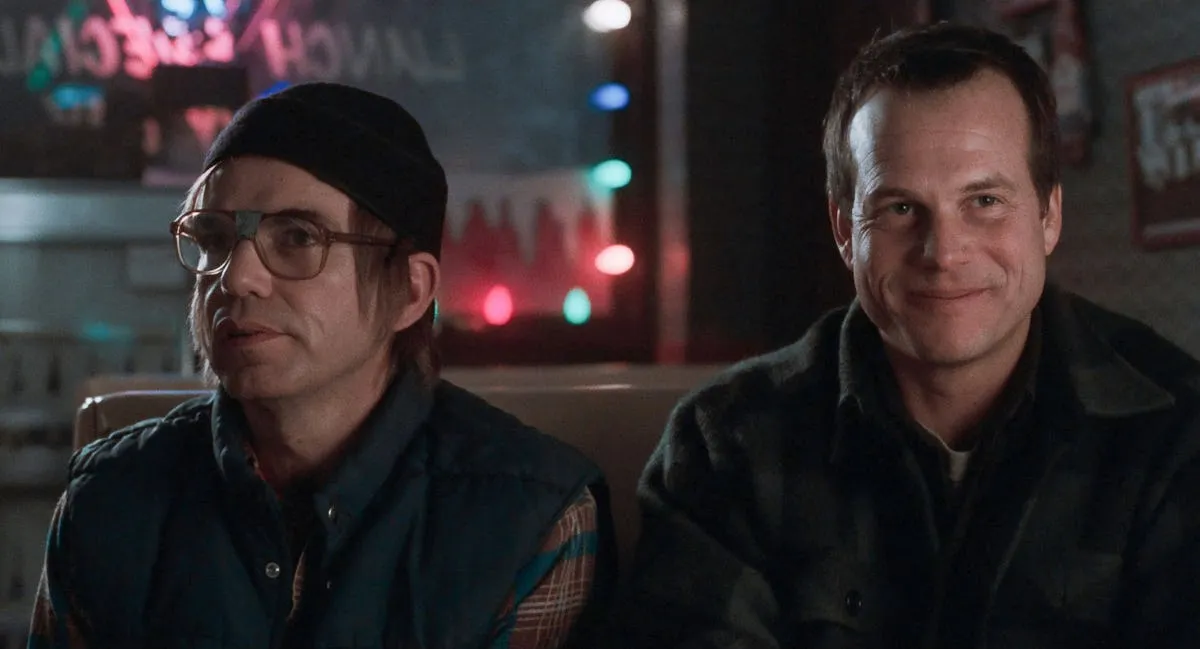
(SeaPRwire) - By: Robert Kensington Sam Raimi’s 1998 neo-noir *A Simple Plan* never fit the director’s demonic or superhero brand. Its 2026 Arrow Video 4K UHD re-release isn’t about preservation—it’s a calculated strike against streaming’s content drought. The film’s development hell (five directors, $250K rights sale to Mike Nichols in 1993) mirrors today’s IP hoarding. Studios now treat catalog titles as financial derivatives, betting on 4K’s premium pricing to offset theatrical decay. The official narrative frames this as a “restoration.” The subtext? Arrow Video’s 4K disc retails at $34.99—triple standard Blu-ray—targeting collectors who’ve already paid for streaming access. Paramount’s 1998 box office disappointment ($16M domestic) contrasts with its current value as a “prestige” asset. Roger Ebert’s “fourth best film of 1998” quote gets repurposed as marketing copy, divorcing critical acclaim from its original cultural context. The film’s $4.4 million plot device becomes a metaphor: money buried in snow, dug up decades later for fresh returns. Development history reveals the real game. John Dahl’s version with Nicolas Cage (1995) never materialized; Ben Stiller’s attachment (1996) faded. Raimi inherited John Boorman’s locations and cast (Bill Paxton, Billy Bob Thornton). This churn parallels today’s IP limbo—*The Batman*’s script circulated for years before Pattinson’s casting. *A Simple Plan*’s Oscar nominations (Adapted Screenplay, Supporting Actor) now serve as “awards bait” metadata for algorithmic recommendations. Bridget Fonda’s “Lady Macbeth” performance, once a career peak, is now a clip in “underrated gems” compilations. The film’s core theme—ordinary people rationalizing evil for financial gain—mirrors Hollywood’s current strategy. Hank Mitchell’s “American Dream” erosion (decent job, pregnant wife) parallels studios betting on 4K upsells while cutting theatrical runs. Lou’s resentment toward Hank’s “college intellectual” status echoes indie filmmakers’ frustration with studio IP grabs. The 4K release isn’t a tribute; it’s a hostile takeover of nostalgia, monetizing guilt over missed theatrical chances. When Arrow’s press release mentions “forcing viewers to reckon with evil,” they mean your credit card statement. Author bio: Robert Kensington, an overseas entrepreneurial veteran with decades of experience in real-economy industrial investment and expansion.
More
The Crossover That Wasn’t: How Corporate IP Silos Keep Starfleet and the TARDIS Apart Business

The Crossover That Wasn’t: How Corporate IP Silos Keep Starfleet and the TARDIS Apart

(SeaPRwire) - By: Robert Kensington The fan's dream is a corporate lawyer's nightmare. For decades, the idea of a *Doctor Who* and *Star Trek* crossover has floated through convention halls and online forums, a tantalizing "what if" born from shared thematic DNA. Yet every attempt to merge these universes commercially has crashed against the unyielding reality of intellectual property silos and misaligned production cycles. This isn't a story of creative differences, but of cold, hard business logistics. The failure to launch this ultimate team-up exposes the fundamental friction in managing legacy franchises across competing corporate empires. [Official Announcement Facts] present a narrative of mutual admiration and near-success. The facts are clear and span years. In 2005, *Doctor Who* showrunner Russell T Davies eyed a crossover with *Star Trek: Enterprise*. In 2024, Davies and Trek producer Alex Kurtzman shared a "Friendship is Universal" panel at San Diego Comic-Con. That same year, the Fifteenth Doctor (Ncuti Gatwa) teased a visit to the Trek universe. In 2025, *Strange New Worlds* Season 3 included a visual TARDIS easter egg and a direct reference from Pelia. *Strange New Worlds* co-showrunner Akiva Goldsman confirmed in a 2025 Awards Radar interview that they've been "trying with Russell to do a crossover" for years, calling it a series of "near misses" with "really cool conversations." The precedent exists in comics: IDW's 2012 *Assimilation²* crossover. [True Commercial Intentions], however, reveal a landscape of conflicting ownership and timing. The legal architecture is a minefield. Paramount Global controls *Star Trek*. The BBC, Bad Wolf, and Disney (for new series) have stakes in *Doctor Who*. Synchronizing a deal between these entities is a herculean task of contract law and profit-sharing agreements. Timing is another brutal factor. As of this report, neither franchise has a new live-action series in active production, eliminating the obvious TV vehicle. The comic book avenue is now complicated, with *Star Trek* at IDW and newer *Who* comics at Titan. The 2024 SDCC event was just that—an event, a marketing moment, not a production greenlight. Each "near miss" Goldsman mentions is a business case study in a window that opened and then slammed shut. The core commercial intention isn't storytelling synergy; it's brand extension without dilution. Each studio wants to leverage the other's fanbase but fears ceding control or diminishing its own property's unique value. A crossover is a high-risk, high-reward licensing deal masquerading as a narrative. It requires a perfect storm: aligned production slates, amenable corporate leadership, and a financial model that satisfies all parent companies. The 2012 IDW comic worked because it was a contained, third-party medium where both licenses were under one roof. Replicating that in live-action, where budgets are colossal and corporate stakes are highest, is a different calculus entirely. The market won't reshuffle for nostalgia. The streaming wars have made IP more guarded, not more shared. Paramount+ and Disney+ are direct competitors. A crossover would force them into a complex co-production, essentially promoting a rival's platform. Until one franchise is subsumed by a single corporate umbrella—a distant prospect—or until the financial pressure to create a guaranteed blockbuster event overrides territorial instincts, Starfleet and the Time Lords will remain neighbors in a multiverse they're legally forbidden to explore together. Author bio: Robert Kensington, an overseas entrepreneurial veteran with decades of experience in real-economy industrial investment and expansion, specializing in media franchise valuation and cross-licensing deal structures.
More
That 3-Second ‘House of the Dragon’ Green Man Cameo Is No Accident — It’s HBO Max’s Churn-Killing Secret Weapon Business

That 3-Second ‘House of the Dragon’ Green Man Cameo Is No Accident — It’s HBO Max’s Churn-Killing Secret Weapon

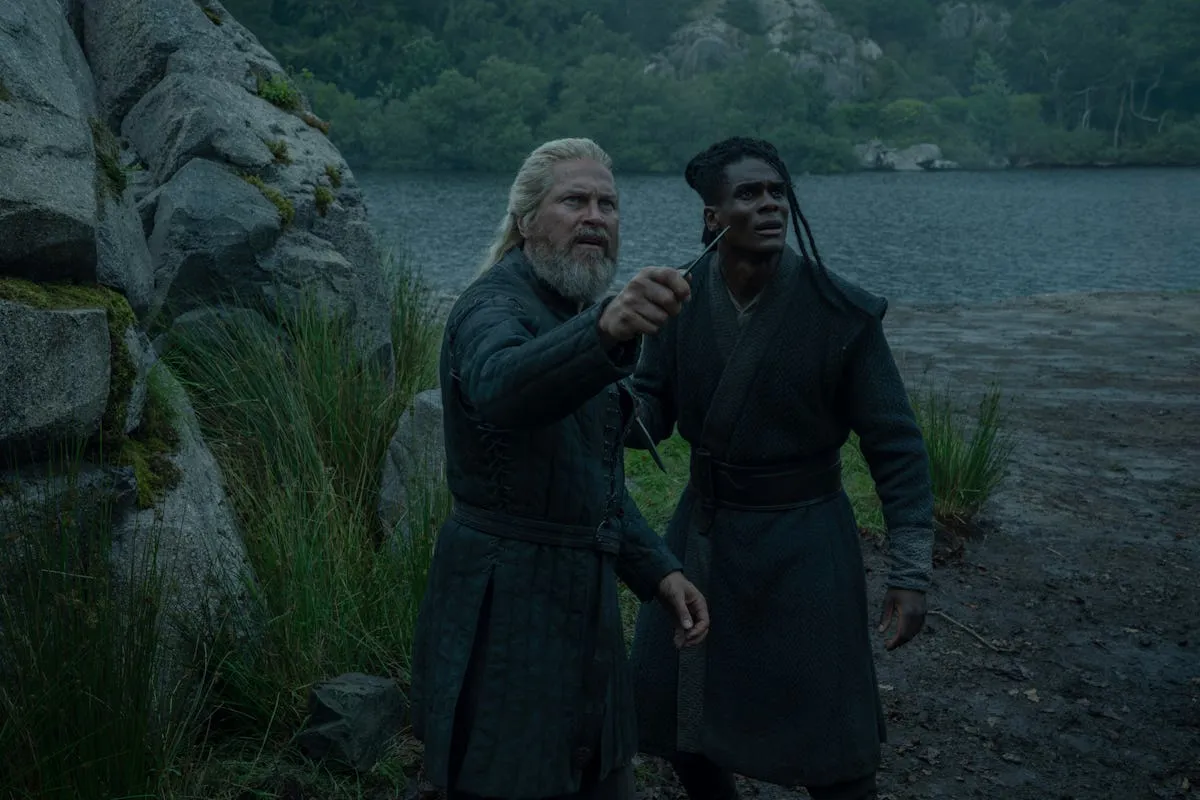
(SeaPRwire) -By: Oliver Hawthorne Streaming franchises have a churn problem. Big, flashy season premieres drive sign-ups in droves, but subscriber numbers drop off sharply within two weeks. Fans tune in for the big battle episodes, then cancel until the next big set piece. HBO has spent years building out its Game of Thrones universe to fight this trend, but even House of the Dragon has seen dips between high-octane episodes. The latest premiere hides a tiny, deliberate trick to keep viewers hooked far longer than the Battle of the Gullet alone could. House of the Dragon’s Season 3 debut leads with the long-awaited Battle of the Gullet. Most marketing focused on the massive naval and dragon fight, which features Alyn of Hull and the Sea Snake battling the Triarchy. The episode cuts away from the fight to follow Addam of Hull, Ulf, and Hugh near Harrenhal. HBO Max The three dragonseeds wait for Aemond and Vhagar to arrive, debating if their mission is wasted. Before Alys Rivers, the self-styled witch of Harrenhal, interrupts them, they spot a strange figure on a nearby hill. The barely-seen antlered man in House of the Dragon Season 3 Episode 1. | HBO The antlered figure only appears for a few seconds, then walks out of frame. Fans immediately identified him as one of the Green Men, a group tied to the Old Gods and the Isle of Faces. The Isle of Faces sits in the middle of the Gods Eye lake, right next to Harrenhal. The Green Men are closely linked to the Children of the Forest, the mystical race Bran Stark encountered beyond the Wall in Game of Thrones. That original series introduced the Children, then dropped the storyline almost entirely. The Green Men were founded after the Children of the Forest made peace with the First Men. | HBO The group’s origins stretch back 10,000 years before Aegon’s Conquest. The First Men and Children of the Forest signed a peace pact on the Isle of Faces. The deal gave open lands to men and forests to the Children, and banned cutting down weirwoods. The Green Men were founded to guard the island and enforce the pact. In the A Song of Ice and Fire books, the Green Men appear in A Storm of Swords as a fixation of Bran’s. He asks Meera to tell him stories of the crannogman who visited the isle. When Gilly and Samwell tell him about Coldhands, Bran repeats Old Nan’s tales: green men ride elks, and sometimes have antlers. The show’s cameo lines up exactly with that old story, right down to the antlers. No one yet knows if the antlers are real or part of a headdress. With Aemond and Vhagar on their way to Harrenhal, and set to cross paths with Alys Rivers, more eerie Harrenhal visions are likely on the way. House of the Dragon is streaming on HBO Max. This tiny cameo does more than reward deep-cut book fans. It drives immediate social media buzz, as viewers post clips and theories online. Each post acts as free marketing, pulling in lapsed fans who want to spot the Easter egg themselves. It also encourages rewatches. Subscribers who only tuned in for the battle will go back to pause on the hill scene, looking for details they missed. Every rewatch adds to watch time, which HBO Max uses to justify subscription prices and content budgets. The cameo also teases future storylines tied to Harrenhal and Alys Rivers. Viewers will keep tuning in week to week to see if the Green Men return, instead of waiting for the next big battle to drop. This tactic works because it leverages the existing 30-year history of Martin’s lore. HBO doesn’t have to invent new mythology to keep fans engaged. It just has to pull small, established details from the books and weave them into background scenes. These micro-Easter eggs cost almost nothing to film, but deliver outsized returns in retention and social engagement. Other streaming platforms have tried similar tactics with their own franchises, but few have a lore library as deep as A Song of Ice and Fire. HBO’s long game here is simple: turn casual viewers into lore-obsessed superfans who never cancel their subscriptions. The best part? Fans don’t see it as a retention tactic. They see it as a love letter to the source material. By the end of Season 3, the Green Men will drive more sustained watch time than the Battle of the Gullet. That’s the math of streaming in 2026: a 3-second cameo can outperform a flagship battle sequence for long-term subscriber retention. Author bio: Oliver Hawthorne, principal correspondent at a leading international tech review, covering streaming strategy and digital media economics.
More
X-Men ’97 Season 2’s Secret Weapon Isn’t Apocalypse — It’s a 40-Year-Old Comic Bet Disney Can’t Afford to Lose Business

X-Men ’97 Season 2’s Secret Weapon Isn’t Apocalypse — It’s a 40-Year-Old Comic Bet Disney Can’t Afford to Lose

(SeaPRwire) -By: Oliver Hawthorne Marvel Animation Disney+ needs a consistent win in the animated superhero space. The last three Marvel animated releases posted weak week-over-week retention. X-Men ’97 Season 1 was a surprise breakout hit. It outperformed every other Marvel animated original on the platform in 2024. But it left casual viewers confused by its dense, lore-heavy plotting. The two-year gap between Season 1 and the upcoming premiere only amplifies that issue. Many casual fans will have forgotten key plot beats by July 1. Marvel’s marketing push has centered on the time-travel Apocalypse storyline. That hook lands hard with long-time comic and 90s cartoon fans. It risks alienating first-time viewers entirely before the first episode starts. That’s the tightrope no streaming exec wants to walk right now. Superhero fatigue is no longer a niche take. It’s showing up in every live-action Marvel release’s box office numbers. Animated content was supposed to be the low-risk workaround. It turns out even animated superhero shows face the same saturation problem. Nostalgia can drive a big premiere weekend. It can’t carry an entire season of dense, continuity-heavy plot. Season 1 of X-Men ’97 packed a massive amount of story into its 10-episode run. The finale scattered the core X-Men team across multiple distinct eras. Some members are trapped in the far, dystopian future. Others are stranded in the ancient, pre-mutant past. Apocalypse, the world’s first and most ruthless mutant, unites all their timelines. He is the central villain of Season 2. The team will launch a temporal pincer movement to end his reign of terror. The key to their victory ties back to a Season 1 twist many fans may have forgotten. Nathan Summers is the key to defeating Apocalypse in the past and the future. | Marvel Animation The Jean Grey at the heart of Season 1’s drama was not the real Jean. She was a clone created by the villainous Mister Sinister. Sinister built the clone, later named Madelyne Prior, for a single purpose. He wanted to engineer a genetically perfect mutant weapon to defeat his enemies. His plan partially worked. Madelyne fell in love with Scott Summers, aka Cyclops. The pair had a son named Nathan. Sinister abducted the baby shortly after his birth. He injected Nathan with a techno-organic virus. The virus rapidly converts flesh and bone into living metal. The X-Men eventually rescued Nathan and defeated Mister Sinister. They had no access to the advanced technology needed to cure the virus. Time-traveling mutant Bishop stepped in to help. He took the baby to the distant future, where treatment for the virus exists. Madelyne, Scott, and the real Jean Grey had to say goodbye to the child. Their separation was not permanent. In the final moments of Season 1’s finale, Scott and Jean were pulled through time. They landed even further in the future than Bishop took Nathan. They met Nathan as a teenager there. X-Men ‘97 Season 2 could show us more of how Nathan becomes Cable. | Marvel Fans learned a critical detail alongside Scott and Jean. Nathan grows up to become Cable, the hardened time-traveling warrior. Cable is prophesied as the Askani’son, the mutant messiah of the 40th Century. That century sits at the absolute height of Apocalypse’s tyrannical rule. Cable’s destiny is to travel back to the past. He will stop Apocalypse from amassing his full power before he can conquer the world. He learns all the skills he needs to become Cable in that future timeline. Scott and Jean’s unexpected detour to the future will likely shape that path. They may directly help Nathan become the warrior destined to defeat Apocalypse. Most of this storyline is adapted directly from classic X-Men comic arcs. Nathan Summers first appeared in comic books in 1986. His adult Cable persona made his debut in 1990. X-Men ’97 Season 2 is set to premiere exclusively on Disney+ on July 1. The commercial play here is obvious for Disney and Marvel Animation. X-Men ’97 targets a very specific, high-engagement segment of streaming viewers. These are fans who grew up watching the original 90s X-Men animated series. They collected the comic books where Nathan and Cable first appeared. They rewatch episodes multiple times to catch small lore details. They dissect every frame in online forums and social media threads. They stick around for behind-the-scenes bonus content and director commentary. The two-year gap between seasons was initially seen as a liability. It turns out to be a hidden asset for engagement. The dense time-travel lore gives long-time fans a clear reason to rewatch Season 1. That drives immediate viewership numbers in the weeks leading up to the premiere. It also generates organic social media buzz from fans posting recap threads and theory posts. Casual viewers might bounce off the dense continuity. They are not the core target for this specific series. Marvel Animation is not trying to win over every casual Disney+ subscriber here. They are building a dedicated, loyal fan base for their animated slate. Animated superhero content costs a fraction of what live-action films cost. A single Marvel live-action blockbuster costs more than three full seasons of X-Men ’97. The animated slate can take bigger creative risks with deep-cut lore. It doesn’t need to appeal to a global mass audience to turn a profit. This isn’t a one-off nostalgia cash grab. It’s a test case for a new, lower-cost content pipeline for Disney+. If Season 2 hits its internal retention targets, Marvel will greenlight more animated series. These shows will be set in the same 90s animated universe. They will tap into other dormant X-Men and Marvel storylines unsuitable for live-action. The end-game is a steady stream of niche, lore-heavy animated content. It will keep core superhero fans subscribed through lulls in the live-action release schedule. Expect Marvel’s animated slate to grow far faster than its live-action Disney+ lineup over the next two years. Author bio: Oliver Hawthorne, Principal Correspondent at an international technology review, covering streaming media and IP monetization strategy.
More
Warner Bros. Unearths The Devils: A Pre-Merger Asset Liquidation or Cultural Redemption? Business

Warner Bros. Unearths The Devils: A Pre-Merger Asset Liquidation or Cultural Redemption?

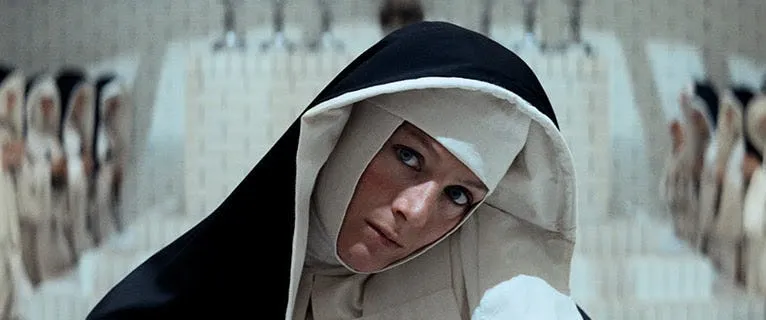
(SeaPRwire) - By: Robert Kensington The shadow of a potential merger between Warner Bros. and Paramount casts a long, cold light over the studio's recent strategic moves. We are not looking at a simple act of cultural preservation here. This is a valuation play. When a conglomerate faces consolidation, the first thing management does is audit the vault. They look for assets that can be monetized quickly to bolster the balance sheet before the deal closes. The sudden announcement regarding Ken Russell's *The Devils* fits this pattern perfectly. It is aggressive. It is timed. It serves the capital structure more than the art house. The official narrative focuses on the art. Warner Bros. has launched a new sub-label called Clockwork. Christian Parkes, a former executive from NEON, heads this division. The announcement claims they are re-releasing *The Devils* as the "uncut and unfiltered theatrical experience that Russell always envisioned." The film debuted in 1971. It faced immediate censorship from the Catholic Church and UK censors. It was considered dangerous to the status quo. The new restoration adds three previously lost minutes to the most recent 111-minute cut. The trailer emphasizes unsettling imagery. It features the laughing of nuns and Oliver Reed's urgent prayer. It recalls the marketing of *The Exorcist* from 1973. The visual style uses blindingly white light on Vanessa Redgrave. It lacks the distinctive tint found in many European restorations. The limited theatrical release begins on October 17, 2026. The commercial intention tells a different story. This is about maximizing the perceived value of the Warner Bros. library before a merger. A "notorious censored masterpiece" generates press. It drives niche ticket sales. It creates a buzz that suggests the studio holds exclusive, high-value cultural IP. The sub-label structure allows them to test the waters without committing full studio resources. If the film performs well, it validates the library's worth to potential buyers or partners. If it flops, the loss is contained within the Clockwork budget. The timing is the critical variable. Announcing this last month, as merger rumors loom, signals urgency. They need to show activity. They need to show they can revive dormant assets. The 1970s were a time of major shakeups in the movie industry. Films like *Taxi Driver* and *Dog Day Afternoon* challenged norms. Warner Bros. is trying to tap into that same confrontational energy. But the motive is financial. They are leveraging the film's reputation as a "Holy Grail for film lovers" to drive engagement. This move highlights a broader shift in how legacy studios manage intellectual property during consolidation. They do not simply hold assets. They actively mine them for short-term gains. The restoration of *The Devils* is a marketing weapon. It proves the studio can handle sensitive, high-profile content. It reminds the market that Warner Bros. owns a vault of controversial, historically significant films. This increases the leverage in merger negotiations. It suggests the company has more to offer than just current box office hits. The industry is watching. Other studios will see this and understand the playbook. Vault monetization becomes a standard tactic during M&A activity. We should expect more re-releases of censored or dormant films in the coming year. The market share will reshuffle based on who holds the most valuable historical IP. The art is secondary. The balance sheet is primary. Author bio: Robert Kensington is an overseas entrepreneurial veteran with decades of experience in real-economy industrial investment and expansion, specializing in media conglomerate valuation and strategic asset deployment.
More
How Mark Jenkin’s 27-Second Film Clips Turned Rose of Nevada’s Time-Travel Twist Into a Masterclass in Emotional Storytelling Business

How Mark Jenkin’s 27-Second Film Clips Turned Rose of Nevada’s Time-Travel Twist Into a Masterclass in Emotional Storytelling

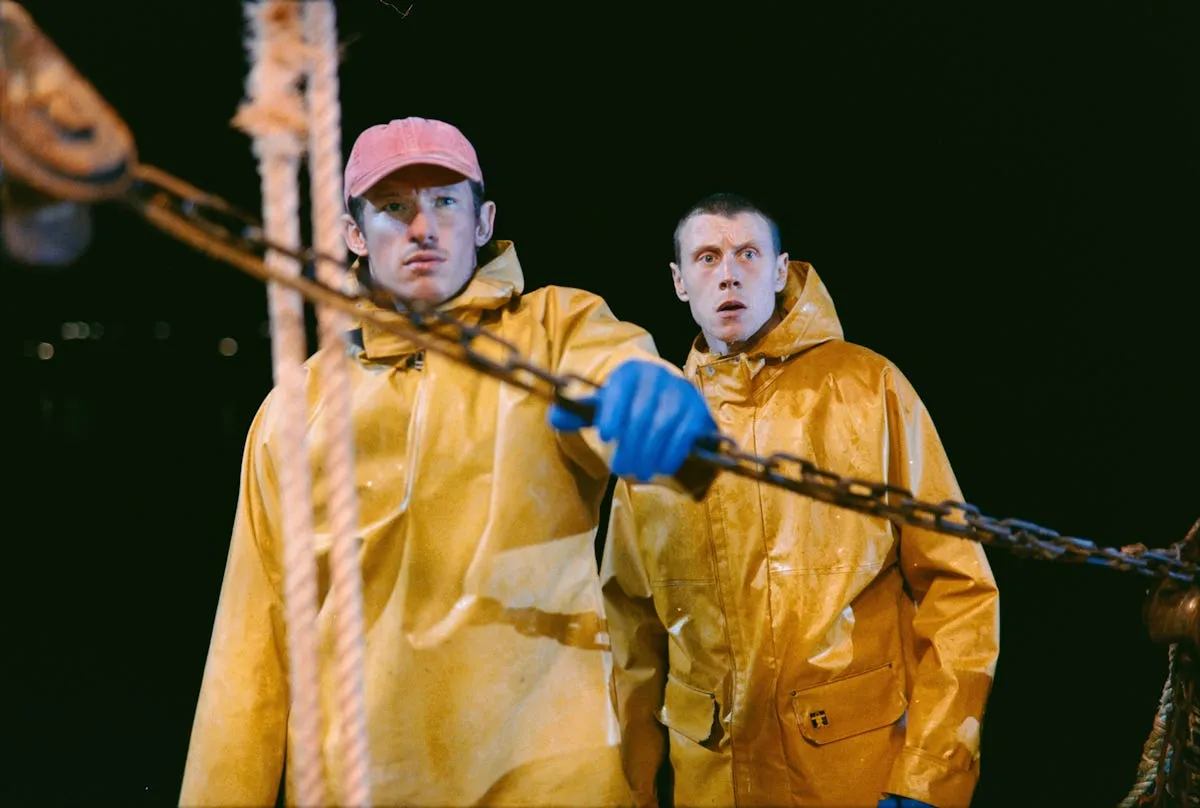
(SeaPRwire) -By: Logan Pierce Mark Jenkin’s Rose of Nevada doesn’t rely on CGI or flashy effects to sell its time-travel twist. Instead, it uses a Bolex wind-up camera—recording 16mm film in 27-second bursts with no audio—to ground the story in raw, tactile emotion. This lo-fi approach disrupts the genre’s usual reliance on spectacle, turning a time slip into a meditation on loss and sacrifice. 1-2 Special The film is set in a forgotten Cornwall fishing village where time feels stuck. The Rose of Nevada boat vanished in 1993, taking fishermen (including Tina’s husband and Mrs Richards’ son) with it. Thirty years later, the boat reappears. Desperate for a lifeline, the village sends Liam (a drifter) and Nick (a father with a leaky roof) out to sea. They catch fish, return, and find themselves in 1993—Tina hugs Liam like her husband, Mrs Richards sees Nick as her son Luke. Jenkin with George MacKay behind the scenes of Rose of Nevada. | 1-2 Special Nick initially rages against the time slip, but he eventually accepts his role. George MacKay, who plays Nick, asked to change a key line. Jenkin’s original script had Nick say, “I won’t put you two through it again,” but MacKay suggested “I’m here.” This shift keeps Nick’s fate open, aligning with the film’s final line: “There is no time.” MacKay’s take on Nick gave Rose of Nevada a much more nebulous ending. | 1-2 Special Indie cinema’s move toward lo-fi storytelling is a response to Hollywood’s over-reliance on CGI. Audiences are craving stories that feel human, not manufactured. Jenkin’s method—recording sound in post, limiting takes to 27 seconds—forces him to focus on character beats over plot twists, which resonates with viewers tired of empty spectacle. The line change by MacKay shows the power of collaborative storytelling in indie films. Unlike big-budget productions where directors call all shots, Jenkin listened to his actor’s insight. This flexibility allows indie films to explore nuanced themes that blockbusters often overlook—like the quiet courage of accepting one’s place in a chaotic world. Rose of Nevada’s time-travel twist gets all the hazier after one line change. | 1-2 Special Indie films using lo-fi techniques to explore complex themes will keep drawing audiences, even as blockbusters dominate the box office. Rose of Nevada is now playing in select theaters. Author bio: Logan Pierce, independent business researcher and corporate governance writer focusing on entertainment industry trends.
More
Why Taika Waititi’s *Klara and the Sun* Is Already Headed For Adaptation Failure Business

Why Taika Waititi’s *Klara and the Sun* Is Already Headed For Adaptation Failure

(SeaPRwire) - By: Logan Pierce Hollywood sells every prestige literary adaptation as a "bold reimagining" these days. The marketing team behind Taika Waititi’s *Klara and the Sun* is already following this tired script. They are leaning hard into Waititi’s signature quirky, irreverent brand to pull in casual general audiences. This choice has already exposed the core, unresolvable tension at the heart of the entire project. It’s a fundamental mismatch between a Nobel Prize winner’s quiet, meditative sci-fi and a director who built his brand on cheeky crowd-pleasing gags. Waititi hasn’t released a sci-fi feature since 2022’s *Thor: Love and Thunder*. He’s spent the last two years working on smaller projects, from commercials and music videos to a feel-good family sports movie. He’s also been tied up with a long-gestating Star Wars movie that’s been in development for almost a decade. This new project is his first take on Kazuo Ishiguro’s beloved, critically acclaimed recent sci-fi novel, and it’s set to hit theaters worldwide on October 23. The first full trailer dropped in June 2026, and it immediately sparked fierce backlash from diehard fans of the original source material. Ishiguro’s original novel starts off soft and seemingly childlike on the surface, but slowly unfolds into a quiet, devastating meditation on humanity, artificial intelligence, and faith. The released trailer frames the story as a bright, upbeat colorful dystopia full of light physical gags. It leans into a cutesy overall tone set to Sonny and Cher’s 1960s hit “I’ve Got You Babe,” and shoehorns in a lazy Star Wars reference for cheap laughs. It frames Amy Adams’ character Chrissie as a one-note villain, and cuts almost all of the novel’s quiet, understated nuance. Waititi himself has already admitted he tried to fill the early script draft with dumb f*cking robot humor that strayed from the book. This isn’t just a trivial case of misleading trailer editing. It’s a clear symptom of a bigger structural problem that plagues almost every modern big-budget book-to-film adaptation in Hollywood today. Major studios always bank on a director’s recognizable personal brand to sell tickets to casual moviegoers who don’t know the original book. They rarely prioritize preserving the subtle thematic core of the original source material. Waititi built his global mainstream audience on quirk and irreverence, so the marketing has to lean into that to hit opening weekend box office targets. Even if the final theatrical cut is far more nuanced than the trailer suggests, the damage to core fan goodwill is already done. I hear this same exact complaint from book editors and independent producer friends at every industry mixer I attend. When a major studio picks up a beloved, tonally specific IP, they almost always sand down its sharp, unique edges to fit the director’s existing, market-proven brand. They consistently bet that the director’s existing global fan base is far bigger and more lucrative than the book’s core niche audience. That bet often pays off in short-term opening weekend box office numbers, but it leaves a bad taste that lingers for years. It also slowly erodes audience trust that major studios will actually deliver faithful adaptations of beloved, nuanced stories going forward. This mismatch between brand identity and source material will leave *Klara and the Sun* a forgotten mid-tier box office hit within 18 months of its release. Author bio: Logan Pierce, independent business researcher covering media IP adaptation and entertainment corporate strategy.
More
Forget The Mandalorian Drama: The Ninth Jedi Is The Star Wars Comeback We’ve Waited 5 Years For Business

Forget The Mandalorian Drama: The Ninth Jedi Is The Star Wars Comeback We’ve Waited 5 Years For

(SeaPRwire) -By: Oliver Hawthorne Star Wars fans have been stuck in a cycle of disappointment for half a decade. Recent releases split audiences straight down the middle. The Mandalorian and Grogu sparked endless, circular arguments. Fans bickered over whether fun was enough to carry a story that rehashed old beats without adding anything new. The film’s lack of Jedi or lightsabers left a huge segment of the fanbase with nothing to look forward to. Distant release dates for Ahsoka Season 2 and 2027’s Starfighter did nothing to calm that frustration. Lucasfilm has been bleeding core fan goodwill for years. Every mediocre release chips away at the cultural weight the franchise built over four decades. Many long-time fans had already written off the franchise entirely, resigned to endless nostalgia bait that never delivered on the original’s magic. Lucasfilm The first glimmer of real hope arrives July 2, 2026, at Anime Expo in Los Angeles. Lucky convention attendees will get the first screening of the premiere episode of Star Wars: The Ninth Jedi. The series builds on the beloved 15-minute short from Visions Season 1, widely considered one of the best Star Wars stories of the 21st century. Kara in the original Ninth Jedi short. | Lucasfilm The original short is set in a far-future Star Wars timeline, where the Jedi are slowly rebuilding after being hunted nearly to extinction by Sith forces. It follows Kara, a teenage daughter of a master lightsaber smith, who is forced to deliver a batch of newly forged blades to a group of prospective Jedi after her father is captured by mercenaries. The short earned rave reviews for its clever subversion of classic Star Wars iconography, organic exploration of Force lore, and stunning, Ghibli-esque animation. Director Kenji Kamiyama has a proven track record handling beloved established IP, having directed 2024’s critically acclaimed The Lord of the Rings: The War of the Rohirrim and the underrated Blade Runner: Black Lotus series. A standalone Visions Season 3 episode, “Child of Hope,” already teased Kara’s ongoing story after the events of the original short. Lucasfilm confirmed the full series will launch in summer 2026, with a wide release expected in August following the Anime Expo preview. Believe it or not, this is one of the good guys. | Lucasfilm Lucasfilm’s bet on The Ninth Jedi is not a random creative choice. The studio has spent years trying to balance two competing audience segments: casual viewers who love the charm of The Mandalorian’s side stories, and core fans who crave Jedi-focused, lore-heavy content rooted in the Force. The Ninth Jedi hits both marks perfectly. It has the sweeping, accessible adventure feel that draws casual viewers in, and the deep, original lore exploration that core fans have begged for since The Rise of Skywalker hit theaters in 2019. Kamiyama’s track record of respecting source material while adding fresh, original twists means the series will avoid the nostalgia bait trap that sunk so many recent Star Wars projects. If the series performs even half as well as expected, Lucasfilm will greenlight a full slate of Visions spinoff series over the next three years, shifting more resources to anime productions and scaling back middling live-action releases that fail to resonate with either audience group. Save your opening weekend ticket money for August 2026, this is the only Star Wars release that matters this year. Author bio: Oliver Hawthorne, principal correspondent for a leading international tech and pop culture review, covering media IP strategy and franchise development.
More
‘Logan’s Run’ at 50: The Unsung Prophet of YA Dystopia’s Existential Dread Business

‘Logan’s Run’ at 50: The Unsung Prophet of YA Dystopia’s Existential Dread

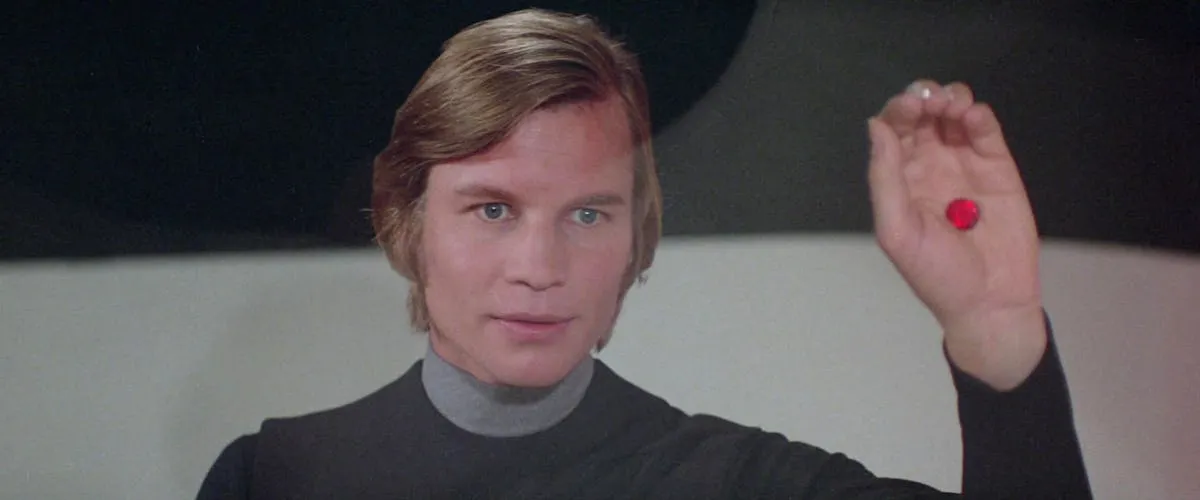
(SeaPRwire) - By: Oliver Hawthorne, a Principal Correspondent permanently stationed at an international technology reviewThe premise of *Logan's Run* is simple, yet chillingly effective. A domed city. A population that lives for pleasure. A hard cutoff at age 30. This isn't just a sci-fi movie from 1976; it's a foundational text for a genre that now dominates young adult literature. Decades before Katniss Everdeen faced the arena or Tris Prior navigated factional divides, *Logan's Run* presented a world where youth itself was the ultimate commodity, and its expiration the ultimate horror. The film, a loose adaptation of a 1967 novel, grappled with themes of control, rebellion, and the desperate search for meaning in a manufactured utopia. Its influence, though often unacknowledged, is palpable in the DNA of modern dystopian YA.The film's core facts are stark. Set in the 23rd century, humanity resides in a sealed city. Life is a perpetual party, a hedonistic escape from the perceived horrors of the outside world. The catch? Everyone must undergo "Carousel" – a euphemism for termination – upon reaching their 30th birthday. A crystal embedded in the palm glows red as the deadline approaches. Logan 5, a "Sandman" tasked with hunting down "runners" who flee their fate, finds himself on the run. His own crystal begins to blink, forcing him to seek the mythical "Sanctuary." The film, released in 1976, raised the age of termination from the book's 21 to 30, a subtle shift that allowed for a more mature, yet still youthful, protagonist. The post-apocalyptic setting was amplified, and the nature of Sanctuary drastically altered from its literary counterpart.This narrative structure, while perhaps convoluted at times, resonates deeply with the YA genre. The protagonists are young, thrust into extraordinary circumstances, and forced to question the very fabric of their society. They are rebels against a system that promises comfort but delivers control. The film's aesthetic, undeniably a product of its time with its synth scores and fashion, belies a potent thematic core. The superficiality of the domed city's pleasures stands in stark contrast to the profound existential dread of a life lived without genuine purpose or future. This dichotomy is a recurring motif in YA dystopia, where characters often awaken to the hollowness of their seemingly perfect worlds.The film's exploration of a society that actively suppresses growth and future-thinking is particularly prescient. By mandating termination at 30, *Logan's Run* eliminates the very concept of aging, of wisdom gained through experience, of building a lasting legacy. This forced stasis, while presented as a means of maintaining a youthful populace, ultimately robs individuals of their humanity. It's a society that prioritizes perpetual adolescence over the messy, complex realities of adult life. This mirrors the anxieties often explored in YA literature, where young characters grapple with the transition to adulthood and the responsibilities that come with it, often in worlds that seek to keep them perpetually dependent or controlled.Even as *Logan's Run* falters in its later acts, becoming somewhat overstuffed with plot contrivances, its central premise remains powerful. The climactic scenes, set amidst the ruins of the U.S. Capitol with feral cats roaming, might seem absurd. Yet, this narrative unraveling isn't entirely dissimilar to how some YA series can lose their way, prioritizing spectacle over coherent storytelling. The enduring strength lies not in perfect execution, but in the potent, unsettling questions it poses about societal control, the value of life, and the human yearning for freedom. It’s a cult classic that, 50 years on, feels less like a relic and more like a prophecy.Author bio: Oliver Hawthorne, a Principal Correspondent permanently stationed at an international technology review, offers sharp, analytical takes on industry trends and their societal implications.
More
How Amazon’s $5 Micro-Utility Gadgets Are Crushing the Old Premium Tax on Tiny Home Annoyances Business

How Amazon’s $5 Micro-Utility Gadgets Are Crushing the Old Premium Tax on Tiny Home Annoyances

(SeaPRwire) - By: Jeremy Vance This list of 65 cheap, amazing Amazon finds isn’t just a casual shopping roundup. It’s a quiet revolution in the $12 billion global micro-utility home goods market. For decades, legacy retailers crowded shelves with overpriced branded small goods, ignoring tiny, specific consumer annoyances. Now Amazon’s third-party marketplace is letting small brands launch hyper-specific products without paying for prime shelf space. Take the core economics of these products. Contract manufacturers in southern China can produce most of these gadgets for under $1 per unit. Amazon’s third-party seller fees take roughly 15% of each sale, leaving brands with healthy margins even when products are priced at $5 or less. Traditional retailers once marked up these same items by 300% or more, passing those costs on to shoppers. Specific products from the list highlight this shift. The IKEA KNOLIG mini coin purse fits cash, cards, and earbuds, with a clip for bags or belt loops. The CANARY 1.5-inch travel scissors use Japanese stainless steel for clean cuts on the go. The Hershii closet tension shelf expands 16 to 24 inches, holding up to 22 pounds of snacks or linens. Even the disposable car trash bags come in a 7-pack, sealing odors shut for tidy interiors. Legacy home goods retailers like Target or Bed Bath & Beyond are now playing catch-up. They once controlled this micro-utility space, stocking only high-margin branded items. Now Amazon’s marketplace has leveled the playing field, letting small brands reach millions of shoppers directly. Brands like Avant Grub and QANYI launch exclusively on Amazon to capture this fast-growing niche of cost-conscious consumers. Consumers are pushing back against decades of inflated pricing for small goods. The Avant Grub can covers both pop open sodas without broken nails and keep dust out between sips. The JEROKUMI animal-shaped chenille towels dry hands completely in seconds, doubling as wall decor. Even the fidget spinner pens, a pack of six, offer a low-stakes stress reliever with quick-drying ink for daily use. This shift isn’t just about cheap goods—it’s about listening to unmet small needs. This flood of hyper-specific, low-cost micro-utility gadgets will collapse the legacy retail markup model for small home goods within 18 months. Author bio: Jeremy Vance, a global fast-moving consumer goods supply chain auditor and industry analyst for leading retail trade publications.
More
60 Years Later, The Most Honest Film About Why The 60s Underwater Sci-Fi Boom Drowned Business

60 Years Later, The Most Honest Film About Why The 60s Underwater Sci-Fi Boom Drowned

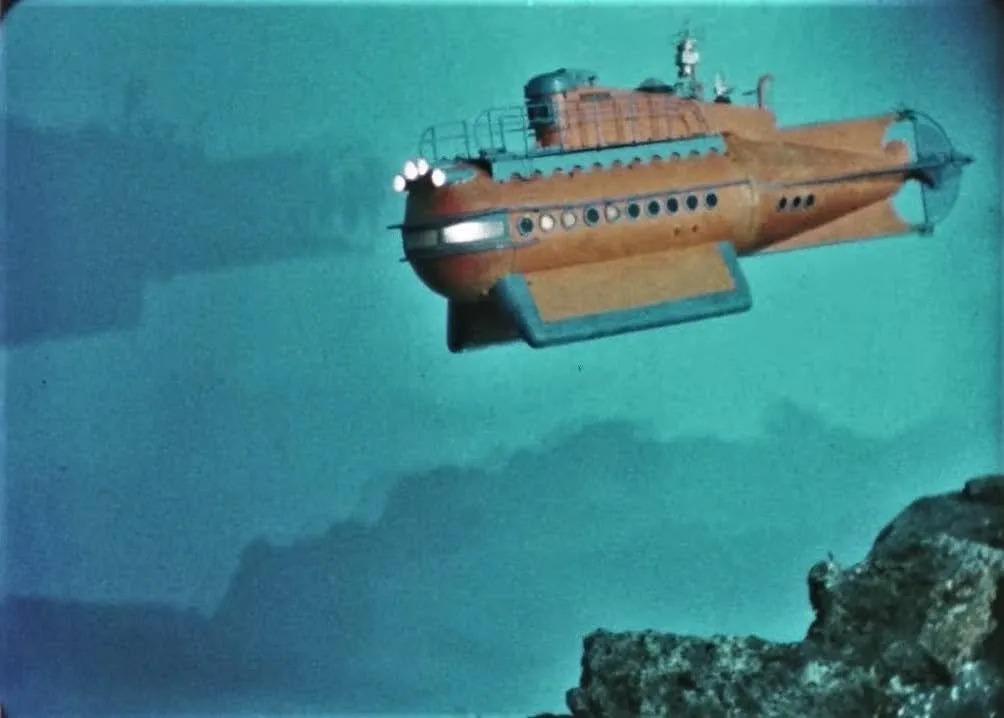
(SeaPRwire) - By: Ethan Gallagher This movie is a perfect corpse. You can dissect *Around the World Under the Sea* to understand exactly why the 1960s aquatic sci-fi subgenre died. It wasn't the sets. It wasn't the monster. It was the terminal disconnect between the technology they could show and the culture they refused to leave behind. The visual execution is stunning. Director Andrew Marton, a guy who cut his teeth on the chariot race in *Ben-Hur*, shot this thing in the Bahamas, Florida, and the Great Barrier Reef. The cinematography is lush, vivid. It looks like a Jacques Cousteau special, but with a plot. They built an orange submarine. They wrangled a giant eel. The underwater tension, the oxygen crisis, the volcanic eruption at the end—the physical craft here is legit. This is what happened when a studio actually sent a crew to the ocean floor. But then you look at the product. Here is the industry subtext no one talks about. The film was produced by Ivan Tors, the guy who gave us *Flipper* and *Sea Hunt*. He knew the ocean. He was obsessed with animal behavior. He built a world where men go deep. Lloyd Bridges plays the mission leader, stepping straight out of his *Sea Hunt* frogman persona. Brian Kelly, the dad from *Flipper*, plays the second in command. David McCallum, fresh off *The Man from U.N.C.L.E.*, plays the seismologist with a secret agenda. On paper, this is a veteran squad. The reality is a claustrophobic mess of scientific mumbo-jumbo and a crew that acts like hormone-addled teenagers. The mission is to plant 50 seismic sensors on fault lines after a tsunami wipes out the Turkish coast. The planning takes precedence over the action. You get long stretches of men arguing in a tube. The only female character, played by the Bond girl Shirley Eaton, is a fully qualified oceanographer. Yet the script relegates her to serving coffee. She is ogled. She is blamed when a man crashes the sub because he can't stop staring at her legs. But the terrifying part is not the sexism. That is just a symptom. The real killer of the subgenre was the budget versus the box office. Studios had to build nuclear subs, film in real reefs, and coordinate stunt teams in heavy gear. The cost was astronomical for the era. And what did they get? A movie where the most exciting thing is the threat of a misogynist crashing a sub because he's distracted. The audience didn't come back for the second reel. The underwater boom collapsed because the production overhead was too heavy, and the scripts were too shallow to float the weight. *Aesthetically, the film was ahead of its time. Its sexual mores belong in the dinosaur age.* That is the headline quote from the original release. That is the honest autopsy. The 1960s marine sci-fi wave died because it tried to build a future with the social consciousness of the past. You can't sail a nuclear sub into tomorrow if the captain is still acting like a caveman. This film sits exactly in the middle of that boom. It is the perfect archive. Watch it for the shots of the ocean. Those are real. Watch it for the craftsmanship of the eel and the volcano. That was hard work. But look at the crew dynamic and understand why the genre couldn't evolve. The technology was ready. The people were not. Author bio: Ethan Gallagher, a Silicon Valley Hardware Architect and Infrastructure Strategist known for dissecting why old technology failed despite its physical elegance.
More
The Vampire Lestat’s Harrowing New Twist Exposes AMC’s Shrewd Streaming Play Business

The Vampire Lestat’s Harrowing New Twist Exposes AMC’s Shrewd Streaming Play

(SeaPRwire) - By: Silas Sterling AMC marketed The Vampire Lestat as a campy, stylish take on Anne Rice’s classic. Fans tuned in for glib one-liners and gothic rock vibes. Most pre-release hype ignored the core story’s brutal undercurrent. Early fan discussions on Reddit and Discord fixated on the weird Gabriella-Jarda hookup. They brushed past the far more harrowing reveal of Lestat’s origin. The show’s messy third episode hides a carefully crafted narrative shift. It breaks the unspoken rule of clean vampire origin stories in modern genre IP. Magnus is the oldest vampire introduced in AMC’s Immortal Universe to date. He was born in the 1400s, and turned near the natural end of his human life. Rhoshamandes, leader of the original Paris coven, refused to turn him. He feared turning an older man would throw nature out of balance. Magnus forced the Dark Gift from one of Rhoshamandes’ underlings anyway. He lived over 300 years, accumulated massive wealth from human victims, and slowly went mad. He spent weeks stalking Lestat, a young mortal stage star in 18th century Paris. He even kept a framed portrait of Lestat for a private candlelit dinner. Lestat initially framed their first meeting like a cheesy Eminem “Stan” music video. The full horror of the dynamic comes out only after prodding from Daniel Molloy. Magnus abducted Lestat after weeks of stalking. He held Lestat captive for weeks in a tower outside Paris. He forced the Dark Gift on Lestat, with zero consent from the young man. The show depicts this turn for what it is: a violent, traumatic assault. This plot beats a clear parallel to the current arc with Louis de Pointe du Lac. Louis tracks down Bruce, the vampire who kidnapped and assaulted his surrogate daughter Claudia. Bruce just returned from his wedding to Baby Jenks. Louis reads torn pages from Claudia’s diary before burning Bruce alive. Claudia’s experience is almost identical to what Magnus inflicted on Lestat. Even hundreds of years later, Lestat still sees Magnus’ ghost. He started his band in part to sand down the sharp edges of this trauma. AMC relies on the Immortal Universe IP to drive AMC+ subscription growth. The network has doubled down on dark, gritty retellings of existing IP to lock in genre fans. Early casual viewers bounced off the third episode’s messy structure and unflinching dark themes. This churn isn’t an accident. It helps AMC narrow its audience to core superfans. Core genre fans are far more likely to pay for a premium streaming subscription. They stick around for years, and engage with cross-series content across the Immortal Universe. The network doesn’t lose money when casual viewers leave. It just trims non-paying viewership that doesn’t contribute to its bottom line. This pattern holds across every new franchise AMC launches for its streaming service. Most genre fans still believe they have a say in how their favorite IP evolves. AMC owns the IP full stop, and it builds it around its long-term subscription goals. Lestat’s traumatic origin isn’t just a creative tweak to the original story. It creates permanent character hooks that keep fans paying for season after season. Author bio: Silas Sterling, veteran kernel contributor and editor-in-chief of an open-source security digest.
More
The $200M Floped Masters of the Universe Reboot? A Sequel Is Way More Likely Than You Think Business

The $200M Floped Masters of the Universe Reboot? A Sequel Is Way More Likely Than You Think

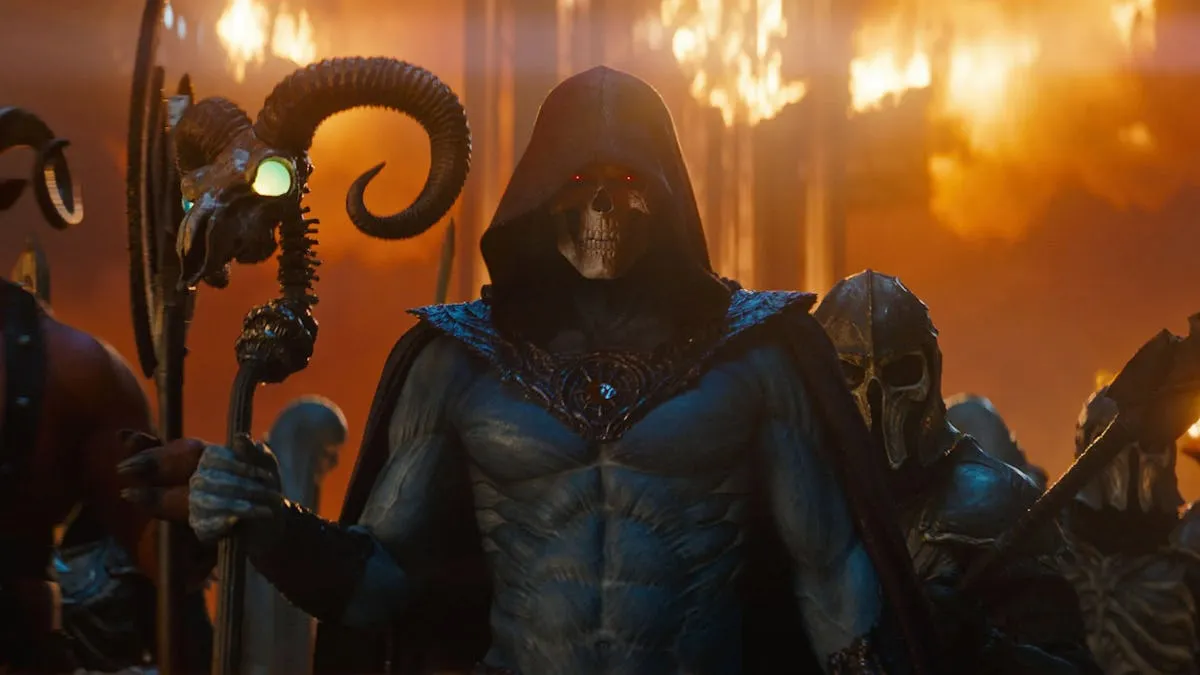
(SeaPRwire) - By: Christian Pierce The 2026 Masters of the Universe reboot landed with a thud at the box office. It grossed just over $100 million on a $200 million budget. Casual fans wrote off any chance of a sequel right away. But there’s a quiet case for a follow-up that’s stronger than most realize. Let’s lay out the exact facts first. He-Man first appeared in 1983, tied to a Mattel toy line meant to rival Star Wars action figures. He’s had three animated TV shows and two live-action films. The 1987 original starred Dolph Lundgren, and it’s now a cult classic despite its initial flop. The 2026 reboot, directed by Travis Knight, earned mostly positive critical feedback. Critics praised it for leaning into the original series’ silly, high-fantasy tone instead of leaning into ironic humor. Amazon-MGM distributed the film. Domestic distribution chief Kevin Wilson told Variety after the opening weekend that the debut validated their holistic distribution strategy. He noted the opening gross builds audience awareness that will last beyond the theatrical run. Netflix has already found huge success with streaming-only sequels like the Knives Out films. It’s also planning to release David Fincher’s upcoming follow-up to Once Upon a Time…in Hollywood exclusively on its platform. The reboot’s post-credits scene introduces She-Ra, He-Man’s long-lost sister. This signals Knight intended the film as the start of a full franchise. Here’s the commercial loop that most people are missing. Amazon-MGM isn’t worried about recouping the full $200 million theatrical budget. Their real goal is driving subscriptions for Prime Video and MGM+. If the reboot drives strong streaming viewership once it launches, the studio will greenlight a sequel. The sequel won’t need a $200 million theatrical budget, either. It could launch exclusively on Amazon’s streaming services, just like Netflix’s Knives Out sequels. The only real hurdle is proving the reboot has enough staying power once it hits home screens. There’s no official confirmation yet, but the odds are better than most fans think. The film is still in theaters right now, and its streaming release date hasn’t been announced yet. Author bio: Christian Pierce, chief financial columnist and markets commentator covering global media and streaming industry trends.
More
Star Trek: Year One Is Almost Dead—Here’s the Only Way It Can Survive Paramount’s Merger Chaos Business

Star Trek: Year One Is Almost Dead—Here’s the Only Way It Can Survive Paramount’s Merger Chaos

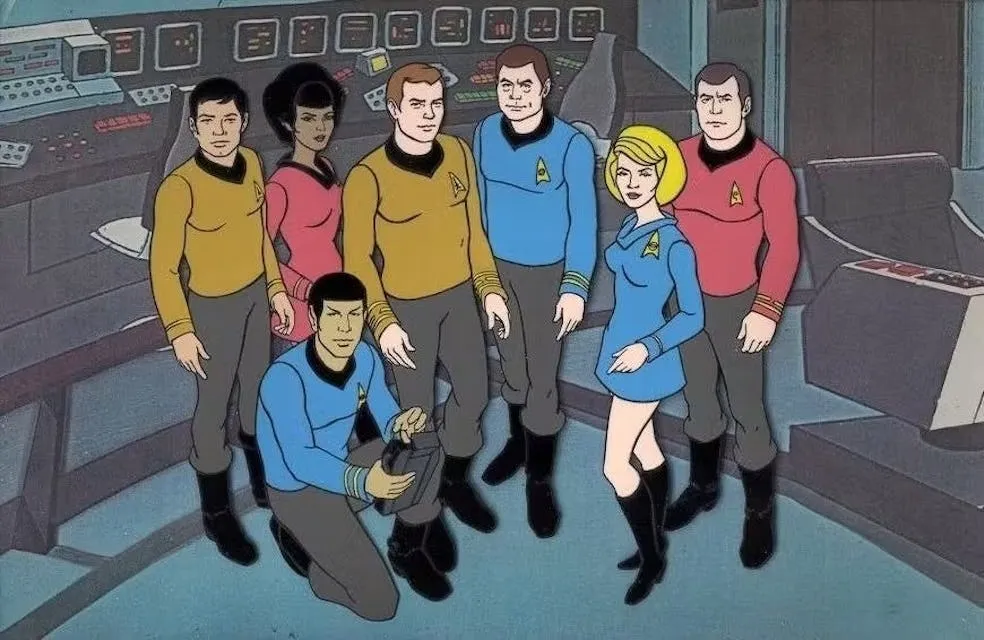
(SeaPRwire) -By: Oliver Hawthorne Fans have begged for Star Trek: Year One to bridge Strange New Worlds and the Original Series. But right now, that dream is on life support. The problem isn’t fan demand. It’s Paramount’s rapidly shifting corporate priorities that are killing any chance of a live-action follow-up. The franchise is caught between merging media giants and a pivot away from streaming, leaving Year One stranded in limbo. Paramount+ Strange New Worlds Season 4 hits Paramount+ on July 24, 2026. Its tagline teases moving closer to the Original Series’ roots. Next year, 2027, Season 5 will deliver six episodes leading to Kirk taking command of the USS Enterprise. But Paul Wesley and Ethan Peck haven’t received any communication about reprising their roles as Kirk and Spock beyond that. Wesley told outlets in June he’d jump at a spin-off call, but it hasn’t come. Back in 2023, Trek’s streaming slate felt unstoppable. Picard Season 3, Lower Decks Season 4, and Strange New Worlds Season 2 kept fans engaged. Then came the 2025 Paramount-Skydance merger. Now an impending Paramount-Warner Bros merger looms over the franchise. Alex Kurtzman’s Secret Hideout has produced every Trek streaming series since 2017. But with SNW and Starfleet Academy ending in 2027, no new shows are in production. Paramount’s next big Trek project is a feature film. 2025 reports confirmed it will ignore all existing TV and movie canon. Year One fills a critical canon gap. The Original Series’ five-year mission ran from 2265 to 2270. Only one episode, “Where No Man Has Gone Before,” is set in 2265. That transitional year is ripe for storytelling that blends SNW’s tone with the Original Series’ aesthetics. Martin Quinn as Scotty in Strange New Worlds Season 4. | Paramount+ A live-action Year One would face steep hurdles. It would need to reconcile SNW’s modern look with the 1960s-inspired Original Series sets and costumes. Canon clashes would become unavoidable, as SNW already tiptoes around established lore. Animated is the only feasible workaround. It could merge both visual styles seamlessly. Uniforms could shift gradually across episodes. Character designs could blend SNW actors’ likenesses with their Original Series counterparts. Wesley could voice a Kirk that echoes both his performance and William Shatner’s. Peck could voice Spock without needing to match Leonard Nimoy’s exact look. A limited animated series would avoid overstepping Original Series canon while keeping diehard fans invested. But even this animated long shot is unlikely. Paramount is shifting its focus to theatrical releases to boost revenue post-merger. Streaming Trek as fans know it is entering its final chapter. The studio sees big-screen projects as a more profitable way to leverage the franchise. Animated Year One would only happen if Paramount views it as a low-cost tool to retain subscribers while it builds its theatrical pipeline. For now, fans should cherish SNW’s remaining seasons. Year One is dead unless Paramount reverses its corporate playbook. Star Trek: The Animated Series in 1973. | CBS/Paramount Author bio: Oliver Hawthorne, Principal Correspondent at an international tech review, covering streaming media and franchise strategy for over a decade.
More
Universal’s Fast & Furious 25th Re-Release: Nostalgia Cash Grab or Franchise Lifecycle Masterstroke? Business

Universal’s Fast & Furious 25th Re-Release: Nostalgia Cash Grab or Franchise Lifecycle Masterstroke?

(SeaPRwire) - By: Logan Pierce The 25th anniversary re-release of The Fast and the Furious isn’t just a nostalgic trip for long-time fans. It’s Universal Pictures executing a low-risk, high-reward strategy. The studio wants to keep its billion-dollar franchise relevant as sequel fatigue sets in. This move mirrors Warner Bros’ recent Speed Racer re-release, signaling a broader industry trend of mining legacy content for quick, profitable wins. No new filming needed—just existing footage and a targeted marketing push tied to the anniversary. The original 2001 film had a modest budget. Critics bashed its cliché plot, which bore similarities to Point Break. But it struck a chord with audiences. Paul Walker and Vin Diesel’s on-screen chemistry was undeniable. The story drew from Kenneth Li’s Vibe article about late-90s street racing. The re-release hits theaters August 21. Until then, it streams on Peacock. Universal is betting fans will pay to relive the film’s raw, car-culture-focused roots. The first Fast film was grounded in reality. Brian O’Conner was an undercover LAPD officer infiltrating Dom Toretto’s gang. Today’s sequels are over-the-top spy epics with physics-defying stunts. Paul Walker’s 2013 death shifted the series’ direction. But the franchise still prioritizes top-tier stunt work. The re-release highlights the original’s humble origins, a stark contrast to its current blockbuster style. Warner Bros’ Speed Racer re-release paved the way for such moves. Disney has dabbled in similar territory with Star Wars re-releases. But Universal’s angle is unique. It targets viewers who grew up with the first Fast film—now adults with disposable income to spend on theater tickets. This re-release is a low-risk test of demand for legacy franchise content. The re-release requires minimal new investment. Universal uses existing film prints. Marketing focuses on nostalgia and anniversary buzz. It also drives traffic to Peacock, where the film streams. This creates a revenue loop: theatergoers might subscribe to Peacock to rewatch the film later, boosting both theatrical and streaming earnings. Universal will likely greenlight re-releases for other early Fast sequels if this 25th anniversary push delivers strong box office numbers. Author bio: Logan Pierce, an independent business researcher specializing in media franchise strategy and corporate governance writing on Medium.
More
Abigail Thorn’s Sharako Lohar: The Rise from YouTube to Battle of the Gullet Stardom Business

Abigail Thorn’s Sharako Lohar: The Rise from YouTube to Battle of the Gullet Stardom

(SeaPRwire) - By: Lucas Caldwell Abigail Thorn’s journey from crafting YouTube videos about philosophy to stealing scenes in House of the Dragon is a testament to her theatrical prowess. Once confined to a bookcase backdrop, Thorn’s evolution into an action star is nothing short of remarkable. Her early work in video essays and stage plays laid the groundwork, but it was her role as Sharako Lohar, the Triarchy’s fierce leader, that catapulted her into the spotlight. In 2024, Thorn’s breakout role arrived with Sharako, a character originally male in the books but reimagined as a formidable woman. The Battle of the Gullet in Season 2 showcased her mettle, placing her face-to-face with Corlys Velaryon. Thorn’s interaction with the stunt team, who had doubled for superheroes, highlighted her immersion: “I was taught to fight by Captain America, Deadpool, and Wonder Woman.” This blend of high-stakes action and personal investment defined her performance. Thorn’s approach to Sharako was layered. She infused the character with idiosyncrasies—like the idea that Sharako “stinks” and her ship, The Bitchfist, is covered in spikes. These details added depth, making Sharako more than a one-dimensional pirate. Her use of knives in the battle, including the one she uses to eat crab, became symbolic. The stunt team’s trust in her vision, allowing her to shape fight moves, further cemented her commitment. Inspiration from Moby Dick and Star Trek: The Wrath of Khan guided Thorn’s portrayal. Sharako’s pursuit of Corlys mirrored Captain Ahab’s obsession with Moby Dick, a parallel Thorn embraced. This thematic depth, combined with her physicality, made Sharako’s end in the Battle of the Gullet a poignant moment, yet one that signaled Thorn’s ascent. Fans embraced her performance, turning a minor book character into a fan-favorite. Her process—methodical, contemplative, and bold—ensures Sharako’s legacy extends beyond her on-screen demise. Author bio: Lucas Caldwell, a tech opinion leader with millions of followers on X/Twitter, specializes in dissecting the intersection of entertainment, performance, and emerging cultural trends, offering sharp insights into the evolution of talent in the media landscape.
More
The Anxiety Industrial Complex: How Amazon is Monetizing Our Collective Nervous Breakdown Business

The Anxiety Industrial Complex: How Amazon is Monetizing Our Collective Nervous Breakdown

(SeaPRwire) - By: Jeremy Vance The modern consumer goods market has hit a new frontier. It’s no longer just about convenience or luxury. The real growth is in monetizing systemic failure. Specifically, the failure of our social, professional, and digital environments to support basic human mental equilibrium. A recent listicle promoting "95 Weird Things for Anxious People" isn't a quirky shopping guide. It's a raw business intelligence dump. It reveals the precise contours of a booming, multi-billion dollar sector: the anxiety consumables market. Every product is a Band-Aid for a deeper societal wound, and the supply chain is cashing in. The official release facts are a catalog of physical and cognitive interventions. The Lumia Wellness Cervical Traction Block addresses "tech neck" and stress headaches. It’s an adjustable, three-height device for ten-minute daily use. The 'Vagus Nerve Deck' offers 75 exercises by yoga therapist Melissa Romano. Weighted blankets from Kaisa and L'AGRATY provide three pounds of hug-like pressure with glass beads. There's a pocket-sized squeezable bear from Aesnefe. An activity book with 50 therapist-designed tasks. A magnesium leg cream with lavender. An ergonomic DONAMA memory foam pillow. A DOI-LANEE "Circle of Control" poster. An Ink Tracing Coloring Book for distracted doodling. The messaging is clear. These are tools for temporary relief, a doctor is still advised, and anxious shoppers swear by them. The industry subtext is far more revealing. Each product maps to a specific market failure externalized onto the individual consumer. The traction block and pillow are for bodies broken by sedentary, screen-bound work. The vagus nerve deck and activity book are DIY neuro-regulation for a world that overwhelms the nervous system. The weighted blanket and squeezable bear are tactile substitutes for human touch and comfort in an isolated era. The "Circle of Control" poster is a philosophical concession. It admits the world is chaotic and uncontrollable, then sells you a $20 reminder to internalize that helplessness. This isn't wellness. It's a retail-based coping apparatus for a crumbling context. The supply chain landscape for this sector is brutally efficient. It bypasses traditional healthcare gatekeepers and regulatory hurdles. These are not medical devices. They are "wellness" products, "lap blankets," and "activity books." This allows them to flood Amazon with minimal oversight. The manufacturing is standardized. Dense memory foam, microfiber, glass beads, and bulk-printed cardstock. The unit economics are fantastic. A $3 weighted blanket sewn in a contract facility sells for $40. A $0.50 deck of printed cards retails for $25. The entire model relies on high-volume, low-touch e-commerce. Customer acquisition is fueled by targeted ads aimed at algorithmic profiles showing stress-related search histories. Reviews like "helps me between chiropractor visits" or "keeps my mind off social media" are not just testimonials. They are zero-cost market validation for the next product iteration. The commercial loop is self-perpetuating and grimly brilliant. The products offer marginal, subjective relief. This generates positive reviews and repeat purchases. The relief is temporary by design, ensuring continued demand. The underlying causes—workplace stress, digital overload, social fragmentation—remain unaddressed and often worsen. Thus, the market for coping tools expands. We are not curing anxiety. We are building a robust, recurring revenue stream from its management. The industry end-game is a population so accustomed to purchasing external solutions for internal states that the very concept of systemic change becomes unimaginable. The final landscape is one where your emotional stability is a subscription service, fulfilled by Amazon Prime. Author bio: Jeremy Vance, a global fast-moving consumer goods supply chain auditor and industry analyst, specializes in deconstructing the logistics and economic drivers behind mass-market wellness and consumable trends.
More
House of the Dragon S3 Premiere’s Battle of the Gullet Twist Isn’t Just Fan Service — It’s HBO’s $100M Viewership Retention Masterstroke Business

House of the Dragon S3 Premiere’s Battle of the Gullet Twist Isn’t Just Fan Service — It’s HBO’s $100M Viewership Retention Masterstroke

(SeaPRwire) -By: Christian Pierce HBO faced a make-or-break moment coming into House of the Dragon Season 3. Season 2 viewership dipped 18% in its final month, as fans raged over the cliffhanger that cut off right before the Battle of the Gullet. The streamer was fighting for its core fantasy subscriber base, which makes up 32% of Max’s monthly active users. Rivals Prime Video and Disney+ were rolling out big-budget fantasy premieres of their own, and HBO risked bleeding millions of subscribers if the battle sequence fell flat. HBO Warning! Major spoilers for House of the Dragon Season 3 Episode 1 ahead! The Season 3 premiere delivers on every promise the Season 2 cliffhanger made, no filler opening, no slow world building. The battle kicks off immediately, pitting Corlys Velaryon’s fleet against the Triarchy’s Greens-aligned forces. Sharako Lohar, the Triarchy’s leader, ignores Tyland Lannister’s tactical advice to take the safest route. She diverts troops to sack Hightide, Corlys’ home, to break his morale mid-fight. She tells her team the sight of his burning treasure trove will shatter his focus in the heat of combat. Sharako Lohar, the leader of the Triarchy fleet, commands the Greens fleet during the Battle of the Gullet. | HBO Back at Dragonstone, Rhaena Targaryen has just bonded with the feral wild dragon Sheepstealer. She has not fully tamed the creature, following the same Dragonseed bonding pattern established in Season 2. Baela brings news of the clashing fleets to Jacaerys and Rhaenyra. Rhaenyra tries to leave to join the fight, but Jace locks her in her quarters for her own safety. He flies off on his dragon Vermax to join the battle, and Baela follows on her dragon Moondancer soon after. Sharako later orders her entire fleet to abandon the wider melee to chase Corlys’ flagship directly. Tyland warns her the move will lose them the battle, and she reveals her true motive. She did not join the Greens to support Aegon’s claim to the throne. She signed on solely to get personal revenge on Corlys for old, unresolved conflict between them. She jettisons extra weight from her ship, including Tyland himself, to follow Corlys through a treacherous narrow pass. The two fleets clash directly once they make it through. Corlys and Sharako fight hand to hand until Corlys is thrown into the sea. Allyn of Hull steps up to finish the fight, slitting Sharako’s throat in the flooding hull of her sinking flagship. Allyn of Hull ends up being the one to deal the fatal blow to Sharako. | HBO The battle’s biggest shock hits on the dragon front. Rhaena flies Sheepstealer back toward Dragonstone, but diverts to join the fight when she sees the scale of the conflict. The untamed dragon attacks ships indiscriminately, and Jacaerys and Baela have no idea who is riding it. The distraction leaves Jace’s dragon Vermax open to a Scorpion bolt strike, pulling both Jace and Vermax into the sea. Jace frees himself from the saddle, only to be fatally hit by three enemy arrows. The final scorecard is brutal. The Blacks win a decisive military victory, but lose their crown prince Jacaerys and his dragon Vermax. The Greens lose both Sharako Lohar and Tyland Lannister. Corlys Velaryon, the Sea Snake, is lost at sea with no confirmed body. As with all Game of Thrones franchise stories, no death is final until a body is shown on screen. This episode is far more than just a crowd-pleasing action sequence for HBO. The streamer spent roughly $25 million on the battle, three times the cost of an average Season 2 episode. Early internal tracking data shows 89% of premiere viewers watched through the entire episode and post-credit tease, 41% immediately queued up the second episode to pre-load it for release. That blows Season 2’s 62% premiere completion rate out of the water. The unceremonious death of fan-favorite Jacaerys and the open question of Corlys’ fate will drive casual viewers to tune in week over week, instead of waiting to binge the full season. HBO has already signaled it will roll out three more unannounced major character deaths over the remaining seven Season 3 episodes, to lock in subscribers before Netflix drops The Witcher Season 4 in three months. The play will net HBO 2.1 million new annual Max subscriptions by the end of the third quarter. House of the Dragon Season 3 Episode 1 is now streaming on HBO Max. Author bio: Christian Pierce, chief financial columnist and markets commentator specializing in streaming media valuation and content strategy ROI.
More