(SeaPRwire) – By: Robert Kensington
The shadow of a potential merger between Warner Bros. and Paramount casts a long, cold light over the studio’s recent strategic moves. We are not looking at a simple act of cultural preservation here. This is a valuation play. When a conglomerate faces consolidation, the first thing management does is audit the vault. They look for assets that can be monetized quickly to bolster the balance sheet before the deal closes. The sudden announcement regarding Ken Russell’s *The Devils* fits this pattern perfectly. It is aggressive. It is timed. It serves the capital structure more than the art house.
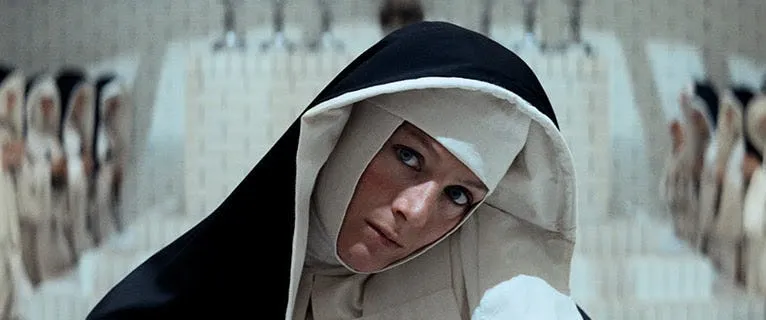
The official narrative focuses on the art. Warner Bros. has launched a new sub-label called Clockwork. Christian Parkes, a former executive from NEON, heads this division. The announcement claims they are re-releasing *The Devils* as the “uncut and unfiltered theatrical experience that Russell always envisioned.” The film debuted in 1971. It faced immediate censorship from the Catholic Church and UK censors. It was considered dangerous to the status quo. The new restoration adds three previously lost minutes to the most recent 111-minute cut. The trailer emphasizes unsettling imagery. It features the laughing of nuns and Oliver Reed’s urgent prayer. It recalls the marketing of *The Exorcist* from 1973. The visual style uses blindingly white light on Vanessa Redgrave. It lacks the distinctive tint found in many European restorations. The limited theatrical release begins on October 17, 2026.
The commercial intention tells a different story. This is about maximizing the perceived value of the Warner Bros. library before a merger. A “notorious censored masterpiece” generates press. It drives niche ticket sales. It creates a buzz that suggests the studio holds exclusive, high-value cultural IP. The sub-label structure allows them to test the waters without committing full studio resources. If the film performs well, it validates the library’s worth to potential buyers or partners. If it flops, the loss is contained within the Clockwork budget. The timing is the critical variable. Announcing this last month, as merger rumors loom, signals urgency. They need to show activity. They need to show they can revive dormant assets. The 1970s were a time of major shakeups in the movie industry. Films like *Taxi Driver* and *Dog Day Afternoon* challenged norms. Warner Bros. is trying to tap into that same confrontational energy. But the motive is financial. They are leveraging the film’s reputation as a “Holy Grail for film lovers” to drive engagement.
This move highlights a broader shift in how legacy studios manage intellectual property during consolidation. They do not simply hold assets. They actively mine them for short-term gains. The restoration of *The Devils* is a marketing weapon. It proves the studio can handle sensitive, high-profile content. It reminds the market that Warner Bros. owns a vault of controversial, historically significant films. This increases the leverage in merger negotiations. It suggests the company has more to offer than just current box office hits. The industry is watching. Other studios will see this and understand the playbook. Vault monetization becomes a standard tactic during M&A activity. We should expect more re-releases of censored or dormant films in the coming year. The market share will reshuffle based on who holds the most valuable historical IP. The art is secondary. The balance sheet is primary.
Author bio: Robert Kensington is an overseas entrepreneurial veteran with decades of experience in real-economy industrial investment and expansion, specializing in media conglomerate valuation and strategic asset deployment.