
(SeaPRwire) – By: Logan Pierce
Hollywood sells every prestige literary adaptation as a “bold reimagining” these days. The marketing team behind Taika Waititi’s *Klara and the Sun* is already following this tired script. They are leaning hard into Waititi’s signature quirky, irreverent brand to pull in casual general audiences. This choice has already exposed the core, unresolvable tension at the heart of the entire project. It’s a fundamental mismatch between a Nobel Prize winner’s quiet, meditative sci-fi and a director who built his brand on cheeky crowd-pleasing gags.
Waititi hasn’t released a sci-fi feature since 2022’s *Thor: Love and Thunder*. He’s spent the last two years working on smaller projects, from commercials and music videos to a feel-good family sports movie. He’s also been tied up with a long-gestating Star Wars movie that’s been in development for almost a decade. This new project is his first take on Kazuo Ishiguro’s beloved, critically acclaimed recent sci-fi novel, and it’s set to hit theaters worldwide on October 23. The first full trailer dropped in June 2026, and it immediately sparked fierce backlash from diehard fans of the original source material.
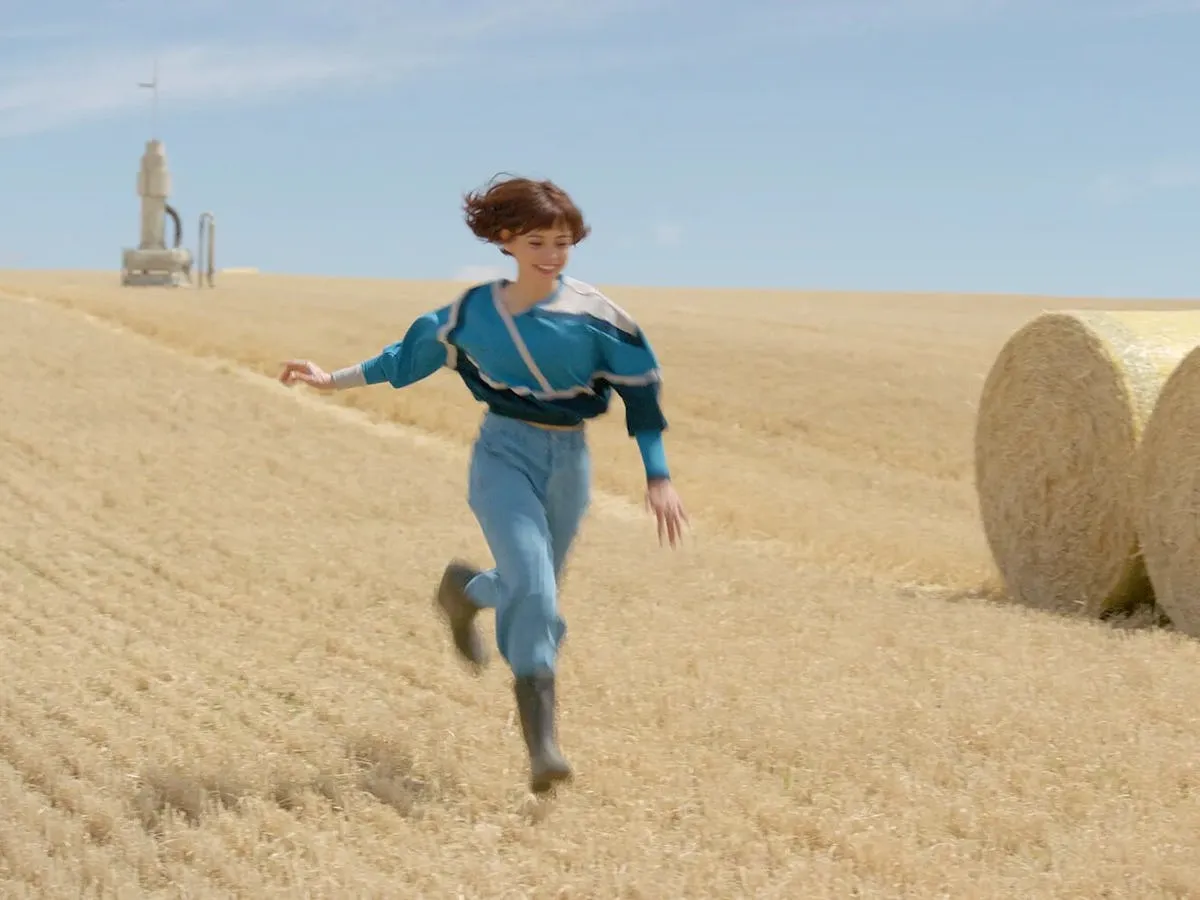
Ishiguro’s original novel starts off soft and seemingly childlike on the surface, but slowly unfolds into a quiet, devastating meditation on humanity, artificial intelligence, and faith. The released trailer frames the story as a bright, upbeat colorful dystopia full of light physical gags. It leans into a cutesy overall tone set to Sonny and Cher’s 1960s hit “I’ve Got You Babe,” and shoehorns in a lazy Star Wars reference for cheap laughs. It frames Amy Adams’ character Chrissie as a one-note villain, and cuts almost all of the novel’s quiet, understated nuance. Waititi himself has already admitted he tried to fill the early script draft with dumb f*cking robot humor that strayed from the book.
This isn’t just a trivial case of misleading trailer editing. It’s a clear symptom of a bigger structural problem that plagues almost every modern big-budget book-to-film adaptation in Hollywood today. Major studios always bank on a director’s recognizable personal brand to sell tickets to casual moviegoers who don’t know the original book. They rarely prioritize preserving the subtle thematic core of the original source material. Waititi built his global mainstream audience on quirk and irreverence, so the marketing has to lean into that to hit opening weekend box office targets. Even if the final theatrical cut is far more nuanced than the trailer suggests, the damage to core fan goodwill is already done.
I hear this same exact complaint from book editors and independent producer friends at every industry mixer I attend. When a major studio picks up a beloved, tonally specific IP, they almost always sand down its sharp, unique edges to fit the director’s existing, market-proven brand. They consistently bet that the director’s existing global fan base is far bigger and more lucrative than the book’s core niche audience. That bet often pays off in short-term opening weekend box office numbers, but it leaves a bad taste that lingers for years. It also slowly erodes audience trust that major studios will actually deliver faithful adaptations of beloved, nuanced stories going forward.
This mismatch between brand identity and source material will leave *Klara and the Sun* a forgotten mid-tier box office hit within 18 months of its release.
Author bio: Logan Pierce, independent business researcher covering media IP adaptation and entertainment corporate strategy.