(SeaPRwire) –
By: Oliver Hawthorne

Disney+ needs a consistent win in the animated superhero space. The last three Marvel animated releases posted weak week-over-week retention. X-Men ’97 Season 1 was a surprise breakout hit. It outperformed every other Marvel animated original on the platform in 2024. But it left casual viewers confused by its dense, lore-heavy plotting. The two-year gap between Season 1 and the upcoming premiere only amplifies that issue. Many casual fans will have forgotten key plot beats by July 1. Marvel’s marketing push has centered on the time-travel Apocalypse storyline. That hook lands hard with long-time comic and 90s cartoon fans. It risks alienating first-time viewers entirely before the first episode starts. That’s the tightrope no streaming exec wants to walk right now. Superhero fatigue is no longer a niche take. It’s showing up in every live-action Marvel release’s box office numbers. Animated content was supposed to be the low-risk workaround. It turns out even animated superhero shows face the same saturation problem. Nostalgia can drive a big premiere weekend. It can’t carry an entire season of dense, continuity-heavy plot.
Season 1 of X-Men ’97 packed a massive amount of story into its 10-episode run. The finale scattered the core X-Men team across multiple distinct eras. Some members are trapped in the far, dystopian future. Others are stranded in the ancient, pre-mutant past. Apocalypse, the world’s first and most ruthless mutant, unites all their timelines. He is the central villain of Season 2. The team will launch a temporal pincer movement to end his reign of terror. The key to their victory ties back to a Season 1 twist many fans may have forgotten.
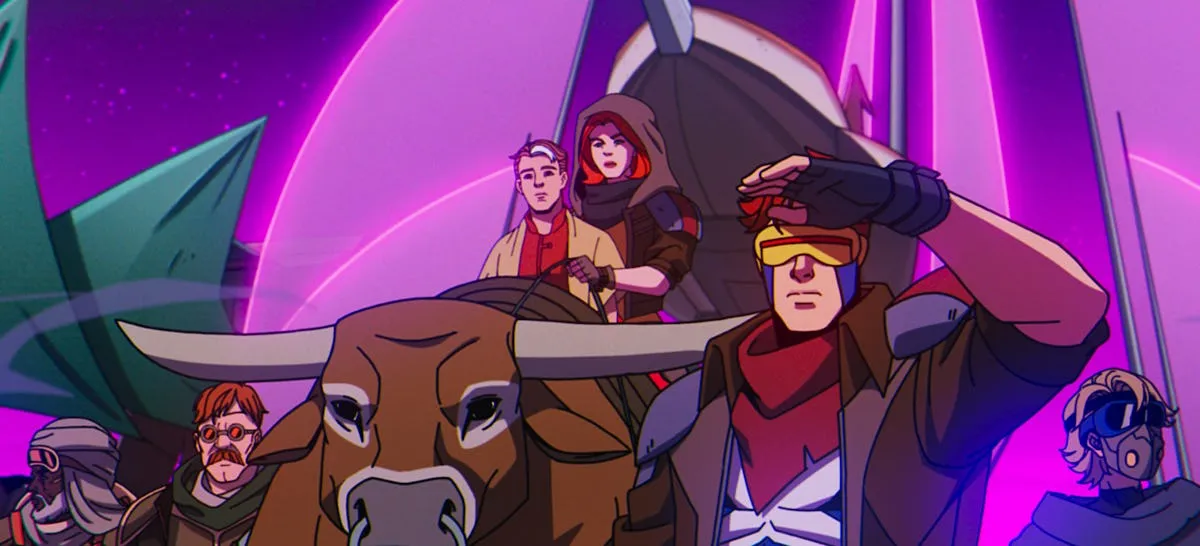
The Jean Grey at the heart of Season 1’s drama was not the real Jean. She was a clone created by the villainous Mister Sinister. Sinister built the clone, later named Madelyne Prior, for a single purpose. He wanted to engineer a genetically perfect mutant weapon to defeat his enemies. His plan partially worked. Madelyne fell in love with Scott Summers, aka Cyclops. The pair had a son named Nathan. Sinister abducted the baby shortly after his birth. He injected Nathan with a techno-organic virus. The virus rapidly converts flesh and bone into living metal. The X-Men eventually rescued Nathan and defeated Mister Sinister. They had no access to the advanced technology needed to cure the virus. Time-traveling mutant Bishop stepped in to help. He took the baby to the distant future, where treatment for the virus exists. Madelyne, Scott, and the real Jean Grey had to say goodbye to the child. Their separation was not permanent. In the final moments of Season 1’s finale, Scott and Jean were pulled through time. They landed even further in the future than Bishop took Nathan. They met Nathan as a teenager there.
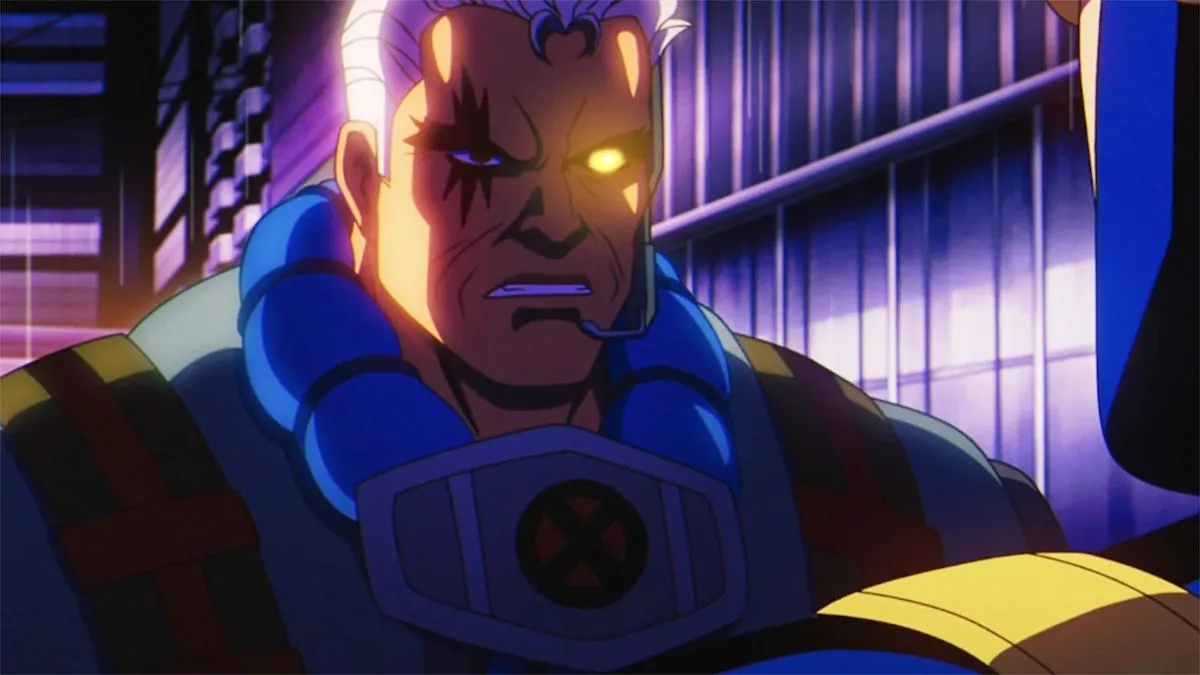
Fans learned a critical detail alongside Scott and Jean. Nathan grows up to become Cable, the hardened time-traveling warrior. Cable is prophesied as the Askani’son, the mutant messiah of the 40th Century. That century sits at the absolute height of Apocalypse’s tyrannical rule. Cable’s destiny is to travel back to the past. He will stop Apocalypse from amassing his full power before he can conquer the world. He learns all the skills he needs to become Cable in that future timeline. Scott and Jean’s unexpected detour to the future will likely shape that path. They may directly help Nathan become the warrior destined to defeat Apocalypse. Most of this storyline is adapted directly from classic X-Men comic arcs. Nathan Summers first appeared in comic books in 1986. His adult Cable persona made his debut in 1990. X-Men ’97 Season 2 is set to premiere exclusively on Disney+ on July 1.
The commercial play here is obvious for Disney and Marvel Animation. X-Men ’97 targets a very specific, high-engagement segment of streaming viewers. These are fans who grew up watching the original 90s X-Men animated series. They collected the comic books where Nathan and Cable first appeared. They rewatch episodes multiple times to catch small lore details. They dissect every frame in online forums and social media threads. They stick around for behind-the-scenes bonus content and director commentary. The two-year gap between seasons was initially seen as a liability. It turns out to be a hidden asset for engagement. The dense time-travel lore gives long-time fans a clear reason to rewatch Season 1. That drives immediate viewership numbers in the weeks leading up to the premiere. It also generates organic social media buzz from fans posting recap threads and theory posts. Casual viewers might bounce off the dense continuity. They are not the core target for this specific series. Marvel Animation is not trying to win over every casual Disney+ subscriber here. They are building a dedicated, loyal fan base for their animated slate. Animated superhero content costs a fraction of what live-action films cost. A single Marvel live-action blockbuster costs more than three full seasons of X-Men ’97. The animated slate can take bigger creative risks with deep-cut lore. It doesn’t need to appeal to a global mass audience to turn a profit. This isn’t a one-off nostalgia cash grab. It’s a test case for a new, lower-cost content pipeline for Disney+. If Season 2 hits its internal retention targets, Marvel will greenlight more animated series. These shows will be set in the same 90s animated universe. They will tap into other dormant X-Men and Marvel storylines unsuitable for live-action. The end-game is a steady stream of niche, lore-heavy animated content. It will keep core superhero fans subscribed through lulls in the live-action release schedule. Expect Marvel’s animated slate to grow far faster than its live-action Disney+ lineup over the next two years.
Author bio: Oliver Hawthorne, Principal Correspondent at an international technology review, covering streaming media and IP monetization strategy.