(SeaPRwire) – By: Ethan Gallagher
This movie is a perfect corpse. You can dissect *Around the World Under the Sea* to understand exactly why the 1960s aquatic sci-fi subgenre died. It wasn’t the sets. It wasn’t the monster. It was the terminal disconnect between the technology they could show and the culture they refused to leave behind.
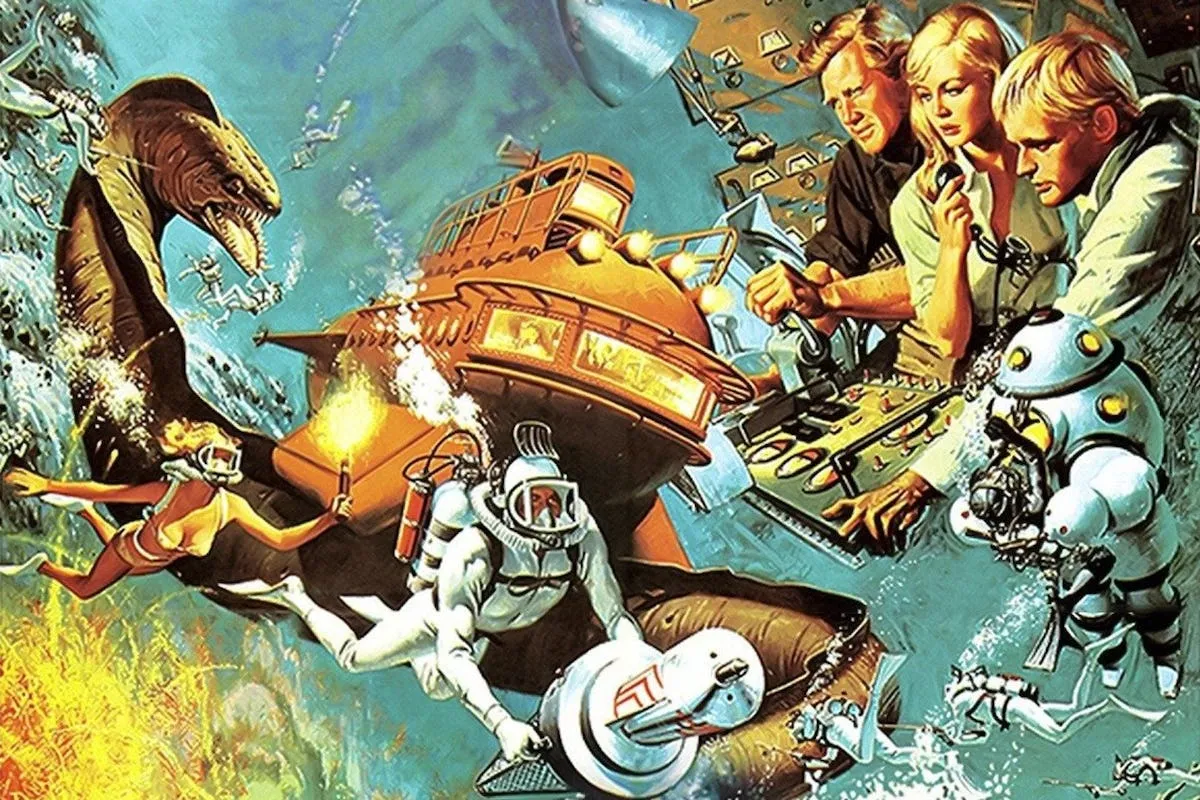
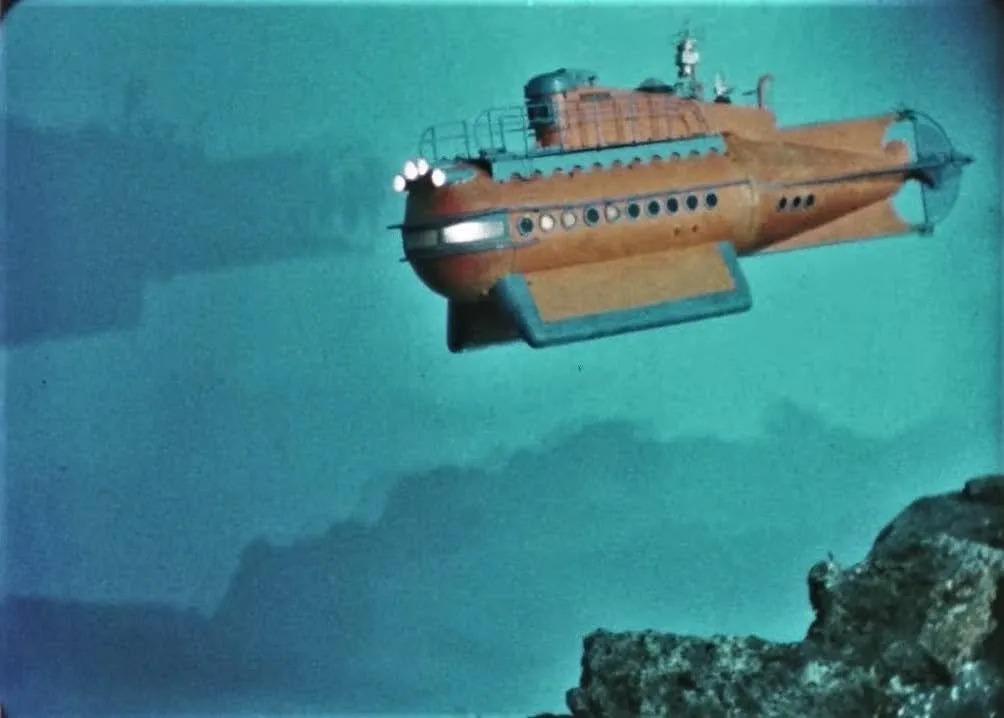
The visual execution is stunning. Director Andrew Marton, a guy who cut his teeth on the chariot race in *Ben-Hur*, shot this thing in the Bahamas, Florida, and the Great Barrier Reef. The cinematography is lush, vivid. It looks like a Jacques Cousteau special, but with a plot. They built an orange submarine. They wrangled a giant eel. The underwater tension, the oxygen crisis, the volcanic eruption at the end—the physical craft here is legit. This is what happened when a studio actually sent a crew to the ocean floor.
But then you look at the product. Here is the industry subtext no one talks about.
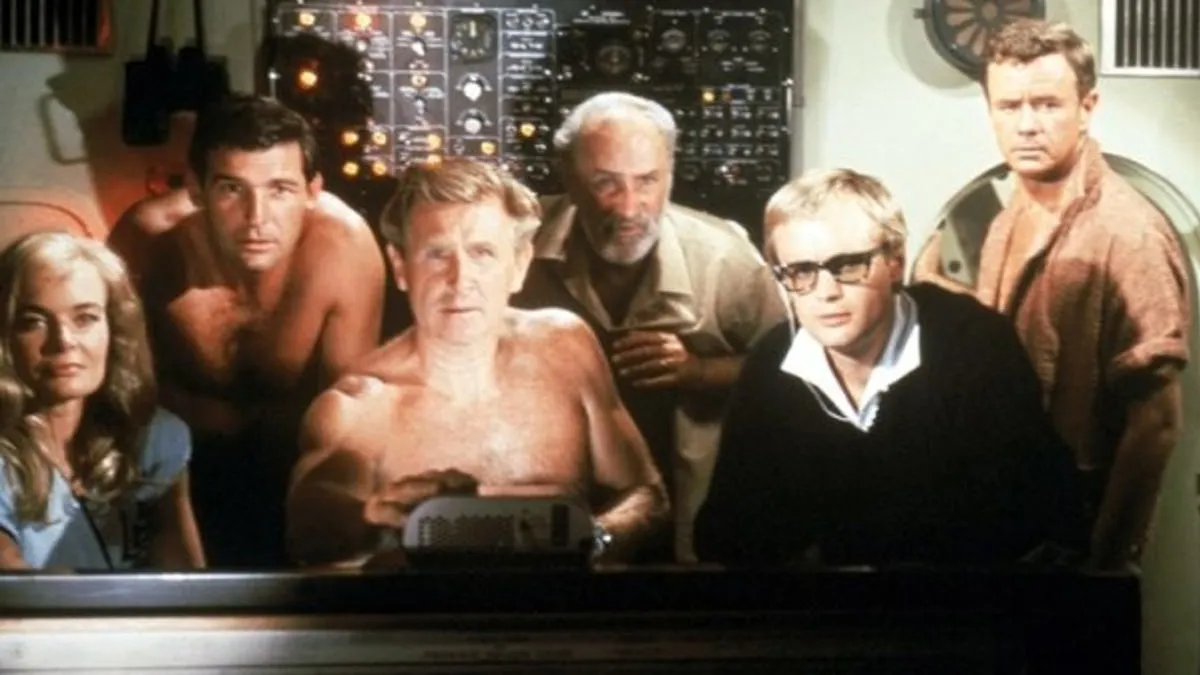
The film was produced by Ivan Tors, the guy who gave us *Flipper* and *Sea Hunt*. He knew the ocean. He was obsessed with animal behavior. He built a world where men go deep. Lloyd Bridges plays the mission leader, stepping straight out of his *Sea Hunt* frogman persona. Brian Kelly, the dad from *Flipper*, plays the second in command. David McCallum, fresh off *The Man from U.N.C.L.E.*, plays the seismologist with a secret agenda. On paper, this is a veteran squad.
The reality is a claustrophobic mess of scientific mumbo-jumbo and a crew that acts like hormone-addled teenagers. The mission is to plant 50 seismic sensors on fault lines after a tsunami wipes out the Turkish coast. The planning takes precedence over the action. You get long stretches of men arguing in a tube. The only female character, played by the Bond girl Shirley Eaton, is a fully qualified oceanographer. Yet the script relegates her to serving coffee. She is ogled. She is blamed when a man crashes the sub because he can’t stop staring at her legs.
But the terrifying part is not the sexism. That is just a symptom. The real killer of the subgenre was the budget versus the box office. Studios had to build nuclear subs, film in real reefs, and coordinate stunt teams in heavy gear. The cost was astronomical for the era. And what did they get? A movie where the most exciting thing is the threat of a misogynist crashing a sub because he’s distracted. The audience didn’t come back for the second reel. The underwater boom collapsed because the production overhead was too heavy, and the scripts were too shallow to float the weight.
*Aesthetically, the film was ahead of its time. Its sexual mores belong in the dinosaur age.* That is the headline quote from the original release. That is the honest autopsy. The 1960s marine sci-fi wave died because it tried to build a future with the social consciousness of the past. You can’t sail a nuclear sub into tomorrow if the captain is still acting like a caveman.
This film sits exactly in the middle of that boom. It is the perfect archive. Watch it for the shots of the ocean. Those are real. Watch it for the craftsmanship of the eel and the volcano. That was hard work. But look at the crew dynamic and understand why the genre couldn’t evolve. The technology was ready. The people were not.
Author bio: Ethan Gallagher, a Silicon Valley Hardware Architect and Infrastructure Strategist known for dissecting why old technology failed despite its physical elegance.