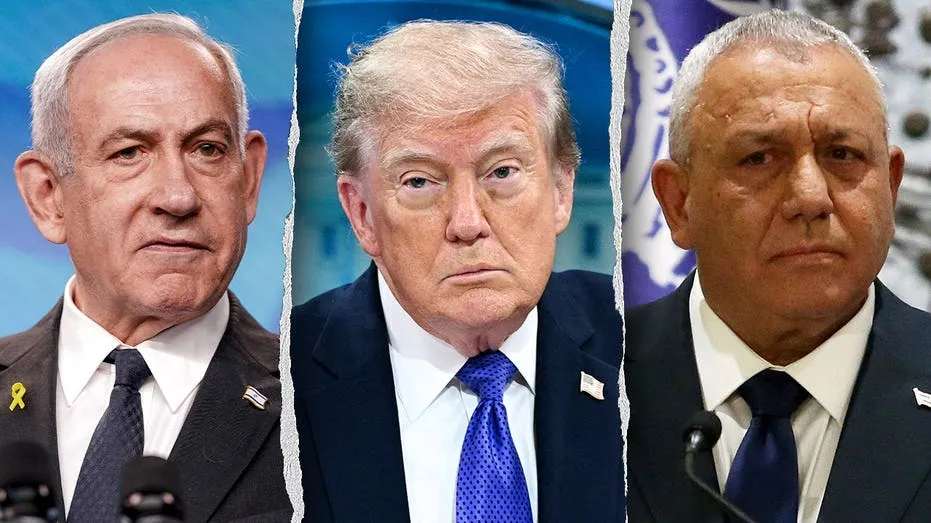
(SeaPRwire) – Israel’s political vacuum has become a security question. The man chosen to form the next government said Monday Iran poses no immediate threat. The caretaker prime minister insists the opposite. This is not a debate over intelligence. It is a struggle for control of the state. Eisenkot, a former army chief, points to 440 kilograms of uranium enriched to 60%. The IAEA last verified 440.9 kilograms before June attacks. Inspectors have since lost track of the material. The U.S., Britain, France and Germany flagged that verification gap in a Nov. 19 statement. Netanyahu calls the Iranian threats real. The argument is being waged in public. It will decide when, or whether, Israel strikes.
Eisenkot’s alliance won 48 seats. Netanyahu’s right-wing and religious allies secured 53. Those alliances shifted. United Torah Judaism, seven seats, declined Netanyahu and joined Eisenkot talks. Netanyahu now has 46 lawmakers formally backing him. Eisenkot has 67 supporters, including 19 from Arab-led parties. Israel has a single-chamber parliament. The new majority moved quickly. Matan Kahana is Knesset speaker. Avigdor Liberman heads the Foreign Affairs and Defense Committee. Liran Avisar Ben Horin chairs the provisional Finance Committee. At a Nov. 17 meeting, she ordered 1.5 billion shekels in unallocated funds submitted separately for scrutiny. Legislation to reverse judicial changes is advancing. Eisenkot insists on a state commission into the Oct. 7 attacks and mandatory service for all.
The international dimension sharpens the domestic fight. Trump is inclined to resume strikes after the new year if talks fail. He called negotiators professional tap dancers and warned ships could be sunk. A U.S. official said the economic campaign is devastating enough to make major combat operations unnecessary. Former Mossad chief David Barnea wants military action as soon as conditions allow. He doubts a diplomatic agreement will ever succeed. He also accepts sanctions may need more time. Meanwhile, visible Iranian crude exports have dropped to near zero. Tehran calls the blockade military aggression. The question is not only whether to strike. It is who will lead Israel when that decision is made.