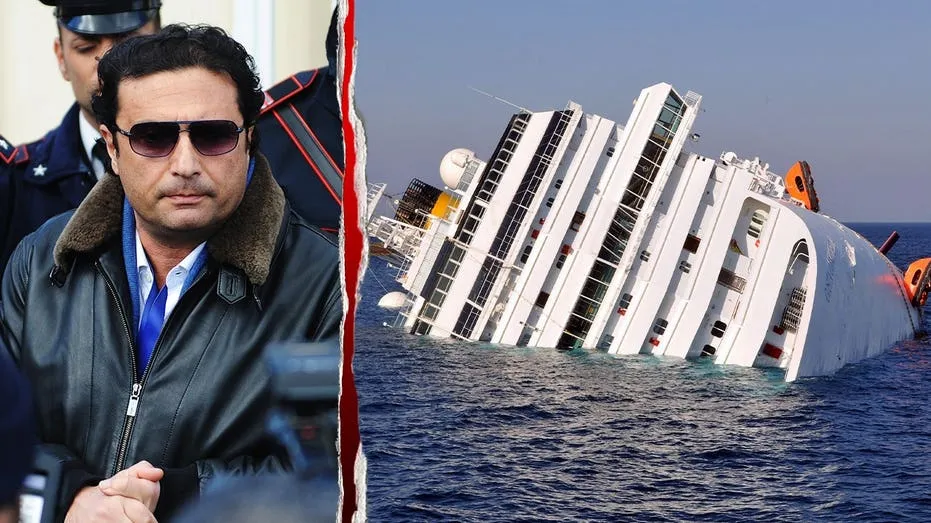
(SeaPRwire) – The early release of Francesco Schettino, the captain who abandoned the Costa Concordia, cuts against the grain of maritime law. He was the first off the sinking ship, and now he is the first out of prison. Survivor Nicholas Taliaferro put it plainly: it seems a little disrespectful to the families and the survivors. The core contradiction is that a legal sentence has been served, but the moral weight of the tragedy has not been lifted. The system has allowed a man who fled his post to reintegrate into society, while the families of the 32 victims continue to live with the consequences.
Schettino spent nine years in a Rome prison. His 16-year sentence for manslaughter was reduced, leaving seven years to be served under supervised probation. His lawyer, Francesca Carnicelli, confirmed he now works as an office worker, must be home by 10:00 p.m., and cannot leave his province. The original facts remain stark. On Jan. 13, 2012, the Costa Concordia struck rocks off Tuscany’s Giglio island after Schettino veered off course for a “sail-by salute.” There were 4,200 passengers and crew aboard. Thirty-two people died. Prosecutors argued he was cowardly, refusing the Italian Coast Guard’s orders to return and help with evacuation. A Netflix documentary, “Shipwrecked: Nightmare at Sea,” released earlier this year, reignited the debate.
The legal machinery has run its course, but the regulatory enforcement outcome is a hollow victory. The maritime principle is absolute: the captain is the last one off the boat. Schettino broke that rule, and the state now treats him as a man who has paid his dues. This does not reconcile the letter of the law with its spirit. The ultimate end-game of this compliance loop is a chilling precedent for any captain facing a crisis. The rulebook is clear, but the penalty structure is negotiable. For the families and survivors, the sentence ends, but the justice does not. That is the stark, unacceptable reality.