
(SeaPRwire) – By: Logan Pierce
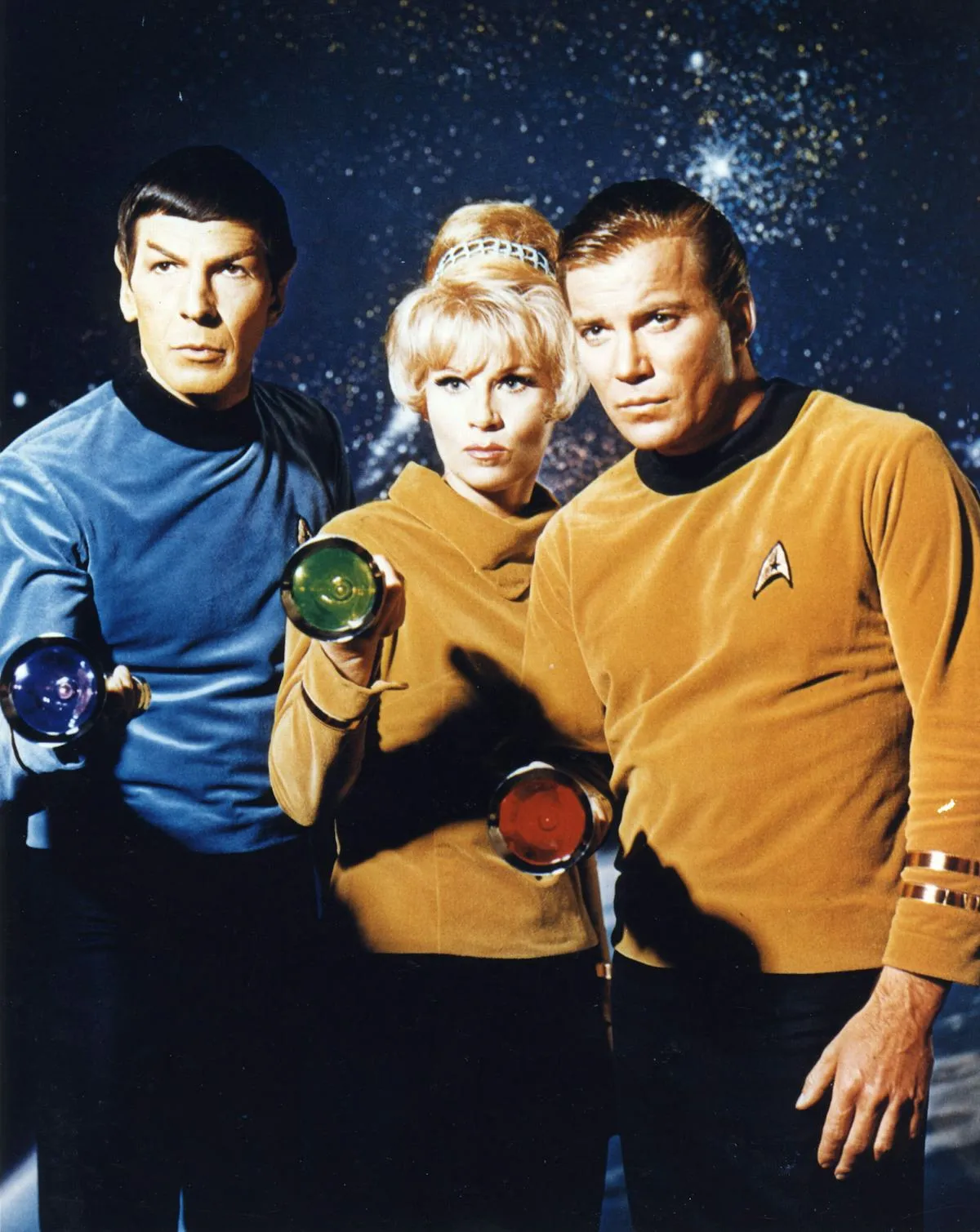
The 60th anniversary of Star Trek was never going to be a simple nostalgic tribute. Paramount Television turned it into a full theatrical push. The documentary The Sixty-Year Mission opened in theaters on October 9. It bet on a film focused exclusively on the 1960s Original Series. The target was a younger audience that has never experienced the franchise on network television. William Shatner, producer and franchise icon, positioned himself as a strategic stakeholder, not a nostalgic elder. He is actively extending the brand’s commercial life. The theatrical release timing signals confidence that source material remains commercially viable. This is not just a birthday celebration; it is a calculated commercial event.
The documentary’s creative team tells a specific story. Mark A. Altman, writer and director, is a Trek expert, not a generic documentary filmmaker. Producers Daren Dochterman and Ashley E. Miller co-host the highly popular Inglorious Treksperts podcast. It has built a substantial audience of dedicated fans over many years. Shatner called them talented and said he joined because a credible crew wanted his involvement. The transaction is straightforward. Authentic deep-dive content paired with the franchise’s most recognizable living face. For a fanbase that has consumed decades of behind-the-scenes material, this combination signals something more genuine than typical anniversary packaging. Shatner, who first spoke about his involvement at NY Comic-Con 2026, framed his role as natural rather than promotional. The credibility of the production team is the asset being leveraged.
What makes this commercially interesting is the audience bridge. Shatner admitted he cannot fully explain why young children still love TOS. He offered a personal theory. He started acting at age six. He was already a child actor when he played Captain Kirk in the early 1960s. The implication is that TOS radiates genuine youth energy. It resonates across generations far more effectively than many contemporary productions. This is not manufactured nostalgia. It is an authentic cultural signal that persists in a streaming era dominated by reboots and remakes. His inability to fully articulate the mechanism actually strengthens the commercial case. Mystery around why something works is itself a driver of sustained engagement. Star Trek found a frequency that transcends its decade of origin.
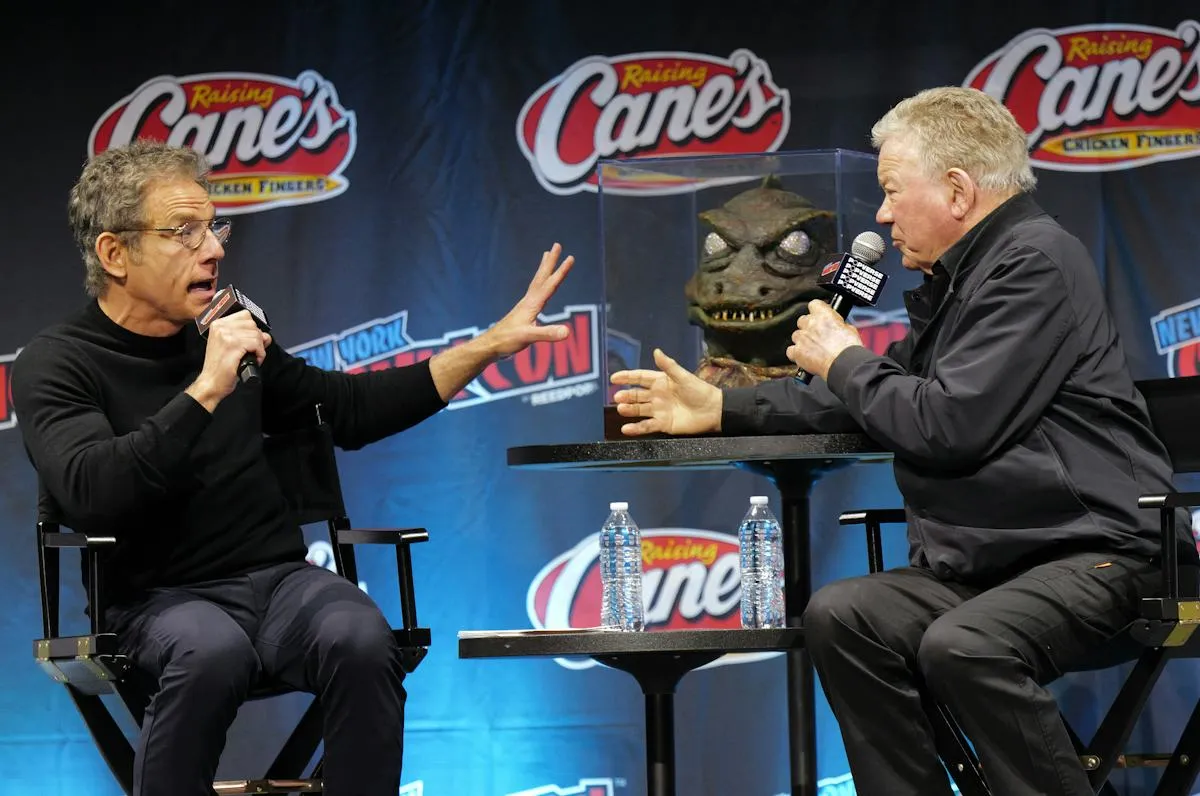
The documentary market for Star Trek has been crowded for years. Books, TV specials, and streaming docs all compete for the same anniversary attention. The Sixty-Year Mission narrows its scope to TOS and the 1960s, avoiding franchise sprawl that diluted competing retrospectives. At NY Comic-Con 2026, Shatner discussed this focus alongside Ben Stiller. He reflected on The Enemy Within, admitting his memory was spotty after 65 years. When Stiller probed about specific memories, Shatner said he had no recollection whatsoever, joking about eye makeup on set. He called his performance full tilt and extreme. The authenticity gap is itself a selling point. Audiences know they are getting the real Shatner, not a polished retrospective performance.
Shatner’s emotional state at Comic-Con reveals the real commercial driver behind this moment. His friend Mike Horn, a radio personality who died at 74, prompted Shatner to confront his own mortality with visible tears. He told Inverse that Star Trek is part of his life. This documentary might come and go, but the moment is here now. This is not merely a film release; it is a generational handover play. Paramount knows the core performers of TOS are aging out, and the window for authentic source-level material is closing rapidly. Shatner, who rarely rewatches his own work, insists legacy lives in participation, not retrospection. He noted he would have done Kirk better today. It speaks to an artist who still sees growth decades later.
Every major anniversary event in franchise entertainment is really a race against the biological decay of its founding cast and crew.
Author bio: Logan Pierce, an independent business researcher and corporate governance writer on Medium specializing in media franchise economics, IP longevity analysis, and the commercial dynamics of entertainment branding across global markets.