(SeaPRwire) – By: Robert Kensington
Everyone remembers the 2005 *Chronicles of Narnia* film. It wasn’t a disaster, but it felt like a theme park ride. Safe, sterile, and lacking soul. That failure taught a brutal lesson to Hollywood. Audiences didn’t want a generic fantasy blockbusterr; they wanted a unique directorial voice. Greta Gerwig steps into this gap. She just released the trailer for *Narnia: The Magician’s Nephew*. But look closer at the announcement. It feels less like a standard sequel and more like a calculated restructuring of the entire franchise. The strategy is bold, but the risks are just as high.
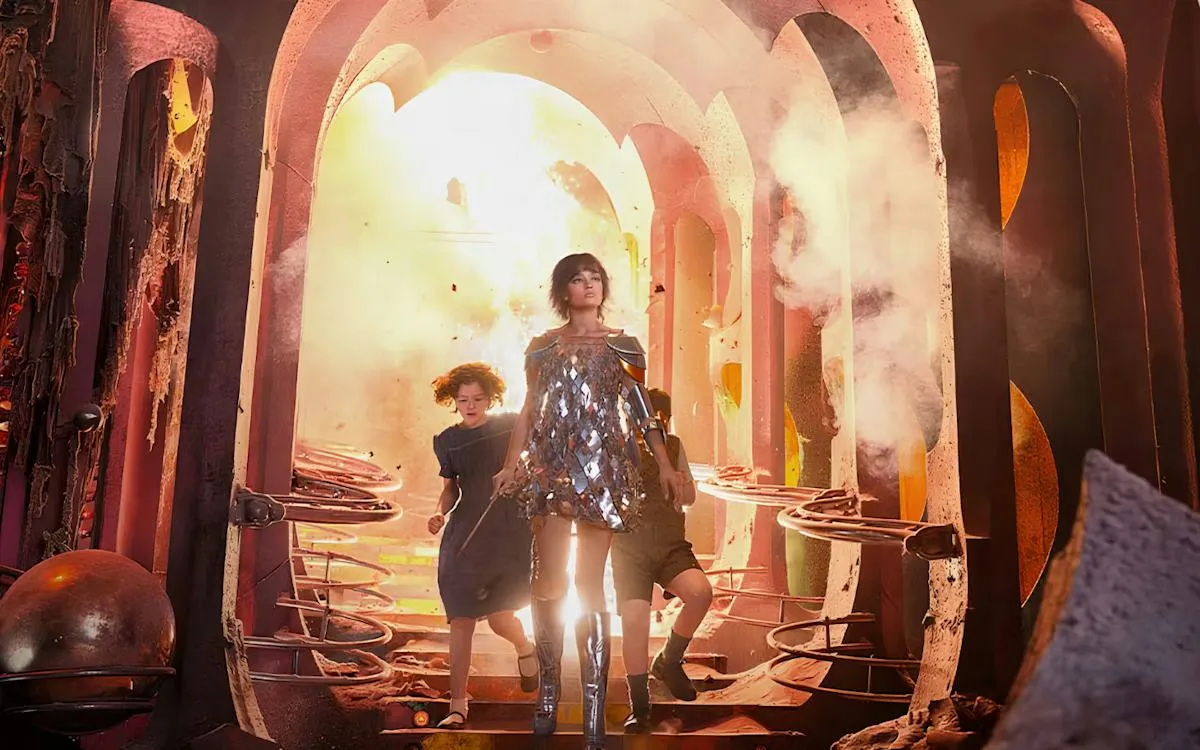
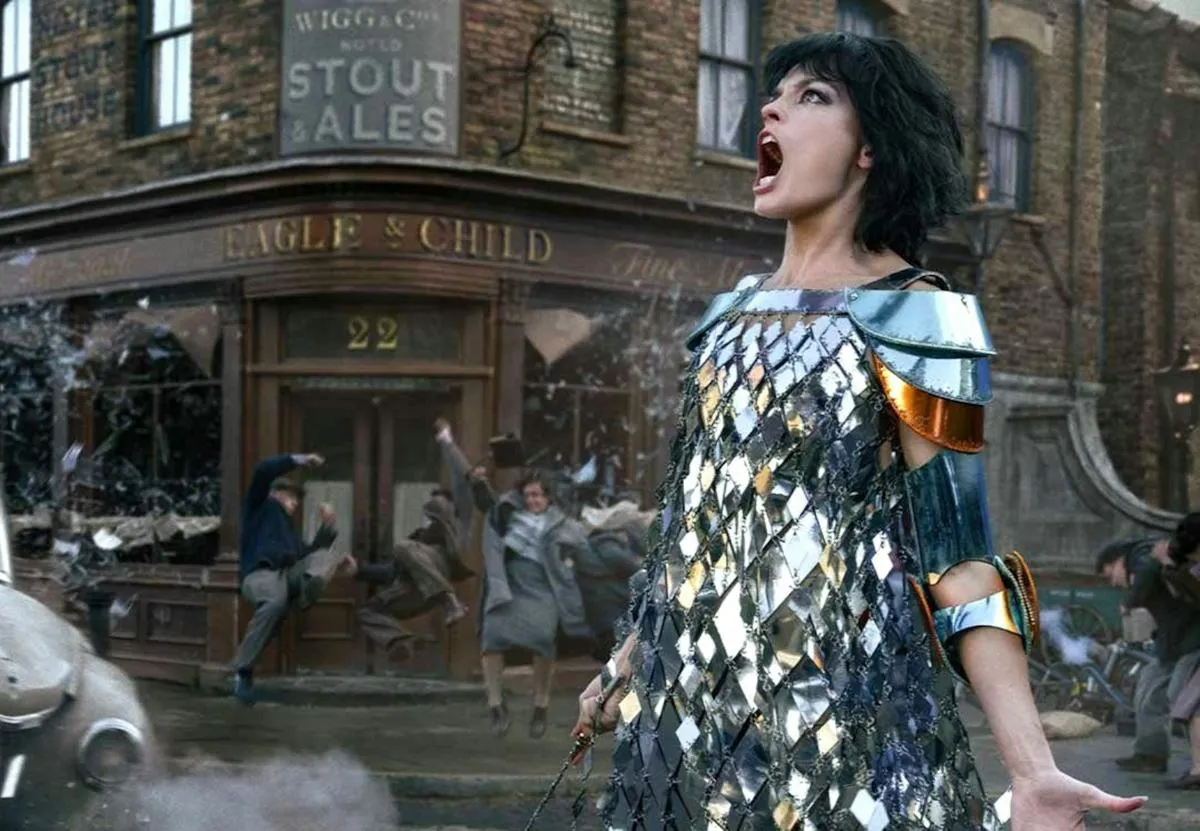
The official release states the facts clearly. Netflix will begin the saga with the prequel. The series follows Digory Kirke and Polly. They uncover the newly-formed realm of Narnia. A critical pivot happens here. Digory accidentally awakens Jadis. She then crosses over into the real world. This specific plot point drives the story forward. The premiere date is February 12, 2027. It starts in theaters. Subsequent releases go to Netflix. Daniel Craig plays Uncle Andrew. Samara Weaving portrays Jadis. These casting choices are deliberate. They move the narrative away from the child-centric view of the first books.
Commercial intent often hides behind creative choices. This adaptation deliberately shifts the timeline. The prequel now sits in the 1950s. This forces future entries into the 1970s or 1980s. It creates a modern, retro aesthetic for the later films. The use of Led Zeppelin’s “Stairway to Heaven” signals this tonal shift. It bridges the gap between fantasy and reality. The music suggests a journey that feels immediate and dangerous. Fans want a fresh take on Narnia. They want it to feel alive, not just rehashed.
The real market question is audience fatigue. Can a prequel carry the weight of the entire brand? Starting with the creation of Narnia is smart. It explains the origin of the magic. But does it secure the mass audience for the later, beloved stories? The 1950s setting adds a period drama texture. It appeals to an older demographic. It distances the series from the young family demographic of the last decade. This targets a specific, lucrative niche. It turns a children’s franchise into a prestige event. If the tone lands, it redefines the market. If it doesn’t, it will be called out for ignoring the source material.
The franchise future hinges on this one step. If the prequel resonates, the sequels have a green light. The production is locked into a distinct visual identity. It moves away from the previous live-action attempt. This is a high-wire act in the streaming space. Content must be immediately consumable. Narnia demands time and attention. The theatrical release on February 12, 2027, tests that demand. The strategy is risky. It bets that a unique directorial vision outweighs the safety of a known formula. This is where Netflix either cements a new franchise or leaves another big IP on the shelf.
Author bio: Robert Kensington, an overseas entrepreneurial veteran with decades of experience in real-economy industrial investment and expansion, providing sharp commentary on how creative choices drive commercial outcomes in the media sector.