

(SeaPRwire) – By: Logan Pierce
Here is the commercial reality nobody says out loud. Horror is the last genre where physical media still prints money, and a decade-old morgue film grossing just $6 million theatrically now gets a premium two-disc 4K treatment from Severin. That is not nostalgia. That is a collector arbitrage play. Niche labels have figured out that streaming buried mid-budget genre films in algorithmic sludge, and curation itself became the product. The Autopsy of Jane Doe flopped at wide release but never stopped earning in the aftermarket.
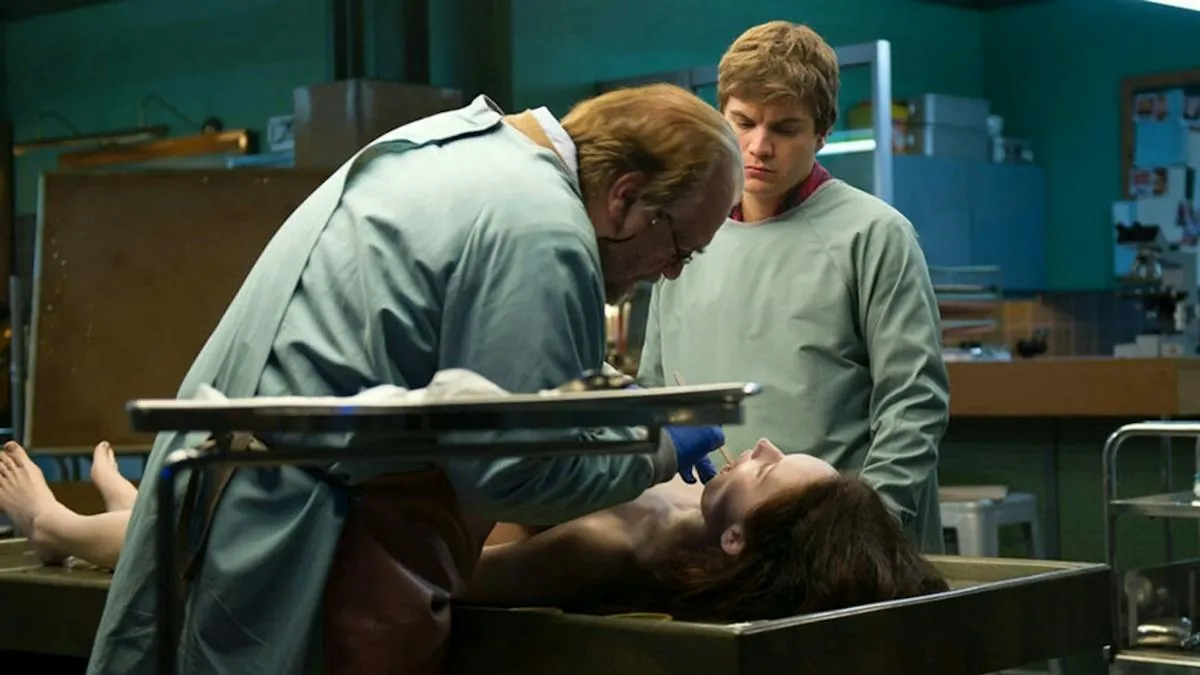
Strip the facts down. The film premiered at TIFF in 2016. André Øvredal directed, six years after Trollhunter made him internationally known. Brian Cox and Emile Hirsch anchored a single-location story built around one corpse, played by Olwen Kelly, cast specifically for her yoga and breath-control discipline. Critics at Bloody Disgusting and RogerEbert.com praised its restraint, calling it essentially a haunted house film where the house happens to be the morgue.
Now the commercial half. Severin’s two-disc 4K release ships with a brand-new scan plus featurettes, including interviews with Øvredal, Hirsch, Kelly, writers Ian Goldberg and Richard Naing, several producers, and on-set material with the cast. That is a serious archival package for a film most casual viewers missed entirely. The timing is calculated too, landing in the Halloween retail window when horror purchasing spikes.
The game theory here is simple. Studios treat catalog horror as worthless licensing filler. Boutique labels treat it as undervalued IP with obsessive buyers. Criterion proved the model at the prestige tier, Arrow and Shout Factory industrialized it at the genre tier, and Severin is now mining the recent past, the 2010s catalog that streaming platforms licensed cheaply and then forgot. Scarcity plus restoration plus bonus content equals a margin structure Netflix cannot replicate.
The second layer is filmmaker economics. Øvredal’s subsequent work, The Last Voyage of the Demeter and Passenger, underperformed the dread discipline Jane Doe demonstrated. Physical releases now function as career revaluation events, reframing a director’s peak and rebuilding audience goodwill ahead of whatever comes next. The disc is not merchandise. It is reputation infrastructure, repackaged in a slipcase.
The label that owns horror’s back catalog on disc will quietly own the genre’s entire long tail.
Author bio: Logan Pierce, an independent business researcher and corporate governance writer on Medium covering media economics and physical-media market structures.