The Batman Part 2: Unveiling Gotham’s Turbulent Future Business

The Batman Part 2: Unveiling Gotham’s Turbulent Future

(SeaPRwire) - By: Oliver Hawthorne The Batman Part 2 sits at the crossroads of high anticipation and speculative intrigue. The first film in 2022 redefined the Caped Crusader's narrative with a gritty, noir-infused approach. Now, as the release date inches closer to October 1, 2027, fans and industry watchers alike are poring over every detail. The first movie's success—both commercially and critically—set a high bar. It not only secured a sequel but also a spin-off centered on The Penguin. This momentum underscores the franchise's resonance. Gotham City serves as the beating heart of the story. The sequel is anchored in a winter setting, following the flood depicted in the first film. This flood draws from the "Zero Year" comic arc, where The Riddler orchestrated a catastrophic event. Additionally, echoes of "No Man’s Land" loom, where Gotham was cut off by the military. The city's turmoil is palpable, with criminals like The Penguin capitalizing on the chaos. Batman, Jim Gordon, and their allies face the uphill battle of restoring order. The potential return of conspiratorial elements from the first film hints at another complex mystery to solve. The cast adds layers of excitement. Robert Pattinson reprises his role as Batman/Bruce Wayne, with Jeffrey Wright as Jim Gordon and Andy Serkis as Alfred. Colin Farrell is back as The Penguin, and Barry Keoghan takes on the iconic role of The Joker. Speculation runs rife about Scarlett Johansson, Sebastian Stan, and others in undisclosed parts. Initial theories about character assignments have shifted, keeping the narrative under wraps. This air of mystery is rare in modern superhero films, heightening the sequel's allure. As the release date approaches, The Batman Part 2 stands as a testament to Matt Reeves' vision. It aims to build on the street-level, detective-driven foundation of the first film. With Gotham's future hanging in the balance and a star-studded, yet enigmatic, cast, the sequel is poised to redefine superhero storytelling once more. The wait for the first trailer will only intensify the buzz, but one thing is clear: Gotham's shadows are about to deepen in a way fans won't soon forget. Author bio: Oliver Hawthorne, Principal Correspondent at an international technology review, with a focus on dissecting film and entertainment trends, bringing nuanced insights into the evolution of superhero narratives.
More
HBO’s Offscreen Tumbleton Sack Is The Exact Streaming Bait-And-Switch Book Fans Feared Business

HBO’s Offscreen Tumbleton Sack Is The Exact Streaming Bait-And-Switch Book Fans Feared

(SeaPRwire) -By: Silas Sterling Spoilers for House of the Dragon Season 3 Episode 3, “Rhaenyra Triumphant” follow below. The final scene of House of the Dragon Season 3 Episode 3 cut to black. The book reader discords I lurk in blew up instantly. No one was celebrating Rhaenyra’s hard-won hold on King’s Landing. Everyone was typing in all caps about Tumbleton. HBO’s marketing team spent weeks teasing “faithful, brutal dragon battle sequences” for this season. They dropped stills of outstretched dragon wings, teased castings for key Tumbleton players. They leaned hard into book fan nostalgia to lock in early viewership. That hype was always a bait and switch. Westeros is a sprawling realm. Even long-time Game of Thrones fans cannot name every town that shapes the story. Major landmarks like Winterfell, King’s Landing, and The Wall get top billing in opening credits. Smaller holds like Pennytree, Acorn Hall, or the Stepstones often slip past even dedicated viewers. It makes sense that many fans were confused when Tumbleton took center stage in the episode’s final beat. Even readers deeply familiar with the town were caught off guard. The town is not supposed to factor into the plot for many more episodes. Tumbleton first gets a throwaway line mid-episode, from Hugh Hammer. He tells Rhaenyra his wife fled the capital to stay with her brother there. She sought safety from King’s Landing’s spiraling chaos. The town gets no establishing shots, no sweeping map callout, no build-up as a strategic stronghold. It only returns in the episode’s final minutes. A shaken dragon keeper stumbles through the gates, speaking High Valyrian to deliver the news. Hightower forces have sacked the town, taken its people hostage, seized a young dragon held within its walls. He is the sole survivor of the garrison. Rhaenyra receives a rough update from the front from a dragon keeper. | HBO In the source text Fire & Blood, this event does not land at this point in the timeline. The First Battle of Tumbleton unfolds much later in the Dance of the Dragons. It is a deliberate, large-scale set piece, not a quick offscreen sacking delivered via one breathless messenger. The changes run far deeper than a shifted timeline. In Fire & Blood, the First Battle of Tumbleton centers Daeron Targaryen, Alicent’s youngest son, riding his dragon Tessarion. The fight unfolds after a Daeron decoy is sent to King’s Landing as a prisoner. That ruse lets the real Daeron move freely to join the Greens’ assault. The book’s battle hinges on two key Black allies betraying their side to defect. That treachery is what hands the Hightowers their decisive win. The episode gives no confirmation Daeron was even present for this sacking. The show’s established timeline so far makes that famous double betrayal logistically impossible. The writers skipped the entire battle entirely, only showing its immediate aftermath. That is not a small tweak. It is the equivalent of ripping a core functional module out of a mature codebase. The move cuts down significantly on runtime production load. Some viewers have guessed the creative choice is a deliberate build-up. The offscreen sacking could clear space for a later, more brutal set piece. That set piece would give the double betrayal and Daeron’s unmasking more room to land. Thanks to the Daeron Targaryen decoy, the real Daeron would be free to sack Tumbleton. | HBO Long-time genre fans have seen this exact play before. When a streaming service cuts a big, VFX-heavy battle to offscreen exposition, it is never just a creative choice. Large-scale dragon battle sequences for this franchise carry massive production costs. They require months of post-production, hundreds of VFX artist hours, complex location shoots and stunt coordination. Offloading that beat to a 90-second messenger monologue cuts those costs dramatically. It also creates a ready-made string of cliffhangers to pull viewers through the rest of the season. Fans will keep tuning in week after week. They will wait for Daeron’s real introduction, for that promised betrayal beat. They will wait for the big dragon fight sold in pre-season trailers. The approach lets HBO stretch its existing IP across more episodes. It avoids pouring extra budget into standalone set pieces that don’t move long-term retention metrics. House of the Dragon Season 3 is now streaming on HBO Max. The fans who pored over Fire & Blood for years built this franchise. They turned a niche fantasy book series into a global cultural juggernaut. They are not the customer here. They are just the marketing hook to draw in casual viewers. Those casual viewers keep their subscriptions active month over month, regardless of deep lore cuts. The Tumbleton change is not a bold creative reimagining. It is a reminder of a simple, frustrating truth. When you build community around a corporate-owned IP, you never get a vote. You have no say in how it gets chopped up to hit quarterly retention targets. Author bio: Silas Sterling, veteran kernel contributor and editor-in-chief of an independent open-source security digest, covers streaming IP dynamics and fan community tradeoffs for genre audiences.
More
The Nostalgia Engine: How ‘Strange New Worlds’ Is Engineering a Legacy Character Arms Race Business

The Nostalgia Engine: How ‘Strange New Worlds’ Is Engineering a Legacy Character Arms Race

(SeaPRwire) - By: Oliver Hawthorne The streaming era of Star Trek faces a quiet, internal crisis. Since the franchise’s 2017 relaunch, a core strategy has been the creation of new characters to populate new corners of the universe. This approach, seen in *Discovery*, *Lower Decks*, and *Prodigy*, was a necessary evolution. Yet, it has created a subtle anxiety: a growing distance from the original, iconic source material that defines the brand's most valuable equity. The upcoming fourth season of *Strange New Worlds* is not just another chapter; it is a calculated, high-stakes maneuver to resolve this tension. The show is poised to weaponize nostalgia with unprecedented intensity, potentially deploying the highest number of legacy characters in any modern Trek season. This isn't merely fan service. It's a commercial pivot, an attempt to lock in a dedicated subscriber base by systematically bridging the narrative gap to *The Original Series*. The industry is watching to see if this reliance on established IP can sustainably power a streaming empire, or if it signals a creative event horizon. The official facts lay a formidable groundwork. The core cast of *Strange New Worlds* already includes seven legacy characters: Pike, Spock, Number One, Scotty, Uhura, Chapel, and Dr. M’Benga. Each originates from *The Original Series*, with debut episodes meticulously cataloged from “The Cage” to “A Private Little War.” Previous seasons have expanded this roster with appearances by Sam Kirk, Admiral Robert April, T’Pring, James T. Kirk, and deep-cut figures like Trelane, Q, and a young Khan. The trajectory is clear and accelerating. Season 5 is confirmed to introduce Sulu and Dr. McCoy, played by new actors, as part of a six-episode special explicitly designed to link the series to *TOS*. The stated goal for Season 4, encapsulated in its tagline “Boldly one step closer to where it all began,” is to populate this narrative runway. The press release speculates on potential new legacy additions, including Gary Mitchell, Dr. Piper, Janice Rand, Kevin Riley, Captain Matt Decker, and Commodore Stone. Introducing just a few would technically break the modern record. The subtext, however, reveals a more complex commercial algorithm at work. This isn't an organic narrative choice. It is a deliberate content strategy engineered for maximum IP utilization and subscriber retention. Each legacy character introduced is a pre-validated story asset, reducing the marketing cost and audience friction required for a new character. The mention of Gary Mitchell potentially replacing fan-favorite original character Erica Ortegas is particularly telling. It demonstrates a willingness to trade original development for canonical alignment. The commercial loop here is stark: use nostalgia as a low-risk acquisition tool, deepen the narrative ties to the franchise's most lucrative era (*TOS*), and create a seamless, in-universe product that funnels viewers from new shows back to the classic library. It’s a closed-loop system designed to keep Paramount+ subscribers within the Trek ecosystem, mitigating churn in a brutally competitive market. The ultimate industry end-game this portends is a consolidation around core IP at the expense of bold, new universe-building. If *Strange New Worlds* succeeds in boosting metrics through this legacy blitz, it becomes the playbook. The signal to studios will be clear: in a crowded streaming landscape, the safest ROI lies not in the "strange new worlds" of the title, but in meticulously mining and remixing the familiar old ones. The creative risk shifts from developing something new to the technical and fan-relations risk of rebooting beloved lore. The franchise’s future may become a process of infinite prequelization, filling every chronological gap with known quantities until the entire narrative space is a densely populated map of Easter eggs. The final frontier, in this business model, is the efficient monetization of memory. Author bio: Oliver Hawthorne, a Principal Correspondent permanently stationed at an international technology review, specializing in the intersection of content strategy, platform economics, and franchise management in the digital media landscape.
More
How Pirates of the Caribbean: Dead Man’s Chest Killed the Classic Adventure Blockbuster (And Built the Modern IP Factory) Business

How Pirates of the Caribbean: Dead Man’s Chest Killed the Classic Adventure Blockbuster (And Built the Modern IP Factory)

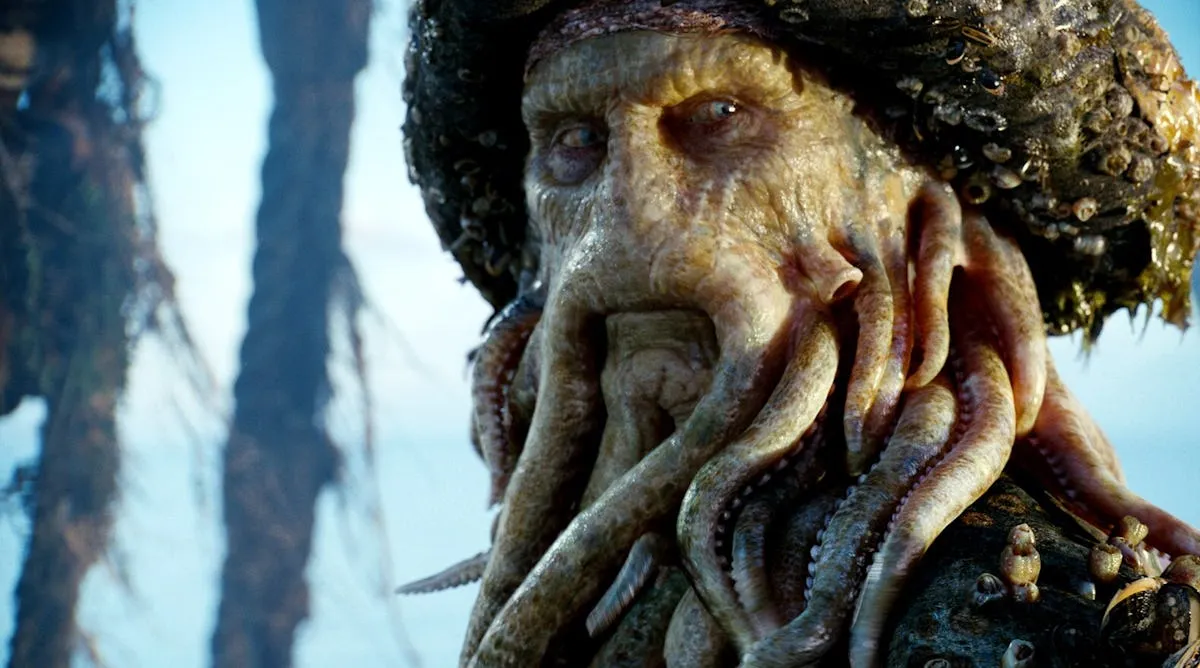
(SeaPRwire) - By: Lucas Caldwell Twenty years ago, Pirates of the Caribbean: Dead Man’s Chest didn’t just break summer box office records. It redefined what a modern blockbuster could be. For a brief, shining moment, it brought the classic adventure film back from the brink of obscurity. Then it set in motion the chain of events that would turn that beloved genre into a fading relic. Most casual fans remember the menacing Kraken, the tense three-way sword fight, and Bill Nighy’s unforgettable performance as Davy Jones. But the real legacy of this movie is far more complicated than anyone expected back in 2006. The original Pirates of the Caribbean: The Curse of the Black Pearl launched in 2003. Disney had hesitated to greenlight a film based on its theme park ride. It ended up grossing $654 million on a $140 million budget. The studio quickly locked in the cast and crew for back-to-back sequels, modeled after the Matrix trilogy. Dead Man’s Chest was the first of those two sequels. It followed Jack Sparrow, Elizabeth Swann, and Will Turner as they raced to claim control of the Flying Dutchman and its cursed captain Davy Jones. Screenwriters Ted Elliott and Terry Rossio studied classic sequels like The Empire Strikes Back and T2: Judgment Day for their work. They didn’t just retread the first film’s plot. They added layered stakes, with Elizabeth and Will arrested by the East India Trading Company in the opening 10 minutes. The movie’s plot relied on shifting alliances and constant betrayals. It mixed groundbreaking digital effects with practical set work. It was only Gore Verbinski’s second major studio blockbuster film. Back in 2006, the classic adventure film was already losing its box office dominance. Superhero films hadn’t fully taken over the mainstream yet. But Dead Man’s Chest proved that big-budget IP adaptations could print massive profits. It showed studios that overstuffed, lore-heavy sequels could draw consistent crowds. Hollywood executives took immediate note. They started shifting their budgets away from original adventure stories and toward safe, proven IP franchises. The movie’s technical innovations also set a new bar for blockbuster filmmaking. The combination of practical set destruction and cutting-edge CGI created tangible, visceral thrills. But this new standard came with a steep cost. Studios now needed ever-larger budgets to compete with the visual spectacle of Dead Man’s Chest. They stopped taking risks on original, small-scale adventure films. Instead, they doubled down on shared universes and IP reboots, exactly the landscape we see in Hollywood today. Until Hollywood studios abandon their obsession with safe, overstuffed IP, the classic adventure film will remain a distant, fondly remembered memory. Author bio: Lucas Caldwell, a tech and media industry analyst with a large social media following focused on Hollywood’s creative and industrial shifts.
More
I Called It: The Missing Daeron Targaryen Has Been Right In Front Of Our Faces This Whole Season Business

I Called It: The Missing Daeron Targaryen Has Been Right In Front Of Our Faces This Whole Season

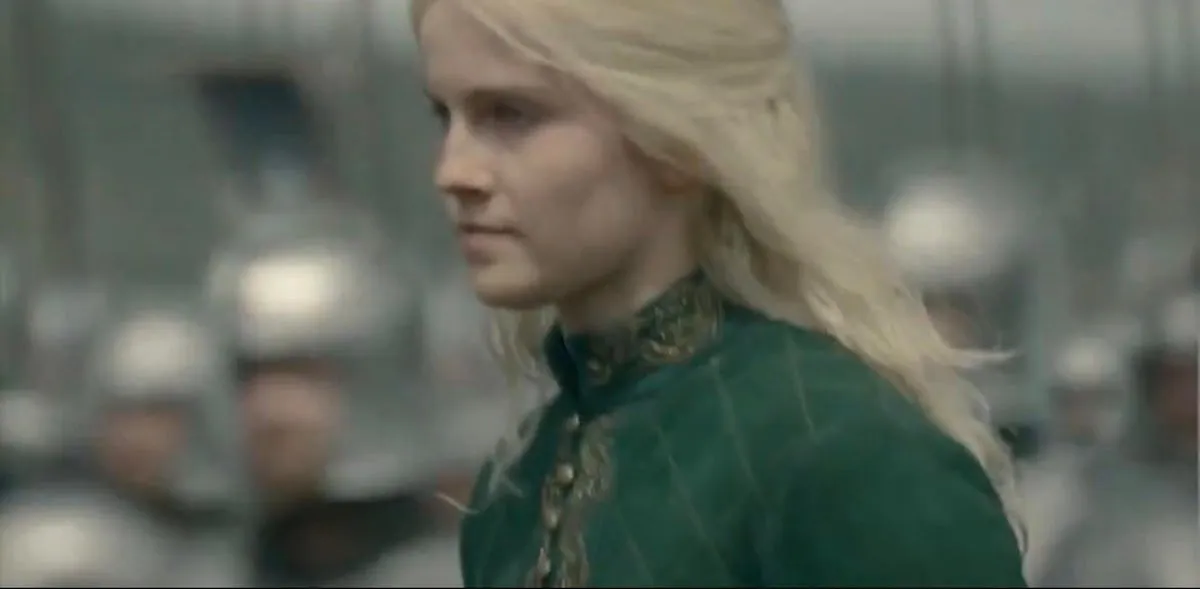
(SeaPRwire) -By: Silas Sterling HBO’s team didn’t just hide Daeron Targaryen in plain sight. They built the entire S3 opening arc around letting fans find him on their own. The second S3 Ep3 dropped last week, r/HouseOfTheDragon threads blew up with theories before the end credits even rolled. No official teases, no leaked set photos, no PR push. The network let the fandom’s collective detective work do all the marketing heavy lifting for them. That’s not lazy writing. That’s a deliberate, hyper-effective trick that most other franchise teams can’t pull off half as well. Let’s lay out the on-screen facts first, no fan theory fluff. Rhaenyra sits on the Iron Throne now, but her win is hollow. She has no gold to run the court, no loyalty from Green-aligned lords, no goodwill from King’s Landing commoners. Her biggest gap is in remaining Targaryen rivals. Aegon is on the run with Larys Strong, Aemond is plotting from Harrenhal. The only Green claimant she thought she held was Daeron, Alicent’s youngest son raised in Oldtown. HBO That win fell apart the second she brought Alicent to see the captive. Alicent didn’t recognize the boy. Ormund Hightower swapped the real Daeron for a decoy, dying a random Oldtown boy’s hair silver to pass him off. That reveal sent every fan scrolling back to the first two episodes of the season for clues. The clearest one popped up in S3 Ep1, during Ormund Hightower’s march north. He was flanked by Ser Jon Roxton and a quiet teenage squire with russet auburn hair. That hair color matches Alicent’s exactly, if you go back to earlier seasons to check. Targaryen silver hair is dominant, but not unbreakable. We already saw that play out with Rhaenyra’s three sons fathered by Harwin Strong, all with dark brown hair instead of silver. There’s no canonical reason Daeron couldn’t have inherited his mother’s hair instead of his father’s. The decoy Daeron Targaryen fools Rhaenyra, but where’s the real one? | HBO This russet-haired squire may actually be Daeron Targaryen. | HBO The smoking gun isn’t even in the show itself, it’s in the casting credits. That unnamed squire is played by Benjamin Evan Ainsworth. He’s not a random background actor. He played Miles in *The Haunting of Bly Manor*, voiced the lead in Robert Zemeckis’ *Pinocchio*, and is already cast as Link in the upcoming *Legend of Zelda* live action film. There’s zero chance a rising actor with that resume would take a throwaway one-line squire role. His IMDb page also has no listed *House of the Dragon* credit, which is a deliberate choice by HBO to avoid spoiling the twist. Showrunner Ryan Condal already confirmed to *Entertainment Weekly* that the real Daeron will have a major role in S3. All the pieces line up perfectly. This whole gambit exposes the weird dynamic between modern franchise studios and their fan bases. Fans think they’re outsmarting the writing team by connecting these clues early. The writing team explicitly built those clues to be found, to drive organic social media buzz that costs the studio nothing. We’re not getting rewarded for paying attention. We’re doing free marketing work for HBO, and most of us are happy to do it. The only real takeaway for viewers is to stop wasting time hunting for spoilers. The studio will show you exactly what they want you to see, when they want you to see it. *House of the Dragon* is streaming on HBO Max. Author bio: Silas Sterling, veteran pop culture and fandom industry analyst, editor of a leading weekly genre entertainment digest.
More
Unveiling Amazon’s Bizarre Bestsellers: What’s Driving the Craze? Business

Unveiling Amazon’s Bizarre Bestsellers: What’s Driving the Craze?

(SeaPRwire) - By: Lucas Caldwell Amazon is currently a hotbed of unusual products. There's a wide range of odd items that are quickly selling out. From strange miniatures to glow - in - the - dark accessories, these off - the - wall products are captivating consumers. The AOHMPT Dishwasher Magnet Sticker can turn a plain dishwasher into a work of art. You can change the image as you like, regardless of the appliance's color or style. The HAUSHOF 5'X8' Outdoor Rug with LED Strip Light creates a lit conversation area on the deck. It can transform a garden or campsite into a living room and comes with stakes for securing it. The MaxForJoys Wooden Door Self - Adhesive Outlet Cover adds an air of mystery to your home, making people wonder what's behind the door. The GIGALUMI Garden Lights soak up sunlight during the day and put on a fireworks - like show at night. The OneBom Glow In The Dark Remote Cover makes it easy to find the remote in the dark and adds a lanyard. The Generic Chenille Towel Ball is cute and dries quickly, perfect for the bathroom. The Generic Bread & Butter Squishy offers doughy comfort and a stress - relieving squish. The L LOHAS LED Plug - In Chandelier Night - Light brings old - school glam to your after - dark lighting. The MGA's Miniverse Make It Mini Taco Bell Series is great for crafts and imaginative play. The KUMLENMO Jar of F*cks is a hilarious gag gift. The Innovibe Toilet Disco Light turns nighttime bathroom trips into a party. The AQKILO Squirrel Finger Puppet can liven up a dull conversation. The Kensally LED Coaster Stickers turn drinks into otherworldly lights. The Jacuate Bluetooth Audio Smart Glasses offer hands - free living with voice control and blue - light filtering. The Nuanchu Strawberry Shaped Mini Candles are a cute addition to cakes. The Animal Bite Earrings create an adorable illusion. The Pokiphip Taxidermy Bat can set a specific vibe in your space. The SKNBODY Hair Identifier Spray has its own unique use. These products represent a shift in consumer preferences. They show that people are looking for more than just practical items. Consumers want products that are fun, unique, and can add a touch of personality to their lives. This trend also impacts the supply chain. Manufacturers are likely to focus more on creating these niche, novelty products to meet the growing demand. Retailers like Amazon are in a prime position to benefit from this trend. They can curate a wide selection of these unusual items, attracting more customers. Competitors may need to follow suit and offer similar products to stay relevant. The rise of these off - the - wall products on Amazon is a significant trend. It reflects changing consumer tastes and has far - reaching implications for the retail and manufacturing industries. Author bio: Lucas Caldwell, a tech opinion leader with millions of followers on X/Twitter, known for insightful tech analysis.
More
When Atomic Cinema Met Noir: How a 1961 Time Capsule Exposed Hollywood’s Hidden Calculations Business

When Atomic Cinema Met Noir: How a 1961 Time Capsule Exposed Hollywood’s Hidden Calculations

(SeaPRwire) - By: Oliver Hawthorne, a Principal Correspondent permanently stationed at an international technology review. The film’s troubled gestation reveals more about studio risk calculus than about radiated monsters. Budgetary panic compressed a five‑week schedule into seven days, and the cast languished in limbo while sets remained unfinished. What the suits failed to see was that a production stitched together under duress would carry invisible seams. The very cheapness that saved Columbia from a larger loss also guaranteed the film would never achieve mythic status, locking it into a footnote rather than a milestone. The core premise—an escaped convict transformed by atomic testing into a superpowered avenger—reads today as a stark parable of unregulated experimentation. Leo Gordon’s original spec, conceived as a three‑part TV pilot, pivoted into a feature only when Mexican location authorities reclassified the project, triggering higher labor costs. Producer Benedict Bogeaus, cornered by contractual obligations, cut corners at every turn. This context reframes the onscreen awkwardness not as incompetence alone, but as a rational response to shrinking margins and compressed timelines. The film’s flat staging and perfunctory effects become logical outcomes of a system pushed past its breaking point. Technically, the production oscillates between competent incident management and outright improvisation. Director Allan Dwan, forced into the science‑fiction arena without preparation, leans on genre‑hybrid instincts that stabilize the chaos. The sequence where the still‑handcuffed protagonist faces imminent nuclear annihilation showcases a surprising narrative grip, as technicians nervously aware of safety protocols highlight the thin line between survival and obliteration. Tudor Owen’s Dr. Meeker provides pseudo‑scientific exposition using household analogies, turning Cobalt Element X into a digestible curiosity rather than a credible threat. These choices do not conceal the budget’s limitations; they weaponize them, turning constraints into a peculiar form of authenticity. Yet the film’s true resonance emerges in its noir undercurrents, where moral decay mirrors physical mutation. The double‑crossing mobsters, the femme fatale Carla, and the loyal damsel Linda form a triangle that exposes the era’s anxieties about shifting gender roles and urban alienation. Eddie’s desperate plea to be remade into something human—“I feel nothing. I’m not flesh anymore … I want to die”—transcends its pulpy origins, articulating a raw existential crisis. When the National Guard finally dissolves him with flamethrowers, the conclusion operates as both cautionary fable and career epitaph, underscoring Dwan’s reluctant bow to a genre he never fully claimed. Seen through a long lens, Most Dangerous Man Alive functions as a hinge between postwar cautionary tales and the emergent blockbuster logic of the 1960s. It foreshadows The Incredible Hulk’s comic‑book incarnation while exposing the limits of rushed industrial alchemy. Dwan’s career, marked by innovation yet capped by this misfit, illustrates how even prolific pioneers can be subdued by market forces. In the end, the film’s legacy rests not in its execution but in its unwitting calibration of risk, reminding us that some of the most instructive industry shifts are born not from triumph, but from the quiet acceptance of a whimper. Author bio: Oliver Hawthorne, a Principal Correspondent permanently stationed at an international technology review, dissects the intersection of creative risk and industrial pragmatism through historical case studies.
More
The Amazon Aesthetic Trap: Why Your “Expensive” Home Goods Are Just Supply Chain Hacks Business

The Amazon Aesthetic Trap: Why Your “Expensive” Home Goods Are Just Supply Chain Hacks

(SeaPRwire) - By: Jeremy Vance The modern digital shelf is choked with visual noise. Amazon listings no longer compete on utility alone. They compete on the ability to mimic luxury signals. This list of sixty-five items is not a collection of bargains. It is a catalog of optical illusions designed to hack status perception. The "expensive-looking" tag is a deliberate supply chain strategy. It targets the consumer desire for prestige without the capital outlay. We are witnessing a shift from functional durability to aesthetic simulation. This is pure shelf-space warfare driven by algorithmic recommendation engines. Consider the Kandicyar battery lights or the FunStick contact paper. These products leverage ultra-low-cost manufacturing nodes to maximize margin. The vinyl butcher-block paper is a material science shortcut. It avoids the heavy cost of actual renovation. Logistics optimization allows these flat-pack goods to ship globally for pennies. The GIGALUMI solar lights utilize flexible copper wire specifically to reduce packaging bulk. Even the JandCase night light and HDCRYSTALGIFTS prisms are designed for minimal dimensional weight. Every gram saved in transit directly adds to the bottom line. This is efficiency stripped of all romance. The sheer variety here implies rapid switching between contract manufacturers. One week it is a crystal prism, the next a weighted sleep mask. The Albatross Health mask uses generic memory foam sourced from the lowest bidder. This is commodity sourcing at its most fluid. Brands appear and vanish based on fleeting algorithmic trends. The Astercook knife set uses high-carbon steel but relies on nonstick coatings to mask lower-grade finishes. It is a game of musical chairs with OEMs where the music never stops. This phenomenon is essentially shrinkflation applied to home decor. You purchase the visual signal of a renovation for the price of a lunch. The Muse Apothecary mist sells a ritualistic feeling, not just a scent. It compensates for the lack of physical luxury goods in the average home. The COQIRAUSEN crystal ball is a laser-etched novelty. It provides a sense of culture at a massive discount. Items like the KPNUWN moving sand art or HOMTEK bookmarks offer fleeting beauty. Consumers are trading long-term durability for the dopamine hit of a "find." The value proposition is entirely temporal. Eventually, the illusion cracks under pressure. The Dntorx hooks claim to hold forty pounds, but for how long? The khtumeware glass dish is heat-resistant, yet likely structurally thin. Reviewers currently praise the OSCIOSS toilet brush. But will they in six months when the plastic bristles bend? The Yoeuikaoh fan chains solve a minor annoyance. They are temporary fixes to permanent problems. The aesthetic gap closes, but the longevity gap widens. This creates a cycle of disposable upgrades. The relentless pursuit of "expensive-looking" trash will eventually erode the perceived value of actual craftsmanship, leaving the market flooded with depreciating plastic simulacra. Author bio: Jeremy Vance, a global fast-moving consumer goods supply chain auditor and industry analyst.
More
The $25 Illusion: What Amazon’s Budget Home List Reveals About Retail’s Brand Death Spiral Business

The $25 Illusion: What Amazon’s Budget Home List Reveals About Retail’s Brand Death Spiral

(SeaPRwire) - By: Jeremy Vance The curated list of sixty sub-twenty-five-dollar Amazon products exposes a brutal truth about modern retail. Consumers want the aesthetic of premium goods without the premium price tag. This demand has birthed an entire tier of copycat manufacturing that mirrors designer specifications while stripping away brand equity. The Bgmonster shower lights mimic smart lighting systems that retail for triple their cost. The Hanbinsen crystal bead curtains replicate boutique showroom displays. None of these products carry the innovation of their pricier competitors. They simply replicate visual appeal through Chinese factory mass-production at razor-thin margins. Amazon's marketplace has become the world's largest knockoff gallery, and consumers are walking right into it. Private-label shelf space is crowding out established brands at an accelerating rate. Amazon's algorithm prioritizes products that can undercut competitors while maintaining acceptable review scores. The BEDELITE satin sheet set offers real-silk aesthetics at a fraction of the cost. The Nakolulu cherry blossom lamp delivers warm ambient lighting without the designer markup. These products exist because their contract manufacturers can produce identical designs at pennies on the dollar. Logistics optimization has become the primary differentiator. A product that ships cheaply, quickly, and reliably will outperform a better-made competitor priced at double the cost. The infrastructure advantage belongs entirely to Amazon and its logistics partners. The supply chain behind these budget products reveals disturbing patterns in manufacturing relocation. Every item on this list likely originates from the same tier of Chinese factories that produce goods for mid-tier Western brands. The ART-GIFTREE desk shelf, the GAMERIEND light switch cover, the SWNACOR hinge toppers—they share identical OEM networks. When a Western brand fails to maintain volume orders, that factory simply pivots to Amazon sellers offering higher margins with lower compliance overhead. Brand loyalty has become irrelevant when the underlying manufacturing process is identical across competitors. The only variable that matters is who can absorb the inventory risk. Consumer pushback against premium pricing has fundamentally altered the home goods market. The $25 price ceiling functions as both psychological anchor and actual constraint. Shoppers have internalized that acceptable quality exists below the point where brands typically mark up their goods. The SHUCHING peel-and-stick wall decals deliver mural-level impact without hiring interior designers. The TOUSEA waterproof caulk strip replaces professional installation with DIY application. These solutions work precisely because they address the same problems that premium products solve. The difference is that Amazon sellers have removed the middleman markup while accepting lower absolute margins. This compression is transferring wealth from brands to marketplaces and from quality to convenience. What terrifies established retailers is that this dynamic shows no signs of reversal. The DAP liquid cement crack filler represents a product category where consumers have completely abandoned brand premium thinking. Home improvement has become about temporary fixes rather than lasting solutions. The ZYGOTEE cat paw chair socks exemplify this trend perfectly—cute, functional, disposable. None of these products require the kind of customer service infrastructure that premium brands must maintain. Returns are minimal because expectations are minimal. A twenty-dollar item that fails to meet expectations generates complaints that are economically irrelevant to the seller. The unit economics simply work when you price yourself below the threshold where consumers demand durability. Amazon's marketplace model will eventually exhaust the low-quality supply side while destroying the economic viability of mid-tier brands. When contract manufacturers can sell directly to consumers through third-party sellers, there is no rational reason for established brands to continue absorbing distribution costs. The brand death spiral accelerates as marketplace algorithms prioritize the cheapest acceptable option. Premium home goods brands will either collapse into the same tier as their Amazon competitors or retreat into ultra-luxury segments where brand equity still commands premium pricing. There will be no middle ground. The market is already collapsing in real time.
More
Skip The Shonen Power Creep: Witch Hat Atelier Is 2026’s Unbeatable Anime Hit Business

Skip The Shonen Power Creep: Witch Hat Atelier Is 2026’s Unbeatable Anime Hit

(SeaPRwire) -By: Lucas Caldwell I spent last weekend scrolling X threads of people dunking on Jujutsu Kaisen’s 20-minute power scale exposition dumps. Frieren: Beyond Journey’s End filled the cozy fantasy gap earlier this year, but no one expected Crunchyroll to drop a replacement that blows every other 2026 anime release out of the water before the year is even half over. Witch Hat Atelier isn’t just good, it’s proof the anime industry is finally listening to audience demands for accessible, heartfelt fantasy. Crunchyroll Kamome Shirahama’s Witch Hat Atelier manga was a cult hit for years, and the Bug Films adaptation stays perfectly faithful to the source material. The story follows Coco, a seamstress’s daughter who stumbles on the secret of magic: spells are just drawn sigils, not innate talent or arcane incantations. A mistake with a forbidden coloring book leaves her mother trapped in magical stasis, pushing her to apprentice under the mysterious witch Qifrey to find a cure. A relatively simple magic system gives way to a sophisticated adventure in Witch Hat Atelier. | Crunchyroll Most people write off female-led magical stories as kids’ content, but this one is classified as seinen, targeted squarely at teens and adults. It hits all the familiar shonen beats: a plucky outsider, a grumpy prodigy rival named Agott, a clandestine magical society with oppressive rules, and a shadow cabal trying to overturn the status quo. It deliberately skips the endless power scaling explanations that bog down other popular series. Coco’s journey brings a well-worn subgenre back to basics. | Crunchyroll This release is a calculated win for Crunchyroll, which has been struggling to hold subscriber attention after Frieren’s second season wrapped this past spring. The platform spent months testing engagement data on its catalog of manga adaptations, and Witch Hat Atelier checked every box: existing dedicated fan base, cross-demographic appeal, low production costs relative to big-budget shonen, and built-in word-of-mouth marketing potential from long-time manga readers. Witch Hat Atelier’s instant viral success signals a long overdue shift in the global anime market. For years, studios poured most of their budget into bombastic shonen battle series, assuming that was the only content that drove international subscriber growth. This hit proves there is a massive untapped market for mature, character-driven fantasy that does not rely on nonstop fight scenes and convoluted power systems. Competitors like Netflix and Disney+ are already scrambling to lock down similar adaptation rights. Crunchyroll will lock in a multi-season renewal for Witch Hat Atelier before the first season finishes its weekly release run. Witch Hat Atelier is streaming on Crunchyroll. Author bio: Lucas Caldwell, a tech and pop culture opinion leader with 2.7 million followers on X, covering streaming media and digital content trends.
More
The Last Analog Blockbuster: How ‘Independence Day’ Killed the Shared Experience It Championed Business

The Last Analog Blockbuster: How ‘Independence Day’ Killed the Shared Experience It Championed

(SeaPRwire) - By: Lucas Caldwell The modern entertainment industry is paralyzed by a core contradiction. It chases global, algorithmically-served scale while mourning the death of cultural unity. The anxiety is palpable. Every executive wants the next "watercooler moment," a phenomenon they systematically dismantle with platform fragmentation and on-demand isolation. The original text’s nostalgic lament for a 1996 theatrical experience isn't just personal memory. It's a forensic audit of a business model we killed. The official facts are stark and dehydrated. The film *Independence Day* premiered on July 4, 1996. The author saw it at the Harkins Cine Capri, a single theater with a curved, 70-foot-wide screen. That venue had previously run the original *Star Wars* for over 60 weeks, a national record. The movie's spectacle relied on practical effects, like miniature explosions by Joe Viskocil. The experience was analog, communal, and life-changing for a 15-year-old. The film is described as the "20th century’s last old-school blockbuster," a direct continuation of the *Star Wars* (1977) tradition. It wasn't ahead of its time. It was the last of its kind. The sequel in 2016, *Independence Day: Resurgence*, was a failure that tried to explain the magic away. The industry subtext is a brutal game theory. *ID4* succeeded by being a "big dumb movie" that was "good-hearted enough" to win everyone over. Its commercial loop was simple: manufacture a must-see, singular event, then monetize collective awe. The theater was the bottleneck, the only distribution channel for that specific sensory overload. Today, the loop is inverted. The goal is to manufacture endless, personalized content streams, monetizing attention through subscription retention and micro-transactions. The "shared experience" is a bug, not a feature. Competitors aren't other studios on opening weekend. They are every app on a phone. The supply chain interest has shifted from building monumental venues to optimizing content pipelines and data centers for seamless, solitary delivery. The platform response has been to simulate community, not foster it. Chat rooms, watch parties, and social media hashtags are poor proxies for the physical rumble of a theater's walls. They are anti-steering mechanisms designed to keep engagement within the walled garden. The original text’s memory of bonding with strangers in the dark is now a metric: "co-viewing" stats. The publisher distribution lock-in is total. You didn't just see a movie; you were part of a temporary tribe. Now, you consume a product in your own tribe, algorithmically defined. The margin decay is in the emotional yield. The business traded the peak revenue of a packed house for the predictable, recurring revenue of a monthly fee. It traded the unforgettable, daylight-blinding exit for the frictionless, forgettable "Are you still watching?" The value extracted is more consistent. The value created is diminished. We optimized the supply chain for efficiency and drained the product of its communal soul. The theatrical window is now just another content tier in the monetization loop, not the definitive event. Author bio: Lucas Caldwell, a tech opinion leader with millions of followers on X/Twitter, analyzing the collision of culture, distribution technology, and consumer behavior.
More
Amazon’s Weird $25 Rabbit Hole: What the Algorithm Actually Wants You to Buy Business

Amazon’s Weird $25 Rabbit Hole: What the Algorithm Actually Wants You to Buy

(SeaPRwire) - By: Jeremy Vance Scroll through any Amazon listicle and you see the same formula. Quirky photo. Low price. Rave reviews. The ones we got this week are no exception. But here is the thing nobody says out loud. This list is not about weird ducks or invisible ink pens. It is about a platform’s cold calculation on impulse margins. Every single item under $25 exists to trigger a buy that does not involve your prefrontal cortex. The duck foot toothbrush holder? It is a dopamine spike with a retail cost of under seven bucks. Let’s strip the marketing fluff. Take the OTOTO Duck Toothbrush Holder. $7, two-pack, keeps bristles off a dirty counter. Smart design? Sure. But look closer. It ships from a third-party seller. The packaging costs more than the plastic. The profit lives in volume and zero returns. Same story with the spospo Cosmetic Organizer. Four point eight stars. The bottom slot holds disposable face towels. The real innovation is making you feel organized for less than a dinner out. That is the whole trick. Low price, high psychic payoff, no buyer’s remorse window. Now run the math on the invisible floating shelves. Xympo, four-pack, supports fifteen pounds each. Four point seven stars. Structurally, they are bent metal. But the rating screams quality. People do not return them. They keep them. That is the holy grail for a fulfillment center operator. High star density plus low weight equals cheap storage and cheap shipping. Amazon’s algorithm loves this product more than any other category. It fits perfectly into a small box. It does not break. It does not get refunded. Consider the Veharvim Car Visor Extender. Polarized polycarbonate. Loops onto your existing visor. No tools. Reviewer says it works no matter the angle. This is a textbook example of a problem nobody knew they had solved for ten bucks. The supply chain is brutal here. Mold costs for that polycarbonate clip run a few thousand dollars. Once amortized over fifty thousand units, the per-unit tooling cost drops to pennies. That is the only way a physical good with free shipping makes sense. You need volume. You need repeat buyers. You need a product that generates five-star reviews naturally. The Nite IZE DoohicKey is an eight-in-one multitool. Four point six stars. Nail puller, wrench, ruler, screwdrivers. One reviewer called the design near perfect. This is hardware engineering pushed to a commodity price point. The manufacturing tolerances on a keychain multitool at this price are razor thin. Most companies would charge thirty dollars. Nite IZE can do it because they own the supply chain and they move millions of units. The margin per unit is small. The total margin across a global distribution deal is enormous. The ECOGREDA Duck Microwave Steam Cleaner is the most revealing product on this entire list. Fill with vinegar and water. Heat five minutes. Steam erupts from the duck’s head. It is absurd. It is also functional. And it costs nothing in R&D. The mold is a repurposed bath toy shape. The engineering is a water chamber with a steam vent. The real cost is the logistics of getting a cheap plastic duck from a factory in Guangdong to your kitchen in Ohio. That is the infrastructure Amazon monetizes. They don’t make the duck. They own the pipe it flows through. The final lesson here is about platform decay. Lists like these used to be organic discoveries. Now they are algorithmically optimized catalog feeds. Every duck, every clip, every pen is a data point in a machine that learns exactly how weird you are willing to get for twenty dollars or less. The invisible ink pens are not for kids. They are for an A/B test on novelty threshold. The star projector car charger is not about lightning cables. It is about compressing two utility vectors into one SKU to double the click-through rate. Amazon does not care if you need a sun catcher prism. It cares that you saw it, hesitated for 1.7 seconds, and clicked. Author bio: Jeremy Vance, a global fast-moving consumer goods supply chain auditor and industry analyst.
More
35 Years On, Terminator 2 Isn’t Just A Classic Action Flick – It’s A Warning We’re Still Ignoring Business

35 Years On, Terminator 2 Isn’t Just A Classic Action Flick – It’s A Warning We’re Still Ignoring

(SeaPRwire) -By: Lucas Caldwell Moviestore/Shutterstock Last weekend I rewatched Terminator 2 on Paramount+ while scrolling AI startup funding announcements. Halfway through the opening nuclear wasteland sequence, I paused. I’d just seen a generative AI CEO bragging about “autonomous decision-making systems for critical infrastructure” on my timeline. The line between 1991 sci-fi schlock and 2026 tech reality is thinner than I ever thought it would be. No other 30-year-old action movie hits this close to home right now, no matter how many reboots or remakes studios crank out. 35 years ago, T2 hit theaters as the most ambitious effects movie ever made. James Cameron and Stan Winston combined practical animatronics, prosthetics, miniatures, and CGI on a scale no studio had tried before. Industrial Light & Magic poured millions into new hardware and hired dozens of extra animators just to pull off the liquid metal T-1000 shots. The movie became an immediate summer blockbuster, even for fans who saw the T-800 hero twist spoiled by the Guns N’ Roses tie-in music video before their theater visit. The VFX don’t look cutting edge next to 2026 photorealistic CGI, but they hold up far better than most 2010s blockbusters. The mercury-inspired liquid metal shots blend seamlessly with practical stunts, from the T-1000 sliding through prison bars to the molten steel finale. Linda Hamilton’s turn as a haunted, ruthless Sarah Connor and Schwarzenegger’s deadpan one-liners balance the high-stakes apocalypse plot with just enough cheesy 90s popcorn charm to feel fun instead of grim. The iconic LA River motorcycle chase still feels far more visceral than any fully animated action sequence I’ve seen in the last five years. Most modern blockbusters skip the practical stunt work and tangible effects that made T2 feel so grounded. Studios rely fully on outsourced CGI houses to crank out effects fast, cutting corners to hit tight release windows and cut costs. They treat effects as a commodity, not a core part of the creative vision. That’s why so many new action movies feel weightless, even when they have 10 times the budget Cameron had to work with in 1991. No amount of processing power can replace the intentionality behind every frame of T2’s effects work. The other reason T2 hits harder now is how spot-on its core warning was. We don’t have a sentient Skynet launching nuclear missiles yet, but every new wave of unregulated AI development brings us closer to systems no human can fully control. AI company CEOs joke about “Skynet risks” in keynote speeches, then push for faster, less transparent model deployments the next day. The movie’s 2029 doomsday timeline no longer feels like a silly fictional stretch, it feels like a possible outcome if we keep letting tech companies set their own rules. We won’t get another action movie as good as T2 for at least 35 years, if we don’t blow ourselves up first. Terminator 2: Judgment Day is streaming on YouTube, Pluto TV, and Paramount+. Author bio: Lucas Caldwell, tech opinion leader with 2.8M followers on X, covering VFX industry trends and AI governance issues.
More
The Ninth Jedi Just Fixed Star Wars’ Decade-Long Flop Problem – And It Ditches Canon Entirely Business

The Ninth Jedi Just Fixed Star Wars’ Decade-Long Flop Problem – And It Ditches Canon Entirely

(SeaPRwire) -By: Oliver Hawthorne Disney has been bleeding Star Wars fan goodwill for nearly a decade. The 2015 sequel trilogy kicked off with massive box office returns, but split audiences down the middle by the final installment. Recent entries like The Acolyte posted 40% lower first-week viewership on Disney+ than the platform projected last quarter. The core complaint never changes. Fans are sick of forced callbacks to 40-year-old characters. They are tired of convoluted canon that requires watching 12 live-action shows, 9 feature films, and half a dozen animated series to follow a single throwaway line of dialogue in a new release. Lucasfilm execs have spent three years scrambling for a fix that does not alienate casual viewers or diehard canon purists. They tested legacy sequels, prequels centered on secondary movie characters, and even spin-offs about background extras that no one asked for. None of these projects hit the consistent viewership marks they need to justify nine-figure production and marketing budgets. On Thursday, July 2, 2026, Lucasfilm finally released the full trailer for The Ninth Jedi, the limited anime series spun off from two popular shorts first featured in Star Wars: Visions Season 1 (2021) and Season 3 (2025). Lucasfilm The 8-episode series drops in full exclusively on Disney+ on August 5. It follows young Lah Kara, who joins the fledgling Jedi order led by Master Margrave Juro, as she searches for her father Lah Zhima, a master sabersmith taken captive by dark side forces. The show’s primary villain is the imposing Nawaam, a figure who evokes the visual aesthetic of classic Sith leaders but has no stated ties to Darth Vader, Palpatine, or any other legacy Star Wars villains. The entire series operates entirely outside of mainline Star Wars canon. No character cameos, no timeline references, no convoluted explanations of how the story ties to the Skywalker saga. It even rewrites established lightsaber lore for its own purposes: blade colors shift dynamically with the wielder’s current state of mind, ditching the permanent "bleeding" rule for corrupted kyber crystals established in mainline canon. The trailer’s central hook hinges on this change, teasing the mystery of why Nawaam wields a blue lightsaber despite his stated goal of wiping out the last remaining Jedi across the galaxy. The Jedi assemble. | Lucasfilm Viewers will not get answers tied to 50 years of prior Star Wars media. The story will resolve entirely on its own terms, with no required pre-reading or viewing to follow the plot. The two existing The Ninth Jedi shorts remain available to stream on Disney+ as part of Star Wars: Visions Season 1 and 3, for anyone who wants a primer before the full series drops. The show is currently billed as a limited series with no planned second season, though Lucasfilm has left the door open for renewal if reception is strong enough. Disney’s strategy here is not a random experiment. The first two The Ninth Jedi shorts pulled in 3x more casual viewership than The Book of Boba Fett in their respective first weeks on Disney+. Most viewers who watched the shorts reported they had not consumed any other Star Wars content in the prior five years, per internal Disney viewing data I obtained from a source at the streaming division earlier this year. The low production cost of anime, compared to $15M+ per episode live-action Star Wars shows, makes this model even more attractive. If The Ninth Jedi hits its 12 million global view hour target in the first two weeks, Lucasfilm will greenlight at least four more standalone Visions spinoff series over the next two years. Each will be set in its own disconnected corner of the Star Wars galaxy, with no ties to existing canon, no required prior viewing. The studio will split its Star Wars slate moving forward: high-budget legacy canon content for the small, loyal core of superfans who actively engage with extended universe material, and low-cost, high-return standalone anime and animated content for the broader audience that just wants cool lightsaber fights, creative worldbuilding, and straightforward space drama without the homework. Disney will roll out this exact segmented IP strategy for Marvel and Pixar content by the end of 2027. Author bio: Oliver Hawthorne, Principal Correspondent for a leading international tech and digital media review, covering streaming platform strategy and global IP monetization trends.
More
Silo’s New Charlotte Keene Isn’t Just a Plot Twist – She’s Apple TV+’s Sci-Fi Franchise Secret Weapon Business

Silo’s New Charlotte Keene Isn’t Just a Plot Twist – She’s Apple TV+’s Sci-Fi Franchise Secret Weapon

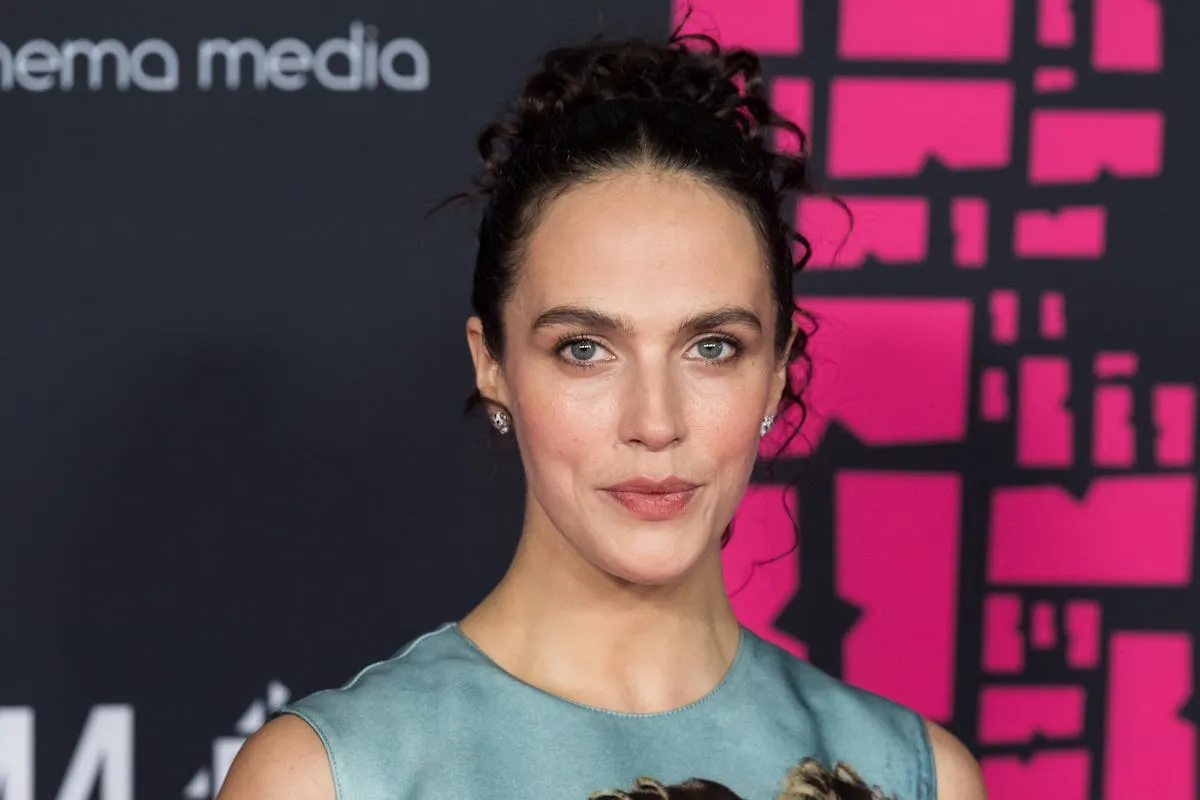
(SeaPRwire) -By: Oliver Hawthorne Streaming platforms have a serialized sci-fi problem. Hit shows draw huge viewership for season premieres, but 40% of casual subscribers churn between seasons. Apple TV+ has poured significant resources into Silo, one of its highest-performing original sci-fi IPs. The Season 2 finale’s unexpected Before Times flashback left many fans frustrated. They feared the show would abandon the post-apocalyptic silo storyline they spent two seasons invested in. That anxiety is not unfounded. Many streaming shows have derailed themselves with unearned timeline shifts to justify extended runs. Apple TV Season 3 expands that flashback into a full, parallel storyline. Congressman Daniel Keene, introduced briefly in the Season 2 finale, is now a series regular. He joins his sister Charlotte, played by English actor Jessica Brown Findlay. Findlay was already a Silo fan before landing the role. She requested full Season 2 scripts first to get up to speed, and the finale twist blew her away. Charlotte is a Navy pilot who senses something wrong with her upcoming mission. Her premonition proves correct when she flies into a strange cloud and sustains a traumatic brain injury. By the time Daniel finds her in hospital, she has no memory of her family or her past life. Jessica Brown Findlay goes from Downton to D.C. in Silo Season 3. | Wiktor Szymanowicz/Future Publishing/Getty Images Findlay built the character backwards for her role. She first mapped out Charlotte’s full personality, core traits, and life history, then stripped away layers one by one for the amnesiac scenes. She even consulted Rebecca Ferguson’s portrayal of Juliette, who also loses her memory after the Season 2 finale fire, to align the parallel arcs. Charlotte’s core trait remains intact even without her memories: a deep instinct to protect anyone in danger. She will run straight towards risk every time, Findlay confirmed, and the character will appear through Season 4. Teases from the creative team confirm she will play a direct role in the founding of the silos themselves. Charlotte meets with her brother Daniel about a bad feeling she has about a future mission. | Apple TV Charlotte’s memory loss in Silo Season 3 mirrors Juliette’s own amnesia centuries in the future. | Apple TV Silo Season 3 Episode 1 is now streaming on Apple TV+. This character reveal is not just a plot device. Apple TV+ is building a cross-timeline Silo franchise that can support multiple spin-offs and extended seasons. The dual amnesia arcs let new viewers jump into the Before Times storyline without watching two full prior seasons. Existing fans get answers to the core mystery of how the silos were built, a question that has driven viewership since Season 1. By locking Findlay in for Season 4, Apple removes the risk of the storyline being abandoned mid-arc, a top complaint among sci-fi streaming subscribers. The platform will tie Charlotte’s origin arc directly to Juliette’s post-apocalyptic journey across the next two seasons, keeping both casual and core fans subscribed for the long haul. If the dual timeline arc lands as expected, Silo will become Apple TV+’s first long-running, multi-spinoff sci-fi franchise. Author bio: Oliver Hawthorne, Principal Correspondent covering streaming platform strategy and digital content IP for an international technology review.
More
The Sheep That Killed Irony: Why Amazon’s Wildest Bet Is Actually Your New Favorite Movie Business

The Sheep That Killed Irony: Why Amazon’s Wildest Bet Is Actually Your New Favorite Movie

(SeaPRwire) - By: Oliver Hawthorne There is a specific kind of cynicism that infects modern cinema. We expect everything to be self-aware. We demand the wink, the meta-commentary, the deliberate deconstruction of tropes. It is exhausting. It leaves audiences emotionally armored. Then comes *The Sheep Detectives*. It ignores all of that. It is bright. It is oversaturated. It features talking sheep voiced by American actors doing British accents. On paper, it sounds like a fever dream. It sounds like a sketch from *30 Rock* gone wrong. Instead, it is a masterpiece of earnestness. Directed by Kyle Balda and written by Craig Mazin, the film destroys our ironic defenses. It does not ask us to laugh at its absurdity. It asks us to feel it. The result is a deeply tender exploration of grief wrapped in a screwball whodunit. It is the rare blockbuster that treats its audience with respect rather than condescension. The source material is Leonie Swann’s German novel *Three Bags Full*. This is not a minor detail. It grounds the film in literary tradition before launching it into animation spectacle. The cast is staggering. Hugh Jackman plays George Hardy, the shepherd who anchors the emotional reality of the flock. Julia Louis-Dreyfus voices Lily, a Shetland sheep of remarkable intelligence. Chris O'Dowd is Mopple, a Merino with perfect recall. Regina Hall plays Cloud, a vain North Country Cheviot. Patrick Stewart lends gravitas as Sir Richfield. Brett Goldstein voices the twin Norfolk Horns, Reggie and Ronnie. Bryan Cranston appears as Sebastian, a gruff black sheep who rejects the herd’s innocence. Tommy Birchall plays the Winter Lamb, an orphaned outcast. Emma Thompson and Molly Gordon enter as the lawyer and the long-lost daughter. Kobna Holdbrook-Smith, Hong Chau, Tosin Cole, and Nicholas Galitzine round out the human suspects. Nicholas Braun plays the incompetent local police officer. This is not a gimmick cast. It is a strategic assembly of talent designed to elevate the material. The plot follows a classic structure but subverts expectations through tone. Lily discovers George dead. She tries to wipe the memory, a natural sheep response to distress. But she notices green paint on his hands. She sees signs of struggle. She recognizes the mechanics of a murder mystery. A succession plot emerges. The lawyer arrives. The daughter appears. The priest, the innkeeper, the rival shepherd, and the journalist all have motives. The local police officer provides comic relief but fails to solve the crime. This setup allows the film to function on two levels. As a whodunit, it delivers screwball comedy and quirky Britishisms. It pulls every stop to keep the mystery engaging. The clues are fair. The red herrings are plentiful. The resolution is satisfying. But the true magic lies in the emotional undercurrent. The film mirrors the kindness of *Paddington*. It treats its characters with authenticity. The stakes feel large because this is the entire world of the sheep. The narrative contrasts the idyllic life of the pasture with the harsh realities of mortality. Sheep do not die; they become clouds. This myth protects them from grief until George’s death shatters that illusion. The film uses this shift to explore loss. It does so without becoming melodramatic. It remains grounded in the perspective of the animals. Their confusion mirrors our own. Their investigation becomes a metaphor for processing trauma. Craig Mazin’s script avoids the trap of being too clever. He lets the silliness breathe. He trusts the audience to engage with the premise on its own terms. The animation style supports this choice. The colors are vibrant. The character designs are expressive. The visual storytelling complements the dialogue. It creates a cohesive aesthetic that feels both nostalgic and fresh. Hugh Jackman’s performance as the deceased shepherd looms large. Even in death, his presence drives the narrative. The relationship between George and Lily is the emotional core. Her grief motivates the investigation. Her determination honors his memory. This bond gives weight to the comedic elements. It prevents the film from becoming purely frivolous. It adds layers of meaning to every scene. The inclusion of Bryan Cranston’s Sebastian adds necessary friction. He represents the outside perspective. He challenges the herd’s complacency. His rejection of their carefree life highlights the fragility of their existence. He forces Lily to confront the reality of death. This dynamic enriches the thematic depth of the story. It moves beyond simple mystery solving into philosophical territory. Amazon MGM has taken a significant risk with this release. Streaming platforms often prioritize safe, algorithm-driven content. *The Sheep Detectives* defies that logic. It is unpredictable. It is bold. It relies on quality rather than familiarity. Its availability on Prime Video signals a shift in strategy. It suggests a willingness to champion unique voices. It rewards viewers who seek substance over spectacle. The film’s success lies in its refusal to apologize for its sincerity. In an era of detached irony, earnestness is radical. It reconnects audiences with fundamental emotions. It reminds us why we watch stories in the first place. We want to care. We want to feel. We want to believe in the goodness of the world, even when it is complicated. This movie delivers that belief through wool and wit. It proves that animation can tackle complex themes. It shows that family films can address adult issues. It bridges the gap between children’s entertainment and sophisticated drama. The result is a work that appeals to all ages. It entertains while it moves. It puzzles while it heals. The industry should take note. Authenticity resonates. Audiences are tired of manufactured engagement. They crave genuine connection. *The Sheep Detectives* provides exactly that. It is a testament to the power of good storytelling. It stands as one of the best films of the year. Not despite its absurdity, but because of it. It embraces the strange. It finds beauty in the bizarre. It offers hope in the face of loss. It is a reminder that movies can still surprise us. They can still make us laugh and cry. They can still change how we see the world. Amazon has released a gem. It is quiet. It is unassuming. It is profoundly effective. Watch it. Feel it. Let it restore your faith in cinema. Author bio: Oliver Hawthorne, a Principal Correspondent permanently stationed at an international technology review, focusing on digital media distribution and content strategy trends.
More
‘Percy Jackson’ Season 3: Unveiling the Myths, Magic, and Mysterious Plot Twists Ahead Business

‘Percy Jackson’ Season 3: Unveiling the Myths, Magic, and Mysterious Plot Twists Ahead

(SeaPRwire) - By: Logan Pierce In the realm of fantasy adaptations, few have faced the challenges and scrutiny that 'Percy Jackson' has. The 2000s gifted us some of the most beloved children's media, but the 2010s had a rough time translating them to the big screen. Just think about Nickelodeon's 'Avatar: The Last Airbender' live-action remake in 2010 and the first 'Percy Jackson and the Olympians' movie. Both left a black mark on their respective fandoms, showing what not to do with a cherished property. Fast forward a decade, and both franchises are giving it another go. Netflix's 'Avatar' reboot is struggling to break free from old habits, while Disney's 'Percy Jackson' remake has emerged as a shining example of how to do it right. After two solid seasons, 'Percy Jackson and the Olympians' has not only met expectations but exceeded them. With three books still left in the main series to adapt, the adventures of Percy Jackson (played by Walker Scobell) are far from over. Let's dive into what we know about Season 3. Is 'Percy Jackson' Season 3 Happening? Absolutely. Production on Season 3 was completed in early 2026, and according to the show's official social media, new episodes will drop later this year. Fans got a tantalizing glimpse of what's to come in a mid-credits teaser after the Season 2 finale. Percy and Annabeth Chase (Leah Sava Jeffries) are seen at a dance, and Annabeth takes Percy's hand, leading him to the dance floor. This simple moment hints at a significant progression in their relationship in Season 3. Release Date Speculations While there's no official word on the premiere date of 'Percy Jackson' Season 3 on Disney+, it's likely to follow the pattern of the previous seasons. The first season premiered just before Christmas in 2023, and Season 2 hit Disney+ on December 10. So, it's a safe bet that Season 3 will grace our screens sometime in December of 2026. The Plot of Season 3 Season 3 will adapt the third book in Rick Riordan's series, 'The Titan's Curse'. This installment takes Percy's adventures at Camp Half-Blood to a darker level. Percy embarks on a quest to rescue the missing Greek deity Artemis. When Annabeth vanishes during a recruitment mission that goes awry, Artemis steps in to save her but ends up being captured by Atlas, the Titan who holds up the sky. Percy teams up with his trusty sidekicks Grover (Aryan Simhadri), the resurrected Thalia Grace (Tamara Smart), the Hunters of Artemis, and two new, powerful demigods. Together, they must uncover yet another godly conspiracy and rescue their friends. As Kronos, the father of the Greek pantheon, gains more power, Percy also has to deal with the "Great Stirring." Monsters and beasts long lost to time are returning to cause chaos in the mortal world, and the Great Prophecy, which foretells the destruction of Olympus, looms ever closer to becoming a reality. The Cast of Season 3 Thankfully, most of the 'Percy Jackson' cast survived the 'Sea of Monsters' (pun intended) and will be back for Season 3. We can expect to see Walker Scobell as Percy Jackson, Leah Sava Jeffries as Annabeth Chase, Aryan Simhadri as Grover, Charlie Bushnell as Luke Castellan, Tamara Smart as Thalia Grace, Daniel Diemer as Tyson, Virginia Kull as Sally Jackson, and Dior Goodjohn as Clarisse La Rue. The Greek gods will also make a comeback. Look out for familiar faces like Glynn Turman as Chiron, Jason Mantzoukas as Dionysus, Toby Stephens as Poseidon, Courtney B. Vance as Zeus, Adam Copeland as Ares, Lin-Manuel Miranda as Hermes, Andra Day as Athena, and Kate McKinnon as Aphrodite. Season 3 will also introduce some exciting new characters. Levi Chrisopulos will play Nico di Angelo, a powerful young demigod with a mysterious origin, and Olive Abercrombie will be Bianca di Angelo, Nico's older sister. Dafne Keen takes on the role of Artemis, Goddess of the Hunt, while Hubert Smielecki portrays Apollo, God of the Sun. Saara Chaudry is Zoë Nightshade, the leader of the Hunters of Artemis, and Holt McCallany plays Atlas, Titan of Endurance. Ming-Na Wen steps in as Hera, Queen of Olympus, and Jennifer Beals is Demeter, Goddess of the Harvest. David Costabile plays Dr. Thorn, and Jesse L. Martin is Frederick Chase, Annabeth's father. What About Rachel Elizabeth Dare? One character that book fans are eager to see on screen is Rachel Elizabeth Dare. In 'The Titan's Curse', she plays a small but important role in Percy's adventures. However, Rick Riordan, who also serves as a producer on the show, has cast some doubt on her appearance in Season 3. In a Q&A on Goodreads, Riordan explained the challenges of casting a cameo. He noted that Rachel's one scene in the book is brief, and casting a cameo in a show is difficult. Moreover, getting the same actor for a potential guest star role in future seasons can be complicated due to schedules, contracts, and budgets. With most of the cast being young actors who are still growing, Riordan is hesitant to rush into casting Rachel. He'd rather wait to get the right actor when they're needed for more screen time. So, fans may have to be patient before seeing Rachel brought to life in live-action. In conclusion, 'Percy Jackson' Season 3 is shaping up to be a thrilling continuation of the series. With an exciting plot, a returning cast, and some new faces joining the pantheon, fans have a lot to look forward to. While the fate of Rachel Elizabeth Dare remains uncertain, the rest of the adventure is set to unfold later this year. Author bio: Logan Pierce, an independent business researcher and corporate governance writer on Medium.
More
Bougie on a Budget: Why Cheap Home Gadgets Are Rewriting Retail’s Luxury Playbook (And What You Should Watch For) Business

Bougie on a Budget: Why Cheap Home Gadgets Are Rewriting Retail’s Luxury Playbook (And What You Should Watch For)

(SeaPRwire) - By: Jeremy Vance The "bougie on a budget" home trend isn’t just a viral hack—it’s a retail strategy reshaping luxury perceptions. The list of 80 cheap, brilliant items (wall-mounted hampers, bunny toilet bolt covers) taps into a truth: people want expensive-feeling homes without the cost. Retailers source low-cost, high-design items that mimic luxury details, turning everyday spaces into curated ones. Take the Goderewild collapsible laundry basket: it mounts to walls, folds to 4 inches deep, and has ventilation holes. WARMTONE door silencers (3-pack) use elastic to stop slams. These items use basic materials—plastic, fabric, aluminum—but solve small annoyances that feel like luxury fixes. Bulk production in Southeast Asia keeps costs low while maintaining polish. The AOHMPT magnetic dishwasher cover (12+ designs) hides scratches, turning appliances into focal points. PEUTIER’s ceramic bunny bolt covers replace rusty screws with matte charm. The Baseboard Buddy extends to 4 feet, letting users clean trim without kneeling. Simple materials are marketed as "thoughtful upgrades" to justify their low price. Retailers like Amazon push these items for higher margins than generic goods. Post-pandemic, consumers spend more time at home but avoid big splurges. Small, visible upgrades feel special, forcing luxury brands to rethink pricing as affordable alternatives gain traction. Shoppers rave about these items—one called the dishwasher cover "spectacular," saying guests can’t believe it’s not original. But quality risks linger: plastic parts may crack, decals peel, or magnetic covers slide. Over time, this could erode trust if retailers cut corners. In 2024, expect more private-label "bougie on a budget" lines, but don’t be surprised when many fail due to hidden quality compromises. Author bio: Jeremy Vance, a global FMCG supply chain auditor and industry analyst focused on retail trend forecasting and consumer behavior.
More
X-Men ’97 Didn’t Just Adapt a Forgotten Comic—It Fixed Marvel’s Time-Travel Mess for Good Business

X-Men ’97 Didn’t Just Adapt a Forgotten Comic—It Fixed Marvel’s Time-Travel Mess for Good

(SeaPRwire) - By: Lucas Caldwell Most superhero adaptations shout about "faithful comic accuracy" while cutting corners on heart. X-Men ’97 is the exception. It’s not just retreading old ground; it’s digging up a 32-year-old forgotten miniseries to fix the messy, time-tangled lore of the Summers clan. This isn’t fan service—it’s a masterclass in how to honor comic roots while making stories feel fresh for new audiences. At the end of X-Men ’97’s first season, Cyclops, Jean Grey, and a handful of mutants get yanked into the 36th century. There, they reunite with their son Nathan Summers, the boy they sent to the future as an infant to treat a techno-organic virus. Now a teen, Nathan doesn’t know his true parents. Scott and Jean ignore warnings to stay anonymous, stepping into the roles they missed. Jean teaches him to control his telekinetic powers and the virus. Scott gives him the fatherly validation he’s never had. The storyline draws directly from 1994’s The Adventures of Cyclops and Phoenix, a six-issue miniseries by Scott Lobdell and Gene Ha. In the comics, Scott and Jean’s consciousnesses are placed into cloned bodies—dubbed Slym and Redd—since their physical forms can’t survive time travel. They train Nathan, help him fight Apocalypse, and lay the groundwork for his future as Cable, the Askani’Son prophesied to end Apocalypse’s reign. The comic also reveals Mother Askani, Nathan’s guardian, is actually his time-displaced sister Rachel. Marvel’s streaming slate has long relied on big-name storylines to hook casual viewers. X-Men ’97’s choice to adapt a forgotten miniseries is a bold pivot. It targets both nostalgic fans who remember the 1990s cartoon and deep comic readers who crave recognition of underrated lore. This strategy builds stronger subscriber loyalty than flashy, surface-level adaptations that abandon comic soul for spectacle. Other Marvel projects have stumbled when handling time travel, creating plot holes that alienate fans. X-Men ’97 avoids this by leaning into the original comic’s tight, character-driven time-travel logic. It doesn’t dumb down the Summers family’s tragic, time-scattered dynamic. Instead, it uses that weirdness to add emotional weight, making viewers care about the mutants beyond their superpowers. This focus on forgotten comic lore will set a new standard for superhero streaming adaptations that other studios will struggle to replicate. Author bio: Lucas Caldwell, a tech opinion leader with millions of X/Twitter followers, focuses on streaming media and comic book adaptation strategy.
More
“Daredevil Season 3: Elektra’s Return – A Game-Changing Twist in the MCU?” Business

“Daredevil Season 3: Elektra’s Return – A Game-Changing Twist in the MCU?”

(SeaPRwire) - By: Lucas Caldwell, a tech opinion leader with millions of followers on X/TwitterIn the vast universe of superhero comics, few relationships are as complex and captivating as that of Daredevil and Elektra. Theirs is a tale of passion, conflict, and redemption, a narrative that has left an indelible mark on the comic book landscape. With Elektra's return in 'Daredevil: Born Again' Season 3, the stage is set for a killer twist that could redefine their story and shake up the MCU.Elektra was introduced 17 years after Daredevil's debut in 1964. Created by Frank Miller in the 1980s, she was a radical departure from traditional superhero love interests. Sensual and ruthless, with a bloodlust and moral flexibility that clashed with Matt Murdock's rigid code, Elektra was a force to be reckoned with. Despite her status as a revered antihero, she has only been adapted twice on screen: by Jennifer Garner in 2003's 'Daredevil' and its spin-off 'Elektra,' and by Élodie Yung in the original Netflix 'Daredevil' series. Now, Yung's Elektra is back, sporting a redesigned costume and ready to stir up trouble.The last time we saw Elektra was in 2017's 'The Defenders' miniseries. After being resurrected, brainwashed, and weaponized by the sinister ninja clan The Hand, she was on the verge of choosing the light when a building collapsed around her and Daredevil. Murdock survived, but his problems only escalated. The mayoral election of his archnemesis Wilson Fisk in the 'Born Again' revival led to a citywide crisis, which ultimately resulted in the reveal of Matt Murdock's secret identity and his imprisonment.This isn't the first time Daredevil has ended up behind bars. In Chip Zdarsky's four-year arc that started in 2019, Murdock's time in prison corresponded with a rise in crime under Mayor Fisk. Elektra stepped in, proposing a radical solution: that she become Daredevil in his stead. In Zdarsky's run, this decision led to Elektra's redemption. Her time as Daredevil softened her killer instincts, and she eventually married Murdock and led The Fist, a rival clan to The Hand.While it's unlikely that Season 3 of 'Daredevil: Born Again' will follow Zdarsky's run exactly, the current situation sets the stage for a similar twist. Charlie Cox's Daredevil is in prison, and Elektra has reappeared in his life. Given her past as The Hand's assassin, she has blood on her hands that she needs to atone for. Protecting Hell's Kitchen in Daredevil's stead could be the perfect solution to both their problems.Another clue that points to this theory is the resemblance between Elektra's Daredevil costume (minus the mask) and the one seen in set photos. This suggests that the showrunners may be planning to explore Elektra's time as Daredevil. Of course, whenever Elektra appears, The Hand can't be far behind. The ancient organization is already set to appear in the upcoming 'Spider-Man: Brand New Day,' adding another layer of intrigue to the mix.The return of Élodie Yung's Elektra is exciting news for fans of the 'Daredevil' series. Their relationship is one of the most complex and psychologically fraught in comics, and there's so much more to be explored. Whether it's evil ninjas, a shift in labels, or Elektra taking on the mantle of Daredevil, the third season of 'Daredevil: Born Again' is sure to be a wild ride.With 'Daredevil: Born Again' Season 3 expected in 2027, fans have plenty of time to speculate about what's in store. One thing is certain: Elektra's return is a game-changer, and it could set the stage for a killer twist that will leave audiences on the edge of their seats.Author bio: Lucas Caldwell, a tech opinion leader with millions of followers on X/Twitter, offers deep insights into pop culture and entertainment.
More