


(SeaPRwire) – By: Silas Sterling
Warner Bros. is attempting a major refactor on a legacy codebase that dates back to 1959. The marketing department is pushing a “refreshing” tag. They want us to believe this build is a radical departure from the Superman repository. The hype machine highlights Milly Alcock’s punk-rock attitude. It frames the film as a gritty space western. But underneath the alt-rock soundtrack lies a familiar dependency issue. The studio is trying to patch old binaries with a new UI. They claim this Supergirl instance finally forks away from the cousin process. Yet, the execution feels like middleware bloat. The narrative suggests a riot grrrl revolution. The underlying architecture is still stuck in a monolithic loop. We have seen this compile before. The release candidate is set for June 26. The studio hopes this will stabilize the DC cinematic universe. But the logs show warnings.
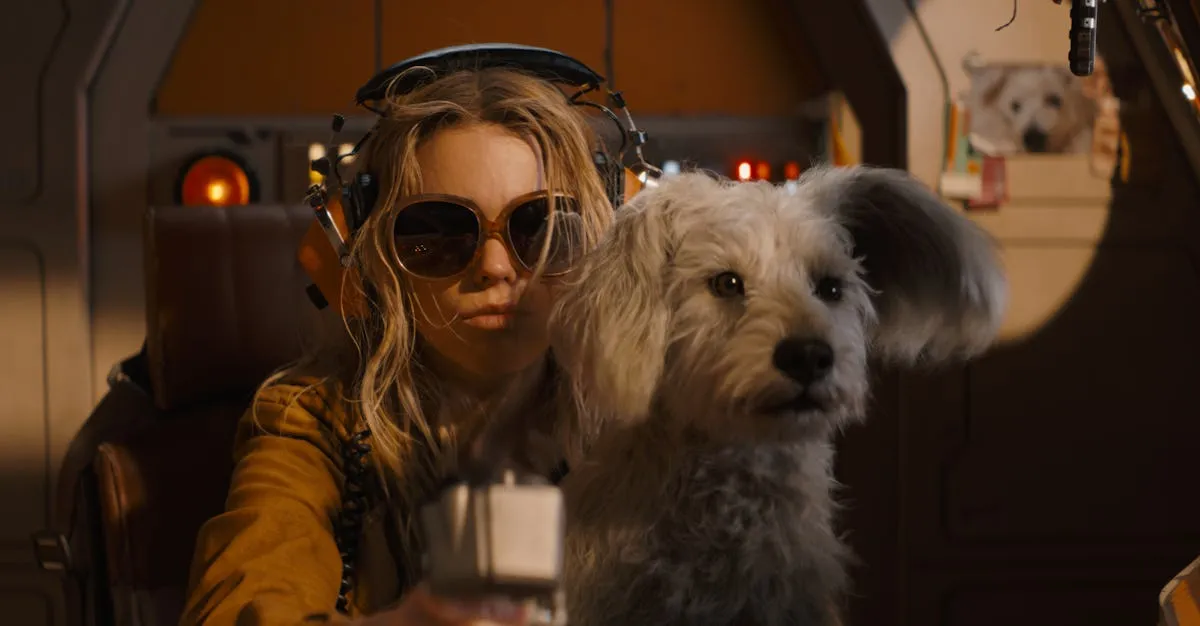
The build relies heavily on Ana Nogueira’s script. It pulls specific commits from Tom King’s 2021 arc, “Woman of Tomorrow.” This source code is robust. It reimagines the character as a *True Grit* mentor module. The plot follows a standard revenge algorithm. Ruthye inputs a request to kill Krem. Kara initially returns a null value, refusing the call. The trigger event is crude but effective for state change. Krem shoots the dog. He steals the spaceship. This forces the integration of the two threads. Alcock’s performance compiles without error. She brings the necessary aggression to the stack. She contrasts well against Corenswet’s Boy Scout subroutine. The logic holds up on paper. The variable definitions for Kara—selfish, angry, rude—are clearly initialized. David Krumholtz plays Zor-El, a reliable supporting library. The father sends her to Earth to join the main cluster.
However, the runtime suffers from feature creep and memory leaks. The backstory of Argo City is the kernel of the drama. Kara watched her city die slowly from radiation poisoning. She arrived on Earth as a stranger to the user base. This trauma should drive the system resources. Instead, the film uses cheap shortcuts. It relies on the dog’s peril to simulate emotional depth. It uses a heavy-handed human trafficking plot. These are inefficient patches. They try to signal complexity without allocating the necessary memory. The narrative flow is competent. It clicks like a machine-cut puzzle. But it lacks the organic chaos of the original open-source comics. The “Woman of Tomorrow” arc offered high-resolution textures. The film downscales them to 720p. The soundtrack hammers the alt-rock distinction too hard. It overdrives the audio driver with Blondie tracks.
The rendering engine is where the build fails catastrophically. The comic art by Bilquis Evely was otherworldly. It had a fantastical sheen that defined the IP. Director Craig Gillespie chose a deprecated path. He opted for gritty, beige industrial cyberpunk. It mimics *Mad Max: Fury Road* with poor texture mapping. The result is a generic hodgepodge of sci-fi assets. It looks like a default Unreal Engine demo. Even Jason Momoa’s Lobo cannot save the visual fidelity. The aesthetic choice degrades the user experience. It feels like a downgrade from the source material. The “cosmic otherworldliness” is commented out. We are left with a beige interface that fails to load the wonder module. The visual direction ignores the comic’s high-contrast palette. It defaults to a safe, industrial gray scale.
Gillespie has a reputation for handling flawed women in his dev environment. His work on *I, Tonya* proved he can debug complex characters. But his grasp of Kara is merely root-level access. He runs the commands without understanding the underlying kernel. The film is functional. It does not crash. But for a hero historically underserved by the main branch, functional is a critical bug. We needed a complete system overhaul. We got a stable patch that barely clears the bar. The user base deserves more than a maintenance update.
Author bio: Silas Sterling, a veteran kernel contributor and editor-in-chief of an open-source security digest.