


(SeaPRwire) – By: Silas Sterling
James Gunn’s new Supergirl film is billed as a fresh start for the DCU. Most casual fans have no clue how many different versions of the character exist. DC has been retconning and rebooting Supergirl since her 1959 debut. Warner Bros.’ marketing ignores this messy history to sell opening weekend tickets. I chatted with three long-time comic readers at a local fan meet last month. None of them could name more than two canonical Supergirls off the top of their head. That gap between what marketing tells you and what actually exists in canon is nothing new for DC.
Pre-Crisis Kara Zor-El is the oldest and most famous version of Supergirl. She debuted in 1959’s Action Comics #252, written by Otto Binder and drawn by Al Plastino. She was not technically the first character to hold the Supergirl name. That distinction goes to a one-off magic creation by Jimmy Olsen from the Golden Age. Kara’s home of Argo City survived Krypton’s initial destruction. A meteor storm destroyed Argo years later, so Kara was sent to Earth. She arrived after her cousin Kal-El had already become Superman. She lived at Midvale Orphanage under the secret identity Linda Lee for years.
Kal-El made her hide her powers until she could control them fully. She was eventually adopted by the Danvers, and debuted publicly in 1962’s Action Comics #285. She built a steady fanbase over the next 23 years, earning two solo comics. Her story ended in the 1985 event Crisis on Infinite Earths. DC decided to erase the multiverse to fix decades of canon inconsistencies. Kara died saving her Superman, and her entire existence was wiped from the new timeline. The Earth-Two version of Kara Zor-L survived the event, and rebranded as Power Girl. Power Girl was given a fake Atlantean origin that fans rejected outright. The 2005 Infinite Crisis event restored her original backstory as a refugee of dead Earth-Two. Most casual fans only know her for her provocative costume. She is actually a mature, experienced hero that stands apart from other teen Supergirls.
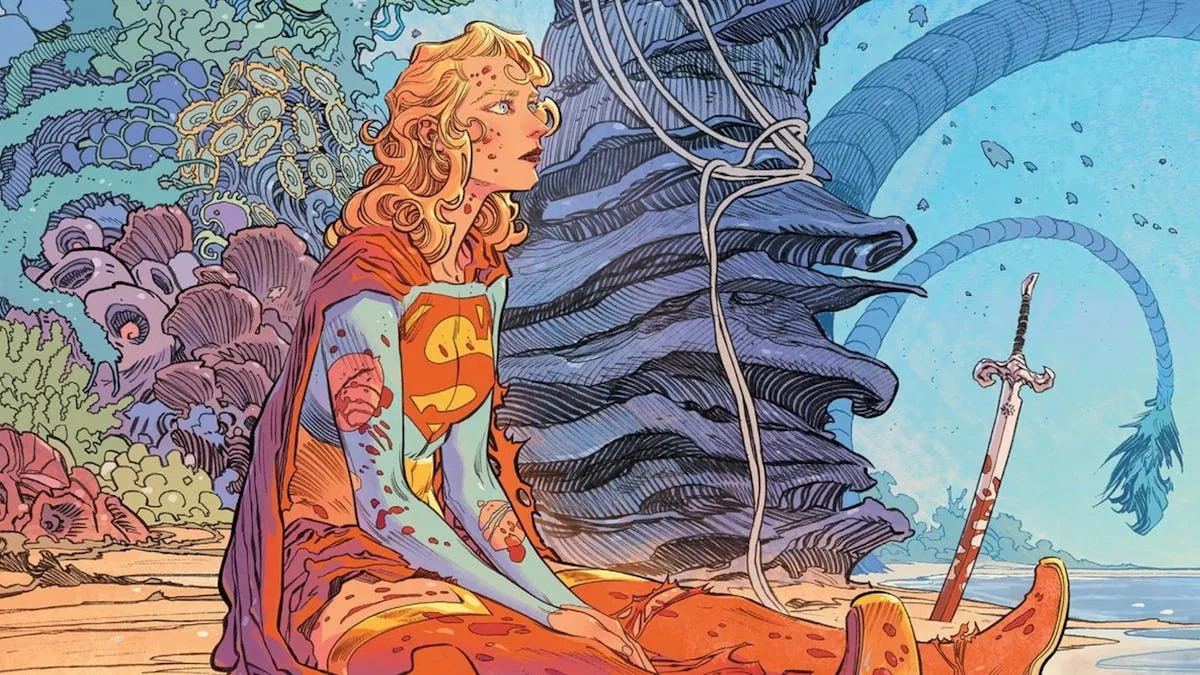
Gunn’s upcoming Supergirl film draws from the Woman of Tomorrow arc, which centers the original Kara Zor-El. Gunn’s DCU has already played fast and loose with multiverse lore. Marketing never mentions that any number of existing Supergirl variants could pop up in future projects. DC has used Supergirl’s multiple identities as a creative safety net for decades. Every time they need to shake up Superman’s world, they pull a new Supergirl variant from the archives. This lets them expand the universe without building an entirely new character from scratch. It also lets DC republish old story arcs to new fans hungry for more context after the film.
DC owns every version of Supergirl, and gets to rewrite canon whenever it fits their business plan. Fandom can argue for decades about which version is the “real” one. Fans never get any say in which variant gets the big budget film treatment. The messy history of Supergirl is intentional. It keeps fans digging through DC’s back catalog, spending more money on old content. DC doesn’t clean up canon for the fans. They leave it messy to keep the IP profitable forever.
Author bio: Silas Sterling, veteran open-source developer and culture writer covering comic IP strategy for independent outlets.