

(SeaPRwire) – By: Oliver Hawthorne
Netflix’s *Avatar: The Last Airbender* Season 2 arrives with the weight of expectation crushing its spine. The first season survived because it cleared a remarkably low bar. It proved a live-action adaptation could exist without repeating the catastrophic errors of M. Night Shyamalan’s 2010 film. Cultural accuracy and source fidelity painted over minor flaws. Fans were lenient. They wanted respect. That goodwill evaporates quickly here.
Albert Kim departed. Jabbar Raisani and Christine Boylan took the helm. Their vision differs sharply from the original blueprint. Book Two of the cartoon was its peak. It defined Aang’s psychological architecture. The show ignores this lesson. It treats the narrative as malleable clay rather than structural steel. The result is a disjointed mess that confuses tone and pacing.
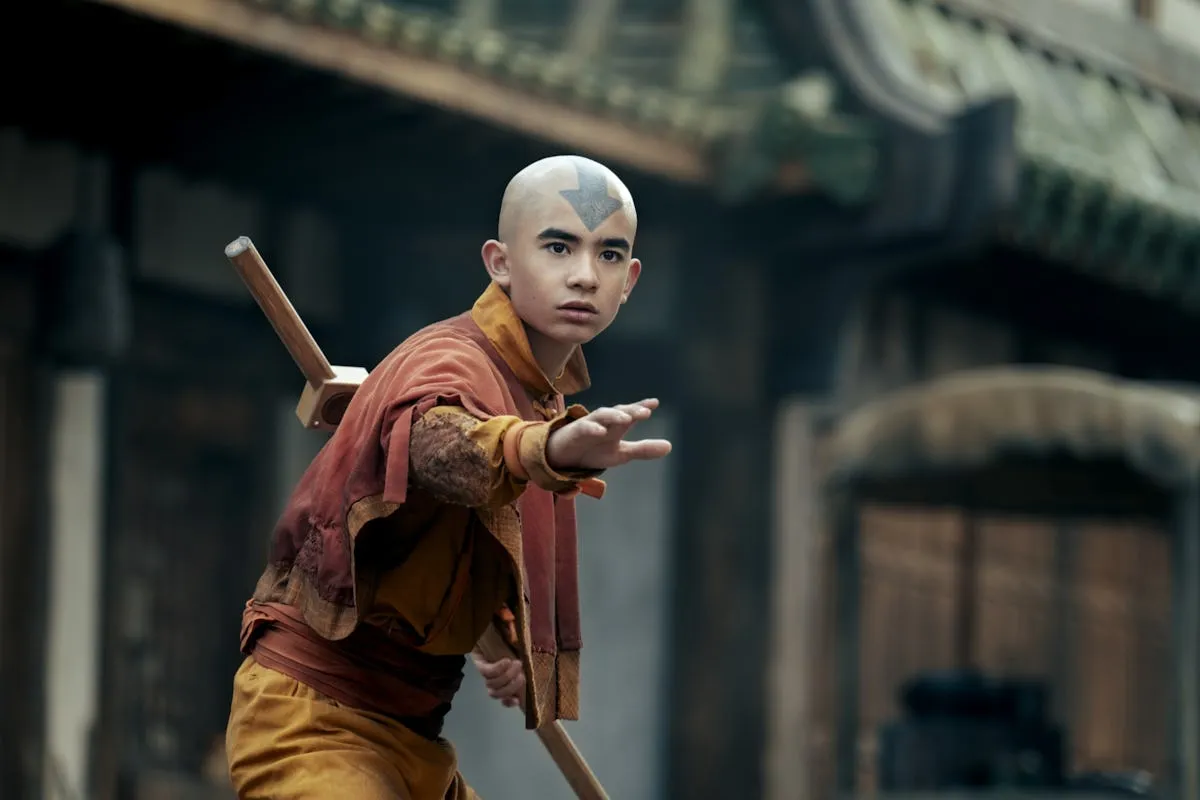
The timeline jumps forward. Aang grows taller. The actor Gordon Cormier undergoes a natural growth spurt. This physical change injects genuine teenage angst into the character. It works surprisingly well. Yet, the script fails to match this maturity. The dialogue remains clunky. The emotional beats feel forced. We watch Cormier struggle to rise above poor writing. He finds the core of Aang’s anxiety. He does not always succeed.
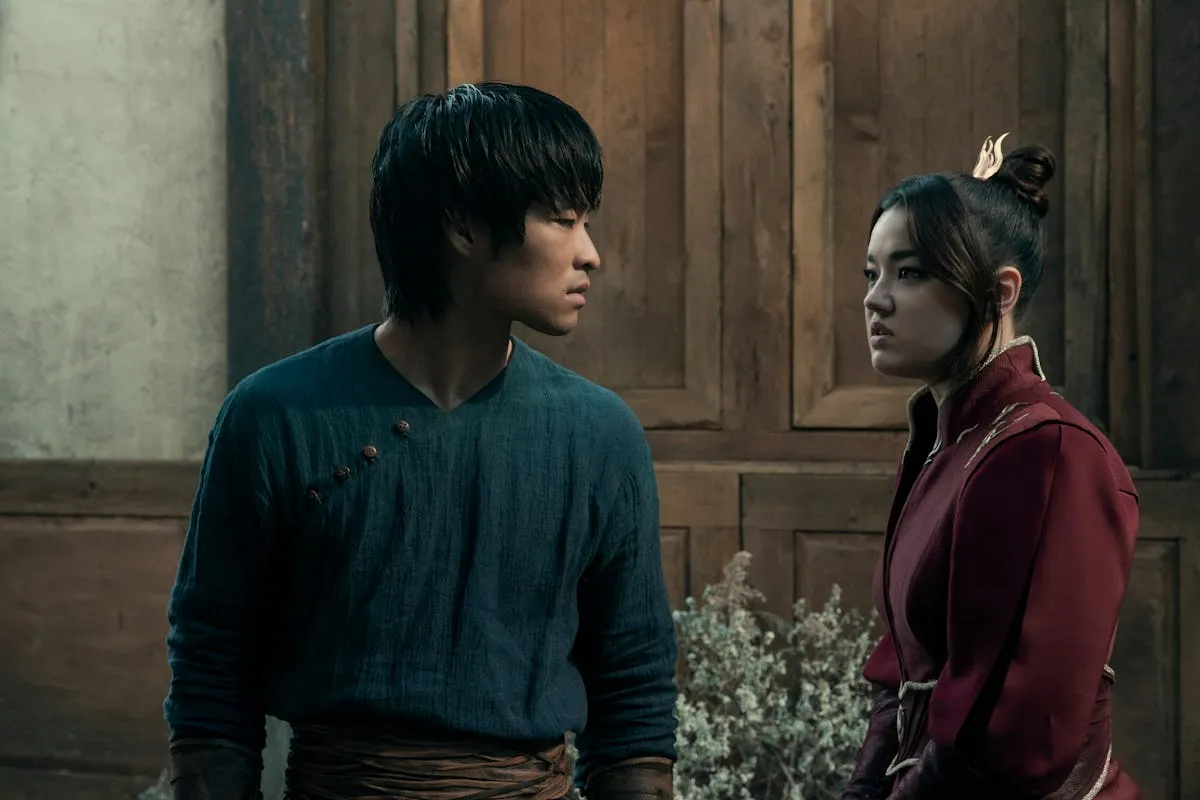
Toph Beifong, played by Miyako, is the sole bright spot. She anchors the ensemble. Her chemistry with Cormier is electric. She suffers least from the need for novelty. Chin Han delivers a strong performance as Long Feng. Elizabeth Yu brings nuance to Azula. Dallas Liu shines as Zuko. Paul Sun-Hyung Lee remains excellent as Iroh. The acting talent is undeniable. The direction lacks focus.
The show scrambles plot points from Book Three into Book Two. Katara becomes the Painted Lady. Events from Serpent’s Pass are repurposed. These were not random changes. They were dominoes in a character arc. Removing them breaks the causal chain. The story feels overwrought. It lacks the organic progression of the original. We lose the subtle buildup to the final confrontation with Ozai.
Ba Sing Se arrives as a bloated centerpiece. A city-wide conspiracy tests the Gaang. The narrative buckles under its own weight. Season Two tries to be three things at once. It wants to be faithful. It wants to be radical. It wants to be meme-friendly. It succeeds at none. The antagonists remain the best feature. But even they are defanged by excessive nuance.
The Fire Nation’s royal family gains sympathetic backstory. This dilutes their threat level. Azula’s psychological power plays are hinted at but never fully explored. The season screeches to a halt whenever it pauses for character development. The propulsion is gone. We are left with excess baggage.
This is not just a bad season. It is a fundamental misunderstanding of adaptation. Faithfulness does not mean copying frames. It means preserving spirit. The original series understood this. Netflix’s version chases “Peak TV” facsimiles. It replaces load-bearing emotional elements with spectacle. The result is hollow.
The supply chain of storytelling has broken. We have the actors. We have the budget. We have the IP. What we lack is a coherent creative vision. The new showrunners want to make it their own. They failed to understand why the original worked. Without that foundation, the structure collapses.
Oliver Hawthorne, a Principal Correspondent permanently stationed at an international technology review, specializes in media industry analysis and streaming platform strategy.