BBC Is Gamble-Filming Its Own Archive: The Theatrical Pivot Nobody Saw Coming
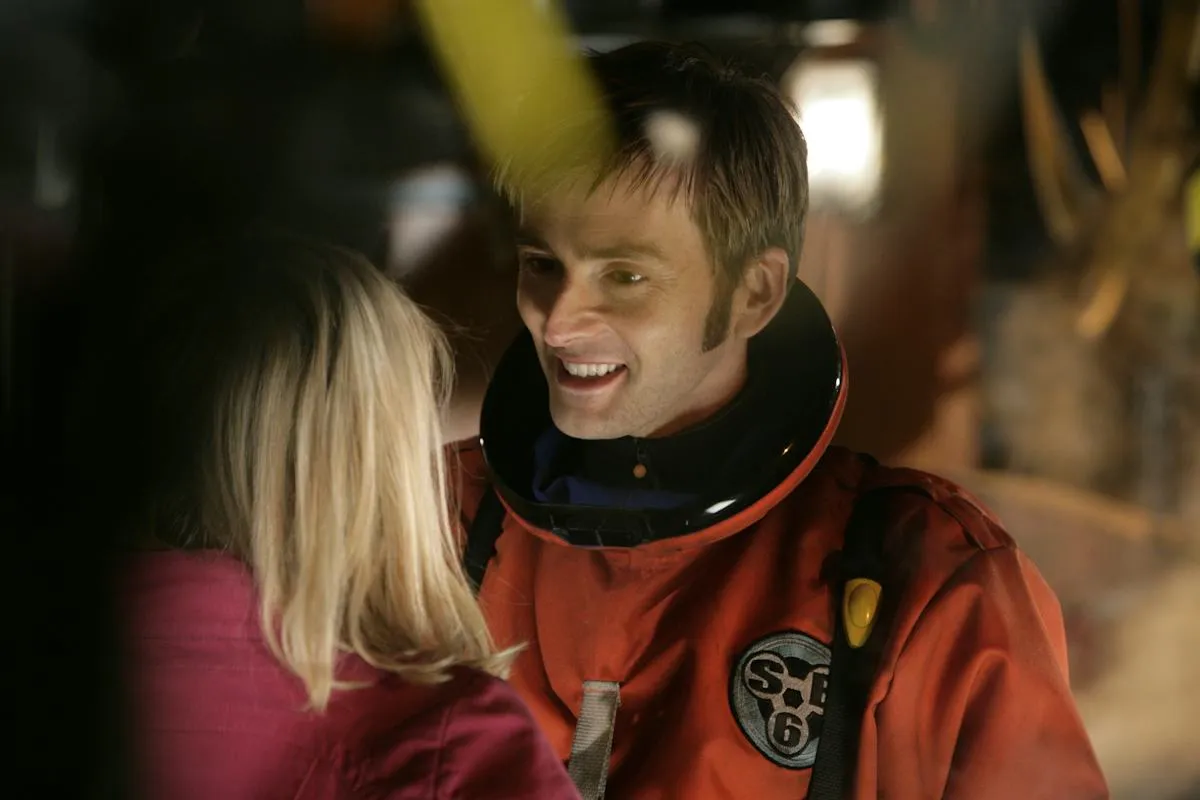
(SeaPRwire) - By: Logan Pierce This isn't nostalgia marketing. BBC Studios is running a live experiment with its deepest IP vault while its biggest franchise sits in limbo. The Disney partnership cratered. BBC is now putting any future version of Doctor Who out to tender. Nothing materializes before 2028. The studio needs wins. It can't manufacture new IP fast enough to fill the void. So it looked at its back catalog and found something most executives would sleep on. A two-part serial from 2006 that costs nothing to digitize and carries zero production risk. The Impossible Planet and The Satan Pit hit theaters November 23 across the US, Canada, UK, Ireland, Australia, and New Zealand. Two hours. Extended cut. Deleted scenes pulled from DVD. Completely unseen footage never before shown anywhere. This is the 63rd anniversary presentation, packaged as a one-night event, but it signals something far more calculated than a celebration. BBC Studios holds one of the largest episode archives in television history. Material spans from the early 1960s serials straight through to the 2023 60th anniversary specials. Most of it sits dormant, generating licensing crumbs. The studio turned that dormant inventory into a theatrical product with near-zero marginal cost. That is a completely different margin structure than greenlighting new drama. The Beast storyline alone introduces the Ood, a fan-favorite species later resurrected in The End of Time. The horror beats draw directly from Lovecraftian imagery. British kids hide under the sofa. Adults squirm in their seats. None of that required a single new set build or VFX budget in 2026. The subtext here matters more than the announcement. BBC is stress-testing whether audiences will actually pay to watch revived classic serials on the big screen. If the November 23 turnout clears a threshold, the playbook expands. Every archived serial becomes a potential event. Not all of them carry the same horror pedigree, but the format is proven once the first night delivers. The tender process dragging until 2028 actually enables this experiment. The studio buys itself time without burning cash on unproven reboot concepts. Competitors sitting on their own legacy vaults will notice. Warner Bros. has Superman and Batman back catalogs. Paramount holds Star Trek and Mission: Impossible archives. Disney owns Marvel, Lucasfilm, Pixar. Each of these libraries has the same dormant asset problem BBC just solved in real time. The question shifts from whether this model works to how many studios copy it before the theatrical window tightens. The endgame is not a single special screening. It is a catalog monetization pipeline that turns existing IP into recurring event revenue without the overhead of new production. If the November numbers justify it, expect extensions of the same strategy across the BBC slate and competitive moves from other archive-holding studios before the 2028 tender cycle even closes. Author bio: Logan Pierce, an independent business researcher and corporate governance writer on Medium covering IP strategy and media industry economics.
More