

(SeaPRwire) – By: Silas Sterling
I first stumbled on a blurry 35mm rip of Thrilling Bloody Sword in a 2021 Discord server for 80s fantasy fans. Back then, the only surviving print was circulating on grainy YouTube uploads, with fragmented subtitles and faded, washed-out colors. The server admins spent weeks curating the rip, sharing tips on how to fix the audio sync and overlay corrected subtitles. This is the kind of grassroots hype that boutique film restorations live on—far louder than any flashy studio marketing budget.
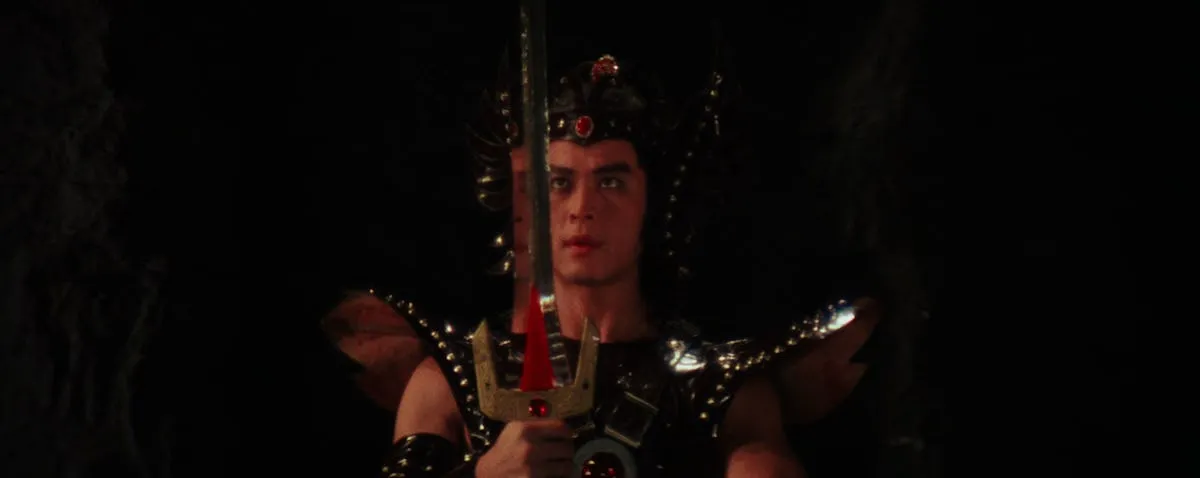
Thrilling Bloody Sword was made in 1981 in Taiwan, a low-budget sword-and-sorcery epic. It was unseen for nearly 40 years, until early 2020s bootlegs and an out-of-print Gold Ninja Video Blu-ray leaked online. Error 4444 recently completed a 4K restoration sourced from the original film negative, which premiered at the 2026 Fantasia International Film Festival. The festival’s screening included crisp stills of the film’s talking demon puppet and optical printing effects, drawing cheers from the packed crowd. This isn’t a big-studio push—it’s a labor of love from a small team that specializes in cult Asian cinema.
Error 4444 calls the film a grindhouse xianxia hybrid, mixing European fairy tales with Chinese mythology. The reported production budget was roughly $6 plus a bucket of paper-mâché glue. That’s a far cry from the $200 million fantasy blockbusters that dominate modern streaming. The film’s plot includes a placenta sac baby raised by seven kneeling dwarves, a plastic magic sword, and a monster that disassembles like LEGO, all tied together with a borrowed 1978 Battlestar Galactica score.
Some fans have pushed back on the upcoming release, arguing that boutique distributors charge too much for physical media. But the reality is that major studios have all but abandoned the niche B-movie market. Streaming services tout endless libraries, but they rarely invest in restoring forgotten cult films. This restoration fills a gap that the mainstream media industry has left wide open for decades, giving fans a legitimate way to experience a film they’ve only ever seen on grainy bootlegs.
For all the loud talk of streaming platforms democratizing access to every film ever made, the truth is that owning a quality copy of a cult classic still requires hunting down grainy bootlegs or waiting for a small indie team to do the work. The 4K upgrade fixes the faded footage and broken subtitles, but it also gives a small studio a chance to profit from a film that’s been underground for 45 years. This isn’t about saving cinema—it’s about capitalizing on a loyal, underserved fanbase that’s been starved for legitimate access to their favorite forgotten gems.
Author bio: Silas Sterling, veteran kernel contributor and editor-in-chief of an open-source security digest who writes regularly about niche media preservation.