

(SeaPRwire) – By: Christian Pierce
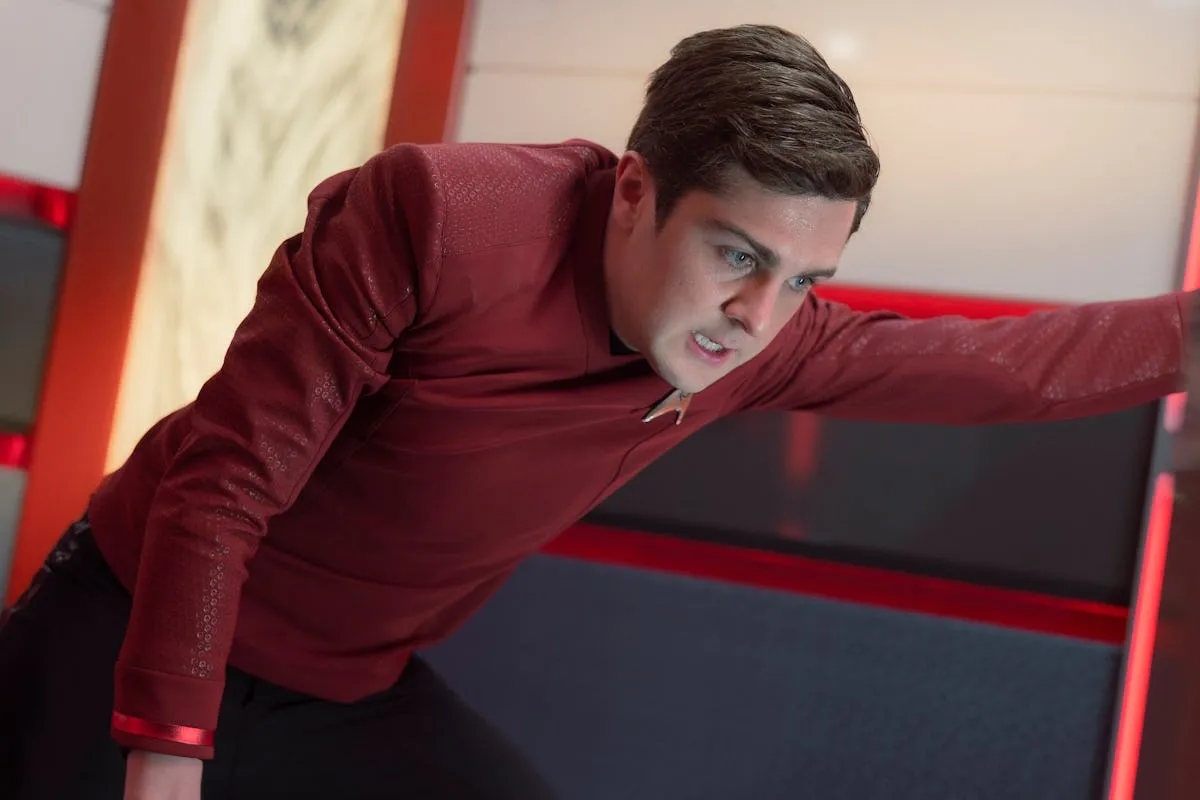
The streaming wars have reached a saturation point. Every major platform is chasing the same finite pool of subscriber hours. New original content costs hundreds of millions of dollars. It fails to deliver returns most of the time. Paramount+ has a solution that does not involve spending billions on unproven franchises. They are mining a sixty-one-year-old intellectual property library. Star Trek has survived network cancellation, syndication limbo, film franchise fatigue, and the transition to streaming. The platform is betting that legacy characters will outperform original programming. Martin Quinn playing a younger Montgomery Scott in Strange New Worlds Season 4 is not merely a casting choice. It is content strategy disguised as nostalgia. The show is now in its fourth season. Quinn has been portraying Scotty since 2023. He joined the Enterprise in the Strange New Worlds Season 2 finale. His previous ship the Stardiver was overrun by the Gorn. He is the youngest version of the character in Star Trek canon. The character first appeared in 1965 when James Doohan stepped in front of cameras for “Where No Man Has Gone Before.” That was the second pilot episode of the original series. Science fiction history changed that day. Scotty was not a major character at the beginning. He became one through audience affection and cultural osmosis. The franchise now spans multiple series, films, and a streaming platform. Each new iteration of Scotty is a vote of confidence in the character’s marketability. Quinn is also keenly aware that he is the first Scottish actor to play the role. James Doohan was Canadian. Simon Pegg was English. That historical gap now exists in the franchise record. Quinn chose to address it rather than ignore it. He said a lot of people had their own ideas about who Scotty should be. He took those opinions seriously. The implication for the platform is clear. Character recognition is the asset. New viewers need an anchor. Scotty serves as that anchor for audiences entering the franchise for the first time.
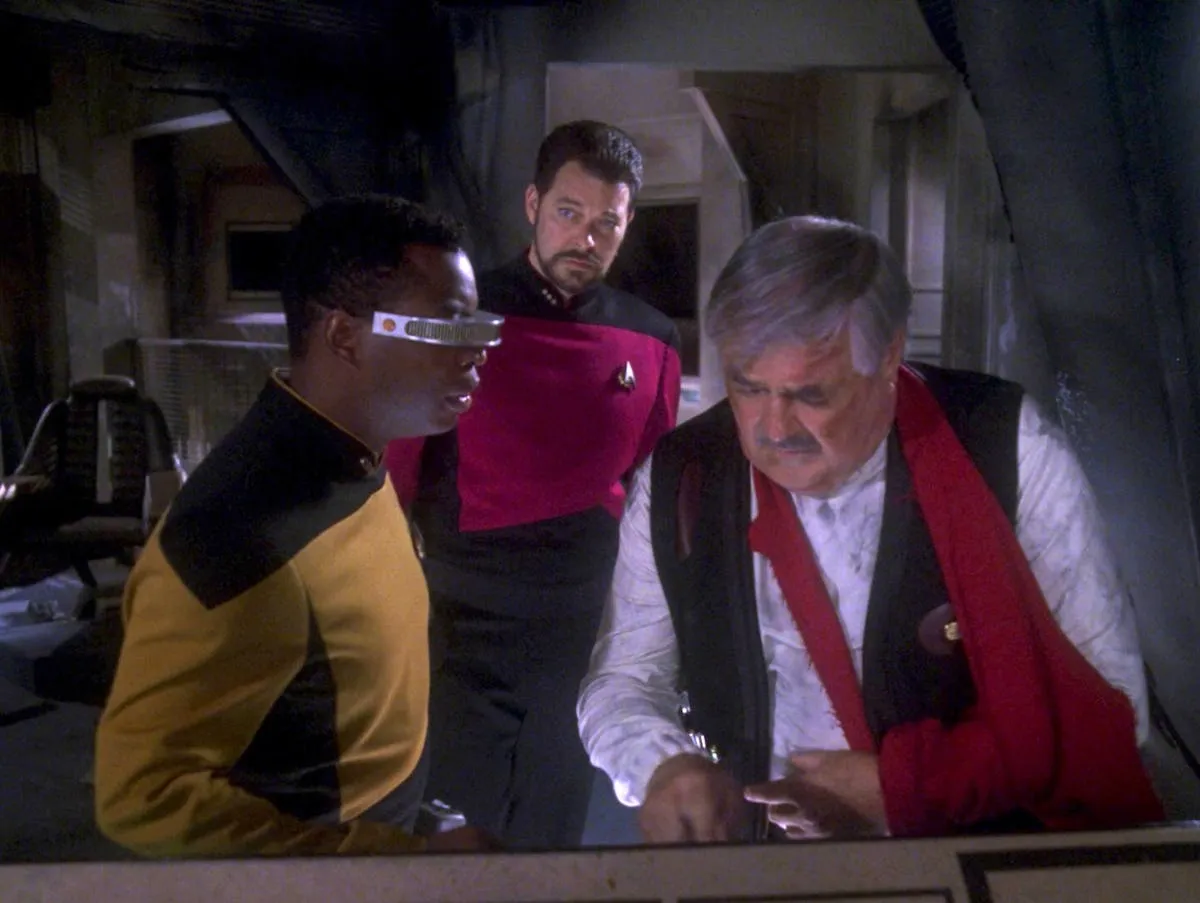
He told Inverse he visualizes Scotty as a car mechanic. He wondered aloud whether being working class even makes sense in the Star Trek future. These questions signal something larger than casting trivia. The franchise is recalibrating its understanding of who its audience is. In Season 4 Episode 3 titled “Human Best Friend,” Scotty clashes with Erica Ortegas. Melissa Navia plays Ortegas. She dismisses the engineering protocols he has established. This dynamic foreshadows his historical frustration with Kirk and the crew pushing the Enterprise beyond safety limits. Quinn described Scotty as the grump of the bunch. He wanted to capture the ADHD messiness of a younger highly functioning intellectual. He said the character is cranky and also the life of the party. Both things can be true at once. That is what makes Scotty well-rounded. Quinn read fan criticism on social media. He adjusted his performance to address specific concerns. A lot of people had their own ideas about who Scotty should be. He took those opinions seriously. He tried to answer things that annoyed viewers. He insisted on including the detail of a missing finger in his scenes. That detail traces back to James Doohan losing a finger in World War II. Quinn also wrote his own origin story for the character on his own time. He hoped a spinoff might eventually materialize so he could expand the backstory further. His favorite Scotty appearance is from The Next Generation. Specifically the 1992 episode “Relics.” In that episode Doohan appears alongside Geordi played by LeVar Burton and Riker played by Jonathan Frakes. Quinn said it was moving to be part of the franchise across multiple eras. He noted the character has always had a duality. Quinn also said he wanted to tie in the detail that Scotty served in a major military conflict in the past. That adds another layer to what the show is building around this character. He told the showrunners he wanted that detail in there. The show agreed. That kind of actor-platform collaboration is increasingly rare in the current television landscape. Quinn also told Inverse he was trying to do a bit of writing on his own origin story of Scotty. He said he worked hard to make a version of the character that does not ruin it for anybody. That restraint is significant. It signals awareness that the franchise is a shared asset. Not just a creative canvas for individual actors.
The commercial loop is transparent. Paramount+ is not paying Quinn to perform. They are paying him to sustain engagement with a franchise that has existed for six decades. Every streaming platform has learned the same lesson over the last five years. Original content is expensive and risky. Legacy intellectual property compounds like a savings account. New characters introduce uncertainty into the retention equation. Returning characters bring guaranteed recognition. Quinn wants to be as confident as Scotty. He said there is something reassuring and inspirational about the character. He also said the show wanted to gesture toward the missing finger detail. That level of attention to character continuity is not accidental. It is audience retention engineering. The streaming wars have taught every platform a brutal lesson. Subscriber churn kills growth faster than content costs. The answer is not more spending. The answer is deeper mining of existing assets. Star Trek premiered in 1965. It has outlasted every format change in entertainment history. The character of Scotty has outlasted them too. He was a supporting engineer. The phrase “beam me up Scotty” was never actually spoken in any episode or film. Yet he became one of the most recognizable figures in science fiction. He represents the mechanic who complains about impossible demands and delivers miracles anyway. Quinn said transporter accidents follow Scotty around his whole life. That is not just character writing. It is a metaphor for how the franchise itself keeps crashing and reforming. The streaming platform that treats its legacy characters as disposable content will lose the final round of platform consolidation. The one that reimagines them for each new generation will retain its subscriber base. Quinn reads the comments. He responds to them. That feedback loop between actor and audience is the new content strategy. Original content is a liability. Nostalgia is a compounding asset. Paramount+ knows this. They are betting the future of their platform on a sixty-one-year-old engineer who complains about power demands.
Author bio: Christian Pierce, a chief financial columnist and markets commentator tracking media industry consolidation and entertainment platform economics.