By: Marcus Sterling – SeaPRwire – Security anxiety sits at the center of Tehran’s message today. Iranian President Pezeshkian used the two-year mark of his inauguration to reject any notion of weakness. He stated Iran never sought war or expansion. At the same time he pledged firm defense of sovereignty and security. The recent conflicts, he argued, were tools for the United States and Israel to drive wedges between Iran and its Persian Gulf neighbors. American forces used bases inside regional states to strike Iran. Iran responded with self-defense. The call that followed was for Islamic countries to tighten unity and trust. That framing turns external pressure into a test of regional cohesion rather than Iranian isolation.
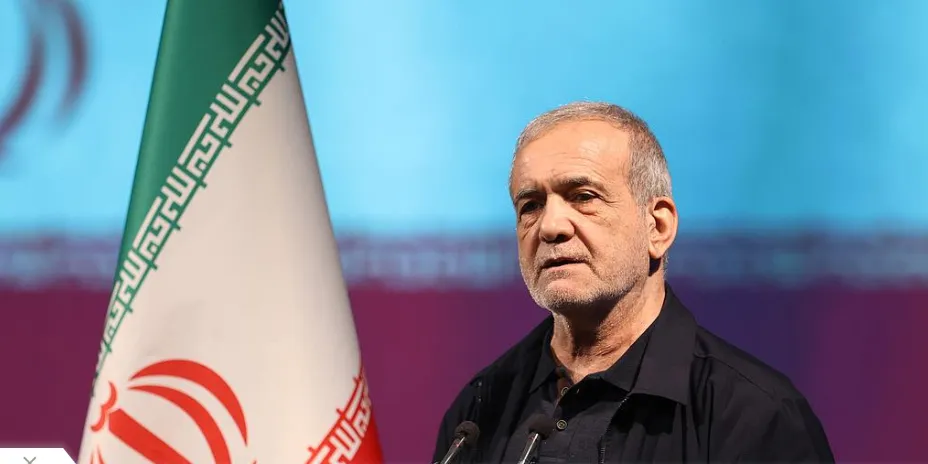
The core facts of the speech are precise and limited. On the Iran-US ceasefire memorandum of understanding, Pezeshkian said Iran made no concessions during the talks. The agreement was originally to be signed by US President Trump to lock in compliance. The American side then reversed its position completely inside less than twenty-four hours. On nuclear and diplomatic tracks, Iran had reached consensus with France on canceling the snapback sanctions mechanism. That understanding collapsed because of US interference and Europe’s lack of independent decision-making. Domestically, Pezeshkian rejected reports of splits between the government and the military. He said the government, parliament, judiciary, and armed forces remain highly unified. That unity, he claimed, wrecked enemy forecasts of internal collapse. He also closed the door on resignation rumors. He will not step down. He will continue serving the people. Every element above comes directly from the address delivered on the seventh.
The bargaining costs are now visible. A ceasefire text that required presidential signature in Washington evaporated inside a day. A side understanding with France on snapback never survived external veto. Internal cohesion is presented as the remaining durable asset. The end-state calculation follows from those costs. If external interlocutors reverse course faster than agreements can be locked, Tehran’s incentive shifts toward hardening positions and deepening ties among Islamic states. The speech leaves little room for soft landings built on rapid US or European pivots. The practical next step for any party seeking de-escalation is to produce a commitment mechanism that cannot be walked back inside twenty-four hours. Without that, the cycle of claim and reversal continues.
Author bio: Marcus Sterling, senior fellow at an independent European strategic think tank focused on Middle East security negotiations and alliance reliability.