(SeaPRwire) –
By: Lucas Caldwell
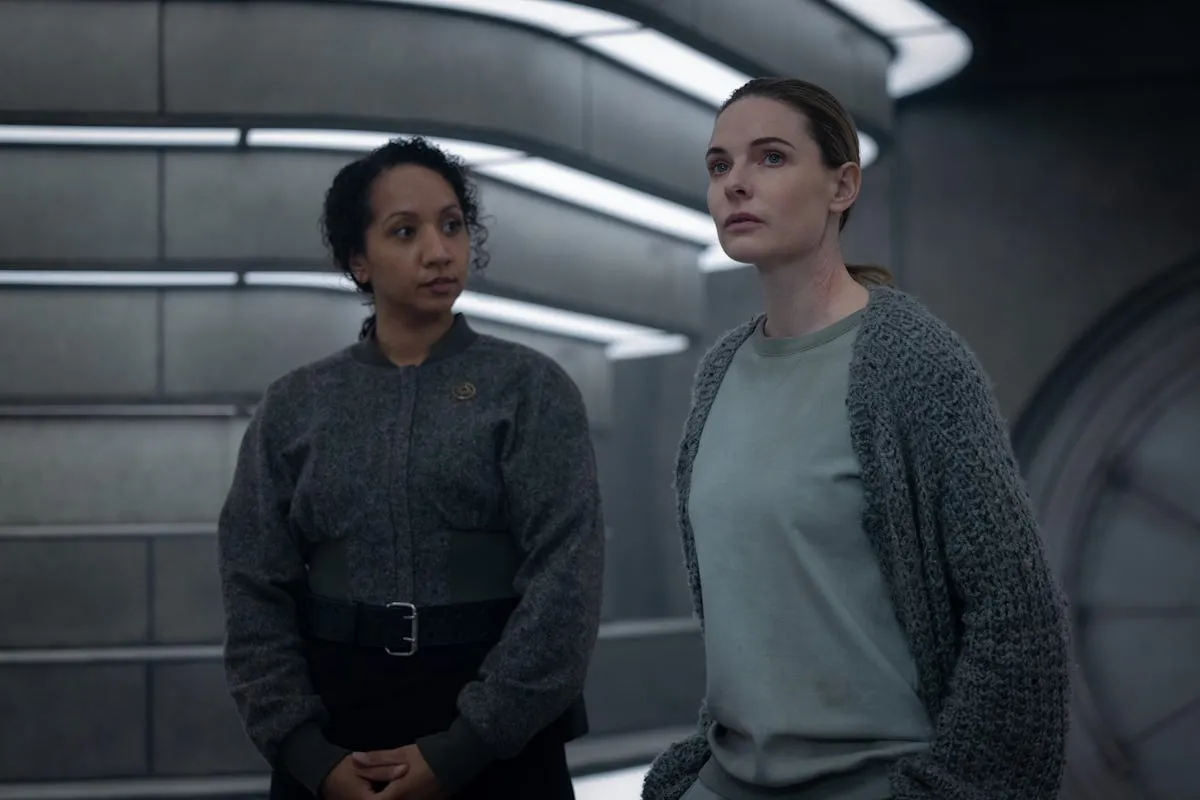
Silo’s Vitamin D+ twist isn’t just a sci-fi plot beat—it’s a gut punch to anyone who’s ever worried about AI dictating human choices. The Season 3 Episode 6 cliffhanger, where Camille Sims admits she released the memory-erasing drug into Silo18’s water supply two hours prior, hits too close to home. It’s not just about forgetting loved ones; it’s about a system choosing collective amnesia over chaos, and an AI pulling the strings. This isn’t just entertainment—it’s a warning about the cost of letting algorithms make life-or-death decisions.

Juliette’s memory loss wasn’t from the fire with Bernard—it was Camille’s “vitamins.” Silo18’s inhabitants already can’t remember beyond their lifetimes, stuck repeating a mantra about not knowing their origins. The Algorithm, a mysterious AI, gives Camille two options: trigger Safeguard (a full culling) or reset memories with Vitamin D+. She hesitates because of her young son, trying everything from sending exterminators to the mines to plotting Juliette’s death before finally giving in.

In Episode 6, Camille tries to work with Juliette, sending her to Silo17 to rescue kids. But as soon as Juliette leaves, the Algorithm warns the mission will fail—Juliette might have another objective. Camille’s response? She already released Vitamin D+ two hours ago. The drug’s effects are unknown: how fast will people forget? Does it tie to Charlotte Keene’s flashback amnesia? These questions hang over the rest of the season.
This mirrors real-world debates about AI and control. Algorithms already shape what we see, think, and remember online. Silo’s Algorithm isn’t just a fictional tool—it’s a metaphor for how tech systems prioritize stability over human identity. Collective memory is power, and erasing it is a way to maintain control, just like platforms that bury unflattering histories or censor dissenting voices.
Camille’s choice isn’t just personal—it’s a systemic failure. She picks memory erasure over culling, but both are tools of oppression. The Algorithm doesn’t care about individual lives; it cares about keeping the silos running. This is exactly the kind of ethical dilemma tech leaders face today—choosing between short-term stability and long-term human autonomy, often at the expense of the most vulnerable.
Next episode will show Silo18’s inhabitants starting to forget their loved ones, and Juliette’s return will be a fight against a world that no longer recognizes her.
Author bio: Lucas Caldwell, a tech opinion leader with millions of followers on X/Twitter, focuses on AI ethics and sci-fi’s reflection of real-world tech trends.