
(SeaPRwire) – By: Silas Sterling
I sat in a dim comic con panel last month, listening to gray-haired geeks argue about Heavy Metal. One called it a masterpiece of unfiltered creativity. Another dismissed it as a juvenile power fantasy with too much gratuitous nudity. Neither was wrong. This 1981 animated anthology isn’t a hidden gem or total trash. It’s a time capsule of geek culture’s rebellious, pre-mainstream era – a mess that matters, even if it doesn’t hold up perfectly today.
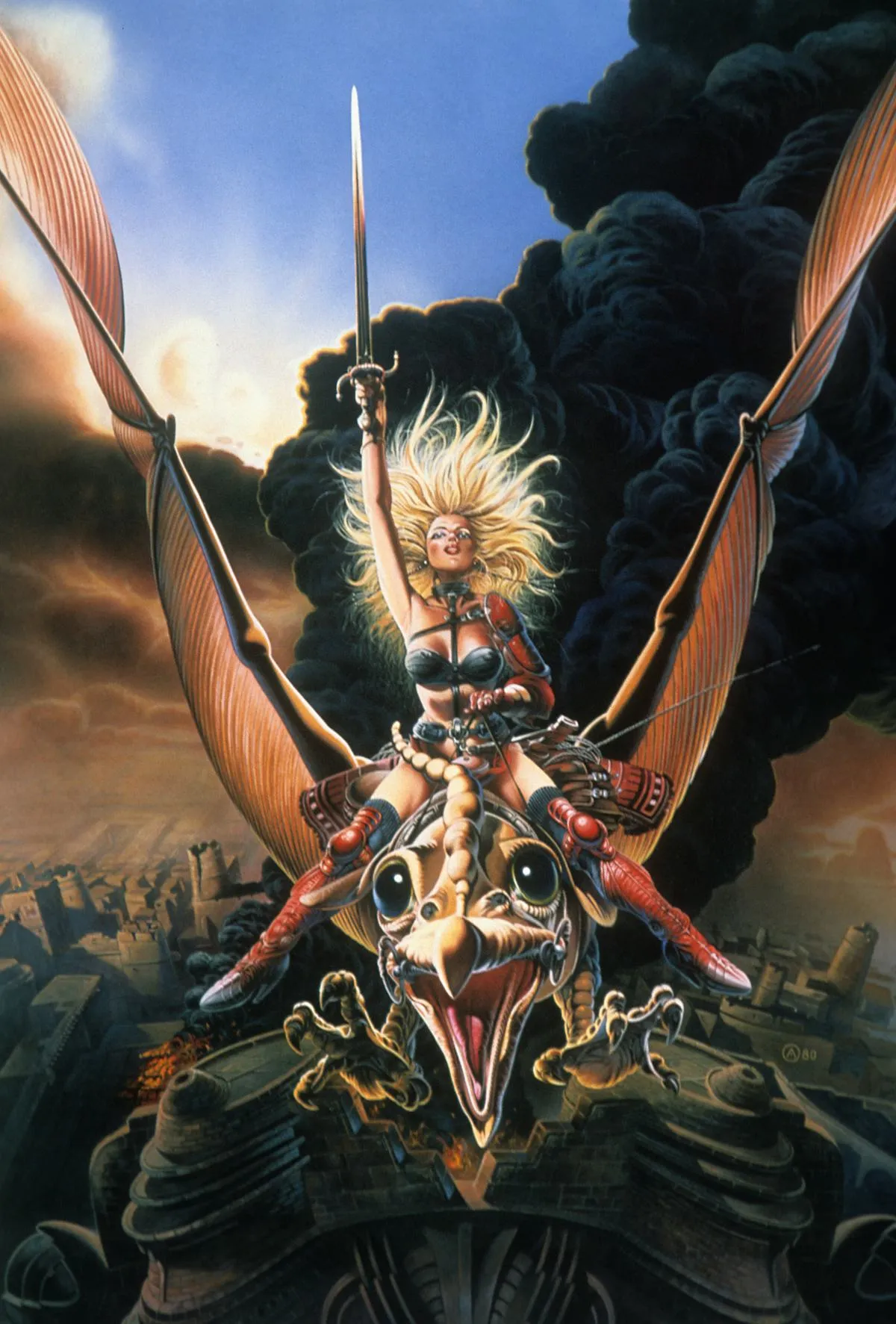
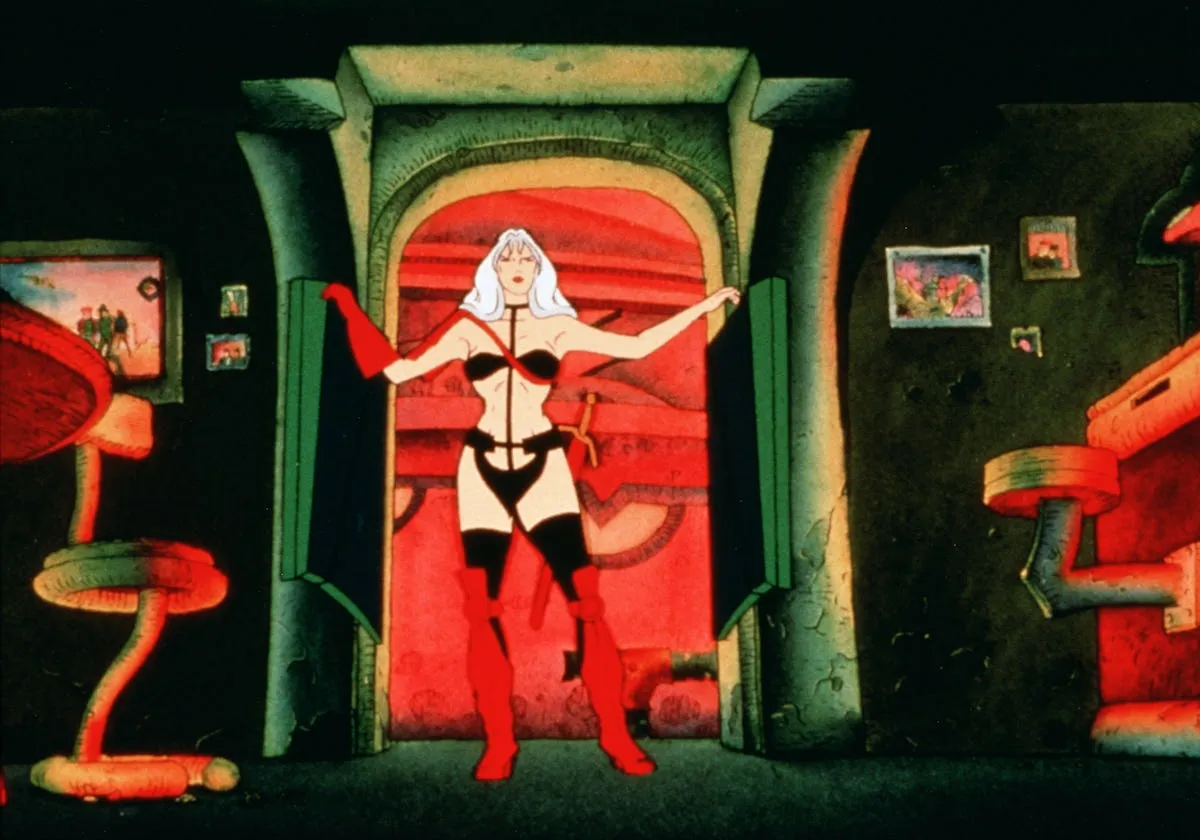
Heavy Metal exists because someone thought they could turn a French comic magazine into a movie. Métal Hurlant launched in 1977, just months before Star Wars changed sci-fi forever. Its pages featured edgy artists like Mœbius and Jean-Claude Forest, paired with writers like Harlan Ellison and Robert Silverberg. Nothing was off-limits: dark, violent, uncensored tales that rejected the clean, family-friendly vibe of emerging blockbusters. The 1981 film, produced by future Ghostbusters director Ivan Reitman, tried to replicate that chaos. It wove nine disjointed stories around the Loc-Nar, an immortal evil artifact. Its most iconic image – the winged warrior Taarna – came straight from Mœbius’ Arzach, even if the writers took credit. It also had unexpected talent: John Candy, Harold Ramis, and Eugene Levy lent their voices to multiple roles.
Watching it now, parts of Heavy Metal feel painfully stuck in the 80s. The opening scene drops a 1960 Corvette from a space shuttle, blaring hard rock. It’s the kind of cheesy flex that belongs in an early MTV video, not a movie. Some of its humor and imagery lands as immature at best, offensive at worst. But there are weird echoes in modern pop culture. JJ Abrams’ 2009 Star Trek reboot opened with a red 1965 Corvette driven by a future hero. Elon Musk’s SpaceX launched a red Tesla Roadster into space in 2018, turning Heavy Metal’s silly opening into reality. These connections aren’t meaningful by themselves, but they hint at how the film’s wild ideas seeped into the collective geek consciousness.
Back in 1981, Heavy Metal was a middle finger to the idea that sci-fi and fantasy were for dorks. Star Wars and Indiana Jones leaned into nostalgic pulp adventure. Heavy Metal wanted to make geeky stuff hardcore and cool. It didn’t care about coherence or broad appeal. It cared about capturing the raw, unpolished energy of the magazine. Today, that edge feels alien. Geek culture is mainstream, sanitized, and corporate-owned. Disney’s Marvel and Star Wars franchises dominate theaters, and every niche fandom has a polished, marketable brand. Heavy Metal’s messiness is a reminder of a time when creators didn’t have to answer to focus groups or toy sales.
We’ll never get another Heavy Metal. Studios won’t greenlight a borderline X-rated animated anthology with a nonsensical plot and unapologetic edge. That’s probably for the best – some of its content hasn’t aged well. But it’s also a loss. Geek culture needs messy, unfiltered works to keep it from becoming just another corporate product. If you want to see what geek cool looked like before it was packaged and sold, stream Heavy Metal on Tubi. Just don’t expect it to make sense.
Author bio: Silas Sterling, veteran kernel contributor and editor-in-chief of an open-source security digest, covers geek subculture and media history.