
(SeaPRwire) – By: Silas Sterling
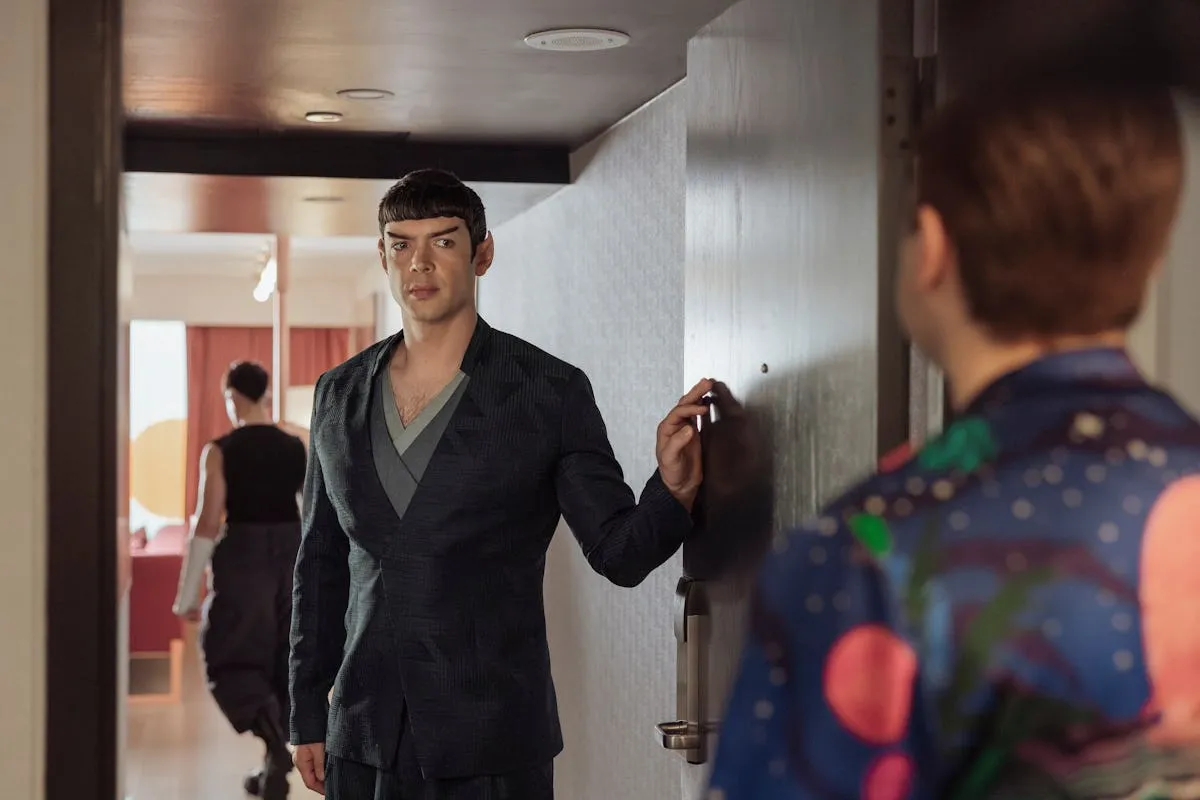
Star Trek: Strange New Worlds is running a soft launch for something the studio might not have intended. Episode 3 of Season 4, titled “Human Best Friend,” wraps a comedy-of-errors plot inside a decades-old fan debate about Kirk and Spock’s relationship. The episode plays like a parody of The Hangover. It also plays like a genuine emotional thesis. That tension between commercial calculation and creative authenticity is where the real story lives.
The press release confirms a specific structural choice. Co-showrunner Akiva Goldsman told Inverse that the series alternates between mythology episodes and monster episodes. Episode 2 was horror, with tributes to Event Horizon. Episode 3 pivots to comedy and nods to the 1966 Original Series holiday episode Shore Leave. The alternation is deliberate. It is also a scheduling strategy. By shifting genre each week, the show minimizes fatigue across a streaming season where audience retention drops sharply after three consecutive episodes of the same tone. The formula works because the emotional arc stays consistent even when the genre fractures.
Spock, played by Ethan Peck, hallucinates Kirk, played by Paul Wesley, throughout the episode. He calls Kirk his “human best friend.” The line lands because it references a concept fans have debated since the 1960s. By the episode’s end, Spock realizes Kirk is real. Kirk responds: “And those many, many secrets are safe with me.” The scene mirrors the mind-meld bond established in Season 3 and traces a direct lineage back to Discovery Season 2’s 2019 episode “Such Sweet Sorrow Part 2.” That episode showed Spock losing his half-sister Michael Burnham. Burnham told him to “find that person who seems farthest from you, and reach for them.” The writing team treated that moment as a thesis statement. They are now paying it off four seasons later in a comedy episode. That is not accidental continuity. That is narrative accounting.
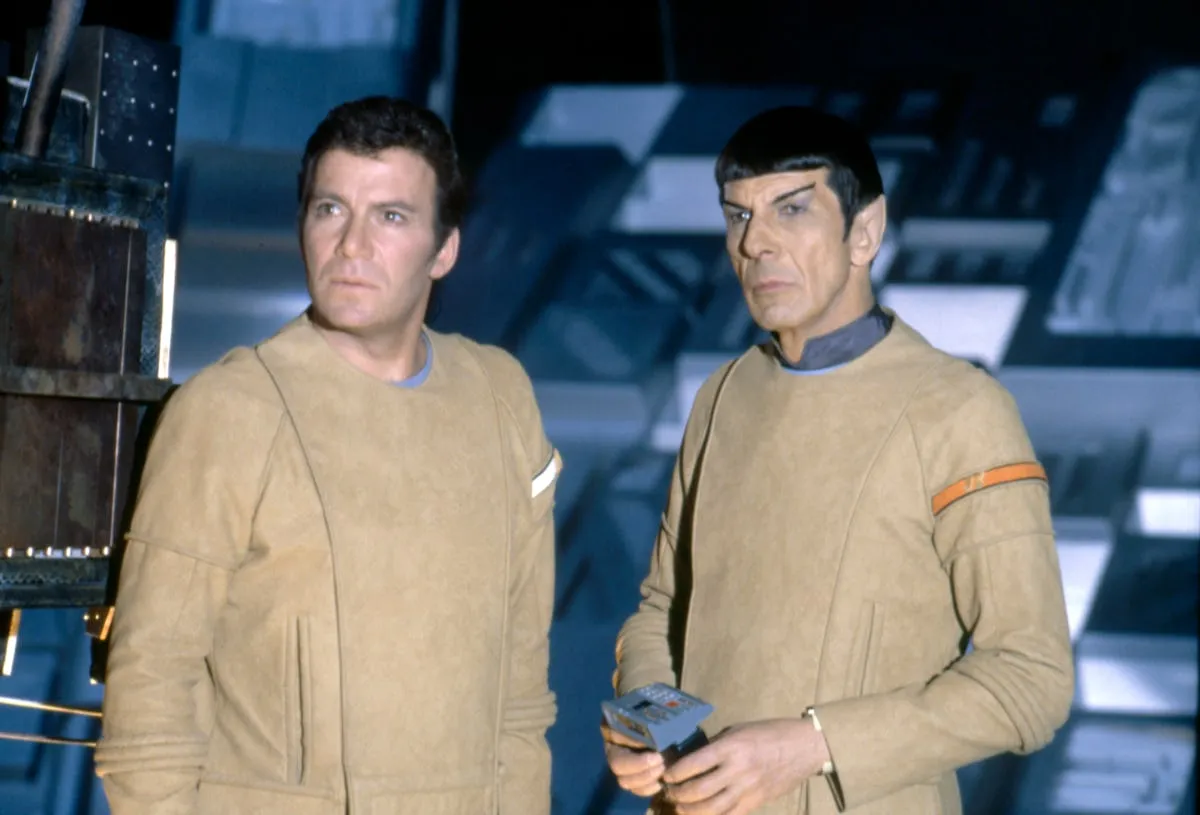
The deeper structural move involves Gene Roddenberry’s 1979 novelization footnote for The Motion Picture. Roddenberry introduced t’hy’la, a Vulcan term meaning both brother and lover. The concept has fueled fan speculation for decades. Strange New Worlds appears to be canonizing a new version of that idea. The show does not reference t’hy’la by name. It references it through behavior. Kirk and Spock hug. They share heart-to-hearts. They trade secrets. The studio is taking a fan-driven romantic interpretation and reframing it as platonic intimacy with emotional weight approaching familial bonds. The result is a compromise that satisfies both camps without explicitly committing to either reading.
The commercial logic behind this strategy deserves scrutiny. Paramount+ has a franchise to sustain across multiple interconnected series. Discovery, Strange New Worlds, and the upcoming final season all draw from the same IP well. Each series must justify its existence through audience retention metrics. When Season 4 of Strange New Worlds runs its course next year, the studio needs a payoff that feels earned. The Kirk-Spock relationship has been accumulating narrative capital since Discovery’s second season. This episode is a withdrawal. The question is whether the emotional return on that investment justifies the risk of alienating traditionalists who reject any romantic reading of the characters.
Open-source communities have spent more than four decades building their own interpretations of this relationship. They wrote fan fiction, created art, and attended conventions long before the studio acknowledged it. The current episode validates that labor without crediting it directly. That is a familiar corporate pattern. The studio reaps the emotional investment built by fans while controlling the canonical expression. The compromise of using “human best friend” as the frame allows the show to acknowledge the bond without crossing into explicit romance. It is a safe channel for a safe payoff.
The real test comes in the final season. If the writers commit fully to the depth of this friendship, they risk being accused of pandering. If they underdeliver, they risk alienating the audience that sustained the franchise during its dormancy. The current episode positions the relationship as emotionally central. That creates a narrative obligation. The studio now owes a resolution that feels as significant as forty-seven years of fan investment.
Author bio: Silas Sterling, a veteran kernel contributor and editor-in-chief of an open-source security digest, examines franchise IP management through the lens of community-driven narrative labor and corporate compromise strategies.