(SeaPRwire) –
By: Silas Sterling
Last month, I grabbed coffee with a diehard Star Wars fan at a local comic con. He ranted about conflicting lightsaber lore—how crystal rules flip-flop between movies, novels, and shows. Disney’s new non-canon series The Ninth Jedi feels like a deliberate workaround. It tests bold lore ideas without breaking the fragile canon fans cling to, all while stoking hype for new merchandise.
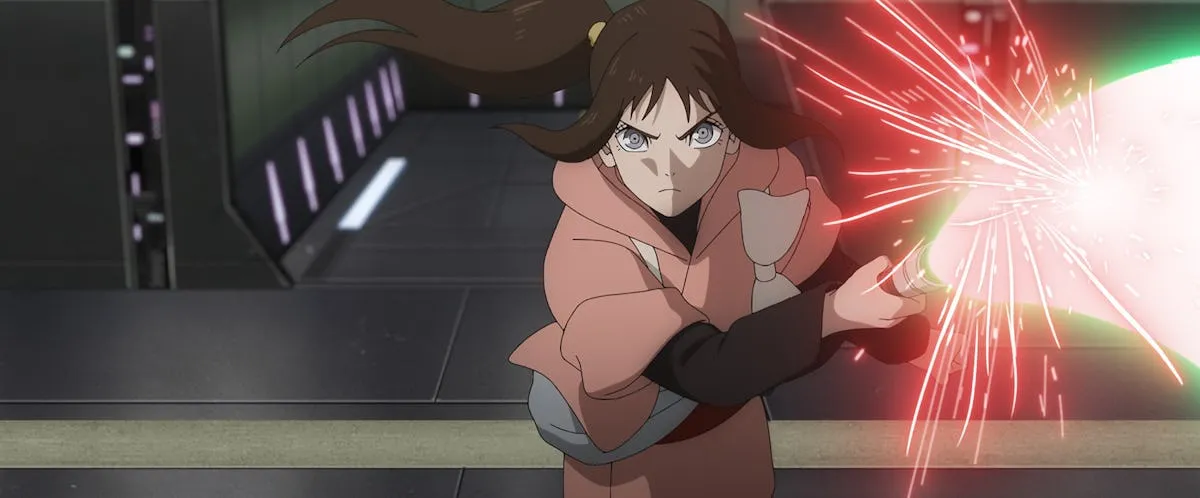
In The Ninth Jedi, young Kara wields a lightsaber crafted by her father Lah Zhima. When she first uses it, the blade glows clear. She assumes it’s a sign of weak Force abilities. Later, it shifts to green as she embraces her Jedi training. When she teeters toward the Dark Side, it blazes red, matching Sith sabers from the series’ first short. The show reveals clear isn’t a default—it’s a neutral state, free of Jedi or Sith emotions. Kara confronts Nawaam, a young enemy who idolizes Lah Zhima’s ability to erase all emotion from his mind.
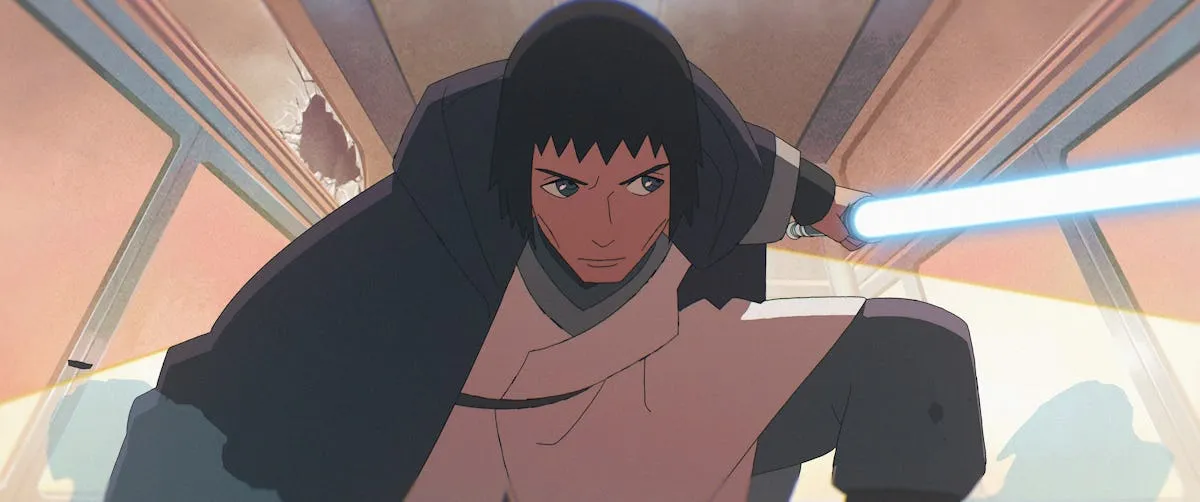
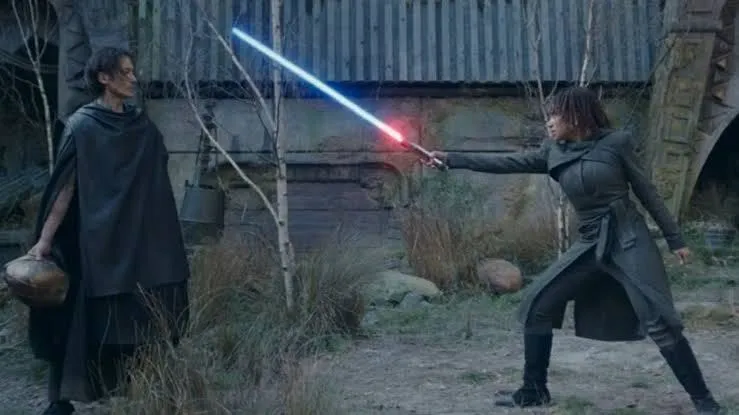
This isn’t the first time Star Wars has toyed with color as emotional shorthand. Canon introduced “bleeding” Kyber crystals in the 2016 novel Ahsoka. White sabers marked Ahsoka’s independence from Jedi and Sith. Comics used the concept to explain Anakin’s red saber. Most recently, The Acolyte showed Osha’s blue saber turning red mid-fight as hatred boiled over. The Ninth Jedi takes this a step further, letting a single saber cycle through states instead of requiring a new crystal.
Fans are split on the reveal. Some praise the nuance—finally, a weapon that mirrors the moral gray areas of modern Star Wars characters. Others call it a cop-out. Non-canon lets Disney avoid fixing the messy, conflicting canon rules that have frustrated fans for decades. It also opens up a new merchandise line: color-changing lightsaber replicas will fly off toy store shelves. Disney gets to sell more products while pretending to listen to fan demands for deeper lore.
At the end of the day, fans don’t control the lore. Disney pulls the strings, using non-canon as a safety valve to test ideas without risking backlash from canon purists. The neutral lightsaber isn’t a win for narrative depth—it’s a marketing tool designed to keep fans engaged and spending.
Author bio: Silas Sterling, a veteran kernel contributor and editor-in-chief of an open-source security digest, dissects pop culture lore through a critical community lens.