Beyond the Impostor: How Paramount+ Turned a Wordless Mobile Game Into a Bloody Anti-Capitalist Satire Business

Beyond the Impostor: How Paramount+ Turned a Wordless Mobile Game Into a Bloody Anti-Capitalist Satire

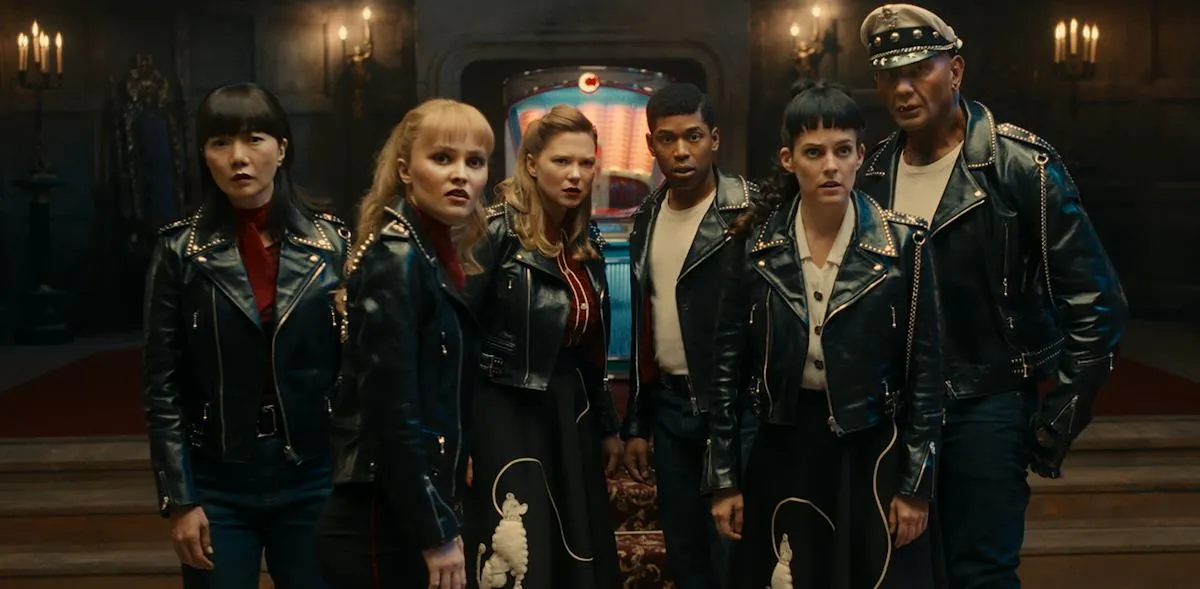
(SeaPRwire) - By: James Vance, Senior Columnist, Tech WeeklyStreaming platforms face a massive IP crisis. They desperately need fresh content. Yet, adapting narrative-free video games is a huge gamble. Paramount+ just quietly released its *Among Us* animated series. This move highlights a major industry tension. How do you turn a simple lockdown party game into a structured show? The original game had no canon story. It relied entirely on player chaos. Now, Hollywood must convert mindless mobile interactions into premium television. It is a risky bet on pandemic nostalgia.Showrunner Owen Dennis tackles this challenge directly. He previously created the cult hit *Infinity Train*. For this project, he built an 11-character ensemble on the spaceship Skeld. The star-studded voice cast includes Elijah Wood and Yvette Nicole Brown. Randall Park voices the spaceship captain, Red. Kimiko Glenn plays Cyan, a spiritualist geologist. Dennis replaces the game's silent blobs with highly expressive characters. Their survival is short-lived. One crewmate dies horribly in each episode. The show delivers high body counts and plenty of animated viscera. It honors the game's brutal core mechanic.This adaptation succeeds by targeting corporate culture. Dennis injects a sharp critique of capitalist workplace exploitation. The Skeld crewmates are underpaid and undervalued. Their corporate employers simply do not care about them. This theme echoes sci-fi classics like *Alien* and *The Thing*. It grounds the cartoonish violence in relatable modern dread. Streaming platforms cannot rely on lazy brand recognition anymore. They must weaponize sharp, cynical subtext to keep viewers hooked. The era of literal game translations is officially dead. This article is provided by a third-party content provider. SeaPRwire (https://www.seaprwire.com/) makes no warranties or representations regarding its content. Category: Top News, Daily News SeaPRwire provides global press release distribution services for companies and organizations, covering more than 6,500 media outlets, 86,000 editors and journalists, and over 3.5 million end-user desktop and mobile apps. SeaPRwire supports multilingual press release distribution in English, Japanese, German, Korean, French, Russian, Indonesian, Malay, Vietnamese, Chinese, and more.
More
This 40-Year-Old Sci-Fi Flop Was Killed By The Challenger Tragedy, Not Bad Writing Business

This 40-Year-Old Sci-Fi Flop Was Killed By The Challenger Tragedy, Not Bad Writing

(SeaPRwire) - By: Alex Mercer, Silicon Valley Tech Director & Industry Geek Analyst Most 80s Star Wars imitators get written off as cheap, corny cash grabs. No one talks about the one that actually captured Star Wars’ real world cultural impact. SpaceCamp got labeled a box office failure the second it premiered. That take has been wrong for 40 straight years. The core premise of SpaceCamp is classic 80s family adventure. A group of kids at NASA’s official space camp sit in a real shuttle for a demo. An AI robot named Jinx misreads a sci-fi superfan’s offhand wish to go to space as an order. It fires the thrusters, sending the kids and their counselor into orbit with no return plan. The film is stuffed with intentional Star Wars nods, including a scene where a lead quotes “Use the Force” to calm a panicking young Joaquin Phoenix. SpaceCamp rockets teens (and their counselor Andie, played by Kate Capshaw) into space. | 20th Century Fox No audiences got to judge the film on its own merits in 1986. It premiered just months after the January 1986 Challenger shuttle explosion, a national tragedy that left the U.S. reeling from space-related grief. Marketing a lighthearted space shuttle adventure was functionally impossible in that climate. Disney even announced a TV remake of the property back in 2020, but no updates have surfaced since. The film’s reputation has never recovered from its terrible release timing. SpaceCamp holds up as one of the most earnest examples of 80s sci-fi’s ability to get kids excited about real world STEM. You can stream the full film for free right now on the Internet Archive. It’s a far better use of an evening than scrolling through half-baked modern sci-fi reboots. This article is provided by a third-party content provider. SeaPRwire (https://www.seaprwire.com/) makes no warranties or representations regarding its content. Category: Top News, Daily News SeaPRwire provides global press release distribution services for companies and organizations, covering more than 6,500 media outlets, 86,000 editors and journalists, and over 3.5 million end-user desktop and mobile apps. SeaPRwire supports multilingual press release distribution in English, Japanese, German, Korean, French, Russian, Indonesian, Malay, Vietnamese, Chinese, and more.
More
Javier Bardem’s Southern Giallo Nightmare: Why Apple’s Cape Fear Rewrite Is a Masterclass in Deconstruction Business

Javier Bardem’s Southern Giallo Nightmare: Why Apple’s Cape Fear Rewrite Is a Masterclass in Deconstruction

(SeaPRwire) - By: Alex Mercer, Tech Director & Industry Geek Analyst Javier Bardem’s Max Cady isn't just a villain; he is a structural fracture in the classic revenge thriller. This isn't a simple remake. It is a hostile takeover of the narrative. The showrunner, Nick Antosca, didn't just tweak the script; he dismantled the premise. The result is a "southern giallo" that feels less like a movie and more like a nightmare you can't wake up from. The official facts reveal a radical departure from the source material. Max Cady is exonerated and released. He targets Tom Bowden, the prosecutor, and Anna Bowden, his former defense attorney who is also Tom's wife. This changes the dynamic entirely. It moves from a simple legal revenge to a psychological siege of a couple's happiness. The Bowdens built their perfect life on his suffering. The showrunner cites inspiration from *The Curse* and *Cachet*, aiming for a visceral, stylized experience that honors the originals while completely rewriting their logic. This radical vision secured the blessing of Hollywood royalty. Martin Scorsese and Steven Spielberg are executive producers. They didn't just bless it; they guided it. The setting is Savannah, Georgia, returning to the roots of the 1962 film. The style is experimental, using inverted colors and split diopters. It feels like a nightmare after watching the originals. The production team used every tool in the cinematic toolbelt to create a haunting, humid atmosphere that defines this new subgenre. The streaming wars demand this kind of deconstruction. Apple TV+ isn't just buying content; they are curating a specific aesthetic. This show proves that legacy properties are ripe for subversion if the creative team has the guts. The industry landscape is shifting toward stylized, high-concept horror-thrillers that prioritize atmosphere over traditional plot points. This article is provided by a third-party content provider. SeaPRwire (https://www.seaprwire.com/) makes no warranties or representations regarding its content. Category: Top News, Daily News SeaPRwire provides global press release distribution services for companies and organizations, covering more than 6,500 media outlets, 86,000 editors and journalists, and over 3.5 million end-user desktop and mobile apps. SeaPRwire supports multilingual press release distribution in English, Japanese, German, Korean, French, Russian, Indonesian, Malay, Vietnamese, Chinese, and more.
More
Marvel’s Spider-Man Early Screenings: Desperation Play or Genius Move to End Its Box Office Slump? Business

Marvel’s Spider-Man Early Screenings: Desperation Play or Genius Move to End Its Box Office Slump?

(SeaPRwire) - Marvel’s latest move with Spider-Man: Brand New Day isn’t just a fan treat—it’s a desperate play to reverse its box office slump. The franchise has been struggling, and Avengers: Doomsday’s delay to December 18 (clashing with Dune: Part Three) leaves Brand New Day as 2026’s first MCU film. This isn’t just another movie; it’s the franchise’s last shot to reclaim its former dominance this year. Sony Pictures/Marvel Studios Brand New Day hits theaters July 31, 2026. It’s the first MCU release of the year. Avengers: Doomsday was pushed from May to December 18—same day as Dune: Part Three. That means Doomsday will face stiff competition, so Marvel is leaning hard on Spider-Man to carry the year. Spidey’s coming out of hibernation a few days early. | Sony Pictures/Marvel Studios Prime members get early screenings on July 29. Tom Holland’s last Spider-Man film, No Way Home, made nearly $2 billion worldwide. It’s been five years since that release, and fans are eager for more. Holland isn’t on Doomsday’s cast list—so this might be his only Spider-Man outing this year. Marvel’s box office slump has been persistent. They need a hit to get back on track. Spider-Man is their most beloved hero, so his fourth solo film is the perfect candidate. Early screenings can generate positive word-of-mouth before the official release, driving more ticket sales opening weekend. Amazon used early screenings for Superman to boost its performance, so Marvel is following a proven playbook. But does Brand New Day even need this? The film is already highly anticipated. Fans have waited half a decade for Holland’s return, and the movie stays closer to comic roots than previous MCU Spider-Man films. If Brand New Day’s early screenings drive it to a $1.5B+ box office, Marvel will double down on this strategy; if not, expect a major shake-up in their 2027 release plan. This article is provided by a third-party content provider. SeaPRwire (https://www.seaprwire.com/) makes no warranties or representations regarding its content. Category: Top News, Daily News SeaPRwire provides global press release distribution services for companies and organizations, covering more than 6,500 media outlets, 86,000 editors and journalists, and over 3.5 million end-user desktop and mobile apps. SeaPRwire supports multilingual press release distribution in English, Japanese, German, Korean, French, Russian, Indonesian, Malay, Vietnamese, Chinese, and more.
More
Escape from L.A.’s 4K Upgrade Turns Its Cringe VFX Into a Feature, Not a Bug Business

Escape from L.A.’s 4K Upgrade Turns Its Cringe VFX Into a Feature, Not a Bug

(SeaPRwire) -Archive Photos/Moviepix/Getty Images John Carpenter’s career superpower is not caring. It freed him to make the most deranged post-apocalyptic sequel ever, Escape from L.A. Thirty years later, the movie’s getting a 4K UHD SteelBook release. Instead of polishing its dated VFX, the upgrade cranks up their crude, silly charm. This isn’t a fix—it’s a celebration of Carpenter’s unapologetic chaos, the same energy that gave us Snake Plissken surfing a tsunami and paragliding into a fake Disneyland called Happy Kingdom. Escape from L.A. was Carpenter’s third team-up with Kurt Russell. They first worked together on Carpenter’s underrated Elvis TV biopic, then reunited for 1981’s cult classic Escape from New York. Carpenter hated Halloween II, calling it an abomination, so he avoided sequels—until Russell and Debra Hill pushed him hard. All three co-wrote the script, with Russell and Hill producing. The loose, improvisational vibe shines in every absurd scene, from high-stakes basketball to the tsunami surf stunt. When it hit theaters in 1996, Escape from L.A. flopped. It didn’t recoup its budget, killing plans for a third film, Escape from Earth. Critics were split: Variety dismissed it as a “cartoonish, cheesy, and surprisingly campy apocalyptic actioner.” But Roger Ebert defended it, giving three and a half out of four stars. He called it a go-for-broke extravaganza that satirizes and exploits the genre, with giddy delight in its absurd heights. Home media’s cult classic market is booming, and Paramount’s 4K SteelBook taps straight into that. Collectors crave physical releases to mark milestones, and the 30th anniversary is the perfect hook. Unlike Shout! Factory’s 2020 Blu-ray, which has extensive behind-the-scenes docs and interviews, the SteelBook’s main draw is the 4K upgrade. It makes the movie’s already dated VFX look even cruder—but that’s part of the appeal for fans who love its unpolished chaos. Escape from L.A. isn’t just a retro flick—it’s eerily prescient. Set in 2013, a year we now remember as early Obama-era cringe, the movie’s dystopia imagines Los Angeles as a prison colony. A 9.6 quake split it from the coast in 2000, and residents include people deported for violating morality laws from a televangelist-turned-president. Carpenter and co. nailed the vibe shift of religious-backed TV politicians, even if their red meat ban detail was off. Paramount’s 4K Escape from L.A. release will set a new bar for celebrating cult movie flaws as features. This article is provided by a third-party content provider. SeaPRwire (https://www.seaprwire.com/) makes no warranties or representations regarding its content. Category: Top News, Daily News SeaPRwire provides global press release distribution services for companies and organizations, covering more than 6,500 media outlets, 86,000 editors and journalists, and over 3.5 million end-user desktop and mobile apps. SeaPRwire supports multilingual press release distribution in English, Japanese, German, Korean, French, Russian, Indonesian, Malay, Vietnamese, Chinese, and more.
More
Masters of the Universe’s She-Ra Tease Isn’t Just Fan Service—It’s Amazon MGM’s Franchise Masterplan Business

Masters of the Universe’s She-Ra Tease Isn’t Just Fan Service—It’s Amazon MGM’s Franchise Masterplan

(SeaPRwire) - The post-credits tease of She-Ra in Travis Knight’s Masters of the Universe isn’t just 80s nostalgia bait. It’s Amazon MGM’s calculated move to turn a single film into an interconnected franchise. Fan excitement is a bonus; the real target is long-term viewership and merchandise ties with Mattel’s iconic toy line. This is how modern media studios build sustainable revenue streams, not just one-hit wonders. Amazon MGM The core facts are simple. MOTU’s post-credits scene introduces Princess Adora on Etheria, her back to the camera—leaving casting announcements for later buzz. Queen Marlena reveals Adam has a long-lost twin sister, setting up future conflict between Eternia and Etheria’s tyrannical Horde. These breadcrumbs aren’t accidental; they’re a roadmap for the franchise’s next steps. She-Ra’s origin is unique. Unlike He-Man (who started as a toy), she was created exclusively for TV in 1985 by Larry DiTillio, J. Michael Straczynski, and Diane Keener. She debuted in He-Man and She-Ra: The Secret of the Sword, then got her own show, She-Ra: Princess of Power. Netflix’s 2018 remake told her story without He-Man, a choice the live-action sequel might adapt. The original transformation of She-Ra. | Mattel Amazon MGM’s plans go beyond the first film. Director Travis Knight told ScreenRant he wants to explore more stories if the audience demands them. Prime Video has been quietly developing a live-action She-Ra show since 2021; per Variety, the studio tapped a new screenwriter in 2024. These moves signal a long-term investment in the MOTU universe. The future is unclear for Masters of the Universe, but it’ll definitely include She-Ra. | Amazon MGM The franchise’s toy roots are key here. Every new character like She-Ra ties back to Mattel’s merchandise line. A live-action She-Ra—whether in a sequel or standalone show—will drive toy sales, creating a feedback loop between content and products. This is the modern media playbook: content feeds merchandise, which feeds more content. Six years after her last appearance, She-Ra makes the jump to live-action. | Netflix Prime Video’s She-Ra live-action show will premiere in 2027, timed to the MOTU sequel’s release if it gets greenlit. This article is provided by a third-party content provider. SeaPRwire (https://www.seaprwire.com/) makes no warranties or representations regarding its content. Category: Top News, Daily News SeaPRwire provides global press release distribution services for companies and organizations, covering more than 6,500 media outlets, 86,000 editors and journalists, and over 3.5 million end-user desktop and mobile apps. SeaPRwire supports multilingual press release distribution in English, Japanese, German, Korean, French, Russian, Indonesian, Malay, Vietnamese, Chinese, and more.
More
The New He-Man Isn’t Just A Toy Commercial – It’s Mattel’s Big Play To Steal Hasbro’s Retro Toy Crown Business

The New He-Man Isn’t Just A Toy Commercial – It’s Mattel’s Big Play To Steal Hasbro’s Retro Toy Crown

(SeaPRwire) - I’ve spent 20 years in the entertainment merchandise space, and I wrote off this He-Man reboot months ago. Every prior Mattel attempt to revive the IP felt like a lazy cash grab, no different than the cheap 90s straight-to-video sequels. The first trailers didn’t help – every shot of the Eternia warriors looked like a toy commercial play-through. It’s easy to write the whole project off as nothing more than a 2-hour ad for plastic action figures. Amazon MGM Masters of the Universe is now playing in theaters. Its official story beats follow a standard hero’s journey. Exiled Eternian prince Adam, played by Nicholas Galitzine, spent years stranded on Earth after Skeletor took over his home. He retrieves the Sword of Power, transforms into He-Man, and returns to fight the demon ruler, played by Jared Leto. His early attempts to save his father and free Eternia fail completely. His sword gets shattered, and he lands in prison with all of Skeletor’s other opponents. What the official press materials don’t highlight is every casual name drop of Ram-Man or Mekaneck lines up exactly with Mattel’s 2026 toy lineup. The theatrical release skips the on-screen toy purchase links a Prime Video debut would have had, but the product integration is still impossible to miss. Knight on the set of Masters of the Universe with Nicholas Galitzine and Camila Mendes. | Amazon MGM Director Travis Knight says he leaned into the original 80s cartoon’s core ethos for this take. He grew up a sensitive, lonely kid who admired that He-Man chose empathy over violence first. The film’s big twist reveals the Power of Grayskull lives in Adam himself, not his sword. His reluctance to fight, not his brute strength, makes him the right leader. This message isn’t just a creative choice. Mattel knows the old hypermasculine action figure audience is shrinking fast. Positioning He-Man as a kind, decent role model lets them market the toys to modern parents, not just 40-something nostalgia collectors. This reboot will push He-Man action figure sales up by at least 25% in 2026, and eat directly into Hasbro’s long-held lead in the retro licensed toy segment. This article is provided by a third-party content provider. SeaPRwire (https://www.seaprwire.com/) makes no warranties or representations regarding its content. Category: Top News, Daily News SeaPRwire provides global press release distribution services for companies and organizations, covering more than 6,500 media outlets, 86,000 editors and journalists, and over 3.5 million end-user desktop and mobile apps. SeaPRwire supports multilingual press release distribution in English, Japanese, German, Korean, French, Russian, Indonesian, Malay, Vietnamese, Chinese, and more.
More
007 First Light Didn’t Just Make A Great Game—It Redefined Every Bond Actor Ever Business

007 First Light Didn’t Just Make A Great Game—It Redefined Every Bond Actor Ever

(SeaPRwire) - Let’s cut through the noise first. Most licensed James Bond games are lazy cash grabs. They tie directly to recent films, copy movie beats, and use the same actor likeness. 007 First Light isn’t that. IO Interactive It’s the first Bond game in 14 years that rethinks the character from the ground up. It doesn’t lean on a single film’s vibe. It pulls from every version of Bond ever put to screen. The core details here are sharp. IO Interactive cast Patrick Gibson, fresh off Dexter: Original Sin, as a 26-year-old Bond. Gibson’s Bond is a completely singular depiction cooked up for the game, but he still contains aspects of all six of the previous actors. | IO Interactive The game starts before he earns his 00 clearance. Players shape his arc from his first MI6 radar spot to official 00 status. It sticks to Fleming’s original backstory, including his orphaned climbing accident and Royal Navy service. It’s the only Bond adaptation to include the 3-inch facial scar from Fleming’s novels. This Bond isn’t a carbon copy of any live-action take, but it borrows from all six cinematic actors. It has Roger Moore and Pierce Brosnan’s dry wit and playboy swagger. For many people, Pierce Brosnan is the platonic ideal of 007 as the playboy gentleman secret agent. | MGM Studios It echoes Daniel Craig’s raw, grief-driven arc from Casino Royale. When players unlock License to Kill, it leans into Timothy Dalton’s efficient, hard-edged violence. It’s the least like Sean Connery’s original take, though it still nods to his debonair charm. This isn’t just a good game—it’s a blueprint for licensed IP done right. For decades, movie tie-in games were afterthoughts. They were made to cash in on a film’s release, with no original creative thought. IO Interactive flipped that script entirely. They built a full original canon, with unique supporting cast, just like a cinematic reboot. The game is out now on PS5, Xbox Series X/S, and PC. This game also expands the Bond franchise beyond the big screen. For 60+ years, Bond’s legacy was tied exclusively to film. Now, IO Interactive has created a version that stands on its own. For as refined as Gibson’s Bond is, there are still sometimes where only a bullet will do the trick. | IO Interactive It’s already being called one of the best Bond depictions ever, rivaling every live-action take. It’s not just for Bond fans, either—its stealth and shooter gameplay hits hard for FPS enthusiasts. Within two years, every major licensed game studio will be scrambling to build original canon IP extensions instead of lazy movie tie-ins. This article is provided by a third-party content provider. SeaPRwire (https://www.seaprwire.com/) makes no warranties or representations regarding its content. Category: Top News, Daily News SeaPRwire provides global press release distribution services for companies and organizations, covering more than 6,500 media outlets, 86,000 editors and journalists, and over 3.5 million end-user desktop and mobile apps. SeaPRwire supports multilingual press release distribution in English, Japanese, German, Korean, French, Russian, Indonesian, Malay, Vietnamese, Chinese, and more.
More
Why Lionsgate’s Wild Fall Sequel Is a Genius Low-Risk Hollywood Play Business

Why Lionsgate’s Wild Fall Sequel Is a Genius Low-Risk Hollywood Play

(SeaPRwire) -Lionsgate When Lionsgate released Fall in 2022, industry analysts wrote it off as a direct-to-streaming dud. The premise was simple: two friends stuck atop a 2,000-foot rusted desert tower. No big-name stars, no flashy blockbuster CGI. But it tapped into a universal, primal fear: heights. The film recouped its production budget several times over at the box office. It turned a niche thriller into a legitimate franchise asset. Four years later, the sequel is finally on the way, and it’s already got fans talking. The official announcement for Fall 2: Deadpoint lays out core details clearly. The film stars Harriet Slater, fresh off Outlander: Blood of My Blood. It also stars Arsema Thomas from Queen Charlotte: A Bridgerton Story. The pair plays two hikers who climb fictional Mt. Kwan in Thailand. They hit a treacherous section where the walkway abruptly ends. The trailer teases the same high-stakes, vertigo-inducing tension as the original. The film is set to hit theaters on September 2, 2026. The official synopsis for Fall 2: Deadpoint doubles down on the original’s survival formula. It notes the climb will go higher, get deadlier, and crank up adrenaline. The narrow planked walkway in the trailer isn’t entirely made up. It’s based on the Huashan Plank Trail in Shaanxi, China. That trail is often called one of the world’s most dangerous hikes. The real trail is far more populated and secured than the trailer’s barren set piece. But the core terror remains intact. Hollywood has been leaning hard on established IP for the past decade, and for good reason. A sleeper hit like Fall comes along once every few years. Greenlighting a sequel is a low-risk play for studios. The original already proved it can draw crowds with a simple, relatable fear. Studios don’t need to build an audience from scratch. They just need to amp up the stakes for the sequel. This move isn’t about artistic innovation—it’s about maximizing return on investment. Competitors in the survival thriller space are already watching this move closely. If Fall 2: Deadpoint hits big, we’ll see a flood of similar low-budget sequels in the next 18 months. Studios will scour their libraries for underperforming but beloved niche thrillers to revive. They’ll also look to real-world dangerous locations to add authenticity. Just like the Huashan Trail reference here, this trick will become a common trope. This isn’t just about one sequel—it’s about a new template for low-cost, high-reward franchise building. Lionsgate’s Fall 2: Deadpoint will open to $12 million or more in its first weekend, proving even absurd franchise revivals can turn a solid profit. This article is provided by a third-party content provider. SeaPRwire (https://www.seaprwire.com/) makes no warranties or representations regarding its content. Category: Top News, Daily News SeaPRwire provides global press release distribution services for companies and organizations, covering more than 6,500 media outlets, 86,000 editors and journalists, and over 3.5 million end-user desktop and mobile apps. SeaPRwire supports multilingual press release distribution in English, Japanese, German, Korean, French, Russian, Indonesian, Malay, Vietnamese, Chinese, and more.
More
Moffat’s Masterclass: How “A Good Man Goes to War” Broke the Rules of TV Storytelling and Why It Still Works Business

Moffat’s Masterclass: How “A Good Man Goes to War” Broke the Rules of TV Storytelling and Why It Still Works

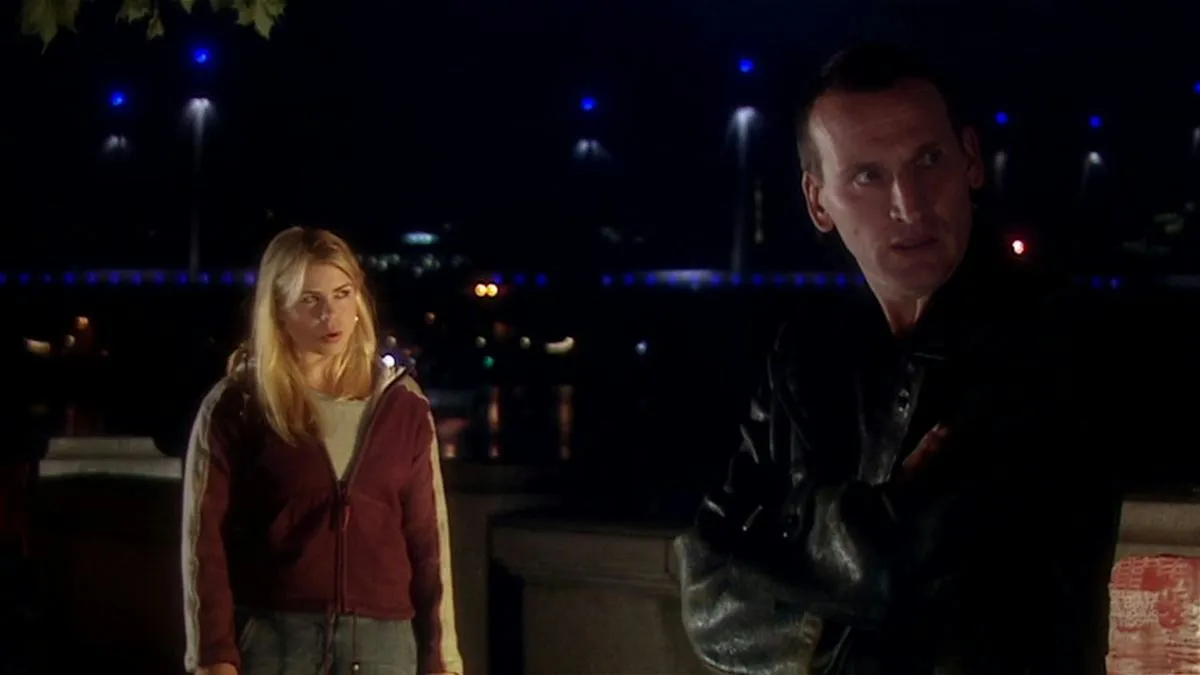
BBC (SeaPRwire) - Steven Moffat didn’t just write a mid-season finale in June 2011. He engineered a narrative trapdoor. The seventh episode of *Doctor Who* Season 6, “A Good Man Goes To War,” is a case study in audacious canon manipulation. Fifteen years on, its structural daring remains the high-water mark for a show that often promises more than it delivers. It’s the moment the series proved it could play a truly long game, not just with plot, but with audience expectation itself. [Official Release Facts] The episode aired in June 2011 as the mid-season finale of Matt Smith’s second series. Its premise involved the Doctor raising an army to rescue Amy Pond and her newborn, Melody, from the Silence on Demons Run. It introduced key allies—Madame Vastra, Jenny Flint, and Strax—as established friends, despite being their first on-screen appearance. The final twist revealed that the fan-favorite River Song, introduced in 2008, was the adult Melody Pond, making her Amy’s daughter and the Doctor’s future wife. [Industry Subtext] Moffat was performing narrative alchemy. He retroactively mined a character (River) whose story seemed closed in 2008, turning her death into a midpoint. The “Paternoster Gang” introduction wasn’t world-building; it was a confidence trick, presenting deep backstory as a casual given. The episode’s real stakes weren’t the rescue, but the Doctor’s mythos. It reframed him as a warrior, a theme Moffat would weaponize for years. This was premium content architecture, designed for rewatch value and lore expansion, locking future storylines into a pre-ordained loop. The legacy is a paradox. The episode’s success created a template for convoluted, self-referential arcs that later seasons struggled to match. It set a bar for twist-driven storytelling that the modern TV ecosystem is still trying to clear, often with less grace. The supply chain of fan theories and narrative payoff was permanently recalibrated here. For better or worse. This article is provided by a third-party content provider. SeaPRwire (https://www.seaprwire.com/) makes no warranties or representations regarding its content. Category: Top News, Daily News SeaPRwire provides global press release distribution services for companies and organizations, covering more than 6,500 media outlets, 86,000 editors and journalists, and over 3.5 million end-user desktop and mobile apps. SeaPRwire supports multilingual press release distribution in English, Japanese, German, Korean, French, Russian, Indonesian, Malay, Vietnamese, Chinese, and more.
More
That Forgotten 1991 Star Trek Episode Nailed Our Modern AI Romance Crisis Before It Existed Business

That Forgotten 1991 Star Trek Episode Nailed Our Modern AI Romance Crisis Before It Existed

(SeaPRwire) -Paramount/CBS Last week, I rewatched Star Trek: The Next Generation’s “In Theory” for the first time since high school, and as an AI ethics researcher who’s spent five years studying companion bots, I couldn’t stop thinking about how spot-on it was. Elara Voss, senior fellow at the Future of Humanity Institute, put it best when she said the episode didn’t predict AI romance—it predicted our own performativity in these relationships. “Data isn’t a chatbot,” Voss notes, “he’s a mirror for Jenna, who projects her ideal partner onto him just like we do with Replika or Character.AI.” Aired June 3, 1991, during TNG’s fourth season, the episode was Patrick Stewart’s first directorial gig for the series, following in Jonathan Frakes’ footsteps. Co-writers Ronald D. Moore and Joe Menosky didn’t draw inspiration from AI trends, though—Moore later cited a quirk of Star Trek fandom, specifically the flood of fan mail from women who connected with Spock’s remote, unapproachable vibe, hoping to “touch his heart” in a way no one else had. Data, played by Brent Spiner, fills the Spock role here: well-meaning, earnest, and oddly lovable, even as he’s a fully sentient android. When Lt. Jenna D’Sora pursues him, he agrees to try dating, running a custom program to test if romantic relationships are feasible for his android brain. Unlike today’s cloud-connected chatbots, Data runs all his research locally, no remote servers feeding him social cues or relationship scripts. This isn’t the first time Data has explored romantic connection, either—his brief tryst with Tasha Yar in season 1’s “The Naked Now” ended with her asking him to never speak of it again, a moment that had a far bigger impact on his character arc than this relationship ever did. What makes the episode unique is that the audience’s sympathies are flipped: since Jenna is a guest character who never returns, we frame her as the experiment rather than the grieving partner, viewing Data as the real, authentic person in the dynamic. Even more telling, both parties are faking the connection: Data mimics human romance rather than experiencing it, while Jenna projects her idealized version of Data onto him, changing her own behavior to fit that image. It’s the one where Data gets a girlfriend! Or does she get him? | Paramount/CBS Right now, the companion AI market is booming, with brands pitching bots as emotional support partners, but most users aren’t looking for genuine AI emotion—they’re looking for a safe space to project their own needs, just like Jenna. The difference, of course, is that Data acts autonomously, while today’s bots only respond to user input, but the core dynamic is identical. We’re still grappling with the ethics of these relationships: are we using the bots, or are we using each other through them? “In Theory” reminds us that the real tragedy isn’t the tech—it’s that both parties in a romantic connection can be faking it, even when they think they’re being genuine. Stewart later said he was thrilled his first directorial gig was a simple love story, and that quiet simplicity is exactly why the episode has aged so well. It’s not a grand sci-fi epic, just a small, thoughtful look at human connection that hits even harder now that we’re living through the era of mainstream AI companions. Unlike the flashy AI romance tropes Hollywood has pushed in recent years, this 35-year-old episode doesn’t lean into spectacle—it leans into the messy, human truth of wanting connection, even when you’re not sure how to find it. Patrick Stewart’s first directorial gig for TNG turned this quiet love story into a Trek deep cut | Paramount/CBS If you want to check it out for yourself, *Star Trek: The Next Generation* streams on Paramount+. This article is provided by a third-party content provider. SeaPRwire (https://www.seaprwire.com/) makes no warranties or representations regarding its content. Category: Top News, Daily News SeaPRwire provides global press release distribution services for companies and organizations, covering more than 6,500 media outlets, 86,000 editors and journalists, and over 3.5 million end-user desktop and mobile apps. SeaPRwire supports multilingual press release distribution in English, Japanese, German, Korean, French, Russian, Indonesian, Malay, Vietnamese, Chinese, and more.
More
The Stargate Paradox: Why Amazon’s Franchise Playbook Is Failing Sci-Fi Business

The Stargate Paradox: Why Amazon’s Franchise Playbook Is Failing Sci-Fi

Snap/Shutterstock (SeaPRwire) - I was on a call with Elena Vance, a veteran studio strategist who’s navigated more franchise revivals than I’ve had hot coffees. When I mentioned Amazon pulling the plug on the *Stargate* reboot, she didn’t sound surprised. “It’s the IP paradox in its purest form,” she said. “You buy a library like MGM for billions, desperate for that built-in audience. Then you get cold feet because the very thing you paid for—a deep, dedicated fandom—feels too niche. The execs see a lore bible thicker than a phone book and panic, worrying they’re building a walled garden instead of a welcome mat.” She sees this as a fundamental misreading of the modern viewer. “Audiences aren’t lazy. They’re selective. A show like *Fallout* works because it respects the core while being a compelling entry point. Axing a project pre-production because it might be ‘for the fans’ is admitting you don’t know how to bridge that gap. It’s not a creative failure; it’s a strategy failure.” Let’s unpack what actually happened. Amazon Prime Video, after riding high on big-ticket reboots like *The Rings of Power*, has made a rare pre-emptive strike. According to reports from *Variety*, the streamer has officially canceled its planned series reboot of the *Stargate* franchise. This isn’t a show that filmed a season and got poor ratings. This is a project killed before a single scene was shot, which is a notably aggressive move for Amazon. The franchise, originating from the 1994 film, became a sci-fi cornerstone through the 1997 series *Stargate SG-1* and its spinoffs, cultivating a massive, enduring fanbase. The reboot had been in the works since Amazon’s acquisition of MGM in 2022, and by 2025, it had a series order with veteran *Stargate* writer and *Blindspot* creator Martin Gero attached as showrunner. So, the gears were turning. The abrupt halt came down to a specific, reported concern from Amazon executives: they feared Gero’s vision would primarily cater to the existing, dedicated fanbase and fail to attract a broader, general audience. The sheer scale of the *Stargate* universe—with its multiple series and movies—was apparently seen as a barrier to entry rather than a rich foundation. It’s worth noting this isn’t a complete abandonment. Amazon says it’s still exploring *Stargate* projects, and Gero remains under contract, suggesting this might be a creative reset rather than a full burial. The streamer has precedent for nailing this balance, with adaptations like *Fallout* and *The Legend of Vox Machina* successfully serving both hardcore enthusiasts and newcomers. The question hanging in the air is why, with that blueprint available, *Stargate* couldn’t get a green light to even try. Stargate’s initial reboot has been canceled for reportedly not having a broad appeal. | Snap/Shutterstock This move speaks to a larger, more anxious trend in streaming. We’ve moved past the era of throwing everything at the wall. Now, with Wall Street demanding profitability, every project is a massive bet, and legacy IP is supposed to be the safest table in the casino. But safety is stifling. The logic becomes circular: we need a known name to cut through the noise, but we’re so terrified of alienating a single potential subscriber that we sand off every edge that made the IP distinctive in the first place. The result is a development purgatory where beloved properties are trapped—too valuable to ignore, too “complicated” to actually make. Amazon’s portfolio, from *Lord of the Rings* to *James Bond*, is a testament to this high-stakes, high-fear game. The future of franchise adaptations won’t be won by the studios with the biggest libraries, but by those who can master a new kind of storytelling alchemy: honoring the past without being enslaved by it. If the lesson learned from *Stargate* is to avoid deep fandom, they’ve learned the wrong one. The real lesson is that you need creators who can build a new gate, not just repolish the old one. Blindspot creator Martin Gero was set to reboot Stargate before the project was canceled. | NBC/NBCUniversal/Getty Images This article is provided by a third-party content provider. SeaPRwire (https://www.seaprwire.com/) makes no warranties or representations regarding its content. Category: Top News, Daily News SeaPRwire provides global press release distribution services for companies and organizations, covering more than 6,500 media outlets, 86,000 editors and journalists, and over 3.5 million end-user desktop and mobile apps. SeaPRwire supports multilingual press release distribution in English, Japanese, German, Korean, French, Russian, Indonesian, Malay, Vietnamese, Chinese, and more.
More
Insomniac’s Wolverine Isn’t Just Another Superhero Game. It’s a Strategic Canon Reset for the Entire Marvel Universe. Business

Insomniac’s Wolverine Isn’t Just Another Superhero Game. It’s a Strategic Canon Reset for the Entire Marvel Universe.

Sony Interactive Entertainment (SeaPRwire) - I was on a call with Marcus Finch, a veteran narrative director who’s worked with several major studios, after the State of Play dropped. His take on Insomniac’s *Wolverine* was less about the claws and more about the chessboard. “Everyone’s talking about the brutality, and sure, that’s the hook,” he said. “But look closer. They’re not just making a Wolverine game; they’re meticulously building out Earth-1048 by subtraction. Announcing there’s no X-Men yet, that Logan is with a ‘Team X’ led by Jean Grey? That’s a masterstroke. It gives them a decade of storytelling runway. They’ve created a narrative vacuum where every familiar face’s introduction becomes a major event. This isn't a game launch; it's the foundational text for their entire Marvel gaming universe’s next phase.” He’s onto something. The recent gameplay reveal finally gave us a real taste of what Insomniac has been cooking. This isn't the acrobatic, web-slinging ballet of their Spider-Man titles. The combat is visceral, focused on up-close, limb-severing ferocity that seems to directly answer a 17-year fan demand for a game that doesn’t pull its punches with Logan. It’s a stark, bloody contrast, and it’s clearly designed to feel uniquely his own. The trailer also served as a crowded roll call for Marvel fans. We spotted Jean Grey, Mystique, Omega Red, and Sabretooth, with cameos from The Hand and the ever-imposing Sentinels. Insomniac confirmed the game shares a world with their Spider-Man series (that’s Earth-1048 for the canon-obsessed), but they were quick to shut down any webhead cameos. The focus is squarely on Logan’s corner of the universe. Even if the team isn’t formed quite yet, the presence of Jean Grey means the rest of the X-Men aren’t far off. | Sony Interactive Entertainment And that corner is in a fascinating state of flux. The big, quiet revelation is that Professor X’s X-Men, as we know them, don’t exist here. Mutants are a hidden, persecuted minority, and Logan operates with a group called Team X, a scrappy global protectorate seemingly led by Jean Grey. This is Insomniac doing what they did with Spider-Man: using the comics as a blueprint, not a script, to craft their own continuity. Following the massive success of their Spider-Man franchise, which defined the last decade of superhero gaming, this is their bold next step. The wait to finally unleash those adamantium claws ends on September 15, 2026, for PS5. Stepping back, Insomniac’s approach here signals a maturation of the licensed game model. The era of slavish, safe movie adaptations is long gone. The new paradigm, as seen here and with the Batman: Arkham series, is “stewardship.” A top-tier studio takes a beloved IP, earns player trust with flawless execution (like the Spider-Man games), and then uses that capital to take narrative risks. They’re not just making a product; they’re curating a long-term universe. By fundamentally altering the X-Men’s founding premise, they create anticipation not just for *this* game, but for the inevitable *X-Men* game rumored to be in development. Every character cameo in *Wolverine* isn’t just fan service; it’s world-building for a future title. This is how you build a sustainable, multi-title ecosystem under a single brand—by making each entry essential to understanding the larger tapestry. The success of this model could push other publishers to give their creative partners similar narrative latitude, moving beyond mere adaptation into true co-authorship of these legendary universes. This article is provided by a third-party content provider. SeaPRwire (https://www.seaprwire.com/) makes no warranties or representations regarding its content. Category: Top News, Daily News SeaPRwire provides global press release distribution services for companies and organizations, covering more than 6,500 media outlets, 86,000 editors and journalists, and over 3.5 million end-user desktop and mobile apps. SeaPRwire supports multilingual press release distribution in English, Japanese, German, Korean, French, Russian, Indonesian, Malay, Vietnamese, Chinese, and more.
More
The Binge-Model Trap: Why ‘Spider-Noir’ is Fighting for Survival Despite Nicolas Cage’s Star Power Business

The Binge-Model Trap: Why ‘Spider-Noir’ is Fighting for Survival Despite Nicolas Cage’s Star Power

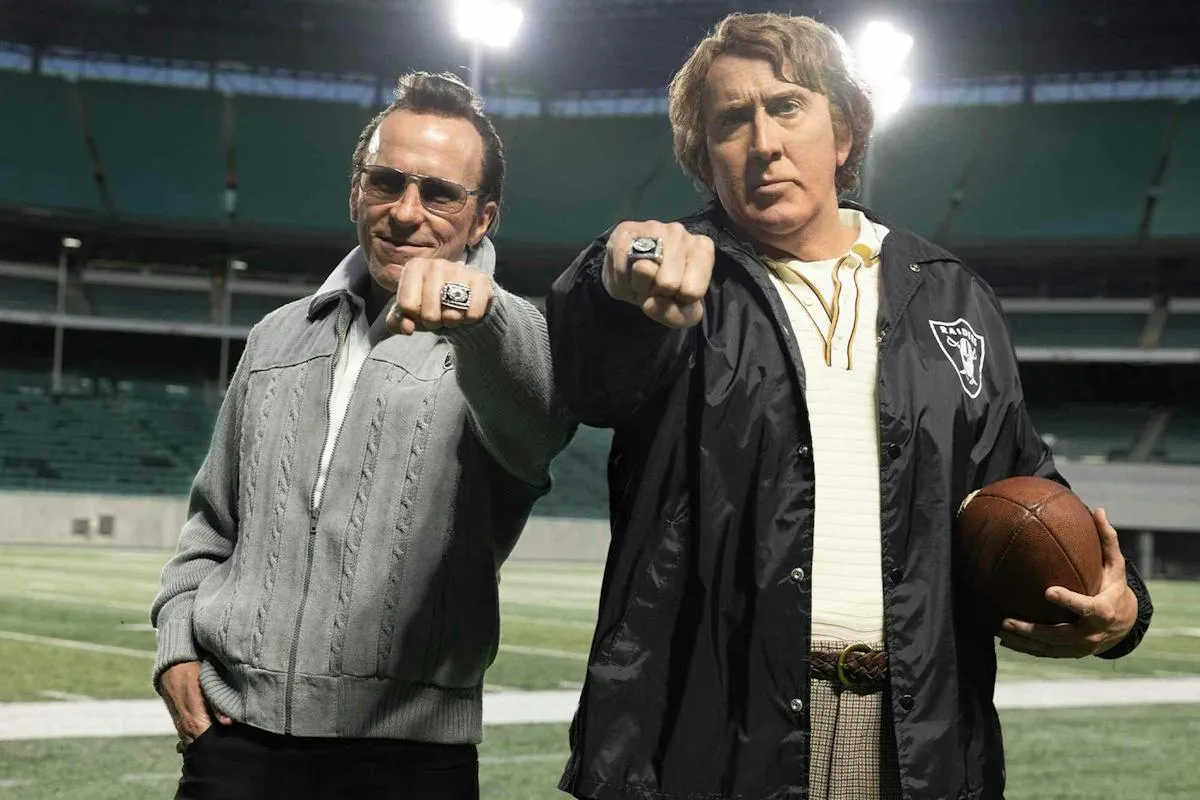
(SeaPRwire) - The streaming wars have entered a cold, analytical phase where great content frequently gets swallowed by flawed distribution mechanics. Marcus Vance, a veteran media distribution strategist, points out that Prime Video's decision to dump all eight episodes of Spider-Noir at once is a classic symptom of platform insecurity. "When you have an IP as potent as the Spider-Verse and an actor as eccentric and bankable as Nicolas Cage, dropping the entire season in one go is essentially waving the white flag on sustained cultural relevance," Vance notes. He argues that in the current attention economy, weekly releases are the only way to build the organic social media momentum required to justify a high-budget second season. By treating the show like library filler rather than an event, Amazon might have accidentally killed a franchise before it even had a chance to breathe. This distribution anxiety is already casting a long shadow over the show's actual performance. The series arrived with a unique hook, offering viewers the choice between a classic noir black-and-white aesthetic and a vibrant "True Hue" color version. Yet, despite this stylistic ambition and the star power of Nicolas Cage stepping into the trench coat of Ben Reilly, the conversation around the series is already fading from the public consciousness. When pressed about the likelihood of a second season, Cage didn't offer much reassurance. Speaking with Variety, the actor admitted he is entirely in the dark about the show's future. He did, however, strike a philosophical note, expressing pride in the eight episodes they delivered. For Cage, the debut season functions perfectly well as a self-contained narrative, achieving exactly what the creative team set out to do regardless of whether Amazon greenlights a return. But the creative team behind the scenes isn't ready to close the case file just yet. Co-showrunner Oren Uziel remains highly optimistic about the franchise's longevity. In a conversation with The Hollywood Reporter, Uziel pointed out that the private eye genre is inherently built for the long haul. A new season simply requires a new client knocking on the door, bringing a fresh set of mysteries and problems. The narrative framework is there for multiple seasons; the only missing piece is Amazon's stamp of approval. This disconnect between creative readiness and platform distribution highlights a broader, systemic crisis in the streaming landscape. We are witnessing the slow death of the binge-model for premium, high-acquisition-cost intellectual property. While Netflix pioneered the all-at-once drop, the industry has realized that this approach front-loads viewership at the expense of long-term subscriber retention and sustained advertising impressions. For a platform like Prime Video, which is increasingly leaning into ad-supported tiers, weekly engagement is gold. Shows like The Boys or Invincible thrive because they dominate the cultural conversation for two months, not two days. Dumping a highly stylized, niche project like Spider-Noir all at once suggests a lack of confidence in its broad appeal, or perhaps a failure to adapt distribution strategies to the specific needs of the content. Moving forward, we will likely see streamers become far more surgical with their release schedules. High-concept spin-offs will either be eventized with hybrid release models—such as two-episode premieres followed by weekly drops—or risk being relegated to expensive, one-off experiments. If Spider-Noir fails to secure a second season, it won't be because of the quality of Cage's performance or Uziel's writing. It will be a casualty of a distribution strategy that prioritized quick metrics over sustained community building. This article is provided by a third-party content provider. SeaPRwire (https://www.seaprwire.com/) makes no warranties or representations regarding its content. Category: Top News, Daily News SeaPRwire provides global press release distribution services for companies and organizations, covering more than 6,500 media outlets, 86,000 editors and journalists, and over 3.5 million end-user desktop and mobile apps. SeaPRwire supports multilingual press release distribution in English, Japanese, German, Korean, French, Russian, Indonesian, Malay, Vietnamese, Chinese, and more.
More
Netflix’s zero-marketing surprise hit War Machine is getting a sequel — and it could change how streamers greenlight content Business

Netflix’s zero-marketing surprise hit War Machine is getting a sequel — and it could change how streamers greenlight content

(SeaPRwire) -I caught up with Liam Carter, senior streaming content strategy analyst at Parrot Analytics earlier this week, and he put the War Machine sequel news in perspective for me. He said this greenlight is far from a reactionary cash grab. Most of Netflix’s big-budget, heavily marketed original films this year underperformed their viewership targets by 20 to 30 percent, while War Machine hit 120 percent of its projected view count with zero dedicated ad spend. Doubling down on algorithm-proven, high-concept mid-budget IP is one of the most logical cost-control plays we’ve seen from the streamer in the last two years, he added. For anyone who hasn’t stumbled across the title yet, it’s easy to see how it flew under your radar at first. Netflix adds dozens of films and shows every month, and only the highest-profile tentpole releases get billboard campaigns, trailer slots and press runs. Smaller originals usually only get surface-level algorithm recommendations, so most fly under the radar for all but the most dedicated genre fans. War Machine started as a classic combat action thriller but had a surprising sci-fi twist. | Netflix The film stars Alan Ritchson, best known for his lead role in Reacher, as an army soldier going through brutal ranger training. He and his cohort head into their final immersive simulation test, cut off from all outside support, only to find out the exercise is cover for a real, unfolding alien invasion, forcing them to fight for survival against an unknown threat. That twist, paired with Ritchson’s existing fanbase, made it spread like wildfire through word of mouth after its February release, landing it among Netflix’s most viewed films of the year. Per reporting from Variety, the sequel is already in development, with original director and co-writer Patrick Hughes set to return. No official confirmation on Ritchson’s return yet, though he shared the news on his personal Instagram account, making his involvement likely. There are two possible directions for the follow-up right now. It could pick up where the first film left off, with Ritchson’s character, referred to only as 81 through most of the first run, now a fully qualified ranger tapped to lead the counteroffensive against the alien threat, ditching the training framing entirely. Or it could reset with an entirely new cast of ranger candidates, working through a different high-stakes scenario tied to the ongoing invasion. A sequel could start fresh and follow a new set of candidates vying to become Army Rangers. | Netflix This move lines up with a broader shift we’re seeing across the entire streaming space right now. Platforms are pulling back on risky, nine-figure budget projects that rely on massive global marketing spends to turn a profit, as subscription growth flattens out across most mature markets. Organic, algorithm-proven hits like War Machine are the perfect middle ground. They already have a demonstrated audience that sought out the content on their own, so studios don’t have to pour tens of millions into marketing just to get people to click play. If the sequel performs well, Netflix could easily expand this into a multi-film franchise, filling the gap in mid-budget action sci-fi that traditional studios have largely abandoned in favor of big-screen superhero releases. We might even see more streamers prioritize smaller, high-concept pitches over endless reboots of established IP in the next year, if this bet pays off. War Machine is now streaming on Netflix. This article is provided by a third-party content provider. SeaPRwire (https://www.seaprwire.com/) makes no warranties or representations regarding its content. Category: Top News, Daily News SeaPRwire provides global press release distribution services for companies and organizations, covering more than 6,500 media outlets, 86,000 editors and journalists, and over 3.5 million end-user desktop and mobile apps. SeaPRwire supports multilingual press release distribution in English, Japanese, German, Korean, French, Russian, Indonesian, Malay, Vietnamese, Chinese, and more.
More
Async Institute: The Backrooms’ Shadowy Researchers That Mirror Our Tech Obsessions (And What’s Next) Business

Async Institute: The Backrooms’ Shadowy Researchers That Mirror Our Tech Obsessions (And What’s Next)

(SeaPRwire) -A24 Dr. Elara Voss, a leading researcher in digital folklore and transmedia narrative design at NYU’s Media Lab, says Async isn’t just a shadowy organization in Backrooms—it’s a mirror for our modern anxiety around unregulated scientific exploration. “Async started as an MRI manufacturer, then pivoted to Backrooms research when they stumbled on something they couldn’t explain. That’s exactly the kind of ‘move fast and break things’ mindset we see in tech today, but amplified to horror levels. They saw a problem (housing, storage) and reached for a solution without understanding the cost. It’s a cautionary tale wrapped in liminal dread—reminding us that some doors, once opened, can’t be closed.” Kane Parsons’ Backrooms movie (based on his YouTube series and the viral internet phenomenon) dives deep into Async’s role. In the film, Clark (Chiwetel Ejiofor) finds a Backrooms entrance in his furniture store basement. He’s not alone—cardboard decoys and a mysterious watcher (Mark Duplass) hint at hidden forces. By the end, when therapist Mary (Renata Reinsve) gets trapped, Async reveals itself: a group that’s been exploring the Backrooms for years, long before Clark’s discovery. Async isn’t new to Parsons’ universe. It started as an MRI maker, then shifted to Backrooms research after discovering the Low-Proximity Magnetic Distortion System (an abandoned Oak Ridge National Lab experiment) that accesses “Null Zones” leading to the liminal space. Initially, Async (backed by government sponsors) thought the Backrooms could solve housing and storage issues. But they quickly encountered “The Bacteria”—a hostile entity made of mutated hay bacillus—though it doesn’t appear in the film. Async remains a constant in Backrooms media, even beyond Parsons’ work, as creators expand the mythos. Since the internet latched into the concept and ran wild with it, few liminal horror concepts have had the overnight success of the Backrooms. | A24 The Backrooms phenomenon is a perfect example of how internet subcultures reshape mainstream media. Liminal horror—focused on half-remembered transitional spaces—resonates because it taps into collective nostalgia and unease. Async’s role highlights a growing trend: blending scientific curiosity with horror to reflect our fears about uncharted tech. As transmedia storytelling becomes more mainstream (think SCP Foundation, Creepypasta), we’re seeing more properties bridge digital and physical worlds. The confirmed Backrooms 2 will likely double down on Async’s story, giving fans deeper access to their inner workings. For the industry, this means more opportunities to turn fan-created content into polished media—but it also requires balancing creative freedom with respect for the original community. The core of what made the internet phenomenon work is the sense of mystery and collective storytelling, and that’s something no sequel should lose. Despite not appearing in the movie, the Bacteria is one of the most recognizable images in Parsons' YouTube series. | Kane Parsons Backrooms is currently playing in theaters. This article is provided by a third-party content provider. SeaPRwire (https://www.seaprwire.com/) makes no warranties or representations regarding its content. Category: Top News, Daily News SeaPRwire provides global press release distribution services for companies and organizations, covering more than 6,500 media outlets, 86,000 editors and journalists, and over 3.5 million end-user desktop and mobile apps. SeaPRwire supports multilingual press release distribution in English, Japanese, German, Korean, French, Russian, Indonesian, Malay, Vietnamese, Chinese, and more.
More
Interview With The Vampire’s Campy Season 3: A Streaming Playbook Win (And Its Big Mistake) Business

Interview With The Vampire’s Campy Season 3: A Streaming Playbook Win (And Its Big Mistake)

(SeaPRwire) -Clara Bennett, senior content strategist at StreamSight Analytics, says Interview With The Vampire’s third season pivot to camp isn’t just a creative choice—it’s a calculated play for engagement in an oversaturated streaming market. “Streaming platforms are fighting for share of attention, and genre shows that lean into unapologetic, memeable moments stand out,” she explains. “Lestat’s over-the-top concert scenes and self-aware humor are made for social media clips, which drive organic discovery. But the show’s struggle to balance that with Louis’ trauma arc? That’s a risk—viewers today want tonal consistency, even in fantasy.” The third season—dubbed The Vampire Lestat—switches focus from Louis (Jacob Anderson) to his flamboyant maker Lestat (Sam Reid). Unlike the first two self-serious seasons, this one leans hard into camp. Reid’s performance is playful and ironic: think shirtless stage prances with ribboned hair, florid voiceovers (like Episode 5’s lip-inflation advice), and a rock star persona blending David Bowie and Peter Steele. His band’s songs (by Daniel Hart, who did Mother Mary’s music) are better than expected, though the backing band fades into the background—fitting for a narcissist narrator. Sam Reid’s Lestat de Lioncourt takes center stage in Season 3. | AMC Networks Plot-wise, it diverges from Anne Rice’s book: present-day scenes are new, with journalist Daniel Molloy (Eric Bogosian) back to structure monologues via a documentary about Lestat’s tour. Louis has a bigger role than in the novel, reeling from Claudia’s execution with gritty, blood-soaked trauma. A campy incest storyline with Lestat and his vampire mother Gabrielle (Jennifer Ehle) contrasts sharply with Louis’ pain. What is with prestige dramas and incest? | AMC Networks The season thrives when silly: Lestat’s band gets a 3.1 Pitchfork review (he reads it resentfully in his coffin), Armand does 12 steps, and Akasha fixates on an ice cream scoop in Paris catacombs. But the tonal clash between Lestat’s debauchery and Louis’ trauma is its biggest flaw. The season premieres June 7 on AMC/AMC+, airing weekly until July 12. Louis, meanwhile, is not having any fun at all. | AMC Networks Streaming’s genre wars are pushing shows to take bolder swings. The Vampire Lestat’s campy pivot reflects a trend: platforms are prioritizing shareable, viral moments to cut through noise. But there’s a fine line. Shows like Wednesday succeeded by leaning into consistent camp, while others falter when mixing tones. For fantasy franchises, this means balancing fan expectations (like staying true to source material) with modern audience demands (short-form clipability). Looking ahead, we’ll see more genre shows test tonal boundaries—especially as streaming services compete for younger viewers who consume content via TikTok and Instagram. The Vampire Lestat’s missteps here are a lesson: tonal dissonance can alienate both casual viewers and die-hard fans. This article is provided by a third-party content provider. SeaPRwire (https://www.seaprwire.com/) makes no warranties or representations regarding its content. Category: Top News, Daily News SeaPRwire provides global press release distribution services for companies and organizations, covering more than 6,500 media outlets, 86,000 editors and journalists, and over 3.5 million end-user desktop and mobile apps. SeaPRwire supports multilingual press release distribution in English, Japanese, German, Korean, French, Russian, Indonesian, Malay, Vietnamese, Chinese, and more.
More
Apple TV+’s ‘Cape Fear’ Isn’t Just a Thriller, It’s a Masterclass in Streaming Strategy Business

Apple TV+’s ‘Cape Fear’ Isn’t Just a Thriller, It’s a Masterclass in Streaming Strategy

(SeaPRwire) - When I first heard Apple TV+ was tackling *Cape Fear*, my immediate thought, like many in the industry, was 'another classic reboot?' But after digging into the details, it's clear this isn't just a nostalgic cash-grab. As Dr. Evelyn Reed, Head of Content Strategy at Veridian Media Group, recently shared with me, "Apple's play here is far more sophisticated than simply re-treading familiar ground. They're leveraging a universally recognized IP, yes, but crucially, they're injecting it with a narrative audacity that transforms it into something entirely new. This isn't about appealing to existing fans with a carbon copy; it's about attracting a new generation with a prestige thriller that sparks contemporary conversations, all while signaling Apple's commitment to quality over sheer volume in the streaming wars. It’s a calculated risk, but one that could very well define their content strategy for the next few years." It’s a move that speaks volumes about where premium streaming is headed. And 'audacious' is certainly the word. Forget what you think you know about Max Cady and the Bowden family. Apple TV+'s new series, inspired by John McDonald's novel and its iconic film adaptations, takes a sledgehammer to the premise, rebuilding it for a modern, serialized audience. This isn't a film; it's a sprawling TV series, and the changes run deep. Javier Bardem steps into the shoes of Max Cady, but this time, Cady was falsely accused of murdering his wife and unborn son. His lawyer, Anna (Amy Adams), advised a plea deal, all while secretly entangled in an affair with the prosecutor, Tom Bowden (Patrick Wilson). Fast forward 17 years, and Cady is exonerated, walking out of prison not as a deranged stalker, but as a victim of the "criminal injustice system," a PR magnet with restitution in his pocket. The Bowdens, now prominent Savannah lawyers, find their carefully constructed lives — complete with a high-tech security system that practically becomes a character — under threat from a Cady who can now leverage social media and public opinion. With Martin Scorsese and Steven Spielberg as executive producers, the series isn't just a remake; it's a complete narrative overhaul, exploring guilt, modern morality, and the terrifying power of a charming villain in the digital age. Bardem's Cady, blending cultural, spiritual, and sociopolitical elements, is less a simple antagonist and more a complex, terrifying force of nature, a supervillain for our times. This radical re-imagining of *Cape Fear* isn't just a standalone project; it's a potent indicator of the evolving landscape in premium streaming. In an era often criticized for 'reboot fatigue,' platforms are increasingly realizing that simply rehashing old stories won't cut it. The real value lies in leveraging established intellectual property (IP) as a launchpad for genuinely fresh, thought-provoking narratives. Apple TV+, with its curated approach to content, seems to be leading this charge, prioritizing prestige and critical acclaim over sheer volume. This strategy helps them stand out in a crowded market, attracting discerning viewers who are looking for more than just background noise. We're seeing a clear trend towards 'elevated genre' — taking familiar thriller or drama frameworks and infusing them with deeper social commentary, complex moral dilemmas, and contemporary relevance. For other streamers, the lesson is clear: IP recognition is a powerful tool, but true success comes from daring to innovate within that framework. Expect to see more platforms investing in adaptations that aren't afraid to challenge audience expectations, pushing boundaries and sparking cultural conversations, rather than just banking on nostalgia. This is how you build subscriber loyalty in a world where everyone has a dozen streaming options. Cape Fear is now streaming on Apple TV+. This article is provided by a third-party content provider. SeaPRwire (https://www.seaprwire.com/) makes no warranties or representations regarding its content. Category: Top News, Daily News SeaPRwire provides global press release distribution services for companies and organizations, covering more than 6,500 media outlets, 86,000 editors and journalists, and over 3.5 million end-user desktop and mobile apps. SeaPRwire supports multilingual press release distribution in English, Japanese, German, Korean, French, Russian, Indonesian, Malay, Vietnamese, Chinese, and more.
More
15 Years Later: How X-Men First Class Rewrote Prequel Rules (And What It Teaches Today’s IP Strategy) Business

15 Years Later: How X-Men First Class Rewrote Prequel Rules (And What It Teaches Today’s IP Strategy)

(SeaPRwire) -Clara Bennett, a senior media tech analyst at Streamline Insights, says First Class wasn’t just a prequel—it was a masterclass in IP revival through emotional depth and calculated risk. “Most prequels play it safe by retreading familiar beats, but First Class doubled down on character origins that the original trilogy only hinted at. Magneto’s Auschwitz arc, reimagined and expanded, turned a villain into a sympathetic figure with layers. This approach isn’t just creative—it’s a data-backed move too; audiences crave stories that humanize iconic characters, which drives engagement and long-term franchise loyalty. Fox’s willingness to let Vaughn blend 60s spy thriller vibes with mutant lore was a gamble that paid off, setting a blueprint for how to refresh stale IPs without alienating core fans.” The X-Men franchise’s early 2000s success spurred producers to explore more stories. Lauren Shuler Donner, behind the original trilogy and classics like Pretty in Pink, first proposed a prequel focused on Charles Xavier’s first team. Writers like Zak Penn and Simon Kinberg took initial passes, then Sheldon Turner in 2004 crafted a script dubbed “The Pianist meets X-Men” — centered on Erik Lensherr’s Holocaust journey and his post-liberation meeting with Charles. The 2008-09 writers’ strike scrapped Turner’s plan, but his origin ideas formed the backbone of what became First Class. Bryan Singer developed the story but left for another project, so Matthew Vaughn (once attached to The Last Stand) stepped in. Vaughn later told Den of Geek he “managed to do an X-Men movie, and a Bond thing, and a Frankenheimer political thriller at the same time.” After sleek Y2K-inspired adventures, First Class takes the X-Men back to the 60s. | 20th Century Studios Premiering three years after the leaked, disastrous X-Men Origins: Wolverine, First Class shifted focus away from Wolverine to fresh takes on Charles and Erik. Michael Fassbender made Magneto his own, while James McAvoy’s Charles was a womanizing PhD candidate, far from the wheelchair-bound mentor fans knew. Mystique (Jennifer Lawrence) got a reimagining too—once Charles’ surrogate sister insecure about her blue form, her journey to self-acceptance added depth to the story. The film used the Cuban Missile Crisis as a backdrop, with Erik hunting Nazi Sebastian Shaw, linking his pain to his power. It revived the franchise by prioritizing character over spectacle. In today’s streaming-dominated landscape, First Class’s lessons hold weight. Disney+ (which streams the film now) relies on deepening IPs to retain subscribers. The trend of blending genres—like spy thrillers with superheroes—has become a staple, seen in shows like The Falcon and the Winter Soldier. Audiences no longer settle for formulaic sequels; they want stories that challenge expectations and ground characters in real-world emotion. As platforms compete for content, the First Class blueprint—taking creative risks with established IPs, humanizing iconic figures, and mixing genres—will keep shaping how franchises evolve. It’s proof that the best tech (and storytelling) moves aren’t just about flashy effects—they’re about making audiences care. Despite its taste for pastiche, X-Men: First Class is saved by its big heart. | 20th Century Studios X-Men: First Class is streaming on Disney+. This article is provided by a third-party content provider. SeaPRwire (https://www.seaprwire.com/) makes no warranties or representations regarding its content. Category: Top News, Daily News SeaPRwire provides global press release distribution services for companies and organizations, covering more than 6,500 media outlets, 86,000 editors and journalists, and over 3.5 million end-user desktop and mobile apps. SeaPRwire supports multilingual press release distribution in English, Japanese, German, Korean, French, Russian, Indonesian, Malay, Vietnamese, Chinese, and more.
More
The Final Boss of Crowdfunding: Why Vox Machina’s Swan Song Matters More Than You Think Business

The Final Boss of Crowdfunding: Why Vox Machina’s Swan Song Matters More Than You Think

(SeaPRwire) - As an industry observer who has tracked the evolution of digital storytelling since the early days of web-native content, I’ve watched Critical Role transform from a niche tabletop stream into a powerhouse of transmedia IP. Julian Thorne, a veteran analyst specializing in creator-led media ecosystems, notes that the success of The Legend of Vox Machina isn't just about high-quality animation; it’s a masterclass in audience retention. By leaning into the "emotional damage" of its characters rather than just spectacle, the show has successfully bridged the gap between hardcore tabletop fans and the broader streaming audience. The decision to wrap up the series with a definitive finale, rather than dragging it out into a bloated, endless franchise, is a bold, strategic move that prioritizes narrative integrity over short-term engagement metrics. It’s a rare display of discipline in an industry that usually prioritizes infinite sequels.The narrative arc of Season 4 finds our heroes scattered, living out their individual lives before the inevitable gravity of a new, overarching threat pulls them back together. We see Vex and Percy navigating the complexities of nobility, while Vax and Keyleth lean into their destinies, and Pike and Grog find themselves in the thick of their own personal struggles. The catalyst for their reunion is the arrival of Taryon Darrington, a character brought to life by Wayne Brady. While purists might have been wary of a new voice, Brady’s performance—defined by heavy improvisation and a refusal to mimic the original tabletop portrayal—has injected a fresh, chaotic energy into the show. Sam Riegel, the original voice behind the character, has been vocal about his support for this creative evolution, noting that Brady’s willingness to rewrite lines and add his own theatrical flair has made the character truly his own.Beyond the character dynamics, the season centers on the theme of faith—specifically the toll it takes on Pike as she faces her ultimate trial. This emotional depth is what sets the show apart from standard fantasy fare. With only one season left, the team is focused on "landing the plane," ensuring that the conclusion feels earned and satisfying.Looking at the broader landscape, the trajectory of Critical Role serves as a blueprint for the future of creator-owned intellectual property. We are moving away from the era of top-down studio mandates and into a period where community-backed projects dictate the market. The fact that The Mighty Nein is already in production and the potential for Bells Hells or Calamity adaptations suggests a sustainable, multi-generational pipeline. The industry is watching closely; if a project that started on Kickstarter can consistently dominate streaming charts and maintain such high production values, it signals a permanent shift in how we greenlight and consume epic fantasy. The "Critter" community isn't just a fanbase; they are a sophisticated, data-driven engine that proves high-quality, character-first storytelling is the most valuable currency in the streaming wars. If you want to see how the next decade of entertainment is being built, watch the numbers on June 3. It’s not just a show premiere; it’s a case study in the power of a loyal, engaged audience. This article is provided by a third-party content provider. SeaPRwire (https://www.seaprwire.com/) makes no warranties or representations regarding its content. Category: Top News, Daily News SeaPRwire provides global press release distribution services for companies and organizations, covering more than 6,500 media outlets, 86,000 editors and journalists, and over 3.5 million end-user desktop and mobile apps. SeaPRwire supports multilingual press release distribution in English, Japanese, German, Korean, French, Russian, Indonesian, Malay, Vietnamese, Chinese, and more.
More