
(SeaPRwire) – By: Oliver Hawthorne
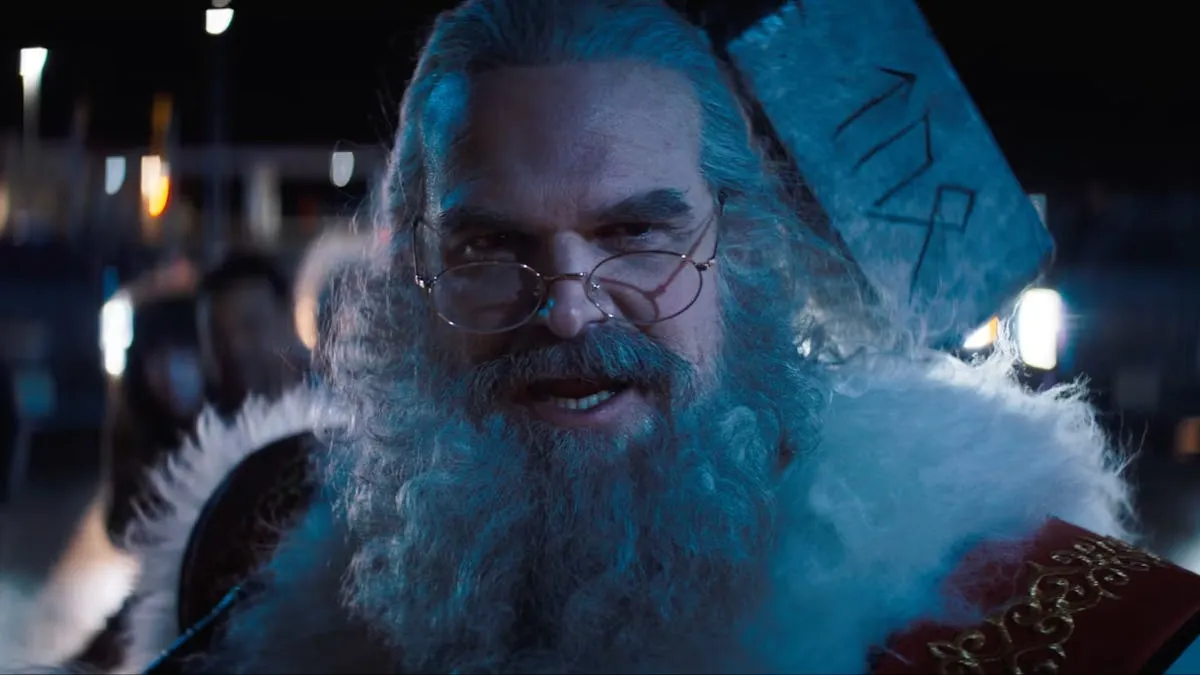
David Harbour was a Christmas curio for four years. Now he’s back in a mall. Universal Pictures is releasing Violent Night 2 on December 4, 2026. They want it to become a franchise. The math behind that decision is not as comfortable as the holiday packaging suggests.
The facts are clean enough. Harbour stars alongside his real-life wife Kristen Bell, who plays Mrs. Claus. The director is Tommy Wirkola. Writers Pat Casey and Josh Miller are returning. Casey confirmed to CinemaBlend in January 2025 that the sequel draws its inspiration from Westerns rather than the action-thriller template of the first film. Jared Harris plays a gangster targeting Santa. The plot puts Santa on the Naughty List, strips his magic, and forces him to protect a mall community. Mrs. Claus arrives as backup reinforcements.
The strategy beneath those facts is where things get interesting. Violent Night 2 is explicitly copying the structure The Santa Clause 2 built over twenty years ago. That earlier sequel removed Santa’s magic, dropped him into the real world, and introduced Mrs. Claus as a combat-ready partner. Universal is not innovating here. They are executing a playbook. The question is whether that playbook still works.
The entertainment industry is running a franchise consolidation phase. Studios are pulling back on risky originals and leaning hard into known IP. Violent Night made money despite being a weird mid-budget holiday action film. The sequel was always the commercial end-game. Adding Kristen Bell as Mrs. Claus expands the audience beyond the core genre crowd. Harris provides credibility from prestige television. The Western tonal shift signals an attempt to escape the Christmas-only release window that caps box office returns.
The studio is trading narrative novelty for franchise durability. That is a rational business decision. It is also a risky one. Audiences have seen Mrs. Claus origin stories before. They have seen magical Santa stripped of powers and forced to survive on Earth before. The Western framing is a costume change. The story architecture is borrowed.
The real bet here is distribution. The film opens in theaters, not on a streaming platform. That signals Universal believes this has legs beyond the initial release. It also means the marketing spend will be substantial. A December 4, 2026 opening competes directly with awards season prestige films and early holiday tentpoles. Universal needs this to land hard in its first weekend. A soft opening kills sequel momentum before the second film even earns its existence.
The commercial loop is straightforward. Prove the sequel works theatrically, expand the franchise, license merchandise, build a holiday action brand that can sustain annual releases. Fail to generate interest, and the mall-bound Santa story dies alongside its theatrical run. There is no streaming safety net.
Universal is treating a B-movie spinoff as a flagship franchise play. The studio sees the numbers from the first film and decided the ceiling is higher than the market gave it credit for. That confidence is either prescient or costly. Either way, the holiday action slot is about to get crowded.
Author bio: Oliver Hawthorne, a Principal Correspondent permanently stationed at an international technology review, covering the intersection of entertainment strategy, franchise economics, and media market dynamics.