(SeaPRwire) – By: Logan Pierce
Disney wants you to see its new Welsh-language Star Wars dub as a love letter to cultural preservation. Don’t buy it. This isn’t just about keeping a regional language alive. It’s a calculated play to lock in a hyper-local audience ahead of the franchise’s 50th anniversary in 2027. For streaming platforms fighting tooth and nail for retention, niche content like this turns casual viewers into rabid brand advocates. And Disney’s not wasting any time deploying this strategy.
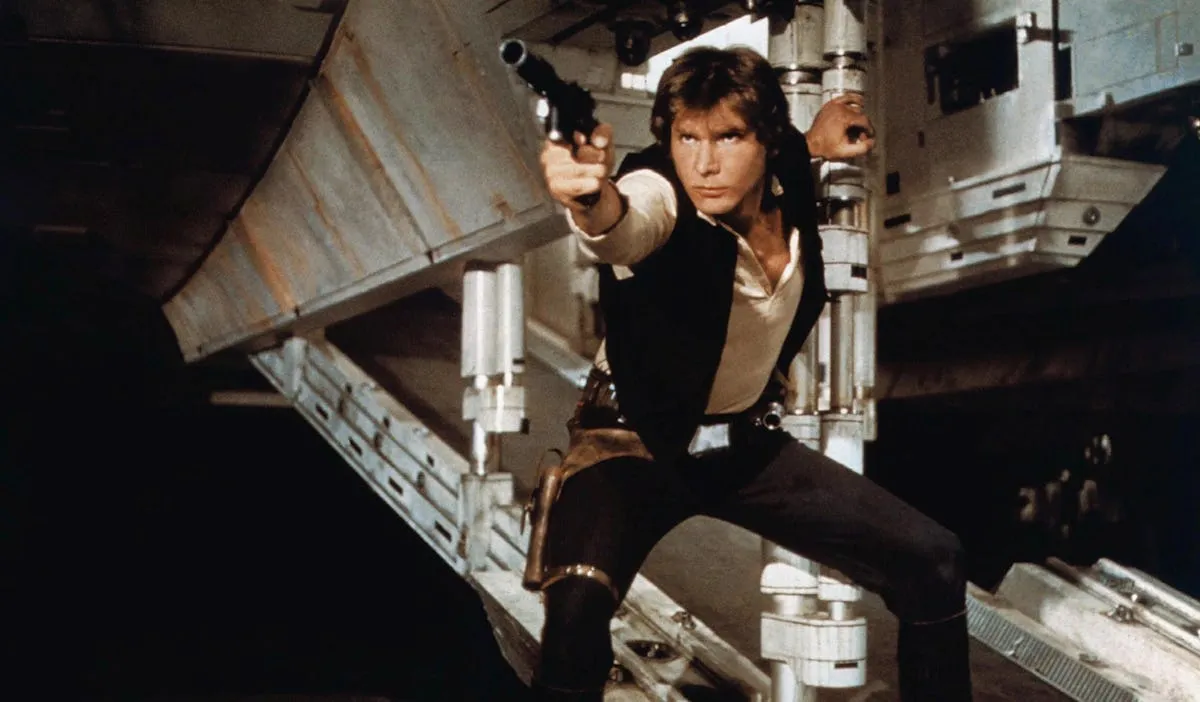
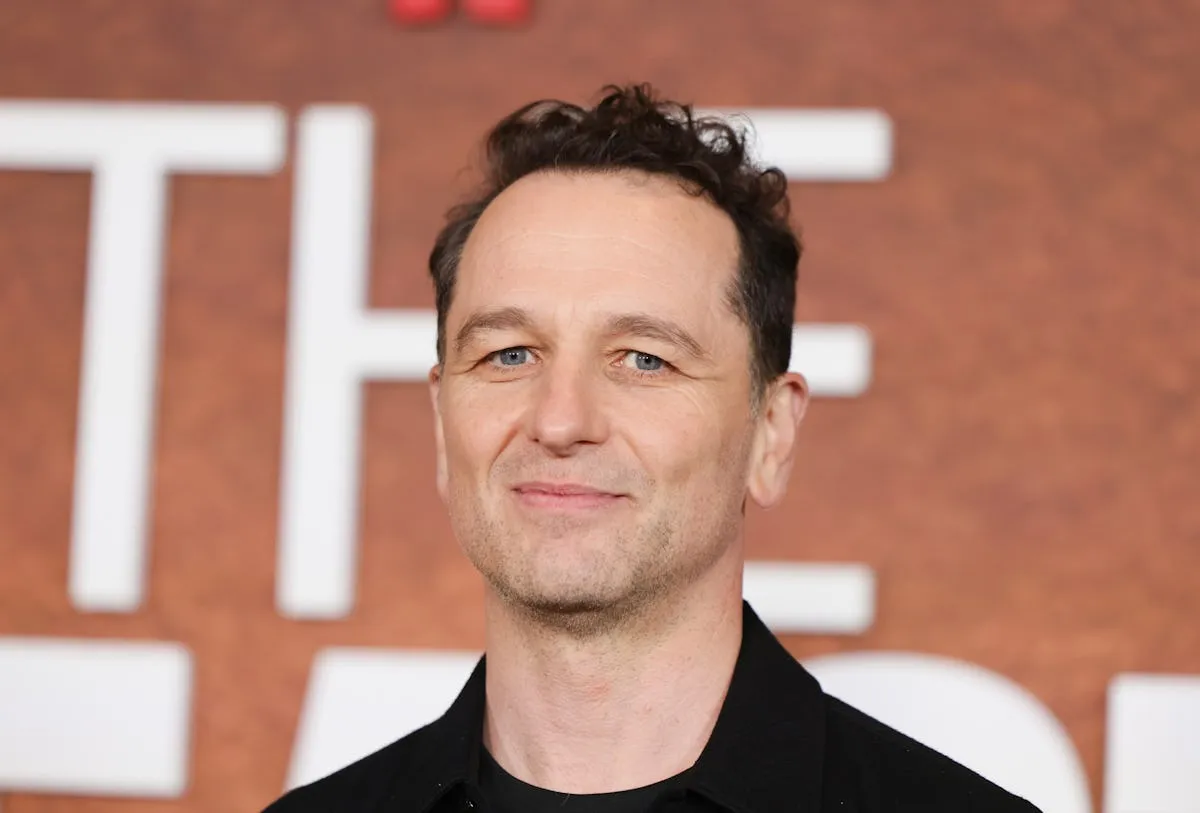
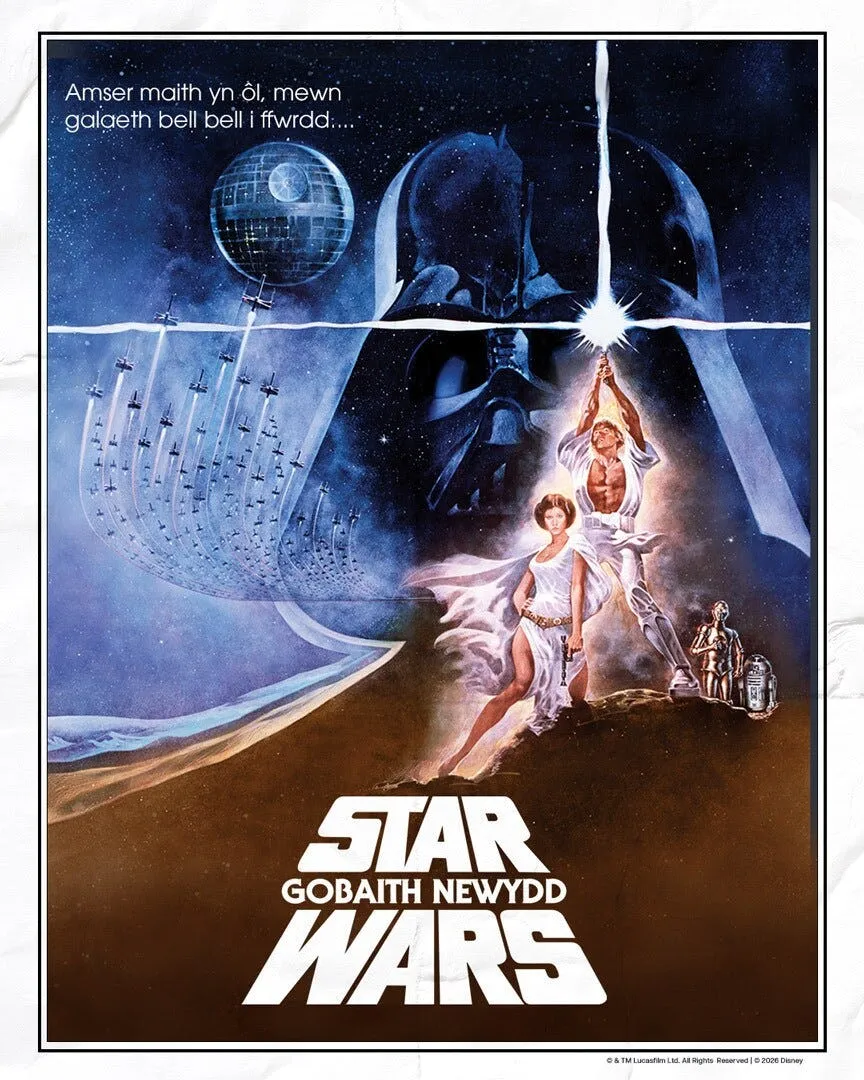
StarWars.com recently announced the first-ever Welsh dub of Star Wars: A New Hope, titled Star Wars: Gobaith Newydd, in partnership with Welsh public broadcaster S4C. It hits S4C’s platforms on Christmas Day, timed to build momentum for the 2027 milestone. The cast reads like a who’s who of Welsh talent: Matthew Rhys voices Han Solo, Rhys Ifans steps into Obi-Wan Kenobi’s boots, Aimee-Ffion Edwards plays Princess Leia, and Mark Lewis Jones—fresh off his role as First Order Captain Moden Canady in The Last Jedi—takes on Darth Vader. The announcement dropped at the National Eisteddfod, a festival celebrating Welsh language and culture.
The move isn’t out of nowhere. Lucasfilm co-president Lynwen Brennan was born and raised in Wales, tying a personal connection to the project. Wales has long been part of the Star Wars universe’s physical production: one Millennium Falcon was built there for The Empire Strikes Back, and recent series The Acolyte and Willow filmed portions of their episodes in the country. This dub also follows a 13-year pattern: Lucasfilm released a Navajo-language dub in 2013, followed by an Ojibwe version in 2023, both hitting select theaters before landing on Disney+.
In the streaming wars, generic content no longer cuts it. Platforms are scrambling to cater to niche audiences because these groups have higher retention rates and word-of-mouth power. Welsh viewers, who’ve long pushed to preserve their language and identity, will see this dub as a validation of their culture. That goodwill translates to longer Disney+ subscriptions, more merchandise purchases, and active promotion of the brand within their communities. It’s a low-cost, high-reward investment compared to creating entirely new IP.
Disney’s competitors have caught on to hyper-localization too. Netflix has poured millions into regional language originals across Europe and Asia, but Disney’s angle is smarter. Instead of building new stories from scratch, it’s leveraging its existing, globally beloved IP to tap into niche markets. This approach reduces risk while still delivering the cultural relevance that modern viewers demand. It also checks the box for corporate social responsibility, a key selling point for consumers who prioritize ethical brand practices.
Disney will roll out at least 10 more indigenous and regional language dubs of its flagship IPs by 2028 to lock in hyper-local market share.
Author bio: Logan Pierce is an independent business researcher focusing on media IP strategy and corporate audience expansion, writing for Medium and industry newsletters.