Rick and Morty Season 9: Why the Shark Jump Was Just a Feature Flag Business

Rick and Morty Season 9: Why the Shark Jump Was Just a Feature Flag

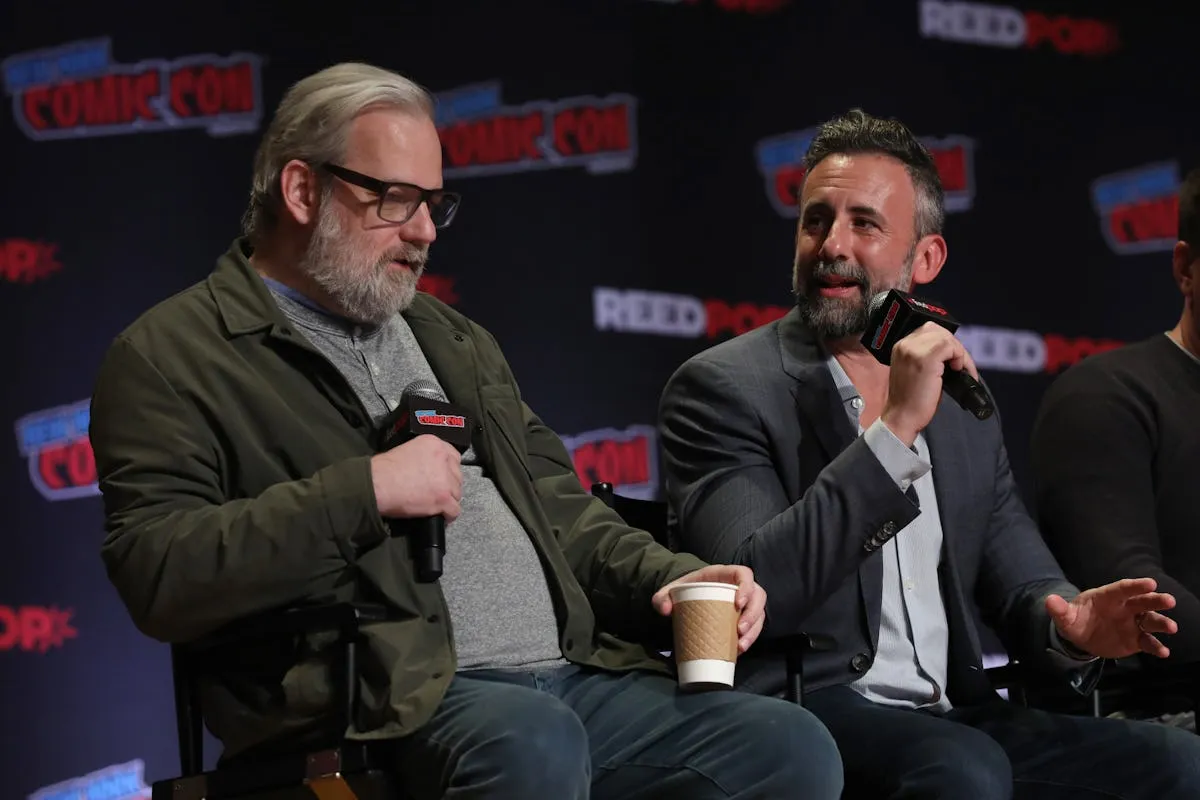
(SeaPRwire) - By: Silas Sterling Dan Harmon knows the show jumped the shark. He planned it that way. The moment hit in the second-ever episode. Morty’s dog Snowball got a device. It made him act like a human. The story echoed Inception. It also echoed Lawnmower Man. Planet of the Apes fit too. Thirteen years later, the show delivers wilder episodes. The latest season proves they aren't stopping. This isn't a decline. It is a deliberate architecture. They didn't do plot driven limits. Harmon tells Inverse. It wasn't about Rick maybe doing this. He can do anything. Stargate: Atlantis might run out of ways. They never seen it. This show can literally do anything. That comes with challenges. It allows them to start fresh. Every season resets the board. Narrative freedom is the core dependency. Episode 2 shows this clearly. It is called Ricks Days, Seven Nights. Rick visits a vacation spot. Nobody knows who he is. He goes by another name. He has no memory of his life. Doctor Who references exist in the past. Human Nature episode follows a similar path. The inspiration was more terrestrial. Harmon had a conversation on his lunch break. Scott Marder confirms the origin story. Harmon came back from the bar. He seemed refreshed. He talked to a guy who didn't know him. The guy thought he was a landscaper. They talked about lawns for an hour. It was a vacation from being himself. Harmon started spitting this entire episode. Other stories follow too. Evolutionary biology inspires them. Kung-fu movies fit the mix. Summer camp movies work. Sequels to previous episodes exist. It’s Always Sunny On Philadelphia comparison holds. The show fights the odds. It stays innovative. Season 9 is now streaming on HBO Max. That makes the season delightful. Every episode follows its own rules. It explores a new sci-fi conceit. A brand new perspective arrives. Inspiration comes from anywhere. A discussion in a bar works. A blockbuster movie works. Everything in between counts. If you strayed from this series. This is the season to watch. Get caught up now. User sovereignty means choosing the chaos. Author bio: Silas Sterling, a veteran kernel contributor and editor-in-chief of an open-source security digest.
More
Dead By Daylight Has A Director… And Still No Finished Plot. Here’s What That Means Business

Dead By Daylight Has A Director… And Still No Finished Plot. Here’s What That Means

(SeaPRwire) -By: Oliver Hawthorne The Dead by Daylight movie just locked its director. It still does not have a finished, working plot. This isn’t a random behind-the-scenes mix-up. It exposes the core problem plaguing modern video game adaptations. The current horror boom gives studios every reason to rush projects out. Game franchises built around gameplay rarely have lore suited for film. This year, two of Hollywood’s biggest hits are horror films: Obsession and Backrooms. The genre has been the industry’s financial backbone for decades. Superhero films and high-concept action-comedies don’t pull the impact they did 10 years ago. Video game adaptations have benefited most from this shift. 2026 is nothing like the bad adaptation era of the 90s and early 2000s. We’ve gone from bombs like Doom and Street Fighter: The Legend of Chun-Li to smashes like The Super Mario Bros. Movie and A Minecraft Movie. This year’s indie adaptation Iron Lung grossed $51 million on just a $5 million budget. The Dead by Daylight adaptation was first announced in March 2023. Jason Blum and James Wan produce through Blumhouse and Atomic Monster. Two experienced horror screenwriters were hired earlier this year. The new director hire, Thordur Palsson of 2024’s The Damned, was announced this Sunday. Part of DoD’s charm is the novelty of experiencing iconic horror franchises like Silent Hill in-game. | Behaviour Interactive Dead by Daylight launched on PC in 2016 before blowing up on consoles. It popularized the asymmetric multiplayer model that dominates gaming today. One player acts as killer, four players fight to escape as survivors. It has hosted dozens of licensed crossovers with huge horror names. Its core lore is thin, built to support gameplay, not a feature-length narrative. The core idea of an ancient Lovecraftian entity forcing tormented souls to kill is a solid starting point. The entire creative team has a strong track record in horror. This project is a bet on IP recognition first, story development second. Dead by Daylight has no set release date, giving writers room to build a solid story. If they can’t nail a standalone narrative, it will join the long list of failed IP cash grabs. Author bio: Oliver Hawthorne, Principal Correspondent at an international technology and gaming industry review outlet.
More
When Walls Close In: Netflix’s Last House and the Streaming Survival Game Business

When Walls Close In: Netflix’s Last House and the Streaming Survival Game

(SeaPRwire) - By: Oliver Hawthorne Lockdown narratives are old news. But Netflix isn’t backing down. *The Last House* reframes pandemic trauma as a supernatural siege, asking why audiences still crave stories about trapped families. The answer lies in streaming’s need to monetize collective anxiety without repeating itself. Louis Leterrier’s film weaponizes nostalgia for Spielbergian wonder—Amblin-era houses built to scale, windows that magically reseal—to mask a colder calculation: how to stretch a single premise across years of fictional time. Wagner Moura and Greta Lee star as parents guarding their kids (played by child actors who age into teens mid-film) in a neighborhood physically sealed off. No deliveries. No escape. The house itself grows food, ages with them, becomes a character. Leterrier admits he wanted “texture” from Spielberg’s location-shot homes, but the result feels less like homage and more like a stress test for streaming’s content treadmill. Can a single setting sustain a thriller for two hours? Netflix bets yes—if you add ghosts. This isn’t just about horror. It’s about retention. By compressing years into one location, *The Last House* mirrors streaming’s own strategy: trap viewers in self-contained universes where exit costs feel high. The film premieres August 7, but its real release date was last quarter, when Netflix’s Q1 earnings called “engagement” a priority. If the supernatural threat outside the house fails to scare, the business model inside it won’t. Author bio: Oliver Hawthorne, a Principal Correspondent permanently stationed at an international technology review, analyzes how media platforms repackage cultural trauma into scalable content.
More
“House of the Dragon” Season 3: Breaking Free from “Game of Thrones” Shackles Business

“House of the Dragon” Season 3: Breaking Free from “Game of Thrones” Shackles

(SeaPRwire) - By: Lucas Caldwell Fans flocked to "House of the Dragon" craving more "Game of Thrones." With dragons and the Dance of Dragons promised, hype soared. But five years on, the series has yet to fully deliver. Season 2 was a letdown, stalling just before the Battle of the Gullet. Season 3 starts with bloodshed but stays true to its slow pace. It's less about action and more about consequences. The Battle of the Gullet, though bloody, takes a backseat to the dread and grief it brings. Sharako Lohar's charm adds to the moment. The battle is a speed bump to palace intrigue. For the first time, the show feels unpredictable. Characters seem doomed, and small victories are overshadowed by fear. It's like the Red Wedding stretched across a season. The show shines in quiet scenes. An episode following Rhaenyra dealing with mundane matters is more compelling than Daemon's interest in the "Song of Ice and Fire." Ormund Hightower's rise may bring another big battle. Old problems persist. The ensemble isn't balanced, and loose ends like Criston Cole clog the narrative. Smoothing Rhaenyra and Alicent's rivalry is a risk but could give actors new dynamics. With one season left, flaws may be part of the design. Those wanting non - stop action may find this slow. But the show is confident in being a chess match, which could make this the best season. Author bio: Lucas Caldwell, a tech opinion leader with millions of followers on X/Twitter.
More
The Vampire Lestat: My Cynical Take on Louis’s ‘New Codebase’ and AMC’s Narrative Control Business

The Vampire Lestat: My Cynical Take on Louis’s ‘New Codebase’ and AMC’s Narrative Control

(SeaPRwire) - By: Silas SterlingAMC's rebranding of its flagship vampire saga, now "The Vampire Lestat," felt like a bait-and-switch to many. The platform pushed Sam Reid's titular character hard. This sudden promotional shift raised eyebrows. Loyalists worried about Louis de Pointe du Lac, the original protagonist. Would Jacob Anderson's nuanced portrayal simply fade into the background? The platform's attitude towards its "critically acclaimed seasons" one and two seemed to shift. This move felt less like organic narrative evolution and more like a calculated marketing pivot. Fans felt the narrative integrity was at stake.Episode 1 of "The Vampire Lestat" certainly fueled those fears. Louis scarcely appeared. The premiere seemed to tease a last-second reunion between himself and Lestat. Instead, it introduced Lestat’s mom-slash-lover, Gabriella. This felt like a deliberate narrative misdirection. The underlying code, so to speak, seemed to deprioritize Louis. His character, a cornerstone of the first two seasons, appeared to be a low-priority dependency. Fans tracked his screen time. The initial commit suggested a major refactor, pushing Louis to a legacy branch, far from the main development branch.Episode 2, however, patched things up. Louis is back. He reunites with Lestat, albeit as "Thomas Pitt." He also meets Daniel Molloy. This version of Louis is different. He speaks to Daniel and Lestat "like he would to a friend over a beer." Actor Jacob Anderson confirmed this. He called Louis's previous "elegant," "flowery" dialogue a "pretense." Anderson noted, "a lot of that is what Louis is putting in front of what’s actually in his soul." This character update feels like a major version release. His walls are down after "uncovering so much betrayal from his last partner, Armand."The platform's strategy seems clear. Lestat's audio journals now carry the "rhythmic, very specific language" fans expect from "Interview." This balances the shift. Louis's narrative, meanwhile, gains new purpose. He meets Raglan James, an agent of the Talamasca. James offers a mission: locate Bruce, the vampire who assaulted Claudia. Louis has sought him for a century. This new quest promises to bring "skeletons in his closet" tumbling out. It’s a strategic move to re-engage the core audience.Ultimately, AMC+ controls the narrative. They shifted focus, then course-corrected Louis's arc. Fans worried, then saw their concerns addressed, but on the platform's terms. The "user sovereignty" here is an illusion. We consume what is delivered. The story unfolds weekly on Sunday, streaming on AMC+. We are merely passengers on this updated codebase. Our input is noted, perhaps, in some internal telemetry. Yet, the core architecture and strategic decisions remain proprietary. This is the reality of modern content consumption.Author bio: Silas Sterling, a veteran kernel contributor and editor-in-chief of an open-source security digest, often dissects digital narratives and platform integrity.
More
25 Years Later, Tomb Raider’s Movie Isn’t Just Ridiculous—it’s a Time Capsule of Gaming’s Cringiest Era Business

25 Years Later, Tomb Raider’s Movie Isn’t Just Ridiculous—it’s a Time Capsule of Gaming’s Cringiest Era

(SeaPRwire) -By: Silas Sterling Paramount Pictures Eidos didn’t care that Lara Croft’s creators cringed at "Game Babe of the Year" honors. Back in 2001, the publisher milked her sexual appeal for all it was worth. It let unofficial fan art circulate online, leaned into her form-hugging outfit in ads, and drew the line only when Playboy tried an unlicensed feature. Meanwhile, a Prima Games book dissected her "voluptuous breasts" and "luscious rear end" like they were game mechanics. The open-source gaming community split then—some praised Tomb Raider’s 3D adventure innovation, others showed up just for the eye candy. That summer’s movie would mark the apex of Lara’s meteoric rise as a cultural and sexual symbol. 2001 was a make-or-break year for gaming hardware. PlayStation 2 was already on shelves. Dreamcast was dead and buried. GameCube and Xbox would land by Christmas. Franchises had to pivot or fade. A year before Angelina Jolie strapped on dual pistols, Tomb Raider: Chronicles hit franchise lows in sales and reviews on old-gen consoles. The movie, released that summer, wasn’t even the year’s top archeology flick—that honor went to The Mummy Returns. But it raked in nearly $275 million and took 14th place at the domestic box office. It set a record for video game movies that wouldn’t be broken until 2010. The next entry, 2003’s Angel of Darkness, would flub the PS2 transition. It forced the series to switch developers and undergo its first major reinvention. Standing next to some hieroglyphics is about as much archaeology as Jolie’s Croft does... | Paramount Pictures The Tomb Raider movie was a product of its chaotic time. It copied The Matrix’s slow-mo and edgy vibe. A shower scene was crammed in by the seven-minute mark. The soundtrack mixed Fatboy Slim, Missy Elliott, a U2 remix, and "Where’s Your Head At." The plot was pure nonsense: Lara fought an evil robot, took on the Illuminati, and tried to stop them from seizing a time-travel artifact. She even dropped a "time storm" line like it was common knowledge. Roger Ebert called it too ridiculous to criticize. Most critics weren’t so kind. IGN slapped it with a zero, nitpicking every detail despite "Angelina's Amazing Physics-defying Boobies." Retroactive reviews now call it a passable flick from a questionable era. ...but by the time she’s spearing bloodthirsty stone monkeys, you’re still kind of having fun. | Paramount Pictures Today, the franchise is shedding its old skin. After a gritty 2010s reboot, Amazon is overseeing a new TV series starring Sophie Turner and two games slated for 2027. Gaming communities don’t tolerate the old sexualized marketing anymore. EW won’t lead coverage with the star’s cup size. Ads won’t feature fans asking girlfriends to dress as Lara. An edgy U2 remix near any new product would spark immediate backlash. The community has spoken—Lara is an action star, not a marketing gimmick. Gaming’s so-called maturity has stripped away the unapologetic absurdity of 2001’s Tomb Raider. But it’s also buried the exploitative tactics that reduced a groundbreaking character to a punchline. We’ll never get another bungee-fu sequence or a plot centered on a man-crushing orrery. And that’s the cynical truth: user sovereignty in gaming means trading chaotic charm for safe, sanitized content that doesn’t ruffle any feathers. Author bio: Silas Sterling, veteran kernel contributor and editor-in-chief of an open-source security digest, covers gaming subculture and tech nostalgia.
More
27 Years Later, Audition’s 4K Upgrade Isn’t Just Sharper—it’s a Reminder of Miike’s Cult Horror Dominance Business

27 Years Later, Audition’s 4K Upgrade Isn’t Just Sharper—it’s a Reminder of Miike’s Cult Horror Dominance

(SeaPRwire) -By: Logan Pierce Arrow Video’s limited-edition 4K release of Takashi Miike’s Audition isn’t just another cash grab for cult film collectors. I chatted with a local video store owner last week who still keeps a copy behind the counter—customers still walk out mid-screening, even 27 years later. This re-release feels intentional, a chance to reframe the film not just as a shock fest, but as a masterclass in tonal manipulation that defined Miike’s early career and changed extreme horror forever. Screenshot: YouTube Before Audition hit screens in 1999, Miike was a niche figure in the West. He was known for low-budget yakuza flicks like 1996’s Fudoh: The New Generation, streaming now on Tubi. The film’s Vancouver premiere was quiet, but it sparked chaos at the Rotterdam International Film Festival, winning multiple prizes and drawing international critics. Audience members confronted Miike afterward, calling him “sick” for the film’s seismic tonal shift—from dreamy romance to gut-wrenching horror, capped by that iconic, unflinching “kiri kiri kiri” scene. Arrow’s release leans into the film’s gritty roots. The new 4K restoration is supervised by cinematographer Hideo Yamamoto, but since it was shot on Super 16mm, it retains its soft, grainy look—something fans will celebrate, not complain about. The disc packs in extras: a video intro from Miike, commentaries with the director and screenwriter Daisuke Tengan, a new interview with lead Ryo Ishibashi, archival chats with cast members, and a collectors’ booklet with fresh essays on the film’s legacy. The famous piano wire scene. | Omega/Kobal/Shutterstock The cult home video market has exploded in recent years. Post-pandemic, genre fans are craving physical media that feels curated, not mass-produced. Arrow competes with labels like Criterion and Vinegar Syndrome, carving out a niche by focusing on extreme, boundary-pushing films that major studios won’t touch. Audition’s 4K release taps into this demand, offering a definitive version for long-time fans and a gateway for new viewers curious about Miike’s early work. Miike’s career took off after Audition. He made gonzo classics like Ichi the Killer and Visitor Q in 2001, pushing limits with hyperviolence and transgressive themes. Later, he shifted to mainstream fare—kids’ movies like Ninja Kids!!! in 2011, prestige samurai dramas like 13 Assassins in 2010, even video-game adaptations and collaborations with Charli XCX. This re-release pulls focus back to his cult origins, reminding audiences where his unapologetic style first took hold. His cameo in Eli Roth’s Hostel is just one sign of how far his influence reaches. This 4K release will become the go-to version for collectors and introduce a new generation to Miike’s unparalleled ability to shock and captivate. Author bio: Logan Pierce, an independent business researcher who analyzes niche media markets and writes about cult film economics on Medium.
More
Apple’s *Star City* Pulled a *For All Mankind* Narrative Hack — And Geek Fans Are Losing Their Minds Business

Apple’s *Star City* Pulled a *For All Mankind* Narrative Hack — And Geek Fans Are Losing Their Minds

(SeaPRwire) -By: Silas Sterling Spoilers for *Star City* Episode 4 and *For All Mankind* Season 1 ahead. Apple’s marketing team has been leaning hard into “groundbreaking alternate history” for its Apple TV+ slate this year. But *Star City*’s latest twist isn’t just a creative choice. It’s a direct callback to a trick *For All Mankind* pulled two seasons back. Fans on Reddit and X have been flooding threads to break down every tiny parallel. No one expected Apple to tie its two biggest space dramas together so explicitly. *Star City* is set in 1970, running parallel to *For All Mankind* Season 1. Its fourth episode, “Dark Forest,” drops a 1964 flashback. It reveals how cosmonaut Valya and his partner Tanya first met at a party. We learn Tanya has ties to anti-Soviet dissident groups. A Western spy uses that connection to blackmail Valya later in the episode. This mirrors the exact flashback structure of *For All Mankind* Season 1 Episode 3. *For All Mankind*’s 1961 flashback focused on Tracy lying about her piloting skills. She joined NASA after the USSR put a woman on the moon. In *Star City*, Tanya isn’t a cosmonaut, but she cheats on Valya. She uses a double standard when she suspects he’s stepping out. The real twist comes with Anastasia Belikova. She’s a major *Star City* character, and she wasn’t the first choice for the moon mission. This detail adds layers to *For All Mankind*’s 1970 story pivots. Fans have been binging both shows side-by-side to spot every parallel. They’ve noticed that Gordo and Tracy’s marriage tension mirrors Valya and Tanya’s current dysfunction. Even the spy blackmail subplot lines up across both universes. Both shows stream exclusively on Apple TV+, with new *Star City* episodes dropping every Friday. Apple hasn’t commented on the intentionality of the parallels, but fans don’t seem to care. At the end of the day, Apple doesn’t care if the parallels are intentional. They’re giving fans a reason to stay subscribed for both shows. It’s a cheap trick to boost watch times. And no one’s complaining. Author bio: Silas Sterling, veteran kernel contributor and editor-in-chief of an open-source security digest who covers geek media and tech culture weekly.
More
70 Years Later: How ‘Earth vs. The Flying Saucers’ Shaped Sci-Fi’s Visual Language Business

70 Years Later: How ‘Earth vs. The Flying Saucers’ Shaped Sci-Fi’s Visual Language

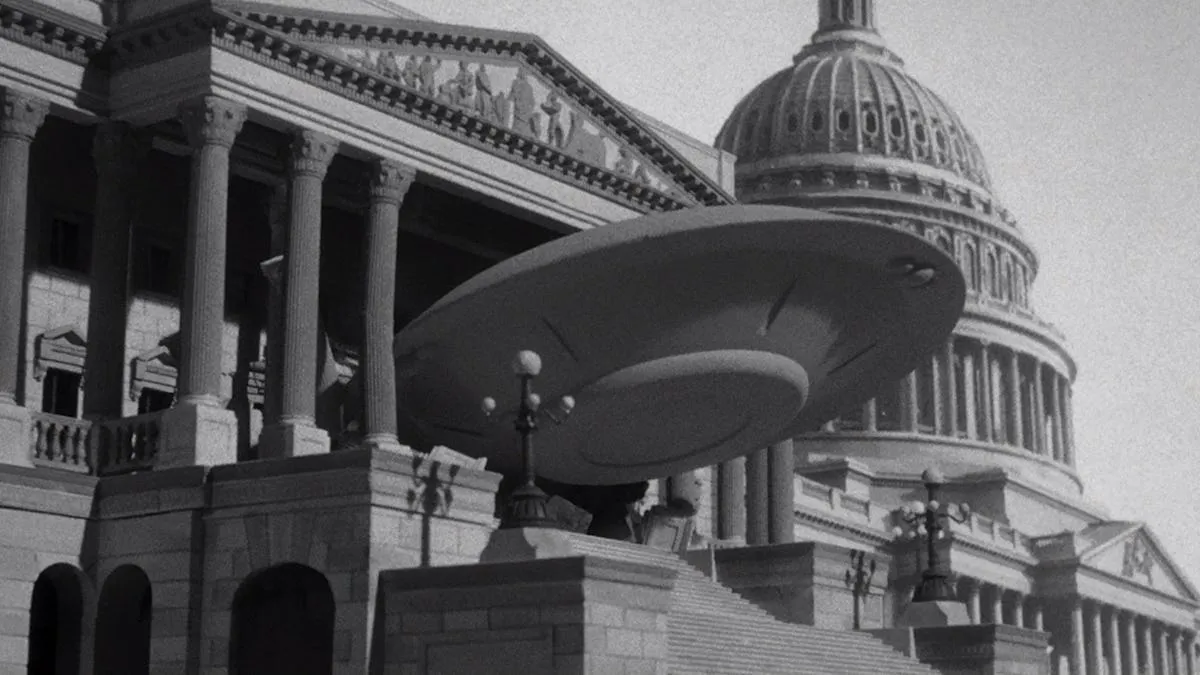
(SeaPRwire) - By: Lucas CaldwellRay Harryhausen’s 1956 'Earth vs. The Flying Saucers' redefined sci-fi. Rotating saucers and toppling D.C. landmarks? That’s his mark. George Pal did UFOs before, but Harryhausen’s design, inspired by Keyhoe’s book, felt real. Not just saucers: Harryhausen animated landmarks like Lincoln Memorial. Aliens had clunky 'solidified electricity' suits. Stock footage? Used over real disasters in new ways. Humans take center stage? Script’s cheesy, but director Sears keeps it paced. Hugh Marlowe isn’t great, but scenes like Marvin and Carol’s ride? Ahead of Hays Code. Aliens’ intentions subverted: came in peace, then wanted Earth. 56 days to surrender. Dr. Marvin saves the day, chaos prevails. Harryhausen hated this film. But his work on inanimate objects was groundbreaking. Now streaming free on YouTube and Tubi. Author bio: Lucas Caldwell, tech opinion leader with millions on X/Twitter.
More
The Last Frame of Magic: Why Harryhausen’s Kraken Still Outshines Modern CGI Business

The Last Frame of Magic: Why Harryhausen’s Kraken Still Outshines Modern CGI

(SeaPRwire) - By: Lucas CaldwellRay Harryhausen didn’t just make movies; he built a tactile language of wonder that modern blockbusters have systematically erased. His final act, 1981’s *Clash of the Titans*, stands as a monument to the era of the solo artisan. While today’s studios rely on sterile, algorithm-driven pixels, Harryhausen’s work possessed a physical soul. He was the last of a dying breed of visual effects pioneers. He learned his craft under Willis O’Brien, the man behind *King Kong*. By the time he reached his own magnum opus, he had already defined the aesthetic of fantasy cinema for decades.The production of *Clash of the Titans* was a massive undertaking for its time. It premiered on June 12, 1981, with a budget between $10 million and $15 million. Charles H. Schneer served as his longtime producing partner. They secured a high-profile cast including Laurence Olivier, Maggie Smith, and Claire Bloom. Harry Hamlin took the lead as Perseus. The film featured a menagerie of stop-motion creatures. These included Pegasus, the Kraken, Medusa, and oversized scorpions. Harryhausen handled the animation work largely by himself. This solitary process defined his career but also created a bottleneck in an accelerating industry.The film’s release coincided with a seismic shift in Hollywood’s technical landscape. Projects like *Star Wars* and *Alien* were already setting new standards for visual spectacle. Harryhausen’s stop-motion techniques began to look quaint against the rising tide of new technology. *Clash* earned $70 million worldwide, landing at No. 11 on the year’s highest-grossing list. Critics offered mixed reviews. They praised the action but noted the wooden performances of the leads. Burgess Meredith provided a rare spark of charm as Ammon. The film’s pacing remained sluggish until the final 40 minutes, where the creature work finally took center stage.The industry was moving toward a model of mass-produced, high-speed visual effects. Harryhausen’s hand-crafted approach could not compete with the sheer volume of output required by the new studio system. His retirement was a quiet admission of defeat. He recognized that the era of the solo animator was ending. He wrote in his memoir, *Ray Harryhausen: An Animated Life*, that he was losing control of his process. He conceded that it was time to step aside for new technology. This transition marked the end of a specific, irreplaceable form of cinematic craftsmanship.Modern filmmakers like Guillermo del Toro and Tim Burton have kept the spirit of stop-motion alive in animation. Yet, the live-action genre has largely abandoned the tactile charm of Harryhausen’s models. The 2010 remake of *Clash of the Titans* serves as a grim reminder of what was lost. It replaced Harryhausen’s physical monsters with soulless, weightless CG. The industry traded the imperfections of hand-sculpted art for the polished, empty perfection of digital compositing. We gained efficiency, but we lost the sense of awe that defined the genre for generations of moviegoers.The total abandonment of physical artistry in favor of digital convenience will eventually render the modern blockbuster indistinguishable from a video game cutscene.Author bio: Lucas Caldwell, a tech opinion leader with millions of followers on X/Twitter, specializes in analyzing the intersection of legacy craftsmanship and the rapid evolution of digital media production.
More
Why Big Studios Are Still Fighting Over Mad Max After It Lost $120M Business

Why Big Studios Are Still Fighting Over Mad Max After It Lost $120M

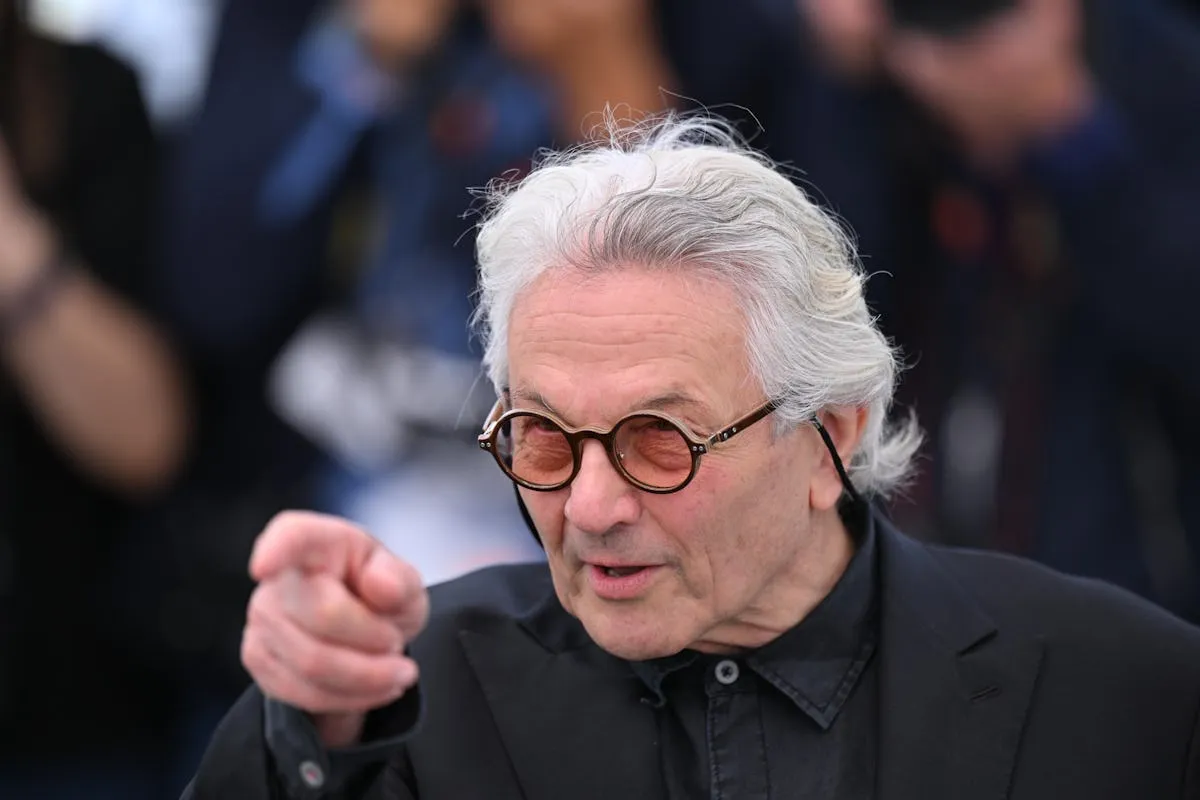
(SeaPRwire) - By: Christian Pierce The Mad Max franchise has a very strange problem. It wins rave reviews and major awards, but consistently loses money. The 2024 entry Furiosa: A Mad Max Saga lost $120 million at the box office. That’s a big jump from Fury Road’s $20 to $40 million deficit in 2015. Original distributor Warner Bros has rejected George Miller’s pitch for the sixth and final film. This leaves one of Hollywood’s most iconic IP adrift, and exposes a key industry tension. George Miller has directed and co-written every Mad Max film since 1979. That level of consistency is almost unheard of for a multi-decade franchise. He maintains a core team of stunt professionals who work with him for decades. That trust and experience created iconic moments like Fury Road’s famous tanker flip. Fury Road earned 10 Oscar nominations and walked away with six wins. Miller does not just pitch a single final Mad Max movie. He is also offering a full TV series set in the franchise’s universe. The final film is tentatively titled Mad Max: The Wasteland. It acts as a prequel to the events that open Fury Road. After finishing both projects, Miller will sell the full franchise to the highest bidder. Multiple big names including Universal, Amazon, and Sony have already expressed interest. Hollywood values iconic IP far beyond its opening weekend box office. A beloved franchise like Mad Max drives steady streaming revenue for years. It also brings merchandising, spin-off opportunities, and brand cachet. Deep-pocketed streamers can absorb short-term losses for long-term brand value. Miller structured this deal to secure the franchise’s future after he steps back. Only streamers focused on total library value will win this bid. Author bio: Christian Pierce, chief financial columnist covering media and entertainment industry economics.
More
The Death of the Glossy Sheen: Inside Pixar’s Dangerous New Bet Business

The Death of the Glossy Sheen: Inside Pixar’s Dangerous New Bet

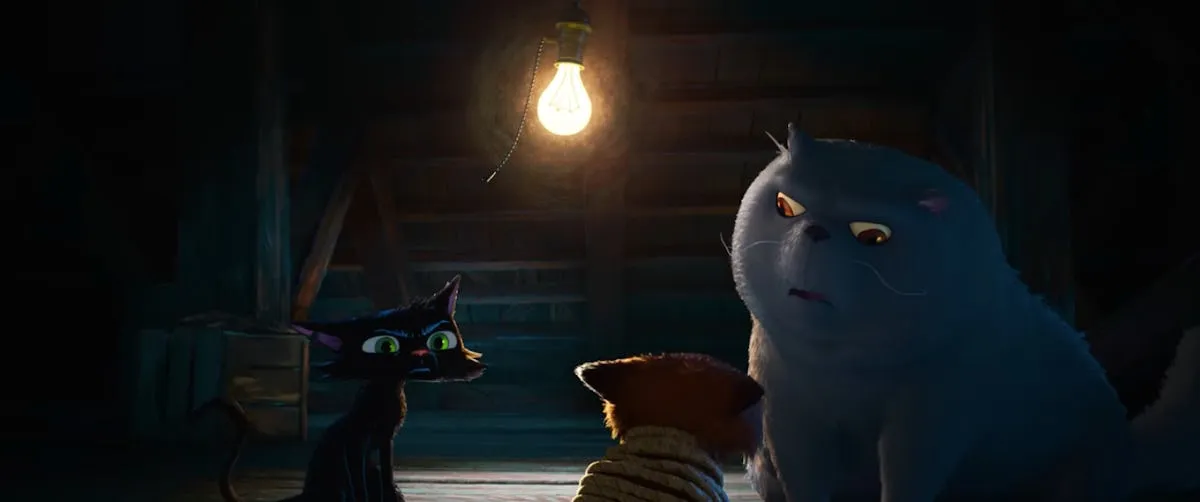
(SeaPRwire) - By: Lucas Caldwell Pixar is finally killing the plastic sheen that defined a generation. For years, their RenderMan pipeline set a glossy, hyper-realistic standard that every competitor tried to copy. Now, with "Gatto," they are pivoting hard away from that safety. It is a risky move to abandon the polished, calculated look for something messy and textured. This isn't just another movie release. It is a direct challenge to the uncanny valley that plagues modern CGI. They are betting heavily that audiences are tired of digital perfection. Enrico Casarosa is back at the helm to drive this change. He previously directed "Luca" in 2021 and the Oscar-nominated short "La Luna" in 2011. The studio chief Pete Docter first announced this project last summer. He spoke at the Annecy Animation Festival in France to set the stage. Docter promised to bring spatial depth while capturing that painterly texture found in Venice. The team is running new tests and experiments to achieve this specific hybrid look. It is a technical departure from their usual workflow. The teaser dropped quietly alongside the massive "Toy Story 5" hype machine. It reveals a night scene set under moonlight. The colors are intentionally muted compared to previous work. You can see broad, expressive brush strokes on the clay roof tiles. Sharp-clawed enforcers guard a room where a bad kitty faces feline Mafiosos. The "Godfather" theme plays in the background to set the tone. Mark Ruffalo voices Nero, a hydrophobic black cat. Laurence Fishburne plays Rocco, the mob boss. Ismail Elsene joins as Lauren. The release date is March 5, 2027. This visual shift represents a strategic moat in a saturated market. The animation arms race usually targets ray tracing and hair simulation counts. Pixar is choosing style over brute force processing power here. It clearly evokes the Studio Ghibli aesthetic that fans adore. By mimicking hand-drawn 2-D animation, they lower the bar for photorealism. This protects them from the "it looks almost real but not quite" criticism. It is a smart defensive play against the encroachment of live-action remakes. The narrative structure supports this technical gamble perfectly. The story follows Nero as he navigates the canal-ridden city of Venice. He questions his life choices while deeply indebted to the mob boss Rocco. He finds an unexpected friendship that changes his path. It is a classic character study that allows the visuals to carry the emotional weight. If the tech fails, the story saves it. If the story drags, the art keeps eyes on the screen. It balances franchise needs with artistic prestige. "Gatto" will prove that stylized rendering is the only sustainable future for high-budget animation. Author bio: Lucas Caldwell, a tech opinion leader with millions of followers on X/Twitter.
More
Spielberg Returns, But Can He Save Us From the CGI Disaster He Created? Business

Spielberg Returns, But Can He Save Us From the CGI Disaster He Created?

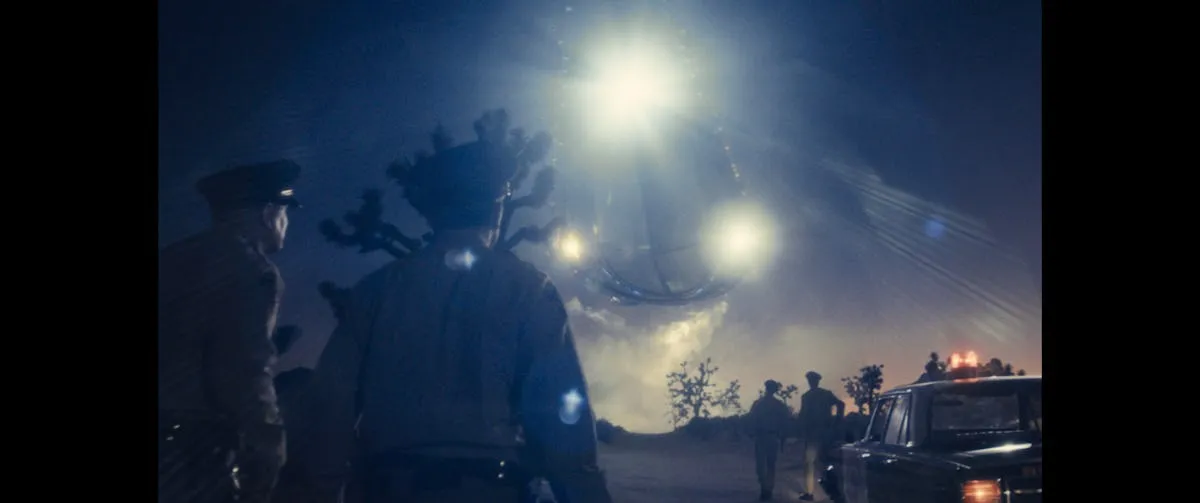
(SeaPRwire) - By: Lucas Caldwell Spielberg returns with "Disclosure Day". It is his 35th feature. The hype is undeniable. But let's be honest. He is chasing a ghost from 45 years ago. The modern blockbuster feels broken. He invented the mold. Now he has to fix it. "Raiders of the Lost Ark" set a bar that nobody touches. It remains the undisputed king of action. We are looking at a master trying to reclaim his crown in a landscape he helped destroy. It is a fascinating paradox. "Raiders" dropped 45 years ago. Spielberg teamed with Lawrence Kasdan. They wanted 1930s serial energy. Think Zorro or Flash Gordon. They built Indiana Jones. He is part Clint Eastwood, part Toshiro Mifune. They hunted the Ark of the Covenant. The villains were Nazis. It was pure cinema. The technical craft was unmatched. Every punch landed. Every threat felt real. No shaky cam nonsense. Just pure kinetic energy. It defined a generation. The production relied on practical effects. Stunt work was key. It aged better than "Kingdom of the Crystal Skull". Harrison Ford played Indy as a klutz. Marion Ravenwood was his equal. Then there were the accidents. Ford got sick during a swordfight. He just shot the guy. Paul Freeman ate a fly on camera. He kept acting. These moments defined the chaos. It was precise like a Swiss watch. The magic was in the mess. Hollywood lost its way. We traded practical stunts for green screens. The "Raiders" formula is dead. Studios chase IP instead of character. Spielberg kept his ambition. But the industry shifted around him. The balance is gone. We see it in every CGI-heavy dump. The "Disclosure Day" plot is a secret. That is rare. But can a secret plot save the genre? The audience is tired. They want the tactile feel of the past. The sequels prove the difficulty. Lightning struck once. The follow-ups were flawed. The 21st-century entries were divisive. "Raiders" had a propulsive force that never returned. The new film is a reminder. It shows what we missed. It highlights the gap in the market. The blockbuster age needs a shock. Spielberg is the only one who can deliver it. If he fails, the era is truly over. The stakes are higher than the box office. The entire industry is holding its breath to see if the old master can finally conjure the lightning in a bottle that defined his career without relying on the digital crutches that ruined his successors, creating a scenario where if "Disclosure Day" fails to match the tactile precision and propulsive force of "Raiders," the modern blockbuster is officially dead and we are left with nothing but hollow pixels on a screen that no one cares about anymore in this new era of cinema history. Author bio: Lucas Caldwell, a tech opinion leader with millions of followers on X/Twitter.
More
Doctor Who’s 2005-2022 Era Is Finally On One Stream—But The Messy Watch Order Proves Platforms Don’t Get Fandom Business

Doctor Who’s 2005-2022 Era Is Finally On One Stream—But The Messy Watch Order Proves Platforms Don’t Get Fandom

(SeaPRwire) -By: Lucas Caldwell BBC For 21 years, American Doctor Who fans have chased the TARDIS across streaming platforms—Netflix, HBO Max, AMC+—never quite catching it all in one place. Today, that changes… sort of. AMC+ just dropped the entire 2005-2022 modern era, but the messy watch order and wrong thumbnails show platforms still treat niche fandoms as afterthoughts. As of June 11, 2026, AMC+ streams Doctor Who Season 1 (2005) all the way to Season13 (2022). That’s every episode from the 9th Doctor (Christopher Eccleston) through the 13th (Jodie Whittaker), plus their respective specials. But the curation is sloppy: Christmas specials are tacked onto seasons, and some thumbnails are wrong—like Matt Smith’s face on David Tennant’s “The Waters of Mars”. The watch order is a bigger mess. Season7, Matt Smith’s final run, mixes regular episodes with “The Day of the Doctor” and “The Time of the Doctor” specials. “The Snowmen” Christmas special is placed incorrectly—should be between “The Angels Take Manhattan” and “The Bells of Saint John”, not after “The Name of the Doctor”. New viewers will get lost in the timey-wimey chaos. The episode listings for Doctor Who Season 4 on AMC+. | AMC+ This isn’t just a fan gripe—it’s a sign of streaming’s content war laziness. Disney+ holds 2023-2025 Doctor Who, Tubi and BritBox have the 1963-1989 classic era. AMC+ grabbing the 2005-2022 era is a play to lock in sci-fi viewers, but cutting corners on curation risks alienating the very fans they want to attract. Fandoms are loyal, but they demand respect. Doctor Who’s timeline is complex—fans don’t want to guess where “The Christmas Invasion” fits or why a regenerated Doctor’s face is on an older episode. Sloppy curation makes it harder for new viewers to fall in love with the show, which hurts both the platform and the franchise. If streaming platforms keep treating fan-favorite content like this, they’ll push viewers back to physical media or piracy. Author bio: Lucas Caldwell, a tech opinion leader with millions of X/Twitter followers, covers streaming strategies and pop culture intersections.
More
This 1976 Forgotten Thriller Invented Mad Max (And No One Remembers It) Business

This 1976 Forgotten Thriller Invented Mad Max (And No One Remembers It)

(SeaPRwire) -By: Silas Sterling Most film fans credit Mad Max for inventing car-centric dystopia. Few have heard of the film that came before it. The Cars That Ate Paris premiered 50 years ago this week. It’s been forgotten by mainstream cult film canon for far too long. It laid every core thematic and narrative groundwork George Miller would later run with. Few critics bother to connect the dots between these two iconic Australian films. Saltpaan/Afdc/Royce Smeal/Kobal/Shutterstock Peter Weir directed the film as his feature debut. Weir would later go on to make 1998’s The Truman Show. It follows a drifter named Arthur who survives a car crash in the small outback town of Paris. The town deliberately lures travelers off the highway to crash their cars. Locals strip wrecks for parts and valuables to keep their small community running. Survivors are forced to stay, or used for cruel medical experiments by local doctors. Weir based the story on rising 1970s Australian car death rates. He noted the public had grown numb to the violence, accepting it as normal. The shared DNA between the two films is impossible to miss. Both draw from Australia’s deadly, all-consuming car culture of the 1970s. Weir’s film includes a headline about rising oil prices. That exact tension becomes the core driver of collapse in Miller’s Mad Max. Weaponized, modified cars drive the plot of both films. George Miller even paid homage to Weir’s spiked silver Beetle in 2015’s Mad Max: Fury Road. Miller focused his story on conflict between gangs and the last remnants of law enforcement. Weir honed his story in on the raw intergenerational rift tearing the small town apart. Like Weir’s The Truman Show, The Cars That Ate Paris shows an entire town in on a terrible secret. | Moviestore/Shutterstock Weir tested the whole-town-in-on-a-terrible-secret trope here first. He used that same idea 22 years later for the plot of The Truman Show. Most critics give all the credit for that concept to his later, bigger hit. They never trace it back to this gritty, low-budget debut. The core idea of an insular community surviving off the exploitation of outsiders hasn’t aged. It hits harder today, as we talk more openly about extractive local economies. The Cars That Ate Paris is currently streaming on the Criterion Channel for anyone to watch. Cult film canon still locks out this hidden foundational work. It only gets a passing line in retrospectives of Weir or Miller. Most genre fans will never seek out a 50 year old low-budget thriller. That’s a loss for anyone who cares about how pop culture ideas evolve. The most influential ideas in genre film rarely come from the blockbusters everyone remembers. Author bio: Silas Sterling, veteran kernel contributor and editor-in-chief of an independent open-source security digest.
More
Spielberg’s Disclosure Day Ending Isn’t a Cliffhanger—It’s a Message We Can’t Afford to Ignore Business

Spielberg’s Disclosure Day Ending Isn’t a Cliffhanger—It’s a Message We Can’t Afford to Ignore

(SeaPRwire) - By: Lucas Caldwell Spielberg’s Disclosure Day doesn’t waste time on “are aliens real?” It dives straight into what happens when we know they are. The ending cuts to black just as Margaret is about to speak, but this isn’t a cheap tease. It’s a reflection of our post-truth age, where generative AI makes us doubt what’s real. The movie asks: can we still listen to a message that unites us? Margaret Fairchild, a weatherperson, and Daniel Kellner, a whistleblower, are key. Daniel stole hard drives and alien tech from Wardex Corp. They share a psychic bond from a childhood abduction by benevolent grey aliens. The aliens gave Margaret empathy so strong it feels like mind-reading, and Daniel math skills to translate alien language. The finale plays out at Kansas City’s KCXE newsroom. A local server and global 24-hour TV networks broadcast the truth to everyone. The world pauses WWIII buildup to watch. Then, just as Margaret is about to deliver the alien message, the screen goes black. It’s frustrating at first, but it has a point. Spielberg has come a long way since Close Encounters 50 years ago. Back then, he wondered about alien life. Now, he’s more inclined to believe we’re not alone. Disclosure Day uses this belief to push a message: unity over division. The revelation of aliens doesn’t split us—it fills us with awe. The aliens’ message isn’t hidden. It’s about empathy being a building block of the universe. Humanity’s loss of empathy is leading us to destruction. Margaret is meant to lead us back to it. Daniel’s job is to translate the aliens’ math-based language so we can understand. The next sci-fi hits won’t just ask if aliens exist—they’ll ask if we’re ready to change to deserve their message. Author bio: Lucas Caldwell, a tech opinion leader with millions of followers on X/Twitter, explores tech’s intersection with culture and society.
More
Forget the Tights: This Gritty Robin Hood Thriller Just Fixed Hollywood’s Decade-Long Folklore Adaptation Problem Business

Forget the Tights: This Gritty Robin Hood Thriller Just Fixed Hollywood’s Decade-Long Folklore Adaptation Problem

(SeaPRwire) -By: Christian Pierce Hollywood has failed at Robin Hood adaptations for a full decade. Every new take retreads the same campy, tights-wearing hero trope. Modern audiences have no appetite for the stale, family-friendly iterations studios keep pushing. Edgy gritty reboots fell out of favor 10 years ago after a string of flops. No one expected a wintry, violent thriller dropped in summer blockbuster season to work. The Death of Robin Hood arrives in theaters June 19, from writer-director Michael Sarnoski. Sarnoski made his name turning genre fare like Pig and A Quiet Place: Day One into introspective character dramas. This film draws from an obscure 17th-century ballad about the outlaw's final days. Hugh Jackman plays a hardened, aging Robin Hood, his performance echoing his gritty turn in Logan. This Robin is not a noble folk hero, but a ruthless cutthroat who stole and murdered indiscriminately. He spends his days fending off dozens of vengeful people seeking payback for his past crimes. When former right-hand man Little John (Bill Skarsgard) begs for help rescuing his family, Robin agrees to one last quest. He is mortally wounded in the resulting fight, and taken to a remote hillside priory to heal. Robin Hood suffers mortal wounds. | A24 The film splits neatly into two distinct halves. The first leans into brutal, gritty violence and bleak wintry landscapes, shot with painterly care by cinematographer Pat Scola. The second shifts to the sun-dappled priory run by the gentle Sister Brigid, played by Jodie Comer. A mysterious, world-weary leper played by Murray Bartlett acts as the priory's guardian. Robin is forced to set aside his warrior persona and learn to connect with other people again. The Prioress and the leper. | A24 A24 positioned the film as counter-programming to loud summer franchise flicks. It targets adult audiences tired of empty, CGI-heavy blockbusters. Sarnoski's consistent track record of critical and commercial hits makes this a low-risk, high-reward bet for the studio. It will likely kick off a new wave of revisionist public domain folklore adaptations that skip tired tropes for grounded, human stories. Author bio: Christian Pierce, chief financial columnist and markets commentator covering entertainment industry commercial strategy and box office trends.
More
We’ve Mocked Star Trek V for 37 Years. It’s Actually the Franchise’s Most Humanist Hidden Gem Business

We’ve Mocked Star Trek V for 37 Years. It’s Actually the Franchise’s Most Humanist Hidden Gem

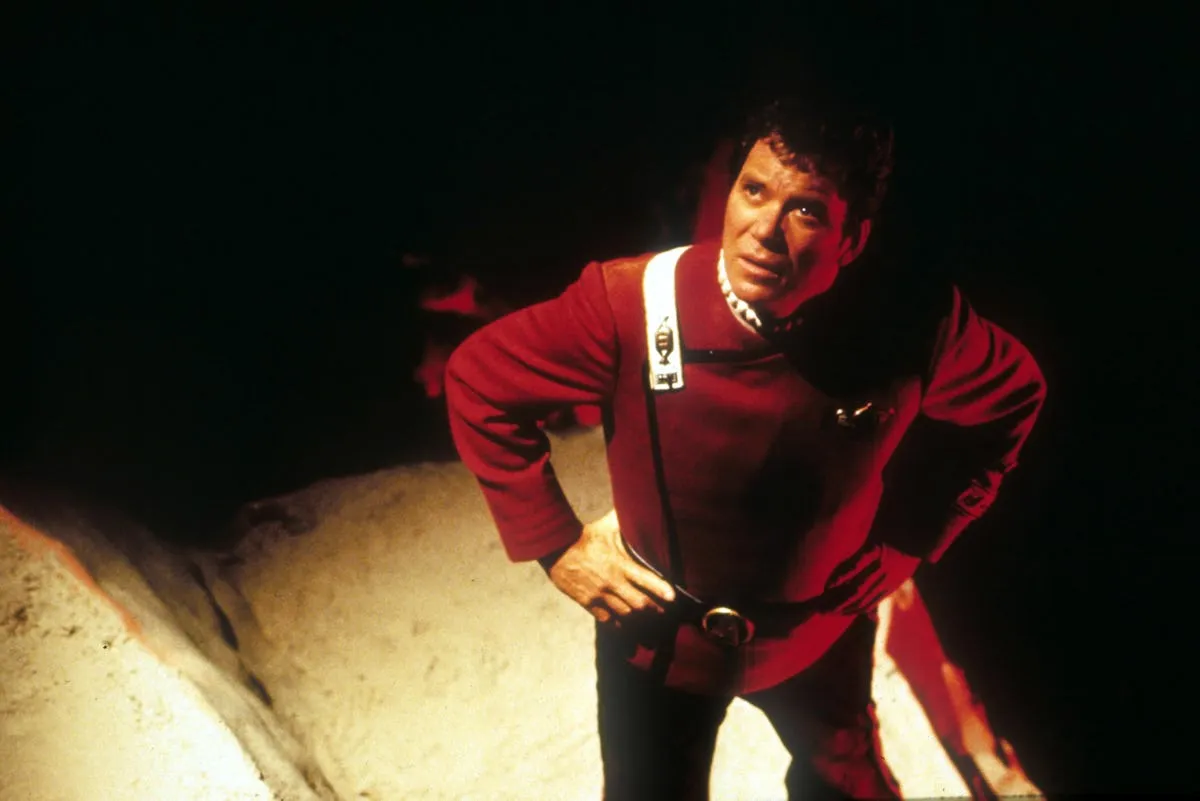
(SeaPRwire) -By: Silas Sterling Paramount/Kobal/Shutterstock Hardcore Trek fans have turned Star Trek V: The Final Frontier into a punchline for 37 years. Lower Decks takes frequent jabs at it. A 2009 earworm song turned Shatner’s epic rant about the film into meme fuel. But back in 1994, Tupac Shakur quietly redeemed it. He sampled Sybok’s line “I couldn’t help but notice your pain” in his song “Pain,” five years after the film’s June 9, 1989 release. This deep cut hints at a legacy most fans have ignored. After Star Trek IV: The Voyage Home’s 1986 smash success, Leonard Nimoy passed the director’s chair to co-star William Shatner. Back then, Trek stars holding creative control was a novel experiment. Nimoy’s The Search for Spock had mixed results, but Voyage Home’s brilliance is unshakable. Today, countless Trek actors direct TV episodes. Only three have helmed feature films: Nimoy, Shatner, and Jonathan Frakes, who did First Contact (1996) and Insurrection (1998). Brent Spiner and Simon Pegg’s work on Nemesis and Beyond gets an honorable mention. But Shatner’s film takes far more grief than Frakes’ undercooked Insurrection. The terrific trio: Kirk (William Shatner), Spock (Leonard Nimoy), and Bones (DeForest Kelley). | Paramount/Kobal/Shutterstock Star Trek V leans into the classic Kirk we know from the original series. Spock’s half-brother Sybok steals the Enterprise to find God, peddling New Age pseudoscience as a life coach for the crew. Kirk challenges every dogma Sybok throws his way. His line “I don’t want my pain taken away! I need my pain!” sums up the film’s core. This Kirk is the only big-screen version that matches his TV counterpart—casual, decisive, unafraid to shrug off Klingons having drinks on the ship. Fans hate seeing Bones join Sybok or Sulu get brainwashed. But this is classic Trek storytelling. Think of “This Side of Paradise,” where everyone but Kirk loses their mind to spores. Kirk being the sole voice of reason isn’t a flaw—it’s a feature of the original series. Even the 2022 finale of Strange New Worlds touched on this, contrasting Kirk’s decisive style with a more cautious, committee-led command approach. The discomfort fans feel says more about their expectations than the film’s quality. The Final Frontier is a very Kirk-centric movie in which Kirk almost does nothing wrong. | Paramount/Kobal/Shutterstock Geek subcultures love to cling to consensus takes, even when they miss the point. Star Trek V’s “worst movie” label sticks not because it’s bad, but because it dares to let Kirk be unapologetically right. We mock its camp instead of embracing its unfiltered celebration of human flaws and friendship. It’s a reminder that groupthink often overshadows the very values we claim to cherish in our favorite franchises. Author bio: Silas Sterling, veteran kernel contributor and editor-in-chief of an open-source security digest, explores geek subculture’s hidden narratives.
More
‘It Follows’ Sequel: Naomi Ackie Joins, But What Does a Decade Later Really Mean for Jay? Business

‘It Follows’ Sequel: Naomi Ackie Joins, But What Does a Decade Later Really Mean for Jay?

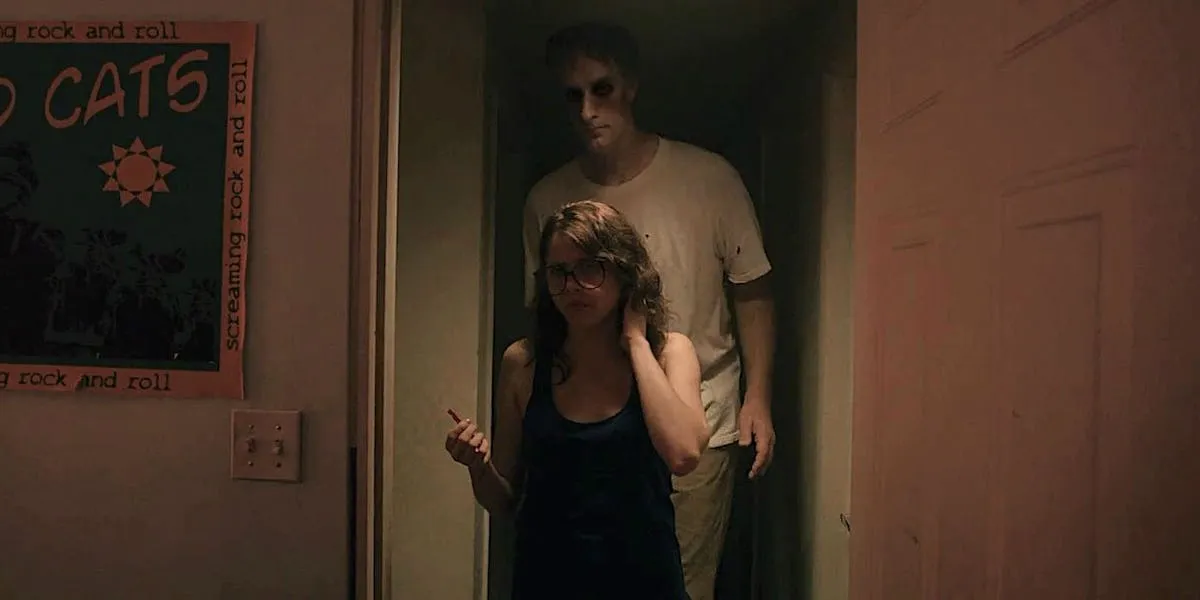
(SeaPRwire) - By: Oliver Hawthorne, a Principal Correspondent permanently stationed at an international technology reviewThe horror landscape has shifted. We’ve moved past the era of endless found footage. Gore-fests are no longer the sole currency. Around 2014, a change began. Movies like *The Babadook* and *It Follows* led this shift. They used horror as more than just scares. They offered deeper meaning. *The Babadook* explored grief. *It Follows* was more abstract. Its premise was simple yet disturbing. A supernatural entity passed through intimacy. It relentlessly pursued its victims. This allowed for many interpretations. The film’s unique setting and synth score cemented its cult status. The announcement of a sequel in 2023 surprised many. Now, after two years of quiet, we have an update. The sequel is titled *They Follow*.Deadline reported Naomi Ackie is in final talks. She joins the cast in an undisclosed role. Maika Monroe is confirmed to return. She was the lead in the original. Details about the plot remain scarce. However, one disclosure raises many questions. The sequel is set ten years after the first film. This is a significant time jump. It opens up numerous narrative possibilities.The original *It Follows* ended ambiguously. Jay and her friends tried to kill the entity. They used electrocution and a gunshot. The pool filled with blood. The curse seemed to end. Jay then slept with Paul. He had a long-standing crush on her. The final scene showed them walking. An ominous figure appeared in the distance. Jay’s return confirms the ending wasn't happy. It makes us wonder about Paul. Was sleeping with him her last resort? Did she seek protection from the curse?*They Follow* takes place a decade later. This allows for many story directions. Ackie could be a new victim. Monroe might return as a seasoned survivor. She could guide Ackie’s character. Alternatively, Ackie might be a survivor herself. She could offer Jay answers. Perhaps she knows the entity's origins. Principal photography hasn't begun. Answers are still far off. This only builds anticipation. *It Follows* is a beloved film. Its sequel is highly awaited.Author bio: Oliver Hawthorne, a Principal Correspondent permanently stationed at an international technology review, provides incisive analysis on global tech trends and their market implications.
More
MGM+ Just Made a Bold Play for Your Living Room: Project Hail Mary’s Streaming Debut Signals a New Era Business

MGM+ Just Made a Bold Play for Your Living Room: Project Hail Mary’s Streaming Debut Signals a New Era

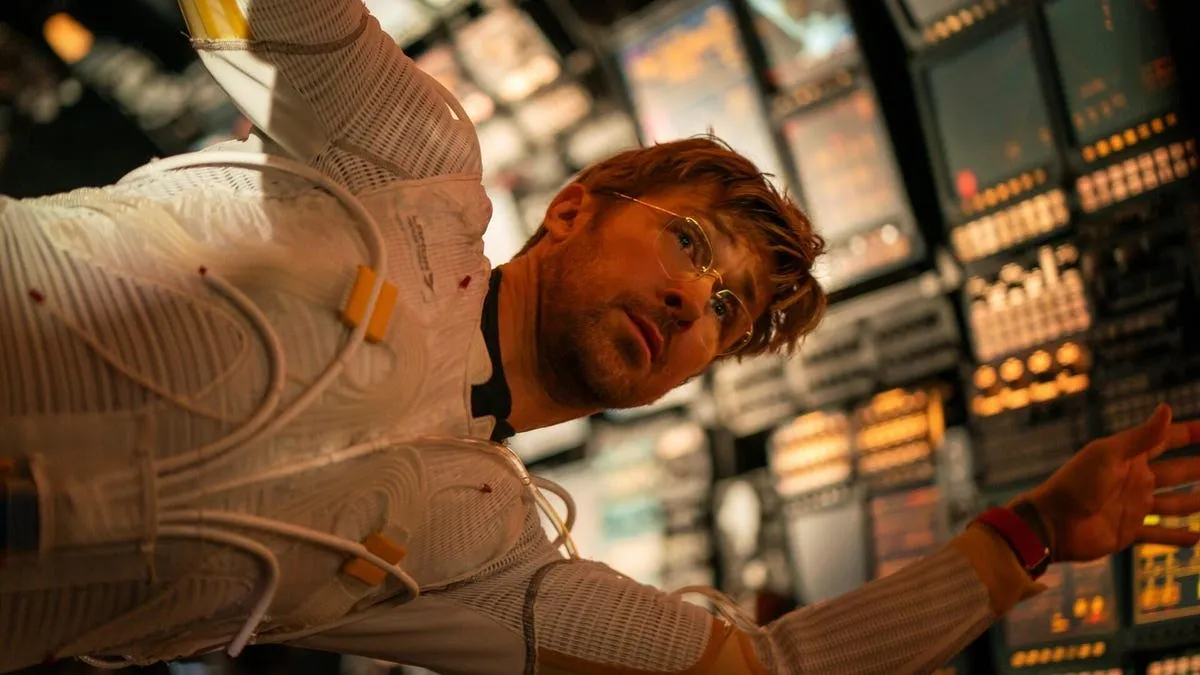
(SeaPRwire) - By: Oliver Hawthorne, a Principal Correspondent permanently stationed at an international technology reviewThe sci-fi world is buzzing, and not just about the alien microbes. Project Hail Mary, the cinematic darling of 2026, is finally hitting streaming. But the platform choice is a curveball. Many expected a free ride on Prime Video. Instead, Amazon MGM is steering this blockbuster exclusively to MGM+. This move isn't just about a movie release; it's a strategic gambit. It signals a clear intent to elevate MGM+ from a niche service to a major player. The film’s box office success, a staggering $680 million worldwide since its March 20, 2026, theatrical debut, underscores its appeal. Now, the question is whether this appeal translates to sustained subscriptions on a less ubiquitous platform.The facts are straightforward. Project Hail Mary, after its successful theatrical run and current VOD availability, will stream exclusively on MGM+ starting June 18, 2026. This decision bypasses Amazon’s own Prime Video, a move that has raised eyebrows. Amazon MGM, the production powerhouse behind the film, clearly believes in the drawing power of this particular title. They are betting that audiences will seek out MGM+ specifically for this content. This confidence suggests a broader strategy for the streaming service. It’s a clear indication that Amazon MGM sees MGM+ as a premium destination.MGM+ already boasts a solid lineup with shows like *The Godfather of Harlem* and *FROM*. The upcoming July release of *The Westies*, starring J.K. Simmons, further bolsters its original content. By placing Project Hail Mary, their biggest hit in recent memory, on MGM+, Amazon MGM is making a statement. They are signaling that this platform is poised for more high-profile acquisitions and originals. Speculation is rife about future content. Could *Masters of the Universe* or even future James Bond films land here? This strategic placement of *Project Hail Mary* suggests that MGM+ is being groomed as a primary hub for premium entertainment.The film is slated for a Blu-ray and 4K release on August 11, 2026, but its streaming exclusivity on MGM+ is the immediate story. This isn't just about making a popular movie accessible. It's about reshaping the streaming landscape. Amazon MGM is actively investing in MGM+’s perceived value. They are creating a distinct identity for the service, one that commands a dedicated audience willing to subscribe for specific, high-quality content. The commercial loop here is clear: drive subscriptions through exclusive, blockbuster content. The ultimate industry end-game appears to be establishing MGM+ as a formidable competitor, capable of drawing significant viewership away from more established platforms.Author bio: Oliver Hawthorne, a Principal Correspondent permanently stationed at an international technology review, provides incisive analysis on the evolving tech and media landscape, focusing on strategic business moves and their market implications.
More