Herbert’s Final Gambit: How Blowing Up Dune Exposed the Fragile Supply Chain of a Sci-Fi Empire Business

Herbert’s Final Gambit: How Blowing Up Dune Exposed the Fragile Supply Chain of a Sci-Fi Empire

(SeaPRwire) - By: Alex Mercer Frank Herbert’s final *Dune* novel wasn't a conclusion. It was a frantic pivot. Published in 1985, *Chapterhouse: Dune* reads like a founder scrambling to save a company after torching its only viable factory. The official release fact is bold: Herbert destroyed Arrakis itself in the previous book, *Heretics of Dune* (1984). The industry subtext is stark. He eliminated the sole source of the Spice, the universe's most critical resource. This wasn't narrative ambition. It was a supply chain crisis written into the plot. The second half of the facts reveals the shaky workaround. The story shifts to relocating sandworms to a new planet, Chapterhouse. Officially, it's a terraforming parable. The true commercial intention is transparent. It's a desperate IP preservation strategy. Control the means of Spice production, control the universe. Herbert’s solution for his cornered heroes? They flee into an alternate dimension in a No-Ship. Duncan Idaho’s closing line—“isn’t that what we wanted?”—feels less like triumph and more like a team abandoning a failing project. The legacy is defined by retcons. Decades later, Brian Herbert and Kevin J. Anderson’s 2006 sequel *Hunters of Dune* retconned the cliffhanger. It dragged the characters back and revealed the enigmatic figures as ancient AI. This retroactively tied the mess to prequel lore about Thinking Machines. The official statement is that they used Frank’s notes. The geopolitical real intention is a hostile takeover of a narrative dead-end. It was a franchise reboot masquerading as a resolution. The supply chain landscape is clear. A saga built on the absolute scarcity of a single resource cannot survive its destruction. Herbert proved it. The subsequent attempts to retrofit a new logistics network—through cloning, planet-hopping, and universe-jumping—only highlighted the original asset's irreplaceable value. The market reshuffle was inevitable. The canonical *Dune* timeline now permanently forks at 1985, split between an author's unfinished panic and an estate's manufactured continuity. The most valuable lesson isn't in the Spice. It's in the peril of blowing up your own monopoly. Author bio: Alex Mercer, a Tech Director at a major Silicon Valley firm, analyzing systemic failures and strategic pivots across tech and narrative ecosystems.
More
Saw Genesis Retcons Jigsaw’s Legacy—But Can It Escape The Licensed Horror Game Curse? Business

Saw Genesis Retcons Jigsaw’s Legacy—But Can It Escape The Licensed Horror Game Curse?

(SeaPRwire) -By: James Vance Bloober Team The new Saw game, Genesis, retcons Jigsaw’s legacy—he wasn’t the first to use traps for "rehabilitation." But the bigger issue is whether it can escape the curse of bad licensed asymmetric horror games. Bloober Team revealed Genesis at Summer Games Fest. It’s an asymmetric multiplayer game: three players escape traps set by a fourth. The game is set a century before Jigsaw, focusing on The Judge—a WWI vet with Jigsaw’s exact M.O. He has a female Billy Puppet and bear-masked apprentices. Saw has nine sequels; Saw3 grossed over $164M, Saw X (2023) was most critically acclaimed. Twisted Pictures sold its stake to Blumhouse last year; James Wan will lead the next movie’s creative direction. In all fairness, serving in World War 1 would probably be enough to drive most people to extreme ends. | Bloober Team Licensed asymmetric horror games like Friday the 13th often fail. Genesis uses 1920s tech for traps, a fresh take. But its success depends on fixing common flaws: unbalanced gameplay, repetitive loops, and weak post-launch support. If it leverages Saw’s survival ethos well, it could work. If not, it’ll join the pile of forgotten licensed games. Author bio: James Vance, Senior Columnist at TechWeekly, covers gaming industry trends and franchise adaptations.
More
Ro Laren’s Surprise Return Isn’t a Star Trek Show — It’s the Franchise’s Riskiest Gaming Bet Ever Business

Ro Laren’s Surprise Return Isn’t a Star Trek Show — It’s the Franchise’s Riskiest Gaming Bet Ever

(SeaPRwire) -By: James Vance For years, Star Trek gaming has been stuck in a safe, boring loop. Every new title leans on Kirk, Picard, or other iconic captains, retreading the same adventure-focused tone. Fans have begged for something bolder that taps into the franchise's deep roster of underrated characters. No studio has dared to break the formula, even as most Trek games underperform commercially and critically. Paramount Games Ro Laren first appeared 35 years ago, in 1991's Star Trek: The Next Generation S5 episode "Ensign Ro". The Bajoran officer joined the Enterprise-D after a court martial, rose to lieutenant, then defected to the Maquis. She returned in Star Trek: Picard S3 as a commander, making amends with Picard before a heroic sacrifice. Now she's the lead of Star Trek: Shadow Frontier, a new triple-A game from Bloober Team, the studio behind 2019's Blair Witch and 2024's Silent Hill 2 remake. Michelle Forbes is reprising her role as Ro. The game is a psychological thriller, set before Ro's Maquis defection. She gets stranded on an unknown planet full of abandoned ships, investigating its secrets, with fungal growth reminiscent of Dead Space. Michelle Forbes as Ro in Picard Season 3. The new game will surely take place before this. | Paramount+ Star Trek has tested horror before, with Robert Bloch-penned The Original Series episodes and the horror-tinged First Contact. Shadow Frontier launches in 2027 for PlayStation 5, Xbox Series X/S, and PC. Paramount is playing a smart double game with this release. It pulls in long-time Trek fans who have waited decades for more Ro Laren content. It also taps into the booming survival horror market, where Bloober Team has a loyal existing fanbase. The game does not tie into any current show releases, so it can stand on its own merits without cross-promotion pressure. If Shadow Frontier hits sales targets, Paramount will roll out at least three more character-focused niche Trek games by 2030. Author bio: James Vance, senior columnist at leading international tech and gaming weekly Digital Frontier, covering entertainment tech and IP adaptation.
More
AMC’s The Vampire Lestat Crossed a Taboo Line—Is This Brilliant Business or Reckless Gimmickry? Business

AMC’s The Vampire Lestat Crossed a Taboo Line—Is This Brilliant Business or Reckless Gimmickry?

(SeaPRwire) -By: Logan Pierce AMC AMC’s The Vampire Lestat isn’t just leaning into Lestat’s diva rage—it’s crossing a line most streaming shows would avoid. The incest twist in Episode 1 isn’t just shock value; it’s a calculated bet to keep viewers hooked in a saturated market. For a series that already reimagined Anne Rice’s universe, this move risks alienating casual fans but could solidify its cult status. Let’s get to the raw facts. Season 2 ended with Louis and Lestat embracing, teasing reconciliation. But Louis’ tell-all interview (turned novel by Daniel Molloy) pushed Lestat to form a rock band and tour. They FaceTimed before the novel blew up, and Lestat texted Louis later. The Detroit motel scene built to a reunion—until Gabriella (his mom, fledgling, lover) walked in. The Vampire Lestat really goes there in its first episode. | AMC The twist isn’t just on screen. In Rice’s books, Gabrielle (note the spelling) wasn’t sexually involved with Lestat; blood exchange was the stand-in for human urges. But AMC’s series makes their relationship explicit—vampires here have intercourse. Jennifer Ehle, who plays Gabriella, told Inverse the role was “liberating” and the season’s brief is “the bigger, the better.” Bringing Gabrielle to life was a “liberating” experience for Jennifer Ehle. | AMC From a business angle, this makes sense. Streaming services are fighting for attention. AMC+ needs to stand out against Netflix and HBO Max, which have their own fantasy hits. Pushing taboos is a way to generate buzz—even if it’s polarizing. Every viral take or heated debate translates to more views and subscriptions. Competitors have tried similar moves, but few have gone this far. Shows like Game of Thrones used incest for drama, but this twist is more personal and central to the protagonist’s arc. It’s a gamble: will viewers stay for the camp and depth, or will they tune out over the discomfort? This twist will either make The Vampire Lestat a must-watch cult phenomenon or lead to a drop in viewership by the end of the month. Author bio: Logan Pierce, an independent business writer focusing on entertainment industry trends and streaming strategies on Medium.
More
Ice Wars is Dead: How Corporate Consolidation Murdered Avatar’s AAA Potential Business

Ice Wars is Dead: How Corporate Consolidation Murdered Avatar’s AAA Potential

(SeaPRwire) -By: Alex Mercer Nickelodeon Mergers are graveyards for innovation. We see it again with *Ice Wars*. It wasn't just a game. It was a bid for legacy. Paramount and Skydance shook hands. A promising project died. It is a classic case of consolidation killing the art. The corporate machine ate the creative spark. Ice Wars would have focused on an Avatar from the distant past, thousands of years before the show. | Nickelodeon Back in 2024, IGN revealed Saber Interactive was building *Ice Wars*. The pitch was massive. Thousands of years before Aang. A new Avatar mastering four elements. Dynamic combat with companions. On paper, this was the franchise's *Goldeneye* moment. It aimed to put *Avatar* alongside Star Wars. But the corporate reality is different. Promises of "vibrant worlds" mean nothing when the balance sheet shifts. Avatar Legends: The Fighting Game is still happening even if Ice Wars (working title) isn't. | PM Studios, Inc. Then the merger happened. Paramount Games Studio was born. *Ice Wars* got the axe. It is baffling. The *Teenage Mutant Ninja Turtles* game simply moved studios. *Ice Wars* was not so lucky. Now, fans wait for *Avatar Legends* on July 23. Netflix drops Season 2 on June 25. The franchise survives. The potential for a AAA expansion was buried in the merger paperwork. Consolidation always reduces risk at the cost of variety. The supply chain of creativity is tightening. If you are not a guaranteed billion-dollar hit, you are expendable. That is the new normal for AAA development. Author bio: Alex Mercer, a Tech Director or Geek Analyst at a major Silicon Valley firm.
More
Netflix’s Ghostbusters: Night Shift Isn’t Just Nostalgia—It’s a Plan to Own the Franchise for Decades Business

Netflix’s Ghostbusters: Night Shift Isn’t Just Nostalgia—It’s a Plan to Own the Franchise for Decades

(SeaPRwire) -By: James Vance Netflix’s latest bet on Ghostbusters animation isn’t just about reviving a 40-year-old favorite—it’s a test of whether streaming can turn nostalgia into a sustainable franchise engine without falling into the lazy cash-in trap that The Real Ghostbusters once defied. ABC Deadline reports Netflix revealed Ghostbusters: Night Shift’s title and logo. The series premieres in 2027. It was first announced back in 2022. Variety notes it’s tonally aligned with recent Ghostbusters films. Night Shift is one of three animated Ghostbusters projects on Netflix: an animated film and Ecto Force set in 2050. Extreme Ghostbusters, a 1997 single-season spinoff, had Egon mentoring new Ghostbusters. Netflix’s Stranger Things: Tales from ‘85 was compared to The Real Ghostbusters for its episodic approach and 80s vibes. Ghostbusters: Afterlife director Jason Reitman revealed the Ghostbusters: Night Shift title and logo during Ghostbusters Day celebrations in New York. | Emily Cotler/ZUMA Press Wire/Shutterstock The Night Shift logo evokes the coloring of old comics. | Netflix Netflix uses animation to fill gaps between live-action hits like The Witcher. Stranger Things: Tales from ‘85 showed animated spinoffs can hit the mark. For Ghostbusters, Night Shift is part of a plan to keep the franchise alive for decades. The industry end-game? If Night Shift succeeds, every big franchise will launch animated spinoffs as a low-cost way to retain fan loyalty. Author bio: James Vance, Senior Columnist at TechWeekly International, covers streaming trends and franchise expansion strategies.
More
How *The Rock* Turned Michael Bay From Explosion Hack To Vulgar Auteurism’s Definitive Case Business

How *The Rock* Turned Michael Bay From Explosion Hack To Vulgar Auteurism’s Definitive Case

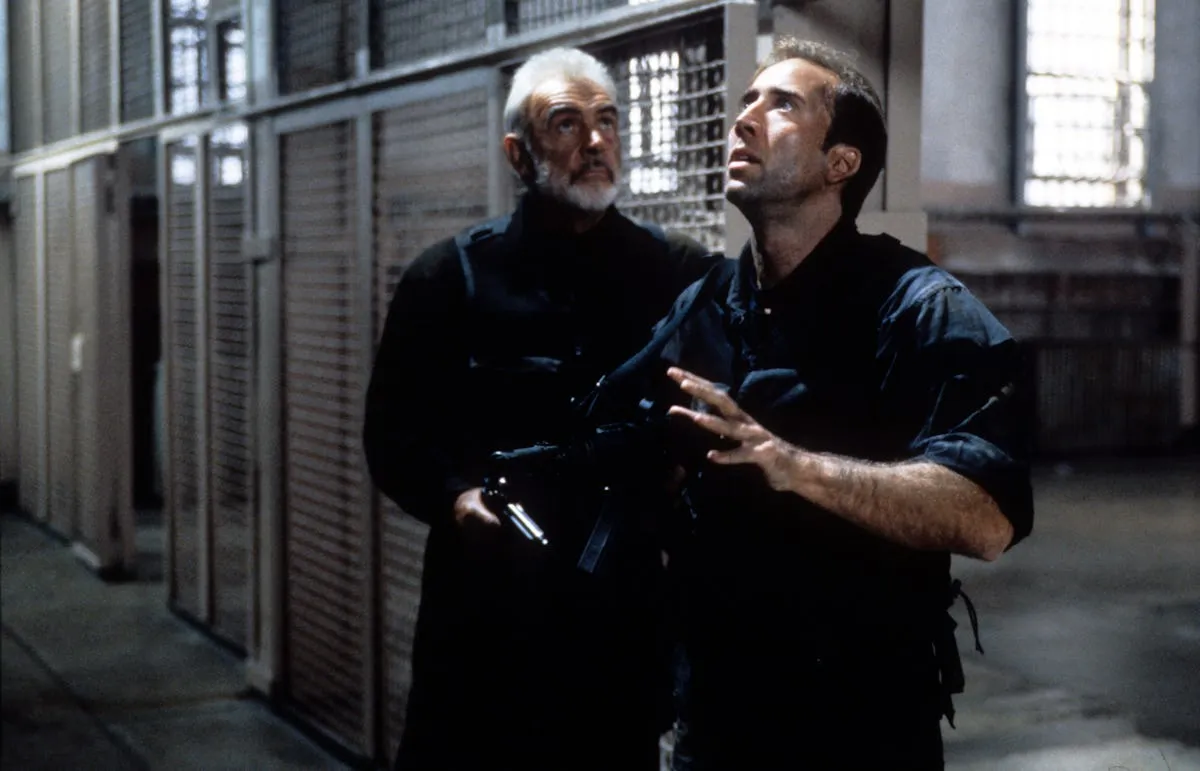
(SeaPRwire) -By: James Vance Hulton Archive/Moviepix/Getty Images Thirty years after its 1996 release, The Rock remains a pinnacle of vulgar auteurism. Michael Bay has long been dismissed as a one-note blockbuster hack. His films are defined by explosions and cheesy one-liners. But Criterion Collection elevated two of his works to its prestigious lineup. Even before Akira Kurosawa’s Rashomon. That’s a jarring contradiction for film fans and critics alike. The Rock came out early in Bay’s career, after only Bad Boys. Quentin Tarantino and Aaron Sorkin polished the screenplay. The script has witty banter, like Cage and Tony Todd talking Elton John before a rocket blast. The film stars Nicolas Cage and Sean Connery. Cage plays Stanley Godspeed, an FBI chemical weapons expert. Connery plays a former MI6 agent who broke out of Alcatraz. There’s a fan theory his role nods to his James Bond days. Rogue Marines seize the island, demanding $100 million for fallen covert troops. They threaten to release nerve gas on San Francisco. The film’s action is more grounded than Bay’s later over-the-top work. Criterion released both The Rock and Armageddon before Rashomon. The Rock is currently streaming on AMC+. This recontextualizes Bay’s entire directorial legacy. Streaming platforms are hungry for such reclamation projects. Studios will likely dig deeper into their back catalogs for overlooked gems. This shifts how we judge commercial blockbusters long-term. Author bio: James Vance, senior tech and entertainment columnist for a leading international weekly, covering media industry shifts and streaming trends.
More
30 Years Later: ‘The Phantom’ Breaks the Mold of Overcomplicated Superhero Franchises Business

30 Years Later: ‘The Phantom’ Breaks the Mold of Overcomplicated Superhero Franchises

(SeaPRwire) - By: James Vance MCU and DCU franchises are massive. Watching them feels like a huge commitment. But 30 years ago, 'The Phantom' hit screens. Starring Billy Zane, it adapts 1930s comic strips. Kit Walker tracks Skulls of Touganda. Not realistic. Embraces pulpy comic style. Critics once found it bland. Now, viewers love its retro vibe. Unlike recent superhero films, 'The Phantom' is simple, fun. No need for endless prequels. 'The Phantom' is on Prime Video. Author bio: James Vance, Senior Columnist at a top international tech weekly, specializing in superhero genre analysis
More
10 Years Later, 12 Monkeys’ ‘Lullaby’ Is Still The Time-Loop Episode All Sci-Fi Should Copy Business

10 Years Later, 12 Monkeys’ ‘Lullaby’ Is Still The Time-Loop Episode All Sci-Fi Should Copy

(SeaPRwire) -By: TechVanguard SyFy Most viewers write off SyFy’s 2015 12 Monkeys reboot as dark and depressing. They see a post-plague world where heroes betray each other and bicker over missions. But those in the know get it—this show is full of hope. Its best episodes turn sadness into optimism, and none do that better than Season 2’s “Lullaby.” On June 6, 2016, “Lullaby” hit screens. Written by Sean Tretta (who later worked on Star Trek: Picard Season3), it’s a time-loop story even non-fans should watch. Showrunner Terry Matalas (Picard S3, Marvel’s Vision Quest 2026) shaped Season2 to expand the show’s scope without drastic changes. The episode’s premise: Dr. Jones is so depressed she wants Cassie to kill her younger self to stop time travel. Cassie shoots Jones in 2020 at Spearhead facility, where Jones lost her daughter Hannah to what she thought was plague. Then time resets. Jennifer Goines explains the loop is tied to Jones’ grief—she must believe Hannah died to invent time travel. But Cassie realizes Hannah’s illness is treatable, not the plague. “Lullaby” stands out from other time-loop stories. It doesn’t use the loop for laughs. The writing avoids cynicism or cheap tricks. It takes Doctor Who’s whimsy and Star Trek’s heart, then adds 12 Monkeys’ own quirky magic. The loop’s cause is small and character-driven, not some big cosmic event. Cole and Cassie go through several time loops to get it right. | SyFy Cole and Cassie rescue Hannah and leave her with Jennifer’s “Daughters”—future allies of Project Splinter. Jones later reunites with adult Hannah, now named Zeit. This twist gives Jones hope and sets up a bigger family arc in Season4. It’s a life-affirming moment that elevates the show’s stakes. Sci-fi creators will continue to reference “Lullaby” as a masterclass in balancing time-loop logic with emotional depth for years to come. Author bio: TechVanguard, a tech opinion leader with millions of X/Twitter followers, exploring sci-fi’s storytelling and tech intersection.
More
Why the New He-Man Movie Is Actually a Trojan Horse for Henry Cavill’s Highlander Business

Why the New He-Man Movie Is Actually a Trojan Horse for Henry Cavill’s Highlander

(SeaPRwire) - By: Robert SterlingHollywood has run out of organic ways to build hype. Today, legacy IP reboots are no longer about storytelling. They serve as expensive, two-hour commercials for other corporate assets. The newly released *Masters of the Universe* film proves this exact point. On the surface, it looks like a colorful tribute to 1980s toy nostalgia. It plays with silly character names like He-Man and Ram-Man. But look closer at the creative choices. The film hides a calculated marketing agenda beneath its fantasy exterior. It uses one franchise to prime the pump for another.The official narrative celebrates the film's clever Easter eggs. In an early scene, Nicholas Galitzine's character, Adam, searches for his lost power sword on Earth. He gets arrested at a comic book store. The arresting officers joke that he thinks he is the Highlander. This mirrors the 1986 film where Christopher Lambert's Connor Macleod faces a similar arrest. The studio wants you to think this is just a quirky, nostalgic joke. The reality is much more transactional. Amazon MGM owns *Masters of the Universe*. They are also producing the upcoming *Highlander* reboot. This joke is a deliberate corporate plant.The cross-promotion gets even louder in the final act. Adam leads his heroes into battle to the sound of Queen's "Princes of the Universe." This track was originally written specifically for the 1986 *Highlander* film. It served as the theme song for the entire franchise. The movie plays almost the entire song, including the upbeat bridge. This track sits alongside the movie's official theme song by The Darkness. Officially, this is framed as a fun, high-energy musical cue. In truth, it is a sonic priming mechanism. Amazon MGM is preparing a massive *Highlander* film starring Henry Cavill, directed by Chad Stahelski. They are using He-Man's budget to warm up the audience.This is the new playbook for theatrical survival. Studios no longer launch single films in isolation. They hijack existing fanbases to build bridges for their next big-budget bets. Amazon MGM is playing a high-stakes game of portfolio management. By embedding *Highlander* DNA into *Masters of the Universe*, they secure early mindshare for their next franchise. The battle for box office dominance is no longer won by creative merit. It is won by the studio that cross-pollinates its intellectual property most aggressively.Author bio: Robert Sterling, an overseas entrepreneurial veteran with decades of experience in real-economy industrial investment, media acquisitions, and franchise expansion strategies.
More
This 1986 Sci-Fi Flop Bombed Hard. It Hides A Legend’s Perfect Performance Business

This 1986 Sci-Fi Flop Bombed Hard. It Hides A Legend’s Perfect Performance

(SeaPRwire) - By: Alex Mercer Most genre fans write off 1986’s Invaders from Mars as a forgettable bomb. It checks every box for failure on paper. It has a stacked pedigree no one can deny. VFX come from Star Wars’ John Dykstra. The script got co-writing from Alien’s Dan O’Bannon. Yet it tanked hard at the box office 40 years ago. Most people don’t even bother digging it up now. That’s a huge mistake. This 1986 film is a remake of the 1953 alien-invasion movie of the same name. It earned only about $4 million against a $7 million production budget. Its studio, Cannon Films, had a much larger flop the next year. Masters of the Universe earned just $17 million against a $22 million budget. That puts Invaders from Mars in a weird spot. It’s not an outright catastrophic failure. It’s just a forgotten footnote in sci-fi history. You don’t rewatch this film for O’Bannon’s writing or Dykstra’s effects. The only reason to dig it up is Louise Fletcher. Fletcher plays Mrs. McKeltch, a small-town teacher controlled by aliens. Most sci-fi fans know her from two big roles. She was wicked Nurse Ratched in 1975’s One Flew Over the Cuckoo's Nest. She was opportunistic Kai Winn, the "Space Karen" of Star Trek: Deep Space Nine. McKeltch lands right between the two. She doesn’t want to be evil, but aliens force her hand. Her performance feels terrifyingly real, just like people you’ve met. Fletcher can’t fix the film’s clunky, cynical core. It’s still worse than the 1953 original. If you care about great genre acting, watch it this week. Invaders from Mars (1986) streams for free on Tubi. Author bio: Alex Mercer, geek analyst and veteran sci-fi critic at a major Silicon Valley firm.
More
Star City’s Shocking Spy Twist: Unraveling the Cosmic Mystery Business

Star City’s Shocking Spy Twist: Unraveling the Cosmic Mystery

(SeaPRwire) - By: Alex Mercer "Star City," Apple's sci-fi spinoff, has thrown a major curveball. Just three episodes in, it's solved one mystery and set up an even bigger one. The show, set at the start of the For All Mankind timeline, mixes the Soviet space race with a spy plot. In the third episode, "Bad Dancer," we learn Valya is the mole. His actions led to a tragic mission failure and the death of a cosmonaut. This revelation changes the game. With a secret Venus mission in the works, the knowledge of Valya's treachery adds a new layer of intrigue. It'll be fascinating to see how the series unfolds from here. Author bio: Alex Mercer, Tech Director at a major Silicon Valley firm.
More
Anthony Head Was *Buffy the Vampire Slayer*’s Unlikely Secret Weapon, And We Never Talked About It Enough Business

Anthony Head Was *Buffy the Vampire Slayer*’s Unlikely Secret Weapon, And We Never Talked About It Enough

(SeaPRwire) -By: Christian Brooks, prominent financial and business lead commentator focused on media and entertainment Most ensemble genre shows fail to stick around for more than two seasons. The biggest pain point is nailing the mentor character that balances exposition, heart, and tonal fit. Too stuffy and they drag the whole vibe down, too goofy and no one buys the high stakes. Few productions ever get this right, and *Buffy the Vampire Slayer* pulled it off by pure luck when they cast Anthony Head. Anthony Head, who recently passed away at the age of 72, played Rupert Giles starting in 1997. Giles was Buffy’s librarian and Watcher, her guide through protecting the Hellmouth under Sunnydale. He balanced tweedy calm and unbridled enthusiasm for supernatural research, and never shied away from vulnerable or harsh moments. His scolding of Buffy in Season 3 Episode 7 “Revelations” redefined their father-daughter dynamic for the rest of the series. Anthony Head’s Giles was a father figure and mentor to Buffy. | The WB He had a hidden past as “Ripper”, a punk dark magic practitioner first revealed in Season 2. This side came out fully in fan favorite Season 3 Episode 6 “Band Candy”, where cursed candy turned him back to his teen self. Viewers watched the usually straight-laced Giles taunt a cop at gunpoint and hang out with Buffy’s mom Joyce, a twist that felt earned rather than forced. Giles had his own dark past that came to light in Seasons 2 and 3. | The WB Casting a character actor with Head’s range paid massive long-term dividends for the *Buffy* franchise. The show remains a core catalog title for Hulu, where it streams today 29 years after its premiere. Head’s performance turned Giles from a throwaway exposition device into the show’s emotional core, driving repeat rewatches and fan loyalty that still generates licensing revenue decades later. For audiences who know him from *Ted Lasso* or *Merlin*, a rewatch of *Buffy* will show exactly why he was one of TV’s most underrated assets. This article is provided by a third-party content provider. SeaPRwire (https://www.seaprwire.com/) makes no warranties or representations regarding its content. Category: Top News, Daily News SeaPRwire provides global press release distribution services for companies and organizations, covering more than 6,500 media outlets, 86,000 editors and journalists, and over 3.5 million end-user desktop and mobile apps. SeaPRwire supports multilingual press release distribution in English, Japanese, German, Korean, French, Russian, Indonesian, Malay, Vietnamese, Chinese, and more.
More
Everyone Got He-Man’s Origin Wrong For 45 Years — It All Started With A Star Wars Mistake Business

Everyone Got He-Man’s Origin Wrong For 45 Years — It All Started With A Star Wars Mistake

(SeaPRwire) - By: Logan Pierce, independent business writer active on Medium Most modern IP revivals just sand down the messy, awkward edges of old origins to sell new toys and tickets. The upcoming 2026 He-Man live-action reboot does the exact opposite. It digs up a 45-year trail of messy mistakes and forgotten drafts that most super fans have never heard of. Almost everything casual fans think they know about He-Man's origin is wrong, down to the year he was born. Even most self-proclaimed Eternia experts have never dug through the full paper trail. Back in 1976, Mattel rejected the offer to make toys for the then-unreleased Star Wars. Kenner Products picked up the rights instead, and went on to make a massive fortune. Mattel scrambled to build their own hit fantasy toy line to fix their mistake. Lead designer Roger Sweet led a team that presented three prototypes of He-Man in 1980. Mark Taylor's original concept drawing of a barbarian named Torak became the final character template. The first He-Man lore was established in mini-comics packed inside early action figure boxes. The first mini-comic, He-Man and the Power Sword, carries a 1981 copyright date. Most casual fans who look up the origin online see that date and take it as the release year. The actual toys and their packed mini-comics didn't hit store shelves until early 1982. Most fans held the comic in their hands by May 1982, more than a year before the 1983 cartoon debuted. Just a month after the first mini-comics reached fans, He-Man made his first major public comic appearance. In June 1982, he crossed over with Superman in the 47th issue of DC Comics Presents. The standalone story was titled From Eternia With Death, a clear nod to the James Bond film title. The art was handled by Curt Swan, the legendary artist who defined Superman's look for generations. DC's early He-Man stories introduced Prince Adam, the secret identity that fans know from the 1983 cartoon. The messy, scattered origin of He-Man isn't just trivial fun for pop culture nerds. It tells you everything you need to know about how toy-based IP was built back then. Mattel's top priority was always moving plastic off store shelves, not building a tight connected canon. Lore was rewritten and adjusted every time the character moved to a new distribution channel. Even the iconic Prince Adam secret identity was a later add-on to fit the cartoon's format. The new reboot's focus on He-Man's messy real origin will become the template for all future legacy IP. This article is provided by a third-party content provider. SeaPRwire (https://www.seaprwire.com/) makes no warranties or representations regarding its content. Category: Top News, Daily News SeaPRwire provides global press release distribution services for companies and organizations, covering more than 6,500 media outlets, 86,000 editors and journalists, and over 3.5 million end-user desktop and mobile apps. SeaPRwire supports multilingual press release distribution in English, Japanese, German, Korean, French, Russian, Indonesian, Malay, Vietnamese, Chinese, and more.
More
DC’s Live-Action Batman Pipeline Is Broken — Caped Crusader S2 Is The Only Fix We’re Getting Business

DC’s Live-Action Batman Pipeline Is Broken — Caped Crusader S2 Is The Only Fix We’re Getting

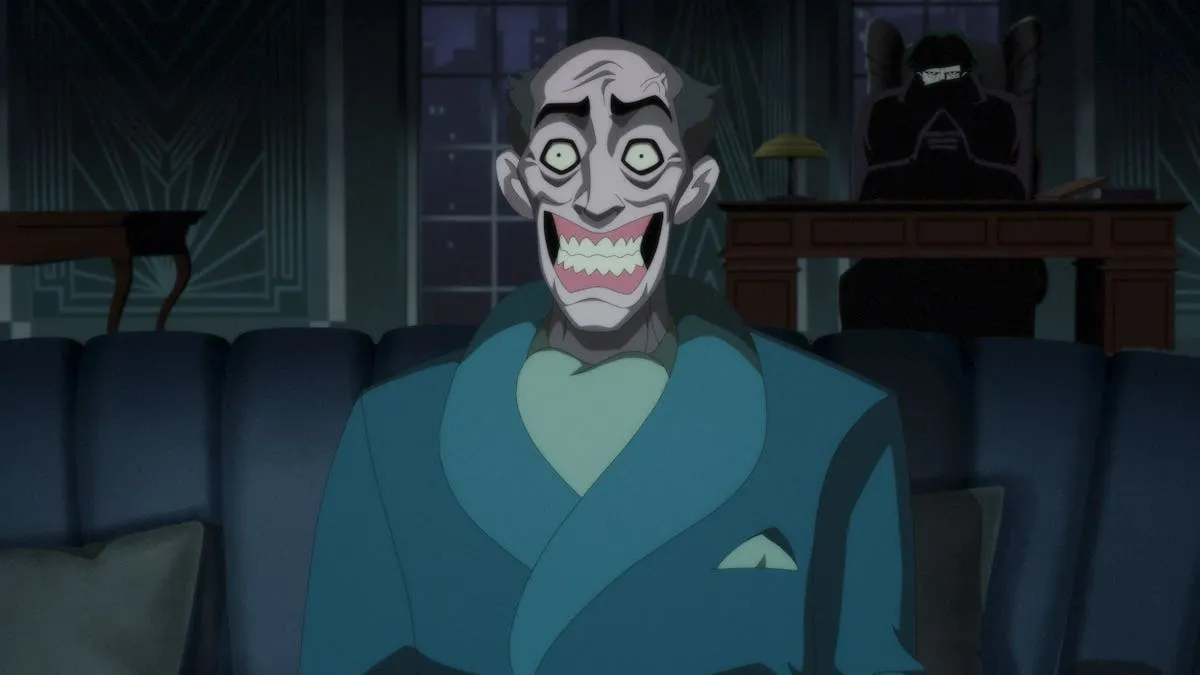
(SeaPRwire) -By: James Vance, Senior Columnist, International Tech & Entertainment Weekly We’ve been starved of new Batman content for two full years now. Live-action projects keep getting pushed further down DC’s production slate. The Batman Part II won’t hit screens until 2027, and The Brave and the Bold has barely any visible development progress. DC’s disjointed content pipeline has left millions of franchise fans with nothing to engage with for months. That gap was never supposed to be filled by a low-profile animated Prime Video series. Prime Video just confirmed Batman: Caped Crusader Season 2 will drop all 10 episodes on July 31. Prime Video The Bruce Timm-produced series reimagines Gotham as a 1940s noir world, with no ties to existing DC canon. First look teases show Hamish Linklater’s Batman will face reimagined Riddler and Roxy Rocket, plus new sidekick Carrie Kelley. Caped Crusader gets darker and twistier in Season 2. | Prime Video Leaked stills also hint at the Joker’s first appearance in the series. Prime Video locked in two seasons of the show before the first ever aired. They saw DC’s live-action production chaos coming long before fans did. This release will capture almost all the current Batman audience share with zero competing content. It will also set a new bar for how animated superhero titles can outperform their live-action counterparts. Mark your calendar for July 31, and skip the DC live-action rumor mill until then. This article is provided by a third-party content provider. SeaPRwire (https://www.seaprwire.com/) makes no warranties or representations regarding its content. Category: Top News, Daily News SeaPRwire provides global press release distribution services for companies and organizations, covering more than 6,500 media outlets, 86,000 editors and journalists, and over 3.5 million end-user desktop and mobile apps. SeaPRwire supports multilingual press release distribution in English, Japanese, German, Korean, French, Russian, Indonesian, Malay, Vietnamese, Chinese, and more.
More
Beyond the Impostor: How Paramount+ Turned a Wordless Mobile Game Into a Bloody Anti-Capitalist Satire Business

Beyond the Impostor: How Paramount+ Turned a Wordless Mobile Game Into a Bloody Anti-Capitalist Satire

(SeaPRwire) - By: James Vance, Senior Columnist, Tech WeeklyStreaming platforms face a massive IP crisis. They desperately need fresh content. Yet, adapting narrative-free video games is a huge gamble. Paramount+ just quietly released its *Among Us* animated series. This move highlights a major industry tension. How do you turn a simple lockdown party game into a structured show? The original game had no canon story. It relied entirely on player chaos. Now, Hollywood must convert mindless mobile interactions into premium television. It is a risky bet on pandemic nostalgia.Showrunner Owen Dennis tackles this challenge directly. He previously created the cult hit *Infinity Train*. For this project, he built an 11-character ensemble on the spaceship Skeld. The star-studded voice cast includes Elijah Wood and Yvette Nicole Brown. Randall Park voices the spaceship captain, Red. Kimiko Glenn plays Cyan, a spiritualist geologist. Dennis replaces the game's silent blobs with highly expressive characters. Their survival is short-lived. One crewmate dies horribly in each episode. The show delivers high body counts and plenty of animated viscera. It honors the game's brutal core mechanic.This adaptation succeeds by targeting corporate culture. Dennis injects a sharp critique of capitalist workplace exploitation. The Skeld crewmates are underpaid and undervalued. Their corporate employers simply do not care about them. This theme echoes sci-fi classics like *Alien* and *The Thing*. It grounds the cartoonish violence in relatable modern dread. Streaming platforms cannot rely on lazy brand recognition anymore. They must weaponize sharp, cynical subtext to keep viewers hooked. The era of literal game translations is officially dead. This article is provided by a third-party content provider. SeaPRwire (https://www.seaprwire.com/) makes no warranties or representations regarding its content. Category: Top News, Daily News SeaPRwire provides global press release distribution services for companies and organizations, covering more than 6,500 media outlets, 86,000 editors and journalists, and over 3.5 million end-user desktop and mobile apps. SeaPRwire supports multilingual press release distribution in English, Japanese, German, Korean, French, Russian, Indonesian, Malay, Vietnamese, Chinese, and more.
More
This 40-Year-Old Sci-Fi Flop Was Killed By The Challenger Tragedy, Not Bad Writing Business

This 40-Year-Old Sci-Fi Flop Was Killed By The Challenger Tragedy, Not Bad Writing

(SeaPRwire) - By: Alex Mercer, Silicon Valley Tech Director & Industry Geek Analyst Most 80s Star Wars imitators get written off as cheap, corny cash grabs. No one talks about the one that actually captured Star Wars’ real world cultural impact. SpaceCamp got labeled a box office failure the second it premiered. That take has been wrong for 40 straight years. The core premise of SpaceCamp is classic 80s family adventure. A group of kids at NASA’s official space camp sit in a real shuttle for a demo. An AI robot named Jinx misreads a sci-fi superfan’s offhand wish to go to space as an order. It fires the thrusters, sending the kids and their counselor into orbit with no return plan. The film is stuffed with intentional Star Wars nods, including a scene where a lead quotes “Use the Force” to calm a panicking young Joaquin Phoenix. SpaceCamp rockets teens (and their counselor Andie, played by Kate Capshaw) into space. | 20th Century Fox No audiences got to judge the film on its own merits in 1986. It premiered just months after the January 1986 Challenger shuttle explosion, a national tragedy that left the U.S. reeling from space-related grief. Marketing a lighthearted space shuttle adventure was functionally impossible in that climate. Disney even announced a TV remake of the property back in 2020, but no updates have surfaced since. The film’s reputation has never recovered from its terrible release timing. SpaceCamp holds up as one of the most earnest examples of 80s sci-fi’s ability to get kids excited about real world STEM. You can stream the full film for free right now on the Internet Archive. It’s a far better use of an evening than scrolling through half-baked modern sci-fi reboots. This article is provided by a third-party content provider. SeaPRwire (https://www.seaprwire.com/) makes no warranties or representations regarding its content. Category: Top News, Daily News SeaPRwire provides global press release distribution services for companies and organizations, covering more than 6,500 media outlets, 86,000 editors and journalists, and over 3.5 million end-user desktop and mobile apps. SeaPRwire supports multilingual press release distribution in English, Japanese, German, Korean, French, Russian, Indonesian, Malay, Vietnamese, Chinese, and more.
More
Javier Bardem’s Southern Giallo Nightmare: Why Apple’s Cape Fear Rewrite Is a Masterclass in Deconstruction Business

Javier Bardem’s Southern Giallo Nightmare: Why Apple’s Cape Fear Rewrite Is a Masterclass in Deconstruction

(SeaPRwire) - By: Alex Mercer, Tech Director & Industry Geek Analyst Javier Bardem’s Max Cady isn't just a villain; he is a structural fracture in the classic revenge thriller. This isn't a simple remake. It is a hostile takeover of the narrative. The showrunner, Nick Antosca, didn't just tweak the script; he dismantled the premise. The result is a "southern giallo" that feels less like a movie and more like a nightmare you can't wake up from. The official facts reveal a radical departure from the source material. Max Cady is exonerated and released. He targets Tom Bowden, the prosecutor, and Anna Bowden, his former defense attorney who is also Tom's wife. This changes the dynamic entirely. It moves from a simple legal revenge to a psychological siege of a couple's happiness. The Bowdens built their perfect life on his suffering. The showrunner cites inspiration from *The Curse* and *Cachet*, aiming for a visceral, stylized experience that honors the originals while completely rewriting their logic. This radical vision secured the blessing of Hollywood royalty. Martin Scorsese and Steven Spielberg are executive producers. They didn't just bless it; they guided it. The setting is Savannah, Georgia, returning to the roots of the 1962 film. The style is experimental, using inverted colors and split diopters. It feels like a nightmare after watching the originals. The production team used every tool in the cinematic toolbelt to create a haunting, humid atmosphere that defines this new subgenre. The streaming wars demand this kind of deconstruction. Apple TV+ isn't just buying content; they are curating a specific aesthetic. This show proves that legacy properties are ripe for subversion if the creative team has the guts. The industry landscape is shifting toward stylized, high-concept horror-thrillers that prioritize atmosphere over traditional plot points. This article is provided by a third-party content provider. SeaPRwire (https://www.seaprwire.com/) makes no warranties or representations regarding its content. Category: Top News, Daily News SeaPRwire provides global press release distribution services for companies and organizations, covering more than 6,500 media outlets, 86,000 editors and journalists, and over 3.5 million end-user desktop and mobile apps. SeaPRwire supports multilingual press release distribution in English, Japanese, German, Korean, French, Russian, Indonesian, Malay, Vietnamese, Chinese, and more.
More
Marvel’s Spider-Man Early Screenings: Desperation Play or Genius Move to End Its Box Office Slump? Business

Marvel’s Spider-Man Early Screenings: Desperation Play or Genius Move to End Its Box Office Slump?

(SeaPRwire) - Marvel’s latest move with Spider-Man: Brand New Day isn’t just a fan treat—it’s a desperate play to reverse its box office slump. The franchise has been struggling, and Avengers: Doomsday’s delay to December 18 (clashing with Dune: Part Three) leaves Brand New Day as 2026’s first MCU film. This isn’t just another movie; it’s the franchise’s last shot to reclaim its former dominance this year. Sony Pictures/Marvel Studios Brand New Day hits theaters July 31, 2026. It’s the first MCU release of the year. Avengers: Doomsday was pushed from May to December 18—same day as Dune: Part Three. That means Doomsday will face stiff competition, so Marvel is leaning hard on Spider-Man to carry the year. Spidey’s coming out of hibernation a few days early. | Sony Pictures/Marvel Studios Prime members get early screenings on July 29. Tom Holland’s last Spider-Man film, No Way Home, made nearly $2 billion worldwide. It’s been five years since that release, and fans are eager for more. Holland isn’t on Doomsday’s cast list—so this might be his only Spider-Man outing this year. Marvel’s box office slump has been persistent. They need a hit to get back on track. Spider-Man is their most beloved hero, so his fourth solo film is the perfect candidate. Early screenings can generate positive word-of-mouth before the official release, driving more ticket sales opening weekend. Amazon used early screenings for Superman to boost its performance, so Marvel is following a proven playbook. But does Brand New Day even need this? The film is already highly anticipated. Fans have waited half a decade for Holland’s return, and the movie stays closer to comic roots than previous MCU Spider-Man films. If Brand New Day’s early screenings drive it to a $1.5B+ box office, Marvel will double down on this strategy; if not, expect a major shake-up in their 2027 release plan. This article is provided by a third-party content provider. SeaPRwire (https://www.seaprwire.com/) makes no warranties or representations regarding its content. Category: Top News, Daily News SeaPRwire provides global press release distribution services for companies and organizations, covering more than 6,500 media outlets, 86,000 editors and journalists, and over 3.5 million end-user desktop and mobile apps. SeaPRwire supports multilingual press release distribution in English, Japanese, German, Korean, French, Russian, Indonesian, Malay, Vietnamese, Chinese, and more.
More
Escape from L.A.’s 4K Upgrade Turns Its Cringe VFX Into a Feature, Not a Bug Business

Escape from L.A.’s 4K Upgrade Turns Its Cringe VFX Into a Feature, Not a Bug

(SeaPRwire) -Archive Photos/Moviepix/Getty Images John Carpenter’s career superpower is not caring. It freed him to make the most deranged post-apocalyptic sequel ever, Escape from L.A. Thirty years later, the movie’s getting a 4K UHD SteelBook release. Instead of polishing its dated VFX, the upgrade cranks up their crude, silly charm. This isn’t a fix—it’s a celebration of Carpenter’s unapologetic chaos, the same energy that gave us Snake Plissken surfing a tsunami and paragliding into a fake Disneyland called Happy Kingdom. Escape from L.A. was Carpenter’s third team-up with Kurt Russell. They first worked together on Carpenter’s underrated Elvis TV biopic, then reunited for 1981’s cult classic Escape from New York. Carpenter hated Halloween II, calling it an abomination, so he avoided sequels—until Russell and Debra Hill pushed him hard. All three co-wrote the script, with Russell and Hill producing. The loose, improvisational vibe shines in every absurd scene, from high-stakes basketball to the tsunami surf stunt. When it hit theaters in 1996, Escape from L.A. flopped. It didn’t recoup its budget, killing plans for a third film, Escape from Earth. Critics were split: Variety dismissed it as a “cartoonish, cheesy, and surprisingly campy apocalyptic actioner.” But Roger Ebert defended it, giving three and a half out of four stars. He called it a go-for-broke extravaganza that satirizes and exploits the genre, with giddy delight in its absurd heights. Home media’s cult classic market is booming, and Paramount’s 4K SteelBook taps straight into that. Collectors crave physical releases to mark milestones, and the 30th anniversary is the perfect hook. Unlike Shout! Factory’s 2020 Blu-ray, which has extensive behind-the-scenes docs and interviews, the SteelBook’s main draw is the 4K upgrade. It makes the movie’s already dated VFX look even cruder—but that’s part of the appeal for fans who love its unpolished chaos. Escape from L.A. isn’t just a retro flick—it’s eerily prescient. Set in 2013, a year we now remember as early Obama-era cringe, the movie’s dystopia imagines Los Angeles as a prison colony. A 9.6 quake split it from the coast in 2000, and residents include people deported for violating morality laws from a televangelist-turned-president. Carpenter and co. nailed the vibe shift of religious-backed TV politicians, even if their red meat ban detail was off. Paramount’s 4K Escape from L.A. release will set a new bar for celebrating cult movie flaws as features. This article is provided by a third-party content provider. SeaPRwire (https://www.seaprwire.com/) makes no warranties or representations regarding its content. Category: Top News, Daily News SeaPRwire provides global press release distribution services for companies and organizations, covering more than 6,500 media outlets, 86,000 editors and journalists, and over 3.5 million end-user desktop and mobile apps. SeaPRwire supports multilingual press release distribution in English, Japanese, German, Korean, French, Russian, Indonesian, Malay, Vietnamese, Chinese, and more.
More