AI Rumors, Fracking Fallout, and RuPaul’s Campy Train Movie That Doesn’t Owe You Anything Business

AI Rumors, Fracking Fallout, and RuPaul’s Campy Train Movie That Doesn’t Owe You Anything

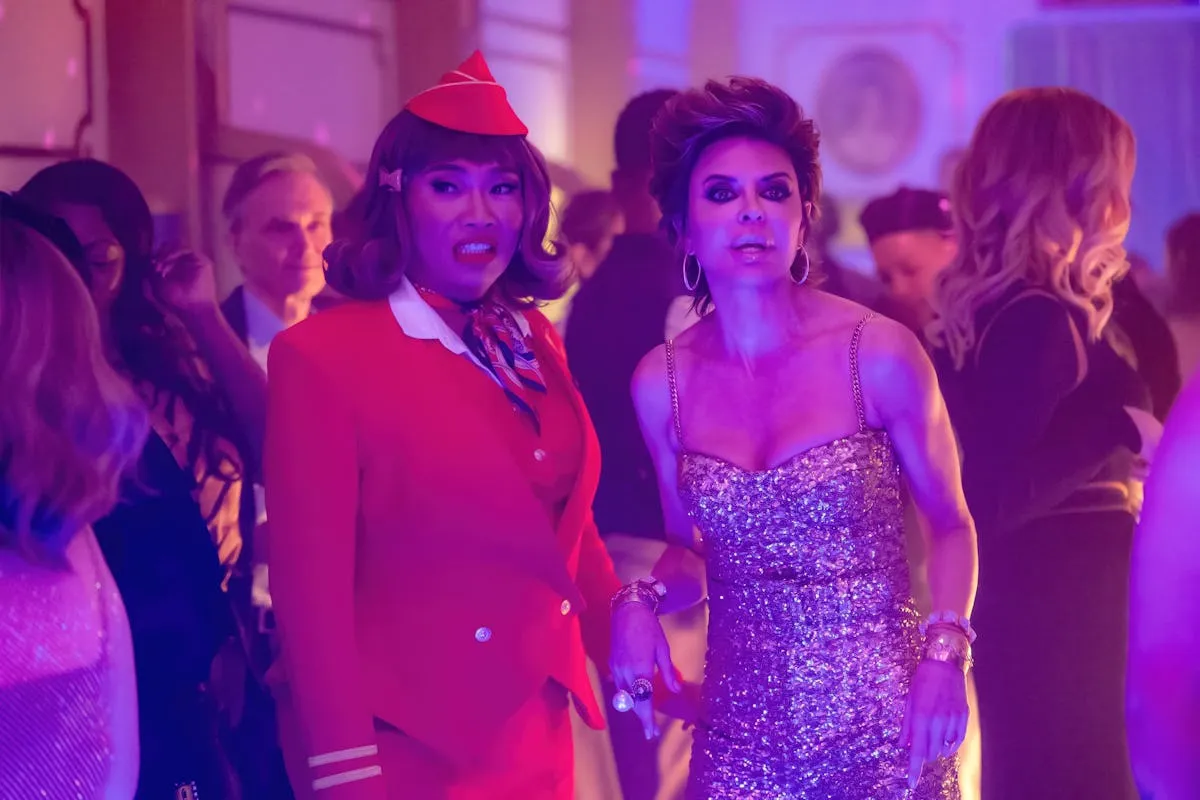
(SeaPRwire) - By: Silas Sterling RuPaul’s Drag Race universe movie Stop! That Train! got hit with generative AI rumors fast. The reason isn’t just a VFX company’s name. It’s the LGBTQIA+ community’s eroded trust in RuPaul, stemming from his fracking ties. Fans were quick to buy into the claim that AI was used in production. This isn’t just about AI; it’s about how past missteps make even silly rumors feel plausible. Director Adam Shankman denies the AI allegations. The confusion started with Acme AI & VFX, a partner whose name includes "AI." Even after watching the film, the titular train’s digital landscape shots look rough. The likely explanation? Human artists worked on a minimal budget and tight turnaround. That’s why those scenes look unpolished. It’s not AI—it’s classic Drag Race garishness, harking back to the show’s early, tape-held-together seasons. Stop! That Train! is a throwback to Zucker/Abrahams spoofs like Airplane! and Naked Gun. Its setup-punchline structure is identical, updated with modern pop culture digs: Lisa Rinna cameos, jokes about Lea Michele’s alleged illiteracy. Drag Race’s campy humor blends seamlessly with this nearly extinct comedy style. Queer culture invented camp, and this movie dives headfirst into that sandbox. Take the "PANIC" monitor gag: when the conductor is told not to panic, the screen flashes exactly that word. The community’s distrust didn’t just fuel the AI rumor. It’s also spawned takes that frame the movie as a must-see for LGBTQIA+ support. But that misses the point entirely. The film is designed for post-unlimited-mimosa brunch laughs with friends. Drag Race took 18 seasons to find drag performers who can act in a feature, and the cast delivers. Leads Jujubee and Ginger Minj bring grounded energy to their roles. Supporting stars like Sarah Michelle Gellar and Joel McHale lean into slapstick and silly puns, even repeating the best jokes shamelessly. Here’s the cynical truth: You don’t have to see Stop! That Train! to support the LGBTQIA+ community. And you don’t have to dismiss it because of RuPaul’s past. The movie is exactly what it wants to be—a dumb, campy spoof. If you get the Drag Race in-jokes (like the Detox reference), you’ll laugh. If not, you’ll probably leave confused. Either way, stop overcomplicating it. Stop! That Train! opens in theaters June 12 from Bleecker Street and World of Wonder. Author bio: Silas Sterling, veteran kernel contributor and editor-in-chief of an open-source security digest, explores tech’s intersection with subculture and community trust.
More
Warcraft’s $439M Flop Teaches Hollywood What Amazon’s Stargate Cancelation Won’t Admit Business

Warcraft’s $439M Flop Teaches Hollywood What Amazon’s Stargate Cancelation Won’t Admit

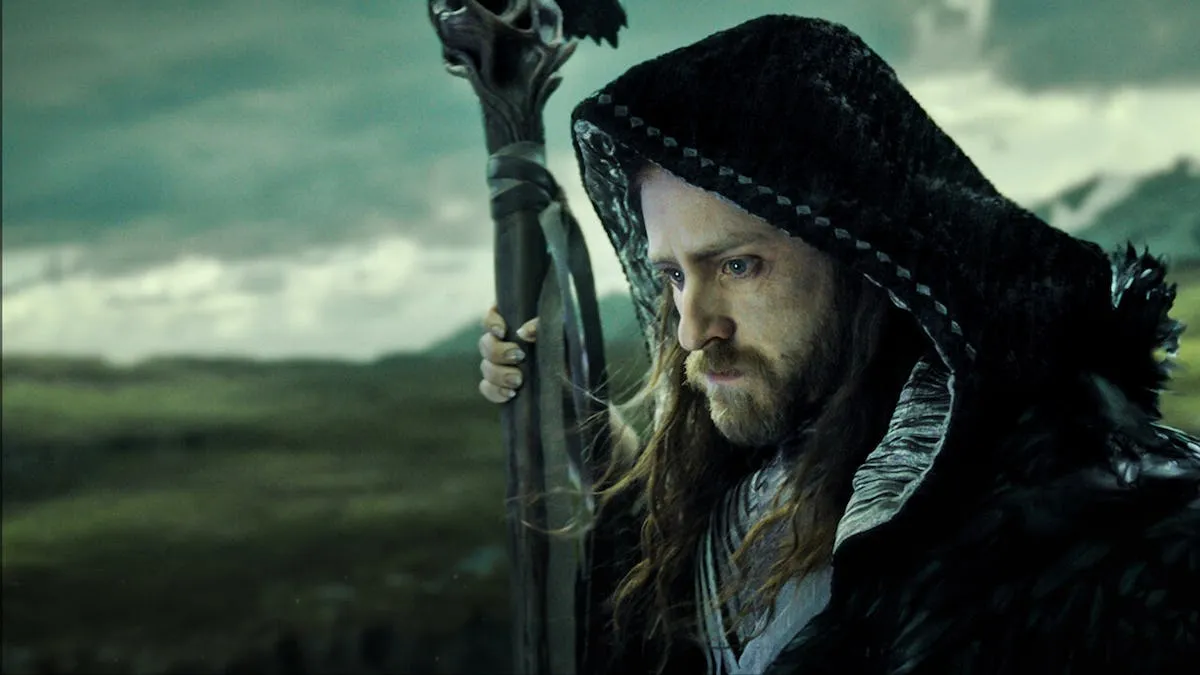
(SeaPRwire) - By: Oliver Hawthorne Amazon canceled its Stargate reboot months after unveiling it. The streamer said it only appealed to existing fans. That logic sounds absurd, but it exposes a brutal truth. Big-budget genre projects can’t survive on a narrow, passionate fanbase anymore. Warcraft’s 10th anniversary drives this point home. Duncan Jones directed Warcraft after Moon and Source Code. The movie leaned hard into franchise lore, naming characters like Anduin Lothar and Grommash Hellscream. Its dialogue was stiff, full of portentous lines that drained viewers. Even fans got a crash course in Orc-human conflict, but the film treated a simple premise like Shakespearean tragedy. CGI orcs often showed more emotion than human actors. It grossed $439 million, mostly overseas, but didn’t hit post-distribution profitability. Jones’ sequel was scrapped. Today, shows like Fallout and The Last of Us thrive by ditching excess lore. The best game movies are still Sonic flicks for kids and mediocre Mortal Kombat entries. Markiplier turned $3 million into $51 million with indie hit Iron Lung. Gaming franchises keep growing in value, but fans alone can’t fund $160 million productions. Studios have two choices: make small-budget indie projects that cater strictly to fans, or open up big-budget adaptations to non-fans. Diluting lore purity isn’t a choice—it’s a necessity for survival.
More
Close Encounters 48 Years Later: It’s Not a Classic—It’s a Lazy, Self-Indulgent Mess Business

Close Encounters 48 Years Later: It’s Not a Classic—It’s a Lazy, Self-Indulgent Mess

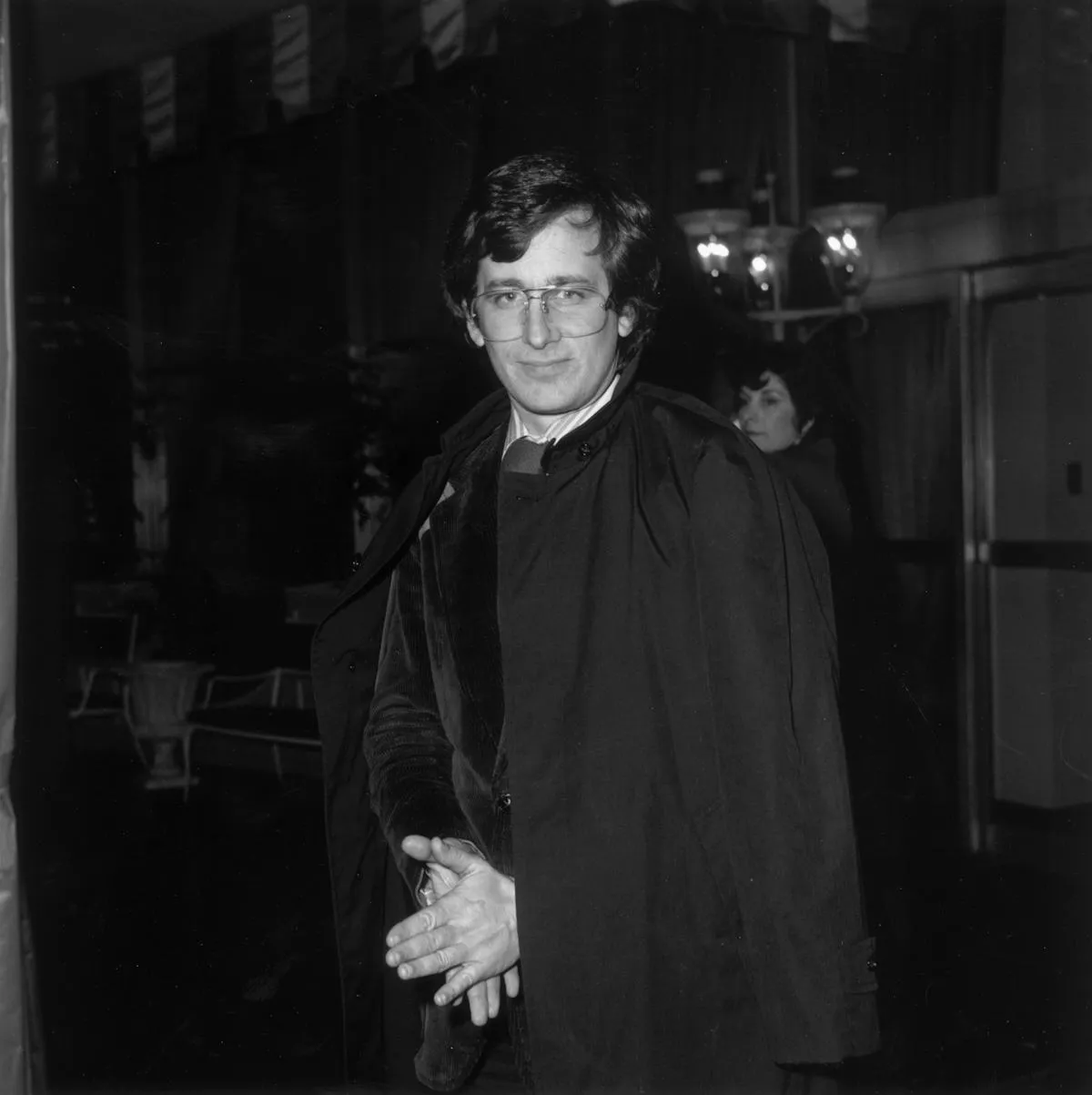
(SeaPRwire) -By: Silas Sterling Sunset Boulevard/Corbis Historical/Getty Images The 1978 Close Encounters hype machine cranked out endless thinkpieces for decades after its release. Fans framed it as a watershed for sci-fi emotional storytelling, blending paranoia with heartfelt wonder. But geek communities have quietly pushed back on that legacy for years. Even director Steven Spielberg’s later alien films—including the new Disclosure Day—are far more polished and coherent than this one. The cult classic label feels less like earned acclaim and more like a marketing construct we’ve all agreed to repeat. That’s the core of the critique that’s been bubbling under the surface of sci-fi fan discourse. Steven Spielberg in 1978. | Frank Edwards/Archive Photos/Getty Images The film’s first 30 minutes build a tense, global sense of UFO panic. Planes missing for decades reappear out of thin air. Strange lights dot skies across the world. Nations mobilize their militaries, on high alert for unknown contact. But the rest of the film falls apart fast. There’s no clear explanation for why the aliens are here, or what they want. Author Ursula K. Le Guin called out this flaw back in 1978, saying sci-fi needs to follow through on its core ideas. Close Encounters just vibes along without any meaningful narrative throughline. Lead character Roy Neary is unlikable from the very first scene. He’s a disgruntled dad who becomes obsessed with flying saucer sightings. He abandons his wife and three kids without a second thought. The film never holds him accountable for his selfish choices. Jillian, the single mom he befriends, is even more underdeveloped. She abandons her own young son to snap photos of the alien craft, with no real explanation for why she makes that choice. The film uses her as a cheap plot device to prop up Roy’s obsession. Modern Hollywood still leans into this exact kind of nostalgic sci-fi hype to drive box office re-releases and remakes. Author Jack Womack detailed this shift in his 2017 book Flying Saucers Are Real! He noted UFO culture faded significantly by the early 21st century. The film’s obsession with camera documentation feels especially dated now. In 1978, it might have felt like a realistic touch. Today, everyone has a camera in their pocket, so that bit falls flat. Even the film’s strong technical points can’t save its messy narrative. The score is wonderful, and every actor is spot-on. But the story makes no logical sense. The character of Jillian is not Roy’s wife. But if you’d never seen the movie, you might think she was! | Columbia Pictures/Entertainment Pictures/ZUMA Press Wire/Shutterstock We romanticize 70s sci-fi to cling to a nostalgic version of geek culture. We forgive flaws because the film came from a time when sci-fi was still finding its mainstream footing. Close Encounters’ flaws aren’t just dated—they’re fundamental. It’s a lazy, self-indulgent mess that only works because of the era it was released in. If it dropped today, it would get torn apart by fan discourse and critical reviews alike. The real takeaway is that classic status is just a story we tell ourselves to feel better about our childhood favorites. Author bio: Silas Sterling, veteran kernel contributor and editor-in-chief of an open-source security digest.
More
20 Years On, Doctor Who’s Overlooked Cosmic Horror Arc Outshines The Cult Classic It’s Supposedly Ripping Off Business

20 Years On, Doctor Who’s Overlooked Cosmic Horror Arc Outshines The Cult Classic It’s Supposedly Ripping Off

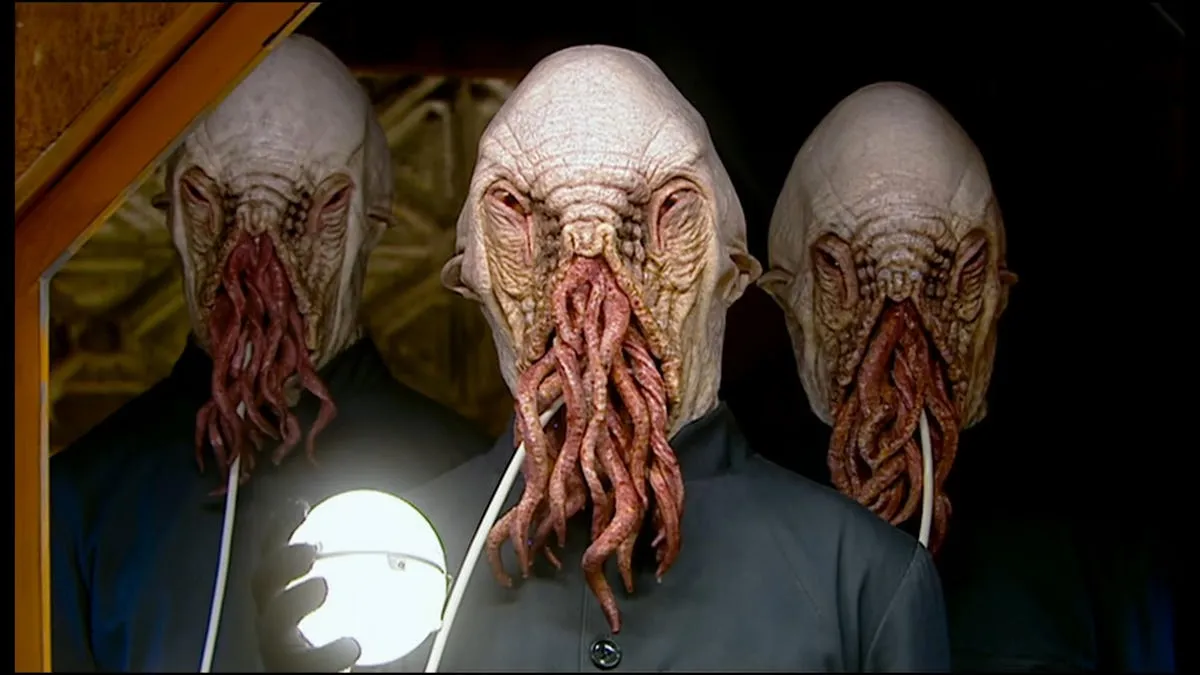
(SeaPRwire) -By: Silas Sterling If you’ve hung around Doctor Who fan circles long enough, you’ve heard the common take. The 2006 Impossible Planet/Satan Pit two-parter is just a cheap, kid-friendly ripoff of 1997’s Event Horizon. That take blew up on Reddit last week, right as AMC+ announced it would add the 2005-2022 run of the show to its library. Most fans writing the arc off haven’t rewatched it in years, and they’re missing all its best, most thoughtful qualities. BBC The two episodes aired June 3 and June 10, 2006, starring David Tennant as the Doctor and Billie Piper as Rose Tyler. They land on a remote sanctuary base built on a planet impossibly orbiting a black hole. The skeleton crew there has been drilling miles deep to find the gravity source keeping the planet intact. Strange malfunctions hit the base first, as the squid-like Ood workers begin spouting cryptic demonic messages. Cthulu, is that you? | BBC The Ood’s Cthulhu-adjacent design and slow-burn eldritch dread are clear nods to Lovecraftian horror, much like Event Horizon. The episodes skip the excessive gore that defined Paul W.S. Anderson’s cult film, though. The real standout comes in the second half, when the Doctor and science officer Ida have a quiet, sharp conversation about the nature of evil and religious mythology. That kind of thoughtful beat is totally absent from Event Horizon and its other copycats. The lazy comparison to Event Horizon does this Doctor Who arc a real disservice. Event Horizon’s reputation for over-the-top, exploitative gore turns off a lot of viewers who would love this story. AMC+ is leaning into the horror riff angle in its promos for the June 11 drop, using clips of the possessed Ood to draw in casual horror fans. The platform’s standard $8.99 monthly tier is the only way to stream the 2005-2022 run legally in the U.S. right now, for anyone who wants to revisit the arc. Fans don’t need streaming service marketing teams or hot take posters to tell them what’s worth watching. If you only sign up for AMC+ to check out the so-called “Event Horizon for kids” arc, you’re wasting a chance to dig into dozens of other underrated Doctor Who genre experiments that hold up better than most modern horror films. Author bio: Silas Sterling, veteran kernel contributor and editor-in-chief of an open-source security digest, who also covers sci-fi media subculture.
More
Why The Social Network Sequel Feels Pointless—Until You See Jeremy Strong’s Zuckerberg Business

Why The Social Network Sequel Feels Pointless—Until You See Jeremy Strong’s Zuckerberg

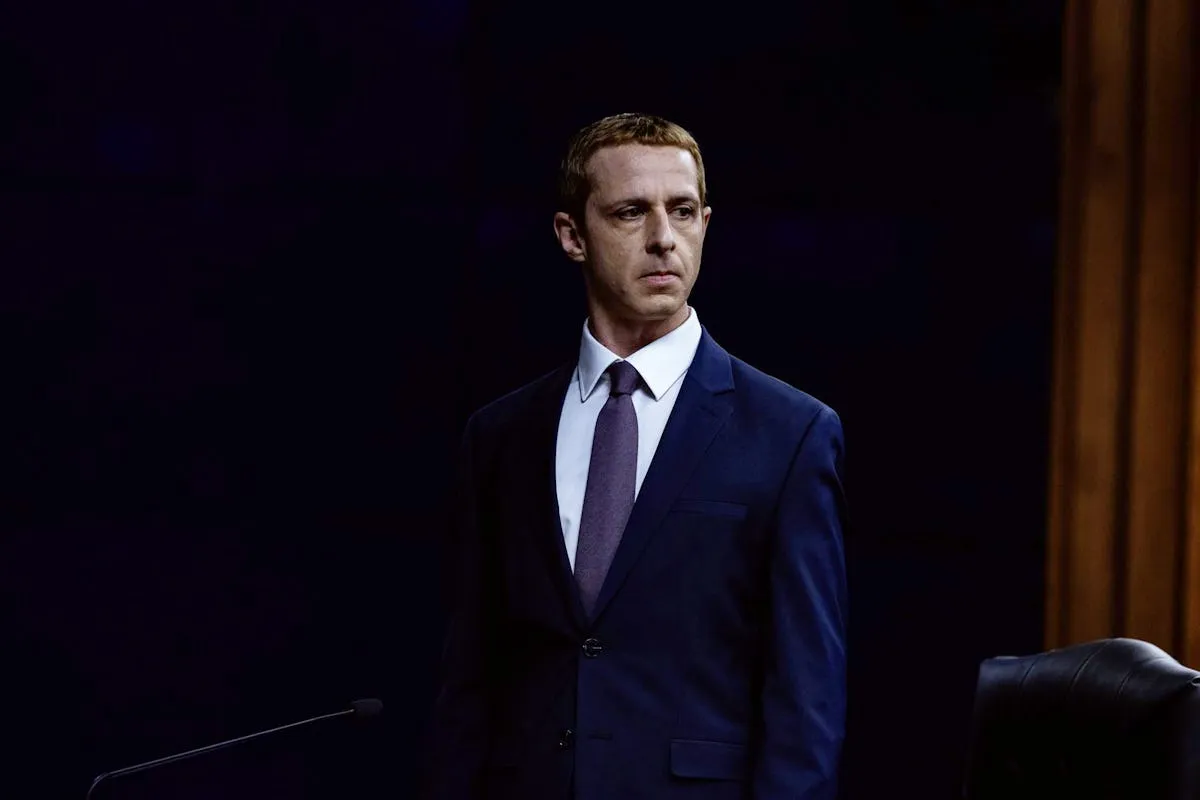
(SeaPRwire) -By: Oliver Hawthorne Sony Pictures We’re already living the sequel to The Social Network. Every scroll through Facebook’s toxic feeds is a scene from that story. Every headline about misinformation drives the point home. The 2010 film nailed the social media boom’s early chaos. It even foreshadowed Zuckerberg’s fall from grace. So why does Aaron Sorkin think we need a movie version of what we’ve lived? That’s the core contradiction here. Sorkin’s sequel, The Social Reckoning, splits its timeline. Half follows Jeremy Strong’s Zuckerberg defending his company against Facebook Files accusations. The other tracks journalist Jeff Horwitz, played by Jeremy Allen White, and whistleblower Frances Haugen, portrayed by Mikey Madison. They dig up Facebook’s most guarded secrets, in a style borrowed from All the President’s Men. The original relied on deposition drama. This one leans into investigative tension. Sorkin can’t replicate David Fincher’s icy unease. But he’s leaning into his strengths: courtroom intrigue and sharp, eloquent rants. IP obsession is why this sequel exists. But Sorkin made one smart call: casting Jeremy Strong. Strong’s Zuckerberg feels like a natural evolution from Jesse Eisenberg’s version. You can see how the awkward founder grew into the narcissistic leader we know. His performance alone might make the ticket price worth it. The Social Reckoning hits theaters October 9. It won’t fix Facebook’s problems, but it might make us stop scrolling long enough to care. Author bio: Oliver Hawthorne, Principal Correspondent at Tech Global Review, covers tech culture and media intersections from Silicon Valley.
More
Super 8’s Fatal Flaw: It Chased Alien Hype Instead Of Its Real 80s Spielberg Magic Business

Super 8’s Fatal Flaw: It Chased Alien Hype Instead Of Its Real 80s Spielberg Magic

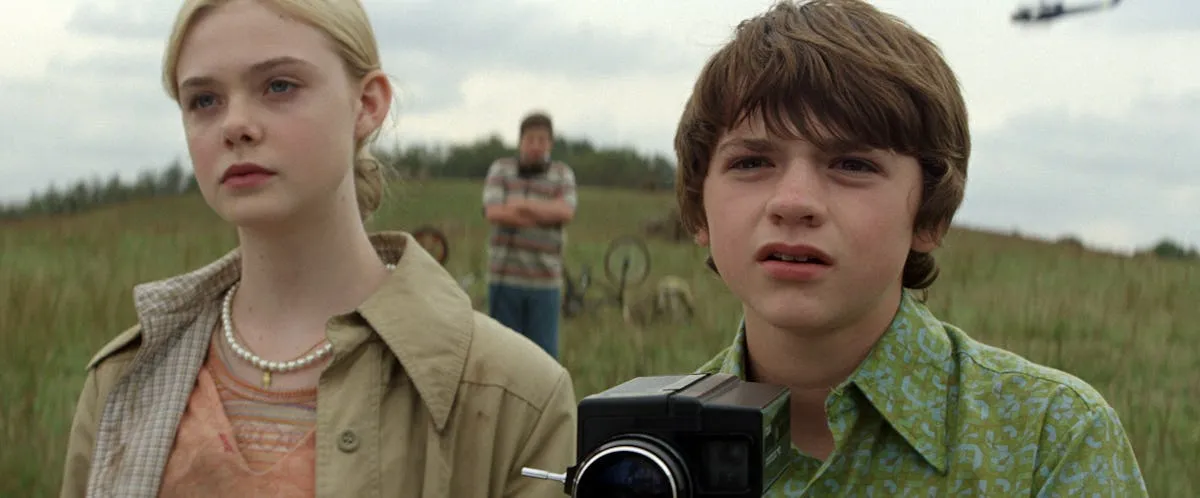
(SeaPRwire) -By: Silas Sterling Paramount Pictures This year marks the 15th anniversary of 2011’s Super 8, and its marketing leaned entirely into its alien threat. Fan forums lit up with debates about the monster’s design and train crash set piece. Early opening-weekend word of mouth never matched the hype. Most viewers walked away talking about the kids, not the extraterrestrial. Set in 1979 Ohio, Super 8 follows 14-year-old Joe mourning his mom’s accidental factory death. He joins his friend Charles’ zombie movie project, using a Super 8 camera. Charles casts Alice, Elle Fanning’s breakout role, and Joe and Alice grow close. Their bond is complicated because Joe’s mom died covering for Alice’s hungover father at the plant. Spielberg produced the film, though Abrams directed, and his signature tone shines through. The alien elements feel tacked on, even with Abrams’ clear love for 80s Amblin. The train derailment is a stunning set piece, but the alien’s motivations never land as hard as the kids’ drama. The Air Force colonel’s conspiracy feels generic, not a natural fit for the small Ohio town. The alien design even echoes Cloverfield, though the two films are unrelated. None of the alien genre elements are outright bad, but they feel like a distraction from the far more engaging human story. Fans who came for the alien thrills left underwhelmed. The film grossed over $250 million worldwide, but its legacy is tied to the coming-of-age story, not the monster. The full zombie movie The Case plays during the end credits, and it’s actually quite charming. Even Spielberg’s new film Disclosure Day, out this weekend, can’t match the depth of Joe, Alice, and Charles. Super 8 is now streaming on Kanopy and Hoopla, with VOD rental options everywhere. At the end of the day, Super 8 proves that even when you nail the aesthetic and marketing hook, you can’t fake core human connection. Studios still chase flashy genre beats to drive box office, but the best stories stick with audiences because of their characters, not their monsters. Author bio: Silas Sterling, veteran kernel contributor and editor-in-chief of an open-source security digest.
More
Whalefall: Reviving Ocean Horror with Ancient Tale Twist Business

Whalefall: Reviving Ocean Horror with Ancient Tale Twist

(SeaPRwire) - By: Oliver Hawthorne The ocean horror genre has seen many films. But fresh ideas are rare. Then 'Whalefall' comes. It uses the old Jonah and whale story. Austin Abrams is Jay, a diver looking for his dad's remains. Caught in a squid's tentacles, then swallowed by a sperm whale. Jay has 1 hour of oxygen left. Real science aids his survival. 'Whalefall' hits theaters Oct 16. Author bio: Oliver Hawthorne, Principal Correspondent at an international technology review, focusing on entertainment industry trends.
More
Parsons’ Aperture: How a 20-Year-Old Just Became Hollywood’s Only Hope for Portal Business

Parsons’ Aperture: How a 20-Year-Old Just Became Hollywood’s Only Hope for Portal

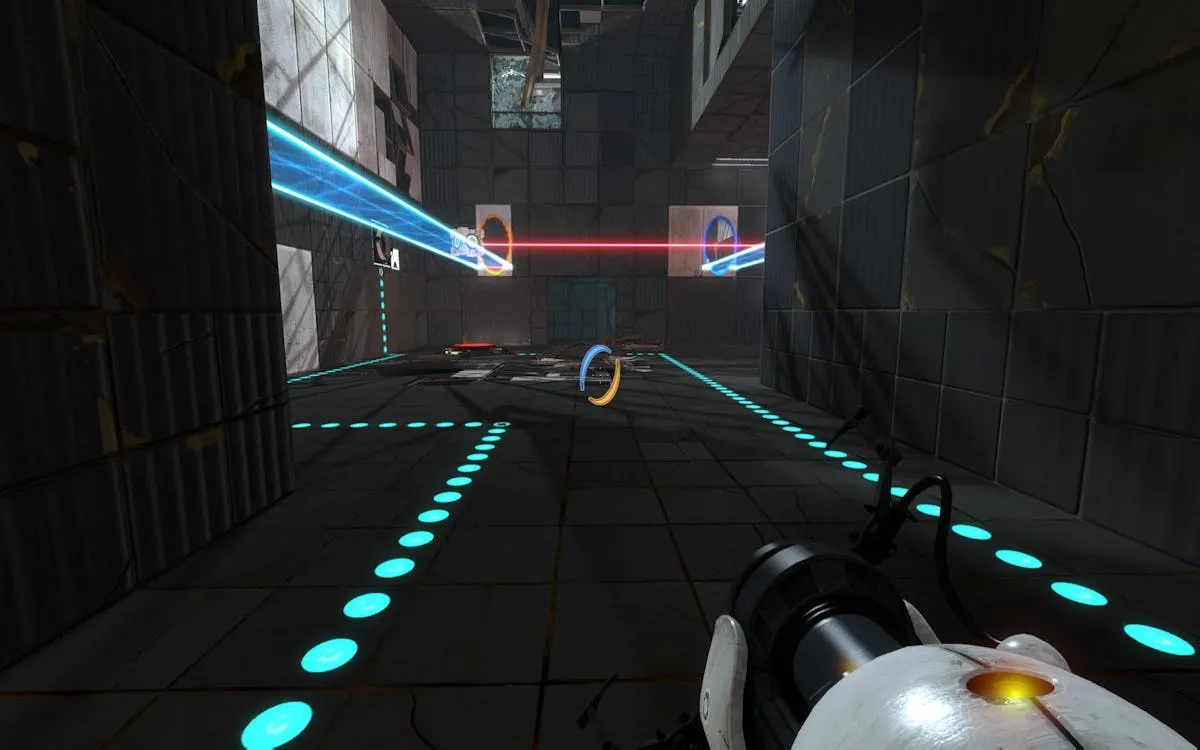
(SeaPRwire) -By: Lucas Caldwell Valve Hollywood’s decade-long failure to adapt *Portal* is a masterclass in corporate creative paralysis. The industry has been trying to bring the Portal Gun to the big screen for over a decade now. Talks started in 2013 between Valve’s Gabe Newell and J.J. Abrams. A script was being written at Warner Bros. by 2021. Then, silence. The project is either canceled or in development hell. This is the official release fact. The subtext is a studio system terrified of a puzzle-box narrative with a silent protagonist, unable to monetize its genius. Now, a 20-year-old filmmaker has casually declared interest. Kane Parsons, fresh off *Backrooms* becoming A24’s highest-grossing film at $216.3 million, cited *Portal 2* as a massive influence. The unnerving corporate sprawl and crude murals of Aperture Science directly shaped his hit film’s aesthetic. This is the second half of the fact. The industry subtext is a generational power shift. A director who grew up *inside* the game’s liminal spaces understands its language better than any legacy producer. The game’s core is environmental dread. You play Chell, forced by GLaDOS to complete tests with a portal gun. The story unravels the grisly history of the lab through decay and implication. Parsons’ work on YouTube and film shows a knack for crafting unnerving, explorable spaces brimming with mysterious history. He doesn’t need to retell Chell’s story. He could follow any of GLaDOS’s countless other test subjects. This flexibility is a feature, not a bug. The macro-industry game theory is clear. Legacy Hollywood’s adaptation model is broken, chasing IP without understanding its soul. It relies on star directors and safe formulas. Meanwhile, a new wave mines game aesthetics for original horror, as *Backrooms* proved. The commercial loop here is about authenticity over brand slapping. A studio could hand the keys to Parsons for relative pennies compared to a blockbuster budget. The audience is already primed for this synthesis. They’ve lived in these spaces. The ultimate industry end-game isn’t another stalled franchise. It’s a generation of creators who are native to these worlds, bypassing the gatekeepers who failed for 13 years. They will build the adaptations, or they will build something better that makes the adaptations irrelevant. Parsons directing *Portal* isn’t just a good idea; it’s the only one left that doesn’t reek of corporate decay. Hollywood has been trying to bring the Portal Gun to the big screen for over a decade now. | Valve There’s already an unnatural labyrinthine feel to the Portal games that’s reminiscent of Backrooms. | Valve Author bio: Lucas Caldwell, a tech opinion leader with millions of followers on X/Twitter, dissecting the collision of gaming culture, platform economics, and next-gen media.
More
Hugh Jackman’s Pirate Redemption: Why Ridley Scott Is Betting on a Long John Silver Reset Business

Hugh Jackman’s Pirate Redemption: Why Ridley Scott Is Betting on a Long John Silver Reset

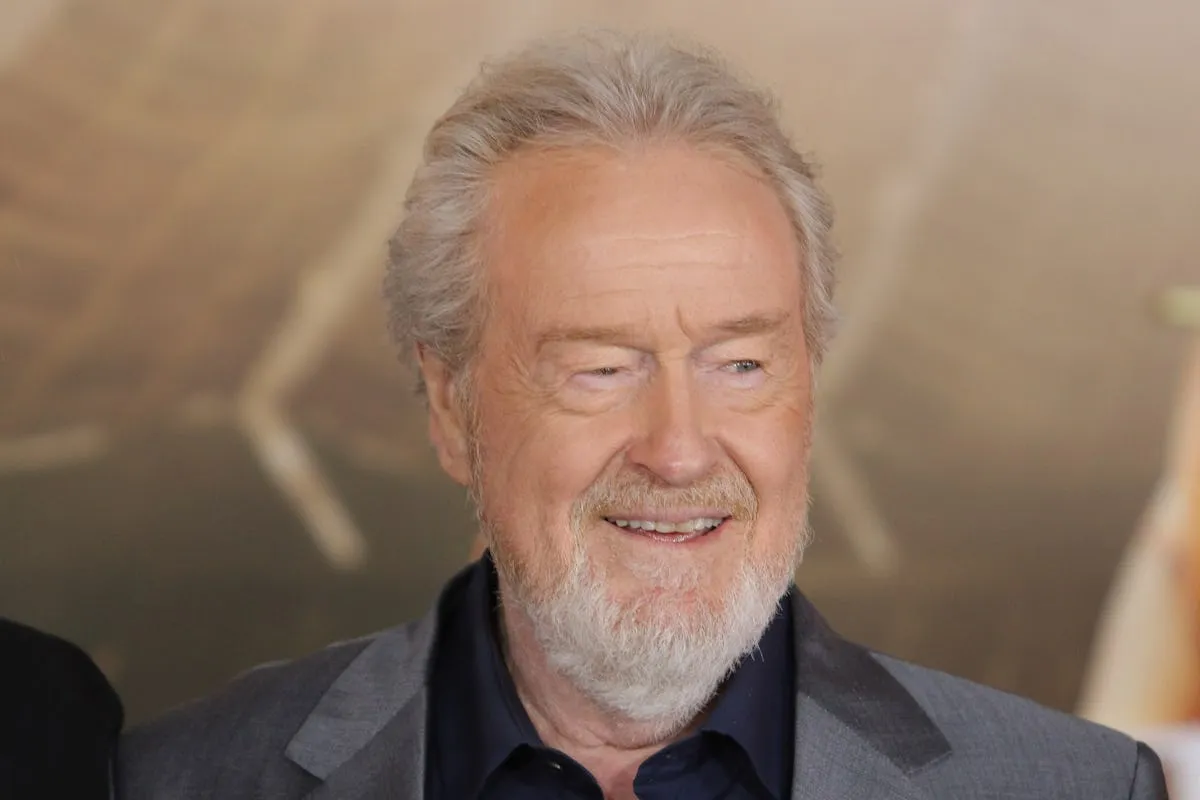
(SeaPRwire) - By: Lucas CaldwellHollywood loves a do-over, especially when a star’s previous attempt at a genre classic lands with a thud. Hugh Jackman’s turn as Blackbeard in 2015’s *Pan* remains a textbook example of mismanaged ambition. It was a chaotic, scenery-chewing performance in a film that failed to find its footing. Most audiences have spent the last 11 years trying to scrub that particular memory from their minds. Now, Jackman is stepping back onto the deck. He is trading the garish wigs of Neverland for the gritty, high-stakes world of Robert Louis Stevenson’s *Treasure Island*.The project comes from the lens of Ridley Scott, a director who rarely shies away from heavy-hitting source material. Jack Thorne, known for his work on *Adolescence* and *Lord of the Flies*, is handling the script. The film promises a "new take" on the classic pirate novel. Jackman is officially cast as the legendary Long John Silver. He will be hunting for a massive cache of loot across the high seas. This isn't just another swashbuckling adventure for the family. The creative team is aiming for a much darker, more grounded interpretation of the source material.Industry chatter suggests this version will lean into the rivalry between Silver and the young Jim Hawkins. While most adaptations keep the camera glued to Hawkins, Scott and Thorne are shifting the focus. By centering the narrative on Silver, they open the door for a morally ambiguous, complex character study. Think less of the whimsical *Treasure Planet* and more of the brutal, political maneuvering seen in Starz’s *Black Sails*. It is a pivot toward prestige television sensibilities, applied to a feature-length film format. The goal is to reclaim a story that has been diluted by endless, often mediocre, retellings.*Treasure Island* has become a victim of its own ubiquity. It is the skeleton key for countless other stories, from the Muppets to recent *Star Wars* entries like *Skeleton Crew*. The narrative foundation is so familiar that it often feels like a trope rather than a classic. Scott is attempting to strip away the layers of parody and nostalgia. He wants to find the raw, dangerous core of Stevenson’s original text. It is a high-risk move. Audiences are often wary of "reimagined" classics that feel like they are trying too hard to be edgy.The commercial success of this gamble depends entirely on the execution of the Silver character. If Jackman can shed the cartoonish villainy of his past pirate roles, he might anchor this film effectively. The industry is watching to see if Scott can turn a tired frame of reference into a compelling, standalone cinematic event. There is no release date yet, but the production is already generating significant buzz. The bar is set low by the failures of the past, which might actually be the project's greatest advantage.Ridley Scott’s commitment to a darker, character-driven pirate epic will likely redefine the genre’s ceiling for the next decade.Author bio: Lucas Caldwell, a tech opinion leader with millions of followers on X/Twitter, specializes in dissecting media trends, digital content strategy, and the intersection of legacy IP and modern streaming.
More
‘Twin Peaks’: Why Its Controversial Finale Remains a Cultural Touchstone Business

‘Twin Peaks’: Why Its Controversial Finale Remains a Cultural Touchstone

(SeaPRwire) - By: Logan Pierce " Twin Peaks" has long been a cultural phenomenon, captivating audiences with its blend of mystery, drama, and surrealism. The show's second season finale, "Beyond Life or Death," left viewers divided and remains a topic of discussion to this day. The episode's dark, cryptic style was a departure from the soap-opera aspects that some fans had come to love. It raised more questions than it answered, splitting the fan base into two camps: those who appreciated it as an auteur work and those who preferred the show's more accessible elements. Despite the controversy, "Beyond Life or Death" is a crucial cultural turning point. It showcases David Lynch's unique vision and willingness to push the boundaries of television storytelling. The episode's fractured and dreamlike mood, combined with its unforgettable performances, make it a standout in the series. In the end, "Twin Peaks" is not just a TV show; it's a David Lynch masterpiece. And the controversial finale of Season 2 is a testament to his enduring influence on the world of television. Author bio: Logan Pierce, independent business researcher and corporate governance writer.
More
Auctioning the TARDIS: The Brutal Business Reality Behind Doctor Who’s Sudden Collapse Business

Auctioning the TARDIS: The Brutal Business Reality Behind Doctor Who’s Sudden Collapse

(SeaPRwire) - By: Christian Pierce Global entertainment franchises are hitting a severe distribution bottleneck. The streaming wars have transitioned from aggressive expansion to aggressive cost-cutting. Legacy media brands can no longer rely on domestic licensing fees to survive. Production costs for premium sci-fi have ballooned beyond the reach of public broadcasters. This creates a structural deficit that traditional television cannot bridge. The market is saturated with high-budget fantasy. Audiences are suffering from franchise fatigue. Traditional broadcasting models are failing to capture younger viewers. Advertisers are fleeing linear television for targeted digital platforms. Legacy intellectual property is losing its commercial leverage. The BBC has plunged its flagship franchise into an indefinite hiatus. Doctor Who will not return in 2026. The previously promised 2026 Christmas special is officially dead. Showrunner Russell T Davies is stepping down again. Davies confirmed on Instagram that no script was ever written. No actor was ever approached for the next Doctor. Instead, the BBC is putting the series out to competitive tender. This move follows the collapse of the now-defunct Disney+ partnership. The broadcaster is actively searching for a new producing partner to reboot the franchise. This sudden freeze halts a continuous 21-year production run. Since 2005, the modern series spanned 15 seasons and eight canonical Doctors. Now, the TARDIS sits in complete limbo. The competitive tender process reveals a deeper commercial reality. Publicly funded media cannot compete with private tech capital. The Disney+ exit proved that licensing deals without equity are dead ends. To save the brand, the BBC must surrender significant IP control. A traditional broadcasting model cannot sustain modern VFX demands. The next partner will demand full global distribution rights. Legacy networks must accept their new role as junior partners to big tech. Co-production is no longer a viable middle ground. Global platforms want total ownership of the viewer relationship. The era of public broadcasters controlling global sci-fi is over. Author bio: Christian Pierce, a chief financial columnist and markets commentator specializing in media mergers, intellectual property valuation, and the shifting economics of global streaming platforms.
More
The Furious Is the Ultimate Stress Test for Generative AI Business

The Furious Is the Ultimate Stress Test for Generative AI

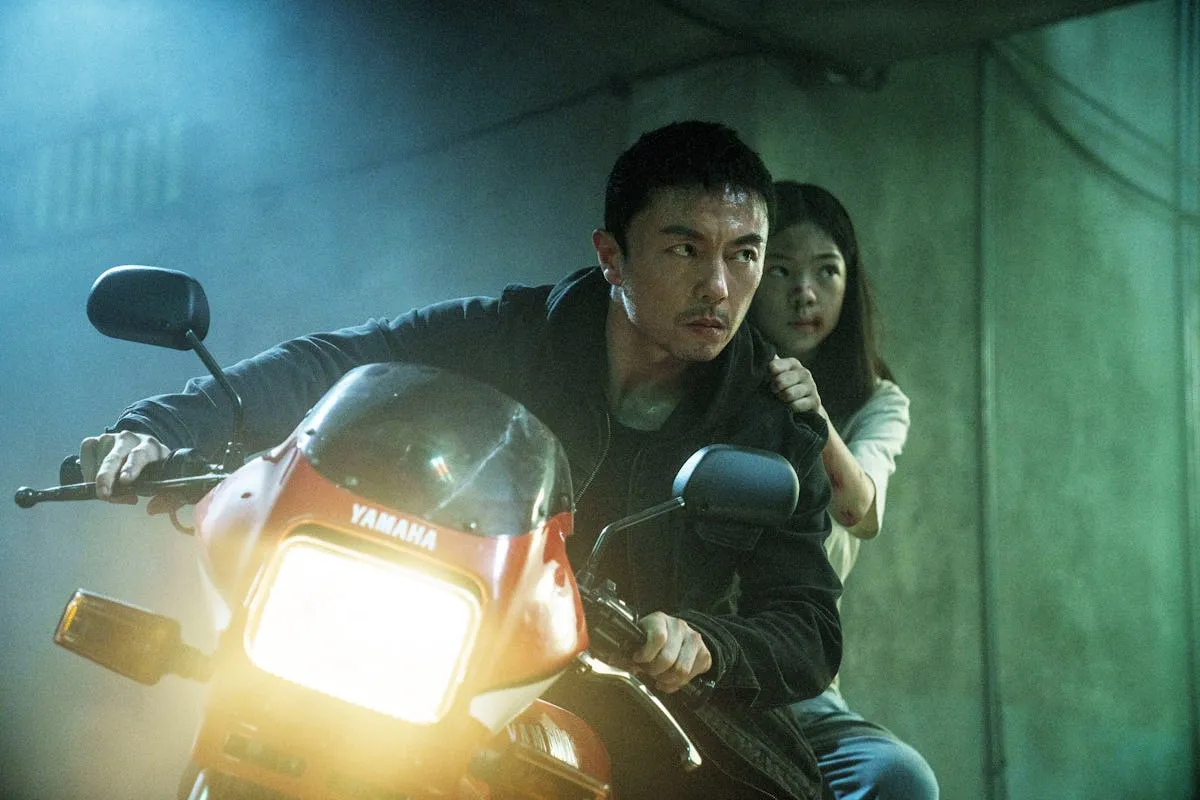
(SeaPRwire) -By: Nathaniel Cross Generative video models claim to simulate reality. They fail at physics. *The Furious* exposes this failure. It proves high-velocity combat requires biological consequence. You cannot fake the exhaustion of a fifteen-minute fight. Director Kenji Tanigaki understands this. He built a system on human limits. The result is kinetic energy no diffusion model can touch. Lionsgate Synthetic media promoters claim digital avatars will replace stunt performers. Look at the roster. Joe Taslim, Xie Miao, Brian Le, Yayan Ruhian. These are distinct physical architectures. Taslim brings Indonesian precision. Ruhian adds the chaotic variable of *The Raid*. A model might hallucinate a script. It cannot replicate the gravity of Ruhian’s style. The "Olympics of ass kicking" relies on biological agents. Brian Le (L) and Xie Miao (R) in The Furious. | Lionsgate The narrative involves a Deaf handyman and a journalist. It is messy. Wang Wei uses a wooden palette against thugs. Dollar bills rain in a nightclub. This is unstructured data. AI optimizes for clean outputs. Tanigaki’s film optimizes for visceral impact. The violence is a structural failure of the human body. That friction is uncomputable. Blood and mud. | Lionsgate As we move toward generative Hollywood, films like *The Furious* will become premium artifacts. They represent proof-of-work for human performance. The industry will bifurcate. One side will be cheap AI slop. The other will be expensive, dangerous, biological spectacle. The latter holds the only real value. Author bio: Nathaniel Cross, a former Lead AI Research Scientist and decentralized protocol pioneer.
More
Scary Movie 6 Hit Theaters This Week – But This Dated Franchise Should’ve Stayed Dead Business

Scary Movie 6 Hit Theaters This Week – But This Dated Franchise Should’ve Stayed Dead

(SeaPRwire) -By: Christian Pierce The core problem with Scary Movie 6 isn’t that it’s offensive. It’s that it’s completely irrelevant to what modern audiences want from parody comedy. Hollywood has been craving more comedy hits for years, but retreading 20-year-old gags misses the mark entirely. Studios keep digging up dead franchises for cheap nostalgia plays, and audiences are growing tired of the low-effort cash grabs. The first Scary Movie pulled in $278 million at the box office when it launched as a Scream parody. It spawned five sequels, plus a wave of low-quality parodies like Epic Movie and Disaster Movie before the trend died in the early 2010s. Thirteen years after Scary Movie 5, the new installment brings back the Wayans Brothers, who were pushed out of the franchise by the Weinstein Company after the second film. Its plot leans heavily on the Scream 5 reboot, with throwaway gags at recent horror hits like Get Out and Longlegs that don’t dig into modern horror’s actual evolution. Most of its jokes rely on tired toilet humor and cheap shots at the LGBTQ+ community, a style that felt dated even in 2007. The only bright spot is Anna Faris, who still retains her sharp slapstick comedic edge. In the 13 years since the last installment, the franchise has unfortunately not grown up a day. | Paramount Pictures Anna Farris, however, has not lost a bit of her slapstick comedic edge. | Paramount Pictures Modern parody films have already moved past the broad, scattershot humor Scary Movie relies on. Recent hits like The Blackening, Weird: The Al Yankovich Story, The People’s Joker, and last year’s The Naked Gun update the genre with fresh, specific takes that resonate with current audiences. If Scary Movie 6 turns a profit, more sequels will follow. The Wayans Brothers would do well to study what’s working in modern parody, instead of leaning on jokes that stopped landing a decade and a half ago. Scary Movie 6 is currently playing in theaters. Author bio: Christian Pierce, chief financial columnist and markets commentator covering entertainment industry IP performance and consumer trend shifts.
More
The Sci-Fi Epic That Tried To Build A Galactic Franchise Platform Just Got Its Long-Overdue 4K Redemption Business

The Sci-Fi Epic That Tried To Build A Galactic Franchise Platform Just Got Its Long-Overdue 4K Redemption

(SeaPRwire) - By: Ethan Gallagher Let’s get this straight: The Chronicles of Riddick wasn’t a box office flop because it was bad. It was a flop because Hollywood tried to turn a lean, mean B-movie into a mass-market platform overnight, just like so many tech startups today. Official facts first: Most fans don’t even know Riddick’s first name is Richard, a detail the 2004 film never lingers on. This is the only Riddick film directed by David Twohy with a $100M+ budget. It failed to double its worldwide box office take. Critics compared it to Battlefield Earth, a legendary sci-fi flop from three years prior. Twohy first pitched the ambitious sequel two years before release, but Universal greenlit it only after Lord of the Rings and Star Wars proved big sci-fi franchises could print money. The industry subtext here is that Universal forced Twohy to scale up a small, tight story into a galactic empire to hit franchise notes. The film blends Dune’s mythos and D&D’s worldbuilding, since Vin Diesel is a known D&D nerd. It introduces the Necromonger Empire, a religious fanatic army that worships the Underverse. It ties Riddick’s Furya origins to a prophecy that he’ll kill their leader, the Lord Marshal. It even includes rare Islamic worldbuilding with New Mecca. There’s a space Macbeth subplot with Karl Urban and Thandiwe Newton. And a surprise Judi Dench cameo as an air elemental. The film’s prison moon sequence, a throwback to Twohy’s unmade Alien3 draft, feels like a nod to the leaner Riddick films that followed, including the 2013 threequel which retreads Pitch Black’s formula. Arrow Video’s new 4K release includes both the theatrical cut and the superior director’s cut, plus a 2024 making-of doc titled Ambition on Another Scale, interviews with Twohy, Keith David, Linus Roache, and storyboard artist Brian Murray, gorgeous artwork by Dan Mumford, and a collector’s lore booklet by critic Walter Chaw. The real takeaway? Hollywood’s rush to build franchise platforms often sacrifices the core charm that made the original property work, just like tech’s rush to scale ecosystems often breaks the user experience. If you missed Arrow’s 2024 limited Blu-ray run, this new 4K drop is your chance to finally appreciate the messy, ambitious experiment that was ahead of its time. Author bio: Ethan Gallagher, a Silicon Valley Hardware Architect and Infrastructure Strategist who writes about pop culture through a tech industry lens.
More
That Forgotten Spy Trope No One Nails Anymore: Amazon Just Brought It Back Business

That Forgotten Spy Trope No One Nails Anymore: Amazon Just Brought It Back

(SeaPRwire) -By: Logan Pierce Prime Video Streaming platforms are desperate for original content that stands out. Most play it safe, rehashing the same spy tropes that feel tired after a decade. One specific formula has been missing from our screens for years. Almost every recent attempt to pull it off has flopped hard. Amazon’s Prime Video is stepping up to test it again with its new eight-episode series Ride or Die. I talked to a handful of TV development peers last week, and most agreed this trope has been criminally underused lately. The core premise of Ride or Die is simple. Two best friends, Judith and Debbie, have been close for 20 years. They share everything, except one big secret. Judith is a highly skilled international assassin. She has hidden her work from Debbie for decades. The secret eventually blows up. The pair get thrown into a wild misadventure neither planned for. The show is led by Hannah Waddingham and Octavia Spencer, with supporting turns from Ed Skrein and Bill Nighy. This show revives the underused "secret spy reveals themselves to a civilian" trope. It was once an evergreen staple of the spy thriller genre. Recent outings have completely missed the fun of this dynamic. The most recent big attempt, Apple TV's Ghosted, was widely panned as a dull, forgettable mess. The last good version of this trope came from Knight and Day, the Tom Cruise and Cameron Diaz two-hander. That was more than a decade ago, and nothing has topped it since. Streaming services have been pushing big-budget spy content for years to drive subscriptions. Most lean into dark, gritty, grounded realism or over-the-top bombast with no heart. They forget that the best spy content relies on fish-out-of-water comedy and genuine character chemistry. This trope works because it gives audiences a relatable entry point into the crazy world of international espionage. It also lets talented actors bounce off each other in a way that straight spy dramas rarely allow. Octavia Spencer's comedic talent is often overlooked in big action projects, so this casting is a smart win. Debbie isn't just a random civilian dragged into the mess either. Her own husband has deep ties to the mob. So she already has a target on her back before the secret comes out. The mix of long-time friendship, hidden secrets, and high-stakes action gives this show more potential than most new spy fare. It does not need to be a masterpiece to breathe new life into this forgotten subgenre. Ride or Die will beat Ghosted easily and draw solid streaming numbers for Prime Video when it drops July 15. Author bio: Logan Pierce, independent business researcher covering streaming media content strategy on Medium.
More
TMNT’s Last Ronin Game’s Cancellation and PlatinumGames Revival Is a Masterclass in Geek Nostalgia Cash Grabs Business

TMNT’s Last Ronin Game’s Cancellation and PlatinumGames Revival Is a Masterclass in Geek Nostalgia Cash Grabs

(SeaPRwire) -By: Silas Sterling IDW Publishing The Summer Games Fest teaser for TMNT: The Last Ronin hit like a shockwave for niche comic fans. The quiet cancellation two years prior flew under most radars. Fans latched onto the gritty tonal shift away from the franchise’s sanitized modern iterations. The original comic arc had struck a chord by leaning back into the TMNT’s dark, violent roots first established by Eastman and Laird’s debut work back in 1984. Let’s break down the cold, hard facts here. The game was first announced in 2023, developed by Black Forest. Embracer Group was set to publish it before quietly axing the project. Now, PlatinumGames has picked it up, rebuilding the title from scratch. Black Forest previously worked on the Destroy All Humans remake, too. The Last Ronin marked a return to the edgy storytelling the initial TMNT comics were known for. | IDW Publishing PlatinumGames isn’t a random pick, either. The studio behind Bayonetta and Vanquish has a knack for brutal hack-and-slash combat. That aligns perfectly with The Last Ronin’s premise: Michelangelo as the last surviving Turtle. Previous TMNT games, from the 1989 arcade classic to recent releases like Shredder’s Revenge and Tactical Takedown, leaned into co-op camaraderie. The fan backlash over the initial cancellation and excitement over Platinum’s involvement tells a bigger story. TMNT’s tonal malleability has kept it relevant for 40 years. The Last Ronin arc, inspired by The Dark Knight Returns, returns the turtles to their grimdark roots. The game will also feature a grimy, totalitarian version of New York City. Mikey will incorporate his fallen brothers’ combat styles into his own playstyle. At the end of the day, this is just another cash grab leaning into geek grief tourism. But fans will still buy it. The Last Ronin’s tragic tone and Platinum’s track record make it a solid bet. No release date has been announced, but the hype is already through the roof. Author bio: Silas Sterling, a veteran kernel contributor and editor-in-chief of an open-source security and gaming tech digest.
More
Millie Bobby Brown’s Victorian Hijinks: Why Enola Holmes 3 Is Doubling Down on Chaos Business

Millie Bobby Brown’s Victorian Hijinks: Why Enola Holmes 3 Is Doubling Down on Chaos

(SeaPRwire) - By: Lucas CaldwellThe Enola Holmes franchise has carved out a strange, neon-tinted corner of the streaming landscape. It treats the Victorian era less like a historical setting and more like a playground for teen angst. While purists might scoff at the lack of intellectual rigor compared to traditional Sherlock adaptations, the series succeeds by embracing its own absurdity. It is a guilty pleasure that knows exactly what it is. With the third installment arriving on July 1, the franchise is clearly ready to crank the dial on its signature brand of zaniness.The plot picks up with Enola facing a classic coming-of-age dilemma. Her relationship with Lord Tewkesbury, played by Louis Partridge, has reached a boiling point. A marriage proposal forces our heroine to question her identity. She wonders if she can remain a self-sufficient Holmes while adopting a new, nebbish surname. These domestic anxieties are quickly interrupted by a much larger problem. Dr. John Watson, portrayed by Himesh Patel, arrives with news that Sherlock has been kidnapped.The mystery of Sherlock’s disappearance serves as the primary engine for this sequel. Enola must determine if this is a genuine crisis or another elaborate test of her competence, much like her search for her mother in the first film. However, the stakes feel higher this time. The villainous Moriarty, introduced at the end of the second film, is lurking in the shadows. Enola will need to rely on both Tewkesbury and Watson to navigate this mission. It promises to be her most dangerous outing yet.From a macro perspective, Netflix is doubling down on the "Brown-as-brand" strategy. By positioning these films as fun-but-forgettable actioners, the platform secures a reliable anchor for its younger demographic. It is a calculated move in the streaming wars. They are not chasing prestige awards here. They are chasing consistent engagement metrics. The franchise functions as a low-friction, high-reward asset that keeps subscribers tethered to the platform through familiar, charismatic leads and predictable, high-energy pacing.The industry game theory here is transparent. By leaning into the fourth-wall-breaking, teen-romance-heavy aesthetic, Netflix effectively insulates the franchise from the critical scrutiny applied to more serious period dramas. It creates a self-contained ecosystem where the quality of the mystery is secondary to the personality of the protagonist. This approach minimizes the risk of audience fatigue. It allows the studio to churn out sequels that feel like comfortable, high-budget comfort food for a global audience that prioritizes entertainment over narrative complexity.The franchise will likely continue to prioritize spectacle over substance until the audience sentiment shifts toward more grounded storytelling.Author bio: Lucas Caldwell, a tech opinion leader with millions of followers on X/Twitter, specializes in analyzing digital media trends, streaming platform strategies, and the intersection of pop culture and technology.
More
Spielberg’s ‘Disclosure Day’ Is a Messy, Brilliant Echo of His Own Ghost Business

Spielberg’s ‘Disclosure Day’ Is a Messy, Brilliant Echo of His Own Ghost

(SeaPRwire) - By: Lucas CaldwellSteven Spielberg has spent his career chasing the same ghosts. From the train tracks of his youth to the alien skies of his blockbusters, he is trapped in a loop of wonder and regret. *Disclosure Day* is the latest iteration of this cycle. It is a synthesis of his entire sci-fi filmography, repackaged as a high-stakes thriller. The film is occasionally unwieldy and burdened by heavy-handed motifs. Yet, it serves as a necessary, soul-baring progression from the autobiographical honesty of *The Fabelmans*. It is not a return to form so much as a collision between his past mastery and a relentless, hopeful vision of humanity.The narrative centers on Daniel Kellner, a cybersecurity expert who leaks data from WARDEX, a shadowy military entity guarding Roswell-era secrets. Daniel is joined by Hugo Wakefield, a defector leading an operation to force global disclosure. The plot thickens with the introduction of Margaret Fairchild, a Kansas City meteorologist. After a strange encounter with a red cardinal, she begins speaking in foreign languages and clicking on live television. She develops empathic powers, eventually crossing paths with Daniel. They are hunted by WARDEX head Noah Scanlon, who uses eerie technology to inhabit other people’s bodies.The film functions primarily as a propulsive chase movie. It is arguably Spielberg’s most energized work since *War of the Worlds*. Janusz Kamiński’s cinematography captures high-speed car chases and train sequences with an agility that puts younger directors to shame. The film balances this intensity with a wink to the audience, including slapstick moments reminiscent of his 1980s output. While the plot beats are occasionally uneven and the runtime feels stretched, the chemistry between Josh O’Connor and Emily Blunt provides the necessary emotional anchor to keep the spectacle grounded.The industry subtext here is a masterclass in legacy management. Spielberg is not merely recycling tropes; he is evolving them. The telepathic bond between Daniel and Margaret mirrors the connection in *E.T.*, while the tech-heavy paranoia echoes *Minority Report*. These are not just nostalgic riffs. They are deliberate markers of a filmmaker who understands his own brand equity. By framing the government as an irredeemable villain, he creates a clear binary conflict. This simplicity allows him to focus on his core thesis: humanity’s inherent, if naive, capacity to embrace the unknown.The film’s attempt to weave religion and faith into the narrative remains its weakest link. Screenwriter David Koepp struggles to integrate these metaphors, resulting in an ungainly, forced subplot involving Daniel’s girlfriend, Jane. Despite this, the film succeeds as a crowdpleaser. It avoids the cynicism of modern blockbusters, opting instead for a sentimental, earnest plea for openness. Spielberg is betting that audiences still crave the sincerity he has spent decades perfecting. He is betting that we are still willing to look at the sky and believe in something beyond our own borders.The industry will likely view this as a test of whether pure, old-school humanism can still command a global box office in an era of apocalyptic anxiety.Author bio: Lucas Caldwell, a tech opinion leader with millions of followers on X/Twitter, specializes in analyzing the intersection of legacy media, digital culture, and the evolution of narrative technology.
More
Stop Spoonfeeding Us: Why Superman’s Future Obsession Is Failing the Test Business

Stop Spoonfeeding Us: Why Superman’s Future Obsession Is Failing the Test

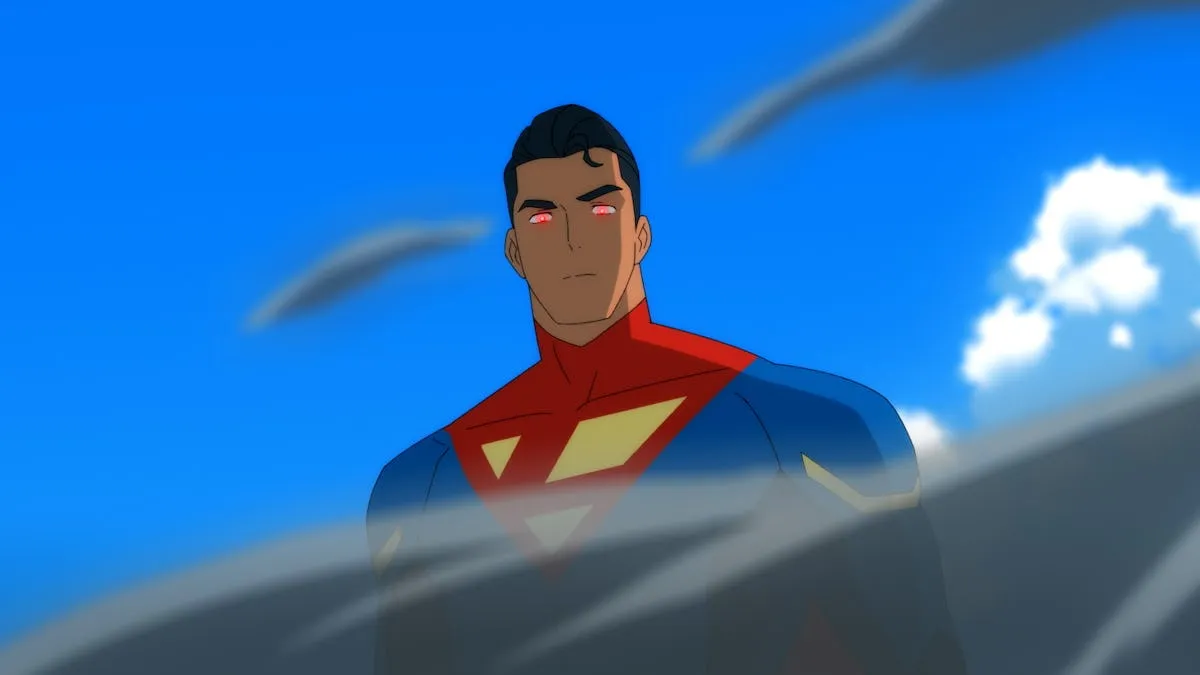
(SeaPRwire) - By: Lucas Caldwell Binging the new season of My Adventures with Superman feels like getting hit by a repetitive thematic hammer. The writers are obsessed with "the future," dragging Squidward’s time-travel trauma across ten episodes. It is a bludgeon to the head. Every monologue and heart-to-heart circles back to the same anxiety. It moves like a show for kids despite the late-night Toonami slot. The spoonfeeding is relentless. It undermines the ambitious shift to serialization. The potential is there, but the execution is loud. The repetition speaks to a longstanding issue. Post-Brainiac Metropolis sets the stage for this anxiety. Clark Kent wants to settle down with Lois Lane, but she resists change. Kara Zor-El embraces freedom after manipulation. Showrunners Jake Wyatt and Brendan Clogher push these episodic adventures into a serialized mess. The best moments involve Supergirl and Jimmy Olsen. Their dating app odyssey and mall trips provide necessary levity. It balances the heavy-handed future talk with actual character growth. The core trio remains the anchor. The narrative struggles to justify the laser focus. Lex Luthor counters Kryptonian dominance with Kryptonian DNA. He builds Cyborg Superman from the fallen Hank Henshaw. He deploys Eradicators, hulking clones linked via neuropathic commands. These threats make the future precarious. Enter Superboy, an agent from another time. He forces Clark and Lois into impromptu parenting. A Superman-themed convention and an alt-universe romp appear. These one-offs try to justify the thematic overkill. They often feel like filler. The tunnel vision works when answering old questions. Otherwise, it is just overkill. The series remixes the "Reign of the Supermen" arc to boost its standing. Studio Mir’s unique animation style continues to distinguish the product. It stands out in the struggling DC Universe lineup. The big swings with Superman copycats are inspired. Exploring Clark’s Kryptonian heritage adds depth. It is an underrated bright spot since 2023. The ambition is evident. The execution just needs to match the risk. The visual identity is strong. The show rises above when trusting its instincts. Adult Swim provides the platform for this mature premise on June 13. HBO Max streams episodes the next day. The show struggles to shed its younger audience training wheels. It needs to embrace its bigger risks without apology. The tunnel vision on the future unites the plot but feels forced. The industry needs shows that trust their instincts. My Adventures rises above when it stops explaining. It must stop spoonfeeding the audience to truly evolve. The season serves up an epic scope. This show will either crash under its own thematic weight or finally evolve once it sheds the training wheels. Author bio: Lucas Caldwell, a tech opinion leader with millions of followers on X/Twitter.
More
Loki’s 5-Year Secret: How Marvel’s Cynical Cash-Grab Experiment Fixed Its Streaming Slump Business

Loki’s 5-Year Secret: How Marvel’s Cynical Cash-Grab Experiment Fixed Its Streaming Slump

(SeaPRwire) -By: Lucas Caldwell Marvel’s pulling out all the stops for December’s Doomsday. Robert Downey Jr. returns as a villain, ditching his Iron Man legacy. Chris Evans’ Captain America comes out of retirement, despite once saying he’d only return for a “real reason.” We all know that reason is a mountain of cash. This feels like a desperate grab for relevance, but it’s par for the comic book course—heroes get reinvented constantly, even when it feels cheap. Disney+ Five years ago, Marvel did the same with Loki. They crunched numbers and saw fans loved Tom Hiddleston. It felt cynical, but the show became one of their best streaming efforts. Loki got a proper sendoff in Phase Three—reformed in Thor: Ragnarok, then killed by Thanos to show his power. An Endgame cameo set up the series, where a rogue variant joins the Time Variance Authority to avoid annihilation. Turning Loki into a time cop was a huge shakeup. Hiddleston’s cocky performance set a bar no other MCU villain could reach. The show had to make his second reformation credible, and it delivered. After the mediocre Falcon and Winter Soldier, Loki’s first episode got Marvel’s streaming side back on track. It dragged Loki out of his self-importance into a mystery with a murderous variant. Loki tries on a new identity. | Disney+ Season 1 focused on Loki finding purpose. His survival deal with Owen Wilson’s Agent Mobius turned into a calling. Their buddy-cop chemistry clicked—Wilson was unfazed by all the MCU’s weirdness. The TVA was a standout: a cosmic bureaucracy where even Infinity Stones were just paperwork. It was way more creative than Doctor Strange in the Multiverse of Madness, which only showed a world with different traffic lights. The technological hodgepodge of the TVA is one of Loki’s highlights. | Disney+ Ironically, Loki embraced the multiverse’s potential only to wrap up the saga. Jonathan Majors’ assault charges threw plans off. The second season awkwardly juggled timelines before his conviction, undercutting some drama. But Marvel’s multiverse was always a premise without a plot. Loki at least made the journey entertaining. Its real strength was character work—rare for the MCU. It turned a memeable Hulk punching bag into a god with genuine regrets. Marvel’s next big character revivals will flop unless they prioritize meaningful purpose over just cashing in on nostalgia. Author bio: Lucas Caldwell, a tech opinion leader with millions of followers on X/Twitter, focuses on streaming media and pop culture tech integration.
More