(SeaPRwire) –
By: Silas Sterling

The 1978 Close Encounters hype machine cranked out endless thinkpieces for decades after its release. Fans framed it as a watershed for sci-fi emotional storytelling, blending paranoia with heartfelt wonder. But geek communities have quietly pushed back on that legacy for years. Even director Steven Spielberg’s later alien films—including the new Disclosure Day—are far more polished and coherent than this one. The cult classic label feels less like earned acclaim and more like a marketing construct we’ve all agreed to repeat. That’s the core of the critique that’s been bubbling under the surface of sci-fi fan discourse.
The film’s first 30 minutes build a tense, global sense of UFO panic. Planes missing for decades reappear out of thin air. Strange lights dot skies across the world. Nations mobilize their militaries, on high alert for unknown contact. But the rest of the film falls apart fast. There’s no clear explanation for why the aliens are here, or what they want. Author Ursula K. Le Guin called out this flaw back in 1978, saying sci-fi needs to follow through on its core ideas. Close Encounters just vibes along without any meaningful narrative throughline.
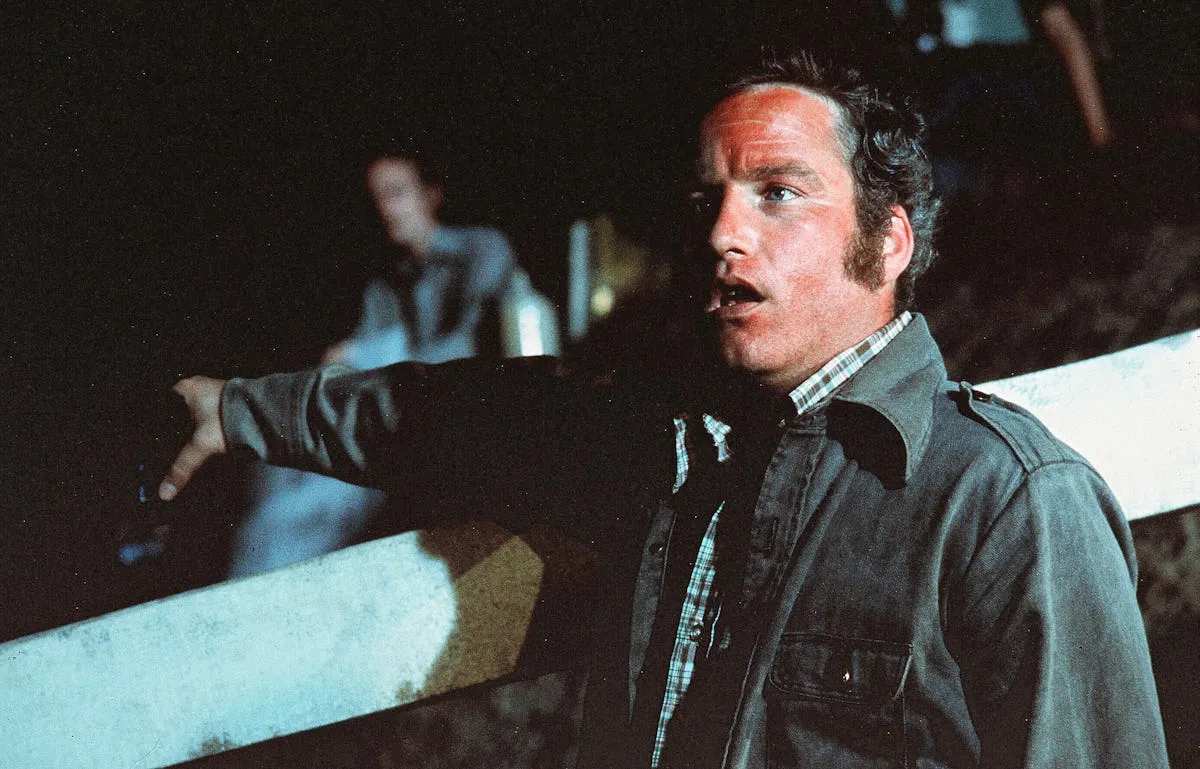
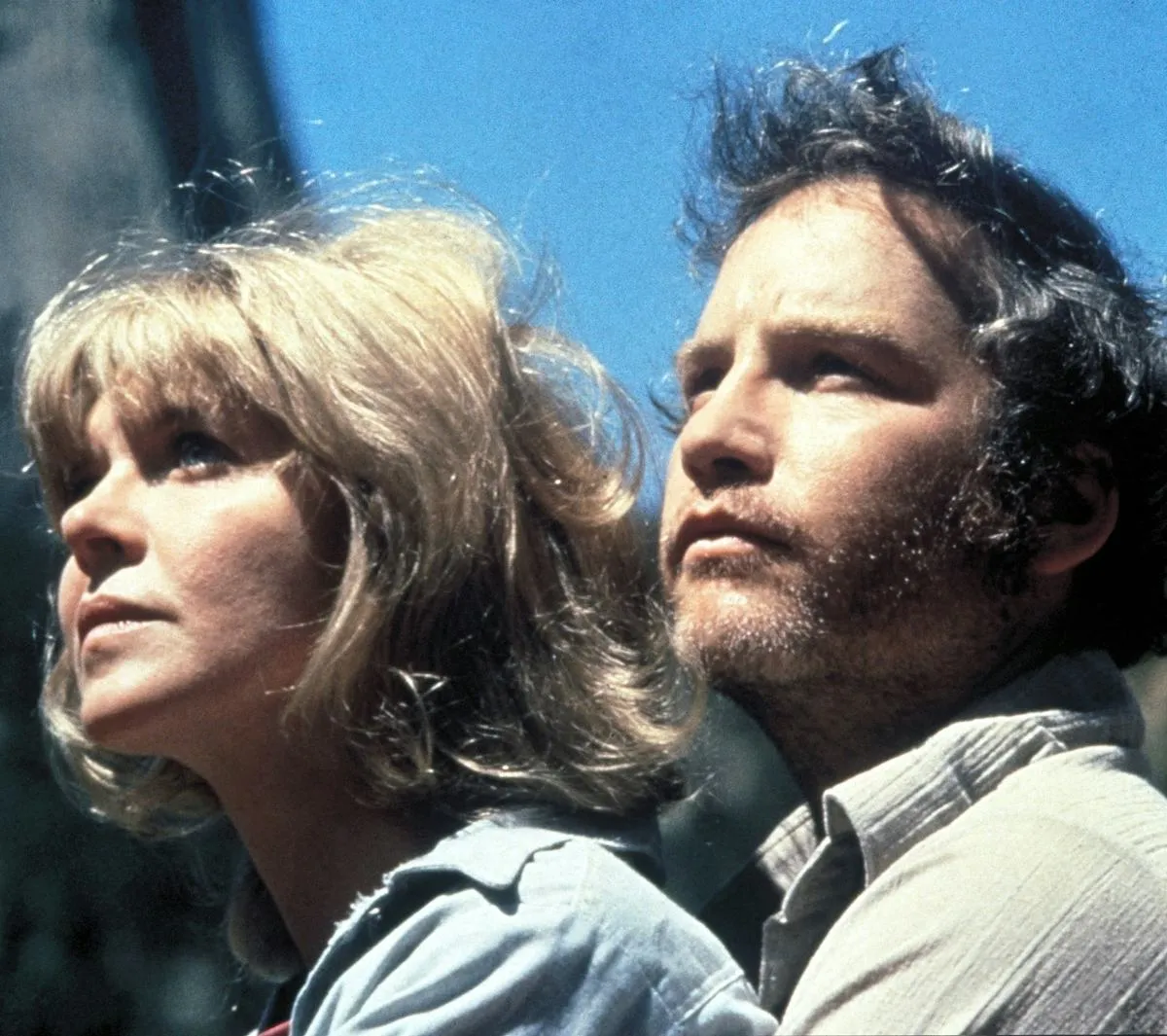
Lead character Roy Neary is unlikable from the very first scene. He’s a disgruntled dad who becomes obsessed with flying saucer sightings. He abandons his wife and three kids without a second thought. The film never holds him accountable for his selfish choices. Jillian, the single mom he befriends, is even more underdeveloped. She abandons her own young son to snap photos of the alien craft, with no real explanation for why she makes that choice. The film uses her as a cheap plot device to prop up Roy’s obsession.
Modern Hollywood still leans into this exact kind of nostalgic sci-fi hype to drive box office re-releases and remakes. Author Jack Womack detailed this shift in his 2017 book Flying Saucers Are Real! He noted UFO culture faded significantly by the early 21st century. The film’s obsession with camera documentation feels especially dated now. In 1978, it might have felt like a realistic touch. Today, everyone has a camera in their pocket, so that bit falls flat. Even the film’s strong technical points can’t save its messy narrative. The score is wonderful, and every actor is spot-on. But the story makes no logical sense.
We romanticize 70s sci-fi to cling to a nostalgic version of geek culture. We forgive flaws because the film came from a time when sci-fi was still finding its mainstream footing. Close Encounters’ flaws aren’t just dated—they’re fundamental. It’s a lazy, self-indulgent mess that only works because of the era it was released in. If it dropped today, it would get torn apart by fan discourse and critical reviews alike. The real takeaway is that classic status is just a story we tell ourselves to feel better about our childhood favorites.
Author bio: Silas Sterling, veteran kernel contributor and editor-in-chief of an open-source security digest.