(SeaPRwire) –
By: Nathaniel Cross
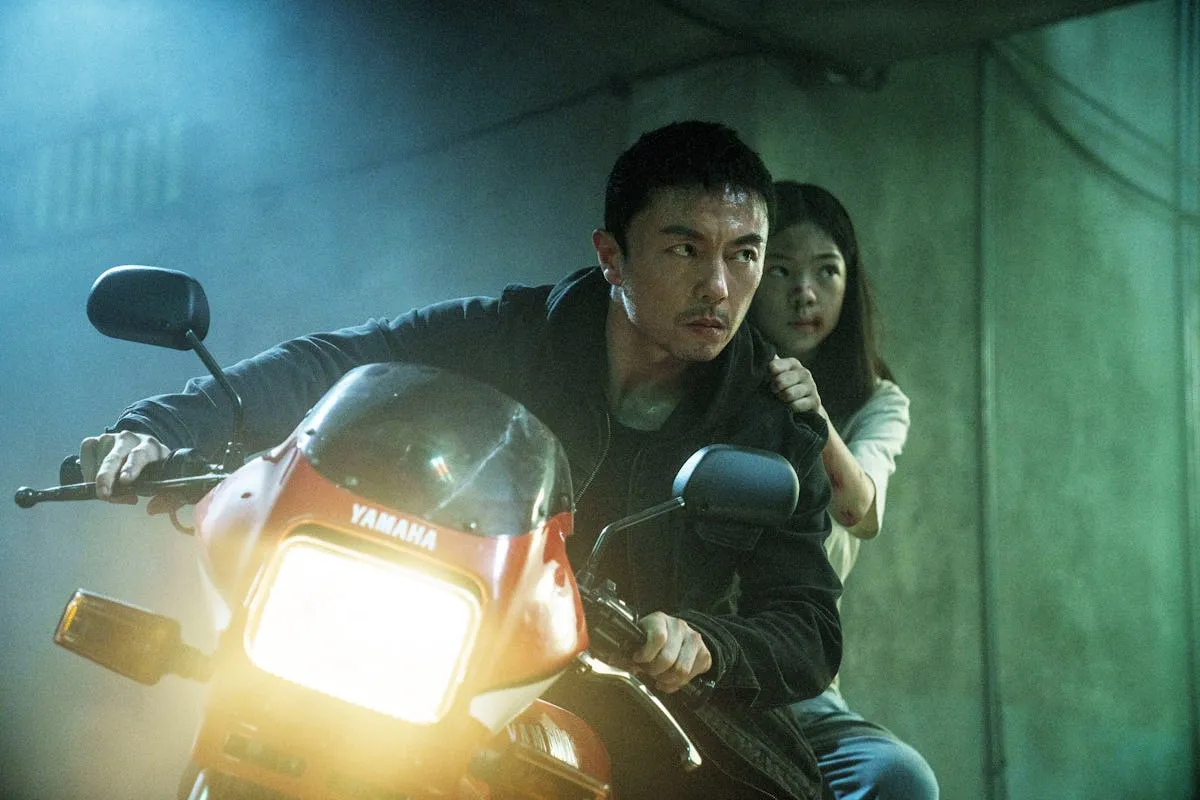
Generative video models claim to simulate reality. They fail at physics. *The Furious* exposes this failure. It proves high-velocity combat requires biological consequence. You cannot fake the exhaustion of a fifteen-minute fight. Director Kenji Tanigaki understands this. He built a system on human limits. The result is kinetic energy no diffusion model can touch.
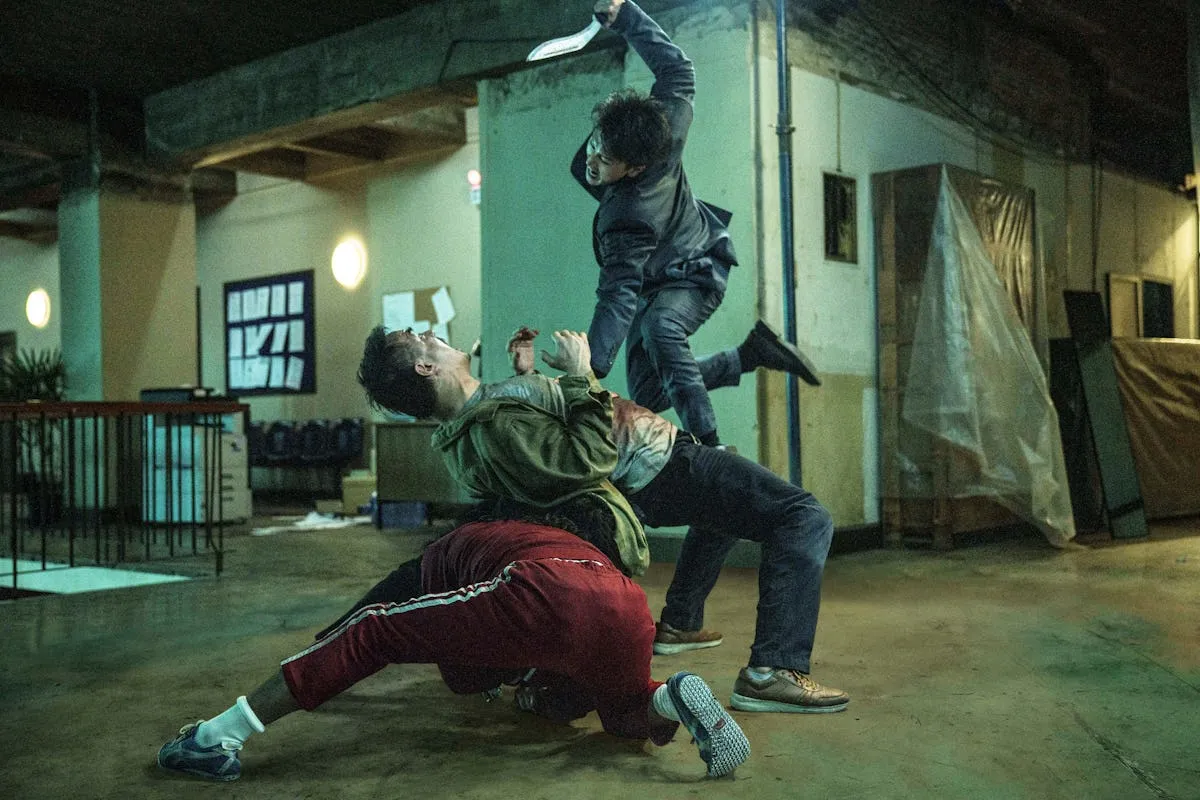
Synthetic media promoters claim digital avatars will replace stunt performers. Look at the roster. Joe Taslim, Xie Miao, Brian Le, Yayan Ruhian. These are distinct physical architectures. Taslim brings Indonesian precision. Ruhian adds the chaotic variable of *The Raid*. A model might hallucinate a script. It cannot replicate the gravity of Ruhian’s style. The “Olympics of ass kicking” relies on biological agents.

The narrative involves a Deaf handyman and a journalist. It is messy. Wang Wei uses a wooden palette against thugs. Dollar bills rain in a nightclub. This is unstructured data. AI optimizes for clean outputs. Tanigaki’s film optimizes for visceral impact. The violence is a structural failure of the human body. That friction is uncomputable.
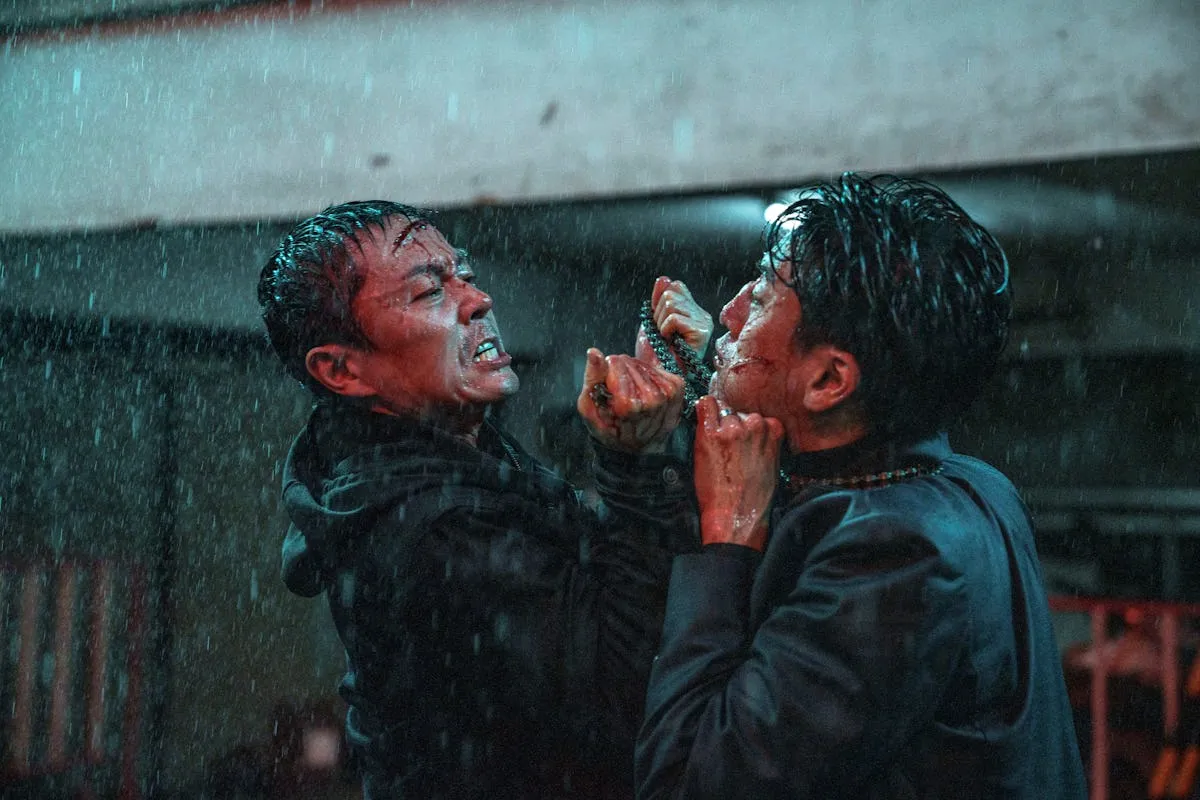
As we move toward generative Hollywood, films like *The Furious* will become premium artifacts. They represent proof-of-work for human performance. The industry will bifurcate. One side will be cheap AI slop. The other will be expensive, dangerous, biological spectacle. The latter holds the only real value.
Author bio: Nathaniel Cross, a former Lead AI Research Scientist and decentralized protocol pioneer.