(SeaPRwire) – By: Lucas Caldwell
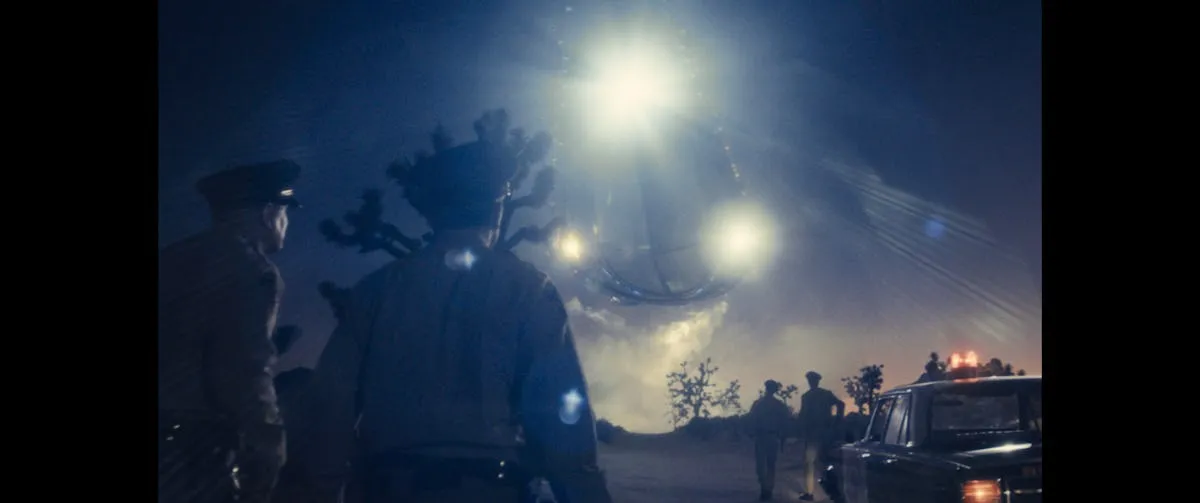
Spielberg’s Disclosure Day doesn’t waste time on “are aliens real?” It dives straight into what happens when we know they are. The ending cuts to black just as Margaret is about to speak, but this isn’t a cheap tease. It’s a reflection of our post-truth age, where generative AI makes us doubt what’s real. The movie asks: can we still listen to a message that unites us?
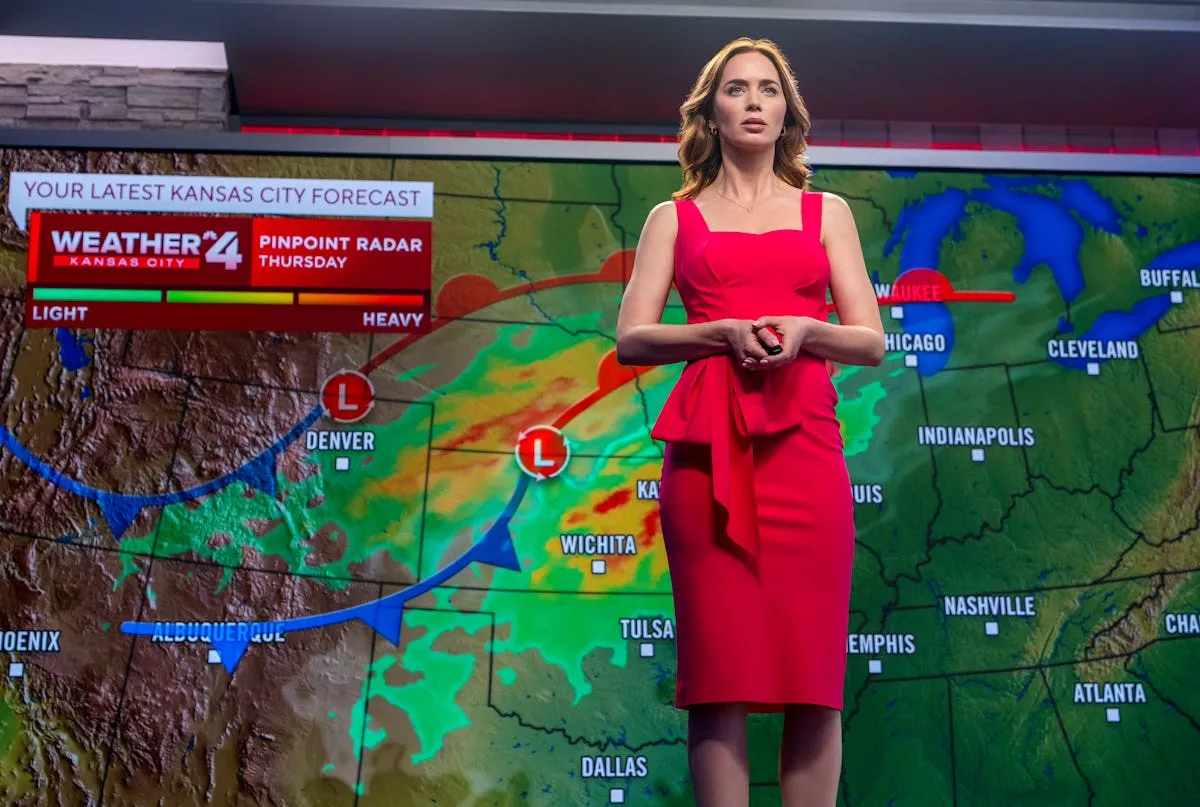
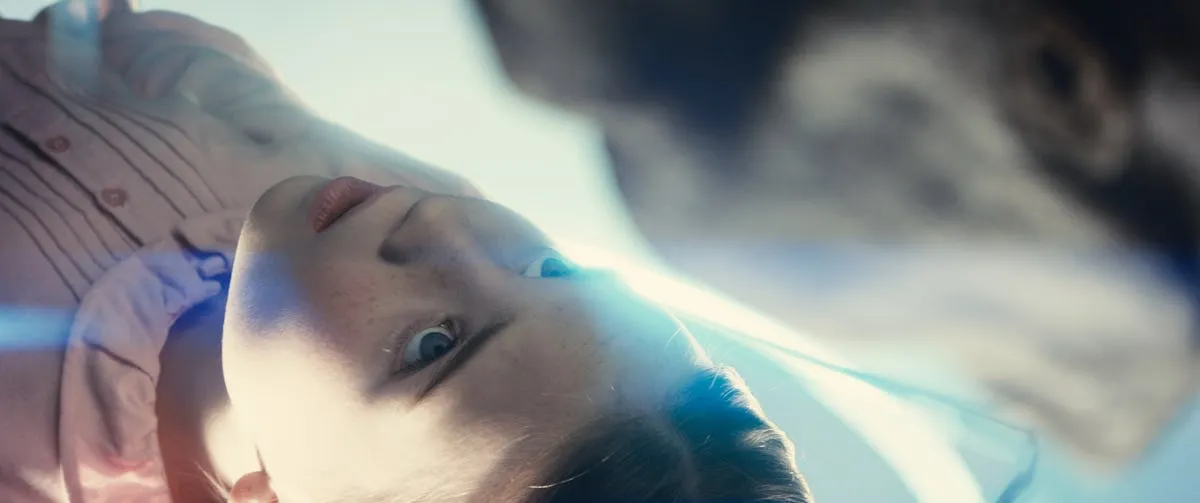
Margaret Fairchild, a weatherperson, and Daniel Kellner, a whistleblower, are key. Daniel stole hard drives and alien tech from Wardex Corp. They share a psychic bond from a childhood abduction by benevolent grey aliens. The aliens gave Margaret empathy so strong it feels like mind-reading, and Daniel math skills to translate alien language.
The finale plays out at Kansas City’s KCXE newsroom. A local server and global 24-hour TV networks broadcast the truth to everyone. The world pauses WWIII buildup to watch. Then, just as Margaret is about to deliver the alien message, the screen goes black. It’s frustrating at first, but it has a point.
Spielberg has come a long way since Close Encounters 50 years ago. Back then, he wondered about alien life. Now, he’s more inclined to believe we’re not alone. Disclosure Day uses this belief to push a message: unity over division. The revelation of aliens doesn’t split us—it fills us with awe.
The aliens’ message isn’t hidden. It’s about empathy being a building block of the universe. Humanity’s loss of empathy is leading us to destruction. Margaret is meant to lead us back to it. Daniel’s job is to translate the aliens’ math-based language so we can understand.
The next sci-fi hits won’t just ask if aliens exist—they’ll ask if we’re ready to change to deserve their message.
Author bio: Lucas Caldwell, a tech opinion leader with millions of followers on X/Twitter, explores tech’s intersection with culture and society.