(SeaPRwire) –
By: Logan Pierce
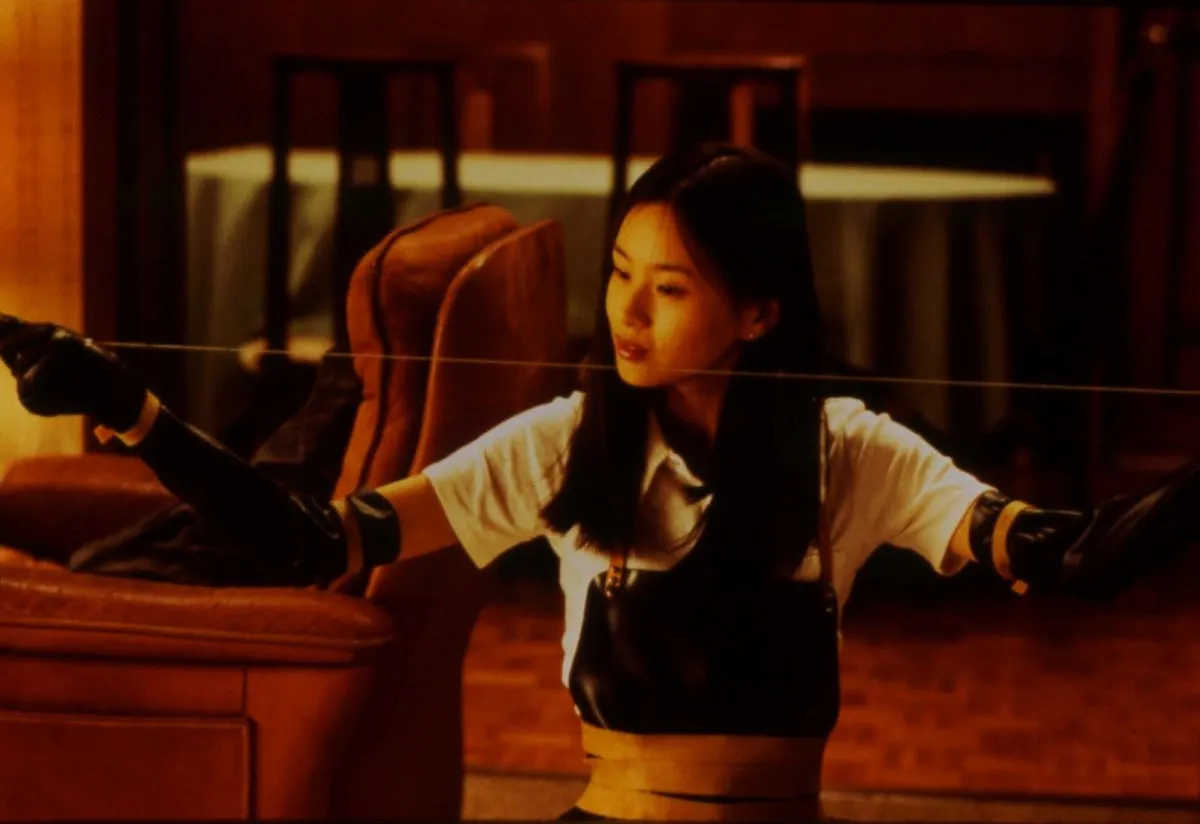
Arrow Video’s limited-edition 4K release of Takashi Miike’s Audition isn’t just another cash grab for cult film collectors. I chatted with a local video store owner last week who still keeps a copy behind the counter—customers still walk out mid-screening, even 27 years later. This re-release feels intentional, a chance to reframe the film not just as a shock fest, but as a masterclass in tonal manipulation that defined Miike’s early career and changed extreme horror forever.

Before Audition hit screens in 1999, Miike was a niche figure in the West. He was known for low-budget yakuza flicks like 1996’s Fudoh: The New Generation, streaming now on Tubi. The film’s Vancouver premiere was quiet, but it sparked chaos at the Rotterdam International Film Festival, winning multiple prizes and drawing international critics. Audience members confronted Miike afterward, calling him “sick” for the film’s seismic tonal shift—from dreamy romance to gut-wrenching horror, capped by that iconic, unflinching “kiri kiri kiri” scene.
Arrow’s release leans into the film’s gritty roots. The new 4K restoration is supervised by cinematographer Hideo Yamamoto, but since it was shot on Super 16mm, it retains its soft, grainy look—something fans will celebrate, not complain about. The disc packs in extras: a video intro from Miike, commentaries with the director and screenwriter Daisuke Tengan, a new interview with lead Ryo Ishibashi, archival chats with cast members, and a collectors’ booklet with fresh essays on the film’s legacy.
The cult home video market has exploded in recent years. Post-pandemic, genre fans are craving physical media that feels curated, not mass-produced. Arrow competes with labels like Criterion and Vinegar Syndrome, carving out a niche by focusing on extreme, boundary-pushing films that major studios won’t touch. Audition’s 4K release taps into this demand, offering a definitive version for long-time fans and a gateway for new viewers curious about Miike’s early work.
Miike’s career took off after Audition. He made gonzo classics like Ichi the Killer and Visitor Q in 2001, pushing limits with hyperviolence and transgressive themes. Later, he shifted to mainstream fare—kids’ movies like Ninja Kids!!! in 2011, prestige samurai dramas like 13 Assassins in 2010, even video-game adaptations and collaborations with Charli XCX. This re-release pulls focus back to his cult origins, reminding audiences where his unapologetic style first took hold. His cameo in Eli Roth’s Hostel is just one sign of how far his influence reaches.
This 4K release will become the go-to version for collectors and introduce a new generation to Miike’s unparalleled ability to shock and captivate.
Author bio: Logan Pierce, an independent business researcher who analyzes niche media markets and writes about cult film economics on Medium.