
(SeaPRwire) – By: Lucas Caldwell
Ray Harryhausen didn’t just make movies; he built a tactile language of wonder that modern blockbusters have systematically erased. His final act, 1981’s *Clash of the Titans*, stands as a monument to the era of the solo artisan. While today’s studios rely on sterile, algorithm-driven pixels, Harryhausen’s work possessed a physical soul. He was the last of a dying breed of visual effects pioneers. He learned his craft under Willis O’Brien, the man behind *King Kong*. By the time he reached his own magnum opus, he had already defined the aesthetic of fantasy cinema for decades.
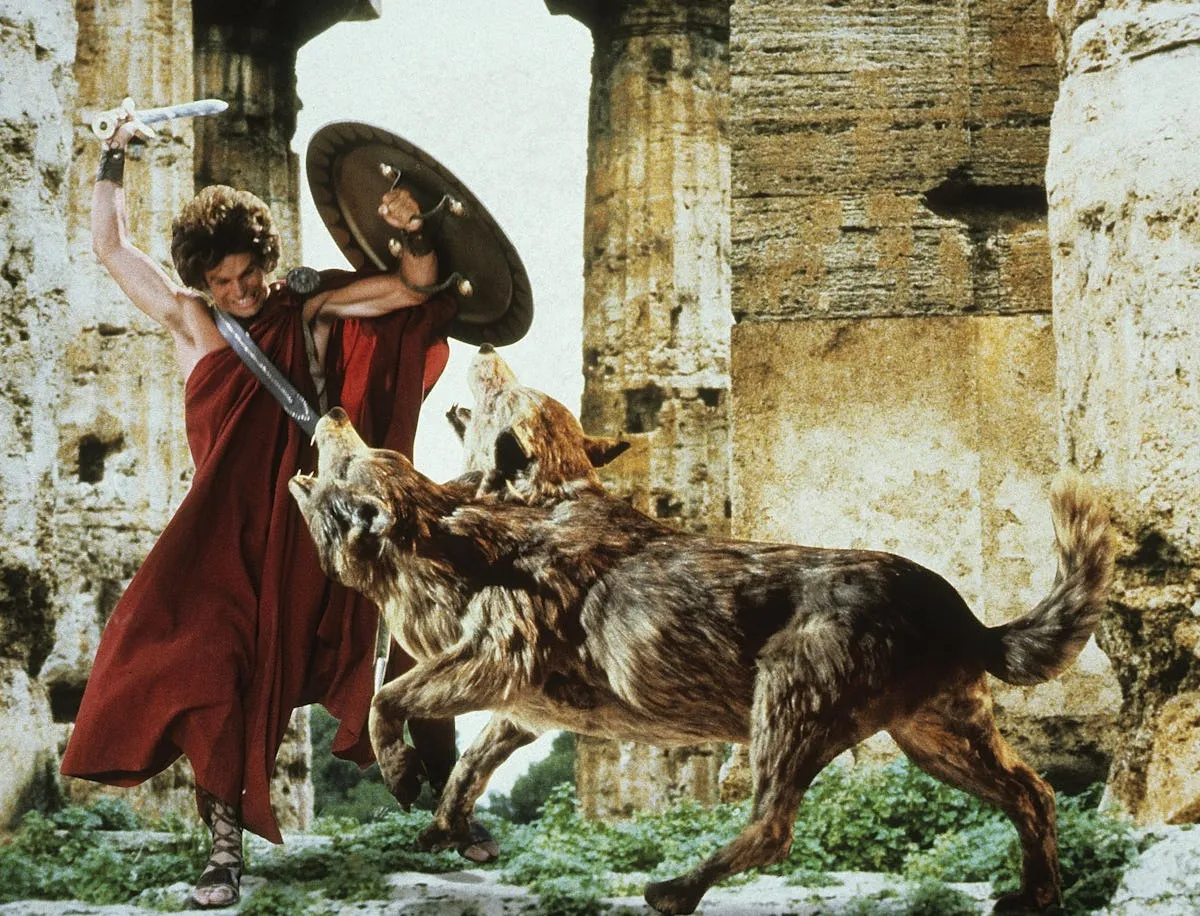
The production of *Clash of the Titans* was a massive undertaking for its time. It premiered on June 12, 1981, with a budget between $10 million and $15 million. Charles H. Schneer served as his longtime producing partner. They secured a high-profile cast including Laurence Olivier, Maggie Smith, and Claire Bloom. Harry Hamlin took the lead as Perseus. The film featured a menagerie of stop-motion creatures. These included Pegasus, the Kraken, Medusa, and oversized scorpions. Harryhausen handled the animation work largely by himself. This solitary process defined his career but also created a bottleneck in an accelerating industry.
The film’s release coincided with a seismic shift in Hollywood’s technical landscape. Projects like *Star Wars* and *Alien* were already setting new standards for visual spectacle. Harryhausen’s stop-motion techniques began to look quaint against the rising tide of new technology. *Clash* earned $70 million worldwide, landing at No. 11 on the year’s highest-grossing list. Critics offered mixed reviews. They praised the action but noted the wooden performances of the leads. Burgess Meredith provided a rare spark of charm as Ammon. The film’s pacing remained sluggish until the final 40 minutes, where the creature work finally took center stage.
The industry was moving toward a model of mass-produced, high-speed visual effects. Harryhausen’s hand-crafted approach could not compete with the sheer volume of output required by the new studio system. His retirement was a quiet admission of defeat. He recognized that the era of the solo animator was ending. He wrote in his memoir, *Ray Harryhausen: An Animated Life*, that he was losing control of his process. He conceded that it was time to step aside for new technology. This transition marked the end of a specific, irreplaceable form of cinematic craftsmanship.
Modern filmmakers like Guillermo del Toro and Tim Burton have kept the spirit of stop-motion alive in animation. Yet, the live-action genre has largely abandoned the tactile charm of Harryhausen’s models. The 2010 remake of *Clash of the Titans* serves as a grim reminder of what was lost. It replaced Harryhausen’s physical monsters with soulless, weightless CG. The industry traded the imperfections of hand-sculpted art for the polished, empty perfection of digital compositing. We gained efficiency, but we lost the sense of awe that defined the genre for generations of moviegoers.
The total abandonment of physical artistry in favor of digital convenience will eventually render the modern blockbuster indistinguishable from a video game cutscene.
Author bio: Lucas Caldwell, a tech opinion leader with millions of followers on X/Twitter, specializes in analyzing the intersection of legacy craftsmanship and the rapid evolution of digital media production.