
SAN RAMON, CA AND SYDNEY, AUSTRALIA, May 1, 2025 - (ACN Newswire via SeaPRwire.com) - Sensiba LLP, a Top-75 U.S. accounting and consulting firm, is pleased to announce the acquisition of AssuranceLab Pty. Ltd., a high-growth cybersecurity audit and risk assurance firm headquartered in Australia, with operations across the Americas, APAC, and EMEA.This milestone expands Sensiba's international reach and deepens its security, privacy, and compliance framework capabilities. Together, the combined firm now supports over 2,300 startup and technology-driven enterprise clients worldwide-providing streamlined, high-quality audits across more than 15 compliance standards, including SOC 2, ISO/IEC 27001, HIPAA, CSA STAR, and HITRUST."We're honored to welcome AssuranceLab to Sensiba. Their reputation in the market is well-earned, driven by innovation, credibility, and a commitment to raising the bar for cybersecurity audits. What makes this such a strong fit is the alignment across our values and client service philosophies, as well as our vision for the future," said John Sensiba, managing partner at Sensiba."Both of our firms have built deep relationships with startups and technology companies, businesses that increasingly recognize how cyber threats, ESG risk, and privacy concerns impact investor confidence, market relevance, and talent retention in a global landscape. AssuranceLab's technology-forward approach and entrepreneurial spirit will be central to how we continue supporting clients with the insight, scale, and expertise they need for rapid growth."Both firms are Certified B Corporations, with a shared commitment to responsible business practices, transparency, and fostering healthy communities. This acquisition brings a broader range of services, including cybersecurity consulting and penetration testing, while maintaining a client-centric, tech-enabled audit experience that both teams are known for."We're excited to take this next step in AssuranceLab's journey," said Paul Wenham, cofounder and co-CEO of AssuranceLab and now a Sensiba partner. "Sensiba shares our client-first and technology-led approach to client service, and their people radiate the kind of values we deeply respect. Joining Sensiba gives us a platform to bring our innovative programs, audit models, and tech to a broader audience, and to have more impact as our clients navigate increasingly complex assurance and compliance challenges.""What excites us most about coming together with Sensiba is the opportunity to build on our tech-forward foundation while tapping into new expertise, geographies, and ideas," said Nicholas Lew Ton, cofounder and co-CEO of AssuranceLab and now a Sensiba partner. "The compliance and risk landscape is changing rapidly, and clients value innovation as we lead the next wave of modern, meaningful audits."Clients will continue working with their existing teams, and there will be no reintroductions or disruptions to service. What's new is the expanded scale, broader framework coverage, and global footprint across The Americas, APAC, and EMEA to better support their cross-border compliance needs and demonstrate their commitment to data security and privacy.About AssuranceLabAssuranceLab is a modern cybersecurity audit and advisory firm, serving hundreds of fast-growing digital businesses worldwide. Headquartered in Australia, the firm offers streamlined, tech-enabled compliance services across global frameworks. AssuranceLab is a Certified B Corp, recognized for its people-first culture and commitment to excellence. Learn more at AssuranceLab.cpa.About SensibaSensiba's global accounting, tax, risk assurance, and consulting services help businesses and people solve problems, establish trust, and build a foundation for sustainable growth. Independent and partner-owned, we're a top-75 U.S. firm with a global footprint, maintaining operations across The Americas, Europe, Australia, and beyond. We're passionate about collaborating with clients to increase efficiency, mitigate risk, and embrace emerging opportunities. As a certified B Corp, we foster a culture where people, families, and communities thrive. As a member of Morison Global, we support our clients' international accounting and tax needs. For more information, visit Sensiba.com.Contact:Marc Stevens, Brand & Communications Manager925-271-8700 x7166mstevens@sensiba.comSOURCE: Sensiba LLP Copyright 2025 ACN Newswire via SeaPRwire.com.
Posted on
by: eqs
China Education Group Holdings Pursues High-Quality Growth and Long-Term Value Creation Enhanced the ecosystem of Industry-education Integration and Forging Long-term Competitiveness
EQS Newswire / 30/04/2025 / 18:47 UTC+8 Summary of Highlights: Revenue from main business reached RMB3,673 million, an increase of 11.8% year-on-year. Gross profit reached RMB1,978 million, an increase of 7.6% year-on-year. Adjusted EBITDA was RMB2,100 million, an increase of 7.4% year-on-year. Adjusted net profit on attribution of RMB1,048 million. Cash reserve amounted to RMB5,092 million. (Hong Kong, 30 April 2025) - China Education Group Holdings Limited ("China Education Group" or the "Group", stock code: 839.HK), a leading higher and secondary vocational education group, today announced its interim results for the six months ended 28 February 2025. During the reporting period , the Group remained focused on high-quality development, further advanced its industry-education integration strategy, and continued to strengthen its core competitiveness, delivering steady growth in both revenue and profit. Continued Revenue Growth with Steady Profitability Enhancement During the period, the Group's revenue increased by 11.8% year-on-year to RMB3,673 million, with the domestic revenue increasing by 11.5% and the international revenue increasing by 22.9%, mainly driven by the the expansion of student enrollment and the increase in revenue per student. Despite some cost pressure from campus expansion and increased academic investment, the Group delivered a 7.4% year-on-year increase in Adjusted EBITDA, underpinned by its strong operational efficiency. Core profitability continued to improve, demonstrating the Group's resilient, efficient, and steady growth momentum. Enhanced Industry-Education Integration and Creating New Dynamics in Vocational Education During the reporting period, the Group accelerated the transformation and upgrading of its vocational education segment, taking systematic steps to enhance educational quality and talent development capabilities. with major initiatives included: Strengthening of "dual-qualified" teaching workforce. Promoting reforms to modernizing curricula. Building a regional practice centre for integration of industry and education. Expanding Diversified Student Development Pathways. Innovative mechanisms for international exchange and cooperation. Comprehensively promoting the deep integration of artificial intelligence and education and teaching. Currently, the Group has established over 60 industrial colleges, approval for 429 collaborative education projects through industry-university cooperation by the Ministry of Education and 268 supply-demand matching employment education projects, established school-enterprise partnerships with 4,314 enterprises, and supported Company’s institutions in applying for the right to confer master's degrees , further consolidating its academic influence and industrial competitiveness. Increasing Investment to Strengthen the Foundations for Sustainable Development During the period, the Group's capital expenditure amounted to RMB1,207 million, which was mainly for campus expansion and upgrading of teaching facilities. Since September 2018, the Group’s cumulative capital expenditure has exceeded RMB15,000 million, underscoring its firm commitment to sustainable internal development. In addition, the Group was granted a total of RMB1,429 million long-term financing from the Asian Development Bank and the Asian Infrastructure Investment Bank, reflecting strong recognition from international financial institutions for its high-quality education practices and outstanding management. Previously, the Group also received financing support from the World Bank, making it the only listed education group recognized by the world's top three policy banks. Strategic Transformation to Navigate Change and Enhance Overall Competitiveness In the face of external challenges such as demographic shifts, rationalization of consumption and tightening of the financial environment, the Group has accelerated its strategic transformation across four major directions: Increase undergraduate education platforms, upgrade faculty, research and curriculum systems, and promote the institution's bid for a master's degree. Realigning its secondary vocational offerings toward higher vocational or academic formats to enhance the overall value chain position. Strengthen capital project management to ensure high quality and controlled budget delivery. Expanding RMB financing channels to enhance financial stability and flexibility. Optimising Capital Management to Deliver Sustained Shareholder Returns The Group will continue to prudently evaluate its capital allocation strategies, including dividend distribution and share repurchase. While maintaining ample liquidity and sound financial health, the Group will adopt a flexible approach to share buybacks to enhance shareholder returns and demonstrate strong confidence in its long-term growth prospects. Outlook China Education Group is remains firmly confident in the long-term prospects of the education industry. In the future, the Group will continue to uphold its mission of "Leading Educational Excellence and Innovation", advancing high-quality development through clear strategic planning, excellent execution and continuous innovation, so as to create sustainable long-term value for students, faculty shareholders, and the society. About China Education Group Holdings Limited (839.HK) China Education Group Holdings Limited is a leading higher and secondary vocational education group, dedicated to cultivating application-oriented talents that meet the needs of the new era through high-quality education and innovative models.The Group operates in China, Australia, and the United Kingdom ,and Deloitte has named the Group one of China’s “Best Managed Companies” for six consecutive years.For more details, please visit:www.chinaeducation.hk. 30/04/2025 Dissemination of a Financial Press Release, transmitted by EQS News.The issuer is solely responsible for the content of this announcement.Media archive at www.todayir.com
Posted on
by: admin
Trump’s “Gold Card” Immigration Plan: A Flawed Concept

The Cato Institute has long advocated for a visa system based on price, a "gold card" concept. My colleague Alex Nowrasteh suggested in 2019 that such a system, where immigrants pay a fee for the right to live and work in the U.S., "would create a dynamic, market-based, merit-based, relatively more economically efficient, and self-regulating system that would serve the ever-changing American economy." However, President Donald Trump's attempts to program are unlikely to prove fruitless. On April 4th, President Trump unveiled his "Trump Gold Card," proposing to sell it to immigrants for $5 million in exchange for U.S. legal permanent residence. While Trump displayed a physical card, the proposal's feasibility is questionable. Selling legal residency has potential, but Trump's specific plan is unlikely to attract buyers. President Trump insists he can begin issuing gold cards soon without Congressional approval. However, two major hurdles stand in the way. Firstly, the President lacks the authority to grant lawful permanent resident status. The Immigration and Nationality Act clearly defines who is eligible for a "green card," the document signifying permanent resident status. Whether someone could sue to block the Trump Gold Card is debatable. (Who could credibly claim harm from wealthy foreign immigration?) Regardless, this lack of legal basis compounds the second issue: limited demand for a $5 million green card. Although Commerce Secretary Howard Lutnick estimates 37 million people globally could afford the Gold Card—and Trump aims to sell 1 million—only about 1.5 million non-Americans possess net assets (excluding their primary residence) exceeding $5 million. Many economists argue that attracting this group to the U.S. would benefit the country. However, these wealthy individuals are unlikely to simply donate their fortunes for the opportunity to reside here. If they are thriving financially in their current locations, they have little incentive to relocate. Furthermore, U.S. tax law acts as a deterrent. Many high-income earners abroad will be hesitant to move to the U.S. due to worldwide income . Trump is , therefore, to only tax gold card holders on U.S.-sourced income. However, the President cannot unilaterally alter U.S. tax law without Congressional action. Even if the legal uncertainties weren't enough, better legal avenues already exist for wealthy individuals willing to relocate. They can easily obtain visas allowing visits of up to six months while maintaining residency elsewhere. If permanent residency is the goal, easier options exist. Individuals with "sustained national or international acclaim" an extraordinary ability green card. Those lacking such fame could invest a small portion of their wealth to gain it. The EB-5 investor visa also exists. Through EB-5, immigrants can gain permanent residence by investing in a rural or economically distressed area and creating 10 jobs within two years. EB-5 requires less capital, and the investment is eventually recovered, unlike the Gold Card, which represents a complete loss. In 2024, fewer than 5,000 investors . President Trump is aware that EB-5 is easier, so he's . Of course, terminating a green card category via executive order is as unlawful as creating one, but it would create grounds for lawsuits and potentially halt the entire policy (including the new "gold cards" replacing EB-5). Issuing Trump's gold cards, changing tax law, and ending the EB-5 investor visa are all likely illegal. Even if the President secures Congressional approval or circumvents judicial review, few high-net-worth immigrants will surrender their fortunes to Trump. Limited demand for Trump's gold card from wealthy Chinese, Saudi, and Russian businessmen who value freedom in the U.S. over prosperity under their current regimes. However, Trump is unlikely to receive support from his own party for encouraging immigration from these groups. Many Republicans have to EB-5 immigration by wealthy Chinese, fearing communist infiltration. Unfortunately, Trump is also undermining the gold card's potential by who . This means customers would pay for a card that could be revoked due to political disagreements with the President, eroding trust and reducing demand. If Congress gets involved, a revised gold card could succeed. If President Trump wants $1 trillion in revenue, Congress should set that target and incrementally reduce the gold card price until sufficient demand is generated. Such a dynamic threshold would eventually raise revenue and make Trump's idea viable. Hopefully, the President is open to revisions.
Posted on
by: admin
The Consequences of Neglecting Facial Cleansing

Ever been so tired you skipped your skincare and went straight to sleep? Imagine doing it every night. Most people would worry about buildup, bacteria, oily skin, and breakouts. But a movement against elaborate skincare routines is emerging: doing nothing at all. No cleansers, exfoliants, moisturizers—or even water. This counterintuitive "caveman method," which involves "caring" for your skin by ignoring it, is gaining popularity on social media. One person's post went viral after she stopped washing her face to repair her skin barrier, even though it led to flaky skin with dead cells. What really happens when you stop washing your face? Is it safe? We consulted dermatologists. Is the “caveman method” good for your skin? The idea behind this method is that many skincare products can strip the skin's natural oils, disrupt its pH, and alter its natural microbiome. The caveman theory suggests that avoiding all of this will restore your skin to its "natural" healthy state. However, whether this method benefits your skin, or anyone's, is complex, according to Dr. Nicole M. Golbari, a dermatologist at NYU Grossman Long Island School of Medicine. "Each face has a unique microbiome," she says. "We all have bacteria, fungus, and even microscopic mites on our faces. While that might sound alarming, these microbes are normal and needed for healthy skin." However, not washing your face can cause yeast and bacteria overgrowth, leading to issues like seborrheic dermatitis and inflammatory acne. , an overgrowth of Malassezia fungus, can cause yellow scale buildup and inflammation around the cheeks, eyebrows, and nose. Not cleansing also leads to dead skin cells and oils clogging pores. "Skin bacteria thrive in clogged pores, causing inflammatory pimples, pustules, and cysts," Golbari adds. The risks and benefits of not washing your face The risks of not washing your face usually outweigh the benefits, says Dr. Asmi Berry, a Los Angeles dermatologist. "Skin minimalism can be good, but skipping all cleansing isn't the answer," says Berry. She says skipping soap is okay for those with very dry or sensitive skin if they still rinse with water—but avoiding both allows buildup that can clog pores, worsen acne, or trigger dermatitis. Besides health concerns, unwashed skin simply doesn't look its best. Dead skin cell buildup can make skin look dull, uneven, and feel rough. Clogged pores can become over time if not cleaned. Pollutants left on the skin can also that contribute to premature aging. "The only benefit might be less disruption to the skin barrier, but you can achieve that with a gentle cleanser," Berry adds. A dermatologist-approved method for keeping skin clear A balanced approach involving and listening to your skin's needs promotes long-term skin health, Golbari says. She advises testing new products on a small skin area before applying them to your whole face to check for sensitivity. Regularly clean makeup brushes and sponges with a gentle cleanser or mild soap to prevent bacteria buildup. She also suggests using a mild face wash suitable for your skin type and looking for terms like "gentle," "pH-balanced," "fragrance-free," and "non-comedogenic." Remember that "skin health often comes from within," she adds—so staying hydrated and eating fruits and vegetables can help maintain a healthy glow. Doing nothing won't work. "For most people, completely stopping skin cleansing, especially facial cleansing, will lead to premature aging, clogged pores, dullness, and breakouts," Golbari says.
Posted on
by: admin
Weighing the Pros and Cons of Allergy Shots
Around a third of adults in America suffer from allergies. If you're among them, you're likely looking for a way to alleviate your symptoms. Allergy shots can provide lasting relief from certain allergies (excluding food allergies), but they do have some drawbacks. The question is, are the time, discomfort, and expense involved justified? To assist you in making this decision, here’s a look at the current scientific understanding of allergy immunotherapy, how long the effects of the shots last, and what the future may hold for allergy shots. How do allergy shots work? Allergy shots have been used in various forms since the 1910s. The aim is to reduce sensitivity to a specific allergen, such as pollen or pet dander. Your allergist will pinpoint your specific allergens and then create a personalized allergen mixture, according to Dr. David Morris, chief of allergy and immunology at Dayton Children’s Hospital. This mixture contains very diluted, small amounts of those allergens, which are injected under the skin. This process encourages the immune system to recognize these substances as normal rather than foreign, explains allergist Dr. J. Allen Meadows, executive director of advocacy and governmental affairs at the American College of Allergy, Asthma & Immunology (ACAAI) and a pediatric allergist at the University of Alabama at Birmingham. You'll be monitored for about 30 minutes after your shot. According to Morris, this is because there's a possibility of a reaction, as you're receiving an injectable substance that you're allergic to. The (AAAAI) notes that while serious reactions are rare, they can be life-threatening. Over the next several months, you'll receive weekly injections containing a gradually increasing dose of allergens. Meadows says this helps you develop a tolerance to these allergens. After approximately seven months, your doctor may reduce the frequency of shots to once every two weeks. Eventually, you'll reach the maintenance dose, which involves monthly shots containing a high dose of the allergen you're allergic to, according to otolaryngologist Dr. Marc Dubin, chief medical officer at ENT Speciality Partners. You'll likely continue with these monthly shots for three to five years. It may take up to a year on the maintenance dose before you notice a significant reduction in your symptoms. In essence, allergy shots require a considerable time investment. However, if you can commit the time, the reward is substantial: Meadows states that it brings about a long-term change in your immune system. You can discontinue the shots and experience freedom from allergy symptoms, often for decades. While some allergists might suggest the results are permanent, he prefers to be cautious about such a long-term claim. Who gets the best results? The AAAAI suggests that anyone over the age of 5 can benefit from allergy shots. According to Morris, people with pollen allergies tend to see particularly good results. He notes that the improvement in quality of life is most noticeable for pollen allergies, as individuals often feel significantly better during pollen season. However, Dubin notes that if your symptoms are initially severe, you might not experience as much relief. Allergy shots are not recommended if you have severe asthma symptoms or are taking certain medications, including beta-blockers for high blood pressure and certain antidepressants. Allergy shots can also treat insect sting allergies, but Dubin says this process usually takes longer and has more risks. If your symptoms return after a course of allergy shots, you can undergo another round of treatment. Morris mentions that this is common in his practice, as he treats children who might repeat the process in their 30s after completing it in childhood. How much do allergy shots cost? Insurance coverage varies, but Morris estimates that most people will have out-of-pocket expenses ranging from $1,000 to $4,000 for office visit co-pays and the treatment itself. Morris points out that some insurers charge a co-pay for each shot. With weekly shots for six months (28 shots) and a $25 co-pay per shot, the costs can quickly add up, making allergy shots unaffordable for some. What advancements are in the pipeline? Some healthcare providers are using quicker schedules for administering allergy shots, sometimes called rapid desensitization, cluster immunotherapy, or rush immunotherapy. Instead of weekly shots during the build-up phase, you might receive multiple shots per week, or even more than one shot per day, according to Morris. This speeds up the process of reaching the maintenance phase to a few weeks or months. However, he also notes that this faster schedule typically carries a higher risk of reaction. There's also a tablet form of allergen immunotherapy available for people with allergies to ragweed, certain grasses, and dust. The tablet is placed under the tongue to dissolve at least three days a week. While sublingual tablets and drops have been popular in Europe for some time, Meadows notes that this method hasn't gained much traction in the U.S., where most insurance companies require prior authorization for coverage. While the tablets might cause an itchy mouth, the side effects are generally mild. Dubin adds that another advantage of this technique is that it can be done at home without medical supervision. Morris is intrigued by intralymphatic immunotherapy, a new technique in early research phases that involves injecting allergens into a lymph node, where immune cells reside, instead of under the skin. This approach is fast-acting, requiring only three injections over two months. However, it requires an ultrasound to guide the shot, which demands technical skill and the right equipment. While early results are promising, the U.S. Food and Drug Administration hasn't yet approved it. Morris emphasizes that not all treatments are suitable for every patient, but he's encouraged by the potential for improved quality of life. He advises individuals to consult with a board-certified allergist to discuss the available treatments, their risks and benefits, and determine the best option for them.
Posted on
by: admin
Trump Claims He’s Already Served Three Terms Amid Third-Term Speculation
President Donald Trump, at a rally in Michigan on Tuesday, April 29, commemorating the first 100 days of what he considers his second term, responded with a smile to the crowd's chants of "three," which urged him to pursue a third term. He replied, "Well, we actually already served three, if you count. But remember, I like the victories, I like the three victories which we absolutely had. I just don’t like the results of the middle term.” Trump, who secured his initial victory in the 2016 election, seemed to be repeating his rejection of the 2020 election outcome. In reality, Trump lost in crucial swing states like Georgia, Pennsylvania, and Michigan in 2020, the location of his Tuesday rally. He also made an inaccurate statement during the event. Trump has consistently asserted that he won the 2020 election, alleging widespread . Two days after the election, as vote counting was still underway, he posted on social media. After major news outlets declared Biden the 46th President, he stated: “This is a fraud on the American public. This is an embarrassment to our country. We were getting ready to win this election. Frankly, we did win this election.” This denial of the election results fueled the . Meanwhile, Trump's remarks at the rally follow extensive speculation and hints about a possible , further fueled by the President's online store now selling . The constrains Trump to two terms, making this his second—and final—term. However, this has not stopped him and his Administration from discussing a third. During an on April 22, celebrating his first 100 days back in office, Trump was questioned about the possibility of seeking a third term and his recent statement that he was “not joking” about pursuing that option. He responded: “I’d rather not discuss that now, but as you know, there are some loopholes that have been discussed that are well known. But I don’t believe in loopholes. I don’t believe in using loopholes.” This echoed his remarks at the end of March, where he suggested methods exist to achieve it, emphasizing he was serious about the possibility. However, , published on April 28, reported that Trump stated he is not considering running for a third term in 2028. White House Press Secretary Karoline Leavitt also , stating that Trump running for a third time “is not something that he is thinking of,” while joking that Trump 2028 hats are “flying off the shelves.” ```
Posted on
by: admin
Alternatives to Saying “I Told You So” Without Sounding Smug

Few phrases carry as much arrogance and frustration as "I told you so." Jordan Conrad, founder and clinical director at Madison Park Psychotherapy, explains that it feels like you're reveling in someone else's misfortune. It's akin to implying you're superior or that they'd be better off if they followed your instructions, which is an unpleasant message. However, there are times when highlighting that foresight could have prevented the outcome is beneficial, but it needs to be done with kindness and effectiveness. Conrad advises considering your relationship with the person and your goals for the conversation. Are you aiming to inflate your ego or genuinely help them learn and improve? If a colleague could benefit from reflecting on their decisions, a thoughtful conversation might be helpful, especially for teenagers, but only if they're open to it, he warns. We consulted experts for alternatives to saying "I told you so." “I was worried it might turn out this way. I’m sorry that it did.” This phrasing acknowledges the possibility of a different outcome while allowing the other person to maintain their dignity. Dana Caspersen, a conflict engagement specialist and author of Changing the Conversation: The 17 Principles of Conflict Resolution, notes that it expresses your concern and empathizes with their situation. She adds that we're all prone to errors and our actions are experiments. She suggests adding, "You gave it a shot, and now we know," to show appreciation for their efforts and encourage future success. “I remember us discussing this possibility—let’s figure out what we can learn from it.” Malka Shaw, a licensed clinical social worker, suggests this is a good way to point out foresight without being condescending. It also shifts the focus to solving problems rather than assigning blame. She says it presents an opportunity for mutual growth. If you're tempted to say "I told you so" to a coworker, consider if you were clear about your expectations. Taking responsibility can help prevent similar issues in the future. “What prompted you to go in a different direction?” Instead of asserting your correctness, become curious about the other person's perspective. Mention that you recall discussing the outcome, then ask why they chose a different path or what they'd change next time. Farah Bala, founder and CEO of Farsight, a consulting agency, believes curiosity is powerful. It offers a safe space for them to acknowledge a mistake and creates an opportunity for learning and improving their process. “Do you want my help in situations like this?” Conrad suggests that these conversations are often most difficult with teenagers. Instead of immediately saying "I told you so," even gently, ask if they want your help in similar situations. This assesses their willingness to accept your input. If they're open to it, you can say, "I think I can help you avoid certain things, but it's your choice, like when I suggested X, and it seems like that would have helped." “Is there some way that I can talk to you in the future that would make my suggestions easier to hear? When having a serious discussion with a loved one, such as a child or spouse, Conrad suggests using this question to start a conversation about better communication. Gently mention that the outcome could have been avoided and ask if they want your help in the future. Discuss how to make your advice more appealing, especially for someone who values independence. He adds that you must remember that loved ones will make mistakes and you need to accept that. “I guess my crystal ball was working when we originally discussed this.” Sometimes, humor can lighten the mood, but only if the other person can laugh at their mistakes. Shaw emphasizes that you need to know the person and be sure they'll take it as a joke. If it backfires with a grumpy person, don't say we didn't warn you. Wondering what to say in a tricky social situation? Email ```
Posted on
by: admin
Some Latino Voters Who Once Backed Trump Now Reportedly Regret Their Choice

Adelys Ferro, director of the Venezuelan American Caucus, described the Trump Administration's February announcement to end temporary protected status (TPS) for nearly 600,000 Venezuelans in the U.S. as a “beyond betrayal.” This sentiment is understandable, as naturalized Venezuelans played a key role in Donald Trump's victory in a key county, leading Florida Democrats to label it a “day of reckoning.” In Doral, Florida, a city with a large Venezuelan population, Trump received 61% of the vote, a significant shift from 2016 when Hillary Clinton won the municipality with 68%. In 2024, Trump gained support from Hispanic voters, particularly men, across the U.S. Puerto Ricans aided his win in Pennsylvania, and he also made gains with Cuban voters, who already leaned Republican. Trump's firm stance on immigration was well-known. He even acknowledged the support he received from Latinos on border issues at a Miami rally in November 2022, stating that it was the "exact opposite" of what people expected. This raises the question: Do Latinos support what appears to be an aggressive approach against large segments of the Hispanic community, or are there signs of "buyer’s remorse?" The answer is complex. The "Hispanic Voter" is diverse, leading to varying opinions. Venezuelans, a particularly targeted group, seem to be shifting their views. Many initially supported Trump due to their aversion to leftist ideologies, associating Kamala Harris with figures like Hugo Chávez and Nicolás Maduro. They hoped Trump would remove Maduro from power, with some even envisioning military intervention. However, the administration's initial move toward Maduro's regime was a , which involved negotiating for the release of six imprisoned Americans. Shortly after, in early February, Secretary of Homeland Security Kristi Noem announced the first round of for Venezuelans, citing improved conditions in Venezuela. This claim, suggesting the country is safe for exiles despite Maduro's continued , is seen as both false and insulting to Venezuelans. The Trump Administration has also made moves that affect as well. In March, Trump ended a "parole" program (established by Joe Biden) that allowed over 100,000 Cubans to live and work in the U.S. This decision is perplexing, given that older Cubans are a more established and influential voting group for Republicans. The Administration appears to be counting on the anti-immigrant sentiment of older Cubans, and, for now, . However, there seems to be a , with reports of mass deportations and detentions during routine immigration check-ins. The consequences for the Cuban community, their families, and businesses remain to be seen. The Trump Administration is taking a gamble with a key Republican demographic in Florida. Adding to the complexity is the shocking to El Salvador’s maximum-security prison, Centro de Confinamiento del Terrorismo (CECOT). Utilizing an old law, Trump has deported hundreds of immigrants to El Salvador without due process. He has even hinted that American citizens (referred to as ) could be next. Some deportees were sent in error, such as ; others, like , a gay hairdresser with no criminal record, had no gang affiliations. These individuals, , now face inhumane conditions with little hope of release. As the footage of these deportations circulates, it will test Trump's claim that Latinos support his strict immigration policies. Finally, the economy is a key factor, with Trump's economic message cited as a reason for his gains with Hispanic males. While the Administration may believe they have secured this group as part of their base, a POLITICO suggests otherwise. In 2024, Latinos were more likely to "split the ticket," voting for Trump as well as Democratic candidates. This should be a warning for Republicans and a motivator for Democrats seeking to regain lost ground. Republicans will likely be hurt by that have proven disastrous, as Latinos, who often earn less, will be disproportionately affected by rising prices. This, combined with the of mass deportations on the workforce (millions of Latinos, both documented and undocumented, are crucial to industries like farming, construction, and retail), creates a difficult situation for the Republican Party as they try to maintain their support among Hispanic voters. The mid-term elections in November 2026 will be telling. Two things are apparent: Democrats can no longer take the Hispanic vote for granted and must move beyond identity politics to focus on real issues like the economy. Republicans will have to defend their record during Trump's first two years without his influence at the top of the ticket. will be closely watched, and a new shows that Hispanics largely disapprove of Trump's performance (72%, the highest disapproval rate after Black Americans). However, these are just numbers. The true measure of Latinos' regret over their role in Trump's rise to power will be revealed at the ballot box.
Posted on
by: admin
Trump’s Actions Complicate Ukraine Peace Efforts
When President Trump began his term 100 days prior, he correctly identified an opportunity to alter the course of Russia's war in Ukraine. At that time, Russian casualties were high, reaching 1,500 per day. Simultaneously, Ukraine was gradually losing territory and encountering greater difficulties in mobilizing its troops. Although his promises of immediate results were exaggerated, there was potential for effective diplomacy using incentives and disincentives. Many war observers were receptive to any indication that Trump might utilize America's significant economic, military, and diplomatic power to push for a ceasefire or even a lasting peace. Even Ukrainians who were initially skeptical of Trump's perceived pro-Russian stance were hopeful that his unpredictable nature and deal-making abilities could bring an end to their nation's suffering. Regrettably, Trump's actions over the past three months have wasted the opportunities the United States had to de-escalate the conflict and conclude the war in a manner that benefits American interests. It was crucial for the Russians to understand that the military and economic pressure on them would intensify. Additionally, the Ukrainians needed assurance that, upon signing an agreement, they would possess the necessary capabilities and security guarantees to prevent future invasions. Instead of prioritizing these essential elements for diplomatic success, Trump has failed to capitalize on America's strengths while actually surrendering valuable leverage. First, alliance leverage. A key advantage for Ukraine in the war is the support it receives from democratic partners in Europe, Asia, and North America. With these forces united, Ukraine had a greater chance of negotiating an outcome that safeguarded its interests, as well as those of Europe and democracies worldwide. However, instead of leading a coalition to counter Russia and secure a fair deal for Ukraine, the U.S. is frequently in conflict with its European allies. The exclusion of Europe from the majority of Ukraine negotiations and the threat of imposing crippling tariffs on our closest European allies have only exacerbated the sense of uncertainty. Consequently, the term "de-risking," which was initially used to describe how countries could reduce their dependence on China, is now being used as Western allies attempt to shield themselves from unpredictable U.S. policy. Second, sanctions leverage. The new administration has emphasized bilateral relations with Moscow, implying that the U.S. could gain economic and geopolitical advantages by establishing "trusting, friendly" ties with Russia. The Trump team appears to believe that Russia, with a GNP comparable to Italy's and a notoriously unstable investment environment, can offer business opportunities. They also seem to think that warm relations will persuade Russia to assist us in addressing issues with Iran or even shift Moscow away from its "no limits" partnership with China. In reality, the prospect of normalized ties has benefitted Putin. While Russia's access to technology, trade, and diplomatic respectability were previously valuable sources of leverage for the U.S., the Trump team is now in a position where it is trading concessions on Ukraine for alleged benefits elsewhere in the relationship. Third, time leverage. Secretary of State Rubio and others have openly expressed the administration's eagerness to finalize a deal. Privately, officials acknowledge the importance of the 100-day milestone in the White House's thinking. Setting deadlines can be a useful tactic in diplomatic negotiations. However, parties involved in a war that both sides consider existential are unlikely to view a date on the American political calendar as sufficient motivation unless there are tangible consequences for non-compliance. Because Ukraine fears the repercussions of reduced U.S. support, Kyiv has been flexible in readily agreeing to Trump's ceasefire proposals. Moscow, however, views Trump's self-imposed deadline as a risk-free opportunity to escalate its demands. And, given that Trump has not indicated any intention to seek funding for additional military assistance, they see time as an advantage. Either the Americans remain involved and advocate for Putin's objectives, or Trump withdraws, allowing Russia to continue the war while simultaneously normalizing relations with Washington. When historians assess Trump's policy on the Ukraine war, the ultimate outcome will be the determining factor, regardless of whether it was achieved in 100 or 1000 days. Finally, moral leverage. Since WWII, the U.S. has consistently championed peace and stability in Europe based on the principle of territorial integrity. Administration officials engage in verbal maneuvering to avoid acknowledging that Russia attacked Ukraine. Trump himself has suggested a moral equivalence between the two sides, alleging that Ukraine provoked the war, that President Zelensky was illegitimate, and that the U.S. should recognize Russia's annexation of Ukrainian territory. To further complicate matters, Trump has openly questioned the territorial integrity of our own neighbors, pointedly refusing to rule out the use of force to "obtain" Greenland. The Russians perceive Trump's ambitions for territorial expansion in the Western Hemisphere as similar to their own actions in the former Soviet space. When questioned about the controversy, Putin unsurprisingly expressed openness to the idea of America altering the borders of a European country, citing America's long-standing interest in Greenland and asserting that the matter has no connection to Russia. The Soviets respected Ronald Reagan for his directness, including his description of their country as an evil empire. Putin views an America lacking a moral compass as an opportunity to guide us—and the world—toward a system where power dictates what is right. Having surrendered so much leverage unilaterally, it is not surprising that the negotiations have failed to reduce the violence, let alone bridge the fundamental differences between the parties. Nor is it surprising that the stronger party, Russia, has been the primary beneficiary: when the U.S. weakened itself, it also weakened Ukraine. From Moscow's perspective, the past three months have been remarkably favorable. Putin can now see a potential path to victory in the Ukraine war, a possibility that did not exist three months ago because the United States was obstructing it. As an added benefit for Moscow, the resulting tensions in the trans-Atlantic relationship could escalate into an irreparable rift between the United States and Europe. Our allies are famously patient in waiting for America to do the right thing after, as Churchill once observed, “exhausting all the alternatives.” In this case, there is no doubt that the United States will sooner or later rediscover the importance of containing rather than indulging the disruptive ambitions of Putin’s Russia. Until then, Ukraine and Europe will largely need to fight this struggle on their own.
Posted on
by: admin
Vietnam War: Reflecting on Its Legacy After Half a Century
The Vietnam War's enduring effects on American politics are highlighted through the experiences of those who served.
Posted on
by: admin
Experts Urge Mark Carney to Adopt Ambitious Climate Strategies for Canada
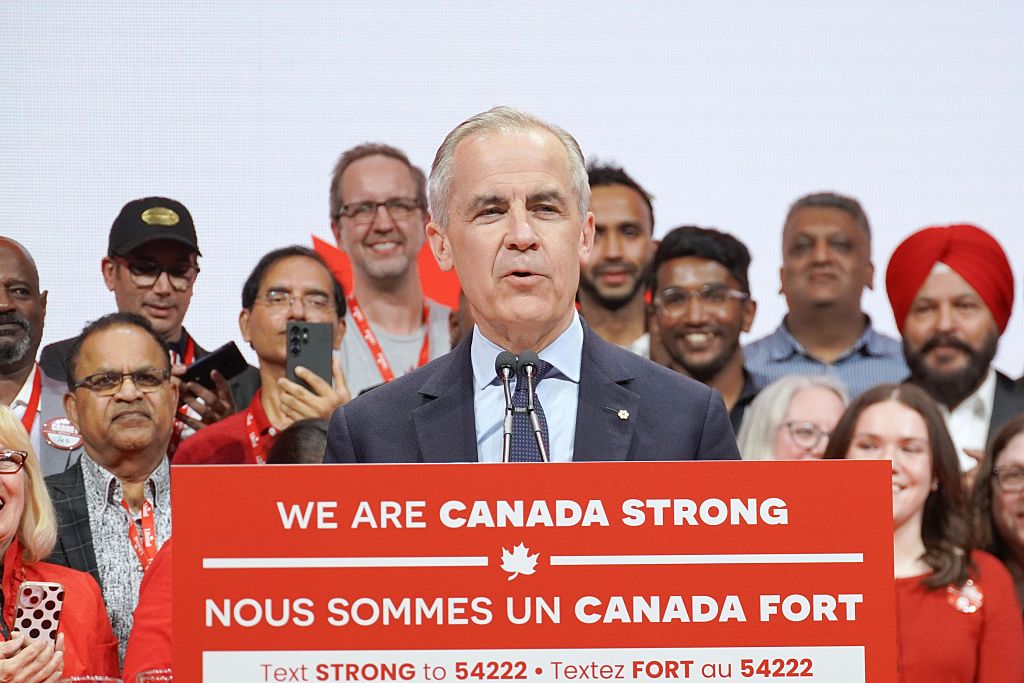
Following Monday's election, the Liberal Party, led by Prime Minister , secured a narrow victory against and the Conservative Party, marking their fourth term. The election was largely dominated by and his perceived threats, overshadowing other important issues. Even Carney’s background in climate action failed to make it a central focus, as recent polls indicated that climate change was not a top priority for Canadian voters. This represents a significant change from previous elections. Jennifer Winter, a professor at the University of Calgary specializing in climate policies, noted that the election did not primarily revolve around climate change. Instead, the main narratives centered on Trump, U.S. tariffs and their impact on Canada, and the rising cost of living. However, the Liberal Party's win suggests a continuation of existing environmental policies, including mandates for zero-emission vehicle sales and regulations for clean electricity and fuel. Kathryn Harrison, a professor of political science at the University of British Columbia, stated that the victory implies maintaining the policies implemented by the Liberal government under Justin Trudeau. Carney's career has spanned both the private sector and climate advocacy. He became a U.N. Special Envoy for Climate Action and Finance in 2019 and launched the Glasgow Financial Alliance for Net Zero in 2021, aiming to unite financial institutions in supporting the transition to a net-zero economy. Harrison believes that his experiences influenced many of the Liberal’s campaign proposals, particularly the commitment to sustainable investment guidelines. Carney has expressed his aim to make Canada a leader in both clean energy and oil and gas. Harrison suggests this shift reflects Canada's desire to reduce reliance on natural resource imports from the U.S. He seems to be advocating for a pipeline to serve Canada's domestic oil demand rather than new pipelines for exporting Canadian oil to other markets. After succeeding Justin Trudeau as Prime Minister in March, Carney's initial actions included abolishing the country's carbon tax, a contentious climate policy that imposed a fee on consumers of fossil fuels. This initiative was often blamed for the increasing cost of living, despite the fact that received more money in rebates than they paid in the tax. Experts emphasize the importance of Carney finding a replacement for the carbon tax. Green suggests that the key question moving forward is whether Canada can still meet its emissions reduction goals without consumer emissions pricing, and if so, what alternative measures will be implemented. This is expected to be addressed in the coming weeks and months. Some argue that the government needs to adopt a more ambitious approach. Rick Smith, president of the Canadian Climate Institute, points out that Canada was not on track to meet emission reduction standards even with the carbon tax. He believes the new leadership presents an opportunity for Canada to embrace more ambitious policies. Smith recommends improving existing policies and adding new ones to ensure the country meets its emission reduction commitments. While the focus has been on the future of the consumer carbon tax, he suggests prioritizing solutions with greater potential for reducing emissions, such as accelerated methane reduction policies or a national carbon market, advocating for a broader perspective. ```
Posted on
by: admin
Understanding Trump’s Plan to Ease Auto Tariffs

The Trump administration is taking steps to lower car prices for American consumers by lessening the burden of tariffs on imported vehicles. President Trump stated, "It's a little bit of help," during a rally in Michigan, where he will celebrate his first 100 days in office. "We just wanted to help them enjoy this little transition, short-term.” In late March, Trump imposed tariffs on all imported automotive goods entering the U.S., effective April 3. He had also targeted key auto production materials. According to a White House spokesperson, the new measures mean these tariffs won't be added to the existing 25% tariff on cars, potentially lowering production costs for U.S. manufacturers. A separate 25% tariff on imported car parts is still scheduled to take effect on May 3, but efforts are being made to soften the blow for consumers. Commerce Secretary Howard Lutnick commented, "This deal is a major victory for the President’s trade policy by rewarding companies who manufacture domestically.” Reports suggest the President will soon sign an executive order related to these measures. While details are scarce, it's expected to incentivize manufacturers to relocate operations to the U.S. to avoid tariff costs. What will this mean for consumers? U.S. car dealerships have voiced concerns about the potential impact of auto tariffs on their businesses and the necessity of passing those costs onto customers. Following the widespread implementation of global tariffs on April 3, some international car manufacturers have faced temporary job cuts, suspended car shipments to the U.S., and increased prices. The U.S. represents a significant portion of global sales for many international automakers. In 2024, 39% of Honda's international sales were in the U.S., while Nissan, Porsche, and Kia saw 28% of their international sales in the U.S. Given the U.S.'s substantial consumer market share, American buyers could be significantly affected if automakers pass on tariff costs. One analysis suggests that a 25% tariff on auto parts could increase the average cost of a car in the U.S. by $4,711. How are U.S. car makers responding? The White House announcement is a positive sign for U.S.-based automakers. The Trump administration has emphasized increasing U.S. production as the primary reason for tariffs, but domestic companies are still likely to experience some impact from the tariffs. Manufacturers like Ford, General Motors, and Stellantis may view this as a potential reprieve from rising production costs. Some estimates suggest tariffs could cost these three companies $42 billion. Ford stated: “While we further assess the impact of the tariff policies on our North American operations, we look forward to our continued collaboration with the U.S. Administration to strengthen a competitive American auto industry and stimulate exports,” General Motors CEO Mary Barra also expressed approval of the Trump Administration's actions. “We believe the President’s leadership is helping level the playing field for companies like GM and allowing us to invest even more in the U.S. economy.” ```
Posted on
by: grit
Muzzammil Riaz Champions Compassionate Digital Mental Health Community
Canton, Michigan Apr 30, 2025 – Muzzammil Riaz, a healthcare professional and writer, is pioneering a compassionate and authentic digital community focused on mental health through his platform, Trust The Process. He aims to reshape mental health advocacy by combining personal experiences, clinical knowledge, and a focus on collective healing in a world where mental health conversations can be disjointed and stigmatized. Riaz, a registered nurse, mental health advocate, fitness enthusiast, and writer, draws on his experience with patients and his writing to understand the complexities of healing. He emphasizes that healing is a non-linear, human process and aims to create supportive spaces where people feel seen, heard, and empowered. Trust The Process offers accessible mental health education, fitness advice, and personal insights designed to help individuals find balance and growth. His content is known for its honesty and relatability, highlighting the importance of progress over perfection. Community building is central to his advocacy. Riaz fosters open communication and genuine connections through heartfelt posts on Medium, reflective essays on Substack, and candid blogs on WordPress, creating a dialogue that demystifies mental health topics, rather than acting as a distant expert. In an era often dominated by curated perfection on social media, Riaz's #KeepGoing mantra provides a refreshing message that struggles are a normal part of the process, not failures. This message has resonated with his growing digital community, helping them feel less alone. Riaz also challenges stereotypes, particularly about men in healthcare and emotional vulnerability. He believes that true strength lies in facing emotions and seeking help, and his open discussions about burnout, self-doubt, and mental fatigue aim to normalize these experiences, especially for healthcare workers and young professionals. Education is a key component of Riaz's approach. He combines his academic achievements and clinical experience to provide inspiring and actionable advice on topics like managing anxiety, building fitness habits, cultivating resilience, and managing burnout, while acknowledging the uniqueness of each individual's healing journey. Riaz's advocacy includes philanthropic work. He supports various charitable causes through platforms like LaunchGood and GoFundMe, including the Paani Project, which provides clean water to underserved communities through the construction of water wells. Riaz plans to expand Trust The Process into a comprehensive support system with virtual support groups, interactive workshops, and collaborations with other professionals in healthcare and mental wellness. His goal is to create a movement where individuals can share their stories, support one another, and normalize the challenges of healing. Muzzammil Riaz demonstrates that the future of mental health advocacy lies in vulnerability, consistency, and community care, proving that healing is a shared journey where no one needs to feel alone. To learn more, visit: Media ContactMarket News Source :Muzzammil Riaz ```
Posted on
by: grit
Invoicce Introduces INTOUCH: AI-Driven Real-Time Call Monitoring

Invoicce is an AI platform for voice-based customer service, automating calls with human-like communication, understanding context in real time, and efficiently delivering solutions. It's AI that answers, understands, and resolves.Miami Beach, Florida Apr 29, 2025 - Invoicce Launches INTOUCH: Real-Time Call Monitoring Powered by AI Invoicce, the first AI platform in the world entirely dedicated to voice-based customer service, has introduced INTOUCH, an innovative product providing businesses with complete control and real-time visibility over their call operations. INTOUCH allows businesses to monitor every aspect of their live voice interactions, including: Active calls and calls in queue Smart notifications and operational alerts Tasks pending and issues unresolved A fully automated flow of customer interaction "INTOUCH was created to allow managers to monitor their whole voice operation as if they were in the call center – but with the speed, precision and intellect that only automation can provide," says the Invoicce team. The platform has a user-friendly and modern interface, accessible on both desktop and mobile devices. All calls are managed by Invoicce's own voice AI, which uses advanced natural language processing to understand context, intent, and emotional tone – providing smooth and efficient customer experiences. More than just a dashboard, INTOUCH functions as a central control hub for voice operations powered by AI. It easily integrates with CRMs, initiates personalized alerts, and offers detailed analytics to aid decision-making and operational improvements. The launch represents another step in Invoicce's goal to redefine customer service through intelligent voice automation, combining state-of-the-art technology with significant business results. Invoicce is a pioneer in Brazil in developing artificial intelligence for phone conversations. Created to transform how businesses communicate with their customers, the platform goes beyond standard voice bots, providing interactions that are natural, human-like and highly effective. Its exclusive AI technology can understand natural language, emotions, and intent, offering real-time solutions with independence and accuracy. Companies in various industries, including telecommunications, healthcare, finance, and retail, already depend on Invoicce to grow their customer service, lower operating costs, and increase customer satisfaction. With the release of INTOUCH, the company takes another step forward in its innovation, strengthening its position as a leader in automated voice service driven by true intelligence. Invoicce's vision is clear: to create service experiences that respond, understand, and deliver -- with excellence, speed, and personalization.Media ContactInvoicce11976619569 Source :Source Company: Invoicce Tecnologia Ltda. Description: This release is about Invoicce Tecnologia Ltda., the creator of the world’s first voice-based artificial intelligence platform. Legal Notice: This content was created and published with the authorization of the company mentioned. Any unauthorized use of the name “Invoicce” may constitute trademark infringement or misrepresentation of corporate identity. Official Website: https://invoicce.io Press Contact: contato@invoicce.io ```
Posted on
by: grit
Ammar Jali Immerses Himself in Madrid’s Vibrant Culture

Ammar Jali Discovers the Rhythms of Madrid: A Cultural Odyssey Through Spain’s Lively CapitalBethlehem, Pennsylvania Apr 29, 2025 - Recently, Ammar Jali explored Madrid, the vibrant and complex capital of Spain. This trip, unlike the serene atmosphere of Cadaqués, immersed him in a dynamic city where history and modern life are intertwined. Madrid provided Jali with an opportunity to experience the city as an inquisitive traveler, aiming to understand the lives, creativity, and connections of its residents, rather than just as a tourist, through its grand avenues and hidden neighborhoods. An Urban Symphony of Past and Present "Madrid is energetic," Jali stated. "It's not a city you leisurely wander through, but rather one you move with, becoming part of its rhythm." Jali felt that arriving in the Spanish capital was like discovering a vibrant cultural frequency. The city, with its neoclassical Royal Palace and lively plazas hosting late-night talks and flamenco music, provided a lively contrast to his earlier travels along the quieter Spanish coast. Jali's days started with sunny walks along the Gran Vía, where the architecture tells the story of a century of change. Evenings were spent enjoying the golden light in Retiro Park, where locals run, paddle boats, and relax under the shade of old trees. He noted, "Madrid doesn't just preserve its history; it actively lives it." A Journey Through Art and Identity A key part of Jali's visit was his time spent in Madrid's famous "Golden Triangle of Art," which includes the Prado Museum, Reina Sofía, and Thyssen-Bornemisza. He saw the works of Velázquez, Goya, and Picasso as more than just visual displays; they were essential to Spanish identity, deeply embedded in struggle, pride, and passion. Jali described a powerful emotional experience while standing in front of Picasso's Guernica at the Reina Sofía. "Reading about the Spanish Civil War is one thing," he said, "but experiencing the pain and defiance while standing before this painting is another. It's a timeless scream." He was equally moved by the Prado, where he spent hours admiring the Baroque masterpieces' use of light and shadow. He reflected, "Each painting serves as a window, not just into the artist's thoughts, but also into the nation's conscience." Savoring Madrid Through Its Flavors In line with his belief in cultural immersion, Jali explored Madrid's essence through its food. He engaged with both the cuisine and the people behind it, from tapas bars in La Latina to traditional taverns in Chamberí. Jali commented, "Eating in Madrid is about more than just the taste; it's about time. Meals turn into conversations, and dishes reflect the memories of generations." He mentioned a memorable evening at a family-run taberna near Plaza Mayor, where he tasted cocido madrileño, a slow-cooked stew with chickpeas, meats, and vegetables. He described it as "the kind of dish that evokes images of winter kitchens and stories shared over steaming pots." Another highlight was the Mercado de San Miguel, where he joined locals in sampling everything from acorn-fed jamón to seafood paella, connecting through shared tastes and overcoming language barriers. Jali shared, "Markets are the heart of a city. They reveal what people value: freshness, flavor, and community." Neighbourhoods with Personality Jali was particularly fascinated by how each Madrid neighborhood had its unique rhythm. He discovered edgy street art, vinyl record stores, and independent cafes filled with youthful optimism in Malasaña. He observed a vibrant exchange between cultures in Lavapiés, where North African bakeries stood alongside flamenco bars and Senegalese hair salons were next to Spanish poetry bookstores. Jali observed, "There's a surprising openness in Madrid. It's a city that has perfected the art of reinventing itself while still respecting its origins." Moments of Stillness in a City That Never Sleeps Despite the city's high energy, Jali looked for moments of peace. He watched the sunset at the Temple of Debod, an ancient Egyptian shrine rebuilt in Madrid, as it painted the sky with fire behind the stone columns. "Even in a capital, you can find silence," he said. "Madrid offers both the loud and the quiet." Departure and Reflection As his time in Madrid came to an end, he reflected on how the capital had shown him a different aspect of Spain, one defined by contrast and coexistence. He concluded, "Madrid is not just a place to visit; it's a place to join. Its spirit is bold, proud, and always changing. But if you listen closely, it will also share the quiet story of resilience, of an identity shaped over centuries, and of a people who live with passion." Ammar Jali's exploration of Madrid furthers his dedication to meaningful travel, providing readers with not just a destination, but also a way to see culture, connection, and the countless stories etched into the streets of the world's major cities. To learn more, visit: Media ContactMarket News Source :Ammar Jali Franchise
Posted on
by: grit
The Nurses Pub Unveils its 2025 Board of Directors

The Nurses Pub, a nonprofit dedicated to addressing the global nursing shortage, has announced its 2025 Board of Directors. Los Angeles, California Apr 29, 2025 – The Nurses Pub, a nonprofit empowering, educating, and equipping the next generation of nurses, is pleased to announce its newly appointed Board of Directors for 2025. These accomplished professionals will offer strategic leadership and support as the organization broadens its mission to enhance diversity and accessibility within the nursing field. The 2025 Board of Directors brings considerable experience from healthcare, education, community leadership, and philanthropy. Each member is deeply committed to promoting equity and excellence in nursing education and career advancement. Introducing the 2025 Board and Advisory Members: Mona Clayton, MSN, RN, CEO Crystal Dillard, BS, Secretary Kendra Bell, MSN, PHN, RN, Treasurer Gabrielle Carter, RN, MSN, PHN, PMHNP-BC, Strategic Planning Dr. Levi Harrison, MD, Chair, Philanthropic Engagement Dr. Mina Ananth, MD, Chair, Public Policy Dr. Shanna Jackson, DNP, FNP-C, Chair, Scholarship Review Committee Maury Hopkins, BSN, RN, Male Nursing Advocacy Chair Niara McCauley, BSN, RN, Chair, Program Development Keisha Wilson, CCS, CPCO, CPMA, CRC, CPB, AAPC, Global Operations Erin Warren, Student Adviosry Ashley Neponuceno, Student Advisory Mona Clayton, MSN, RN, CEO and Founder of The Nurses Pub, expressed her enthusiasm for the future: "The Nurses Pub has always championed transformation—transforming lives, careers, and communities through nursing. I am honored to welcome our 2025 Board of Directors, whose combined vision and leadership will help us create even more opportunities for aspiring nurses, especially those from underrepresented backgrounds. With this team, we're not just dreaming bigger; we're building a stronger, more inclusive future for healthcare." As The Nurses Pub builds on its success through mentorship, scholarships, and community partnerships, the new Board of Directors will be crucial in expanding its impact and strengthening engagement nationwide.Media ContactThe Nurses Pub562-537=1646P.O Box 3306 Source :The Nurses Pub
Posted on
by: grit
FurGPT Updates Web3 Game with Cross-Chain Smart Companion Tools for Enhanced Play
Intelligent companion features are enhancing pet interaction, gameplay, and cross-blockchain portability.London, United Kingdom Apr 29, 2025 - (FGPT) is advancing interactive pet engagement in Web3 with the introduction of new cross-chain smart companion tools. These enhancements offer improved gameplay, emotional understanding, and smooth pet transferability across blockchain networks, transforming the gamified pet experience. The cross-chain tools enable AI pets to maintain their behaviors, characteristics, and progress when moving between supported networks like Ethereum, BNB Chain, and Solana. These companions now react to user actions and environmental conditions in real time, evolving dynamically across different ecosystems. Gamified elements such as chain-independent quests, emotion-driven rewards, and adaptive trait synchronization allow users to cultivate deeper connections with their pets while earning rewards on various platforms. FurGPT's intelligent companion mechanics also enhance social and collaborative pet activities, promoting interaction among users and communities. This update solidifies FurGPT's position as a frontrunner in AI-powered Web3 entertainment, with future plans including metaverse-compatible pet integrations, multiplayer bonding features, and cross-DAO companion events. About FurGPT FurGPT is a blockchain-based platform combining AI and gamification to create customizable virtual pet experiences in Web3. With a focus on secure ownership, personalization, and interactive gameplay, FurGPT is revolutionizing digital pet engagement.Media ContactKaJ Labs88887012914730 University Way NE 104- #175 Source :KaJ Labs
Posted on
by: grit
Imagen Network Enhances Decentralized Platforms with AI-Driven Data Privacy
Introducing modular, AI-driven privacy solutions that ensure secure data interaction, controlled by the user, within Web3.Seattle, Washington Apr 29, 2025 - (IMAGE) has launched innovative data privacy layers that provide users with greater control over how their data is shared, stored, and utilized on decentralized platforms. This initiative aims to increase user confidence and strengthen privacy-focused design throughout Imagen's AI-driven social network. The new privacy layers are designed with a modular approach, enabling users to customize permissions, access levels, and engagement visibility based on their specific needs and preferences. AI-powered logic actively monitors interaction environments, automatically adjusting safeguards to align with user behavior and intentions, all while maintaining decentralization and transparency. All data permissions and activity logs are securely maintained on the blockchain, ensuring users have complete traceability and ownership of their digital identity. These privacy systems are designed to be compatible across various multichain environments, guaranteeing consistent protection and adaptability across the broader Web3 landscape. Imagen Network intends to implement decentralized privacy governance, community-driven data policies, and anonymized engagement tools in the future, setting new standards for AI-driven privacy on decentralized social platforms. About Imagen Network Imagen Network is a pioneering decentralized social networking platform leveraging AI and blockchain technology. With a focus on privacy, personalization, and user empowerment, Imagen Network is transforming social interaction within Web3.Media ContactKaJ Labs88887012914730 University Way NE 104- #175 Source :KaJ Labs ```
Posted on
by: grit
PFM Aims to Transform Wealth Management in 2025 with Risk-Free, Zero-Fee Digital Asset Earning

An impressive 9.2 million users are drawn to the PFM digital asset management platform, attracted by a $10 welcome bonus, high-yield investment options, daily profits, and immediate, cost-free withdrawals.London, United Kingdom Apr 29, 2025 - PFM, a pioneering digital asset platform, is revolutionizing the concept of passive income with its wealth acceleration model that comes at no charge. Acknowledged by Global Fintech Insights as a leader, PFM supports over 9.2 million users across 192 countries, simplifying wealth accumulation through secure, transparent, and entirely free digital asset management. Experience a $10 sign-up bonus, earn daily rewards, and benefit from instant and free withdrawals, all without needing to invest any of your own money. Why PFM Leads the Way in Modern Digital Asset Management The significant fluctuations in digital asset values often leave holders vulnerable to uncertainty. However, PFM's user-friendly platform offers: Free $10 Sign-Up Bonus: New users are granted $10 in digital assets upon registration, along with a daily check-in reward of $0.6, without requiring any deposit or wallet connection. Adaptable Investment Plans: Opt for brief plans of 1, 2, or 5 days, perfect for testing strategies and increasing investment. AI-Driven Income Optimization: PFM's AI system facilitates income optimization across multiple currencies, automatically shifting to currencies with high potential. For instance, a 30-day income optimization plan can potentially yield $2,400 in digital asset appreciation for users. Quick, Zero-Fee Withdrawals: All withdrawals are executed within 1-5 minutes, without any charges for withdrawals or account maintenance. Sophisticated Security Measures: The platform employs cold wallet storage, two-factor authentication (2FA), and blockchain-based smart contracts to guarantee security and openness. "Seeing my portfolio grow by $2,400 in just a month without risking any of my own funds felt game-changing," said James Carter, an educator from London. "PFM's level of transparency is unmatched by any other wealth management app I've tried." Getting started is quick and easy: Register: . Select a Plan: Choose from flexible 1-day, 3-day, or 5-day strategies. Activate Growth: Allow the system to operate automatically – no complex setup, no worries. Monitor & Withdraw: Keep track of your profits in real-time and withdraw your funds anytime without incurring fees. PFM integrates the robust security features of traditional finance with the innovative capabilities of digital asset technology, providing: - Multi-layered cold wallet security - Two-factor authentication (2FA) - Smart contract automation - KYC compliance in major markets The Future of Wealth Generation is Here As more individuals seek more intelligent and secure methods for wealth accumulation beyond conventional banking, PFM is establishing itself as the leading free digital asset management platform for 2025. Whether you are new to investing or seeking to refine your existing portfolio, PFM provides a low-risk, high-potential pathway to sustainable digital growth. Begin your journey today - to start growing your digital assets for free.Media ContactPFM Source :PFM
Posted on
by: grit
Astrologer Susshil Kanghya Integrates Astrology and Business Strategy

Mumbai, Maharashtra Apr 29, 2025 - As businesses increasingly rely on data and analytics, some leaders are seeking insights from astrology. Mr. Susshil Kanghya of Astro Bhaarat is a prominent figure in this movement, strategically applying astrology to business. He combines spiritual understanding with business insight, attracting entrepreneurs, executives, and investors. With extensive experience and a reputation for accurate predictions, Mr. Kanghya uses cosmic timing and personalized advice to guide professionals in volatile markets. Mr. Kanghya's unique approach goes beyond simple predictions. He aligns business decisions with planetary positions, ensuring optimal timing for ventures, contracts, and crisis management. His advice blends astrological insights with modern strategy, and satisfied clients attest to its effectiveness, citing significant improvements after following his guidance. In today's rapidly changing business world, he serves as a trusted advisor, providing clarity, timing, and foresight. Many clients who initially consult Mr. Kanghya for professional advice also explore personal matters like relationships and emotional well-being, which inevitably impact their careers. Known for aiding individuals in aligning their relationships with their life's path, he believes that personal harmony enhances professional performance. Emotionally balanced entrepreneurs and professionals are better equipped to make decisions, take risks, and lead teams. For many, a session with Mr. Kanghya marks a turning point, offering alignment in both their professional and personal lives. Mr. Kanghya ensures his services are accessible by maintaining transparent pricing. Addressing the ambiguity often associated with astrology costs, he standardizes his services, providing clear details on the depth and duration of each session. Clients receive upfront information, whether for a brief consultation or a comprehensive life reading. This honest approach has cultivated a loyal following in major Indian cities and among NRIs, who regularly book sessions to stay attuned to personal and professional cycles. His straightforward approach simplifies ancient knowledge, making it relevant in today's competitive environment. As astrology's popularity grows as a leadership and decision-making tool, discussions about its value and cost have increased. Mr. Kanghya's model offers valuable insights at a reasonable price, reflecting both the time invested and the impact delivered. Clients often remark that a single session provides deeper insights than conventional coaching or consulting, with returns extending beyond financial gains to include mental clarity, emotional peace, and strategic precision. By balancing fair pricing with personalized service, he elevates the standards for astrological consultations in India. While often labeled as a business astrologer, Mr. Susshil Kanghya offers more than just that. He acts as a strategic partner, spiritual guide, and visionary thinker, bridging cosmic wisdom and real-world success. His advice provides depth and direction, whether he's assisting a startup founder or guiding a family business through transitions. His position among Mumbai's Top 10 Astrologers reflects the trust he has earned through consistent results and a client-focused approach. In an era where timing, energy, and insight are crucial, Mr. Kanghya serves as a beacon for professionals seeking to lead with both intuition and intelligence.Media ContactAstro BharatLodha Stella, D Wing, flat No 2505,Near Cine Wonder Mall, Kapurbawdi, Thane West, Maharashtra Source :Astro Bharat ```